You know that feeling when you order teriyaki from a restaurant and the sauce is perfectly glossy, clinging to the fish like magic? I used to think that was impossible to replicate at home—until I realized I was overcomplicating it! Seriously, ditch the bottled stuff. Making your own teriyaki salmon with sesame seeds is shockingly easy and tastes infinitely better. Plus, we all know we should be eating more heart-healthy Omega-3s, right? This dish is the perfect excuse. Whether you are a pro in the kitchen or just trying not to burn water, this recipe is going to be your new best friend. Let’s get cooking!
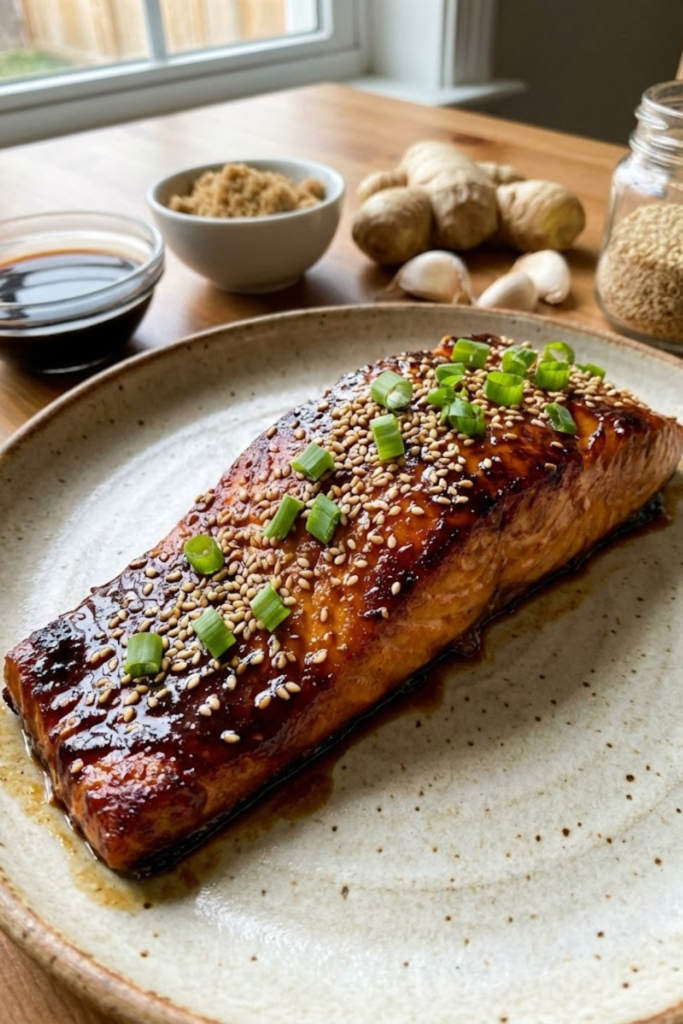
Choosing the Perfect Salmon Fillet for Pan-Searing
So, you want to make that sticky teriyaki salmon with sesame seeds, but you are standing at the fish counter feeling a bit lost. I have been there more times than I can count! I used to just grab the first pink piece of fish I saw, but that’s a pretty big mistake. The salmon is the star of this show, so we really have to get it right. If you start with bad fish, even the best homemade sauce won’t save your dinner. Choosing the right cut makes all the difference for how the glaze sticks and how the meat feels when you take a bite.
Wild-Caught or Farm-Raised?
My students ask me about this all the time. Wild salmon, like Sockeye or Coho, usually has a deep red color and a very strong flavor. It is much leaner, which means it can get dry really fast if you aren’t watching the clock. Farmed salmon is usually fattier and looks more light orange. Honestly, that extra fat makes it way easier to cook when you are searing it in a pan. For this specific recipe, I usually tell people to go with farmed Atlantic salmon. That fat helps the teriyaki sauce stay on the meat, and it stays juicy while the sauce is bubbling away.
How to Spot the Good Stuff
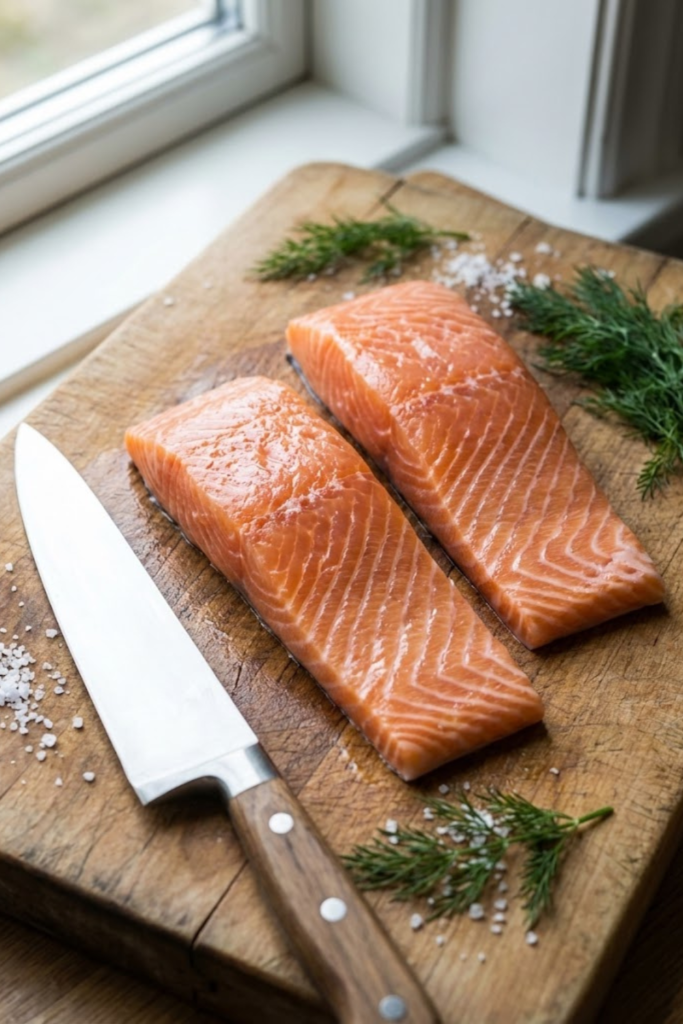
Don’t be shy when you are at the grocery store. You need to look at the fish very closely. It should look moist and a bit shiny, never dull or dry around the edges. If you see any white liquid on it, that’s a sign it is getting old. Also, give it a quick sniff if the butcher lets you. Fresh salmon should smell like the ocean—clean and salty. If it smells “fishy” or like ammonia, just walk away. I also like to look for fillets that are the same thickness all the way across. This helps the whole piece cook at the same time so you don’t end up with one side burnt and the other side raw.
Why Skin-On is Better
I always say: keep the skin on! Even if you don’t like eating the skin, it acts like a little heat shield for the meat. It stops the salmon from getting tough while you are trying to get that nice crust. When you put the skin-side down first in a hot pan, it protects the delicate fats inside. Plus, if you get it really crispy, it tastes amazing with those toasted sesame seeds.
Getting it Ready
One last tip. Take the salmon out of the fridge about 15 minutes before you plan to cook it. If the fish is too cold, the middle won’t get warm before the outside burns. And please, use a paper towel to pat it dry. If the salmon is wet, it will just steam in the pan, and we want that beautiful golden color instead. You want that pan to sizzle the moment the fish hits the oil!
Essential Ingredients for Authentic Teriyaki Sauce
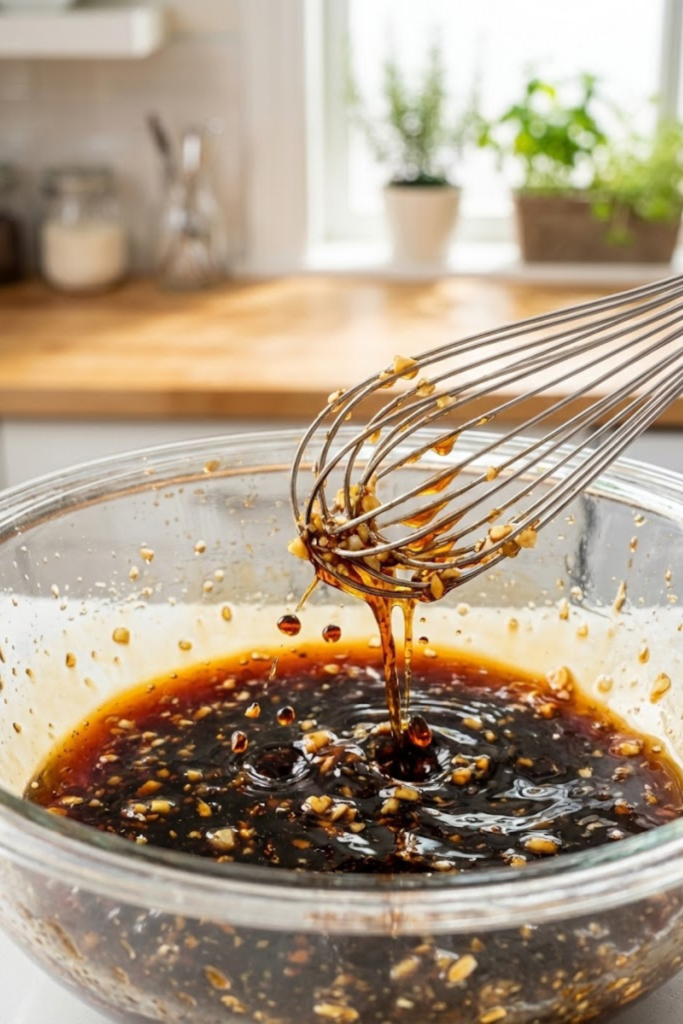
I used to buy those glass bottles of teriyaki sauce from the store all the time because I thought it was some kind of secret science. I’d look at the back and see all these long words I couldn’t say, and I just figured I couldn’t do it better. Boy, was I wrong! Making your own sauce for your teriyaki salmon with sesame seeds is actually faster than driving to the store. Plus, it tastes way more fresh. You probably have half of these things in your pantry right now. Once you see how simple the ingredients are, you’ll feel like a real chef in your own kitchen.
The Base of Every Good Sauce
Most people think you just need soy sauce, but there are actually three things that make it taste real. You need soy sauce for that salty kick, but you also need mirin. Mirin is a sweet Japanese rice wine that gives the sauce a lot of body. If you can’t find it at your local shop, you can use a little bit of white wine with some extra sugar. Some people like to add sake too. These liquids are the foundation. They give the sauce that dark, rich color that looks so good on top of the fish. Without them, you just have salty water, and nobody wants that!
Fresh Garlic and Ginger are Keys
Please, don’t use the dried powder stuff from the spice rack! It just doesn’t hit the same way. You want to get a piece of fresh ginger and some garlic cloves. I like to grate my ginger so it turns into a paste. This way, you don’t get a big chunk of it in your mouth while you are eating. The smell of fresh garlic hitting the pan with the soy sauce is one of my favorite things in the whole kitchen. It adds a depth of flavor that makes the meal feel like it came from a fancy restaurant. It’s a small step that makes a huge difference in the final taste.
Making it Sticky and Sweet
Teriyaki has to be sweet, right? I usually go for brown sugar because it has a bit of molasses in it. This helps the sauce get thick and dark as it heats up. If you want something a bit different, honey works great too and makes the sauce even more shiny. To get that “sticky” texture that kids love, you’ll need a cornstarch slurry. That’s just a way of saying you mix a tiny bit of cold water with cornstarch before pouring it into the boiling sauce. It thickens it up in seconds so it coats the salmon perfectly. This is how you make sure those sesame seeds actually stay on the fish instead of sliding off the plate!
Balancing the Flavors
Sometimes the sauce can get a bit too sweet or too salty. If that happens, don’t panic. A tiny splash of rice wine vinegar can fix it. The acid cuts through the sugar and makes everything taste more balanced. I usually taste my sauce with a spoon right before I put it on the salmon. Just be careful not to burn your tongue! If it tastes good in the pan, it’s going to taste amazing on that salmon. This part of the process is really where you can make the dish your own by adding a bit more or less of what you like.
Mastering the Pan-Sear and Glaze Technique
Cooking the fish is the part where most people start to get a little nervous. I used to be scared of overcooking the salmon or having it stick to the pan and fall apart into a big mess. But once you learn a few simple tricks, it’s actually the most fun part of the whole process. The goal here is to get a crispy outside while keeping the inside nice and soft. You want that teriyaki sauce to bubble up and turn into a thick, sticky glaze that hugs the salmon perfectly. Let’s walk through how to do it.
The Secret of the Hot Pan
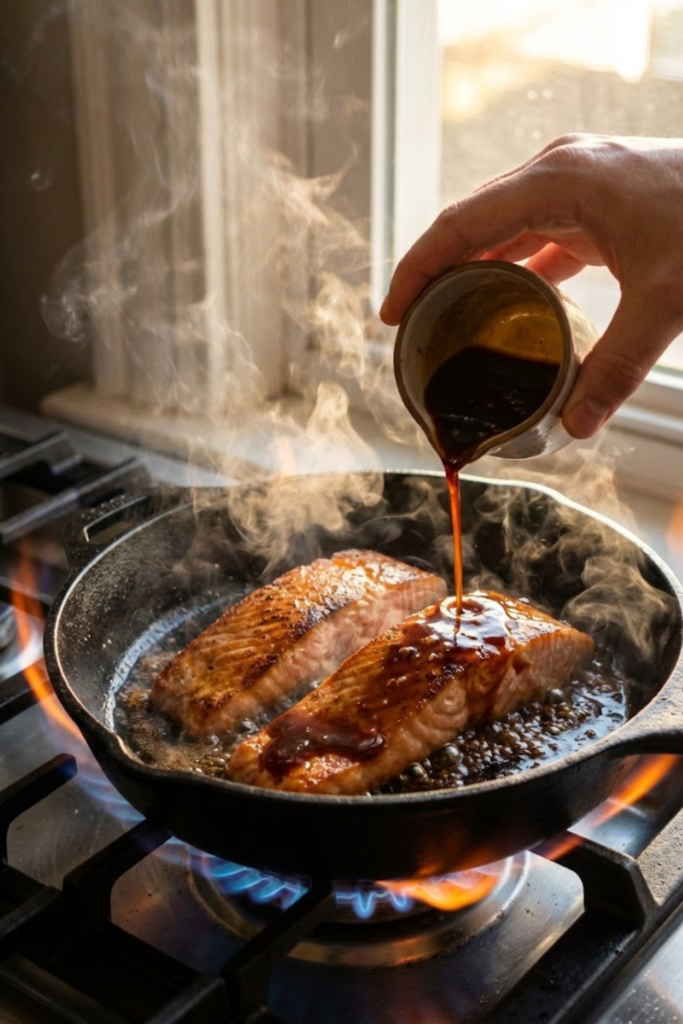
First, you need to get your pan hot before you even think about putting the fish in. I usually use a cast-iron skillet because it holds heat really well, but any good heavy pan will work. Put a little bit of oil in there—I like using something that can handle high heat, like avocado oil. Wait until you see the oil shimmering. If the pan is cold, the salmon will just soak up the oil and get greasy. When you lay the fish down, it should make a loud sizzle. That sound is music to my ears!
Just Let it Be
Here is the most important rule: don’t touch the fish! I know it is tempting to move it around, but you have to let it sit for about four or five minutes on the skin side. This is what makes the skin crispy and stops it from sticking. If you try to flip it and it feels stuck, just wait another minute. It will let go of the pan when it is ready. Flip it over carefully using a spatula. You should see a beautiful golden-brown color on the meat that looks incredible.
Making the Glaze Bubble
Now comes the part that makes your whole house smell like a restaurant. Turn the heat down a little bit so you don’t burn the sugar in your sauce. Pour that homemade teriyaki sauce right into the pan. It’s going to bubble up like crazy almost immediately. This is exactly what you want. As the sauce boils, the water evaporates and it starts to get thick and shiny. Use a spoon to grab that sauce and pour it over the top of the salmon over and over again.
Knowing When it is Done
You don’t want to leave it in the pan too long. If you have a meat thermometer, look for about 125 to 130 degrees in the thickest part. If you don’t have one, just look for the meat to start flaking apart easily with a fork. Take it out of the pan and let it sit on a plate for two minutes. This lets the juices settle back in so the first bite of your teriyaki salmon with sesame seeds is super juicy and full of flavor.
Serving Suggestions and Garnish Ideas
You have finished the hard work and your kitchen smells amazing! Now comes the fun part where we make everything look as good as it tastes. Making teriyaki salmon with sesame seeds look like a million bucks isn’t hard at all. I used to think I needed some fancy culinary degree to plate things nicely, but honestly, it is just about adding some bright colors and a bit of crunch. If you just put a brown piece of fish on a plate by itself, it looks a bit boring. But with a few simple garnishes, your family will think you spent hours on it.
Toasting Those Little Seeds
Don’t just dump raw sesame seeds on top of your fish. You really should toast them first to get the most flavor out of them. I keep a jar of both white and black sesame seeds in my pantry just for this. Just throw a handful into a dry pan for a minute or two until they start to smell nutty. Be careful, though, because they go from perfect to burnt in a heartbeat! The black seeds really pop against the bright orange salmon, and that extra crunch is exactly what the dish needs. It adds a professional touch without any extra cost.
Picking the Right Side Dish
You need something on the plate to soak up all that extra glaze that drips off the fish. I usually go with fluffy white jasmine rice because it is simple and doesn’t fight with the bold flavor of the sauce. If I am trying to be a bit more healthy for my family, I’ll use brown rice instead. Sometimes I even make a big batch of quinoa. Whatever you pick, make sure you put a big spoonful of the extra teriyaki sauce from the pan right on top of the rice. It is way too good to waste!
Add Some Green for Color
Since the salmon and the sauce are very dark and rich, you need something bright to balance it out. I love steaming some fresh broccoli or quickly cooking some bok choy with a little garlic. Snap peas are also a great choice if you want even more crunch. It makes the plate look balanced and keeps the meal from feeling too heavy. Having that pop of green makes the whole dish look way more appetizing.
The Final Fresh Pop
Right before you serve it, chop up some fresh green onions on a bias. Scatter them over the top along with your toasted seeds. I also like to give the fish a tiny squeeze of lime juice. The acid helps cut through the sweetness of the brown sugar or honey in the sauce. It is these little things that turn a regular Tuesday night dinner into something special. You don’t need to be a master chef to make a meal that everyone remembers!
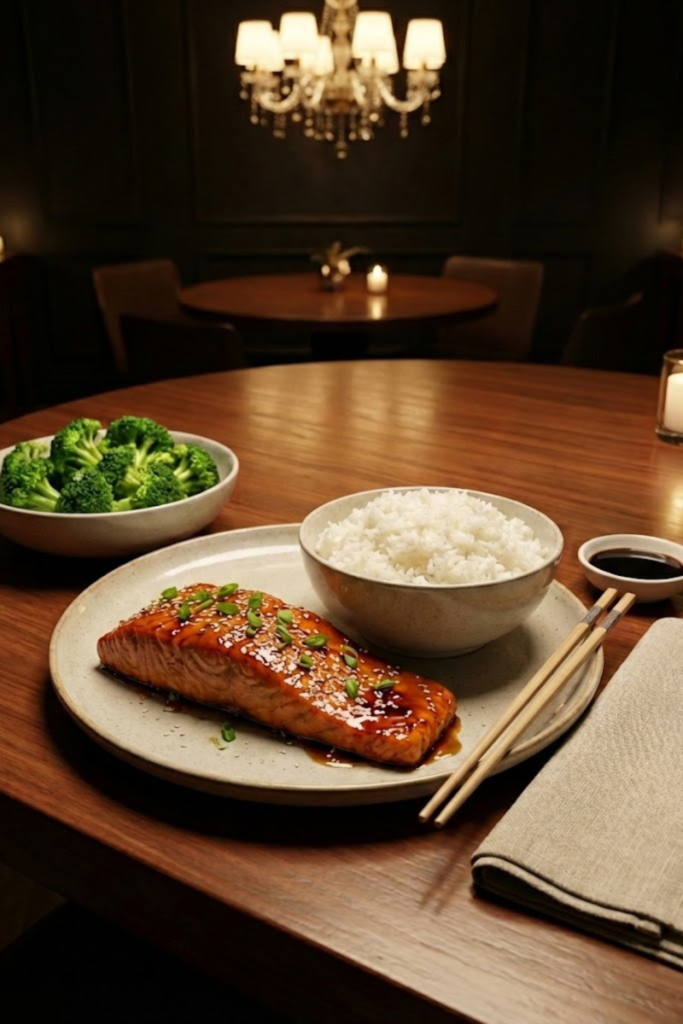
I really hope you feel ready to get in the kitchen and try this out for yourself. Making teriyaki salmon with sesame seeds isn’t just about feeding your family; it’s about proving to yourself that you can make something better than what you get at a restaurant. I remember the first time I got that glaze just right. I felt like I had won a big trophy! It is so satisfying to see that shiny sauce bubbling in the pan and knowing exactly what went into it. There are no weird chemicals or way too much salt from a bottle—just fresh, real food that tastes incredible.
Looking back at what we talked about today, the biggest thing is just to be patient. Don’t rush when you are picking out the fish at the store, and definitely don’t rush the fish while it is in the pan. If you pick a nice, fatty piece of salmon and give it the time it needs to get a good crust, you are already halfway there. Then, making that sauce is really just a bit of stirring and watching it thicken up until it looks perfect. It’s a great skill to have because once you know how to make a basic teriyaki, you can use it on chicken, tofu, or even just some roasted veggies. It’s like a little kitchen superpower that you can pull out whenever you need a quick win on a busy Tuesday night.
I know sometimes cooking fish can feel a bit scary because you don’t want to mess up an expensive piece of meat. But trust me, even if it isn’t perfect the first time, it’s still going to taste great with that sweet and salty sauce. My kids still ask for this at least once a week, and I love making it because it’s healthy and gets everyone to the dinner table fast. It’s one of those recipes that stays in your rotation forever because it just works every single time without fail.
If you enjoyed following along with this recipe and want to keep it handy for your next grocery trip, please save this to your Pinterest boards! Sharing it helps other people find easy, healthy meals to cook at home too. I love seeing how your dishes turn out, so if you make it, I hope it turns out exactly how you want. Now, go grab some salmon and get that pan hot—you’ve totally got this!