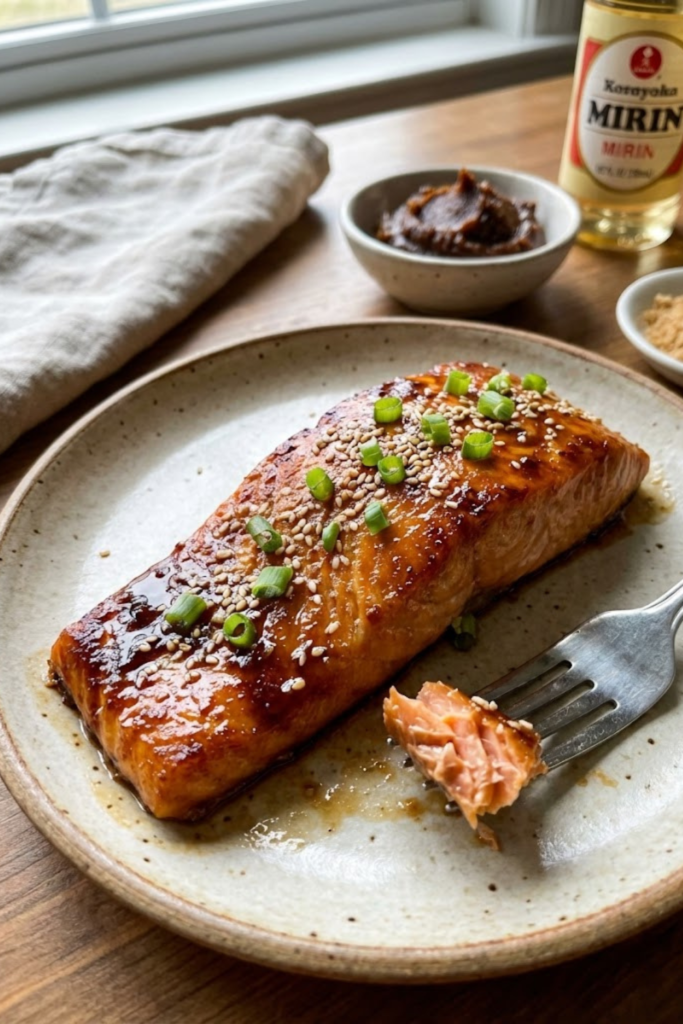
Did you know that nearly 70% of home cooks feel intimidated by preparing seafood at home? Honestly, I used to be one of them! For years, I avoided making salmon with miso glaze because I thought it required some kind of secret chef degree. My first attempt was a total disaster—I burnt the sugar and the middle was still frozen. But after a lot of trial and error (and a few smoke alarms), I finally cracked the code to getting that perfect, flaky texture and sweet-savory crust. This recipe is a total game-changer for your weeknight rotation!
Master the Art: Selecting Your Salmon Fillets
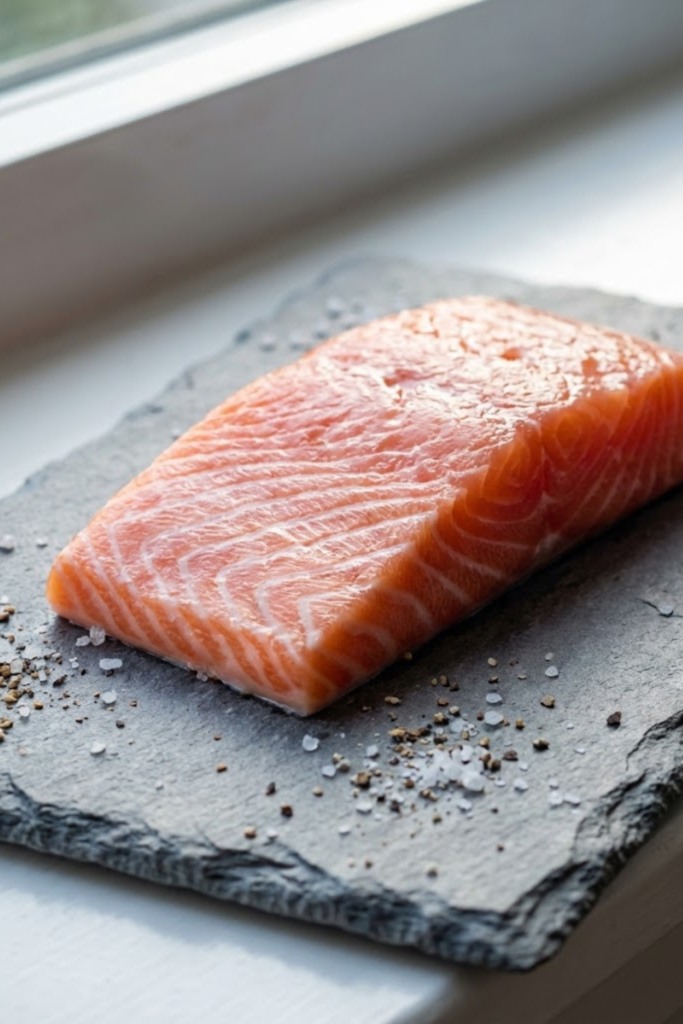
I remember my first time standing at the fish counter like it was yesterday. I was so nervous that I just pointed at the cheapest, thinnest piece I saw and ran for it. Big mistake! That fish ended up dry and tasted like a piece of old paper. If you want your salmon with miso glaze to actually taste like something from a fancy restaurant, you have to be a bit picky. Think of yourself like a detective looking for clues of freshness before you spend your hard-earned money.
The “Smell Test” and Color
I know it feels a little weird to sniff fish in a public grocery store, but you really have to do it. Good salmon shouldn’t smell like much of anything except a fresh breeze at the beach. If it smells sour or really “fishy,” it’s already past its prime. My grandmother always told me, “if you have to hold your breath, don’t put it in your mouth.” She was right!
You also want the color to look bright and happy. For Atlantic salmon, you want a nice, vibrant pink. If you’re buying Sockeye, it should be a deep, dark red. Stay away from anything that looks pale or has dark bruises on the meat. Those bruises happen when the fish is handled roughly, and they won’t taste very good once they’re cooked.
Look for the “Flavor Stripes”
One of the most important things I look for are those little white lines running through the meat. In my kitchen, we call those “flavor stripes,” but it’s really just healthy fat. This fat is what makes the fish stay moist while you’re cooking it. If the fish looks very lean and doesn’t have many lines, it might turn out a bit tough. More stripes usually mean a much more buttery and delicious bite.
Thickness and the Frozen Secret
I always try to find fillets that are at least an inch thick. The thin pieces cook way too fast. By the time your miso glaze gets that beautiful brown crust you want, a thin piece of fish will be overcooked and dry. Get the thick center-cut pieces if you can. They cook more evenly and stay nice and juicy in the middle.
Also, don’t be afraid of the frozen section! Most “fresh” fish at the counter was actually frozen on the boat and then thawed out at the store. I often buy the vacuum-sealed frozen bags because they are often cheaper and actually fresher. Just make sure you thaw them in the fridge overnight. Please, don’t use the microwave to thaw them—I did that once and the edges turned into rubber. It was a sad day for dinner!
The Flavor Engine: Building Your Miso Marinade
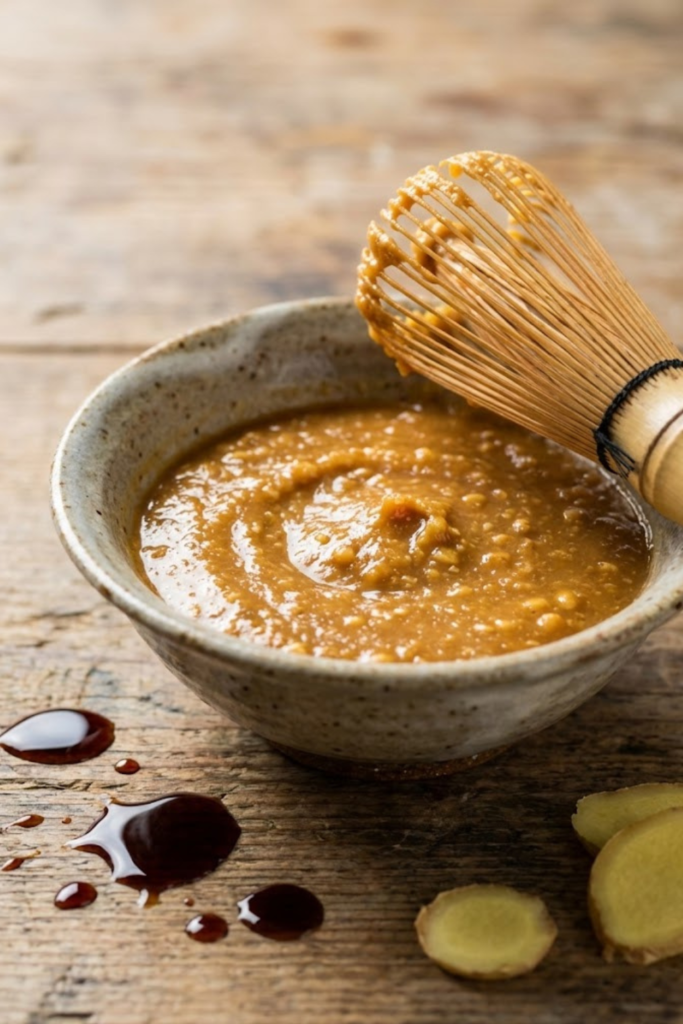
If the salmon is the star of the show, then this marinade is definitely the director making sure everything looks and tastes perfect. I used to think making a salmon with miso glaze was basically impossible without a specialized pantry, but honestly, once you have these four or five jars in your fridge, you can make this meal anytime. I remember the first time I tried to eyeball the measurements—I ended up with something that tasted like a salt lick! It took me a few tries to realize that the balance between the sweet and the salty is where the magic happens.
White vs. Red Miso: Does it Matter?
When you go to the store, you’ll probably see a few different tubs of miso. For this recipe, I almost always reach for the white miso, which is sometimes labeled as “Shiro” miso. It’s a lot milder and has a bit of a sweetness to it that pairs really well with fish. One time I tried using the dark red miso because it was all I had left, and wow, it was way too strong. It completely covered up the taste of the salmon! If you want that light, restaurant-style flavor, stick with the white stuff. It’s much more forgiving if you accidentally add an extra spoonful.
The “Liquid Gold” Ingredients
To turn that thick paste into a smooth glaze, you need some liquids. I use a mix of mirin, sake, and soy sauce. Mirin is a Japanese sweet rice wine, and it’s what gives the fish that beautiful shiny look when it comes out of the oven. If you can’t find sake, don’t worry too much; you can just use a little extra mirin or even a splash of water to thin it out. The soy sauce brings the salt, so you don’t even need to add extra table salt to the fish. Just whisk them all together in a small bowl until the lumps of miso disappear.
Adding Your Own Special Touch
I’m a huge fan of adding fresh ginger and garlic to my mix. I usually just grate them right into the bowl. It adds a little bit of heat and a fresh smell that really cuts through the richness of the fish. Sometimes I even throw in a tiny squeeze of honey if the miso feels a bit too fermented or sharp. Don’t be afraid to taste a little drop of the sauce before you put it on the raw fish. If it tastes good on your finger, it’s going to taste incredible on that salmon! Just make sure it’s thick enough to actually stay on the fillet instead of running all over the pan.
Sear and Sizzle: Cooking Techniques for Success
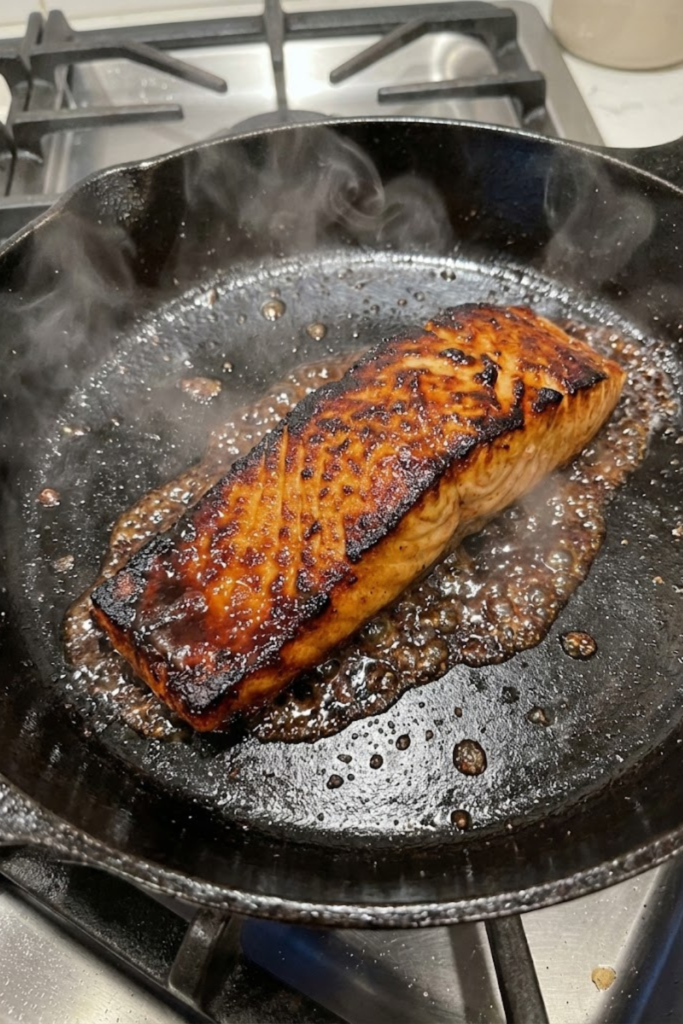
Cooking this fish is where things usually go sideways for most people. I can’t tell you how many times I’ve set off the smoke alarm in my house trying to get a good crust on my salmon with miso glaze. The problem is that miso has a ton of sugar in it from the mirin and the fermentation of the beans. Sugar loves to burn! If you just throw it in a pan and walk away, you’re going to have a charcoal brick on the outside and raw fish on the inside. I learned that lesson the hard way one Tuesday night when I had to order pizza because our dinner was literally on fire.
The Broiler is Your Best Friend
After failing a lot, I found out that the broiler is actually the secret weapon here. Instead of cooking the fish from the bottom up in a pan, the broiler hits it with high heat from the top. This caramelizes the glaze really fast without drying out the bottom. I usually put my oven rack about 6 inches away from the top heating element. You have to watch it like a hawk, though. Don’t go check your email or play with the dog. Stay right there. As soon as you see those little dark bubbles forming on top, it’s getting perfect. It usually takes about 6 to 8 minutes depending on how thick your fillets are. If it starts to smell like it’s burning, just pull it out for a second.
The “Flake” Test for Doneness
A lot of people ask me how to tell when it’s done without cutting it open and ruining the look. The easiest way is the flake test. Just take a fork and gently push on the thickest part of the fish. If the layers of meat start to separate or “flake” easily, it’s ready. You want the middle to look just a tiny bit translucent—not totally opaque and dry. If it looks like a sponge, you probably cooked it too long. I like my salmon to be juicy, so I always pull it out just a minute before I think it’s finished because it keeps cooking on the hot pan even after you take it out.
Give it a Rest!
One of the biggest mistakes I see my students make is cutting into the fish the second it leaves the heat. You have to let it rest for at least three minutes. This lets the juices move back into the center of the meat. If you cut it too soon, all that delicious moisture just runs out onto the plate, and your fish ends up dry. While it’s resting, you can spoon some of the extra juices from the pan back over the top to keep that salmon with miso glaze looking shiny and pretty. It makes a huge difference, trust me! Just be patient for those three minutes—it’s worth it.
Perfect Pairings: What to Serve with Miso Salmon
I used to be the kind of cook who just threw a bag of frozen peas on the side and called it a day. I thought if the main course was good, the rest didn’t really matter much. Boy, was I wrong! After making salmon with miso glaze for my family dozens of times, I realized that the side dishes are just as important as the fish itself. If you pick something too heavy or too sour, it can totally ruin the balance of that sweet and salty glaze you worked so hard on. You want sides that act like a good backup singer—they make the star look better without stealing the show.
Grains That Soak Up the Sauce
The best thing about this recipe is the extra glaze that drips off the fish. You don’t want to let that liquid gold go to waste! I always suggest serving this over a bed of fluffy Jasmine rice. It has a light, floral scent that matches the Japanese flavors perfectly. I remember one time I tried using a heavy wild rice blend, and it was just too “nutty” and distracting. It felt like I was eating two different meals at once. If you’re watching your carbs, cauliflower rice is a great swap. Just a little tip: sauté the cauliflower rice in a dry pan for a few minutes first to get the moisture out. Nobody likes a soggy plate, and I’ve definitely served my fair share of “soup rice” by accident before I figured that trick out.
Keeping it Fresh with Green Veggies
Since the miso glaze is pretty rich and sweet, you really need something green and crisp to balance it out. My absolute favorite is baby bok choy. I just cut them in half, wash the dirt out of the middle, and toss them in a pan with a tiny bit of sesame oil. They cook so fast! If you can’t find those, roasted broccoli is my second choice. I usually throw the broccoli on the same baking sheet as the salmon to save time on dishes. Just watch out so the tips don’t burn while the salmon is under the broiler. A little bit of char is okay, but too much will make the whole meal taste bitter.
Those Final Crunchy Bits
I tell people all the time that we eat with our eyes first. A plain piece of fish on a plate looks a bit sad, but if you add some garnishes, it looks professional. I always keep a jar of toasted sesame seeds and some green onions in the fridge. Slicing the onions thin and sprinkling them over the top adds a fresh “zing” that cuts right through the richness of the salmon. It’s those tiny little things that make your family think you spent hours in the kitchen when it really only took you twenty minutes. Plus, that little bit of crunch makes the texture of the meal way more exciting for everyone at the table.
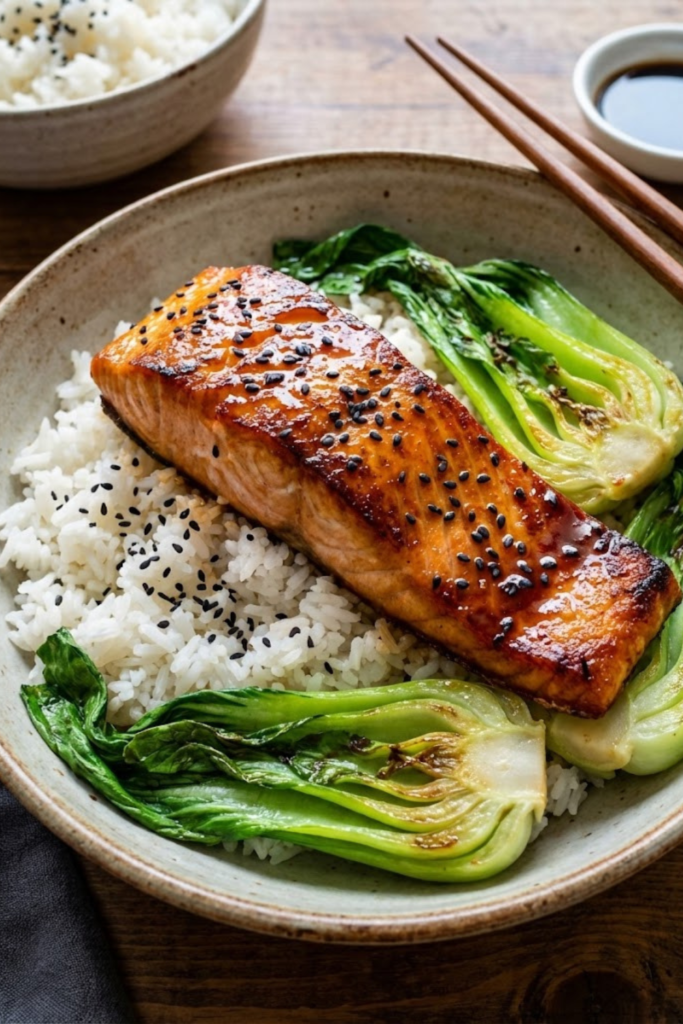
So, we’ve finally reached the end of our little cooking lesson today. I really hope you feel a bit more confident about trying salmon with miso glaze in your own kitchen now. Like I said before, I spent way too many years being totally scared of cooking seafood. If a guy like me can learn to make this without burning the house down or making a giant mess, I know for a fact that you can too. It’s all about taking those small steps and not letting a few mistakes stop you from trying again. Even my worst burnt salmon nights taught me something important for the next time!
The biggest things I want you to take away from this are just picking a good, thick piece of fish and keeping a very close eye on that broiler. Remember that white miso is going to be your best friend here because it’s so much easier to work with than those stronger, darker kinds. And please, for the love of a good dinner, let that fish rest for a few minutes before you start digging in. It makes such a huge difference in how juicy and flaky the meat stays. I know it’s really hard to wait when the whole house smells amazing, but your taste buds will definitely thank you for the patience.
I usually make this on Wednesday nights when things are super busy with school and work stuff. It’s one of those rare meals that feels like a big fancy treat but actually takes less time than ordering a pizza and waiting for the delivery guy to show up at the door. My kids even ask for seconds sometimes, which is a total miracle in my house! Once you see how easy that glaze is to whip together, you’ll probably start wanting to put it on everything. I’ve even tried it on some chicken thighs, and it turned out pretty good!
If you found these tips helpful or if you have a funny story about your own kitchen fails, I’d love to know. Cooking should be about sharing and learning together, not just following a strict set of boring rules. It’s totally okay if your kitchen gets a little messy or if your first fillet doesn’t look like a picture in a magazine. The flavor is what really counts in the end. If you liked this recipe and want to save it for later, please share it on Pinterest! It helps other home cooks find these easy tips, and I really appreciate the support. Go ahead and grab those fillets and give it a shot tonight!