Did you know that “umami” wasn’t even officially recognized as a distinct taste until 1985? It’s wild! But once you taste this miso butter salmon, you’ll understand exactly what the fuss is about. I remember the first time I tried cooking with miso paste; I was terrified I’d overpower the fish. Boy, was I wrong! This recipe is my absolute go-to when I want to impress guests (or just treat myself) without spending hours in the kitchen. It is savory, buttery, and honestly, life-changing. We are going to dive into how to get that perfect sear and a glaze that will make your tastebuds sing. Let’s get cooking!
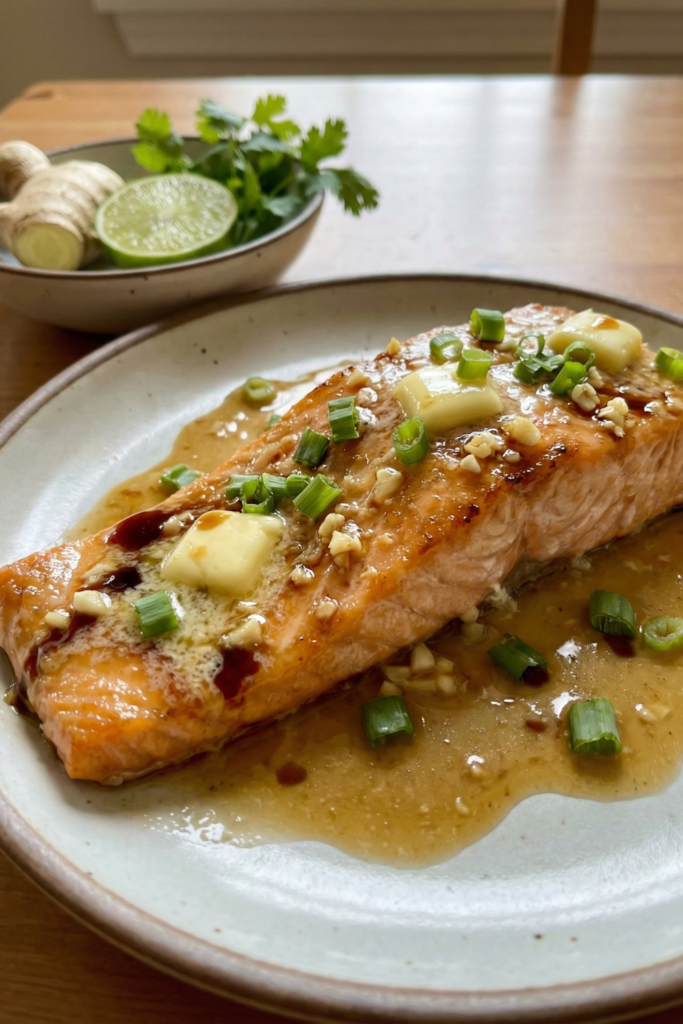
Why Miso and Butter Are the Perfect Culinary Pair
I used to think butter belonged on toast and miso belonged in soup. Separately. Like, stay in your lane, right? But then I tried combining them, and honestly, my brain kind of short-circuited in the best way possible. It’s like when you find out peanut butter and pickles actually taste good together—it sounds wrong, but it feels so right.
If you are looking to level up your miso butter salmon, understanding this flavor marriage is key. It’s not just about slapping two ingredients together; it’s about balance.
The Umami Explosion
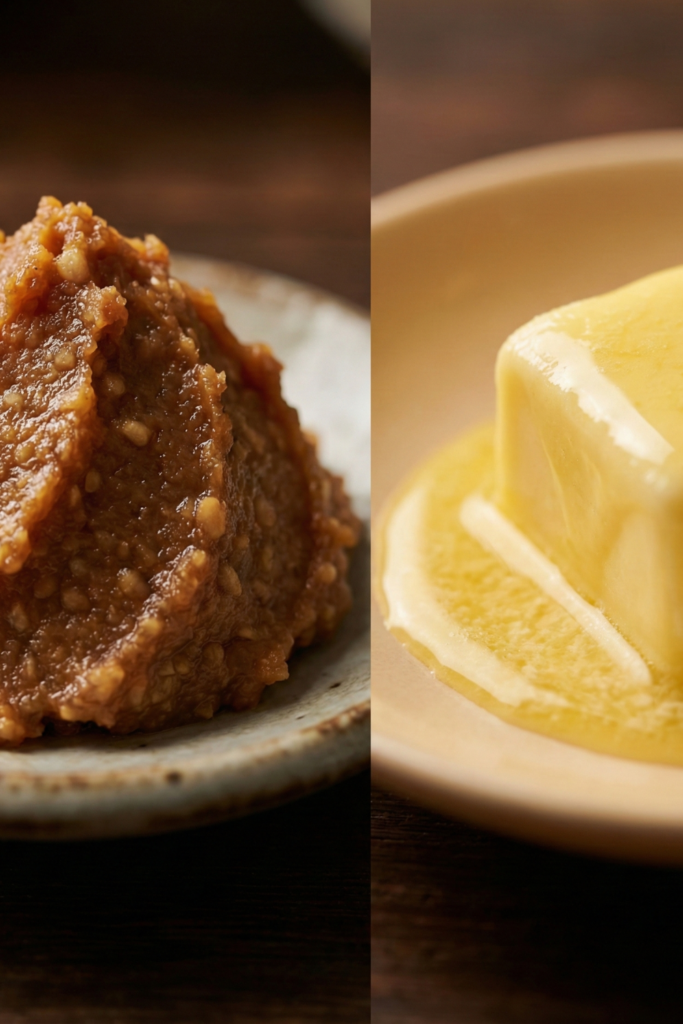
Here is the thing about miso paste: it is a salt bomb, but it’s also packed with that deep, savory “umami” flavor we are all chasing. When you mix that with the creamy sweetness of butter, something magical happens. The fat in the butter mellows out the harsh saltiness of the miso, creating a rounder, more luxurious taste.
I remember the first time I tried to wing this. I grabbed a tub of Red Miso (Aka Miso) because it was the only thing I had in the fridge. Huge mistake. Red miso is way stronger and saltier than the white variety. I mixed it with salted butter—another rookie error—and basted my poor salmon fillet in it.
The result? It tasted like I had licked a salt block. It was edible, but I drank about a gallon of water afterward. The lesson was learned the hard way so you don’t have to.
Fat Meets Fermentation
There is a bit of food science at play here, even if I’m not a scientist. Butter is mostly fat and milk solids. Miso is fermented soybeans. When you whisk them together, you are creating an emulsion that coats the tongue.
This is super important for fish like salmon. Salmon is already oily, which is great, but the miso butter adds a different kind of richness. It creates this glossy, caramelized crust when heat hits it that you just can’t get with oil alone.
- Pro Tip: Don’t melt the butter completely before mixing. Use room temperature butter and mash the miso into it with a fork. It creates a smoother paste that melts evenly over the fish.
It’s About the Balance
We often think “more is better,” but with these two powerhouse ingredients, restraint is your friend. You want the sweet, nutty flavor of the butter to shine through the fermented funk of the miso.
I’ve found that a 1:1 ratio can sometimes be too intense for lighter palates. I usually lean towards a little more butter than miso now. It makes the sauce silkier and less likely to burn in the pan. Because let me tell you, burnt miso smells… interesting. And not in a good way.
So, don’t be intimidated by the fancy name. It’s just two distinct flavors holding hands and jumping into a pan. Once you get this combo right, you’ll probably start putting it on everything. I’m guilty of putting it on corn, potatoes, and once, confusingly, on a piece of toast. (Okay, the toast was actually pretty good).
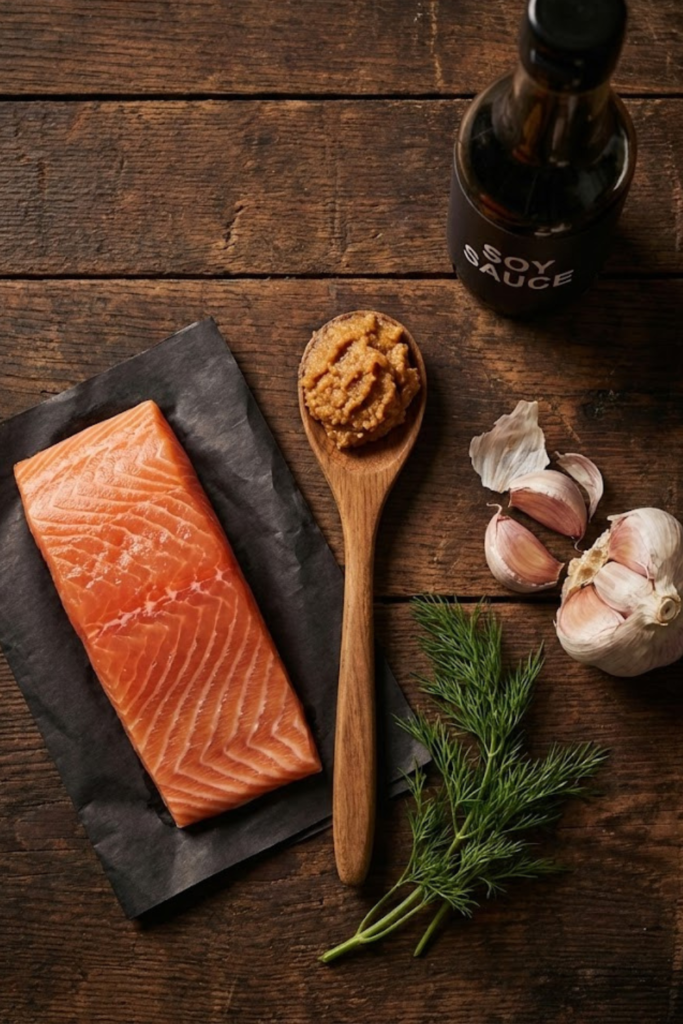
Essential Ingredients for Miso Butter Glazed Salmon
I used to be the person who would just grab whatever salmon looked “okay” at the grocery store and hope for the best. Usually, that ended with me eating dry, sad fish that tasted like regret. Over the years, I’ve learned that for a dish this simple, the ingredients really have to pull their weight. You can’t hide bad fish behind five ingredients.
Since we are keeping the shopping list short, quality is everything here. Let’s break down exactly what you need so you don’t end up wandering aimlessly down the international aisle.
The Salmon: Farm-Raised or Wild?
Look, I’m not going to preach at you about which salmon you have to buy. We all have budgets. I usually grab farm-raised Atlantic salmon because it’s fatty and forgiving if I accidentally leave it in the pan a minute too long. That extra fat content works beautifully with the miso butter salmon concept because it melts right into the sauce.
If you can splurge on wild-caught Sockeye or King salmon, go for it! Just remember it cooks way faster because it’s leaner. I’ve definitely ruined a $30 piece of King salmon by treating it like its farm-raised cousin. It was dry as a bone. I could have cried.
Also, get the skin-on fillets. Even if you don’t eat the skin, cooking it skin-side down protects the meat from the harsh heat of the pan. Plus, crispy salmon skin is basically fish bacon. Don’t knock it ’til you try it.
Miso Paste: White vs. Red
This is where people get tripped up. You’ll see a wall of tubs at the Asian market, and it is confusing. For this recipe, you want White Miso paste (Shiro Miso).
I once used red miso because I thought, “Miso is miso, right?” Wrong. Red miso is fermented longer and is way saltier and funkier. It completely overpowered the delicate salmon. White miso is younger, sweeter, and milder. It brings that savory flavor without punching you in the face.
If you can’t find it in the refrigerated section near the tofu, check the international aisle. Just don’t buy the instant soup packets! That is not what we are doing here.
Butter: Salted or Unsalted?
Okay, this is the hill I will die on: use unsalted butter.
Miso paste is naturally very salty. If you mix it with salted butter and then maybe add a splash of soy sauce, you are going to have a salt lick on your hands. I’ve made this mistake so you don’t have to. Using unsalted butter lets you control the seasoning. You can always add a pinch of salt later, but you can’t take it out once it’s in there.
The Aromatics
You might think you can skip the fresh garlic and ginger, but please don’t. The richness of the butter and the fatty fish needs something sharp to cut through it.
- Fresh Garlic: Use fresh cloves, not the stuff in the jar. The jarred stuff has a weird metallic taste that ruins the vibe.
- Fresh Ginger: A little knob of grated ginger adds a zing that wakes the whole dish up.
- Scallions: These aren’t just for looks. The fresh oniony bite at the end balances the heavy, sweet glaze.
Get these few things right, and you are basically 90% of the way to a restaurant-quality meal. It’s crazy how much better food tastes when you just pay attention to the little details.
Step-by-Step: How to Make Miso Butter Salmon
Cooking fish used to scare the living daylights out of me. I always worried I’d undercook it and give everyone food poisoning, or overcook it until it was basically a hockey puck. For the longest time, I avoided it completely. But once I realized that miso butter salmon is actually faster than ordering takeout, I got over my fear pretty quick.
It really comes down to confidence and heat management. We aren’t doing anything crazy here, just simple steps that need a little attention.
Prep Work: The Dry Pat
If you take one thing away from this post, let it be this: dry your fish!
I cannot tell you how many times I used to throw a wet fillet straight from the package into a pan. It would sizzle for a second, then just sit there bubbling in its own juices. It was steaming, not searing. Sad, gray fish is not what we want.
Grab a few paper towels and pat that salmon dry on all sides. You want it tacky to the touch. This removes surface moisture so the heat can actually work on browning the meat and crisping the skin. If the skin is wet, it will stick to the pan, and you’ll end up crying while scraping fish mash off your skillet. I’ve been there. It sucks.
Making the Compound Butter
While the fish sits for a minute, I make the paste. This is the messy fun part.
Take your room-temp butter and your white miso paste and smash them together in a small bowl. It’s going to look a bit weird at first, kind of clumpy and separated. Just keep mashing.
I usually use a fork for this. You want a consistent color throughout. If you leave big chunks of plain miso, you’ll get super salty hot spots in the pan later. Smooth is the goal.
The Sear: Patience is Key
Get a heavy pan—I swear by my cast iron skillet—and get it nice and hot over medium-high heat. Add a high-heat oil like avocado oil or canola. Olive oil smokes too fast, so skip that for the sear.
Place the salmon skin-side down. Now, here is the hard part: Don’t touch it.
I know, you want to peek. You want to wiggle it. Don’t. If you try to move it too early, the skin will tear. Let it cook undisturbed for about 4 to 5 minutes. You’ll see the color of the cooked fish slowly creeping up the side of the fillet.
When the skin releases naturally from the pan, it’s ready to flip. If you have to force it, it needs another minute.
The Baste (Aroser)
This is where you feel like a legit chef. Once you flip the fish, turn the heat down to medium-low. Drop that miso butter mixture into the pan along with your garlic and maybe a splash of soy sauce.
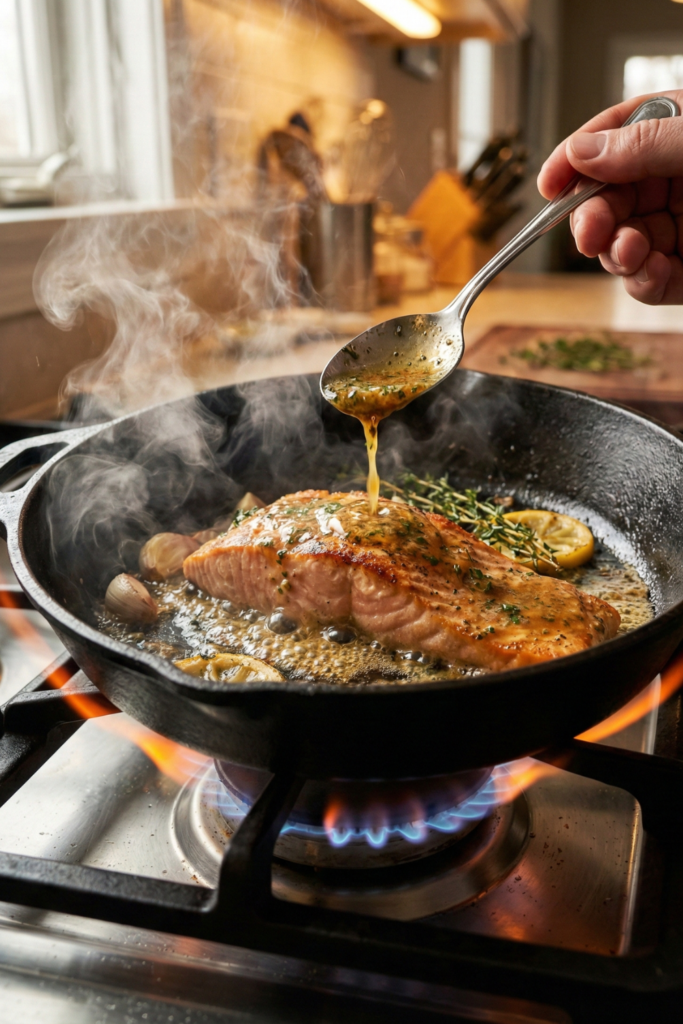
As it melts, tilt the pan slightly so the liquid gold pools at the bottom. Take a large spoon and continuously scoop that hot, foaming butter over the fish. The French call this “aroser,” which sounds fancy, but it just means basting.
This technique cooks the fish gently from the top while keeping it incredibly moist. I usually do this for about 2 or 3 minutes. The butter will start to smell nutty and caramelized. It is the best smell in the world.
Check the internal temp if you are unsure—you want about 125°F to 130°F for medium. Don’t wait for it to hit 145°F in the pan, or it will be dry by the time it hits the plate. Carryover cooking will finish the job while it rests.
Here is the next section of the blog post, written to follow your specific style, tone, and formatting constraints.
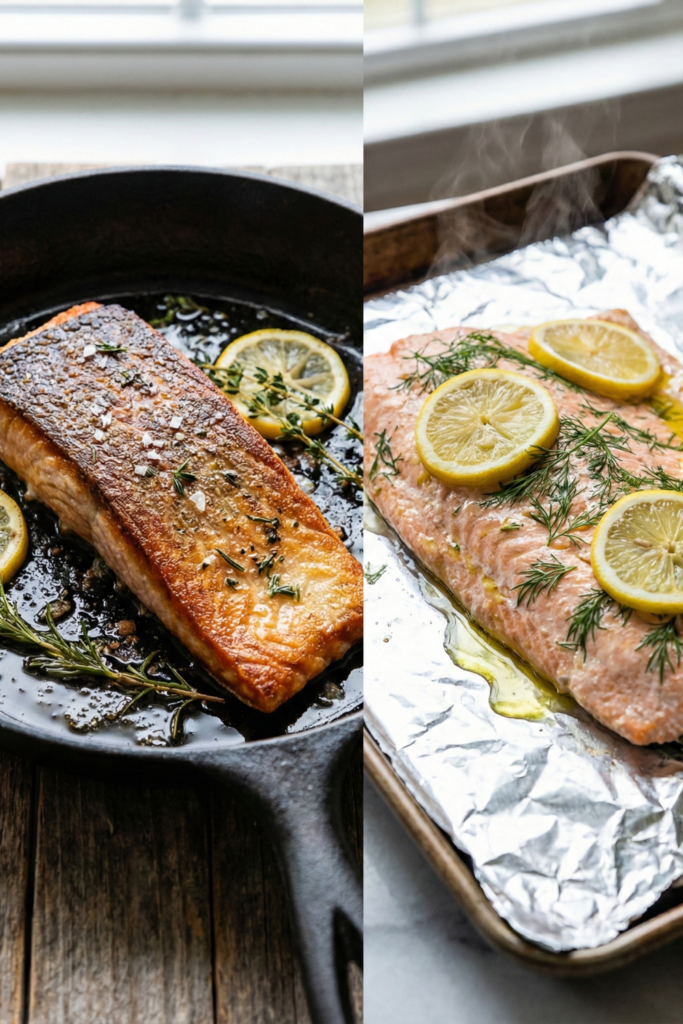
Oven-Baked vs. Pan-Seared: Which is Better?
I have this internal debate almost every single Tuesday. I’m standing in my kitchen, staring at a pack of salmon, and I have to decide: do I want to feel like a fancy chef, or do I just want to eat and go sit on the couch? It’s a real struggle.
Choosing between cooking methods for miso butter salmon isn’t just about heat; it’s about your energy levels and how much you hate doing dishes. I’ve done both methods a hundred times, and honestly, they produce totally different vibes.
Team Pan-Sear: For the Texture Freaks
If you are obsessed with crispy skin salmon, there is only one option. You have to use the pan. The oven just cannot replicate that shatter-in-your-mouth crunch that you get from direct contact with a hot skillet.
When I pan-sear, I feel accomplished. The sugar in the miso caramelizes instantly against the metal, creating these dark, sticky, delicious bits that are basically the best part of the meal. But let’s be real for a second. It is messy.
The last time I made pan-seared salmon on a high heat setting, I set off my smoke alarm. My dog started barking, I was frantically waving a towel at the ceiling, and grease splattered all over my backsplash. It was chaotic. But was the fish delicious? Absolutely. If you want that restaurant-quality sear, you have to accept the mess.
Team Oven-Baked: The “I’m Tired” Method
On the flip side, we have the oven. Oven baked salmon foil packets are my savior when I’ve had a long day and just cannot deal with scrubbing a cast iron skillet.
You just wrap the fish up with the miso butter and maybe some asparagus, toss it on a sheet pan, and walk away. It is practically hands-off. The cleanup takes about ten seconds because you just throw the foil away.
However, you have to manage your expectations. You won’t get crispy skin. The foil traps the steam, so the salmon essentially poaches in its own juices. The texture is incredibly soft and buttery, almost like it melts on your tongue. It’s comforting, but it lacks that textural contrast.
The Air Fryer Wildcard
I was late to the air fryer party (I’m stubborn), but I’m fully converted now. An air fryer salmon recipe is kind of the perfect middle ground.
It circulates hot air so fast that you actually get decent browning on the top without the splatter of a pan. I’ve found that 7 to 8 minutes at 400°F is the sweet spot. It’s faster than preheating the big oven, and it doesn’t smell up the whole house like frying does.
- Quick Tip: If you use the air fryer, put a piece of parchment paper under the fish. Miso burns fast, and scraping burnt miso off the fryer basket is a nightmare I wouldn’t wish on my worst enemy.
So, Which One Wins?
It depends on what you value more in that moment.
- Choose Pan-Searing if: You want the best flavor and texture, and you don’t mind wiping down the stove after.
- Choose Oven-Baking if: You are cooking for a crowd or you just want easy weeknight seafood with zero cleanup.
Personally? I pan-sear on weekends when I have a glass of wine in hand and time to spare. But on a busy Wednesday? Into the oven it goes. Both ways deliver that savory miso punch, so you really can’t lose. Just don’t overcook it, and we’re good.
Serving Suggestions and Side Dishes
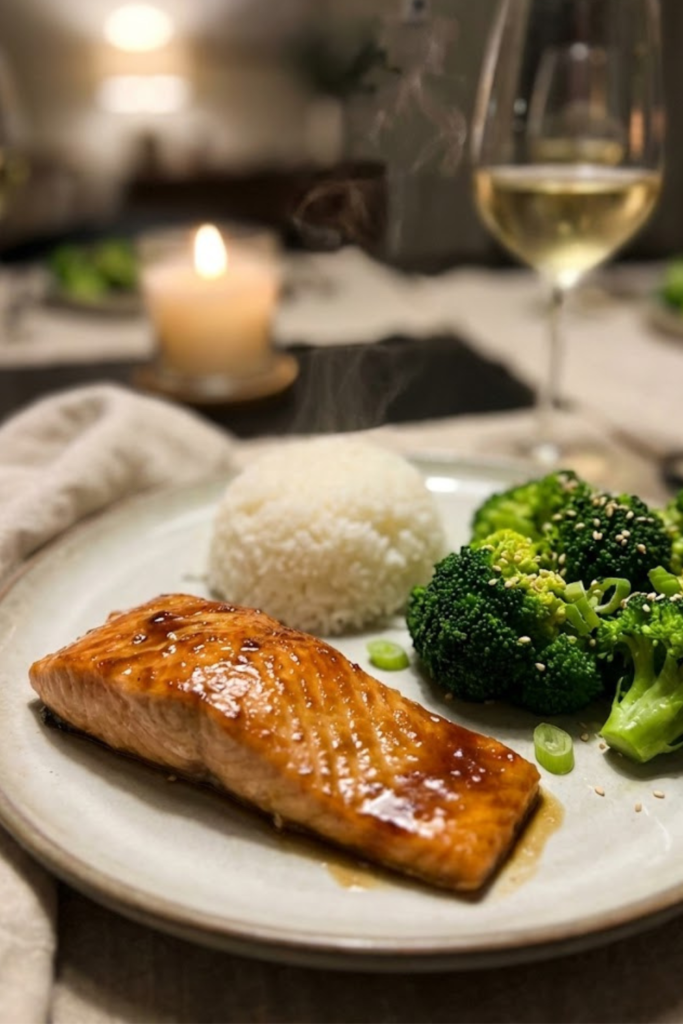
You have successfully cooked a beautiful piece of fish without burning your house down. Congratulations! But now you are standing there with a lonely fillet on a plate, realizing you forgot to think about the rest of the meal. I have been there so many times. I used to serve this with mashed potatoes, which was a huge mistake. It was just way too much heavy-on-heavy.
To really make this miso butter salmon shine, you need sides that play a supporting role, not ones that fight for the spotlight. We want balance, crunch, and something to soak up that liquid gold sauce.
The Carb Strategy: Rice is Life
If you are not serving this with steamed white rice, what are you even doing?
I am serious. The salty, buttery glaze that drips off the salmon is the best part of the dish, and you need rice to catch it. I usually go for short-grain sushi rice or Jasmine rice. It acts like a little sponge for all that umami goodness.
- My Lazy Hack: If I am pressed for time, I use those microwaveable sticky rice bowls. Don’t judge me. They take 90 seconds and honestly taste 95% as good as the pot-cooked stuff.
For a different vibe, try a soba noodle salmon bowl. I love cold buckwheat noodles with a sesame dressing next to the hot salmon. It feels very fancy, like something you’d pay $24 for at a lunch spot, but it’s actually super easy to throw together.
Green Things for Crunch
Since the salmon is soft and the butter is rich, you need a vegetable with some snap to it.
My absolute favorite is garlic bok choy. I just slice it in half and sear it in the same pan I cooked the fish in (after wiping out the burnt bits, of course). It takes maybe three minutes. The slight bitterness of the greens cuts right through the fat of the salmon.
- Avoid This: Do not serve this with soft, roasted root vegetables. I tried roasted carrots once and the whole meal felt like mush. You need that textural contrast. Steamed broccoli or snap peas are much better options.
What to Drink?
I am not a sommelier, but I know what tastes good.
Because this dish has so much savory depth from the miso, you want a wine with high acidity to scrub your palate. A crisp, dry white wine pairing like a Sauvignon Blanc or a dry Riesling works wonders.
I once paired this with a heavy, oaky Cabernet because it was the only bottle open. It was terrible. The tannins in the red wine made the fish taste metallic. Stick to white wine or a cold Japanese beer.
At the end of the day, keep the sides simple. The miso butter salmon is the star. You don’t need to overcomplicate the rest of the plate to have a dinner that tastes like a million bucks.
Final Thoughts on Your New Favorite Dinner
So, there you have it. We’ve covered everything from the weirdly delicious science of mixing fermented paste with dairy to why drying your fish is non-negotiable. Hopefully, you are staring at a perfect plate of miso butter salmon right now. If not, what are you waiting for?
Look, don’t stress if it isn’t picture-perfect the first time. I have burned more miso glazes than I care to admit—my kitchen still remembers the smell!. The beauty of this recipe is that even if the skin isn’t perfectly crispy or the sauce breaks a little, it’s still going to taste incredible. This white miso paste glaze is super forgiving, making it the ultimate easy weeknight seafood hack.
Give it a try and make it your own. And do me a huge favor—pin this recipe to your “Healthy Dinner Ideas” board on Pinterest!. It helps other home cooks find us. Now, go enjoy that umami explosion!.