Is there anything better than that first true bite of spring? I honestly don’t think so! After months of heavy stews and root vegetables, my palate is just screaming for something vibrant, green, and unapologetically fresh. Did you know that seasonal eating isn’t just a trend—it actually maximizes nutrient density? That’s why we are diving into this Healthy Spring Pasta Primavera with Seasonal Vegetables.
I remember the first time I tried to make “primavera” in college; I drowned poor frozen veggies in heavy cream. Big mistake! Today, we are fixing that. We’re talking crisp asparagus, sweet peas, and a sauce so light it practically floats. Get your forks ready, because this isn’t just dinner; it’s a celebration of the season on a plate!
The Best Seasonal Vegetables for Spring Primavera
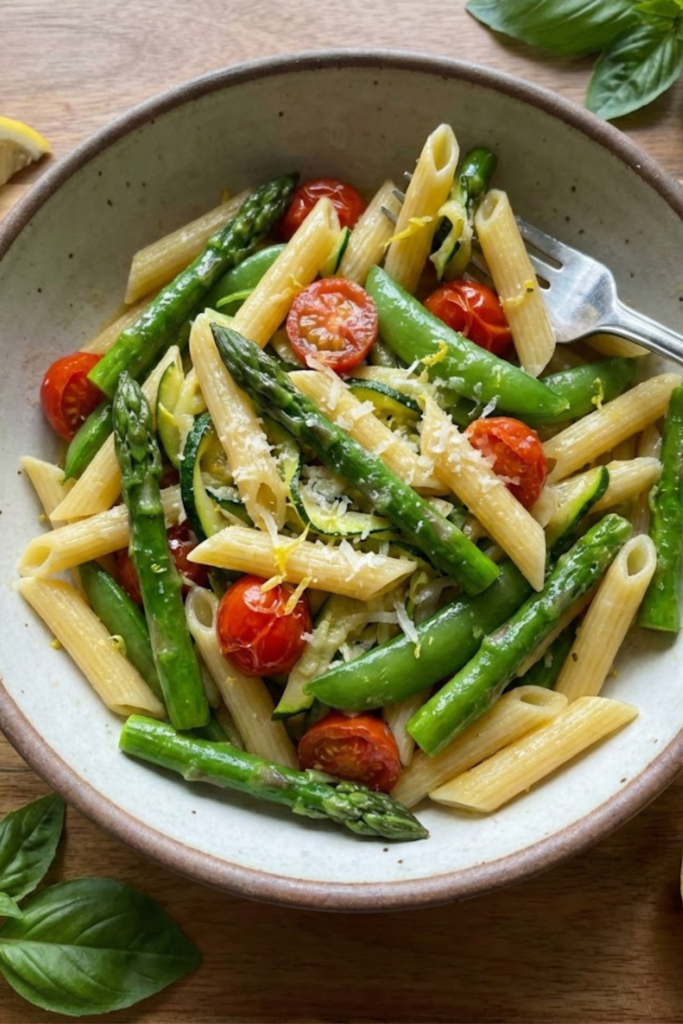
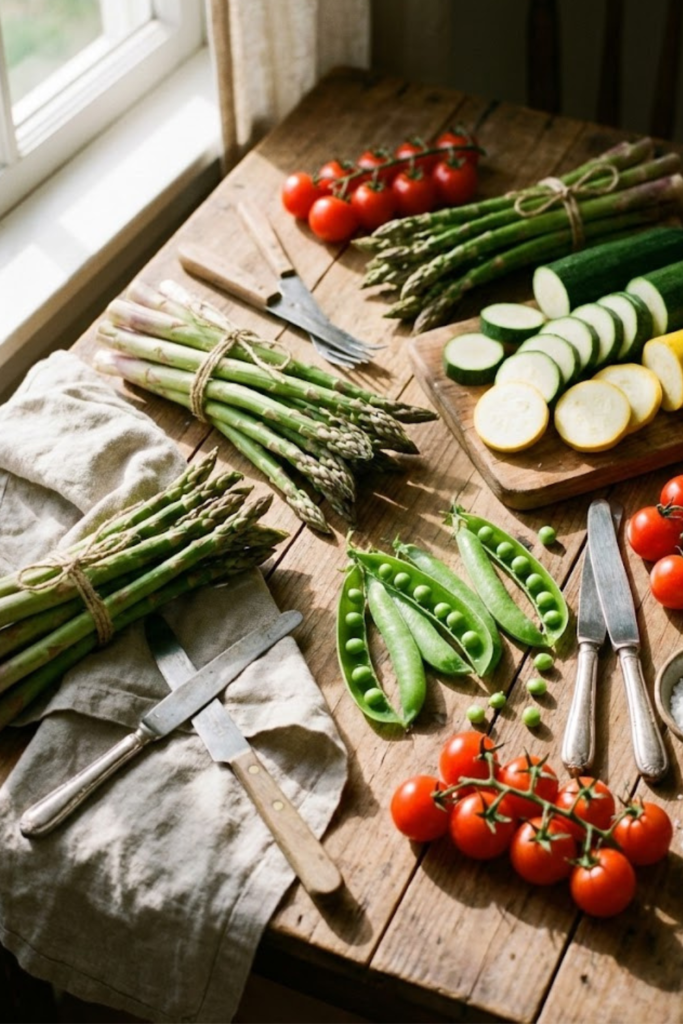
When I make this pasta, I don’t just grab whatever is in the vegetable drawer. I look for the stuff that really screams “Spring!” You know, the bright green, crunchy veggies that actually taste fresh. I’ve learned that picking the right mix makes all the difference between a boring bowl of noodles and something you actually want to eat seconds of.
Embracing the Crunch
First off, you gotta have asparagus and snap peas. These two are basically the stars of the show here. I usually look for the thin asparagus spears because they are tender and you don’t have to peel the ends. For the snap peas, I leave them whole if they are small, or cut them on a slant if they are big. They add this awesome crunch that the soft pasta really needs. If your veggies turn out mushy, the whole dish feels kinda sad.
The Color Palette
We eat with our eyes first, right? That’s why I always throw in some cherry tomatoes and bell peppers. The red and yellow peppers make all the green stuff pop. Plus, when you cook cherry tomatoes just a little bit, they burst and make their own sweet juice that mixes in with the sauce. It is so good.
Farmers Market vs. Grocery Store
I try to hit up the farmers market when I can, but let’s be real, the regular grocery store is fine too. When you are picking zucchini, give it a little squeeze. It should feel firm, not squishy or soft. Same with broccoli—the tops should be tight and dark green, not yellow. If you see yellow, put it back, it’s old.
Substitutions
Sometimes the store is out of exactly what you need. It happens. If you can’t find snap peas, fresh green beans work okay. If asparagus is too expensive, try broccoli rabe or even just regular broccoli florets cut small. And if you just want more greens, toss in a handful of spinach or kale right at the very end. They wilt super fast, so you don’t even really have to cook them, just stir them in hot.
Choosing the Right Pasta Shape and Type
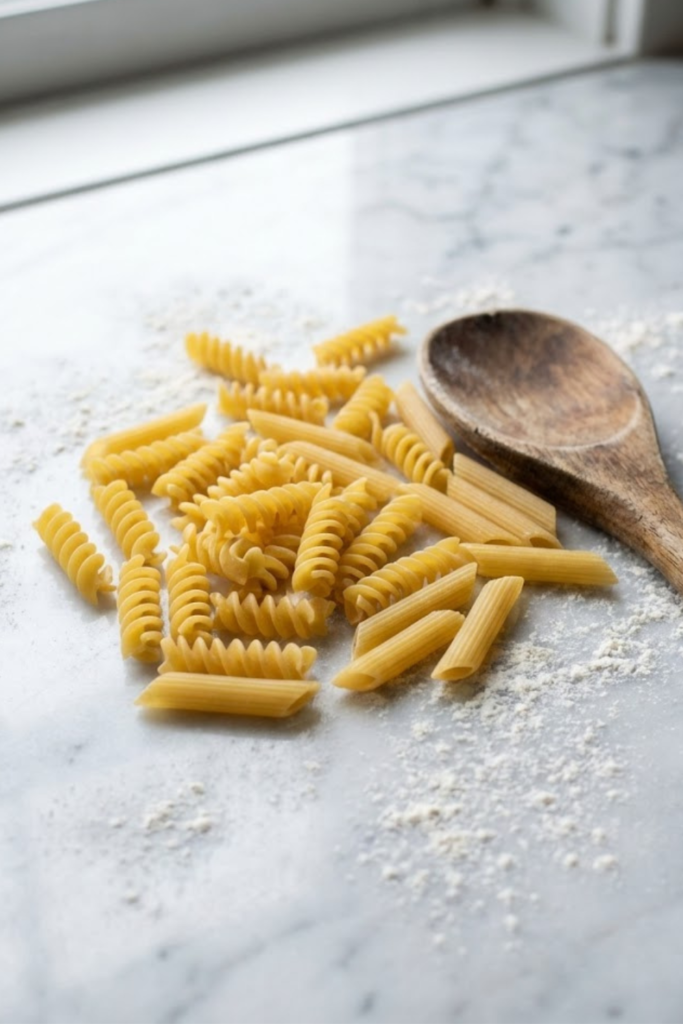
When I first started cooking this dish years ago, I just used whatever box was open in my pantry. Usually, that was spaghetti. But I learned pretty quickly that for a primavera, the shape actually matters a lot. You want a short noodle, not a long one.
Sauce Adherence
I almost always reach for fusilli (the corkscrew kind) or penne for this. Farfalle, or bowties, are fun too. The reason is simple: you want the pasta to catch the vegetables. Those little twists and tubes act like little scoops for the peas and sauce. If you use spaghetti, all your tasty veggies just slide right off and end up at the bottom of the bowl. You want every forkful to have a bit of everything.
Healthier Grain Options
Since we are trying to keep this “healthy,” I often swap out regular white pasta for whole wheat. It has a lot more fiber, which is good for you. It does have a nuttier flavor and a slightly chewier texture. My family didn’t love it at first, but with the lemon and garlic, you barely notice the difference now. It definitely keeps you full longer than the white stuff.
Gluten-Free Alternatives
If you have someone coming over who can’t eat gluten, you have options. I’ve tried chickpea pasta, and while it’s healthy, you have to be careful. It turns into mush really fast if you overcook it. I think brown rice pasta is a safer bet because it holds its texture better. Just make sure to taste a piece every minute near the end of cooking so you don’t ruin it.
Portion Control
This is the hardest part for me. It is so easy to just dump the whole box into the boiling water. But then you end up with way too much noodles and not enough veggies. I try to stick to about 2 ounces of dry pasta per person. It looks like a small amount when it’s dry, but it puffs up a lot. This helps keep the ratio right so you are eating a balanced meal, not just a giant bowl of starch.
The Secret to a Light Lemon Garlic Sauce
I used to think that to make a pasta sauce taste good, you had to add a ton of heavy cream. Boy, was I wrong. For a spring dish like this, cream just weighs everything down. You want to feel energized after eating, not like you need a nap on the couch.
Ditching the Heavy Cream
The real trick is actually really simple. It is all about using good olive oil and that starchy pasta water I told you to save earlier. When you mix hot pasta water with oil and stir it really fast, it turns into this glossy, thin sauce that coats everything perfectly. It’s science, but it feels like magic in the pan.
The Power of Acid
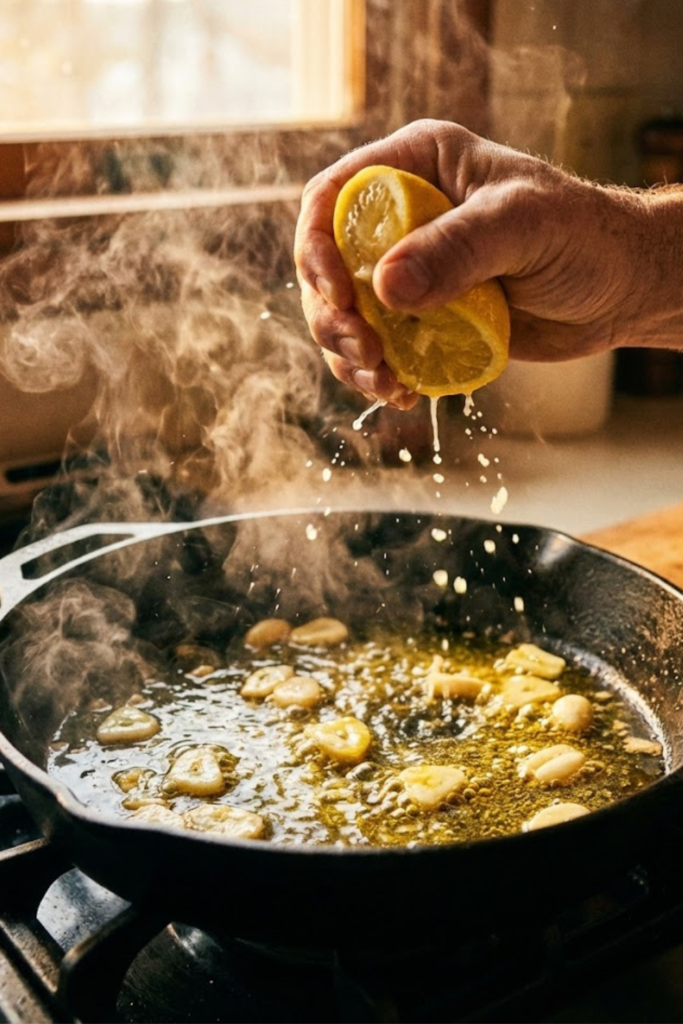
Then there is the lemon. Please, do not use the stuff in the plastic lemon-shaped bottle. It tastes fake. Buy a real lemon. Use a grater to get the yellow skin (zest) off before you cut it. That zest has so much flavor oils in it. The fresh juice cuts through the olive oil and makes the veggies taste even brighter. It wakes up the whole dish.
Aromatic Essentials
For the garlic and shallots, you have to be careful. I have burned garlic so many times because I had the heat up too high. Keep the flame low. You just want them to get soft and smell good, not turn brown and bitter. If you burn the garlic, you basically have to start over because that bitter taste ruins everything.
Herbal Finish
Finally, try not to use dried parsley or basil from the back of your spice cabinet. It just isn’t the same. Go get a fresh bunch from the produce section. Tear the leaves or chop them up right before you serve the plates. The fresh smell alone makes the effort worth it.
Step-by-Step Cooking Instructions for Perfection
Okay, class is in session! Just kidding. But really, cooking this dish isn’t hard, you just have to get the timing right. I used to mess this up by overcooking things, but I’ve got a system now that works pretty well.
Timing the Boil
First, get a big pot of water boiling. And I mean really boiling, big bubbles. Throw in a good amount of salt—it should taste salty like the ocean. That is the only time you can really season the pasta itself. Check the box for the cooking time, but set your timer for about two minutes less than what it says. You want the pasta to be al dente, which just means it still has a little bite to it. If you cook it all the way now, it will turn into mush when we mix it with the sauce later.
Blanching Basics
Here is my favorite trick to save time and cleanup. Do not get another pot dirty for the vegetables! When your timer goes off and the pasta is almost done, drop your asparagus and peas right into the boiling water with the noodles. They only need about 2 or 3 minutes to cook. This is called blanching. It keeps them bright green and crunchy. If you boil them too long, they turn an ugly olive color and get squishy.
Reserving Liquid Gold
This is the most important step, so don’t forget it! Before you take the pot to the sink to drain it, grab a coffee mug or a measuring cup. Scoop out about a cup of that cloudy, white water from the pot. I can’t tell you how many times I have accidentally poured it all down the drain and wanted to cry. That starchy water is what makes the sauce creamy without using cream.
The Final Toss
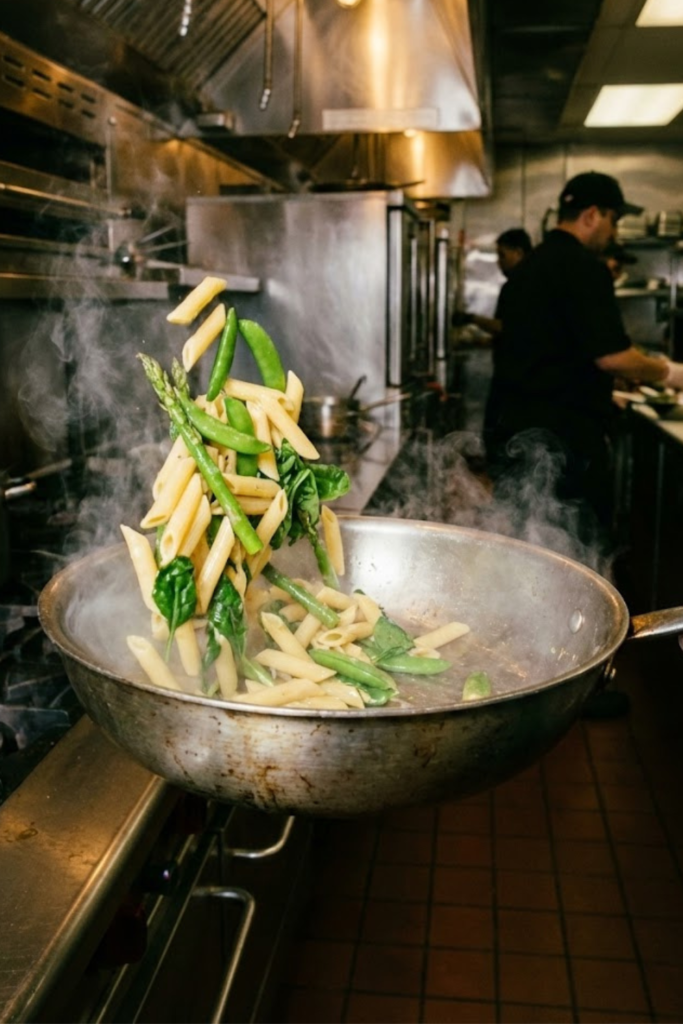
Drain the pasta and veggies in a colander. Now, put your skillet with the garlic and olive oil back on low heat. Dump the pasta and veggies into the skillet. Pour in a splash of that pasta water you saved, the lemon juice, and your cheese. Use tongs to toss it all around. The water and oil will mix together to coat the noodles. If it looks too dry, just add a little more of the water. It should look glossy and smell amazing.
Protein Add-Ins and Variations
This pasta is great on its own, but sometimes my family looks at me like, “Where’s the rest of it?” If I want to make it a more filling dinner, I usually toss in some extra protein. It’s actually really easy to change this up depending on what you have in the fridge or who is eating with you.
Lean Proteins
If you eat meat, grilled chicken is probably the easiest addition. I usually grill a couple of chicken breasts separately while the pasta boils, slice them up, and throw them on top at the end. Shrimp is also super fast. You can sauté them in a little pan with garlic for about three minutes until they turn pink. Just don’t cook the shrimp in the pasta sauce or they might get rubbery and tough.
Vegetarian Power
Since I try to eat less meat during the week, I love using canned beans. Chickpeas (garbanzo beans) are my absolute favorite for this. They have a nice nutty taste that goes with the parmesan. Cannellini beans work well too because they are soft and creamy. Just make sure you rinse the beans in the sink before you add them so you don’t get that gross salty liquid in your nice fresh sauce.
Vegan Modifications
If you have friends who don’t do dairy, this recipe is still totally doable. The only thing you really have to swap out is the parmesan cheese. There are some okay vegan cheeses out there now, but honestly? I prefer using “nutritional yeast.” It sounds weird and kinda like fish food, I know, but it has a cheesy flavor and dissolves right into the sauce. Give it a try before you judge it!
Spice It Up
I personally love a little heat. The lemon and garlic are fresh, but a pinch of red pepper flakes makes it interesting. I usually sprinkle them on my own plate because my kids will complain if it’s “spicy.” If you like it hot, you can add the flakes to the oil when you are cooking the garlic so the heat spreads through the whole dish.
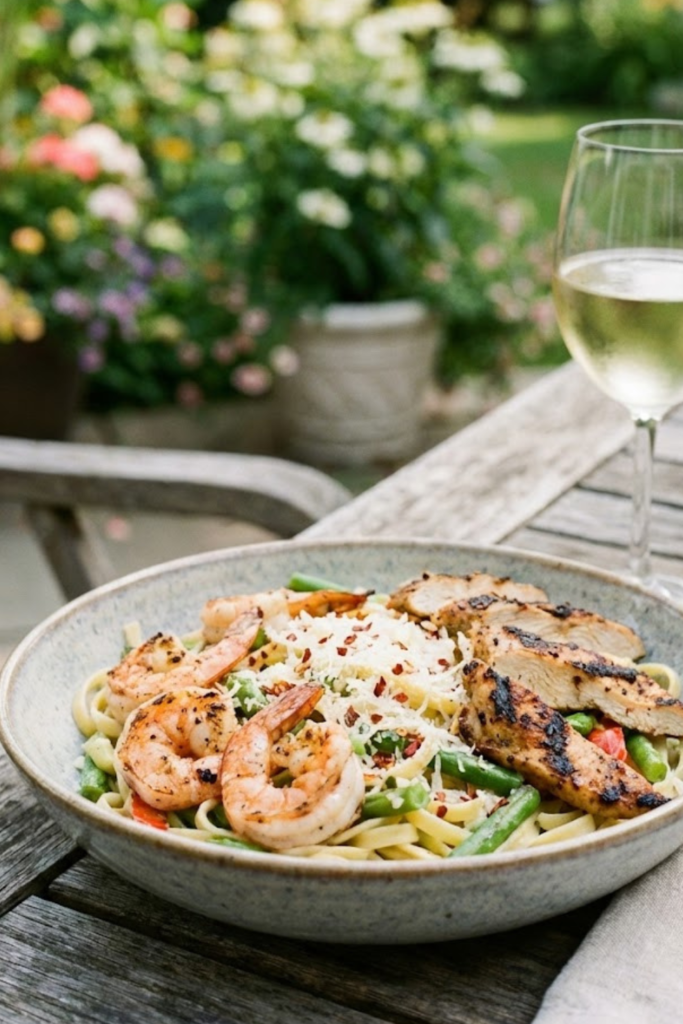
So, that is basically it! You now have a big bowl of sunshine ready to eat. This Healthy Spring Pasta Primavera isn’t just about following a recipe card. It is really about waking up your taste buds after a long, cold winter. I love making this on busy weeknights because it is fast, but it feels special enough for a Sunday lunch with friends too.
Please don’t be afraid to change things up. Use whatever veggies look good at the store or add some chicken if you are super hungry. Cooking should be fun, not stressful. If you enjoyed this guide and want to save it for later, please share it on Pinterest! It helps other home cooks find these healthy ideas too. Happy cooking, everyone!