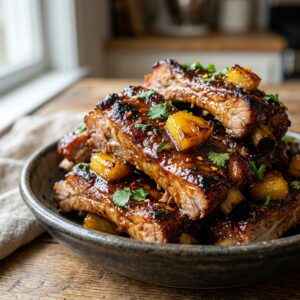
I used to think meatloaf was just a “sad brick” of gray meat until I realized I was doing it all wrong! Did you know that meatloaf is one of the top five most-searched “comfort food” recipes in the United States every single year? It’s a staple for a reason. I remember the first time I made this classic juicy meatloaf with ketchup glaze homemade recipe for my family; the kids actually asked for seconds. That never happens! The secret isn’t just the meat, but how you treat it. We’re going for a texture that is tender, almost melt-in-your-mouth, topped with that iconic tangy-sweet crust. Let’s get cooking!
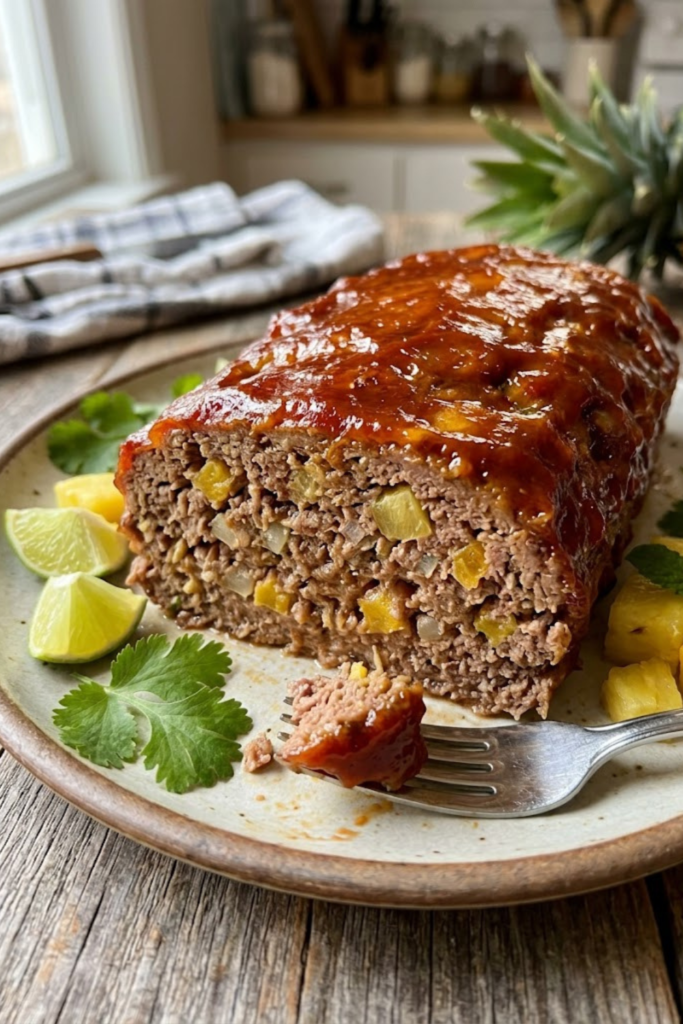
The Ingredient Breakdown: What Makes it Moist?
I have seen so many home cooks follow a recipe perfectly and still end up with a dry hunk of meat that looks like a brick. It is honestly one of the biggest “meatloaf crimes” out there! When I first started making this classic juicy meatloaf with ketchup glaze homemade recipe, I used to think the glaze on top was doing all the heavy lifting to keep things moist. Boy, was I wrong. The real magic happens inside the meat mixture long before it ever hits the oven. If you want a slice that is tender and stays together, you have to look at your ingredients like a science project—but a tasty one.
The 80/20 Rule for Beef
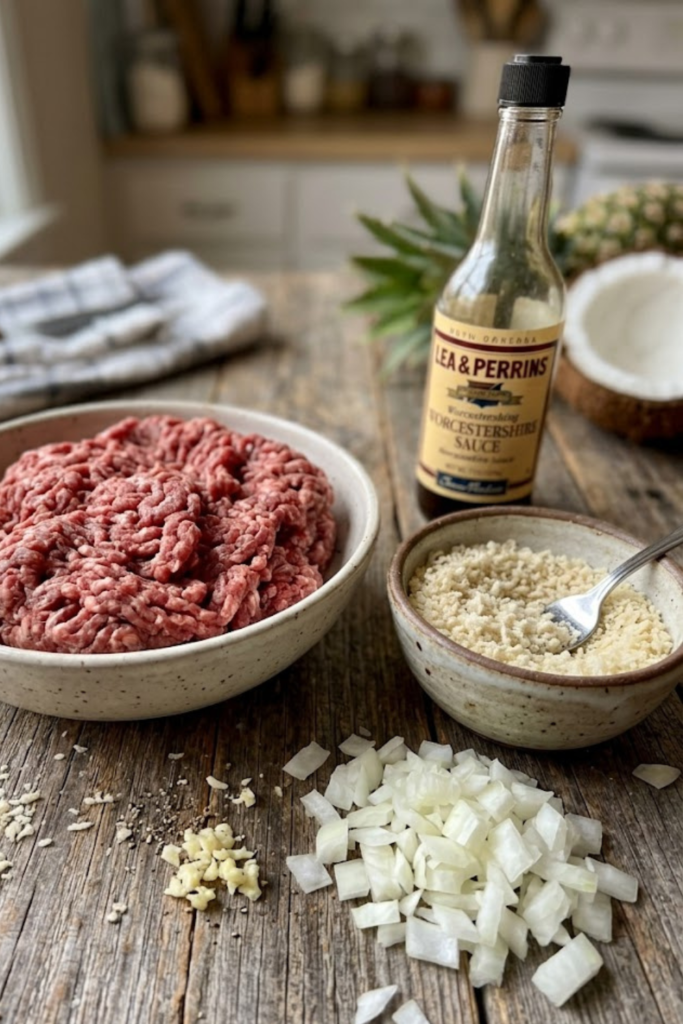
If you go to the store and pick up the 93% lean ground beef because you want to be healthy, you are setting yourself up for a bad dinner. You need fat. Fat equals flavor, but more importantly, fat equals moisture. I always tell my students to look for the 80/20 pack, which is usually labeled as ground chuck. That 20% fat renders down while it’s in the oven and keeps the meat fibers from getting tough and dry. If you use meat that is too lean, the proteins bond together too tightly and it gets chewy. It is like eating a giant hamburger that’s been overcooked on a grill. Stick to the chuck; it makes a world of difference.
Why the Panade is Your Secret Weapon
This is the most important part of the whole process. A “panade” is just a fancy word for a mix of breadcrumbs and liquid—usually milk. For every pound of meat, I use about half a cup of milk and a good handful of crumbs. Instead of just tossing dry crumbs into the bowl, let them soak in the milk for five minutes first. This creates a wet paste that coats the meat. This paste acts like a sponge, holding onto the juices so they do not leak out into the bottom of the pan. I once skipped this step because I was in a rush, and the meatloaf was so dry it felt like I was eating sawdust. I’ll never make that mistake again!
The Power of Aromatics and Binders
Don’t skip the onions and garlic. I like to grate my onions or chop them really, really fine. When onions cook, they release their own water, which adds another layer of moisture to the inside of the loaf. Then you have your binders like eggs and a splash of Worcestershire sauce. The eggs don’t really add moisture, but they keep the structure of the loaf solid so the juices stay trapped inside instead of running away. If you don’t have enough binder, the loaf will crumble when you try to slice it, and all that hard work goes out the window. It is all about finding that right balance between the meat, the bread, and the veggies to get that perfect bite every time.
Step-by-Step Instructions for the Perfect Bake
Okay, let’s get into the actual cooking part of this classic juicy meatloaf with ketchup glaze homemade recipe. I have taught enough cooking classes over the years to know that people get really nervous about the “bake” part, but honestly, it is the easiest part if you follow a few simple rules. First thing you need to do is preheat that oven to 350°F. Please, do not try to rush things by turning the heat up higher. High heat just dries out the outside while the middle stays raw. We want a steady heat here. I usually get my oven going before I even touch the meat so it is nice and hot by the time I am ready to slide the tray in.
Hands-On Mixing (But Not Too Much!)
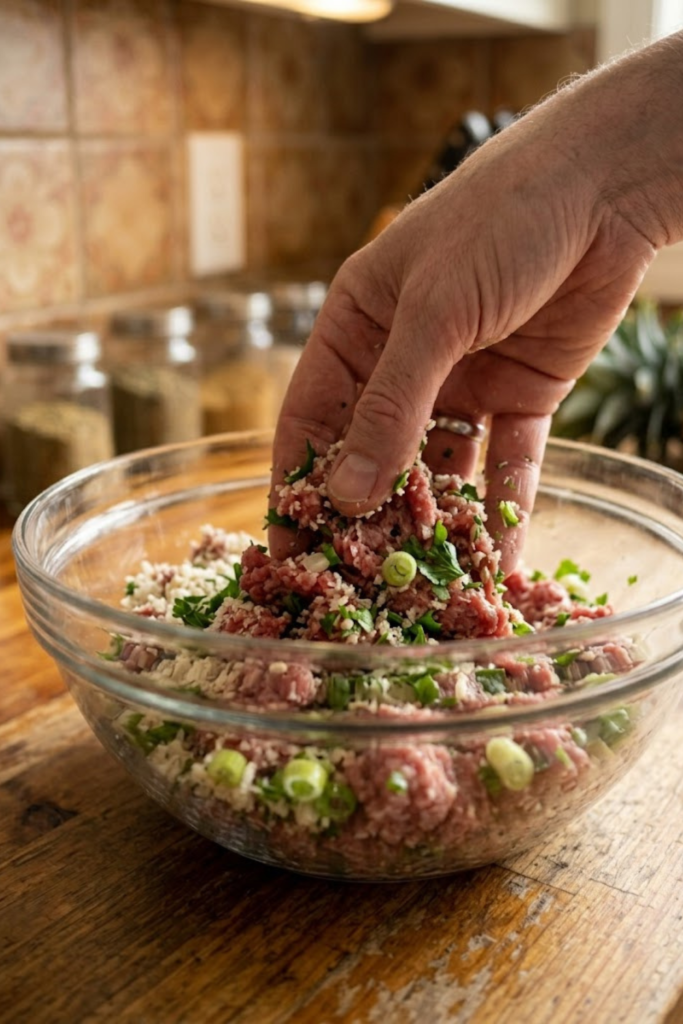
When you are putting all those ingredients together, leave the wooden spoon in the drawer. Use your hands! It feels a bit messy, I know, but it is the only way to feel if the ingredients are actually mixed. I remember a student who used a stand mixer once—it turned the meat into a thick paste, and the final result was like eating a rubber ball. You want to just barely mix it until the breadcrumbs and eggs are spread out. If you see some bits of onion poking out, that is totally fine. The less you mess with it, the more tender your meatloaf will be. Just toss it together until it barely holds.
To Pan or Not to Pan?
I used to always use those deep metal loaf pans, but I have changed my mind over the years. Now, I prefer to shape the loaf by hand on a baking sheet lined with parchment paper. Why? Because when you use a deep pan, the meat basically boils in its own grease. On a flat sheet, the fat can drain away a bit, and more of the meat gets that delicious brown crust on the outside. Just pat it into a nice log shape about four inches wide. It doesn’t have to look perfect—mine always looks a little lopsided, but it tastes amazing anyway.
The Two-Stage Glaze Trick
Most people just put the ketchup glaze on at the very beginning, but that is a mistake. It can burn or get too runny if it sits in the heat too long. I like to put half of the glaze on about 40 minutes into the bake. Then, let it cook for another 15 or 20 minutes. Right before you pull it out, put the rest on. This builds up a thick, sticky layer that kids absolutely love. Use a meat thermometer to check the center. You are looking for 160°F. Once it hits that, take it out and let it sit. If you cut it right away, the juices will run all over the counter. Patience is the hardest part of this classic juicy meatloaf with ketchup glaze homemade recipe, believe me!
Common Mistakes: Why Your Meatloaf is Dry or Falling Apart
It is so frustrating when you put in all that work and the dinner ends up being a crumbly mess or, even worse, as dry as a desert. I have been there more times than I care to admit! Early on in my cooking days, I thought I could just wing it, but this classic juicy meatloaf with ketchup glaze homemade recipe is actually a bit picky. If you find your family reaching for extra water or if the loaf just falls into pieces when your knife touches it, you are probably making one of these three big mistakes I used to make back in the day.
Buying the Wrong Kind of Beef
The biggest mistake is thinking “leaner is better.” It really isn’t! I remember buying that 96% lean ground beef once because it was on sale and I thought I was being smart. Instead, I made something that tasted like a dry sponge. You need that fat content—around 20%—to keep things moist while they bake. If you use meat that is too lean, there is not enough fat to keep the protein fibers loose. They just tighten up and get tough. If you really want to use lean meat, you have to add extra moisture back in with more veggies or fat, but it is just easier to buy the right 80/20 beef from the start.
Slicing it While it is Screaming Hot
I get it, everyone is hungry and the house smells amazing. You want to eat right now! But if you slice into your meatloaf the second it comes out of the oven, all the juices will run right out onto the tray. Those juices need time to settle back into the meat fibers. I usually wait at least 10 or 15 minutes before I even think about grabbing a knife. One time, I was in such a rush that I cut it immediately, and the whole thing just disintegrated into a pile of loose meat. It tasted fine, but it looked like a total disaster. Give it a rest; it is worth the wait for a clean slice.
Treating the Meat Like Bread Dough
Another big mistake is over-mixing the bowl. I mentioned this before, but it is worth saying again because it is so common. If you squeeze and mash the meat together too much, you break down the texture. You end up with a dense, rubbery loaf instead of a light, tender one. I tell my students to think of it like making a delicate cake—mix until it is just combined. If you overwork it, you are basically making a giant, tough sausage. Keep your touch light and your meatloaf will stay tender and juicy every single time.
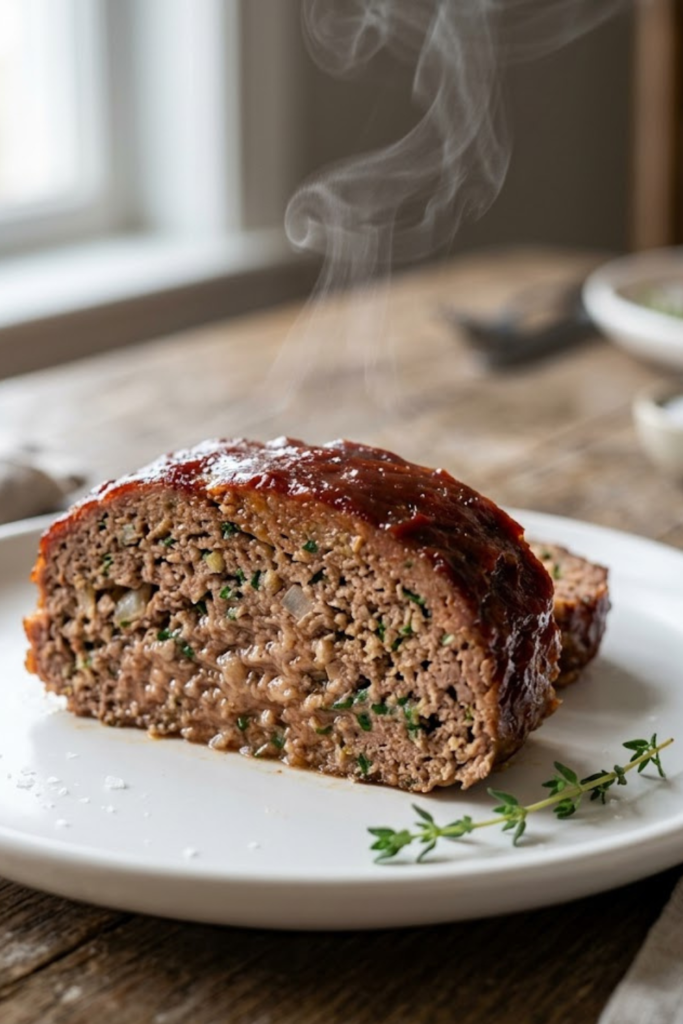
Your New Sunday Night Tradition
There is just something special about a house that smells like a classic juicy meatloaf with ketchup glaze homemade recipe on a Sunday afternoon. It takes me back to being a kid, sitting at the kitchen table while my mom finished up the gravy. For a long time, I thought those days were gone because I couldn’t get my own recipes to taste quite right. But once you figure out the tricks I shared today—like using the right beef and making that milk-soaked panade—you realize that great cooking isn’t about being a professional. It is about taking care of the small things so the food tastes like home.
Bringing it All Together
If you remember nothing else from this guide, just remember that moisture is your best friend. Don’t be afraid of the fat in the 80/20 beef, and please, don’t over-mix that meat! If you treat the ingredients with a little bit of respect, they will reward you with a dinner that everyone actually wants to eat. I’ve seen my own kids go from “ugh, meatloaf again?” to “is there any more glaze?” and that is a huge win in my book. It makes the Sunday chores feel a lot lighter when you know a good meal is waiting at the end of the day.
The Magic of Leftovers
One of my favorite things about this classic juicy meatloaf with ketchup glaze homemade recipe is actually what happens the next day. Cold meatloaf sandwiches are legendary for a reason! I like to slice a piece thin, put it on some white bread with a little extra mayo and maybe a pickle. It is almost better than the dinner itself! If you make a big enough loaf, you’ve basically got lunch handled for Monday, too. It is a great way to save a bit of money and still eat like a king at the office or school.
Share the Love on Pinterest
I really hope you give this a try this weekend. Cooking for your family is one of the best ways to show you care, and a hearty meatloaf is the ultimate comfort food. If this recipe helps you get a win in the kitchen, please share this post on Pinterest! It helps other home cooks find these tips so they can stop serving dry, crumbly meat to their loved ones. Let’s make Sunday night dinner great again, one juicy slice at a time!