I’ve always said that a house doesn’t feel like a home until the smell of a baking meatloaf fills the kitchen! Did you know that meatloaf was actually voted one of the top ten favorite dinners in America? It’s a timeless staple, but getting that perfect, moist texture without it falling apart can be a real struggle. In this guide, we are diving deep into the best classic meatloaf secrets so you can skip the dry, hockey-puck versions of the past and serve up something truly mouthwatering!
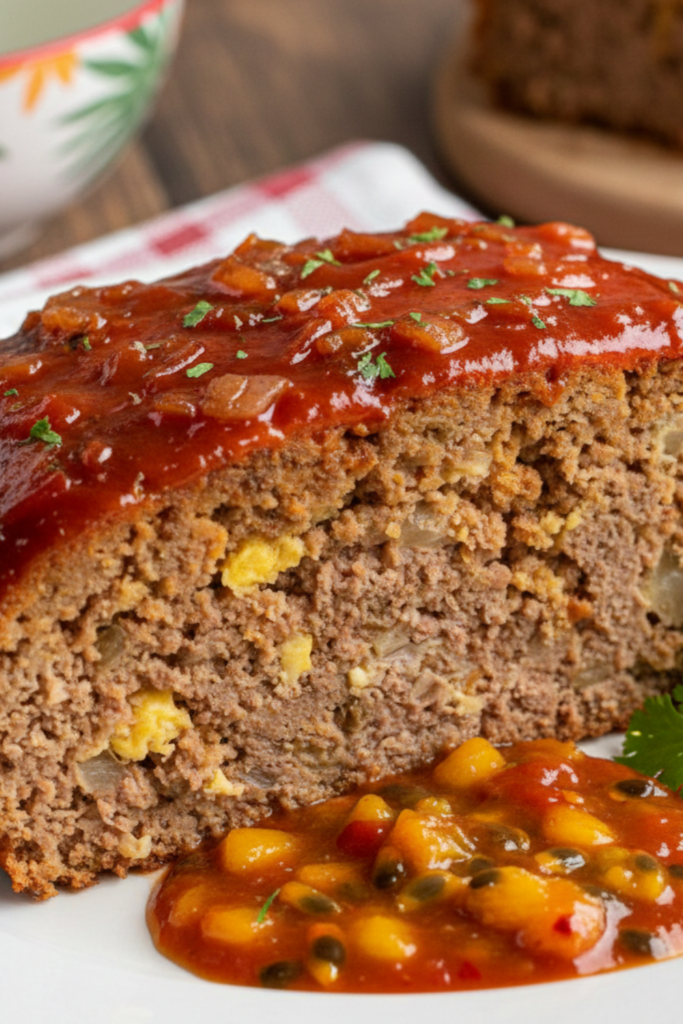
The Secret to a Perfectly Juicy Texture
I’ve gotta be honest with you—early in my cooking days, I made some meatloaf that was basically a brick. It was so dry you needed a gallon of water just to swallow a bite! One time, I served it to my family and my brother actually asked if I was trying to build a patio with the leftovers. It was a total disaster, and I felt like a failure as a cook. But hey, we learn from those mistakes!
Don’t Skimp on the Fat
The first thing I learned is that lean meat is the enemy of a moist meatloaf. If you use 90% lean beef, you’re gonna have a bad time. I always go for 80/20 ground chuck because that fat melts and keeps everything tender. It’s just like how a good teacher needs a little bit of patience; a good loaf needs a little bit of fat!
The Magic of the Panade
Have you ever heard of a panade? It’s just a fancy word for soaking your breadcrumbs in milk before adding them to the meat. I used to just toss dry crumbs in, which was a huge mistake. Now, I let the crumbs sit in whole milk for about five minutes until it’s a paste. This creates a moisture barrier that keeps the juices from escaping while it’s in the oven.
Hands Off the Meat
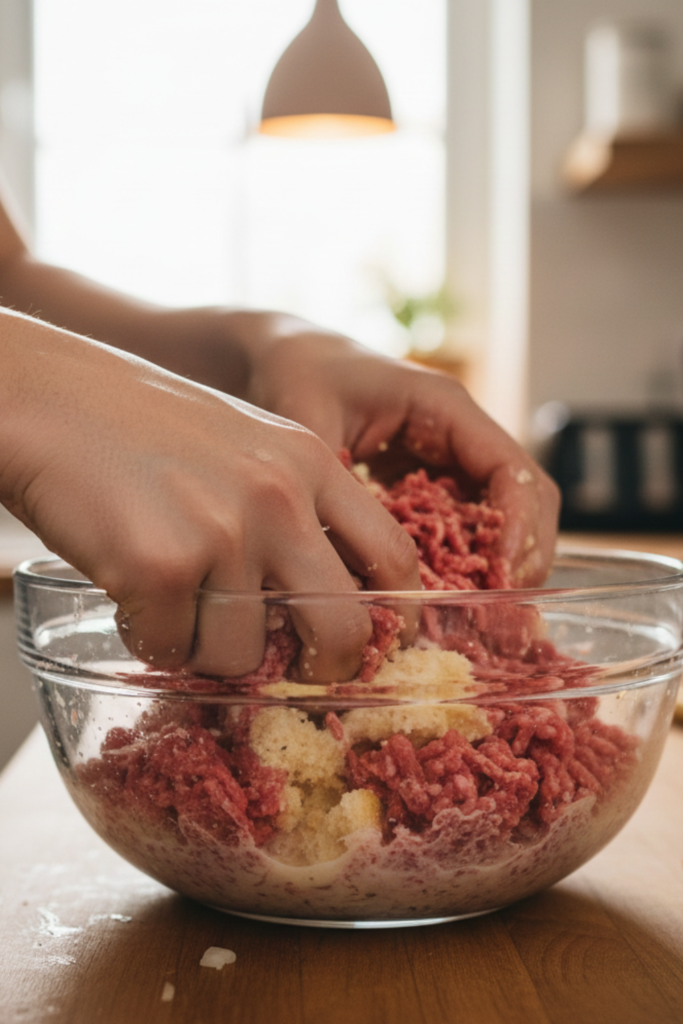
My biggest tip, though, is to stop overworking the mixture! I used to squeeze and mash the meat like I was kneading bread. Big mistake. You want to use your hands to gently toss everything together until it’s just combined. If you over-mix, the proteins get all tight and tough. Treat it gently, and it’ll reward you with a texture that’s soft and delicious every single time.
Essential Ingredients for Flavor Depth
I remember one time I tried to make a meatloaf with just salt and pepper because I was in a rush after a long day at school. Let me tell you, it was the most boring thing I’ve ever eaten; it tasted like cardboard!. My kids just stared at their plates, and I ended up ordering pizza out of pure frustration. Since then, I’ve realized that building flavor is like lesson planning—you need a few layers to make it actually stick.
The Power of Aromatics
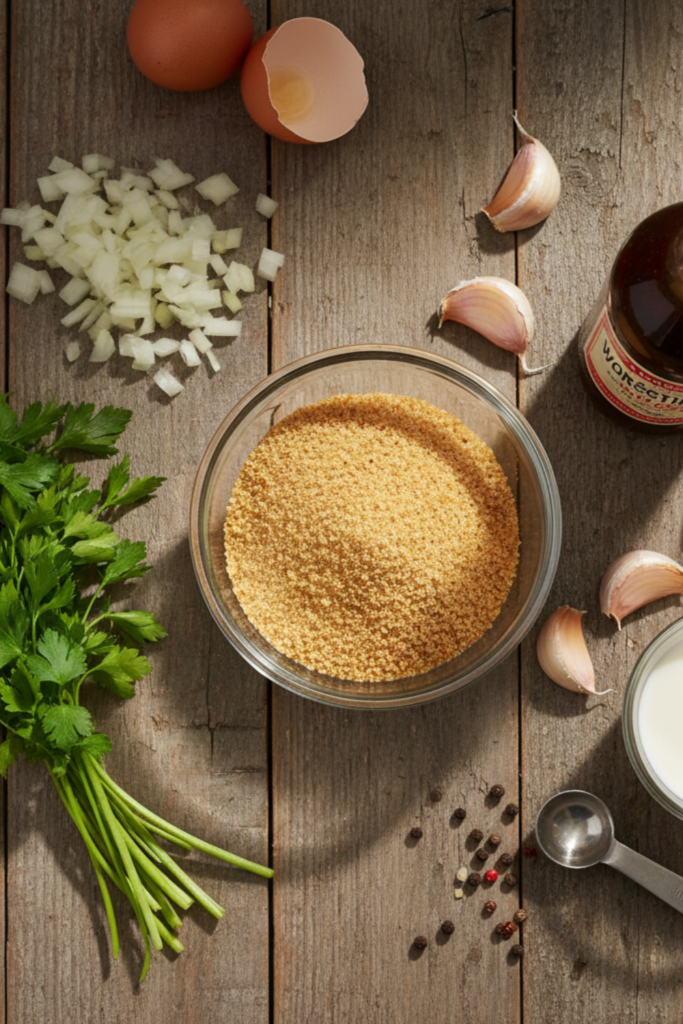
You can’t just toss raw onions into the mix and hope for the best. I used to do that, and you’d end up with these crunchy, half-raw bits that ruined the whole vibe. Now, I always sauté my onions and garlic in a little butter first. It brings out a sweetness that you just can’t get any other way. It takes an extra five minutes, but it’s worth it for that savory punch.
Finding That Umami Kick
If you want people to keep coming back for seconds, you need umami. I always add a heavy splash of Worcestershire sauce and a big dollop of Dijon mustard. One time I accidentally used honey mustard instead of Dijon—don’t do that, it was way too sweet!. Stick to the tangy stuff to balance out the richness of the beef.
Fresh vs. Dried Herbs
I’m a big fan of fresh parsley for a pop of color and a clean taste. If you only have dried oregano or thyme, use about a third of what the recipe calls for because that stuff is strong. I usually just grab a handful of parsley from my little windowsill garden, chop it up roughly, and throw it in. It makes the whole kitchen smell like a professional bistro instead of a school cafeteria!.
The Ultimate Tangy Tomato Glaze
I’ll be the first to admit it—I used to think the glaze was just a “suggestion,” like the speed limit on a back country road. One time, I skipped the topping entirely because I was out of ketchup, and the meatloaf looked so sad and naked. My husband actually asked if I had forgotten to finish cooking it! Since that day, I’ve realized the glaze is the real MVP of the whole dish, providing that sticky, sweet, and sour contrast that makes your tongue do a little dance.
Balancing the Sweet and Sour
The secret to a glaze that people actually fight over is getting the balance just right. I’ve tried using just plain ketchup, but it’s too one-note and reminds me of cafeteria food. Now, I mix in a good amount of brown sugar for sweetness and a splash of apple cider vinegar to cut through the fat. I once tried using white vinegar because I was out of cider, and it was way too sharp—almost like a cleaning product! Stick to the cider vinegar for that mellow, fruity tang.
The Two-Stage Application Trick
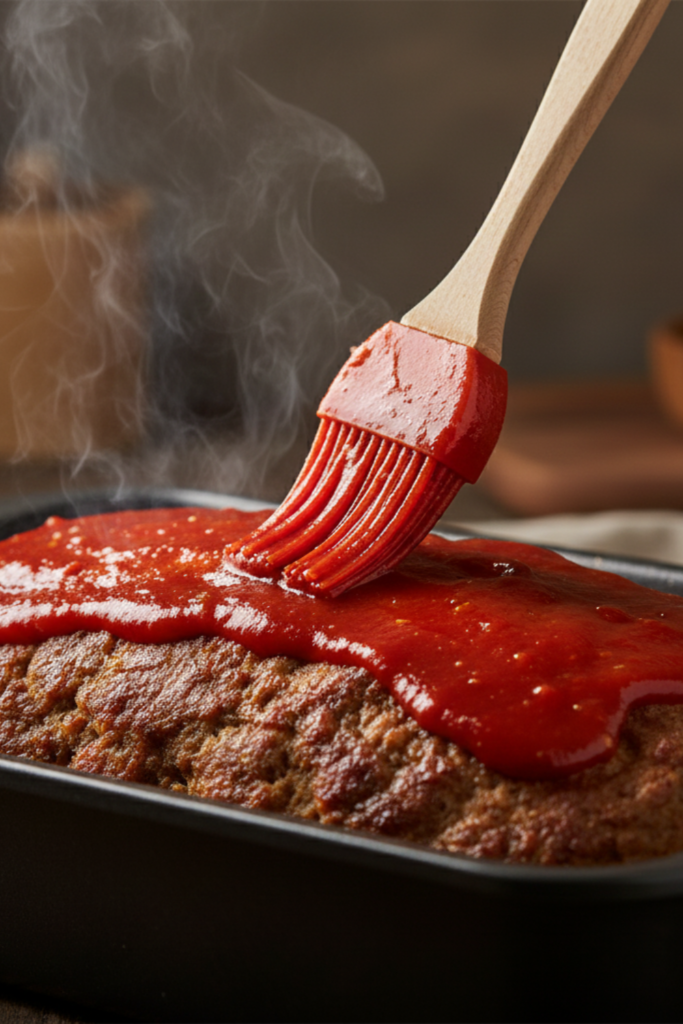
Most folks just slather the sauce on at the very beginning, but I’ve found that it often burns or runs off into the pan. Here’s a little tip I learned after many messy ovens: apply half the glaze about 20 minutes before the loaf is done. This lets the first layer get tacky and set. Then, I brush on the rest right when it comes out of the oven. This gives you that thick, glossy “lacquered” look that makes it look like it belongs on a magazine cover.
Add a Little Personality
Don’t be afraid to get a bit wild with it depending on your mood. Sometimes I throw in a teaspoon of smoked paprika if I’m feeling a bit “country,” or even a dash of hot sauce if I want to wake up my taste buds. It’s your kitchen, so you’re the boss! Just make sure you make plenty of extra sauce, because in my house, people always want a little bit more on the side for dipping their slices.
Baking Tips: Internal Temps and Resting
I used to be so impatient when the timer went off; I’d pull that pan out and start hacking into the meat immediately. Huge mistake! I ended up with a pile of crumbled beef and all the juices running across the counter like a leaky faucet. It was honestly so frustrating because the flavor was there, but the presentation was a total mess. Now, I treat the baking and cooling process with the respect it deserves, almost like waiting for the school bell to ring at the end of a long Friday.
Getting the Temperature Right
You can’t just guess when a meatloaf is done by looking at it; I’ve learned that the hard way when I served a loaf that was still pink and cold in the middle. I always use a digital meat thermometer now because it’s the only way to be sure. You are aiming for an internal temperature of exactly 160°F (71°C). If you go much higher than that, you’re basically making a very expensive brick, and nobody wants that for dinner.
The Shape of Your Loaf
I used to always use a standard metal loaf pan, but I realized the meat basically boils in its own grease in there. Now, I prefer forming a free-form loaf on a parchment-lined baking sheet. It allows the heat to hit all sides, giving you more of that delicious glazed crust that everyone fights over at the table. Plus, the excess fat can drain away instead of soaking back into your dinner.
The Importance of the Rest
This is the hardest part, but you have to let the meatloaf rest for at least 10 to 15 minutes before you even think about slicing it. While it sits there, the fibers relax and soak those juices back up. If you cut it too soon, all that moisture you worked so hard to keep inside just disappears. I usually use that time to whip up some quick mashed potatoes or set the table. Trust me, your patience will be rewarded with a perfect, clean slice that stays together on the fork.
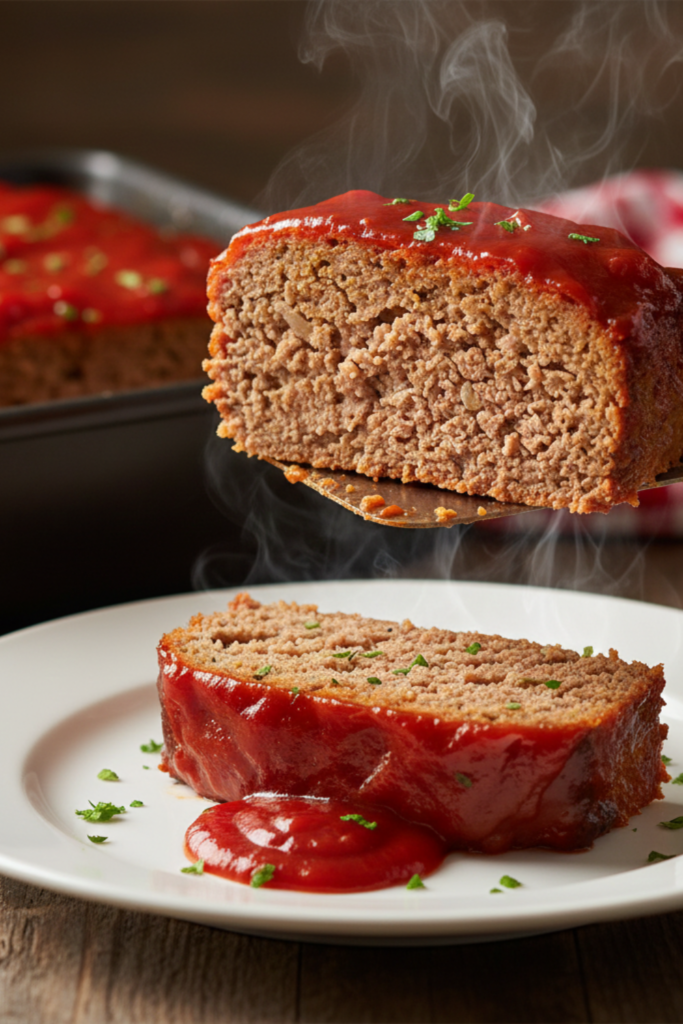
Wrapping up a meal with the best classic meatloaf is the ultimate win for any home cook. We’ve covered everything from the science of the panade to that perfectly sticky glaze. Remember, the real secret isn’t just the ground beef or the seasonings, but the patience you show while letting it rest. Cooking for the people you love is a journey, and even if you’ve had some “brick-like” disasters in the past, this recipe is your ticket to a juicy, flavorful triumph.
I’ve spent years tweaking these steps, and seeing my family clear their plates makes every minute in the kitchen worth it. Now it’s your turn to head into the kitchen and create some comfort food magic! If you found these tips helpful or if your family absolutely loved the glaze, please share it on Pinterest so other busy cooks can find their new favorite dinner too!