I used to be totally intimidated by cooking fish at home. Honestly, I was always afraid I’d turn a beautiful fillet into a dry, rubbery mess! But once I tried air fryer salmon, everything changed. It is hands down the easiest way to get that perfect, tender flake every single time. Did you know that air frying circulates hot air to cook fish faster than a conventional oven while locking in moisture? It’s a total game-changer for busy weeknights. I’m going to walk you through my fail-proof method so you can feel like a pro chef in your own kitchen!
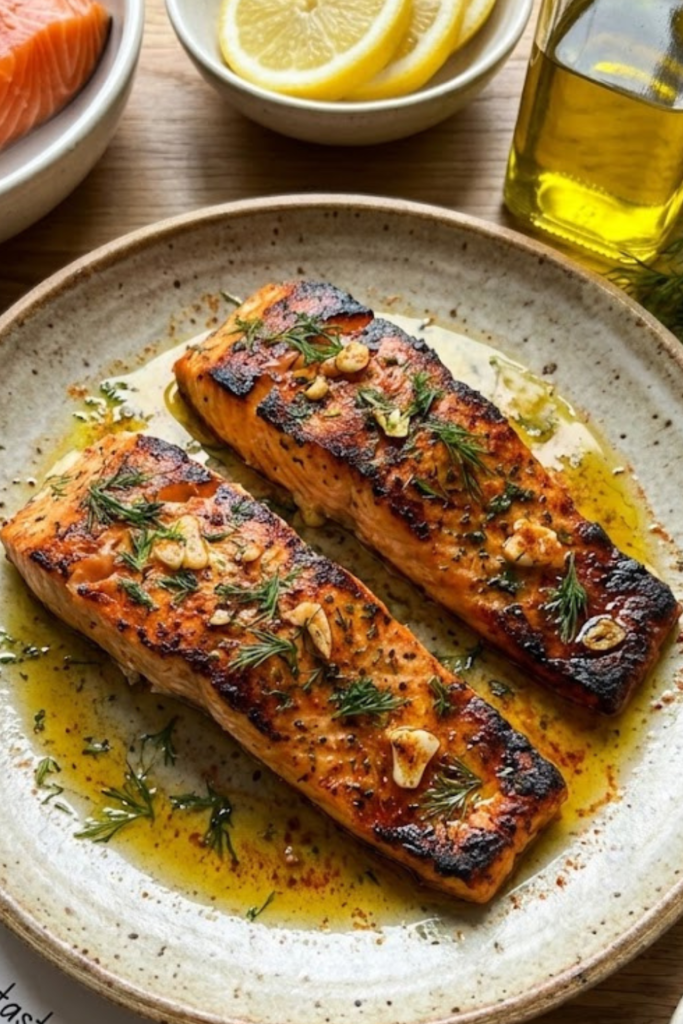
Selecting the Best Salmon Fillets for Air Frying
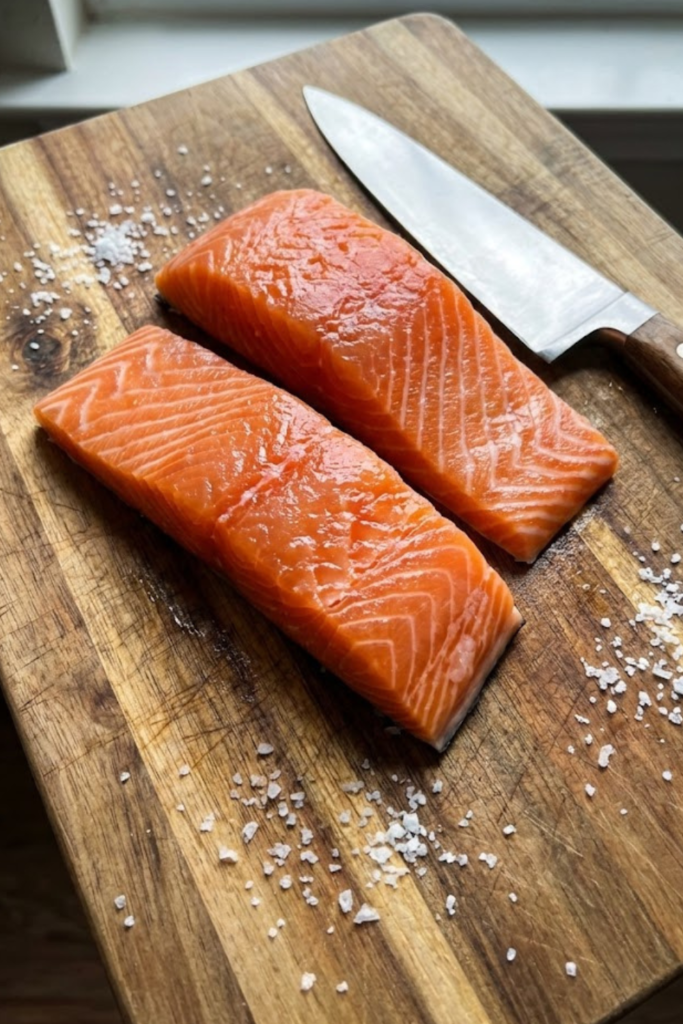
Honestly, when I first started messing around with my air fryer, I thought any old piece of fish would do the trick. I’d just grab whatever was on sale at the grocery store, toss it in the basket, and hope for the best. Big mistake. I remember this one time I bought these super thin, skinless fillets because they were cheap. They came out looking like salmon jerky—dry, tough, and totally sad. I learned the hard way that picking the right piece of fish is half the battle when you want those cooking salmon fillets to taste like they came from a restaurant.
It’s not just about buying fish; it’s about knowing what works with that intense air circulation. You want a piece that can handle the heat without drying out instantly.
Fresh vs. Frozen: The Truth
A lot of people think fresh is always better, but that’s not always the case. Unless you live right on the coast, “fresh” salmon at the store has often been previously frozen and thawed anyway. I actually prefer buying high-quality frozen fillets now. They are flash-frozen right on the boat, which locks in the flavor and nutrients.
If you use frozen, just make sure you thaw it completely in the fridge overnight. Don’t try to air fry it from frozen unless you want a soggy middle and a burnt outside! That’s a recipe for disaster.
Keep Your Shirt On (The Skin, That Is)
Please, for the love of food, buy skin-on salmon! I used to be grossed out by fish skin, but in an air fryer, it is your best friend. The skin acts like a little heat shield, protecting the delicate meat from getting blasted by the direct heat.
Plus, if you like crispy skin salmon, the air fryer makes it crunchier than a potato chip. Even if you don’t eat the skin, cook it with the skin on and just peel it off after. It keeps the juices inside where they belong.
Wild-Caught vs. Farmed
This is where things get a bit tricky. Farmed vs wild salmon isn’t just about price; it’s about fat content. Farmed salmon is usually fattier, which makes it more forgiving in the air fryer. It stays juicy even if you accidentally cook it a minute too long.
Wild-caught sockeye or coho is leaner and healthier, but it dries out faster. If you splurge on wild salmon, which is great for healthy dinner ideas, you gotta watch it like a hawk. I usually check my wild salmon about 2 minutes earlier than the recipe says.
Watch That Thickness
Try to pick fillets that are uniform in thickness. If you have one skinny tail piece and one thick center cut, the tail is gonna be charcoal before the thick piece is done. If I get stuck with a thin tail end, I usually fold the thin part under itself to make it double thickness. It’s a little cheat code that saves the dinner!
Prepping and Seasoning Your Salmon
You might think you can just slap some seasoning on the fish and throw it in the basket, but hold your horses. I’ve ruined perfectly good filets doing exactly that. Prepping air fryer salmon is actually the most important part of the process if you want that restaurant-quality texture.
If you skip these steps, you’re gonna end up with soggy fish or a smoke-filled kitchen. And nobody wants to be waving a towel at the smoke detector while dinner gets cold. Trust me, I have been there more times than I care to admit!
The Paper Towel Trick
Here is a mistake I made for years. I would rinse the fish (which you actually shouldn’t do) and then toss it right into the pan or basket while it was still wet. Big no-no.
Water is the enemy of crispiness. If your salmon is wet, the air fryer wastes energy turning that water into steam instead of cooking the fish. You end up with steamed salmon, which is fine if you are on a strict diet, but it’s not exactly tasty.
Grab a few paper towels and pat those fillets down until they are bone dry. You want the surface to be tacky. This helps the oil and fresh dill seasoning stick better, giving you that nice crust we all want.
Choosing the Right Oil
Okay, let’s talk about oil. I once used butter to coat my salmon before air frying it at 400 degrees. The butter burned instantly, the kitchen smelled terrible, and the fish tasted bitter. It was a disaster.
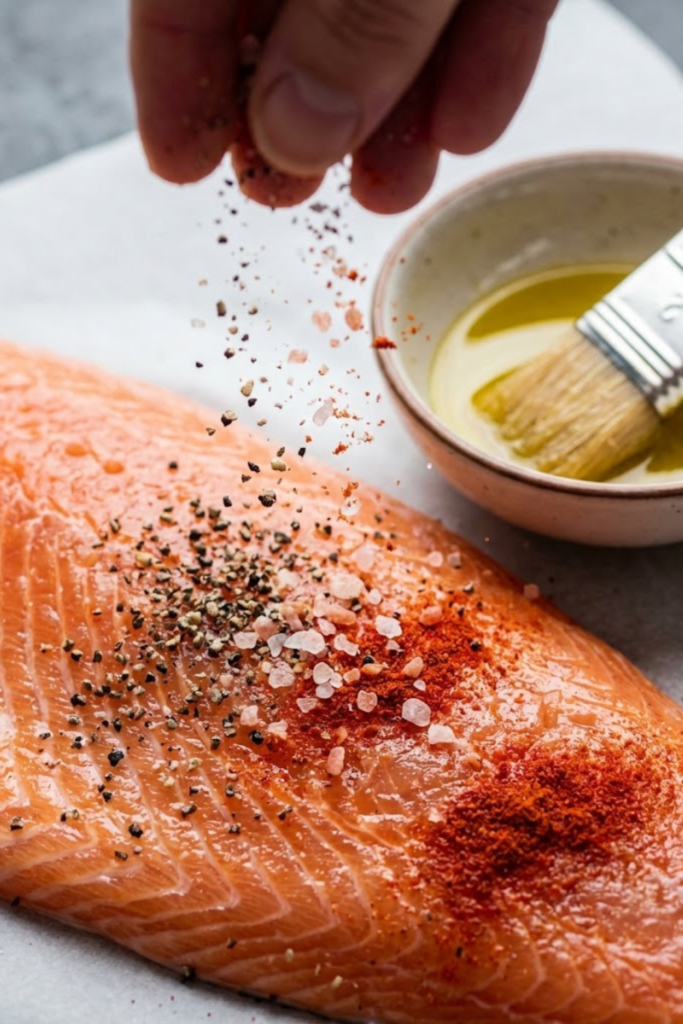
Because air fryers circulate hot air rapidly, you need an oil with a high smoke point. Avocado oil for cooking is my absolute favorite because it can handle high heat without smoking. Light olive oil works too.
You don’t need to drown it; just a teaspoon rubbed over the fillets is enough. This isn’t deep frying, it’s air frying! This keeps it one of those healthy heart recipes we are aiming for.
Dry Rubs vs. Wet Marinades
I love a good salmon marinade, like a soy sauce and maple glaze. But here is the thing about air fryers: sugars burn fast.
If you use a marinade with honey, maple syrup, or sugar, and you blast it at 400°F, it will turn black before the inside of the fish is cooked. It happens so fast. If I use a wet marinade, I usually lower the temperature to 360°F and cook it a little longer.
For the best results, stick to dry rubs if you want to cook it fast. A mix of garlic powder, paprika, salt, and pepper is my go-to. It creates a delicious “bark” on the outside.
Flavor Combos You Have to Try
You don’t need to be a fancy chef to make this taste good. I usually keep it simple because I’m tired after work. But if you want to get fancy, here are a few combos that slay:
- Lemon Garlic Butter: Add this after cooking. Melt the butter and pour it over the hot fish so the butter doesn’t burn during cooking.
- Cajun Kick: Heavy on the paprika and cayenne. Great for simple seafood dishes that need to wake up your taste buds.
- Herb Garden: Dried oregano, thyme, and rosemary.
Whatever you do, season generously. Some of it drips off during the cooking process, so don’t be shy with the salt!
Mastering Air Fryer Temperature and Timing
This is the part that used to give me major anxiety. I remember staring at my air fryer display, totally paralyzed, wondering if I should blast it at high heat or go low and slow. The first time I tried to wing it, I guessed 350°F for 20 minutes because that’s what I did in the oven. The result? A sad, dry brick of fish that I had to drown in sauce just to swallow.
Figuring out the air fryer temperature guide for seafood was a trial-and-error process, let me tell you. But after burning some dinners and undercooking others, I finally found the sweet spot.
The Magic Number: 400°F
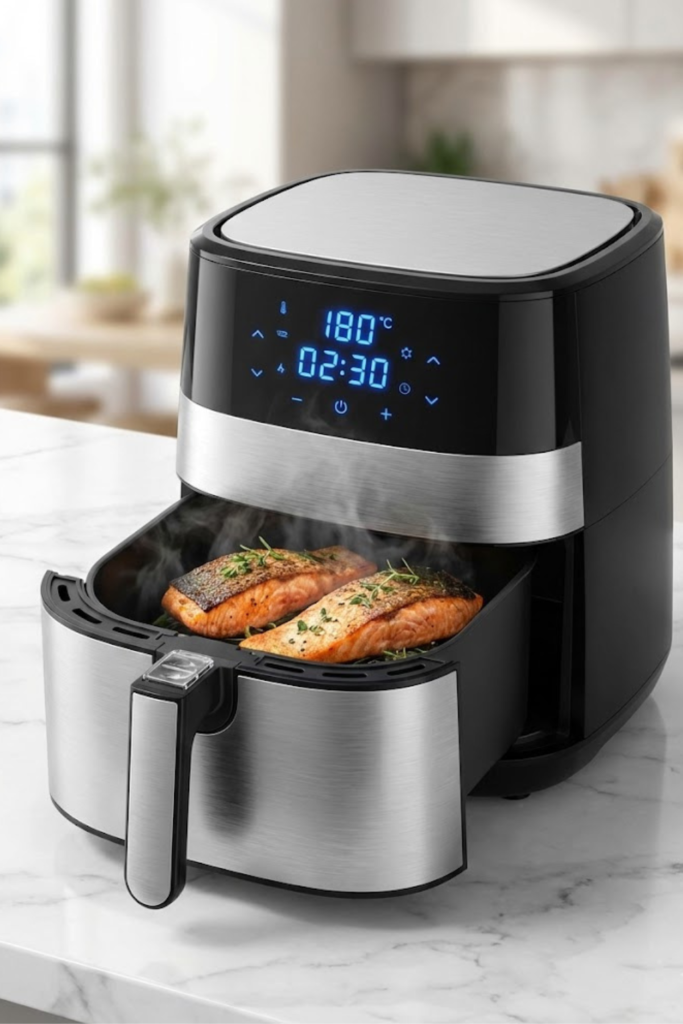
For most standard fillets, 400°F (200°C) is the golden ticket. I know it sounds high! But because the fan is blowing hot air directly onto the food, this high heat sears the outside quickly. This seals in the juices while the inside catches up.
If you cook it at a lower temperature, the fish spends too much time inside the basket. It dries out before it’s even cooked through. We want perfectly flaky salmon, not fish jerky. So, be brave and crank that dial up.
How Long Does It Really Take?
There is no “one size fits all” answer here, which is super annoying, I know. But generally, the cooking time for salmon falls between 7 and 10 minutes.
Here is a rule of thumb I live by:
- Thin fillets (tail end): Check them at 6-7 minutes.
- Thick center cuts (1 inch): Usually take 8-10 minutes.
- Super thick cuts: might need 12 minutes.
I once walked away to fold laundry, thinking I had plenty of time. I came back 12 minutes later to a smoke alarm. Now, I always set the timer for 7 minutes initially. You can always add time, but you can’t un-cook a burnt piece of fish!
Trust the Thermometer, Not Your Gut
I used to pride myself on “just knowing” when meat was done. I was wrong a lot. The biggest upgrade to my kitchen game was buying an instant-read meat thermometer.
According to food safety standards, the safe salmon internal temp is 145°F (63°C). However, here is a pro tip I learned from a chef friend: pull the salmon out when it hits 135°F or 140°F.
Why? Because of “carryover cooking.” The fish continues to cook for a few minutes after you take it out of the basket. If you wait until it hits 145°F inside the fryer, it will likely be 155°F by the time you sit down to eat, which means it’s overcooked.
The Fork Test
If you don’t have a thermometer yet (go get one!), use the fork test. Gently twist a fork into the thickest part of the fillet. If the flesh flakes easily and looks opaque (pinkish-white) rather than translucent red, it is done.
If it fights you or looks rubbery, it needs another minute. But be careful! There is a fine line between perfect and dry. I’ve definitely opened the basket, thought “eh, one more minute,” and then regretted it immediately. It happens to the best of us.
Know Your Machine
One last thing—every air fryer is different. My Cosori air fryer recipes usually cook faster than when I use my mom’s Ninja Foodi. The wattage and size of the basket make a difference. The first time you try this, stay close to the machine. Treat the first batch like a science experiment so you know exactly how your specific gadget behaves.
Preventing Common Air Fryer Mistakes
I consider myself a pretty decent home cook, but my relationship with my air fryer wasn’t love at first sight. I’ve made every mistake in the book. It is actually kind of embarrassing how many dinners I ruined before I got the hang of it! There was one night where the smoke alarm went off three times, and my kids just looked at me like, “Are we ordering pizza?”
It was a humble pie moment. But, those disasters taught me exactly what not to do. If you want to avoid the “pizza night” look of defeat, pay attention to these common traps.
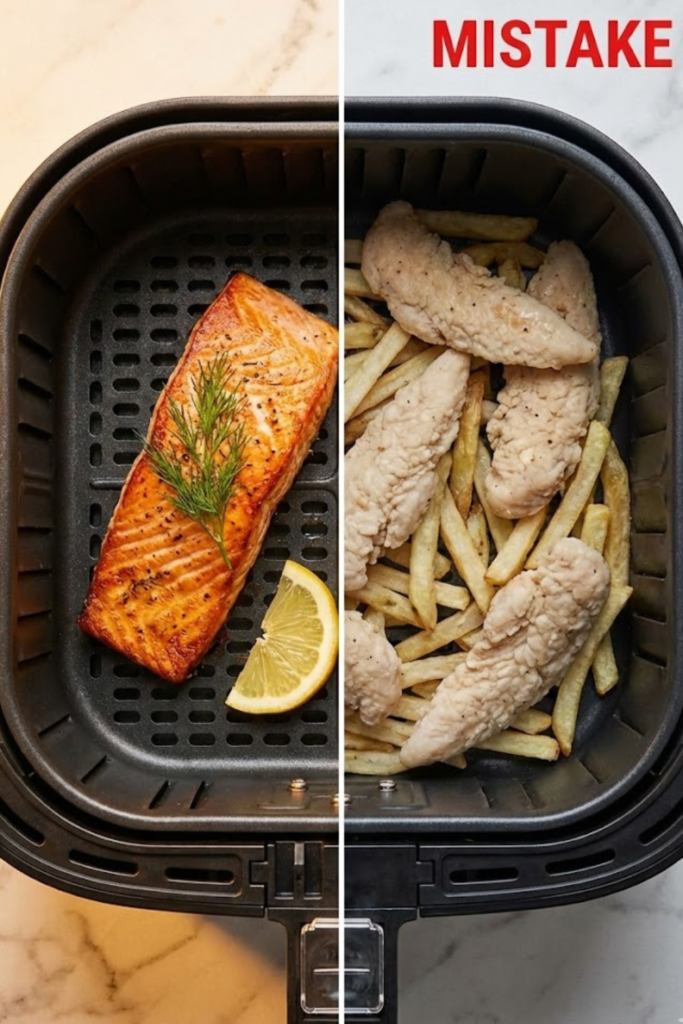
The “Sardine Can” Method (Overcrowding)
I used to think I was being efficient by cramming four or five fillets into the basket at once. I treated it like a game of Tetris. Big mistake.
When you pack the salmon in too tight, the hot air can’t circulate around the food properly. Instead of frying, the fish steams in its own moisture. You end up with soggy, sad-looking fish instead of that crispy skin salmon we are all chasing.
Give the fillets some personal space! If you have a smaller unit, cook in batches. It takes a few extra minutes, but the result is so much better. It’s worth the wait for perfectly flaky salmon.
The Sticking Nightmare
There is nothing worse than opening the basket, seeing a beautiful piece of fish, and then ripping it to shreds because it’s glued to the bottom. I have ruined the presentation of so many family friendly meals this way.
The non-stick coating on air fryers is okay, but it wears down over time. I learned that you have to be proactive.
- Don’t use aerosol sprays: I used to use those cans of non-stick spray (like Pam), but I found out the additives actually gunk up the basket and ruin the coating.
- Use Oil or Paper: Rub a little avocado oil on the grates or, better yet, use parchment paper.
- Invest in Liners: I finally bought some air fryer basket liners (the parchment kind with holes), and they are a total lifesaver.
Using liners also makes cleanup way easier. I am all about air fryer cleaning tips that keep me from scrubbing dishes for twenty minutes after dinner!
The “Set It and Forget It” Trap
I get distracted easily. I’ll put the fish in, go scroll on my phone, and completely lose track of time. But salmon goes from “perfect” to “cat food texture” in about sixty seconds in an air fryer.
It cooks so much faster than an oven! If a recipe says 10 minutes, I check it at 7. I’d rather check it three times than eat dry fish.
If you do overcook it, don’t panic. Flake it up and mix it with some mayo and sriracha to make a salmon salad. It’s a great way to save the meal and pretend you meant to do that all along.
Skipping the Preheat (Sometimes)
There is a big debate about preheating. Do you need to? Honestly, for most things, I don’t bother. But for fish, I’ve found it helps.
If you toss cold fish into a cold basket, it slowly warms up. If you toss it into a hot basket, the cooking starts immediately. A 3-minute preheat helps get that nice sear on the outside. It’s a small step that makes a difference in tender fish recipe outcomes.
Serving Suggestions and Healthy Sides
I’ll be honest, sometimes I put so much energy into the main dish that I completely forget about the sides. I’ve definitely served gourmet-level salmon with a side of… plain toast because I panicked at the last minute. It wasn’t my finest moment! But once I realized the air fryer could handle the sides too, my life got way easier.
You don’t need a degree in culinary arts to make a balanced plate. In fact, keeping it simple is usually better when you are trying to get healthy dinner ideas on the table fast.
The “One-Basket” Vegetable Trick
If you are cooking for just one or two people, you can often cook your veggies right alongside the fish. It’s a total game-changer for cleanup. I love tossing in some asparagus stalks or broccoli florets.
Just coat them in a little oil and salt, and squeeze them in next to the fillets. Asparagus takes about the same time as the fish, so it’s perfect. If you want roasted vegetables without turning on the big oven, this is the way to do it.
Just be careful not to crowd the basket too much, or things won’t crisp up. If I’m feeding the whole family, I usually cook the veggies first while the salmon comes to room temperature, then keep them warm while the fish cooks.
Starch and Grains
If you aren’t doing the low carb meals thing, you need something to soak up those juices. My go-to is usually jasmine rice or quinoa. I make a big batch at the start of the week for meal prep ideas, so all I have to do is scoop and serve.
For a true mediterranean diet vibe, I love doing a Greek salad with cucumbers, tomatoes, and feta. It cuts through the richness of the salmon perfectly. Or, if I’m feeling ambitious, I’ll toss some diced sweet potatoes in the air fryer before the salmon (since they take longer).
The Sauce Boss
Salmon is rich, so it needs something bright to balance it out. I used to make these complicated sauces that took longer than the fish itself. Now? I keep it real simple.
A squeeze of fresh lemon juice is non-negotiable. If I’m feeling fancy, I’ll mix some Greek yogurt with dill, garlic, and lemon juice. It takes thirty seconds and tastes fresh. It’s also naturally a gluten free dinner addition that everyone can eat.
Storing and Reheating (The Danger Zone)
Okay, let’s talk about leftovers. Reheating fish is terrifying. If you put salmon in the microwave at work, your coworkers will hate you. I’m serious, don’t be that person!
Plus, the microwave turns fish into rubber. The best way to reheat air fryer salmon is—you guessed it—in the air fryer.
Set it to a low temperature, like 270°F or 300°F. Let it warm up for about 3-4 minutes. This wakes up the oils without cooking it all over again. I actually think cold salmon is delicious on top of a salad the next day, so sometimes I don’t even bother heating it up.
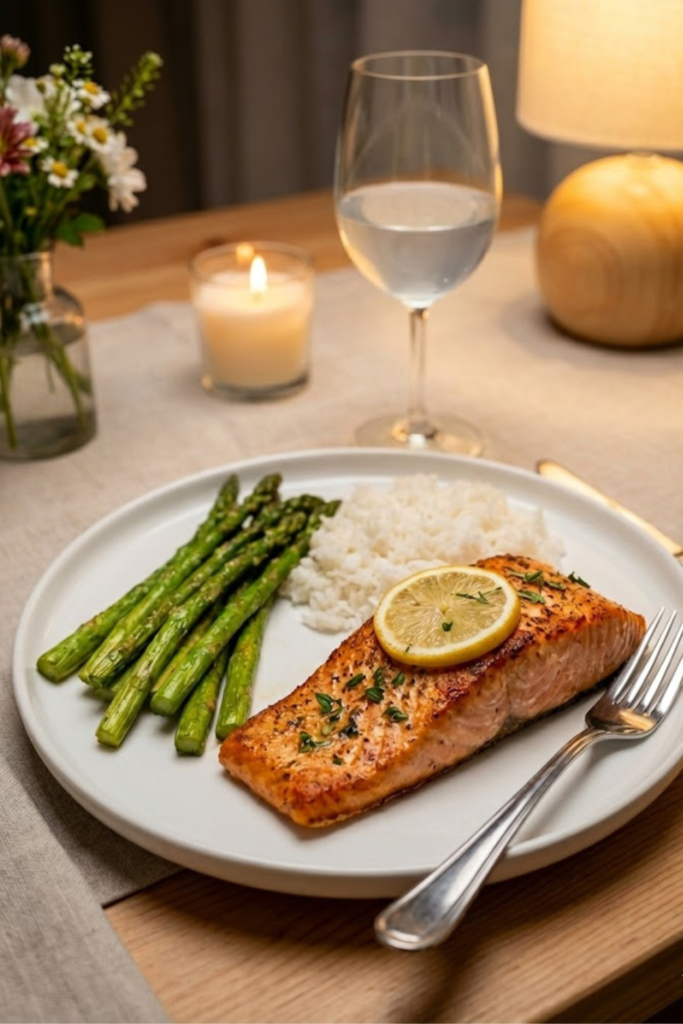
Making restaurant-quality seafood doesn’t have to be a nightmare or leave your kitchen smelling like a fish market for three days. I honestly used to dread cooking fish because of the mess, but this method changed the game for me. It is fast, incredibly healthy, and the cleanup is a breeze.
Once you master this simple technique, you’ll wonder how you ever cooked fish any other way! It is the perfect solution for busy weeknights when you need a nutritious meal on the table in under 15 minutes. I’d love to see how yours turns out, so don’t be shy—snap a photo!
If you enjoyed this recipe and want to save it for later, please share this to your Healthy Dinners or Air Fryer Recipes board on Pinterest. It helps me out a ton and helps you find it when you’re hungry!