Did you know that the average person eats about 90 pounds of chicken every single year? That is a lot of birds! I remember the first time I tried to roast a Whole Roasted Spring Chicken with Garlic and Thyme. Honestly, it was a total disaster. The skin was soggy, the meat was dry like sawdust, and I forgot to take the bag of giblets out of the inside. Yikes!
But hey, we live and learn, right? Now that it is 2026, I have figured out the tricks to making this dish taste like a million bucks without breaking a sweat. This recipe is all about those fresh spring vibes. We are using tons of garlic and earthy thyme to make the house smell amazing.
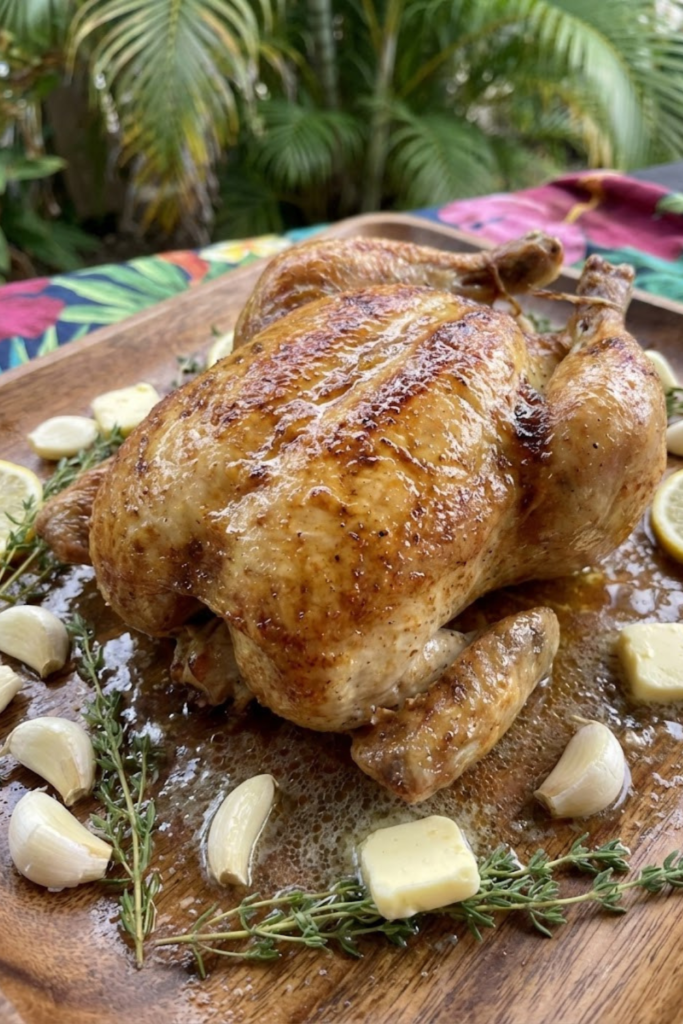
Choosing the Best Bird for Maximum Flavor
I remember standing in the meat aisle for twenty minutes once, just staring at all those plastic-wrapped packages like they were written in a foreign language. I used to think a chicken was just a chicken, but boy, was I wrong. If you want your Whole Roasted Spring Chicken with Garlic and Thyme to taste like it came from a fancy kitchen, you have to start with the right bird. It is a lot like trying to build a house on a shaky foundation—if the meat isn’t good, all the garlic in the world won’t save it. My first few tries were pretty bland because I just grabbed the cheapest thing on the shelf. Now, I have a few rules I follow every time.
Size Matters More Than You Think
A lot of people think bigger is better. They see a giant six-pound roaster and think they are getting a great deal for their money. But for a spring chicken recipe, you really want a bird that is on the smaller side. I usually look for one between three and four pounds. These younger birds have meat that is way more tender and juicy. When they get too big, the meat can get a bit tough and “stringy,” which nobody wants to chew on. Plus, a smaller bird cooks faster and more evenly. This helps you avoid that annoying problem where the breasts are dry but the legs are still a little bit pink.
What is an “Air-Chilled” Chicken?
This is a big tip that changed everything for me. Have you ever noticed how some chickens have a lot of pink water sitting in the bottom of the tray? That is because most factory chickens are cooled down in big tubs of cold water. They soak up that liquid like a sponge. When you cook it, all that extra water leaks out into your pan. You basically end up steaming your bird instead of roasting it, which ruins your chances of getting that crunch. Look for a label that says “air-chilled.” These birds are cooled with cold air instead of water. It costs a little more, but the flavor is way more intense because it isn’t watered down.
Check the Skin and Color
Don’t be afraid to really look at what you are buying through the plastic. You want skin that looks creamy or even a bit yellowish, not grey or dull. Make sure there aren’t any weird bruises or tears in the skin. If the skin is ripped, the juices will escape while it cooks and the meat will get dry right in that spot. Also, give the package a little poke if you can. The meat should feel firm and bounce back, not feel mushy or soft. Picking a good chicken is the first step to making sure your family actually asks for seconds!
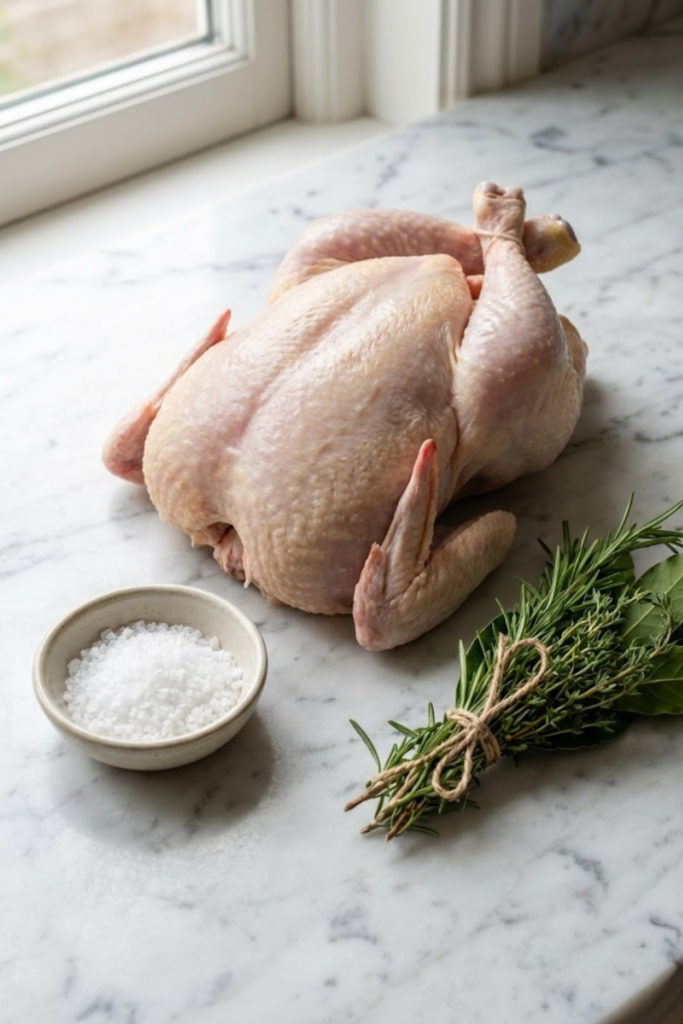
Prep Secrets for That Super Crispy Skin
I have spent years trying to get that perfect crunch on a Whole Roasted Spring Chicken with Garlic and Thyme. I remember one Sunday dinner where the chicken looked okay, but the skin was like wet rubber. My husband tried to be nice and chewed through it, but I knew I had failed. It took a lot of trial and error—and a few burnt birds—to realize that water is the enemy of crispy skin. Most people think they need to keep the chicken “wet” so it doesn’t dry out, but that is the exact opposite of what you should do for the outside. If you want that crunch, you have to be mean to the moisture.
The “Paper Towel” Method
The first thing I do now is grab a huge roll of paper towels. I mean a lot. I pat that chicken down like I am drying off a toddler who just jumped in a pool. You have to get every single drop of moisture off that skin. I make sure to get under the wings and around the legs because water likes to hide in those little folds. If the skin is even a little bit damp, it will steam in the oven instead of roasting. I usually do this about thirty or forty minutes before I plan to cook it. I just let it sit there on the counter so the air can hit it. This also helps the meat get to room temperature, which helps it cook way more even.
Why Salt is Your Best Friend
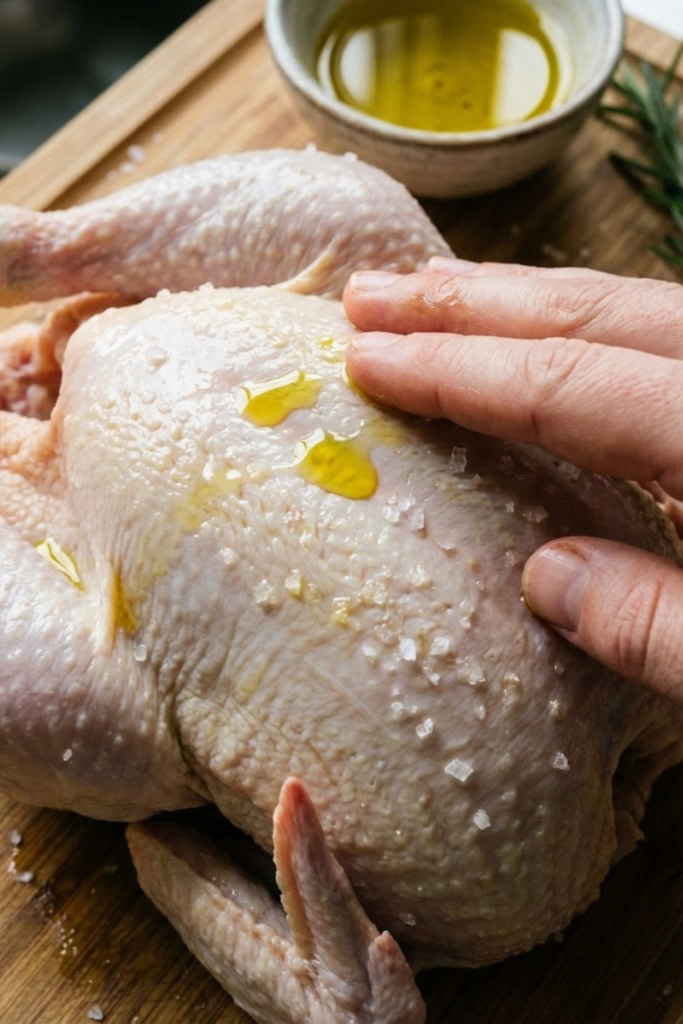
I never realized how much salt matters until I started teaching my neighbor how to roast. Salt isn’t just for making things taste good; it actually draws the water out of the skin cells. I use big grains of kosher salt and rub it all over. If I have the time, I salt the bird and put it in the fridge without a cover for a few hours. The cold air in the fridge dries the skin out until it feels like parchment paper. It might look a bit dry and unappealing at first, but don’t worry. When that high heat hits the salted skin, it turns into a golden, crackling masterpiece.
Stop the Basting Habit
One of the biggest mistakes I see people make is opening the oven every ten minutes to pour juices over the top. I used to do this because I thought I was being a good cook. But every time you pour liquid on that skin, you are ruining all your hard work! You are basically giving the chicken a bath when it needs a sauna. Just let the dry heat do its thing. If you really want that extra flavor, rub some olive oil or butter under the skin instead. This keeps the meat juicy while letting the skin get as crispy as a potato chip. It is a total game changer for your Sunday roast.
The Garlic and Thyme Infusion Trick
Getting the flavor deep into the meat is where most people struggle. They just sprinkle some herbs on top and wonder why the inside of the chicken tastes like nothing. I have learned that if you want a really tasty Whole Roasted Spring Chicken with Garlic and Thyme, you have to get those aromatics inside the bird. It is almost like you are perfume-ing the meat from the inside out while it cooks. My kids used to pick off the green bits of thyme, but now they love the taste because it is soaked right into the juicy parts. Here is how I make sure every bite has that earthy, garlicky goodness.
Stuffing the Cavity for Aroma
The big hole in the middle of the chicken is not just for show! I always shove a whole head of garlic in there. I don’t even peel the cloves most of the time; I just cut the whole head in half across the middle and push it in. Then, I take a massive bunch of fresh thyme—maybe ten or twelve sprigs—and stuff them in too. As the chicken heats up, the oils in the thyme and the juices from the garlic turn into steam. That steam travels through the meat and flavors it perfectly. I also like to throw half a lemon in there. The citrus helps break down the fats and makes everything taste brighter.
The Garlic Butter Skin Hack
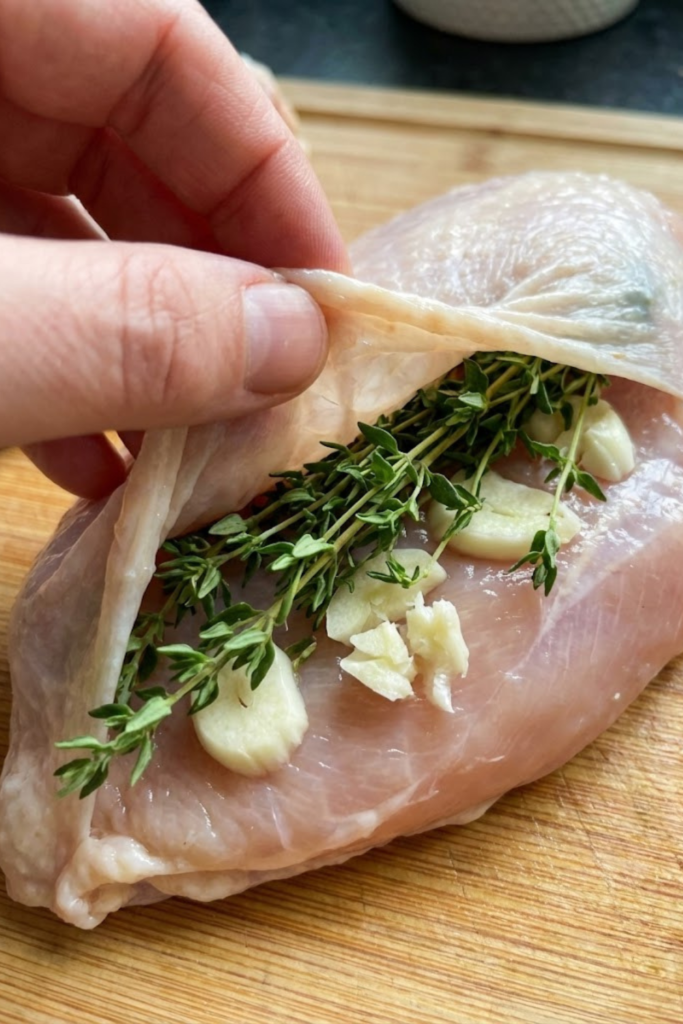
This is my favorite part because it makes the breast meat taste incredible. I take some softened butter and mix it with minced garlic and chopped thyme leaves. Then, I use my fingers to gently lift the skin away from the breast meat. You have to be careful not to rip it! I slide big clumps of that herb butter right under the skin and spread it around. This is better than just putting butter on top because the skin protects the garlic from burning. The butter melts directly into the meat, keeping it so moist that you won’t even need gravy.
Using the Pan for Extra Flavor
Don’t just let the chicken sit in a dry pan. I like to scatter a few extra smashed garlic cloves and more thyme sprigs around the bottom of the roasting dish. I also add a little bit of chicken stock or even some white wine if I have a bottle open. As the chicken drippings hit the bottom, they mix with the garlic and herbs to create a delicious liquid. You can use a spoon to pour this liquid over the legs halfway through. It makes the house smell like a five-star restaurant, and it keeps the bird from drying out in the oven’s high heat.
Roasting Times and Temperature Checks
I used to be so scared of undercooking chicken that I would leave it in the oven until it looked like a piece of dark wood. I was terrified of making my family sick, so I overcompensated by drying the poor bird out. It was so bad we practically had to drink a glass of water with every bite just to swallow it! Eventually, I learned that roasting a Whole Roasted Spring Chicken with Garlic and Thyme isn’t about how long it sits in the heat, but about the actual temperature of the meat. You can’t just set a timer and walk away because every oven has its own personality. Some run hot and some have cold spots, so you have to be the boss of your kitchen.
Setting the Right Oven Temperature
For a crispy bird that stays juicy, I like to crank the heat up to 425°F. Some people like a slow roast at 350°F, but I think that just makes the skin soggy. High heat is what gives you that beautiful golden color and helps the fat under the skin melt away. If you notice the tips of the wings getting too dark too fast, you can just wrap a little bit of tin foil around them. Usually, a three or four-pound bird takes about an hour or maybe an hour and fifteen minutes. I always put the chicken on a rack inside the pan so the hot air can circulate all the way around the bottom.
Why You Really Need a Meat Thermometer
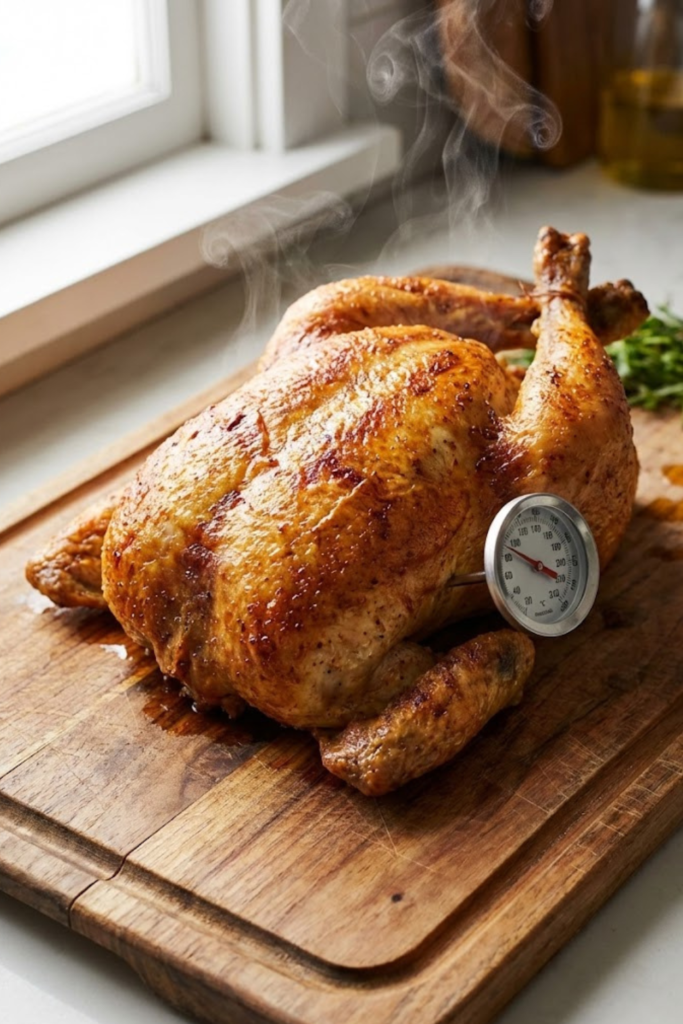
If you don’t have a digital meat thermometer yet, go get one right now! It is the only way to be 100% sure the chicken is done without cutting into it and letting all the juice run out. You want to poke the thermometer into the thickest part of the thigh, but make sure you don’t hit the bone. The bone gets hotter than the meat and will give you a fake reading. You are looking for 165°F. Once it hits that number, pull it out immediately. Don’t wait for 170°F or it will start to get tough.
The Magic of Resting the Meat
This is the hardest part for me because the house smells so good I just want to eat right away. But you have to let the chicken rest for at least 15 minutes on the counter. When the meat is hot, the juices are all thin and runny. If you cut it now, they will just spill onto the board and leave the meat dry. Resting lets the juices thicken back up and stay inside the chicken where they belong. I usually just throw a loose piece of foil over the top to keep it warm while I finish up the side dishes. Trust me, it makes a huge difference in how tender the meat feels.
Final Thoughts and Serving Your Masterpiece
I really hope you give this Whole Roasted Spring Chicken with Garlic and Thyme a shot this weekend. There is just something so special about pulling a golden, bubbling chicken out of the oven and seeing your family’s eyes light up. It takes me back to when I was younger and my grandmother would make a big Sunday feast. Back then, I didn’t realize how much work went into it, but now I know that with a few simple tricks, it doesn’t have to be a big chore. Cooking should be fun, not something that makes you want to pull your hair out!
One thing I have to mention is what to do with the leftovers. If you actually have any meat left over—which doesn’t happen often in my house—it makes the best chicken salad you have ever tasted. The garlic and thyme flavor really sinks into the meat overnight, so even cold, it tastes like a gourmet meal. I usually shred the leftover breast meat and toss it with a little bit of mayo and maybe some grapes or celery. It is a great way to save money and make lunch for the next day.
When you are ready to serve the chicken, I suggest putting it on a big platter and surrounding it with roasted potatoes or some bright green asparagus. The colors look beautiful together, and it makes for a great photo if you are into that sort of thing. Just make sure you use a sharp knife when you start carving. If your knife is dull, you will end up tearing that beautiful crispy skin we worked so hard on. Take your time and cut through the joints, and you will have perfect pieces every time.
If you found these tips helpful, please do me a huge favor and pin this recipe to your favorite Pinterest board! It really helps me out and lets other people find these easy cooking secrets. I love hearing how your dinners turned out, so feel free to share your success stories. Remember, even if it isn’t perfect the first time, it will still taste better than anything you can buy in a plastic bucket at the store. Happy roasting, everyone!