Do you know that 90% of home cooks say meatloaf is their ultimate comfort food, yet half of them worry about it coming out dry? I used to be in that same boat until I found the holy grail! We are diving deep into the easiest meatloaf recipe converted from Ina Garten, simplifying the “Barefoot Contessa” magic for your weeknight sanity. I’ve made this version countless times, and let me tell you—it’s a game-changer! We’re keeping all the flavor but cutting down the fuss. Get your aprons ready, because we are about to make the juiciest loaf of your life!
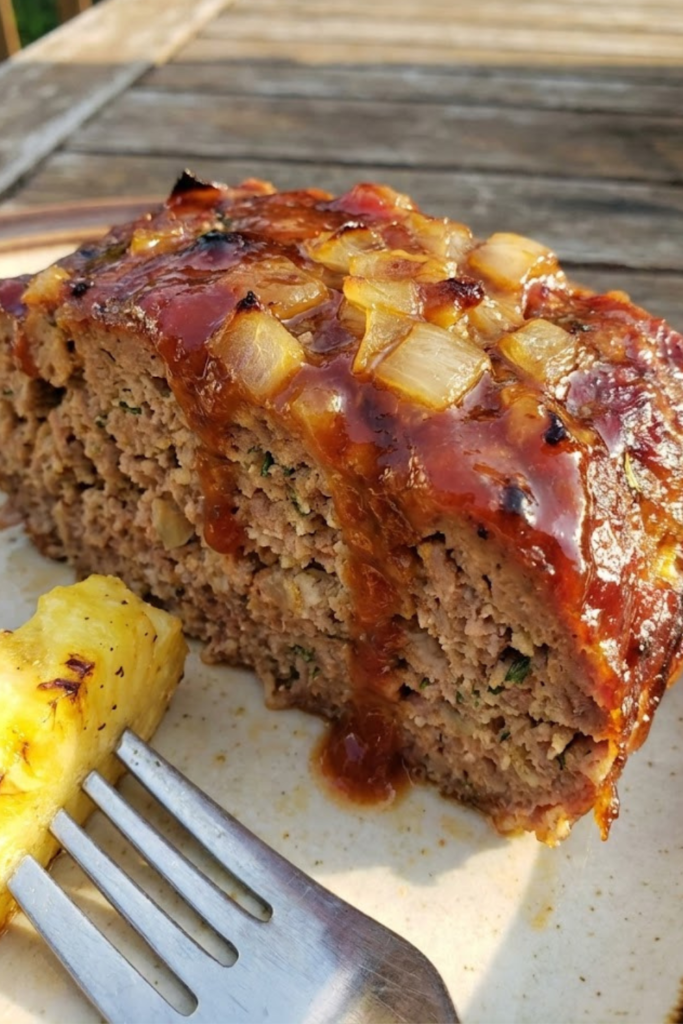
Why Ina Garten’s Meatloaf is the Gold Standard
Honest truth time: I spent the better part of my twenties terrified of making meatloaf. I know, it sounds ridiculous, right? It’s just ground beef and ketchup. But every single time I tried, I pulled a gray, dry brick out of the oven that required a gallon of water to swallow. It wasn’t until I stumbled across the Barefoot Contessa recipes that I realized I wasn’t a bad cook; I just had bad instructions.
Ina Garten—bless her heart—doesn’t mess around with flavor. But here is the thing: sometimes her portions are massive, or the steps feel a little “extra” for a Tuesday night when you just want to get dinner on the table. That is why we are looking at the easiest meatloaf recipe converted from Ina Garten. We want that gold-standard taste without needing a culinary degree or a staff of assistants.
The Secret Is in the Bread
The biggest mistake I made for years was using those powdery, dried breadcrumbs from a canister. You know the ones. They sit in the pantry for three years. Ina teaches us that homemade meatloaf needs fresh breadcrumbs. It sounds fussy, but it’s not. I literally just tear up a slice of sandwich bread or throw it in the blender.
Why does it matter? Dried crumbs suck the moisture right out of the beef. Fresh crumbs hold onto the juices like a sponge. When you switch to fresh, you get that moist meatloaf texture that actually falls apart on your fork instead of bouncing off the plate.
The Onion Situation
Another thing I learned the hard way involves onions. I used to just chop raw onions and throw them in the mix because I was lazy. Big mistake. The onions never cooked through, so you’d get these crunchy, spicy bits that ruined the vibe.
In this easy meatloaf recipe, we follow Ina’s lead and sauté the onions first. Yes, it’s one extra pan to wash (sorry!), but it softens them and brings out the sweetness. It makes the final dish feel like comfort food classics should—warm, savory, and consistent.
Why We Convert It
While I love Ina, I don’t always need to feed a Hamptons dinner party. Her original recipe calls for a lot of meat. By tweaking the ratios, we get a tender meatloaf that fits a standard family dinner without leftovers for the next ten days (unless you want them). This converted version keeps the soul of her cooking—the thyme, the Worcestershire, the tomato glaze—but makes it manageable for real life. It’s the best of both worlds.
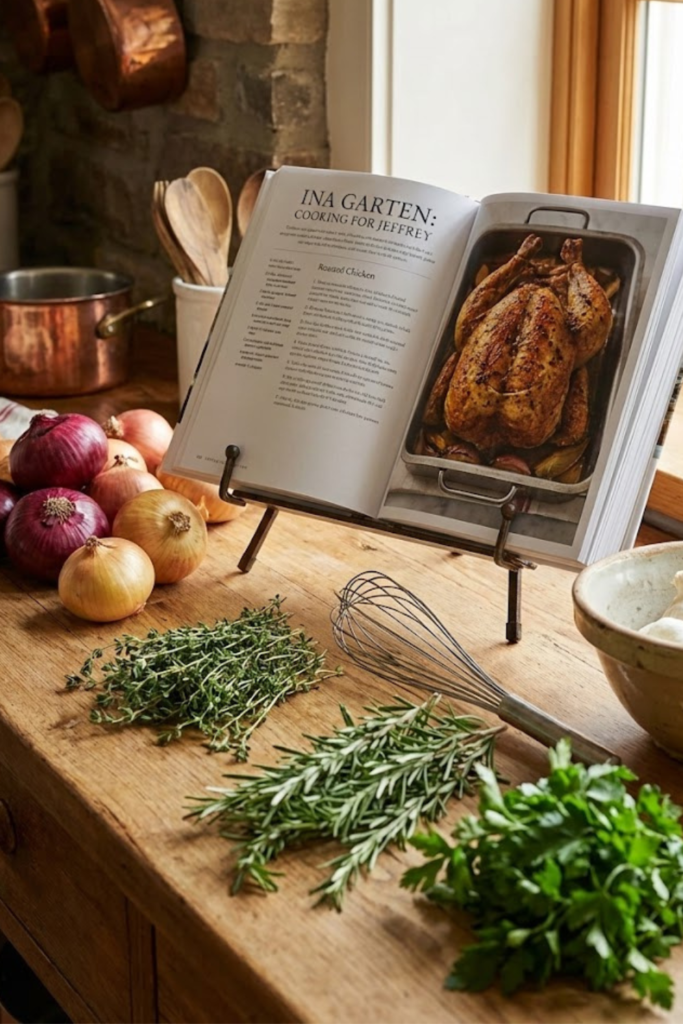
Essential Ingredients for the Easiest Meatloaf
Let’s talk groceries. I remember standing in the meat aisle a few years back, staring at the packages of red squiggles, completely overwhelmed. I grabbed the package labeled “93% Lean” because I was trying to be healthy. Spoiler alert: that was a disaster. The loaf came out crumbly and tasted like cardboard.
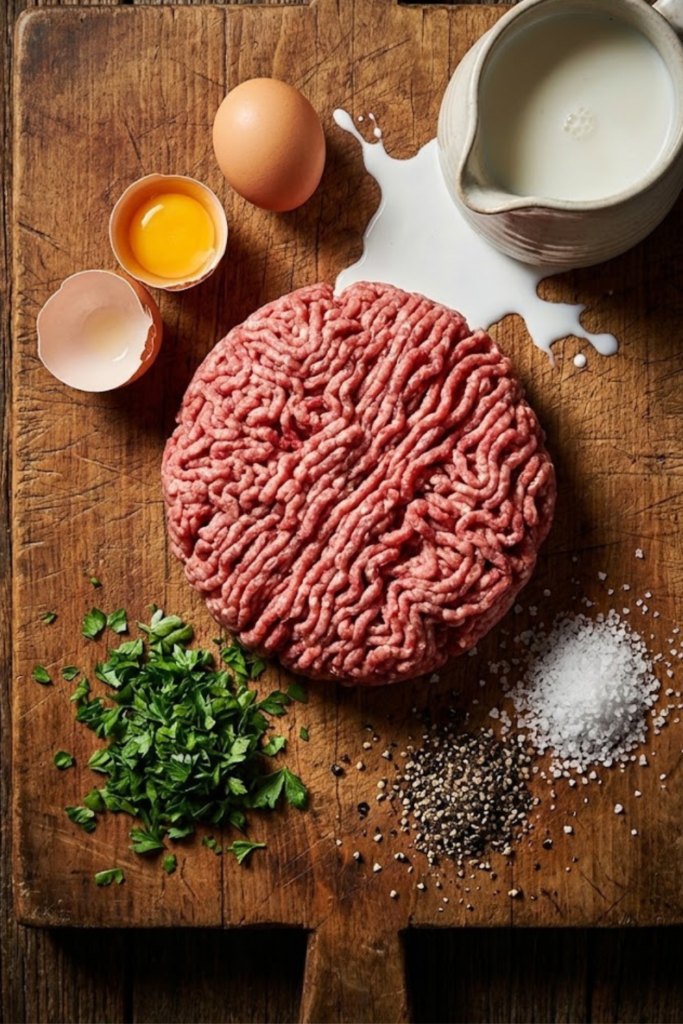
When you are gathering your meatloaf ingredients, precision matters, but it’s not rocket science. We are just trying to avoid the “dry brick” situation.
The Meat Matters
For this ground beef dinner, you really need to stick to Ground Chuck, specifically the 80/20 blend. That means 80% lean meat and 20% fat. I know, seeing that white fat in the package might make you hesitate, but fat is flavor. It’s also moisture.
As the meatloaf bakes, that fat renders down and keeps the ground chuck juicy. If you go leaner, you lose that built-in baster. If you absolutely must use turkey or chicken, you have to add extra olive oil or veggies to compensate, but for the best meatloaf recipe experience, stick to the beef this time.
The “Glue” That Holds It Together
You can’t just smash meat into a pan and hope for the best. You need binders. This recipe relies on a specific trio: fresh breadcrumbs, eggs, and a splash of milk.
Here is a tip I learned after many failed attempts: let your breadcrumbs soak in the milk for a minute before mixing them in. It creates a paste (panade) that keeps the meat from getting tough. It sounds gross, but it works wonders for a tender meatloaf. Don’t skip this step!
Flavor Boosters
Meat on its own is boring. To get that Ina Garten cooking vibe, we need to layer the flavors. Aside from the sautéed onions we talked about earlier, you need Worcestershire sauce. It adds that deep, savory umami punch that salt alone can’t give.
Also, please use kosher salt and fresh cracked pepper. Table salt is too salty and harsh. Fresh herbs like parsley and thyme are non-negotiable for me now. Dried herbs are okay in a pinch, but fresh ones make it taste like you put in way more effort than you actually did.
Quick Substitutions
I’ve had to tweak this for friends with allergies, and it’s pretty forgiving.
- Gluten-Free: Use GF bread or even crushed gluten-free oats. It changes the texture slightly, creating a meatloaf with oatmeal vibe, but it still holds together.
- Dairy-Free: Swap the cow’s milk for unsweetened almond milk or beef broth.
Just don’t skimp on the meatloaf seasoning. We want juicy meatloaf, not a bland burger shaped like a brick!
Step-by-Step: Mixing and Shaping the Loaf
I used to think the harder I mixed the meat, the better it would taste. I treated that bowl of beef like I was kneading dough for a pizza. Wrong move. My poor family had to saw through those early attempts with steak knives. It was embarrassing!
When you get your hands dirty with this meatloaf mix, you have to be gentle. It’s messy, sure, but it’s the only way to get it right.
The “Claw” Technique
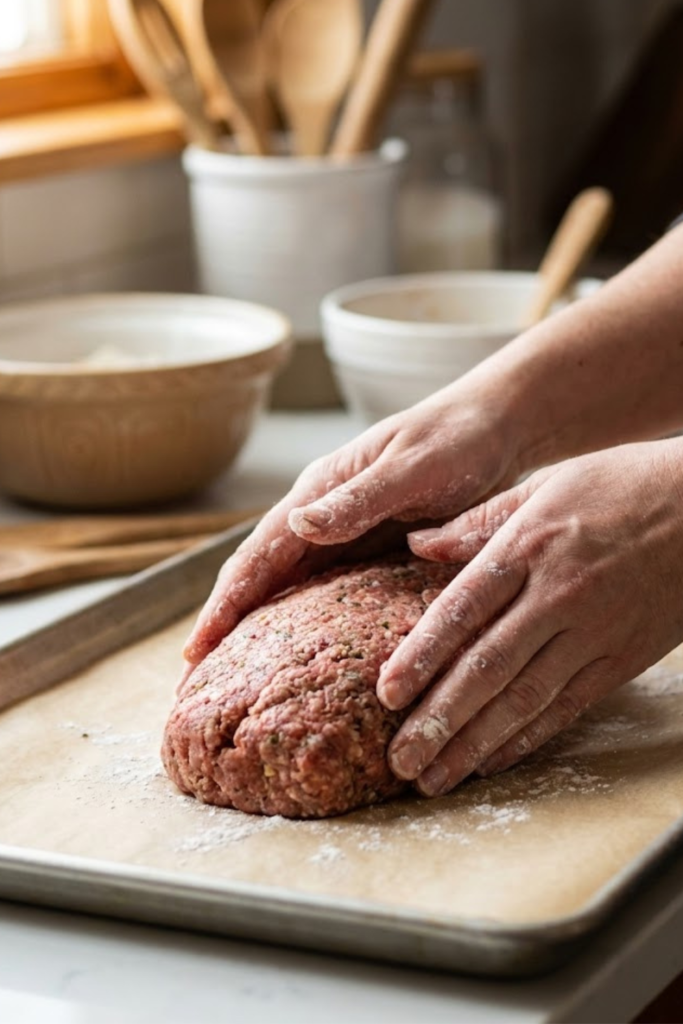
Here is the deal: toss all your ingredients—the ground chuck, the soaked breadcrumbs, the eggs, and those cooled sautéed onions—into a big bowl. Now, make your hand into a claw shape. You want to toss the meat, not squish it.
Think of it like tossing a salad with your fingers. You just want to distribute the ingredients until they are combined. The second everything looks mixed, stop! Seriously, put your hands down. If you overwork the proteins in the meat, you end up with a rubbery brick instead of a tender meatloaf. It’s the hardest part of the recipe because you’ll want to keep going, but don’t.
Ditch the Loaf Pan
For years, I jammed my meat mixture into a standard meatloaf pan. The result? It steamed in its own juices and turned gray on the sides. Not appetizing. Ina taught me to shape the loaf by hand directly on a baking sheet.
This was a revelation. By making a baking sheet meatloaf, the hot air circulates all around the meat. You get this beautiful, caramelized crust on the top and the sides. Plus, it’s way easier to slice later. Just dump the mix onto a sheet lined with parchment paper and gently pat it into a rectangular shape. It doesn’t have to be perfect; rustic looks better anyway.
The Water Bath Hack
Okay, this sounds weird, but stay with me. If you’ve ever had your meatloaf crack down the middle like an earthquake hit it, it’s because the oven air was too dry.
I learned to place a small pan of hot water on the rack underneath the meatloaf. It creates steam in the oven. This keeps the environment humid, which helps prevent those ugly cracks and keeps the inside incredibly moist. It’s a small trick that makes a massive difference in the final meatloaf cooking time and texture.
One last tip: if the mixture feels too sticky to shape, wet your hands with a little cold water. The meat won’t stick to wet skin, and you can smooth out the top perfectly. It’s a total lifesaver when you’re in the thick of it!
The Iconic Tomato Glaze (And How to Simplify It)
Let’s be real for a second: the best part of the meatloaf is the sticky, sweet topping. When I was a kid, my mom just squeezed plain ketchup on top of the loaf before throwing it in the oven. It was fine, I guess? But it always came out looking kind of cracked and dry. It definitely didn’t have that restaurant-quality shine.
When I first read the Ina Garten meatloaf recipe, I saw she made a specific glaze. I almost skipped it because I was tired and lazy. I am so glad I didn’t. That sauce is the difference between “meh” leftovers and fighting over the last slice.
More Than Just Ketchup
A proper meatloaf glaze needs to be more than just tomato paste. It needs balance. If you just use ketchup, it’s too acidic. You need to cut that tang with sweetness and a little heat.
For this converted recipe, we are ditching the complex steps. Just grab a small bowl. Whisk together your favorite ketchup, a good amount of brown sugar, and a dash of garlic or onion powder. The brown sugar glaze is crucial because the sugar caramelizes in the heat. That is what gives you that glossy, sticky finish that looks so good in photos. If you are feeling fancy, add a drop of hot sauce, but it’s not required.
When to Apply the Sauce
I made a huge mistake the first time I tried this. I waited until the meatloaf was fully cooked to put the sauce on, thinking it would look fresher. Nope. The sauce was cold, the meat was hot, and the flavors didn’t meld together. It just slid right off.
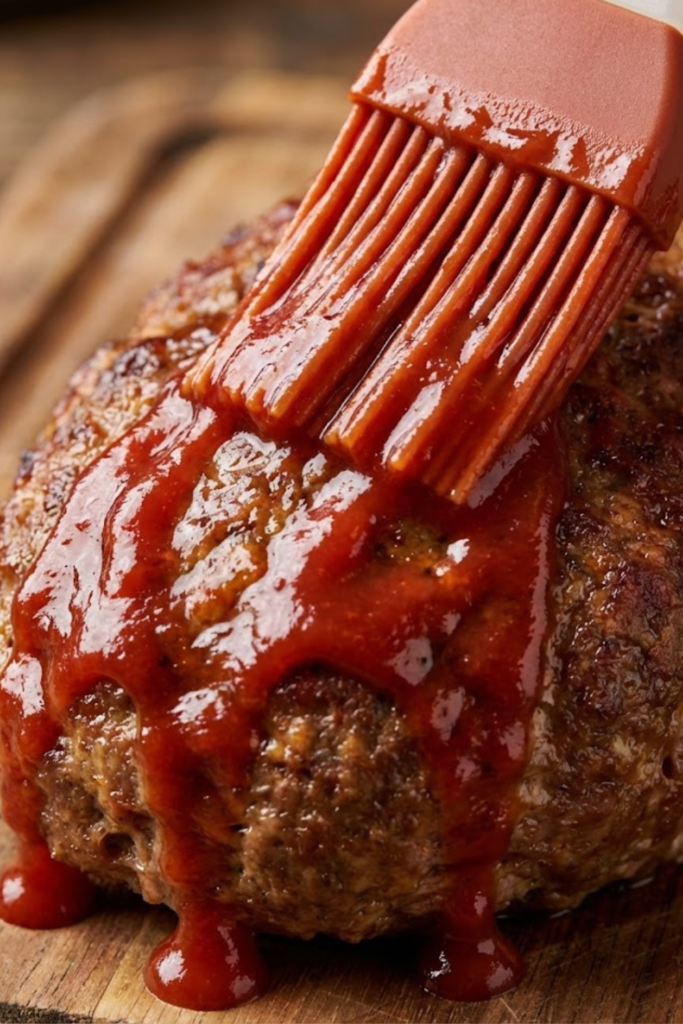
To get that perfect ketchup topping that actually sticks to the meat, you need to apply it before it goes into the oven. Smear a generous layer all over the top and sides of your raw loaf. As the meat cooks, the sugars in the sauce bubble and thicken. It essentially becomes a part of the crust.
The Double-Glaze Trick
If you really want to impress people, here is a trick I learned by accident when I had extra sauce left over. Put half the meatloaf sauce on at the beginning. Then, about 10 minutes before the timer goes off, pull the rack out and slather on the rest.
This second layer stays bright red and extra sticky because it doesn’t cook as long. It makes the whole dish look incredibly appetizing, like something out of a magazine. Just keep an eye on it so the sugar doesn’t burn! It’s a small extra step, but for a tomato glaze that tastes this good, it is totally worth it.
Baking Time and Temperature for Perfection
I used to play a dangerous game with my dinner. I’d peek through the oven window, poke the meat with a fork, and just guess if it was done. It was stressful! One time, I pulled a beautiful looking loaf out, cut into it, and it was raw pink in the middle. I had to shamefully shove it back in the oven while my family waited.
Cooking times can be tricky because every oven is a little different. But getting the meatloaf cooking time right is the only way to avoid food poisoning or serving leather for dinner.
The Sweet Spot: 350°F
I’ve seen recipes that call for 375°F or even 400°F to speed things up. Don’t do it. High heat will burn your glaze before the inside is cooked. Stick to 350°F1.
It is gentle enough to cook the ground beef evenly without drying out the edges. Usually, a standard sized loaf takes about an hour to an hour and 15 minutes. But don’t trust the clock blindly. My oven runs hot, so mine is often done at the 55-minute mark. If you are making an oven baked meatloaf on a sheet pan like we discussed, it might cook a little faster than in a heavy glass pan2.
Don’t Guess, Measure
Please, buy a digital meat thermometer. It costs like ten bucks. It is the best tool for cooking ground beef safely. You are looking for an meatloaf internal temp of exactly 160°F3.
Insert the probe right into the thickest part of the loaf. If it hits 160°F, pull it out immediately! The temperature will actually keep rising a little bit after you take it out. If you wait until it hits 170°F in the oven, you’ve already lost the battle for a juicy meatloaf4.
The Hardest Part: Waiting
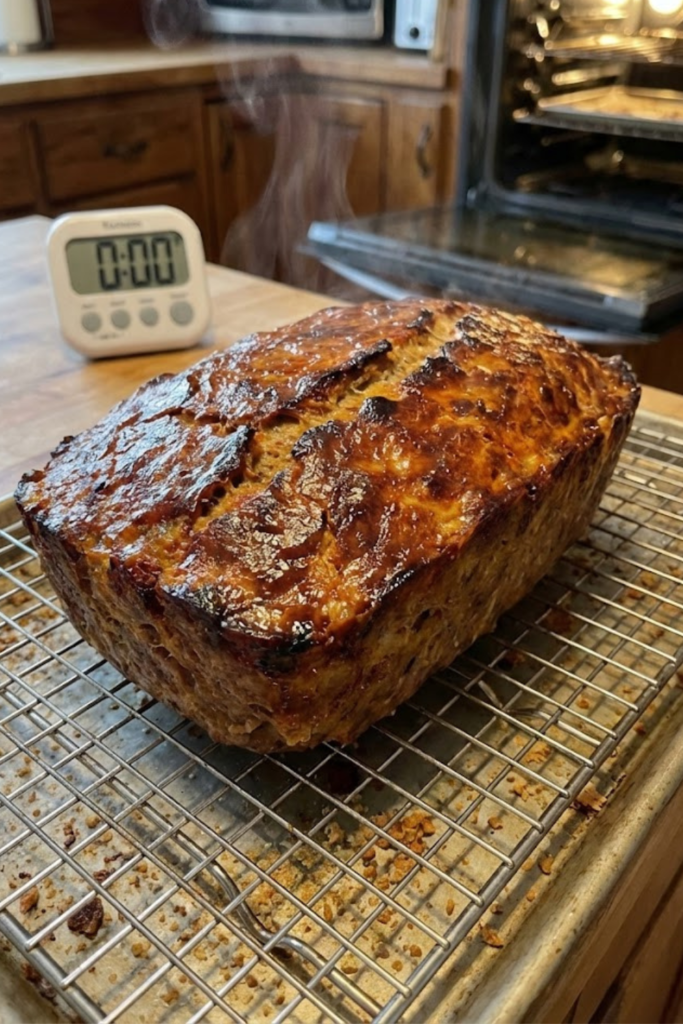
This is where I always messed up. The meatloaf smells amazing, you’re starving, and you want to slice it right away. Stop! If you cut into it hot, all those delicious juices will run out onto the cutting board5.
Let it rest for at least 10 to 15 minutes. It allows the fibers to relax and reabsorb the moisture. It’s the secret to a slice that holds its shape instead of crumbling into a pile.
Serving Suggestions and Leftover Ideas
I used to think the main event was the only thing that mattered. I would spend an hour on the meatloaf and then realize, “Oh shoot, I have nothing to serve with this.” My family would end up eating a gourmet loaf with a side of plain toast. Not my finest moment.
You have to respect the comfort food classics. A dish this savory needs a sidekick that can soak up the extra sauce or add a little crunch.
The Perfect Pairings
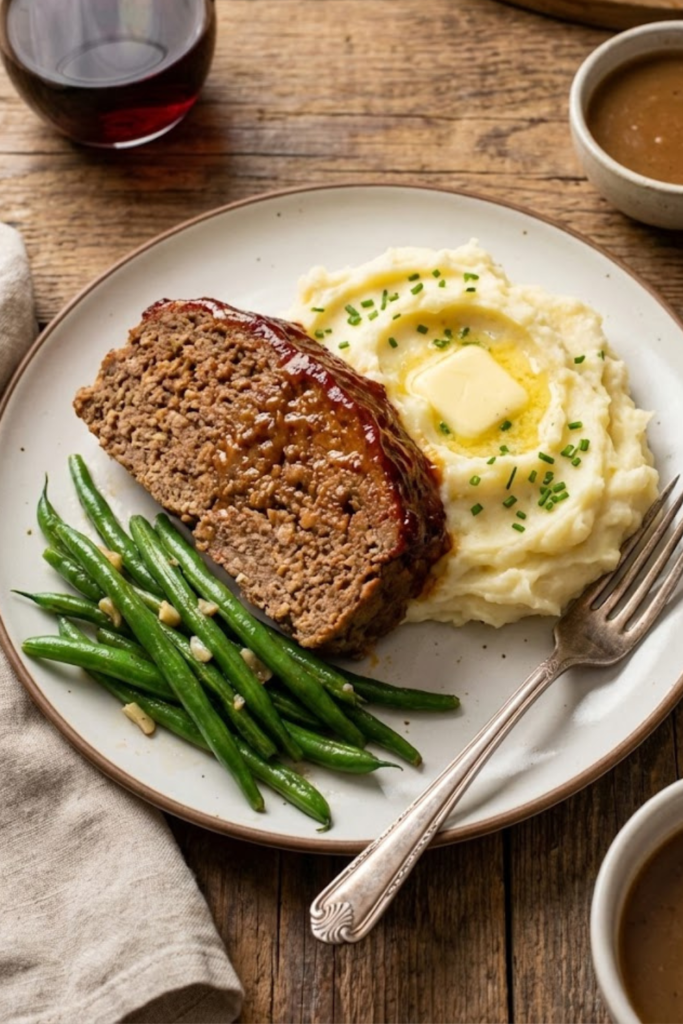
If you aren’t serving this with mashed potatoes, are you even doing it right? There is something about the creamy, buttery texture of potatoes that balances the dense, meaty texture of the loaf. I like to keep the skins on my potatoes for a rustic feel, mostly because I hate peeling them.
If you want to feel a little healthier, roasted vegetables are the way to go. I usually toss some carrots and green beans on a separate sheet pan with olive oil and salt. Throw them in the oven during the last 30 minutes of the meatloaf cooking time. It’s easy, and the sweetness of roasted carrots pairs surprisingly well with the tangy tomato glaze. These meatloaf sides turn a simple hunk of meat into a full Sunday dinner experience.
The Magic of the Next Day
Here is a secret: I honestly like leftover meatloaf better than fresh meatloaf. There, I said it. When it sits in the fridge overnight, the flavors meld together, and the texture firms up perfectly.
This brings us to the holy grail of lunch: the cold meatloaf sandwich. You need thick slices of white bread, a little mayonnaise, and a cold slab of yesterday’s dinner. It sounds simple, but it is life-changing. I have actually made two loaves at once just so I could guarantee I’d have leftovers for sandwiches. If you want to get fancy, you can fry a slice in a pan to crisp it up, but I’m a purist. Cold is gold.
Storing and Freezing
Sometimes you just can’t finish it all. If you are into meal prep meatloaf, this recipe freezes beautifully. I’ve learned that you can’t just throw it in a baggie and hope for the best. Freezer burn is the enemy.
Slice the remaining loaf into individual portions first. Wrap each slice tightly in plastic wrap, then foil. It keeps the air out. When you are ready to eat, just thaw a slice in the fridge and zap it in the microwave. It tastes almost as good as the day you made it. Freezing meatloaf this way has saved me on so many busy nights when I didn’t have the energy to cook from scratch.
There you have it—the easiest meatloaf recipe converted from Ina Garten that guarantees a standing ovation at your dinner table! I still remember the first night I served this specific version; the silence at the table was the best compliment I could have asked for. Everyone was too busy eating to talk.
By following these simple tweaks, you get all the gourmet flavor of the Barefoot Contessa recipes with half the stress. It’s moist, flavorful, and truly fail-proof. I hope this guide helps you conquer your fear of dry dinner disasters once and for all.
Give this recipe a try tonight and let me know how it goes in the comments! If you loved these tips, please pin this recipe to your “Sunday Dinner” board on Pinterest so you never lose it. Happy cooking!