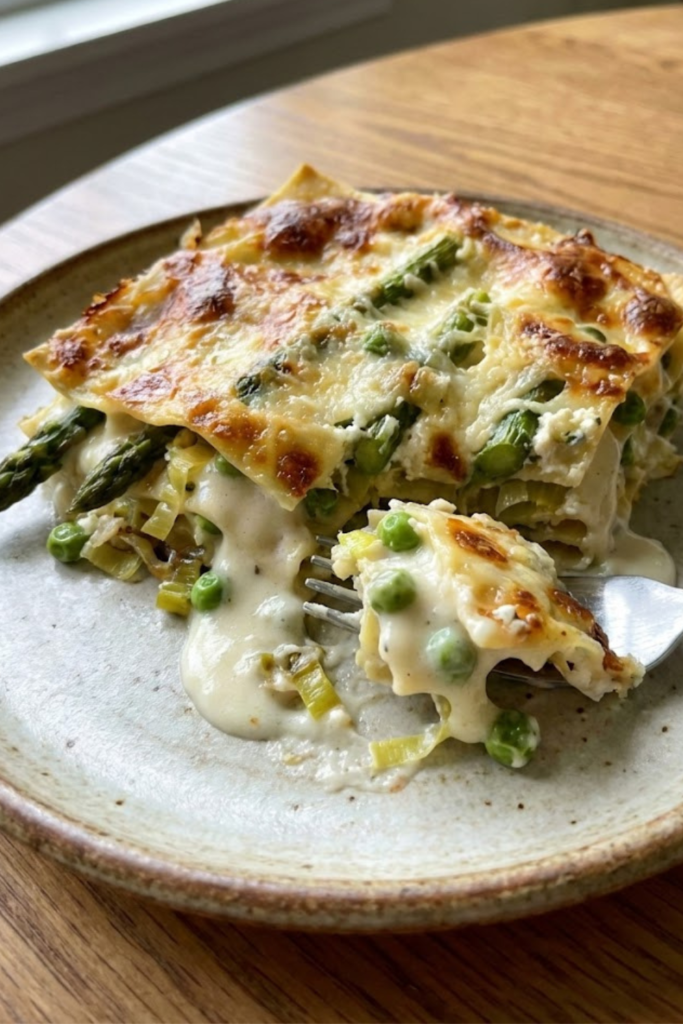
Did you know that lasagna is often voted the world’s favorite comfort food? It’s true! But today, I’m shaking things up. We are ditching the heavy red sauce for something lighter, creamier, and undeniably fresh. Welcome to my absolute favorite Spring Vegetable Lasagna with White Béchamel Sauce!
I remember the first time I made a white lasagna; I was skeptical. Could it really beat the classic? One bite of that velvety béchamel mixed with crisp asparagus and tender peas, and I was a total convert! This dish is a celebration of spring produce, layered with cheesy indulgence. It’s perfect for Easter brunch or just a cozy Sunday night. Let’s dive into this bubbly, golden pan of happiness!
Why This White Sauce Lasagna is a Must-Make
Honest truth? I used to think lasagna had to have meat sauce. Like, big pots of simmering beef and tomatoes. But this white version changed my mind completely. It is so much lighter than the traditional kind. When the weather gets warmer, I don’t want a heavy meal that makes me want to nap for three hours. This creamy white sauce plays nice with the veggies without drowning them out.
It is a vegetarian feast, for real. Even my husband, who usually asks “where’s the meat?” eats seconds of this. The cheese and milk make it rich enough that you don’t miss the beef at all. It feels hearty but not heavy, if that makes sense.
Also, you can use whatever you got. I listed asparagus and peas here, but sometimes I throw in broccoli or zucchini if thats what is sitting in the fridge. It’s pretty forgiving. You don’t have to follow the veggie list perfectly.
And finally, it feeds a crowd. I take this to school potlucks all the time or when we have family over for Easter. You can make it the night before, stick it in the fridge, and just bake it when you’re ready. It saves me so much stress on busy weeknights when grading papers is piling up.
Ingredients for the Perfect White Béchamel Sauce
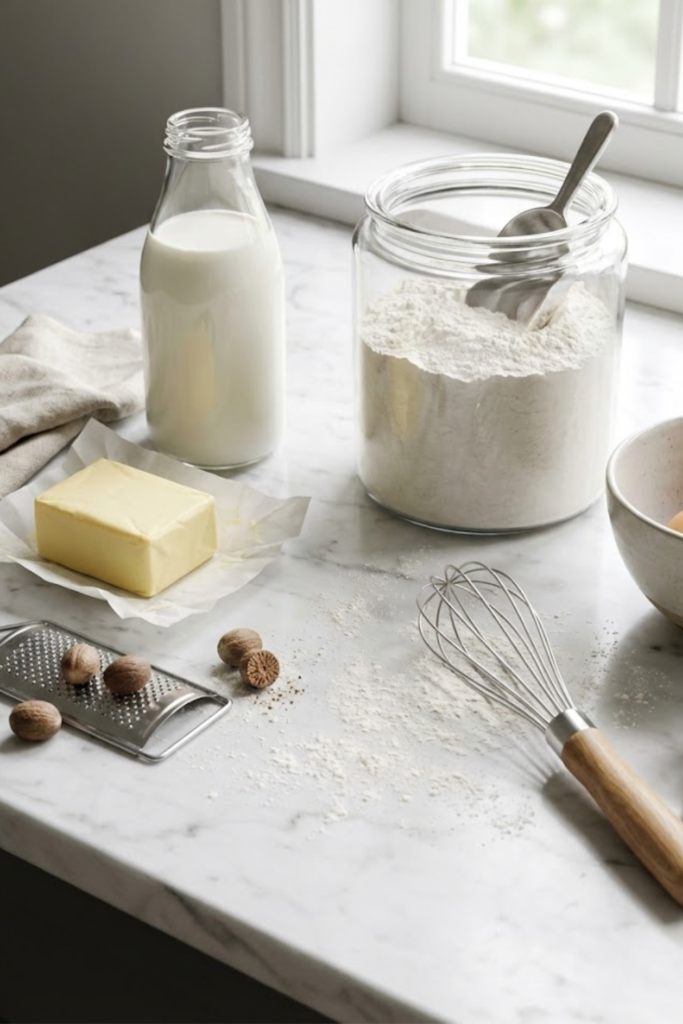
Making the white sauce scares some people, but trust me, it is actually pretty simple. It starts with a roux. That is just a fancy word for butter and flour cooked together. You need equal parts of both. I usually do 4 tablespoons of butter and 4 tablespoons of all-purpose flour. Melt the butter first, then whisk in the flour. You have to cook it for a minute or two to get the raw flour taste out, or else it tastes like glue.
For the milk, please use whole milk if you can. It makes the sauce so much creamier. I’ve tried it with skim milk before and it was just too thin and watery. 2% works okay if that is all you have, but whole milk is the best for that rich texture. You will need about 4 cups. Pour it in slow while whisking constantly so you don’t get lumps.
Now for the flavor. Salt and pepper are obvious, but the real secret here is nutmeg. Just a tiny pinch of ground nutmeg. It adds this warm flavor that makes people ask, “What is in this?” I also like using white pepper so you don’t see black specks in the white sauce, but regular pepper is fine too.
Finally, cheese! I stir in a good handful of grated Parmesan cheese right at the end. It melts in and gives the sauce a sharp, salty kick. Don’t skip this part, it really makes a difference.
Choosing the Best Spring Vegetables
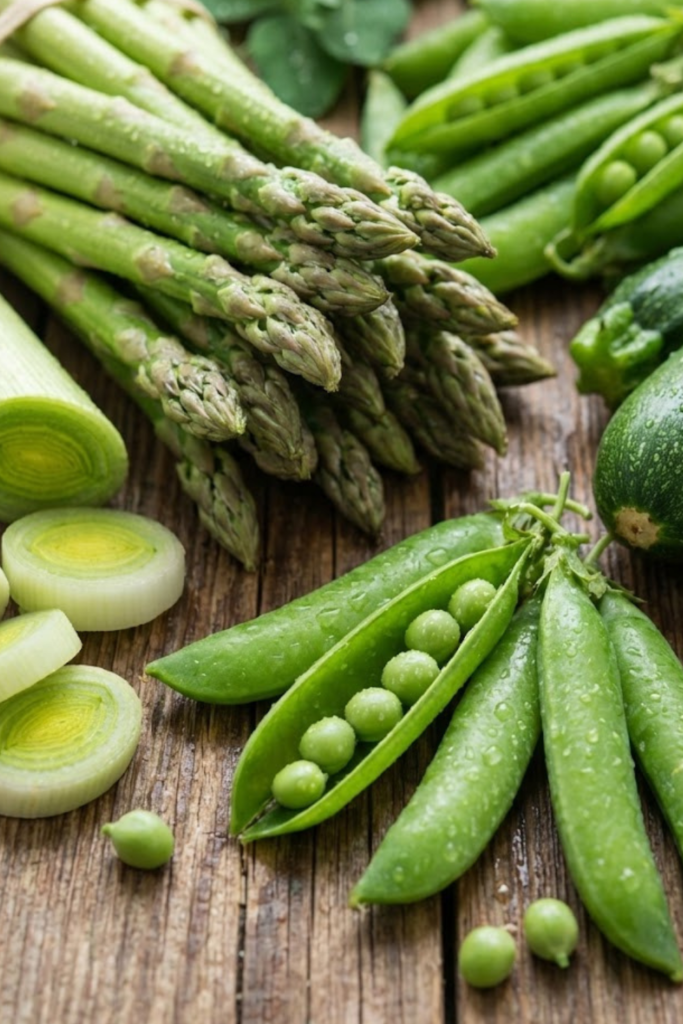
This is the fun part where you get to pick what goes inside. Since it is a spring lasagna, I always look for asparagus first. Try to get the thin stalks if you can find them. The thick ones are kinda woody and tough to chew in a pasta dish. You have to snap the ends off—my kids actually love helping with that part. It makes a nice popping sound.
For the peas, fresh is obviously great, but let’s be real. I usually just grab a bag of frozen peas from the freezer. They taste sweet and are way less work than shelling fresh ones.
If you are using leeks, you have to be careful about the dirt. Sand likes to hide in the layers. I slice them up and soak them in a bowl of water first to get the grit out. Then I sauté them in a pan with a little butter until they get soft.
You can also use spinach, but here is a big tip: cook it down first. Fresh spinach has a ton of water in it. If you put it in raw, your lasagna will turn into a watery soup. Nobody wants soggy lasagna. Squeeze the liquid out after you cook it. Zucchini is good too, but slice it thin so it cooks evenly. Fresh herbs like basil or parsley really brighten it up at the end, so don’t skimp on those.
Step-by-Step Assembly Guide
Okay, let’s put this thing together. First, we need to talk about the noodles. I love the no-boil kind because boiling giant pasta sheets is a pain and they always stick together in the pot. But if you use regular ones, just make sure you don’t cook them all the way. Leave them a little hard (al dente) because they will finish cooking in the oven. If they are too soft now, they turn to mush later.
Next is the ricotta mix. I take a tub of ricotta cheese and mix it with one raw egg in a bowl. It sounds weird if you haven’t done it before, but the egg helps the cheese hold its shape so the lasagna doesn’t slide apart when you cut it. I also throw some chopped basil or parsley in there for color.
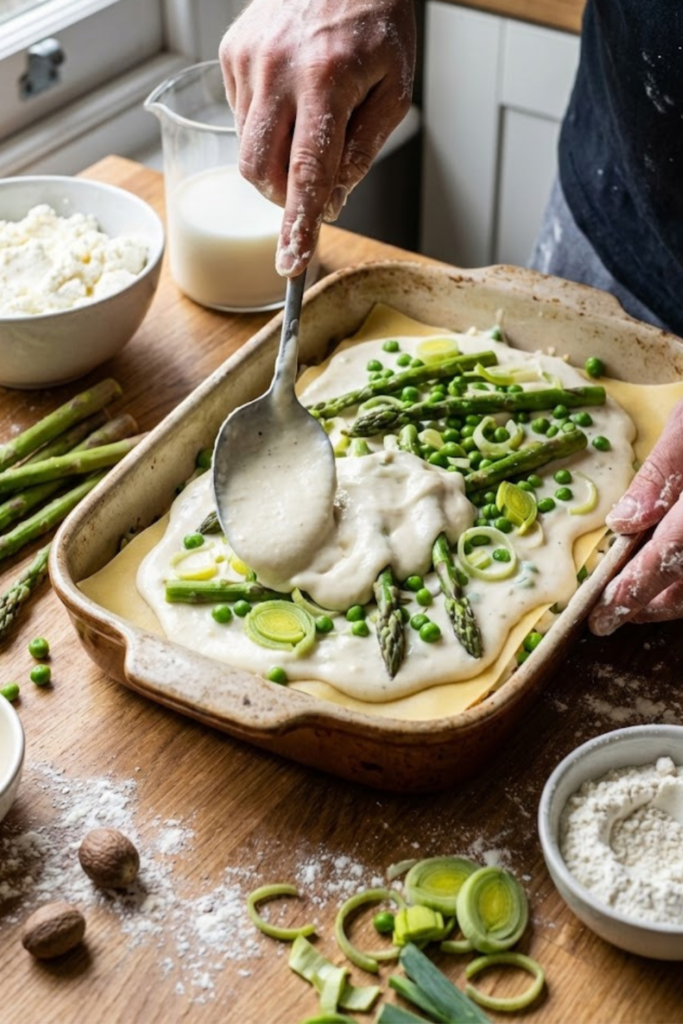
Now for the layering. This part is actually pretty important. Put a scoop of your white sauce on the very bottom of the pan first. If you don’t, the bottom noodles will burn and stick to the dish. Then lay down your noodles.
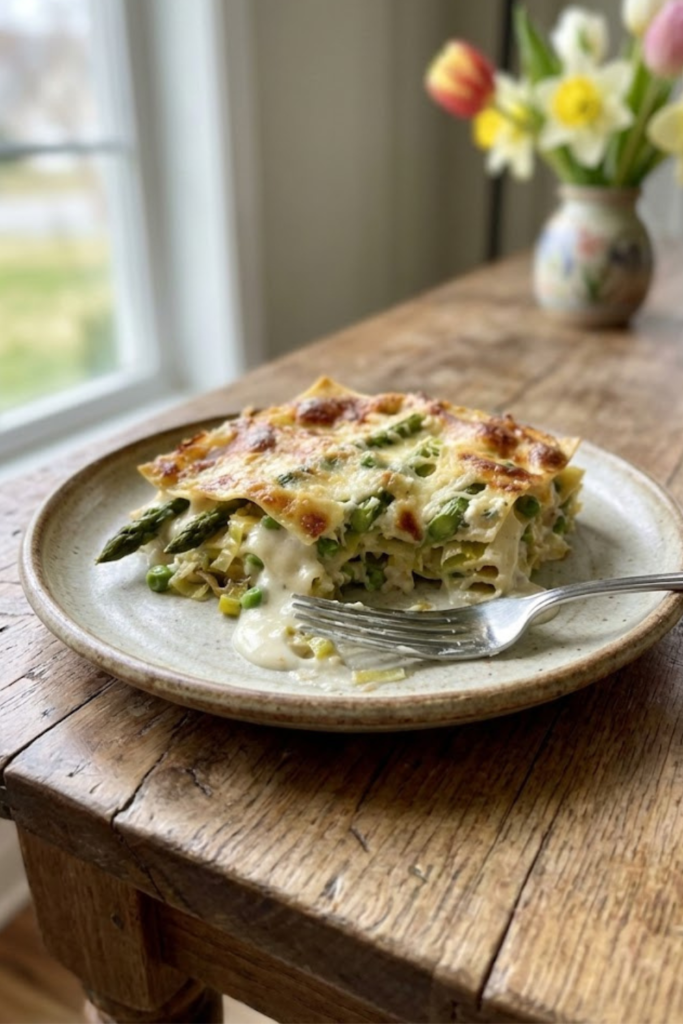
After the noodles, spread some of that ricotta mixture, then sprinkle your veggies on top. Pour more white sauce over the veggies, then a little parmesan. Repeat that pattern until you run out of room. I usually get about three layers deep. On the very top layer, I dump a whole bag of shredded mozzarella. You want that nice golden crust on top, so don’t be stingy with the cheese!
Baking, Storage, and Reheating Tips
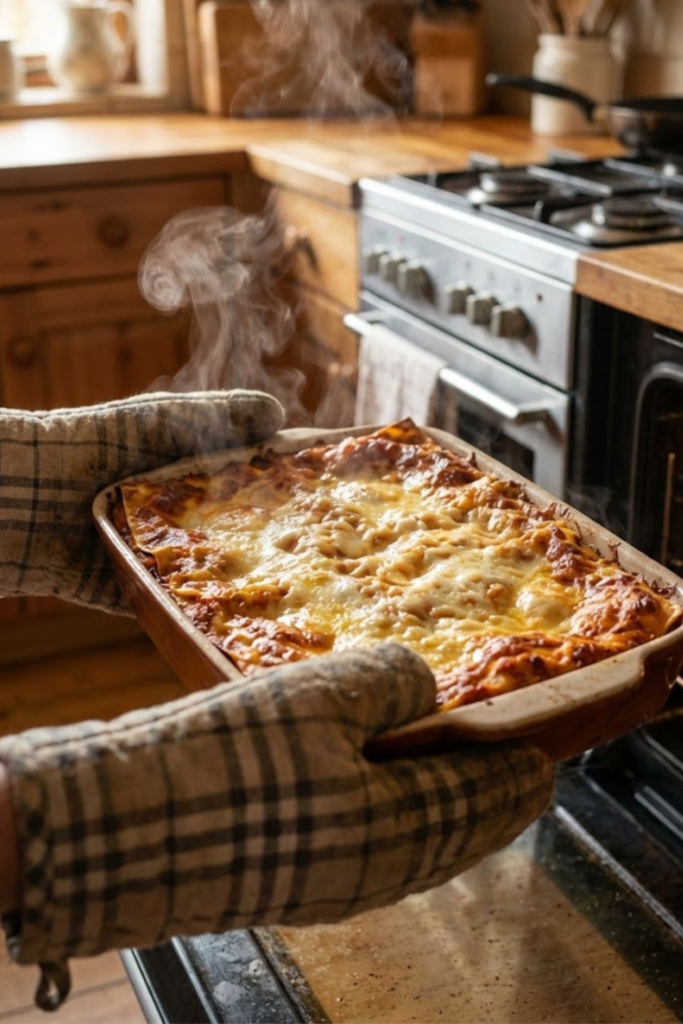
Into the oven it goes! I usually bake mine at 375 degrees. You gotta cover it with foil for the first 25 minutes or so. This keeps the steam in so the noodles cook through without the top getting burnt to a crisp. Then, I take the foil off for the last 10–15 minutes. This is when the magic happens—the cheese gets all bubbly and brown. If you like it really crispy, you can turn the broiler on for a minute, but watch it like a hawk! I’ve burned way too many dinners walking away for “just a second.”
Now, this next part is the hardest thing to do. When you take it out, you have to let it rest. I know, it smells amazing and you want to dig in right away. But if you cut it hot, the layers just slide all over the plate and it looks like a mess. Give it 15 or 20 minutes to set up. It will still be hot, but it will hold its shape way better.
If you have leftovers (we rarely do!), they keep in the fridge for about 3 or 4 days. To warm it up, I prefer using the oven again. Put a little foil on top so it doesn’t dry out. The microwave works too for a quick lunch, but sometimes the white sauce separates a little bit.
You can also freeze this. Sometimes I make two pans on a Sunday—one to eat and one to freeze for later. If you freeze it unbaked, just wrap it really tight in plastic wrap and then foil. When you want to eat it, let it thaw in the fridge overnight before you bake it. It’s a life saver on those crazy days.
So, that is pretty much it. I really hope you guys give this white lasagna a try. It is one of those meals that just makes you feel good, you know? The creamy sauce and the fresh veggies are such a good combo, and it is a nice break from the heavy meat stuff we eat all winter. My family asks for it every spring, and honestly, I don’t mind making it because it tastes so good.
If you liked this recipe, please do me a huge favor and share it. You can pin it to your “Dinner Ideas” board on Pinterest so you don’t lose it for next time. It helps other people find it too, which is awesome. Let me know if you make it and what veggies you used! Happy cooking!