Have you ever stared into your fridge, looked at a carton of eggs and a bunch of wilting greens, and thought, “Is this it?” I’ve been there! But let me tell you, that humble beginning is the start of something magical. Spring Vegetable Frittata with Feta and Spinach isn’t just a breakfast; it’s a celebration of the season on a plate! Did you know that spinach loses nearly 90% of its volume when cooked? That means we can pack a massive amount of vitamins into every single slice!
I absolutely adore this recipe because it’s forgiving, fast, and frankly, it makes me feel like a professional chef without the stress. Whether you are hosting a fancy Sunday brunch or just need a solid meal prep option for the week, this frittata delivers. We are going to dive into how to get that perfectly fluffy texture and the best flavor combinations. Let’s get cracking!
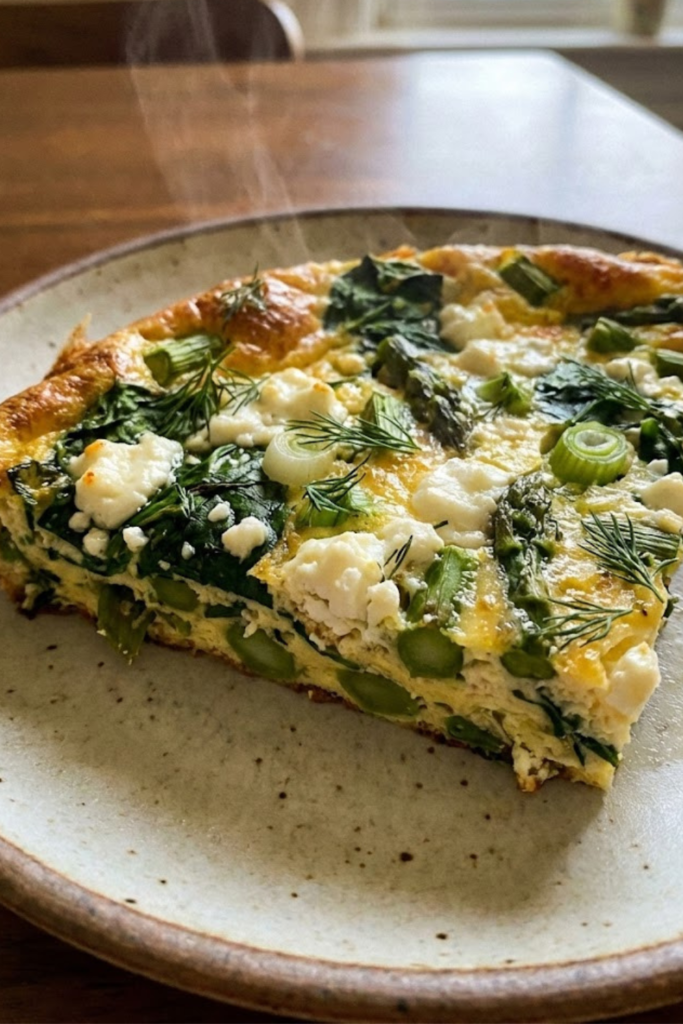
Why This Spinach and Feta Frittata is a Spring Staple
Honest truth? I used to be terrified of cooking with seasonal vegetables. I was that person buying asparagus in December, wondering why it tasted like woody sticks and cost a fortune. It wasn’t until I started paying attention to what was actually growing outside that my cooking changed. That’s why this spring vegetable frittata has become my absolute go-to when the weather finally starts to warm up.
There is just something about the produce right now. It screams “fresh.”
Catching Vegetables at Their Peak
When you grab asparagus or spinach in the spring, the flavor is completely different. It’s sweet, crisp, and doesn’t have that weird, bitter aftertaste you get from the imported stuff in winter. I learned this the hard way after serving a rubbery, bitter mess to my in-laws a few years back. Talk about embarrassing.
Now, I wait for the stalks to look bright green and snap easily. This recipe relies heavily on that natural sweetness. If you use old veggies, there is no amount of cheese that can save you. Trust me on that one.
The “Sneaky” Nutrition Factor
As a teacher, and someone just trying to stay healthy, I love dishes that hide the good stuff. We all know we should eat more greens. But eating a plain salad every day gets boring really fast.
The magic of this spring vegetable frittata is volume. Did you know spinach loses a ton of its size when you cook it? You can put a massive pile of fresh spinach into the pan, and it wilts down to almost nothing. You are basically eating a huge salad, but it’s covered in eggs and feta. It’s a win-win situation.
- You get a massive dose of iron.
- The eggs give you the protein to stay full until lunch.
- It doesn’t feel like “diet food.”
It Save My Mornings (and Wallets)
Let’s be real about the price of groceries lately. Meat is expensive. This dish is a lifesaver because eggs, even the good ones, are usually cheaper per serving than a steak or bacon.
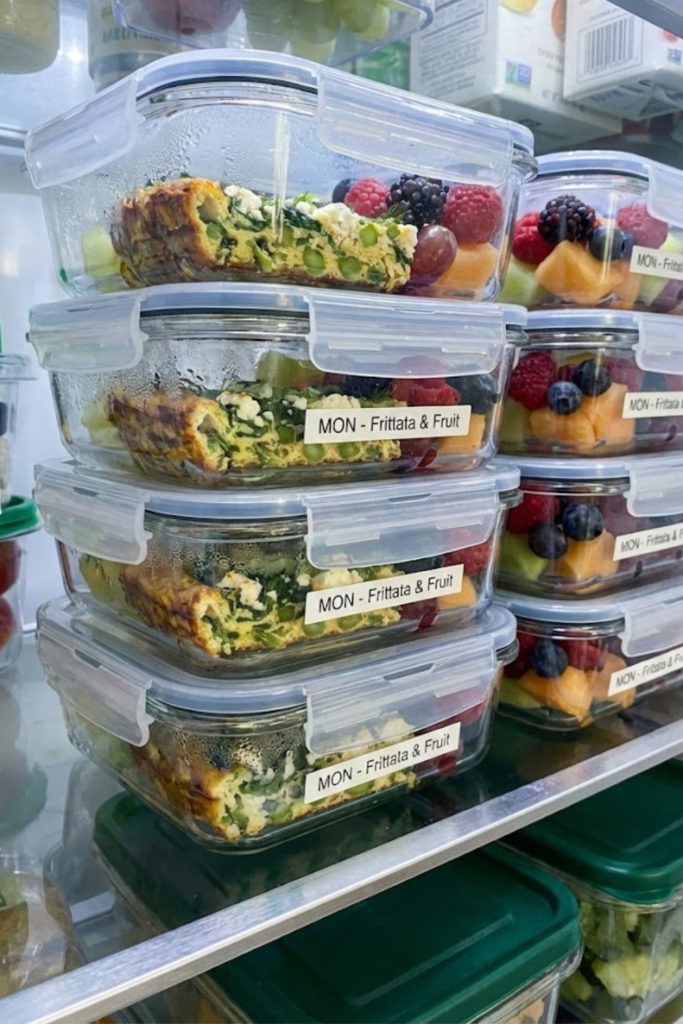
I also love the versatility here. I have definitely eaten a slice of this cold, standing in front of the fridge at 4 PM. It holds up. You don’t have to worry about it getting soggy if you cook it right. It’s perfect for meal prep because you just bake it once, and you have breakfast sorted for days.
Keeping it Low Carb
My husband tried the keto diet last year, and finding breakfast was a nightmare. He got so sick of plain bacon and eggs. This spring vegetable frittata saved our sanity.
It feels fancy, but it’s naturally low carb. You don’t need a crust. The eggs bind everything together perfectly if you don’t mess with the ratios. It’s hearty enough that you don’t miss the toast, though I won’t judge if you have a slice on the side!
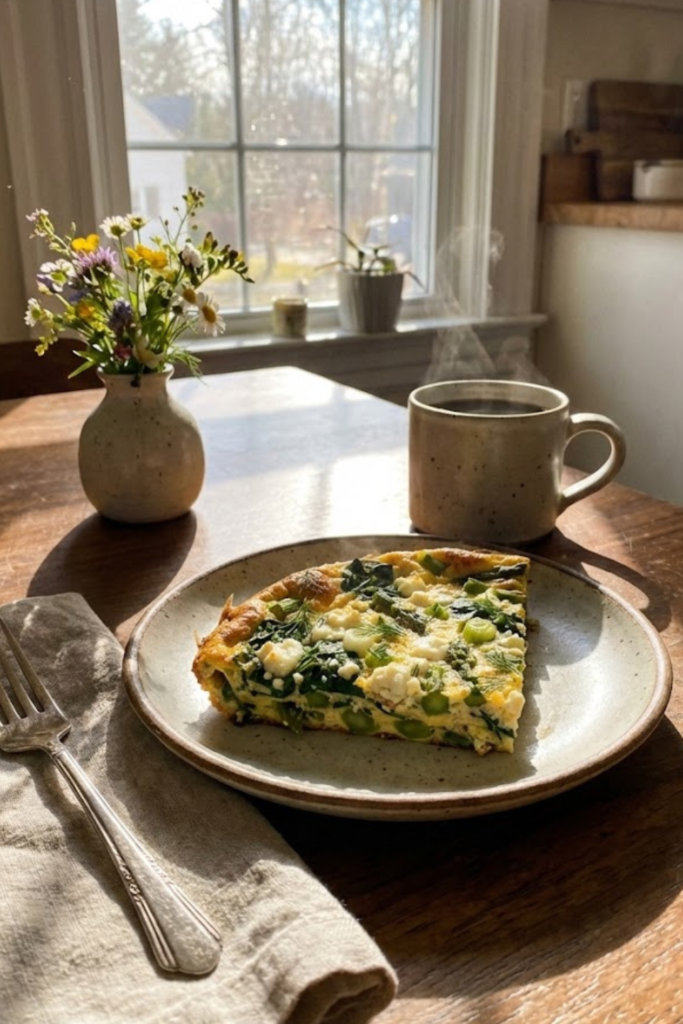
Essential Ingredients for a Flavor-Packed Frittata
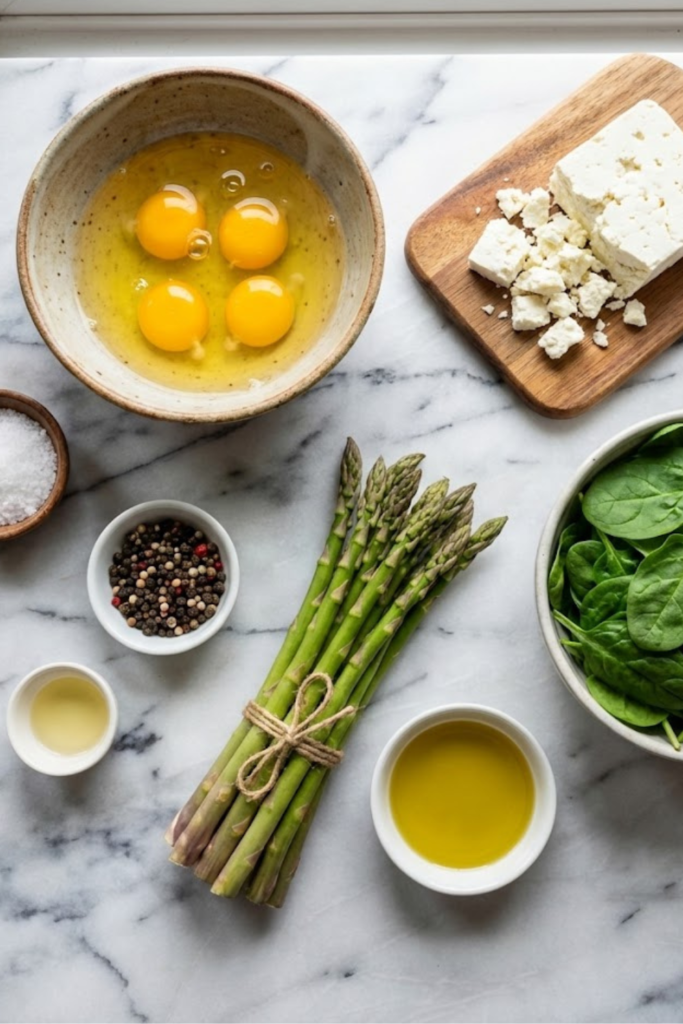
You can’t make a good meal if you start with bad stuff. I mean, you can try, but it probably won’t taste right. Since this recipe doesn’t hide behind a bunch of heavy sauces, the ingredients you pick actually matter a lot. I learned this after trying to use cheap, old cheese once. Never again.
Here is what I grab at the grocery store to make this work.
The Eggs
This is the main event, so don’t skimp here. I try to buy the pasture-raised eggs when they are on sale. You know, the ones where the yolk is actually orange, not that sad pale yellow color? They just taste richer. If you can’t find those, just get the freshest ones you can find. I usually check the dates on the back of the cartons to find the newest batch.
The Cheese (Feta is King)
I have strong feelings about this. Please, buy the block of feta in the brine. Do not buy the pre-crumbled stuff in the plastic tub. The pre-crumbled kind has this weird powder on it to keep it from sticking together, and it never melts right.
The block feta stays creamy and has that sharp, salty bite that cuts through the eggs. I just use my hands to crumble big chunks right into the bowl. It doesn’t need to be perfect.
The Vegetables
- Spinach: I always use fresh spinach. It’s cheap and easy. You can use frozen, but you have to squeeze it until your hands hurt to get all the water out. If you don’t, you’ll end up with a watery frittata, which is gross.
- Asparagus: Look for the thin stalks. They cook faster and aren’t as woody. If you only see the thick ones, you gotta chop them pretty small.
- Onions/Leeks: I love using leeks in spring, but they are full of dirt. You have to wash them really well. If I’m feeling lazy, I just use a regular yellow onion or some green onions (scallions).
Fresh Herbs
This is my secret weapon. Do not use the dried parsley from 2018 sitting in the back of your cupboard. It tastes like dust.
Go get a bunch of fresh dill or chives. I snip them with kitchen scissors right over the pan. It makes the whole kitchen smell like a garden and adds a freshness that dried herbs just can’t match.
Step-by-Step: How to Cook the Perfect Frittata
I used to think making a frittata was just “lazy omelet making,” but I messed it up a lot before I figured out the rhythm. The trick is understanding that you are cooking it in two places: the stove and the oven. If you just try to do it all on the burner, the bottom burns before the top is even runny.
Here is the process that works for me every time.
1. Prep Your Station
Turn your oven on to 400°F (200°C) before you do anything else. You want it hot when the pan goes in.
Then, chop your veggies. I try to cut the asparagus into 1-inch pieces so they fit on a fork easily. If the pieces are too big, the whole slice falls apart when you try to eat it.
2. Sauté the Veggies First
This is the step you can’t skip. Grab your 10-inch cast iron skillet (or any oven-safe pan). Put some olive oil or butter in there over medium heat.
Throw in your onions and asparagus first. They take longer to soften. Cook them for about 5–6 minutes until they look soft. Then, add the spinach at the very end. It only needs like 30 seconds to wilt down. If you don’t cook the veggies first, they release water into the eggs later, and your frittata gets soggy. Nobody wants wet eggs.
3. The Egg Mixture
While the veggies are cooking, crack your eggs into a big bowl. I usually do 8 to 10 eggs depending on how hungry we are.
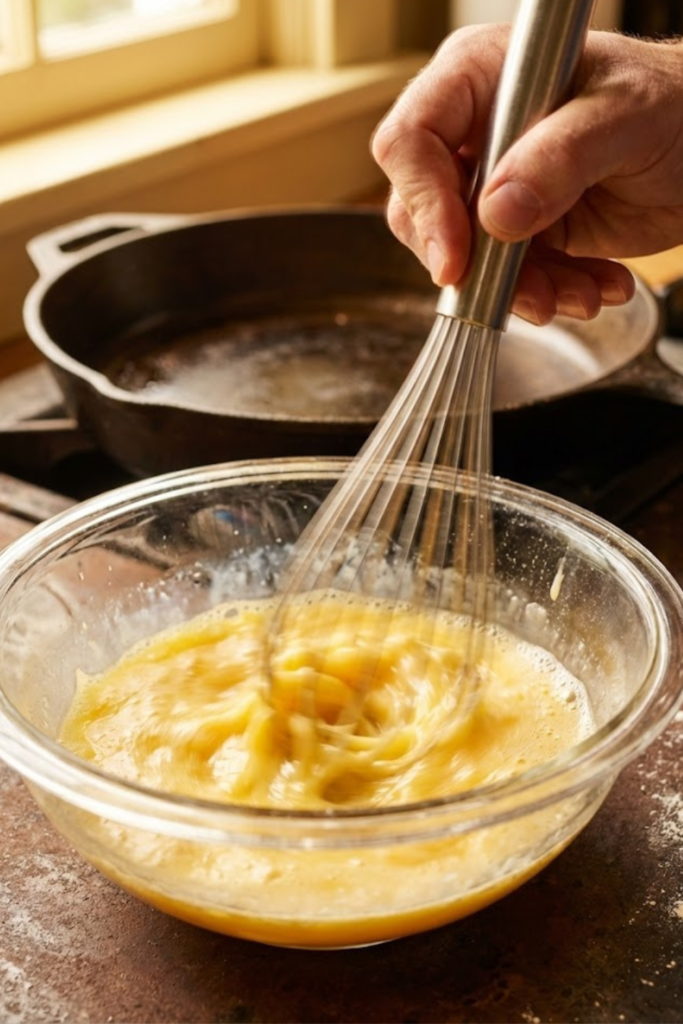
Pour in about a half cup of heavy cream or whole milk. Do not use water. The fat in the dairy is what makes the eggs fluffy and creamy. Whisk it really hard. You want to see bubbles on top. That air makes it rise in the oven. Stir in your cheese and herbs now, too.
4. Stove to Oven
Pour the egg mixture right over the veggies in the hot pan. Stop! Do not stir it like scrambled eggs. Just use a spatula to gently move the veggies around so they are spread out.
Let it sit on the burner for maybe 2 minutes. You want the edges to start turning white and setting against the iron. Once the edges look set, turn off the burner.
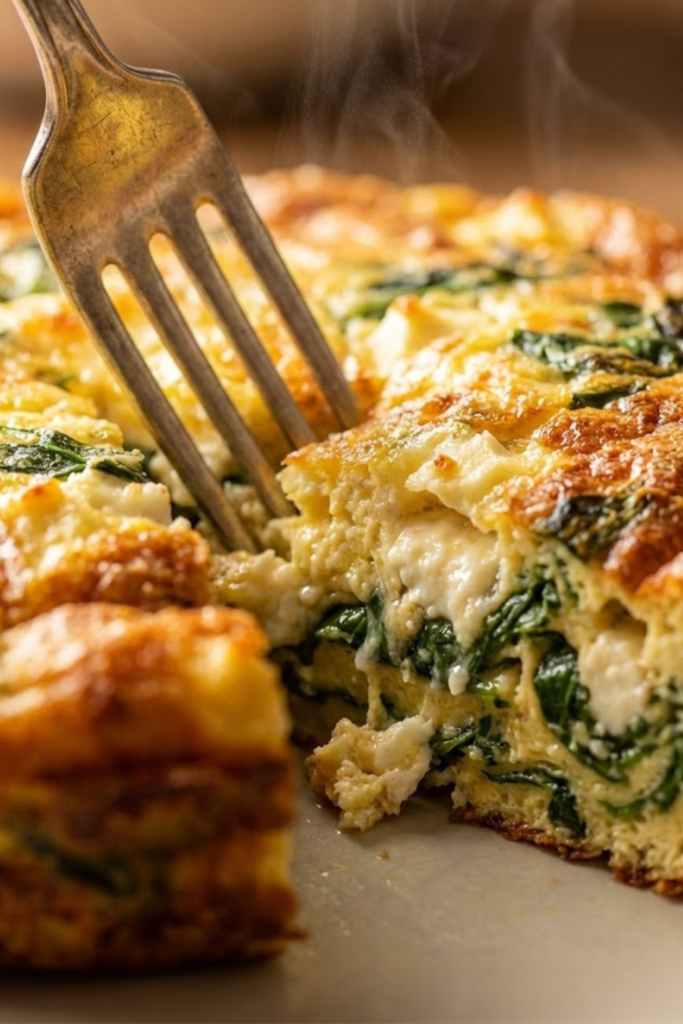
Put the whole pan into the hot oven. Bake it for 15 to 20 minutes. It’s done when the center doesn’t jiggle like liquid anymore but still looks a little soft. It will keep cooking a bit after you take it out, so don’t leave it in until it’s brown and hard.
Expert Tips to Avoid a Watery or Rubber Frittata
Nobody likes biting into eggs that feel like a wet sponge or a bouncy ball. I’ve done both, and my kids definitely let me know about it. Getting the texture right is the trickiest part, but it’s actually pretty simple once you know what to look for.
Here is how I stopped ruining my brunch.
1. Squeeze the Life Out of Your Spinach
If you are using frozen spinach, you have to be brutal. Thaw it out, put it in a clean kitchen towel or a strong paper towel, and twist it over the sink until no more water comes out. Seriously, squeeze it hard. If you leave that water in there, it seeps out while baking and makes a puddle in the middle of your eggs.
Even fresh spinach releases water. That’s why we cook it first. Don’t skip that step!
2. Don’t Go Crazy with the Dairy
I used to think adding more milk made things creamier. Nope. It just makes the eggs weak. They can’t set properly if there is too much liquid.
Stick to the ratio of about 1/4 cup of dairy for every 6 eggs. Heavy cream is best because the fat protects the eggs from getting rubbery. Milk works okay, but don’t use skim milk. It’s basically water.
3. The “Wiggle” Test
This is the most important part. Do not trust the timer on your oven blindly. Every oven is different. Mine runs hot.
Start checking it about 5 minutes before the recipe says it’s done. Open the oven door and give the pan a little shake.
- Too jiggly? If the center moves like a wave, it’s still raw. Leave it.
- Just right? If the center has a slight wobble but the edges are firm, take it out!
- Too hard? If it doesn’t move at all, it’s already overcooked. Get it out immediately. The residual heat from the cast iron pan will keep cooking it for another 5 minutes on the counter.
4. Let It Rest
I know, you are hungry. But if you cut into it right away, it might fall apart. Let the frittata sit in the pan for 5 to 10 minutes. This lets the eggs finish setting and makes it way easier to slice into pretty wedges.
Serving Suggestions and Pairings for Brunch
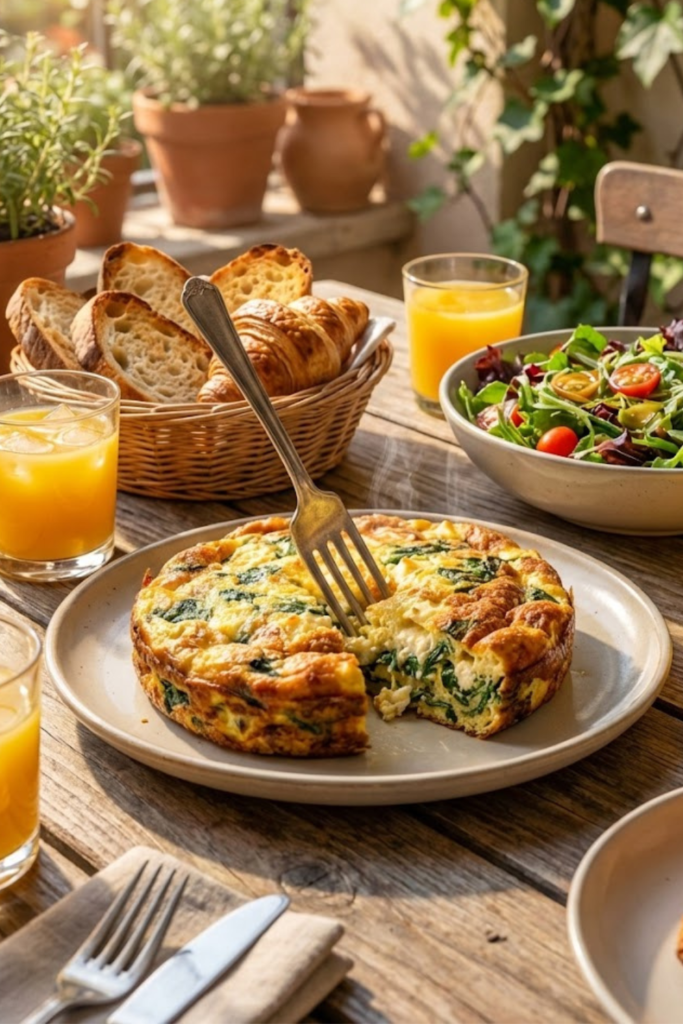
Okay, so you made the frittata. It smells amazing. But what do you put next to it? Since eggs and cheese are pretty heavy, I always feel like you need something light or crunchy to balance it out. otherwise, you just feel like taking a nap immediately after eating. Which is fine, but maybe not if you have guests over.
Here is how I build a whole meal around this dish without doing too much extra work.
The “Must-Have” Side Salad
I know, salad for breakfast sounds weird. But trust me on this. A simple green salad with a sharp dressing cuts right through the richness of the feta and eggs.
I usually grab a bag of arugula (rocket). I don’t even make a fancy dressing. I just drizzle it with olive oil, squeeze half a lemon over it, and sprinkle some salt and pepper. The peppery taste of the arugula matches the spinach perfectly. It takes like two minutes, and it makes the plate look like you went to a restaurant.
Carbs are Your Friend
Even though this is a low-carb recipe, most people want some bread. I usually pick up a loaf of sourdough from the bakery. Toast it until it’s really crunchy.
If you have more time, roasted potatoes are a huge hit. I toss little red potatoes in rosemary and olive oil and throw them in the oven on a separate rack while the frittata bakes. They usually finish at the exact same time.
Drinks to Serve
If it’s a weekend brunch, coffee is mandatory in my house. I brew a big pot of dark roast because the strong flavor goes well with the savory eggs.
If you are feeling festive, mimosas are the classic choice. But honestly? Freshly squeezed orange juice or even just cold water with some cucumber slices in it feels really fancy. My kids love “fancy water,” and it costs basically nothing.
Toppings on the Table
Don’t be afraid to put some condiments out. My husband drowns his slice in hot sauce. I prefer a dollop of plain Greek yogurt or sour cream on top. It adds a nice cool temperature contrast to the hot eggs. Salsa works too if you want more of a southwest vibe.
Storing, Freezing, and Reheating Your Leftovers
One of the best things about this recipe is that it actually tastes just as good the next day. Sometimes even better because the flavors have time to sit together. Since I’m usually rushing out the door for work at 7 AM, having breakfast already made is a game changer. I don’t have time to be cracking eggs on a Tuesday morning.
Here is how to keep it fresh so you don’t waste any of your hard work.
In the Fridge
If you plan on eating it within 3 or 4 days, just put the leftovers in an airtight container in the fridge. I like to slice it all up first so I can just grab a piece and go.
If you leave it on a plate uncovered, the edges get hard and weird. Don’t do that.
Can You Freeze It?
Yes, you absolutely can! But you have to wrap it right or it gets freezer burn.
- Wrap individual slices: I take each slice and wrap it tightly in plastic wrap.
- Bag it up: Then I put all those wrapped slices into a big freezer bag.
- It lasts for about 2 months in the freezer. It’s perfect for those weeks when you forget to go grocery shopping.
Reheating Without Ruining It
Okay, the microwave is fast, but it can make eggs rubbery if you zap them too long.
- Microwave: If you are in a hurry, do 30 seconds, check it, then do another 30. Don’t just blast it for 2 minutes.
- Oven or Toaster Oven: This is the best way. Put the slice on a piece of foil and heat it at 350°F for about 10 minutes. It brings the texture back to life and keeps the edges crispy.
- Air Fryer: If you have one, 3–4 minutes at 350°F works perfectly.
So there you have it! That is my favorite Spring Vegetable Frittata with Feta and Spinach. It’s honestly one of the easiest ways to look like a pro in the kitchen without actually doing that much work. Plus, it’s a sneaky way to get everyone to eat their green vegetables, which is always a win in my book.
Give it a try this weekend. Even if you mess up the flipping or the baking a little bit, it’s still going to taste amazing because of all that cheese and fresh produce.
If you liked this recipe, please save it! Pin it to your “Healthy Breakfast” or “Brunch Ideas” board on Pinterest so you can find it later!