Did you know that over 75% of home cooks rank pasta as their go-to comfort food when they’ve had a long day? I totally get it! There is something about a big bowl of noodles that just hugs your soul. But sometimes, a plain marinara just won’t cut it. You need a kick. You need spice. You need my favorite spicy cajun shrimp pasta. I remember the first time I tried making this; I accidentally used way too much cayenne and my kitchen smelled like a fire at a spice factory! It was a mess, but man, the flavors were there. Today, I’m sharing how to get that perfect New Orleans heat without burning your taste buds off.
Choosing the Right Shrimp for Your Spicy Cajun Pasta
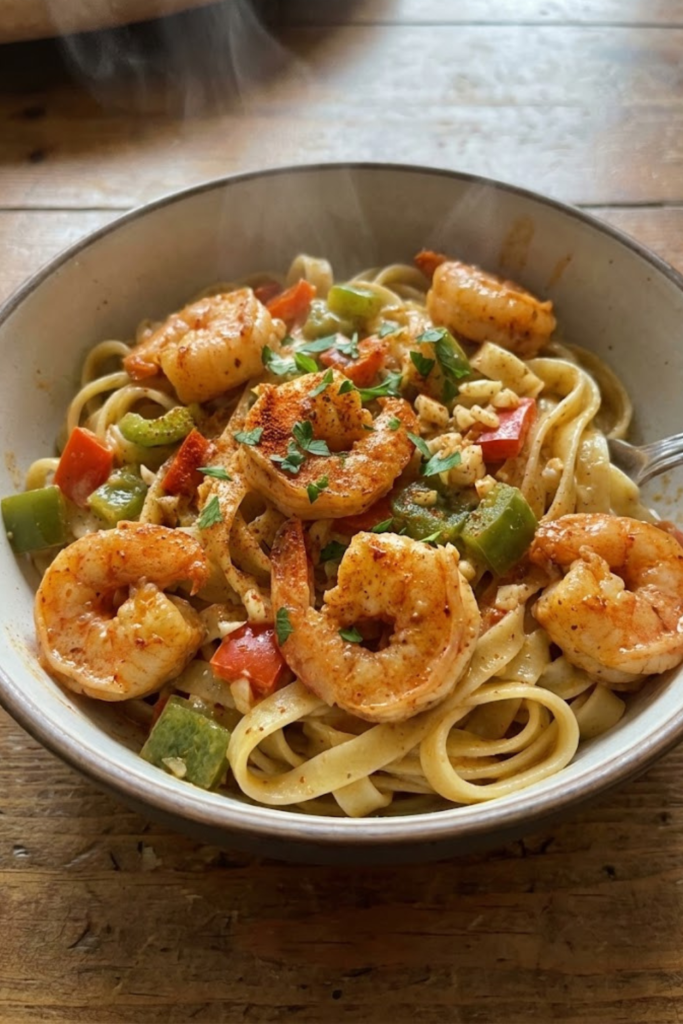
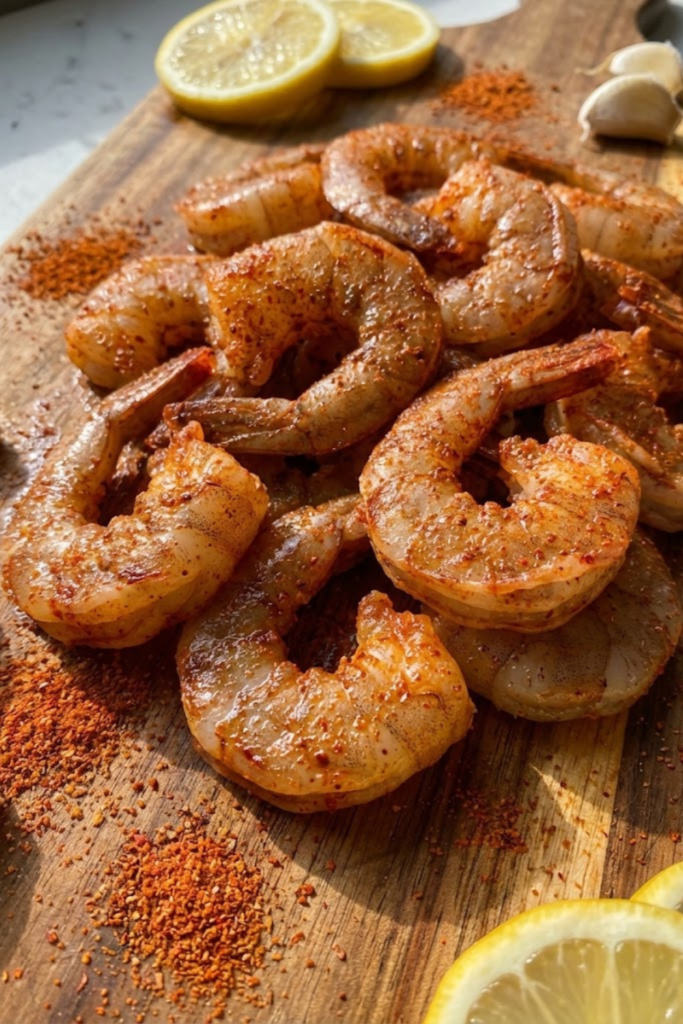
Choosing the right shrimp for your spicy Cajun pasta isn’t just about grabbing the first bag you see in the freezer aisle. I remember when I first started out, I thought all shrimp were basically the same. Boy, was I wrong. I bought a bag of those tiny salad shrimp because they were cheap. By the time I cooked them in that spicy sauce, they shrunk so much I could barely find them! It felt like I was eating spicy noodles with little pink pencil erasers. You don’t want that to happen at your dinner table. You want big, juicy bites that stand up to the heat of the spices.
Why Size Actually Matters
When you are looking at the seafood counter, you’ll see numbers like 16/20 or 21/25. This just tells you how many shrimp make up a pound. For a good Cajun pasta, you want the 16/20 size. These are big enough to stay juicy and meaty even after they get a good sear in the pan. If you go too small, the heat from the stove will dry them out before your pasta is even ready. Big shrimp hold onto that Cajun spice much better too. It makes the whole meal feel like something you’d get at a fancy restaurant instead of just a quick bowl of food at home.
The Truth About Fresh vs. Frozen
A lot of people think they have to buy “fresh” shrimp to get a good meal. Here is a little secret: most of the shrimp at the counter was frozen on the boat and then thawed out at the store. Unless you live right on the coast, buying frozen bags is actually better. They are frozen right after being caught, which keeps the flavor in. Just put them in a bowl of cold water for about twenty minutes to thaw them out. Never use the microwave to thaw them, or they will get rubbery and gross. It’s a simple trick that keeps the texture perfect every single time.
Save Your Sanity with Prep
I really suggest buying them already peeled and deveined. I once spent two hours cleaning three pounds of shrimp by hand. My back was sore, my hands smelled like a fish market, and I was too tired to even eat the dinner I made! Paying an extra dollar or two for the “easy peel” or already cleaned ones is worth every penny. Also, make sure to pat them dry with a paper towel before you cook them. If they are wet, they won’t get that nice brown crust we want. Just a few simple choices make a huge difference in how your pasta turns out. It really helps the flavor stick.
The Secret to a Perfectly Balanced Homemade Cajun Seasoning
Making your own seasoning is way better than buying those little plastic jars at the store. I used to be lazy and just grab whatever had “Cajun” written on the front. But honestly, most of those are just 90% salt and some red dye. One time, I used a store-bought brand that was so salty I had to throw the whole pot of pasta away. It was heartbreaking! Now, I always mix my own because I want my spicy cajun shrimp pasta to taste like real food, not a salt lick. Plus, it’s cheaper in the long run if you buy the big spice containers and keep them in your pantry.
The Holy Trinity of Spices
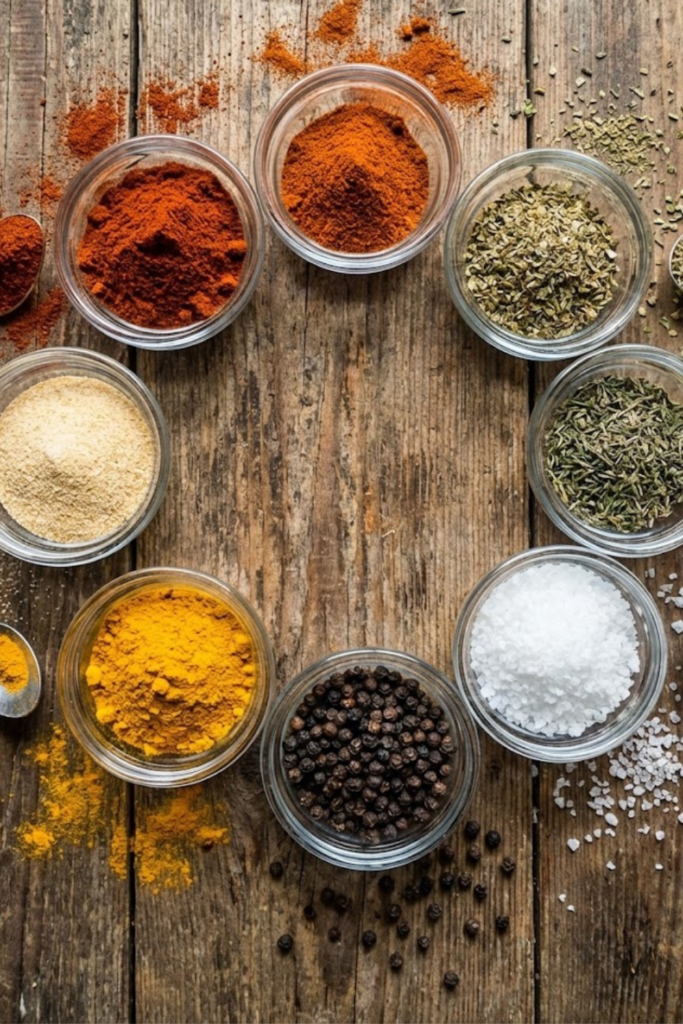
You gotta start with the basics. For me, the base is always smoked paprika, garlic powder, and onion powder. The smoked paprika is the most important part because it gives the dish that deep, dark red color and a bit of a smoky smell that just works. I usually go heavy on the garlic powder too, because let’s be real, you can never have too much garlic. These three ingredients provide the deep flavor that sits at the bottom of the dish. Without them, your pasta will just taste like hot cream, and nobody wants that. It’s the foundation for everything else we’re going to add.
Controlling the Heat
This is where people get scared. Cayenne pepper is the main heat source here. If you like a little tingle, use just a pinch. If you want to sweat while you eat, go for a full teaspoon. I told you earlier about the time I made my kitchen smell like a spice fire—that was because I dumped the cayenne in without looking! If you’re cooking for kids or people who don’t like heat, maybe swap some of the cayenne for black pepper. It’s a bit milder but still gives a nice bite. You are the boss of your kitchen, so don’t be afraid to taste a tiny bit of the mix and see if it’s too much for you.
Herbs and Salt Control
Don’t forget the green stuff! Dried oregano and thyme add an earthy layer that balances out the spicy kick. It makes the sauce taste much better even though it’s just basic pantry stuff. And the best part about making your own mix is the salt. Most pre-made mixes are loaded with it to make them cheaper to produce. When you make it yourself, you can add just enough to make the flavors pop without overdoing it. Just mix it all in a small bowl before you start cooking. Having it ready to go makes the actual cooking part way less stressful when the stove is hot.
Master the Creamy Sauce Without Clumping
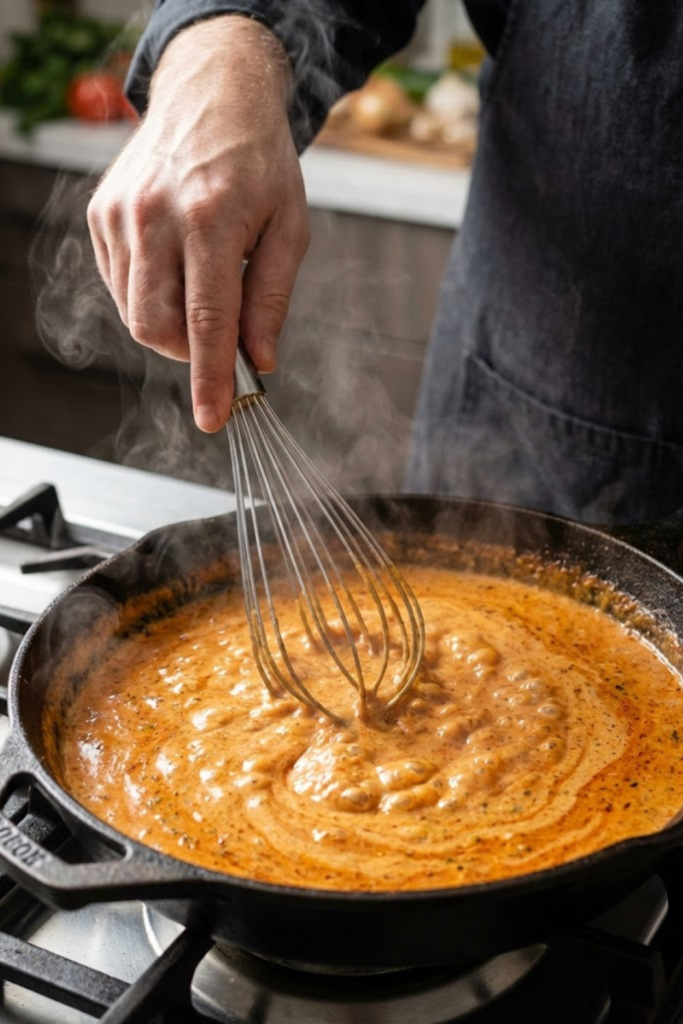
Let’s talk about the sauce. This is where a lot of my students in the kitchen get a little nervous. Making a creamy sauce for your spicy cajun shrimp pasta can feel like a science experiment gone wrong if you aren’t careful. I remember one Friday night I was in a rush to get dinner on the table. I poured cold cream right into a pan that was screaming hot. The sauce broke instantly, and I ended up with a greasy mess that looked like curdled milk. It was a total disaster and we ended up ordering pizza instead. But you don’t have to worry about that. I’ve learned the hard way so you can get it right on the very first try.
Temperature Control is Everything
The biggest secret to a smooth sauce is keeping things at the right temp. You want your heavy cream to be closer to room temperature if you can, but at the very least, don’t pour it into a pan that’s on high heat. Turn that burner down to medium-low first. Let the pan cool for a second after you’ve cooked your shrimp and veggies. When you add the liquid, stir it constantly. This helps the fats in the cream stay together instead of splitting apart. It takes a little more patience, but it makes a huge difference in how the sauce feels on your tongue. If the pan is too hot, the cream will boil too fast and turn into a mess.
Why High-Quality Cheese Matters
Now, let’s talk about the cheese. I know those green shaker bottles are easy, but please don’t use them here. They have stuff in them to keep the cheese from sticking together in the bottle, and that same stuff will keep your sauce from being smooth. It makes the texture grainy and weird. Buy a block of real Parmesan and grate it yourself. It melts so much better. Also, don’t throw all the cheese in at once. Add a handful, stir until it’s melted, then add more. If you dump it all in at once, it’ll just turn into one big, rubbery ball in the middle of your pan. It don’t take much effort to do it the right way!
The Magic of Pasta Water
Before you drain your noodles, grab a mug and scoop out some of that cloudy pasta water. This is basically liquid gold. If your sauce looks too thick or sticky, a splash of this water will fix it right up. The starch in the water helps the sauce stick to the noodles perfectly. I usually add about half a cup at the very end. It turns a “good” sauce into a “great” sauce that looks just like the photos you see online. It’s a simple trick that most people forget, but it’s the key to a glossy finish. Just keep stirring until everything looks silky and covers every single noodle.
Best Pasta Shapes to Hold the Spicy Sauce
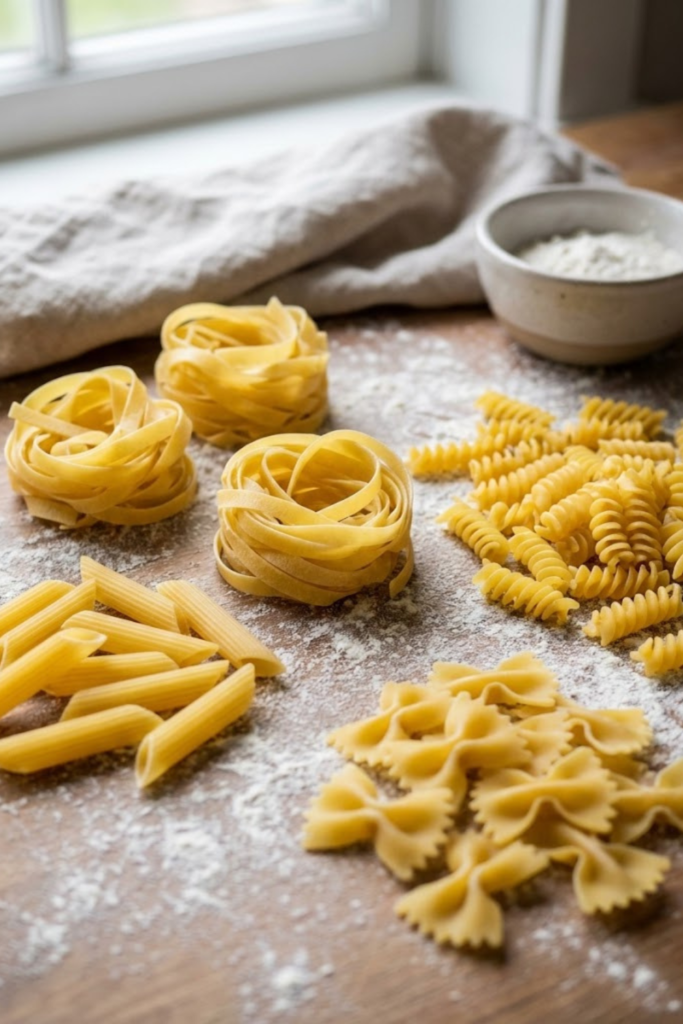
Believe it or not, the shape of your noodle can actually change how your spicy cajun shrimp pasta tastes. I used to think pasta was just pasta. I’d grab whatever was in the back of the pantry—sometimes it was even broken pieces of spaghetti—and wonder why my dinner felt a little bit off. It took me a few years of cooking every night to realize that some noodles are built like little buckets for sauce, while others just let the flavor slide right off. You want a shape that grabs that creamy, spicy goodness and holds onto it until it hits your mouth. If you pick the wrong one, you’ll end up with a pile of dry noodles and a puddle of sauce at the bottom of your bowl.
Long and Flat Noodle Classics
Most people think of fettuccine when they imagine this dish. There is a good reason for that. Because fettuccine is wide and flat, it has more surface area for the cream sauce to stick to. It’s like a big ribbon that gets coated in all that Cajun spice. Linguine is another great choice if you want something just a little bit thinner. I personally love the way a long noodle looks when you pile the shrimp on top. It feels like a meal you would pay forty dollars for at a fancy bistro. Just make sure you don’t overcook them, or they will turn into a sticky clump that is impossible to eat.
Using Tubular Pasta for More Heat
If you really want to get a lot of sauce in every single bite, you should try using penne or rigatoni. These are called “tubular” pastas because they are hollow in the middle. When you toss them in the pan, the spicy sauce gets trapped inside the tube. It’s like a little surprise of flavor every time you take a bite. I started using penne when I was teaching my younger cousins to cook because it’s much easier to eat with a fork than long noodles. There’s no messy splashing of sauce on your shirt! Plus, the ridges on the outside of the pasta help the spices stay put instead of sliding off.
The Importance of Al Dente
No matter which shape you pick, the most important rule is to cook it “al dente.” That’s just a fancy Italian way of saying the noodle should still have a little bit of a bite to it. I always check my pasta about two minutes before the box says it’s done. You want it to be slightly firm because it’s going to finish cooking inside the sauce pan. If you cook it all the way in the water, it will turn into mush when you add the cream and shrimp. Trust me, nobody likes mushy pasta. Taking it out early helps the noodle soak up the sauce flavor instead of just more water. It makes the whole dish taste much more professional.
Final Thoughts on Making the Perfect Spicy Cajun Shrimp Pasta
So, we have gone over just about everything you need to know to make this dish a total hit. From picking out the best jumbo shrimp at the store to mixing up your own spicy seasoning, you’re ready to get cooking. I know it can feel like a lot to keep track of when you’re standing over a hot stove, but just remember to take it slow. If you mess up a sauce once, don’t sweat it. I probably ruined ten pans of pasta before I finally figured out how to keep the cream from turning into a clumpy mess. It’s all part of the learning process, and honestly, even the “mess ups” usually still taste pretty good if you have enough cheese on them!
How to Store and Reheat Your Leftovers
If you actually have leftovers—which doesn’t happen often in my house because my kids scrape the pan clean—you need to know how to save them. Put the pasta in an airtight container as soon as it cools down a bit. It’ll stay good in the fridge for about two days. When you go to reheat it, don’t just throw it in the microwave on high. That’s a fast way to get rubbery shrimp and oily noodles. Instead, put it in a small pan on the stove with a tiny splash of milk or water. Heat it up slow and keep stirring. This helps the cream sauce come back to life so it’s smooth again instead of being all separated and gross.
Sharing the Love and Your Results
The best part of cooking is sharing it with people you care about. This spicy cajun shrimp pasta is one of those meals that brings everyone to the table fast. I love seeing photos of how your dishes turned out, so please don’t be shy! If you made a version that was extra spicy or maybe you added some extra veggies like spinach or mushrooms, I want to hear about it. Cooking is about making a recipe your own, and I bet your version is going to be amazing.
I really hope this guide helps you feel more confident in the kitchen. It’s not about being perfect; it’s about making something delicious that makes you feel proud. If you enjoyed this recipe and found my tips helpful, please share this post on Pinterest! It helps more people find my blog and lets me keep sharing these recipes with y’all. Now, go get those spices out of the pantry and start boiling your water. You got this!