Did you know that shrimp pad thai is actually considered the national dish of Thailand, yet it only became super popular in the 1930s? Honestly, I used to be terrified of making this at home. I thought you needed some kind of magic wand to get the noodles just right. For years, I just ordered takeout because I was scared of the “noodle clump.” You know the one—where everything turns into a giant, sticky ball of sadness in the pan?
Well, I’m here to tell you that I finally cracked the code after about twenty tries and a lot of wasted bean sprouts! Being a teacher for a long time has taught me that if you can’t explain it simply, you don’t know it well enough. So, let’s get into the nitty-gritty of making a shrimp pad thai that tastes better than the spot down the street.
One time, I tried to use lime juice instead of tamarind because I was being lazy. Big mistake! It tasted like sour paper. My husband took one bite and made a face like he’d just sucked on a penny. It was a total fail, but it taught me that the sauce is the soul of this whole thing. You gotta have that funk from the fish sauce and the deep sweetness of palm sugar to make it work.
Don’t let the long list of stuff scare you off. Most of it is just tossing things in a bowl and whisking. Once you get your prep done, the actual cooking happens so fast you won’t even have time to check your phone! It’s all about high heat and moving fast. I’ve seen people try to cook this on low heat, and it just turns into mushy soup. Gross, right?
Ready to become a noodle master? Let’s dive in and make some magic happen in your kitchen. This shrimp pad thai is going to change your Friday nights forever. I promise it’s easier than it looks if you just follow my lead and don’t overthink the small stuff.
The Secret is in the Tamarind Sauce
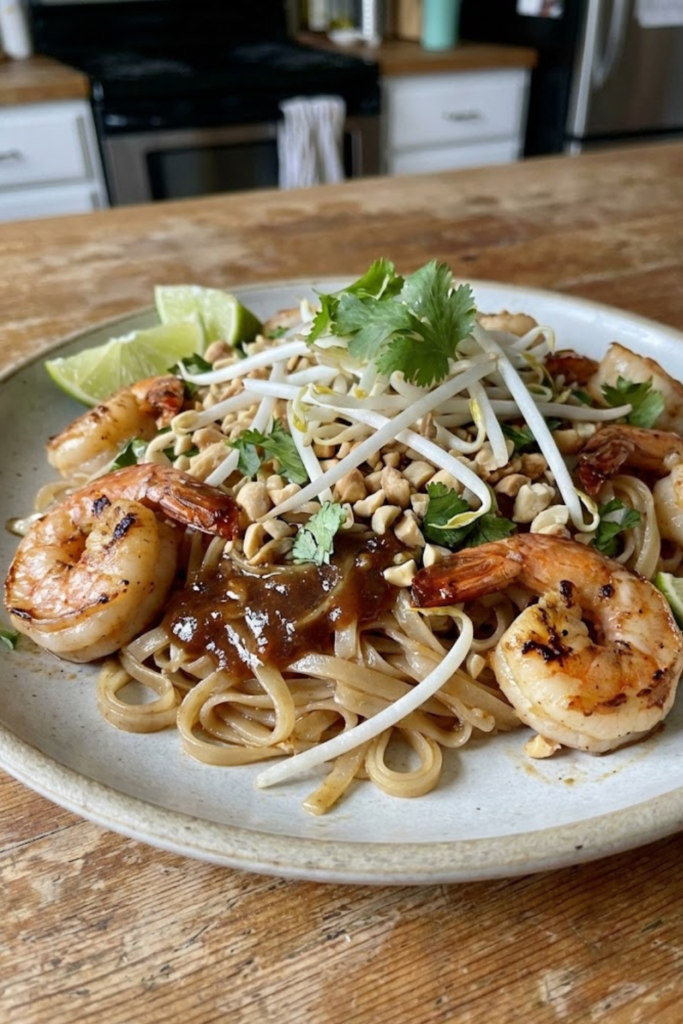
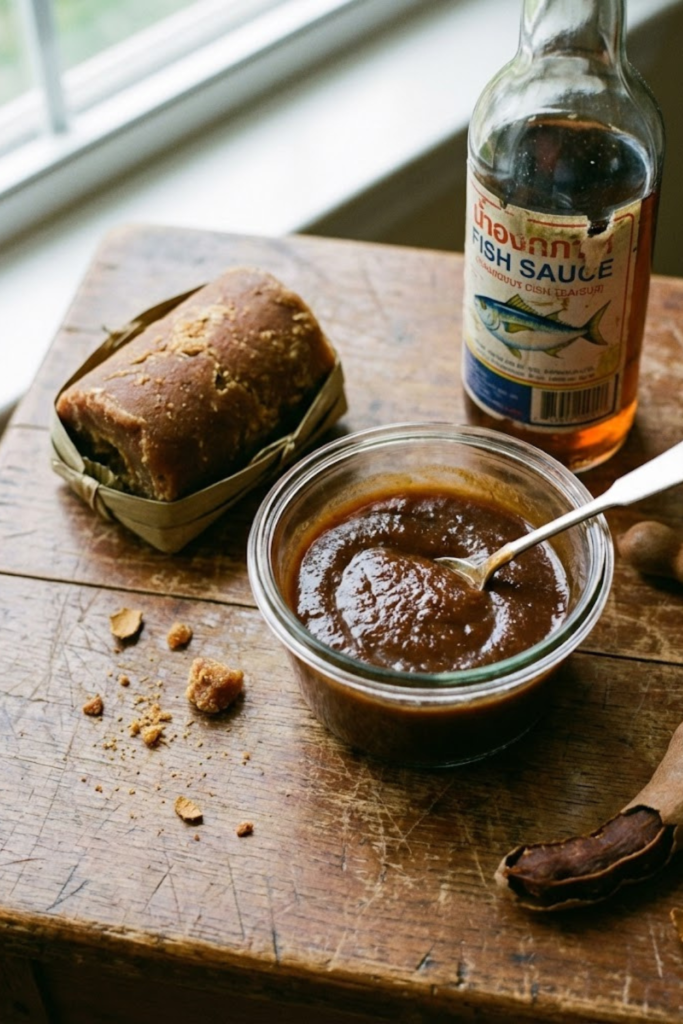
Let me tell you, the sauce is the boss of this whole dish. If you don’t get this part right, you’re basically just eating oily noodles, and nobody wants that. I learned this the hard way years ago. I thought I could be sneaky and use regular lime juice for the sour part because I couldn’t find tamarind at my local shop. Big mistake! It tasted okay, but it didn’t have that deep, earthy zing that makes you want to lick the bowl. The real magic of a great shrimp pad thai comes from a very specific balance of three flavors: sour, salty, and sweet. I always tell people that once you master this sauce, you’ve basically won the kitchen for the day. It’s the kind of thing that makes your family think you’ve been taking secret cooking classes.
Finding the Right Tamarind Paste
You really need to find actual tamarind paste. Don’t get the stuff that looks like thin syrup or says “concentrate” unless you know it’s a good brand. I prefer the blocks of seedless pulp. You just break off a chunk, soak it in hot water, and mash it up. It looks a bit messy, but that thick, brown liquid is gold. It has a fruity tartness that is way different than vinegar or lemon. It’s a bit like a sour plum. I’ve seen some people try to skip this, but honestly, it’s the most important part. Without it, your pad thai is just missing its heart.
Balancing the Salty and Sweet
To make the sauce work, you mix that tamarind with fish sauce and palm sugar. Now, fish sauce smells pretty strong—kind of like a salty sea breeze that stayed too long—but don’t let that scare you off. It provides the “salt” and a deep savory taste. Then you add the palm sugar. If you can’t find the little rounds of palm sugar, you can use light brown sugar. I like palm sugar because it has a mellow caramel flavor that isn’t just “hit you in the face” sweet. You want to simmer these together until the sugar melts and everything looks like a dark, glossy syrup.
Prep Your Sauce in Batches
I usually make a double or triple batch of this stuff. It keeps in the fridge for a long time. This is a great tip for busy nights. Having a jar of this ready means you can have a full meal on the table in about fifteen minutes. Just make sure you taste it before you use it. It should be a little bit too punchy on its own. Once it mixes with the rice noodles and the shrimp, the flavors will mellow out and be just right. Don’t be afraid to add an extra spoon of sugar or fish sauce if you think it needs it!
Choosing and Soaking the Right Rice Noodles
I’ve spent years trying to get the noodles for my shrimp pad thai to look like the ones in the pictures. Early on, I thought I could just boil them like spaghetti. Man, was I wrong! I ended up with a pot of sticky white paste that looked more like glue than dinner. It turns out, the way you treat your rice noodles before they even touch the hot pan is the most important part. If you mess this up, the whole meal is kind of ruined. Rice noodles are finicky little things, but once you understand what they want, they’ll behave for you.
Picking the Right Noodle Width
When you go to the store, you’ll see tons of different bags. You want the ones that are labeled “medium” or sometimes “Pad Thai” noodles. They look a bit like flat linguine. Don’t get the super thin vermicelli ones because they’ll just vanish into the sauce. And the extra-wide ones are better for other dishes like Drunken Noodles. For a classic dish, that medium width is the gold standard. It holds onto the sauce perfectly without getting too heavy or breaking apart while you stir.
The Cold Water Soak Technique
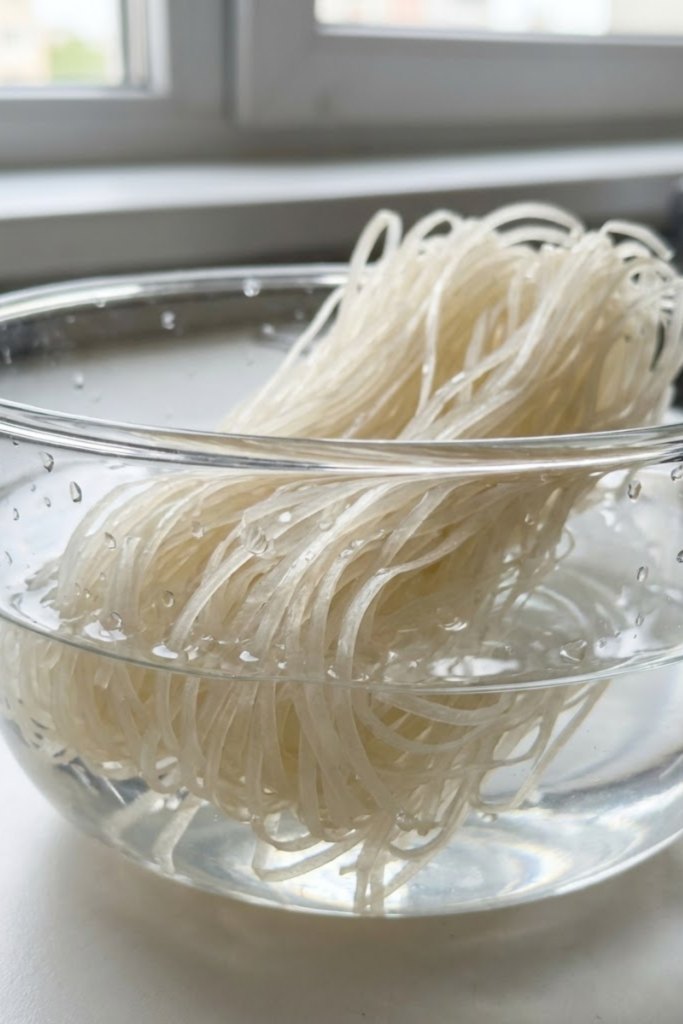
This is the mistake most beginners make. Never, ever put these noodles in boiling water on a stove. Instead, put them in a big bowl and cover them with hot tap water or lukewarm water. You want to let them soak slowly. This lets the water get into the middle of the noodle without making the outside all mushy. It usually takes about 30 to 45 minutes. I usually start soaking my noodles right when I start prepping my veggies and the sauce. By the time I’m ready to cook, the noodles are ready too.
The Snap and Bend Test
How do you know when they are done? I call it the snap test. Pick up a noodle and bend it. It should be flexible and soft, but if you bite it, the middle should still feel a little bit firm—almost like it’s not quite cooked. That’s perfect! They will finish softening up in the wok when they soak up all that yummy tamarind sauce. If they are already totally soft in the bowl, they’re going to turn into mush the second they hit the heat. Just drain them well and toss them with a tiny bit of oil so they don’t stick while you wait.
Prepping Your Shrimp and Protein
When I first started making shrimp pad thai, I figured any old shrimp from the freezer section would do. I bought those tiny little popcorn shrimp once because they were on sale, and let me tell you, it was a total disaster. They got lost in the noodles and ended up feeling like little rubber erasers. Since then, I’ve learned that the protein you choose is just as important as the sauce. You want things that can stand up to the high heat of the wok without turning into a mushy mess. Prep is everything here because once the fire is on, you won’t have time to be chopping or cleaning anything.
Why Size Really Matters for Shrimp
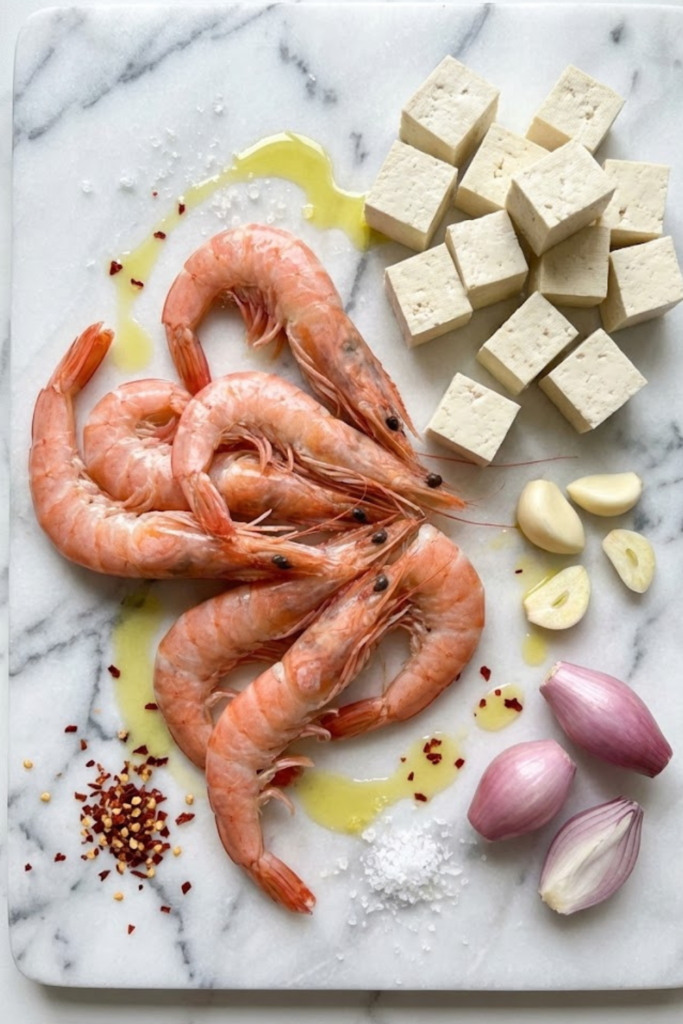
I always tell my students that if you’re going to do something, do it right. For this dish, you want large or even jumbo shrimp. I usually look for the “16-20 count” ones. You also want to make sure they are peeled and de-veined. Nothing ruins a nice dinner faster than biting into a “sand vein,” if you know what I mean! I like to leave the tails on sometimes because it looks fancy, but if I’m just cooking for the kids, I take them off so they can eat faster. Make sure you pat them really dry with a paper towel. If they are wet, they’ll just steam in the pan instead of getting that nice brown crust we want.
The Magic of Extra Firm Tofu
Even though this is a shrimp pad thai, you shouldn’t skip the tofu. It adds a different kind of chew that is really traditional. But look, you can’t use the soft stuff that comes in a tub of water. You need the “extra firm” kind. I like to press mine between some paper towels with a heavy plate on top for about ten minutes. This gets the extra water out so it fries up nice and crispy. I cut them into little matchsticks or small cubes. When they get fried in the oil, they soak up the sauce like little sponges. It’s honestly my favorite part of the whole plate.
The Secret Ingredient: Preserved Radish
Now, this is something a lot of people leave out because they can’t find it, but it’s a total game changer. Preserved radish comes in little jars or bags at the Asian market. It’s salty and a little bit sweet. You only need about a tablespoon, chopped up real small. It adds these tiny little pops of flavor throughout the noodles. One time I forgot it, and the dish just tasted… flat. It was missing that “something” that makes you keep reaching for another forkful. If you can find the dried shrimp too, throw a few of those in for an extra punch of flavor!
How to Get a Quick Sear
The biggest mistake I see people make is overcooking the shrimp. They leave them in the pan the whole time while they are tossing the noodles. Don’t do that! I sear my shrimp first, just until they turn pink and curly, and then I take them out and put them on a plate. I do the same with the tofu. I only add them back in at the very end. This keeps the shrimp juicy and the tofu from breaking into a million pieces. It’s a bit of extra work to move things in and out of the pan, but it’s the only way to keep the textures perfect. No one wants to chew on rubbery seafood!
Master the Wok: High Heat and Quick Hands
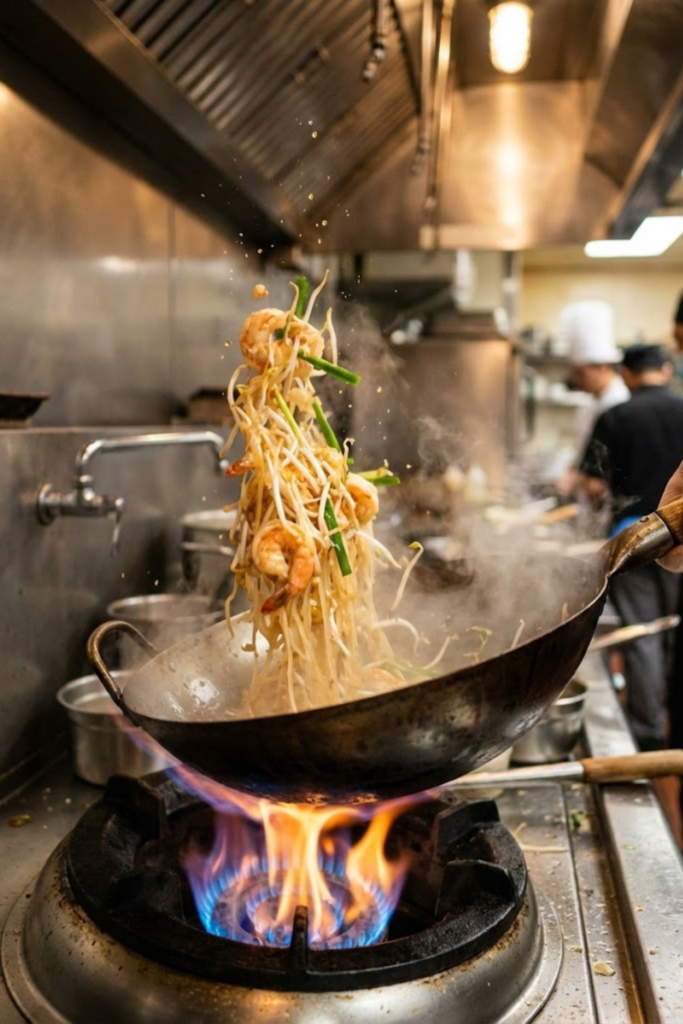
Cooking shrimp pad thai is a total sprint. You spend a lot of time prepping all your ingredients, but the actual cooking takes maybe five or six minutes. It’s fast! I remember the first time I tried this; I was so slow that the garlic burnt before I even got the noodles in the pan. I felt like a total failure in my own kitchen. But that’s the trick—you gotta have everything within arm’s reach. If you have to walk across the room for the bean sprouts, you’ve already lost the battle. My kitchen usually looks like a mess by the time I’m done, but the food is so worth it. A wok is best because it gets really hot, but a big heavy skillet works too if that’s all you have.
The Right Way to Start
First, get your oil nice and hot. Use a neutral oil like canola or peanut oil. Don’t use olive oil; it’s not really made for this kind of high heat. Toss in your minced garlic and shallots. You only want them in there for about thirty seconds. They should smell amazing but not turn dark brown. If they turn black, they get bitter and you might as well start over. Once they are fragrant, add your noodles and that sauce we made. This is where the magic happens. The noodles will soak up the liquid and get soft and glossy. Keep everything moving! Use a spatula or big tongs to toss it around like you mean business.
Making the Egg Ribbons
Once the noodles have soaked up the sauce, push everything to one side of the pan. It’s okay if it looks a bit crowded. Pour your beaten eggs into the empty space. Let them sit for a second so the bottom sets, then scramble them up. I like to let them get a little bit firm before I mix them back into the noodles. This way, you get pretty yellow ribbons of egg throughout the dish. If you mix them in too early, they just coat the noodles and make them look weird. We want visible chunks of egg for the best texture.
The Very Last Step and Garnish
Now, turn off the heat. This is important! Toss in your bean sprouts and green chives. The leftover heat in the pan is enough to wilt them slightly. You want them to stay crunchy. If you cook them too long, they turn into wet strings. Put your cooked shrimp and tofu back in and give it one last big toss. Serve it up right away. Pile it high on a plate and top it with crushed peanuts. Add a lime wedge and some chili flakes. Squeezing that fresh lime over the hot noodles really wakes up all the flavors. It’s the perfect finish for your meal.
Your Noodle Masterpiece Awaits
Wow, we really covered a lot of ground today! I hope you’re feeling a bit more confident about tackling shrimp pad thai in your own kitchen. It might feel like a big project the first time you do it, but it gets easier every single time. Like I tell my students at school, nobody gets an A+ on their first try without practicing. If your first batch of noodles is a bit sticky or your shrimp are slightly overdone, don’t sweat it. You’re still eating a home-cooked meal that probably tastes better than half the stuff you’d get at a food court anyway.
The real trick to this whole thing—and I can’t say this enough—is getting that sauce right and not boiling those noodles. Once you’ve got those two things down, the rest is just about having fun with the heat. Cooking should be an adventure, not something that makes you feel stressed out. I used to get so nervous that I’d mess up the egg or burn the garlic, but then I realized that even a “messed up” pad thai is still pretty delicious. It’s just noodles, sugar, and shrimp—it’s hard to go wrong with those ingredients!
Think about how much money you’re going to save, too. Getting takeout for a family of four is so expensive these days. Now, you can just grab a bag of rice noodles and some frozen shrimp and have a feast for a fraction of the price. Plus, you know exactly what’s going into your food. No weird preservatives or too much salt. You can make it as spicy or as sweet as you want, which is the best part of being the chef in your house. I love having that control over my dinner.
I’m so glad I finally stopped being afraid of the wok and just went for it. It’s become a Friday night tradition at our place. If you enjoyed making this and it turned out great, I’d really appreciate it if you could share the love. Please save this recipe to your “Thai Favorites” or “Easy Dinners” board on Pinterest. It helps other home cooks find these tips, and it helps my blog keep growing so I can keep sharing these lessons with you all. Go ahead and take a photo of your masterpiece—you earned it!