Did you know that over 20 million bowls of gumbo are served in Louisiana every year? That is a lot of soup! I remember the first time I tried making a real shrimp gumbo. My kitchen smelled like a campfire because I burnt the flour, and I almost gave up right then. But man, when I finally got it right, it felt like a total triumph! This recipe is about more than just food; it’s about patience and flavor that hits your soul. We are going to use fresh seafood, the “holy trinity” of veggies, and a roux so dark it looks like chocolate. Let’s get our aprons on and make something amazing together!
The Secret is in the Dark Roux
Making a roux is probably the most important part of your shrimp gumbo. I always tell my friends that the roux is like the soul of the kitchen. If the soul isn’t happy, the food won’t be either! It is just a simple mix of flour and fat, but man, it can be tricky. I remember my first time trying this; I thought I could just walk away for a second to check my phone. Big mistake! I came back to a smoky house and a ruined pot. You really have to give it your full attention if you want that deep flavor.
Why Patience is Your Best Friend
You need to set aside at least thirty or forty minutes for this part. Don’t try to make a roux when you are in a huge rush to get dinner on the table. It takes time for the flour to cook and brown without catching fire. I usually put on a good podcast or some old jazz music to keep me company while I work. You want to use a heavy wooden spoon and just keep moving that flour around the bottom of the pot. If you stop, it sticks. If it sticks, it burns. It’s a simple rule, but it’s the one most folks break because their arm gets tired!
From Blonde to Dark Chocolate
The color stages are actually pretty fun to watch. It starts out pale, almost like sand at the beach. Then it moves to a “blonde” stage, then a “peanut butter” stage. For a seafood dish like our shrimp gumbo, we want to go even further. We want what we call a “dark chocolate” roux. This deep color gives the soup its rich, smoky flavor that everyone loves. It also makes the broth look beautiful and dark. Just keep an eye on it. When it starts to smell really nutty—kind of like toasted bread—you are on the right track.
Avoiding the Black Flecks
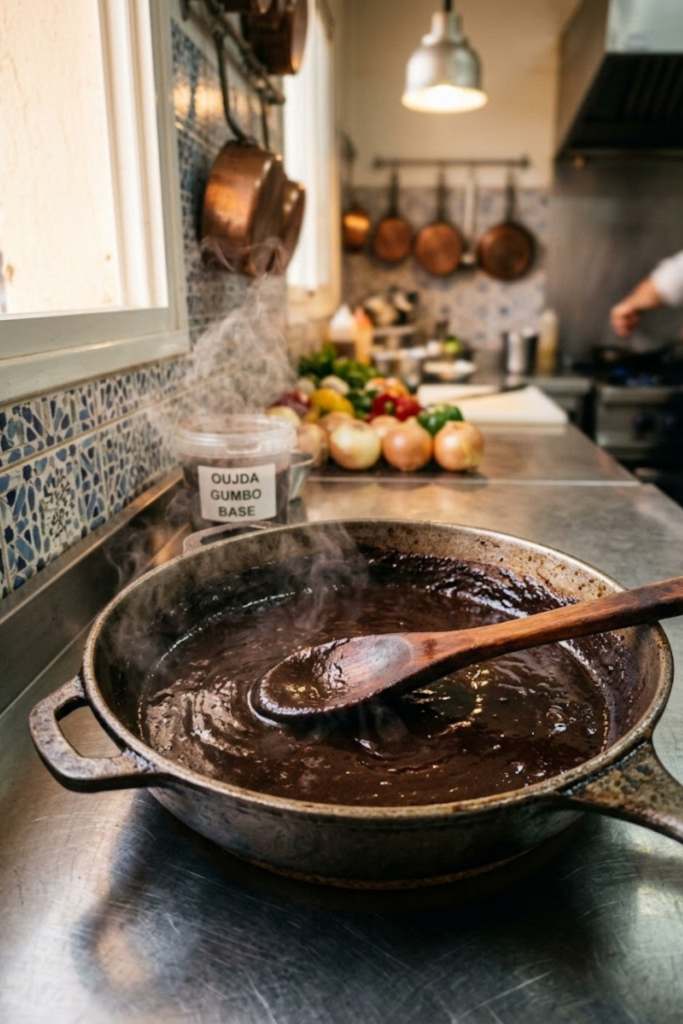
If you see tiny black specks appearing in the oil, that is what I call the “point of no return.” That means the flour has scorched. Unfortunately, if that happens, you have to dump it and wash the pot out. You can’t hide that burnt taste with extra spices or hot sauce. But don’t worry! If you keep the heat on medium-low and keep stirring, you will do just fine. Once it hits that perfect dark brown, throw in your chopped veggies right away. That loud hiss you hear is the sound of success because it stops the cooking process and saves your roux!
Sautéing the Holy Trinity and Garlic
Once your roux looks like dark chocolate, you have to move fast! This is the part where we add what Louisiana folks call the “holy trinity.” It sounds fancy, but it is just a mix of onions, celery, and green bell peppers. When these hit that hot oil and flour, the smell is just incredible. It fills up your whole house and lets everyone know that a real shrimp gumbo is on the way. I remember my grandma always saying that if you don’t smell the onions cooking, you aren’t doing it right. This base is what gives the soup its body and that classic Cajun flavor profile we all crave.
The Big Three: Getting the Mix Right
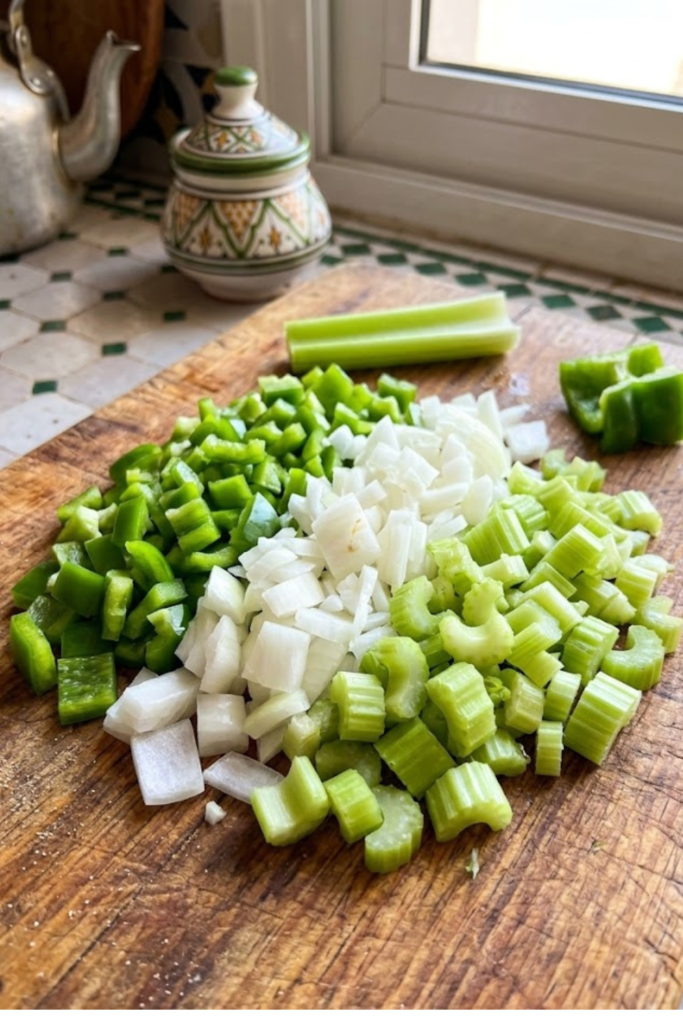
The secret here is the ratio. You usually want two parts onion to one part celery and one part green bell pepper. I like to chop mine into small, even pieces so they cook at the same speed. If you have big chunks of onion and tiny bits of pepper, the textures will be all wrong. In my early days of cooking, I used to just toss in whatever I had in the fridge, but I learned pretty quick that the green bell pepper is non-negotiable. It adds a little bit of a bite that balances out the richness of the dark roux.
Softening the Crunch
You don’t want to just toss the veggies in and add your water right away. You need to let them “sweat.” This means cooking them until the onions look clear and the peppers get soft. This usually takes about eight to ten minutes. Because the roux is so hot, the veggies will cook fast. You have to keep stirring so nothing sticks to the bottom. I’ve found that taking this extra time makes the final shrimp gumbo taste much smoother. You want the veggies to almost melt into the broth by the time you are ready to eat.
Why Garlic Comes Last
I used to make a big mistake and throw my garlic in at the same time as the onions. Don’t do that! Garlic is tiny and delicate; it burns way faster than a thick piece of celery. If you burn the garlic, it turns bitter and can ruin the whole pot of food. I wait until the very last minute, right before I add my liquid stock. I toss it in, stir it for maybe thirty seconds until I can smell it, and then I pour in my broth. This keeps the garlic sweet and savory, which is exactly what a good home-cooked meal needs.
Choosing and Prepping Your Shrimp
Buying the right seafood for your shrimp gumbo can be a little scary if you aren’t used to the fish market. I used to just grab the first bag of frozen, pre-peeled stuff I saw because it looked easier. But then I visited a friend down south who showed me what I was missing. When you use fresh shrimp, the whole dish tastes like the ocean in a good way. It’s a bit more work to peel them yourself, but I promise it makes a huge difference in the final bowl. You want that sweet, snappy bite that only comes from good quality shellfish. If you start with bad ingredients, no amount of spice will save the meal.
Why I Always Buy Head-On Shrimp
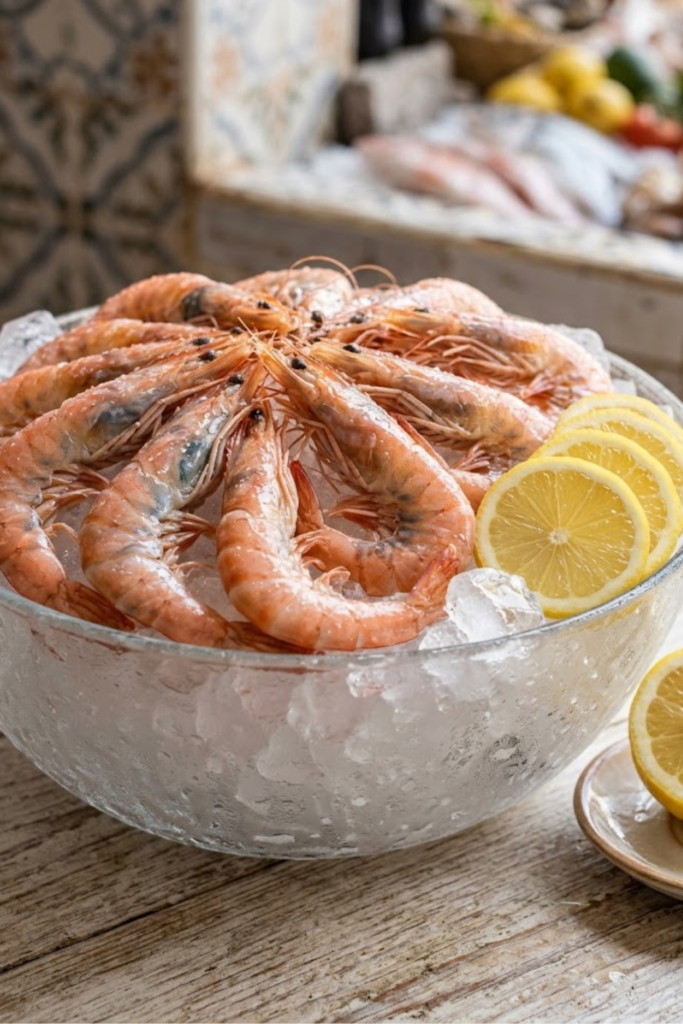
If you can find them at your local shop, get the shrimp with the heads still on. I know they look a little bit like aliens staring back at you, but those heads are pure gold for flavor! Most of the fat and the deep “shrimp” taste is tucked away in there. I usually twist the heads off and throw them into a separate pot of water with some onion scraps to make a quick stock. If you just use plain water or chicken broth, your shrimp gumbo will be okay, but it won’t be legendary. Using the heads and shells to make a broth is a pro move that most people skip because they are lazy or in a hurry.
Peeling and Saving the Shells
When you sit down to peel a few pounds of shrimp, it can feel like a big chore. I usually get my family to help or I put on a movie to pass the time. Pull the legs off first, and the shell usually just pops right off. But here is the trick: do not throw those shells in the trash! Just like the heads, the shells hold a ton of flavor. I toss them right into my simmering stock pot. By the time I’m ready to add the liquid to my roux and veggies, that water has turned a beautiful orange color and smells amazing. It’s a great way to use every part of what you paid for at the store.
The “Vein” and Sizing Tips
I prefer medium-large shrimp for this recipe. If they are too small, they disappear in the thick gravy. If they are too big, they are hard to eat in one bite. And yes, you really should devein them. It’s actually the digestive tract, and while it won’t hurt you, it can be gritty and gross. I just use a small knife to make a shallow cut down the back and pull it out. One last thing: keep your shrimp on a bowl of ice while you work! You want them to stay ice-cold until the very last minute when they go into the hot pot. This keeps them from getting rubbery.
Simmering and Finishing Your Gumbo
Now comes the part where your house starts to smell like a five-star restaurant. Once your trinity is soft and your roux is perfect, it is time to turn that thick paste into a real shrimp gumbo. I always feel a little bit of pride when I pour in my homemade stock and watch it swirl around with the dark roux. It looks like a messy brown puddle at first, but don’t let that fool you. As it heats up, everything starts to come together into a smooth, velvety soup. This is where you have to trust the process and let the heat do the work for you.
Slow and Steady Wins the Race
I usually pour my stock in just a little bit at a time. If you dump it all in at once, the roux might get clumpy, and nobody likes a lumpy gumbo! I use a whisk to make sure the liquid and the flour mix perfectly. Once it is all in there, I bring it up to a boil and then immediately drop it down to a low simmer. You want to see just a few bubbles popping on the surface. If you boil it too hard, you can break the roux and end up with a greasy mess on top. I let mine simmer for at least forty-five minutes before I even think about touching the shrimp. This gives the flavors time to get to know each other and makes the broth rich and deep.
Seasoning for the Best Flavor
While the pot is bubbling away, I start adding my “secret” spices. Of course, you need salt and black pepper, but I also love adding a good bit of cayenne for heat and some dried thyme. I remember a student once asked me if they could use store-bought Cajun seasoning. I told them sure, but be careful with the salt! Those pre-made mixes are often mostly salt, and you can easily ruin your shrimp gumbo if you aren’t tasting as you go. I also drop in two or three bay leaves. Just remember to pull them out before you serve it; biting into a dry leaf is a quick way to ruin a great dinner!
The Final Five Minutes
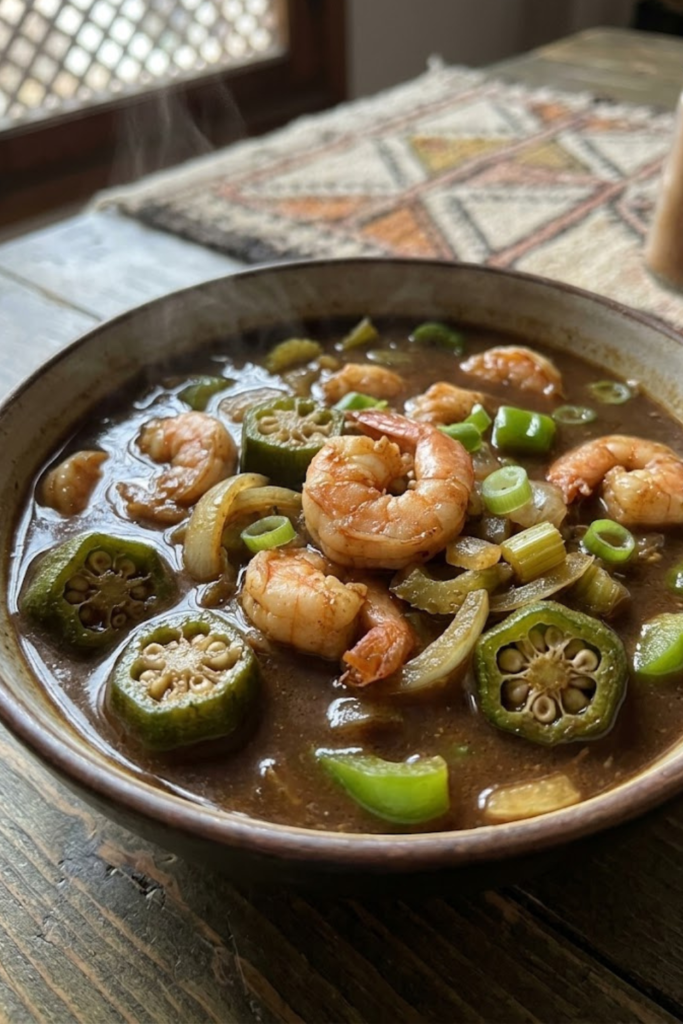
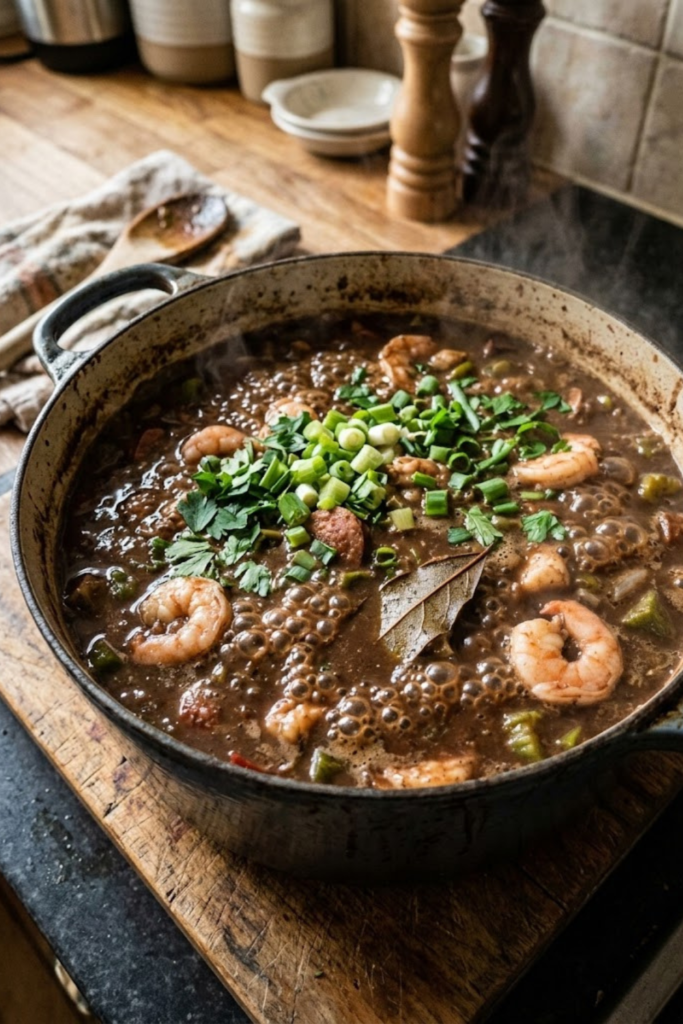
The most common mistake people make is putting the shrimp in way too early. Shrimp cook in a heartbeat! If you let them simmer for an hour, they will turn into little rubber erasers that are hard to chew. I wait until the very end. I turn off the heat, stir in my cold, peeled shrimp, and put the lid on the pot. The heat that is already in the soup is more than enough to cook them through in about five minutes. They turn a beautiful pink color and stay nice and juicy. This is also when I stir in some fresh parsley and green onions to give it a pop of color and a fresh taste right before it hits the table.
Serving Your Masterpiece: Rice, Bread, and Tradition
You did it! Your pot is now full of that dark, rich liquid and those perfectly pink shrimp. But before you grab a spoon and dive in, you need to think about how to serve it. In my house, shrimp gumbo is never served alone. It needs a “partner” to help soak up all that amazing flavor. Most folks just reach for a bag of rice, and that is a great start, but there are a few other things you should know to really make this feel like a trip to New Orleans. I always feel so proud when I set the table and see all the different bowls ready to go.
The Importance of Good Rice
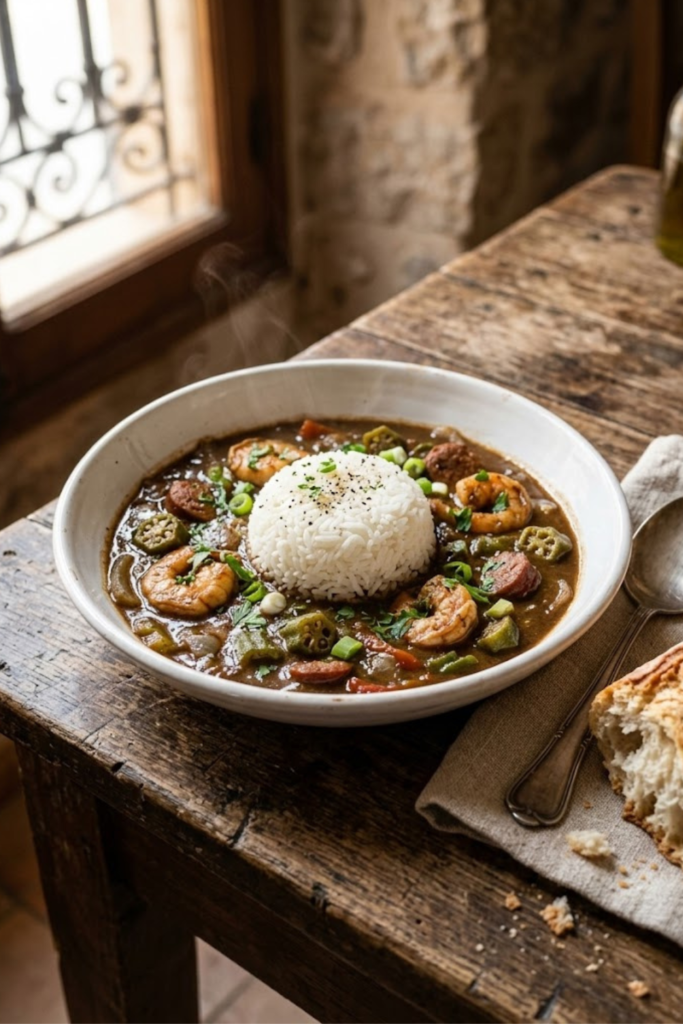
You really want a good, long-grain white rice for this. I usually cook mine in a separate pot so it stays firm. If you throw the rice directly into the big pot of gumbo while it’s cooking, it will drink up all your broth and turn into a thick paste by the next morning. I like to put a big, fluffy scoop of rice right in the middle of a shallow bowl and then ladle the hot gumbo all around it. It looks like a little white island in a sea of brown deliciousness. Some people like a lot of rice, while others just want a little, so letting everyone scoop their own is the best way to keep everyone happy at the dinner table.
Bread and the Famous Potato Salad
Now, if you want to be a real pro, you need some crusty French bread. I like to warm mine up in the oven for a few minutes so the crust gets crunchy and the middle stays soft. It is perfect for dipping into the bottom of the bowl to get every last drop of that roux. But here is the part that surprises people: potato salad. Down in some parts of Louisiana, they take a cold scoop of potato salad and plop it right into the hot shrimp gumbo! I know it sounds a bit strange at first, but the cold, creamy potatoes against the hot, spicy broth is something you have to try. It adds a whole new layer of comfort to the meal.
Storing Your Leftovers
If you actually have any left over—which doesn’t happen often at my place—you need to store it the right way. I always let the pot cool down on the counter for a bit before putting it in the fridge. I’ve found that gumbo actually tastes even better the next day! The spices have more time to blend together, and the broth gets even richer. Just be careful when you heat it up again; do it slowly on the stove so those shrimp don’t get tough. This meal is a gift that keeps on giving, and I hope your family loves it as much as mine does!
Bringing Louisiana Home
I’ve spent a lot of hours in my kitchen over the years, and honestly, nothing makes me feel quite as proud as finishing a big pot of shrimp gumbo. It is one of those dishes that really shows how much you care about the people you are feeding. It isn’t just about the food; it’s about the time you put into it. When you stand there for forty minutes stirring that roux, you are putting a lot of love into that pot. I remember how nervous I was the first time I made this for my family, but seeing their faces when they took that first bite made every single minute of stirring worth it. It really is a hug in a bowl!
Looking back at what we talked about, the most important thing to remember is the roux. If you get that dark chocolate color without burning it, you are already halfway to a win. Then you have your “holy trinity” of onions, celery, and peppers to give it that classic Cajun soul. And of course, treating your shrimp with respect by not overcooking them makes a world of difference. I’ve made plenty of mistakes along the way, like the time I forgot to devein the shrimp and had to apologize to my neighbors! But that is how we learn to be better cooks.
Don’t be afraid to try this recipe even if it seems a bit hard at first. Cooking should be an adventure, and even if your first roux is a little light or your rice is a bit sticky, it will still taste better than something from a can. Every time you make it, you’ll get a little bit faster and a little bit more confident. Before you know it, you will be the one teaching your friends how to make the perfect shrimp gumbo!
If you loved making this as much as I did, please share it on Pinterest so your friends and family can try it out too! I’d love to see how your gumbo turns out, so feel free to let me know if you added anything special to yours. Happy cooking, and I hope you enjoy every single spicy, savory spoonful of your homemade masterpiece!