I used to think that restaurant-style fajitas were a “dining out only” luxury until I realized the secret is all in the cast iron! Did you know that nearly 60% of home cooks accidentally overcook their seafood? Nobody wants rubbery shrimp! Let’s fix that today with a juicy shrimp fajitas skillet that will blow your mind and satisfy your cravings in under 20 minutes!
Picking the Right Size Shrimp for Your Fajita Skillet
I used to think that shrimp was just shrimp. If it was on sale at the store, I bought it. But let me tell you, I learned the hard way that size really does matter when you are making a shrimp fajitas skillet. I remember one Tuesday night—it was a long day at school and I just wanted a quick win for dinner. I grabbed a bag of those tiny “popcorn” shrimp because they were cheap. Big mistake! By the time my peppers were even starting to get soft, those little shrimp had turned into tiny, rubbery knots. It was like eating pencil erasers. My family ended up picking around them, and I felt like a total failure in the kitchen. We’ve all been there, right?
Why Jumbo Shrimp Win Every Time
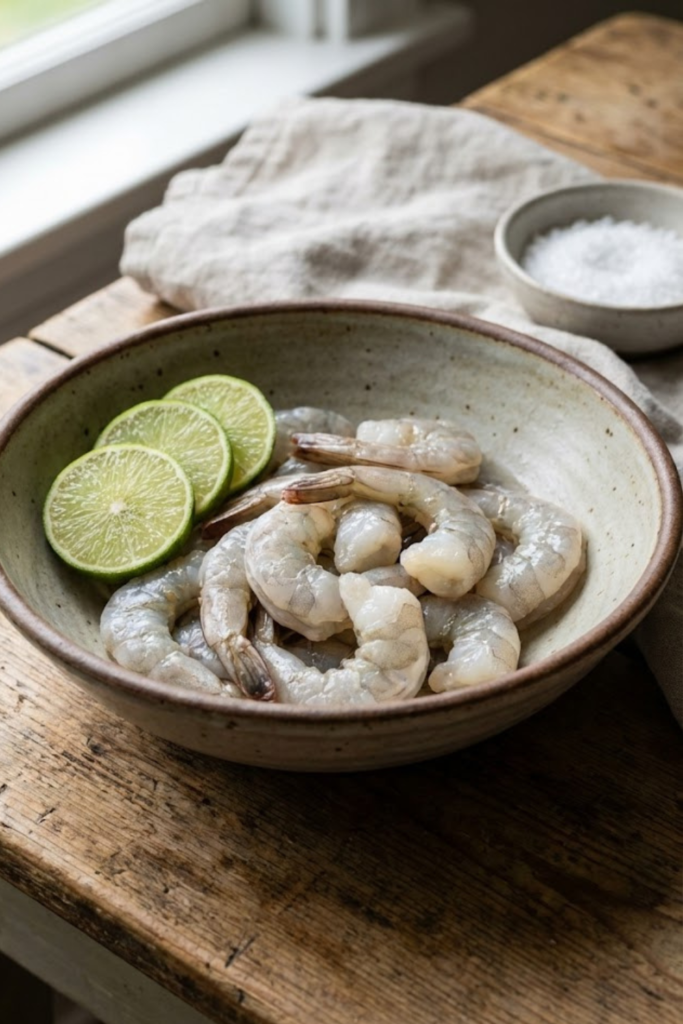
If you want that perfect bite, you have to go big. I always look for “Large” or “Jumbo” shrimp. On the bag, look for the numbers 21/25. This just means there are about 21 to 25 shrimp in every pound. Because these shrimp are bigger, they can handle the high heat of a cast iron pan without overcooking in five seconds. It gives the outside a nice little snap while keeping the inside juicy. When you use the smaller 41/50 count, they cook way too fast. Before you can even get a good sear on them, they are already tough and chewy. Stick with the big ones to keep your dinner tasting like it came from a fancy restaurant.
The Truth About Frozen vs. Fresh
Here is a little secret I tell my students: “fresh” shrimp at the counter isn’t always better. Most of the time, that shrimp was frozen on the boat anyway and then thawed out to sit on ice at the store. I actually prefer buying a big bag of frozen, peeled, and deveined jumbo shrimp. It is so much easier for busy nights! Just put them in a bowl of cold water for about 15 minutes to thaw them out. One big tip: make sure you pat them dry with a paper towel before you put them in the pan. If they are wet, they will just steam and get soggy instead of getting that beautiful brown crust we all want.
Save Your Fingers: Go Tail-Off
I know the pictures in magazines always show shrimp with the tails still on. Sure, it looks pretty, but it is a total pain when you are actually trying to eat. Nobody wants to be digging through a hot, messy tortilla with their fingers to pull off a shrimp tail. It totally ruins the flow of the meal. I always buy the “tail-off” kind now. It makes the whole experience much better for everyone at the table. Plus, it means you can just focus on how good the spices and peppers taste together without any extra work.
The Secret Homemade Fajita Spice Blend
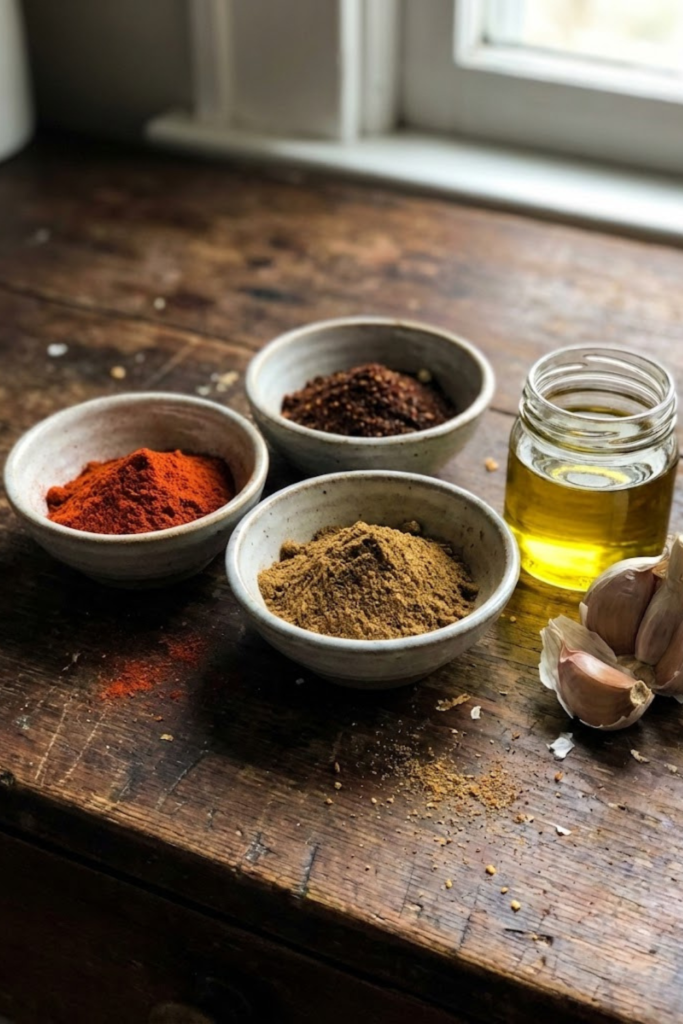
Let’s talk about the flavor. I tell my students all the time that you don’t need a fancy recipe to make food taste good—you just need the right spices. For years, I just grabbed those little yellow spice packets at the grocery store. You know the ones? They’re right next to the taco shells. I thought they were the only way to get that “real” flavor for a shrimp fajitas skillet. But then I started looking at the ingredients on the back of the bag. Half of it was just salt and weird starches I couldn’t even say! My fajitas always tasted… well, just okay. They were a bit too salty and didn’t have that “pop” I wanted. So, I decided to play around with my own spice jars in the cabinet, and it really changed the game.
The Big Four Spices You Need
There are four main spices you really need to make this work. First is chili powder. This is the base of everything. Then you need cumin—that’s what gives it that earthy, warm smell that fills up the whole house. I also love using smoked paprika. This is my “secret weapon.” Since we are cooking in a skillet and not on an outdoor charcoal grill, the smoked paprika gives the shrimp that charred, smoky taste. It makes the meal feel like you’re sitting at a restaurant. Finally, you need some garlic powder. I know fresh garlic is great, but in a super hot skillet, it can burn and get bitter before the shrimp are even done. The powder just coats every piece perfectly.
Controlling the Salt and the Heat
The best part about making your own blend for a shrimp fajitas skillet is that you are the boss of the salt. Store packets are loaded with way too much sodium. When I make it at home, I use just enough to bring out the flavor of the seafood. If you like things spicy, you can throw in some cayenne pepper or red pepper flakes. If your kids are picky and hate “spicy” food, you can just leave the hot stuff out and add a little extra onion powder instead. It makes the meal much more flexible for everyone at the dinner table, which is a big win for any parent.
How to Apply the Rub Correctly
Don’t just throw the dry spices into the pan! I like to put my thawed, dry shrimp in a big glass bowl and toss them with a little bit of olive oil and the spices first. This makes sure every single shrimp is covered in flavor. When they finally hit that hot pan, the spices toast up and create this amazing little crust. It smells so good you’ll want to eat them right then and there. Plus, it keeps the spices from just burning on the bottom of the pan, which is a common mistake I see people make. It keeps all that flavor on the food where it belongs!
Mastering the Searing Technique: Heat Is Your Friend
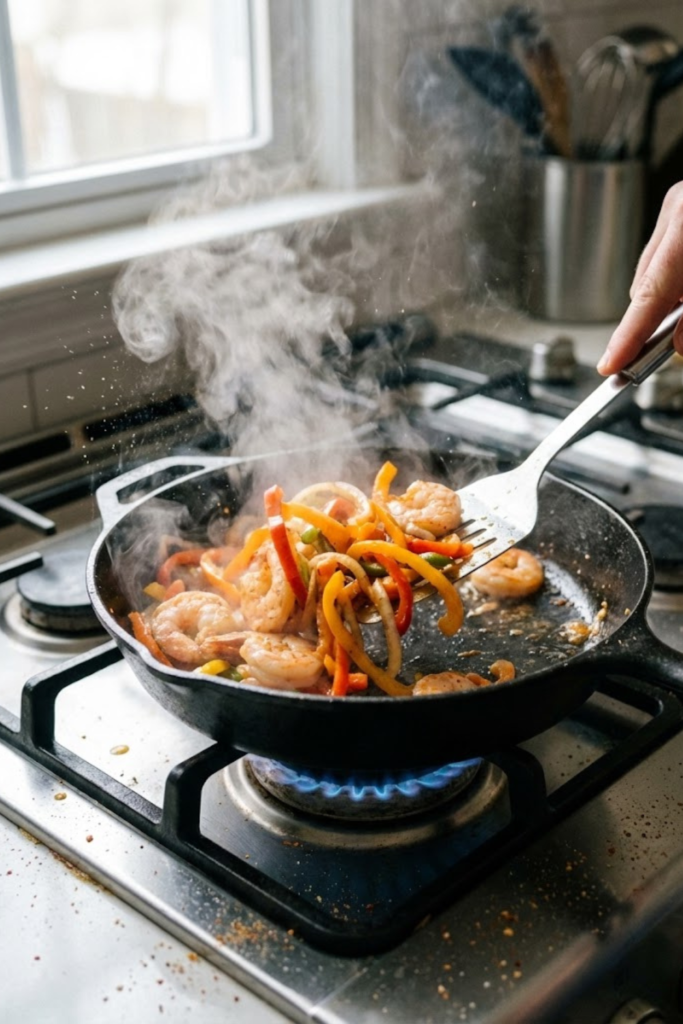
Getting that restaurant-style sizzle isn’t about luck or having a professional kitchen. It’s about being brave with your stove dial. I remember the first few times I tried to make a shrimp fajitas skillet, I was so scared of burning things that I kept the heat on medium. My kitchen stayed quiet, and my dinner ended up looking gray and soggy. I even had to drain liquid out of the pan halfway through! It was a mess. I eventually learned that you have to hear that loud “hiss” the moment the food hits the metal. That sound is the secret to flavor. If your pan isn’t screaming hot, you’re just boiling your dinner, and nobody wants a boiled shrimp taco.
Why Cast Iron Is the Best Tool
If you have a cast iron skillet hiding in the back of your cabinet, now is the time to pull it out and give it some love. I tell my students that cast iron is like a battery for heat. It takes a little while to get going, but once it’s hot, it stays hot. This is huge for seafood. When you drop a pound of cold shrimp into a thin, cheap pan, the temperature of the metal drops instantly. But a heavy cast iron pan keeps its cool—or rather, its heat—and sears the outside of the shrimp immediately. If you don’t have one, just use your heaviest frying pan and let it sit on the burner for a good four or five minutes before you even think about adding oil.
The “Cook and Remove” Strategy
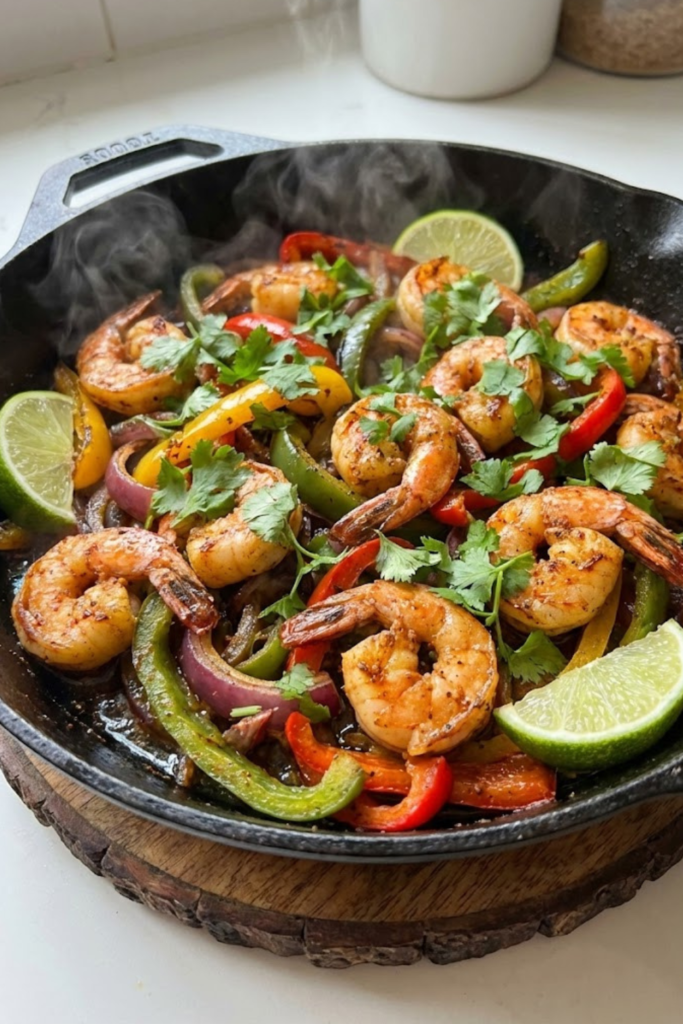
This is probably the most important lesson I can give you for a perfect shrimp fajitas skillet. Do not try to cook the shrimp and the veggies at the same time. I know it’s tempting to just dump everything in one big pile to save time, but you’ll regret it. Shrimp only need about two minutes per side to be perfect. Peppers and onions, on the other hand, need about eight to ten minutes to get those soft, sweet, charred edges. I always sear my seasoned shrimp first in a bit of oil, get them nice and pink, and then scoop them out onto a plate. Then, I throw the veggies into that same hot pan. The veggies will soak up all the leftover spices and shrimp juices left behind, and your shrimp won’t turn into rubber balls while you wait for the onions to soften.
Watch the Shape of the Shrimp
How do you know exactly when to pull them off the heat? I use a simple trick I call the “alphabet rule.” It’s something I teach in my basic cooking classes because it’s so easy to remember. A perfectly cooked shrimp looks like the letter “C.” This means it’s curled just enough to be done but still juicy. If the shrimp is still straight or in a wide “U” shape, it needs another thirty seconds. However, if it has curled up so tight that it looks like the letter “O,” you have gone too far. It will be tough and chewy. Once your veggies are finally soft and charred, you just toss your “C” shaped shrimp back into the pan for thirty seconds to get them hot again, and you’re ready to eat!
Serving and Topping Your Shrimp Fajitas Skillet
How you serve a shrimp fajitas skillet is just as important as how you cook it. I remember being at a friend’s house for dinner a few years back. She had made this amazing-looking spread, but when I went to grab a tortilla, it snapped right in half as soon as I folded it! It was cold and stiff. It was so awkward because all the shrimp and peppers just fell out onto my lap. I felt terrible for her, and I realized then that the “side show”—the wraps and the toppings—is what makes the meal feel like a real treat instead of just a messy pile of food. Since that night, I’ve made it my mission to show people that a little extra effort at the end goes a long way.
The Secret to Perfect Tortillas
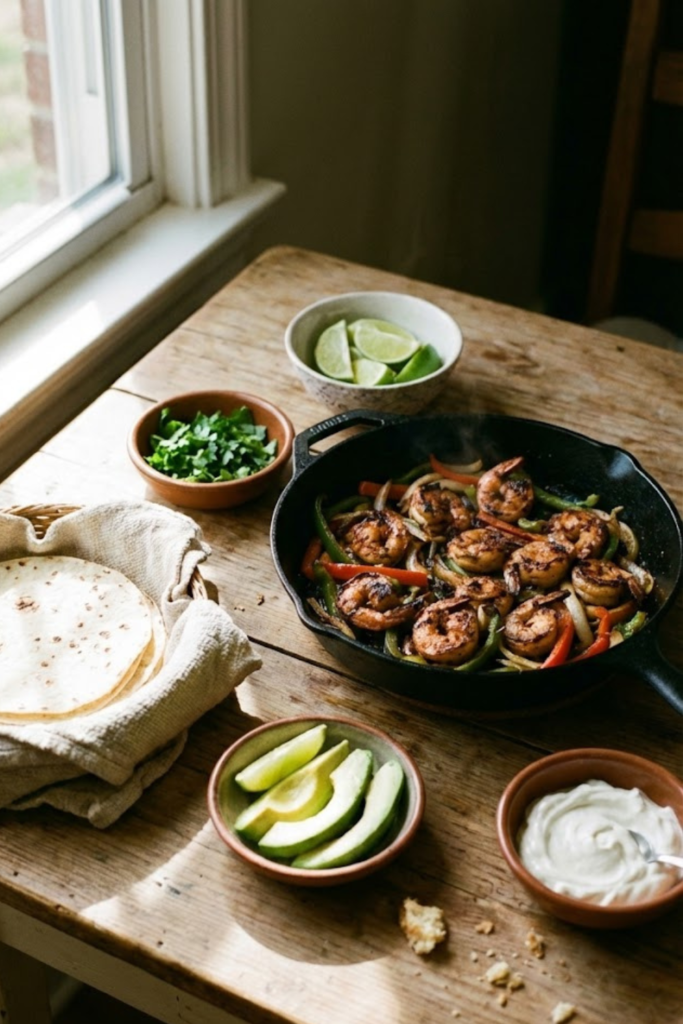
The biggest mistake I see people make is taking tortillas straight out of the plastic bag. They are usually cold and a bit dry from sitting on the shelf. To get them soft and stretchy like the ones at the local taco spot, you have to warm them up. If you have a gas stove, you can use tongs to hold them directly over the low flame for about ten seconds on each side. It gives them a little bit of char and makes them smell amazing. If you’re worried about the kids or don’t want the extra mess, just wrap a stack of them in a damp paper towel and microwave them for thirty seconds. This keeps them moist so they don’t crack when you roll up all that juicy shrimp.
Toppings That Actually Matter
Now, let’s talk about the toppings. For a shrimp fajitas skillet, you really need some freshness to balance out those warm, smoky spices. I always have a big bowl of fresh cilantro on the table. I know some people think it tastes like soap, but for the rest of us, it’s a must! Then there’s the avocado. I like to slice mine right before we sit down so it stays bright green. And please, don’t forget the lime! A big squeeze of fresh lime juice over the hot shrimp right before you take a bite wakes up every flavor in the pan. If you want a bit of creaminess, a dollop of sour cream or some crumbled cheese really hits the spot and cools down the heat.
Keeping it Light and Healthy
If you’re trying to watch your carbs or just want something a bit lighter, you don’t have to skip the fun. I often swap the flour tortillas for large butter lettuce leaves. They have a nice crunch and really let the flavor of the shrimp shine. Another trick I use is serving the whole shrimp fajitas skillet over a bed of cauliflower rice. It soaks up all those delicious juices from the bottom of the pan so nothing goes to waste. It’s a great way to get more veggies in your diet without feeling like you’re missing out on a “real” dinner. My family actually likes it this way because they don’t feel so heavy and sleepy after eating!
Wrapping Up Your Shrimp Fajitas Skillet Success
I really hope you feel ready to tackle this shrimp fajitas skillet in your own kitchen tonight! Looking back at my early days of cooking, I realize that I used to make things way harder than they needed to be. I thought I had to follow a twenty-step recipe or have a bunch of fancy tools to get a good meal on the table. But really, it just comes down to the basics: big shrimp, high heat, and fresh toppings. Once you get that sizzle down, you’ll start feeling like a pro. My students always tell me that once they mastered this one-pan meal, their confidence in the kitchen went way up. It’s a great feeling to know you can feed your family something healthy and delicious in less time than it takes to get through a fast-food drive-thru.
What to Do with Leftovers
If you happen to have any leftovers—which doesn’t happen often at my house—don’t let them go to waste! I’ve found that the seasoned shrimp and peppers make a great lunch the next day. I usually toss them into a cold salad with some greens and a little ranch dressing or salsa. You can also chop up the leftover shrimp and fold them into a cheesy quesadilla for the kids. Just a heads up: when you reheat them, do it quickly. If you zap them in the microwave for too long, they will get that rubbery texture we talked about earlier. I usually just give them a quick thirty seconds in a hot pan to wake up the flavors without overcooking the seafood.
Try Different Variations
Once you’ve made this a few times, feel free to switch things up! Sometimes I add sliced mushrooms or even some zucchini to the pan if I have extra veggies in the fridge that need to be used. The spice blend works with almost anything. I’ve even used the same seasoning on pieces of salmon or tilapia when I couldn’t find good shrimp at the store. The goal is to make this recipe work for your life and your tastes. Cooking should be fun, not a chore that makes you feel stressed. If you like it extra spicy, add more peppers. If you want it sweet, add more red onions. Make it yours!
Join the Conversation and Share
I would love to hear how your shrimp fajitas skillet turned out! Did you get that perfect sear? What was your favorite topping? Sharing our kitchen wins and even our “oops” moments is how we all learn to be better cooks. If you enjoyed this guide and want to keep it handy for your next grocery trip, please save this post to your “Healthy Dinners” or “Easy Seafood Recipes” board and share it on Pinterest! It really helps me out, and it helps other home cooks find easy, stress-free ways to get dinner on the table. Thanks for hanging out in the kitchen with me today, and happy cooking!