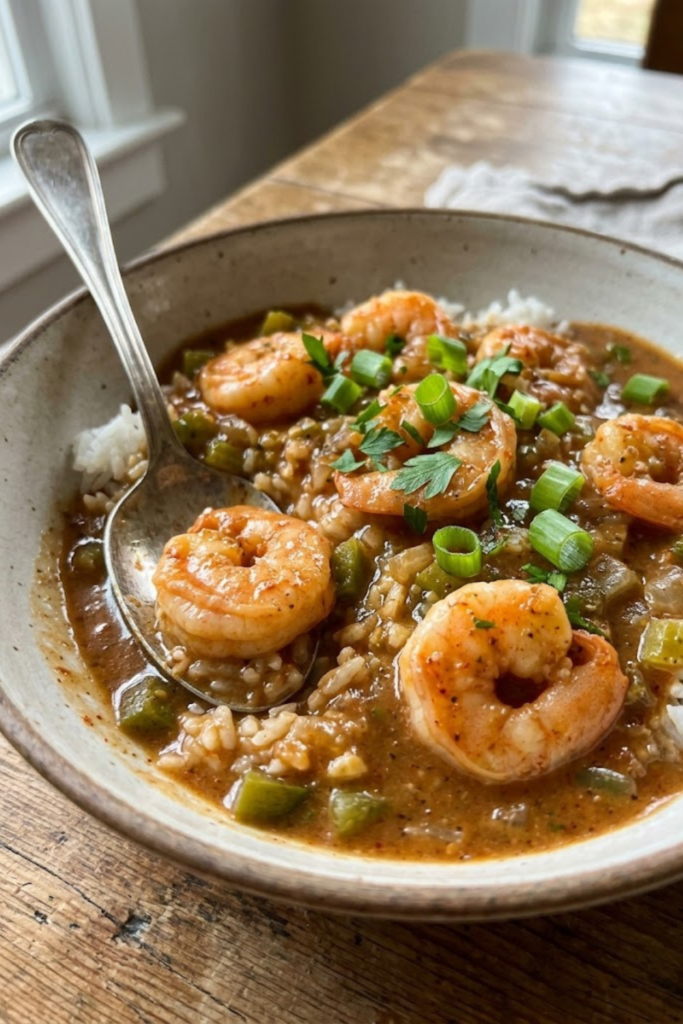
Did you know that “étouffée” literally means “smothered” in French? It’s a cooking method that defines the very soul of the bayou, and honestly, I think it’s the most comforting thing you’ll ever put on a plate!
I’ve spent years tinkering with my cast iron skillet to get this just right, and let me tell you, there’s nothing like that first bite of succulent shellfish swimming in a rich, buttery gravy. We’re going to dive into the “holy trinity” of vegetables and the magic of a blonde roux to make a meal that will have your family begging for seconds. It’s fast, it’s spicy, and it’s totally doable for any home cook!
Mastering the Dark Blonde Roux
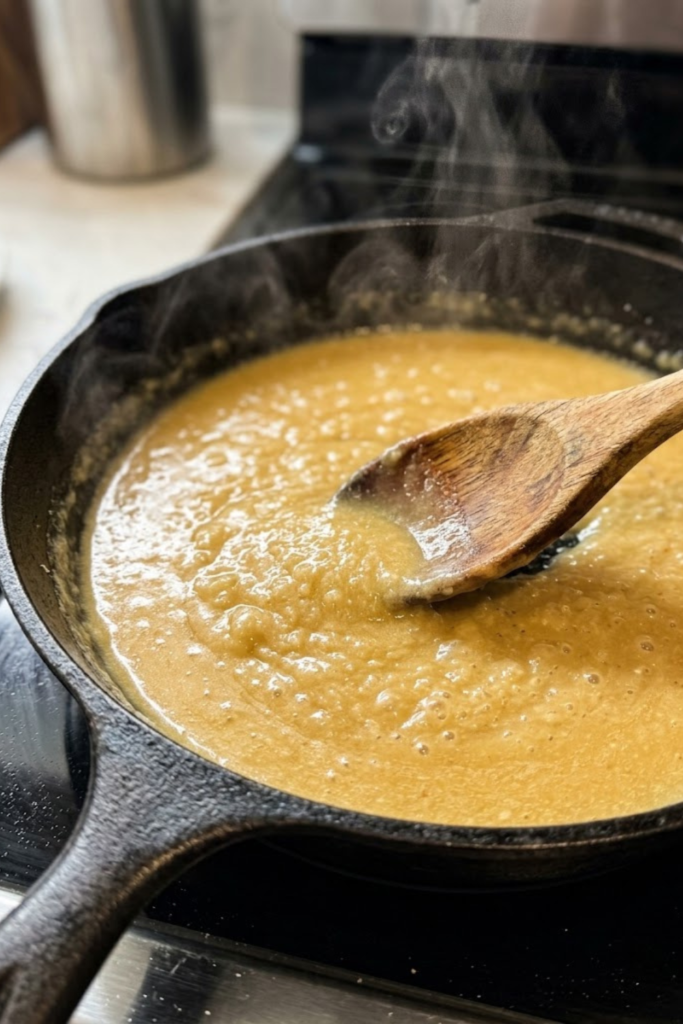
If you want to make a real shrimp etouffee, you have to start with the roux. This is basically just a mix of fat and flour, but it is the most important part of the entire dish. I tell my students all the time that if you mess up the roux, you might as well start over. For this recipe, we want a “blonde” roux. It is not as dark as what you would use for gumbo, but it is much darker than a basic white gravy. It takes a little bit of patience, but I promise you can do it if you just stay focused.
The Right Ratio of Fat and Flour
You need equal parts butter and all-purpose flour. I usually go with one stick of butter and about half a cup of flour. Some folks like to use oil because it has a higher smoke point, but butter gives it a rich taste that you just can’t get with anything else. Melt that butter down on medium-low heat. Once it starts to bubble, whisk in your flour. It will look like a thick paste at first. Keep that spoon moving! You want to cook out that raw flour taste. If you stop stirring, the flour will settle and burn on the bottom. I have had days where I got distracted by a phone call and ended up with a black, stinky mess. Don’t be like me.
Why Cast Iron is Your Best Friend
I always suggest using a heavy pan, like a cast iron skillet. This helps the heat spread out so you don’t get hot spots. If you use a thin pan, your roux will cook too fast in some places and stay raw in others. I have found that a flat wooden spoon or a silicone whisk works best to get into every corner of the pan. You want to make sure every bit of flour is moving at all times. If it stays still for too long, it is game over. A good skillet makes this whole thing much easier to handle.
Watching the Color Change
We are looking for a color that looks like a jar of peanut butter. This usually takes about fifteen to twenty minutes of constant work. It will start off pale, then go to a straw color, and finally hit that beautiful dark blonde. This stage gives the dish a deep, nutty smell. If you see black specks, that means you burned it. There is no saving a burnt roux. Just toss it, wash the pan, and start again. It is better to lose twenty minutes now than to ruin the whole meal later.
Don’t Walk Away From the Stove
Once it hits that perfect shade, you have to move fast. Have your chopped veggies ready to go nearby before you even start. Dumping the onions and peppers into the hot roux stops the cooking process immediately. The sizzle and the smell at this exact moment are the best part of the job. It makes all that hard work and stirring worth it!
Sourcing the Best Gulf Shrimp
Finding the right shrimp is the next big step for a great etouffee. I’ve learned the hard way that you can’t just grab any old bag from the freezer section and expect it to taste like the bayou. If you want that sweet, briny flavor that makes people reach for a third helping, you have to be picky about what you buy. You want the seafood to be the star of the show, so don’t settle for second best.
Fresh, Frozen, or Head-On?
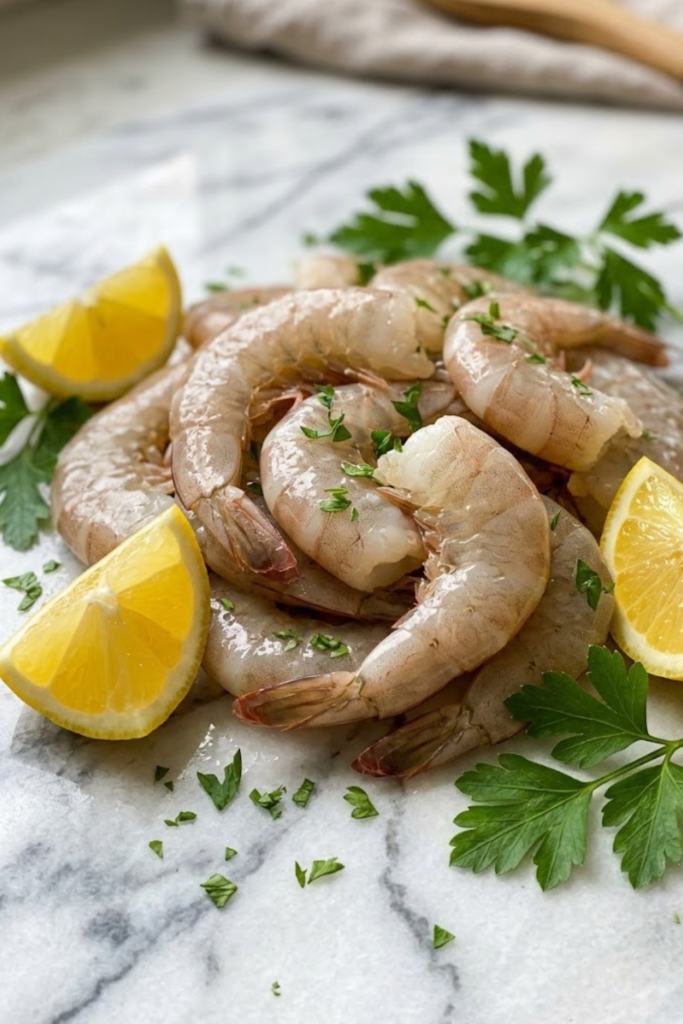
If you live near the coast, always go for fresh Gulf shrimp. They have a texture that just can’t be beat. But if you’re like me and live further inland, frozen is totally fine as long as it’s “flash-frozen” and raw. Please, whatever you do, stay away from the bags of pre-cooked pink shrimp. Those things turn into little rubber balls the second they hit the hot sauce. I made that mistake once for a potluck dinner, and I was so embarrassed. It was a total waste of money!
When you’re looking at the fresh stuff, give it a quick sniff. It should smell like clean salt water. If it smells like ammonia or just “fishy,” walk away and find a different store. Head-on shrimp are great because the heads have so much flavor, but they can be a bit of a mess to clean if you aren’t used to it.
Understanding the Numbers (21/25)
When you see numbers like 21/25 on the label, that just tells you how many shrimp are in a pound. For etouffee, I think the 21/25 size is the sweet spot. They are big enough to feel meaty but small enough to cook through quickly without getting tough. If you get the tiny ones, they disappear in the gravy. If you get the massive jumbo ones, they’re hard to eat with a spoon. I usually spend a few extra minutes peeling them myself. It’s a bit of a chore, but it makes a huge difference in the final texture of the meal.
The Secret Power of the Shells
One of the best tips I can give you is to save those shells! Don’t just toss them in the trash. I put mine in a small pot with some water, a bit of onion, and maybe a bay leaf. Let that simmer while you’re working on your roux. This quick “shrimp tea” adds so much more depth than just using plain water or chicken broth. It really brings that ocean flavor right into the middle of the dish. It only takes a second to do, and your taste buds will thank you for it later. This extra step is what makes a home-cooked meal taste like it came from a professional kitchen.
The Holy Trinity of Cajun Cooking
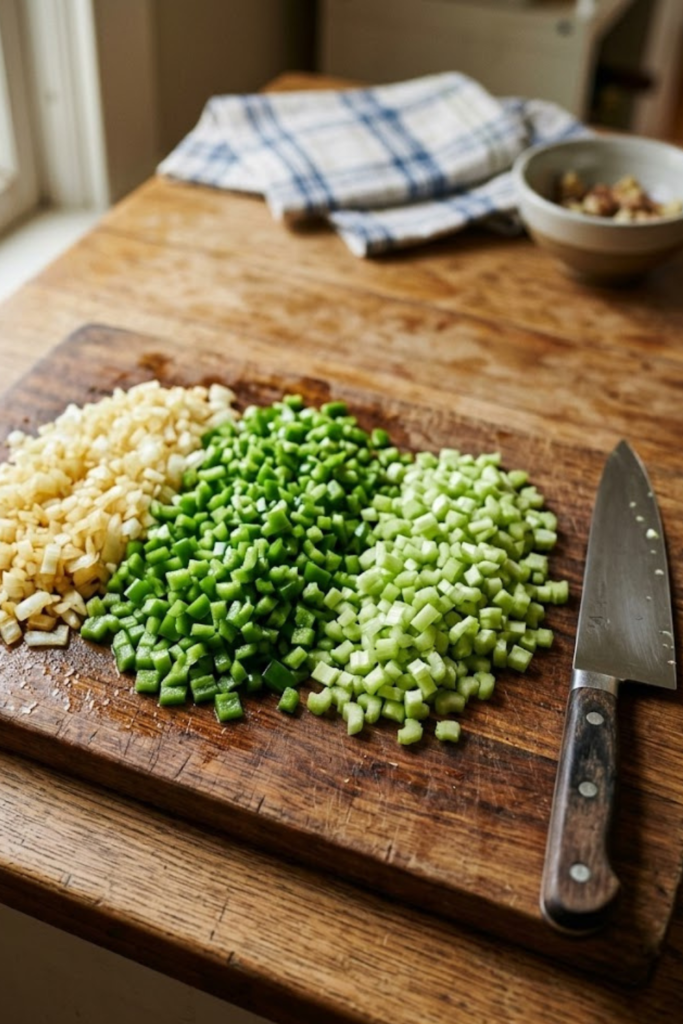
In Louisiana, we have a very special name for our base vegetables. We call it the “Holy Trinity.” It is not just a fancy term; it is the backbone of almost every savory dish we make down here. If you have ever walked into a kitchen in New Orleans and thought, “Wow, that smells like heaven,” you are probably smelling onions, celery, and green bell peppers hitting a hot pan. This mix is the starting point for gumbo, jambalaya, and of course, our shrimp etouffee. Without this foundation, the dish just doesn’t have that authentic soul that makes Southern food so famous.
Getting the Ratios Right
I always tell my students that balance is everything in the kitchen. For the Trinity, the standard rule is two parts onion to one part celery and one part green bell pepper. I like to chop my vegetables pretty fine so they almost melt into the gravy later on. You really don’t want giant chunks of crunchy celery floating in your smooth sauce. One time, a lady in my cooking class tried to swap out the green pepper for a sweet red one because she thought it looked “prettier.” I had to tell her, “Sure, it looks nice, but it is not the Trinity anymore!” The green pepper has a specific, sharp bite that balances out the sweet onions. Stick to the green ones for the real flavor.
Sautéing in the Hot Roux
Now, here is where the magic really happens. Once your roux has reached that perfect peanut butter color we talked about, you dump all those chopped veggies right into the hot skillet. It will make a loud sizzle and release a huge cloud of steam. This is actually a great safety move, because the moisture in the vegetables cools down the flour and stops the roux from getting any darker. You want to stir them around and cook them until they are soft and see-through. Don’t let them get brown or crispy! We are “smothering” them in the fat, which is exactly what etouffee means in French.
Adding the Garlic and Herbs
Once the Trinity is nice and soft, that is when I throw in the garlic. I usually use a lot of garlic—probably four or five cloves because I love the taste. But you have to be careful and wait until the very end. Garlic burns much faster than onions, and if it turns black, it gets bitter and ruins the whole pot of food. I also like to toss in some chopped green onions and a handful of fresh parsley at this stage. The smell in your kitchen at this exact moment should be incredible. It is that rich, savory scent that lets everyone in the house know that dinner is going to be amazing. This is the part of cooking where I usually start getting hungry!
I really hope this walkthrough helps you feel a lot more confident about making your own shrimp etouffee at home. It really is one of those meals that makes your whole house smell like a professional kitchen in New Orleans. I remember the first time I got the roux just right—I felt like I had finally earned my stripes as a cook! It’s all about taking your time and not rushing the heat. If you keep your eyes on that pan and keep that wooden spoon moving, you’re going to end up with a gravy that is silky, rich, and full of flavor. It’s a skill that takes a bit of practice, but once you get it, you’ll have it forever.
Don’t forget the big takeaways we talked about today. First, that blonde roux is your foundation. You want it to be the color of peanut butter, not dark chocolate like you’d use for a heavy stew. Second, get the best shrimp you can find. Fresh or flash-frozen raw shrimp are always better than those pre-cooked ones that get way too tough. Third, respect the Holy Trinity. Those onions, peppers, and celery are what give the dish its soul. And lastly, use those shrimp shells to make a quick stock if you can. It adds a layer of taste that plain water just can’t match.
In my kitchen, there isn’t a better feeling than seeing your family clean their plates. When you finally sit down to eat, make sure you have a big scoop of fluffy white rice ready. I like to sprinkle some extra green onions and maybe a dash of hot sauce on top of mine. My kids always fight over the leftovers the next day, though there usually aren’t many! This is a great meal for a Sunday afternoon when you have a little extra time to stand by the stove and enjoy the process. It’s pure comfort food that warms you up from the inside out.
I know some of these steps might seem a little scary at first, but just take it one step at a time. You’re going to do great! Cooking is all about having fun and sharing something special with the people you love. If you enjoyed this recipe and want to save it for your next dinner party, please share it on Pinterest! It helps other home cooks find these traditional flavors, and I’d love to see how your version turns out. Happy cooking, y’all!