Did you know that over 60% of home cooks say they struggle to get the “sauce” right in a curry? I’ve been there, trust me! I used to think you needed a million years to make a good shrimp coconut curry, but boy, was I wrong. In this guide, we’re gonna dive into how to make a meal that tastes like a vacation but fits into your busy Tuesday night. We will use fresh ginger, garlic, and rich coconut milk to make some real magic happen!
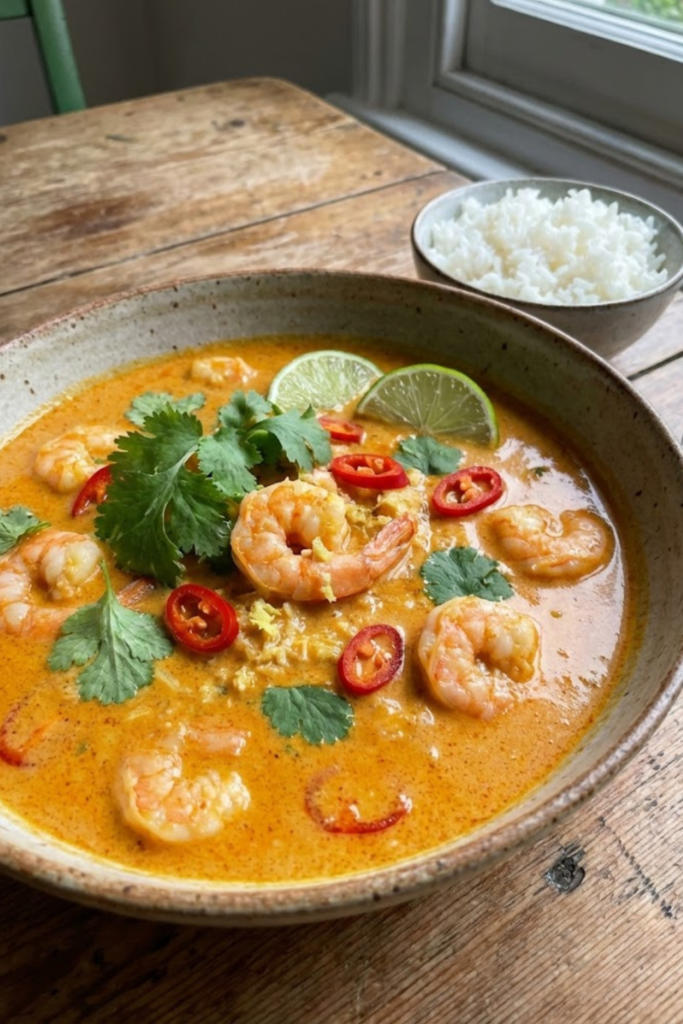
Picking the Perfect Shrimp for Your Curry
When I first started making shrimp coconut curry, I didn’t think much about the shrimp itself. I just thought any bag from the store would work. But after a few rubbery dinners that tasted more like bouncy balls than seafood, I realized that picking the right shrimp is the most important step. It is the foundation of the whole meal. If the shrimp isn’t good, all that expensive coconut milk and curry paste won’t save you. You want a bite that is snappy and sweet, not mushy or tough.
The Fresh vs. Frozen Myth
Most people think they need to go to a fancy fish market to get the “fresh” stuff. Here is a little secret I learned from a fishmonger: most of that fish was frozen on the boat anyway. Unless you live right on the coast, frozen is usually better. Why? Because they freeze them right after they catch them. This keeps the flavor locked in. When you buy “fresh” shrimp at the grocery store, they might have been sitting in that glass case for days. I always keep a bag in my freezer for a quick dinner. Just put them in a bowl of cold water for about 20 minutes, and they are ready to go.
Understanding the Size Count
When you look at the bag, you’ll see numbers like 16/20 or 31/40. This is just how many shrimp are in a pound. For a good shrimp coconut curry, I like the 21/25 size. They are big enough to feel like a real meal but small enough to fit on a spoon with some rice. If you get the really giant ones, you have to cut them in half to eat them, which is kind of annoying. If you get the tiny ones, they overcook in like thirty seconds and disappear into the sauce. Aim for that middle ground for the best results.
Cleaning and Prep
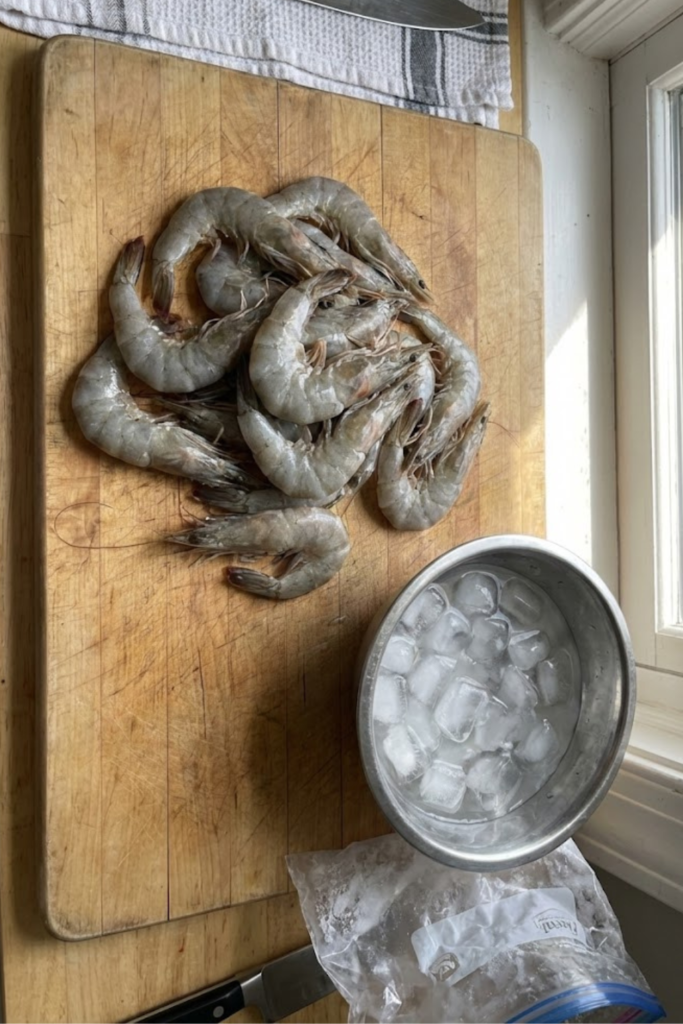
Cleaning shrimp is not my favorite chore, but it has to be done. If you have the time, buying them with the shell on can add more flavor to the sauce, but let’s be honest—we are all busy people. I usually buy them “EZ-peel” or already peeled and deveined. Just make sure the “vein” (which is actually the digestive tract) is gone. Nobody wants to eat sand or grit! If you leave the tails on, it looks pretty for pictures, but it makes it harder to eat. I usually pull the tails off before I toss them into the coconut milk so I can just dive in with a spoon.
The Secret to a Silky Coconut Sauce
Making a good sauce for your shrimp coconut curry isn’t just about dumping a can of milk into a pot and hoping for the best. I have had sauces that were way too thin, and even worse, I have had them look like they split and curdled. It’s all about the texture. You want that sauce to coat the back of your spoon like a thick, velvety blanket. If it is too watery, the rice just gets soggy and the whole meal feels a bit cheap. Getting that silky feel is what makes your friends and family think you spent all day in the kitchen.
Why Full-Fat is the Only Way
Let’s talk about the cans you see at the store. You will see “light” coconut milk and “full-fat” coconut milk. Please, for the love of good food, buy the full-fat one. I tried the light version once because I was trying to be a bit healthier, and it was basically just coconut-flavored water. It didn’t have that rich feel that makes a curry special. The fat in the coconut milk is what carries the flavor of the spices and the curry paste. Without it, the curry paste just tastes sharp and a little bit bitter. If you are worried about the calories, just eat a smaller bowl, but don’t ruin the sauce!
When to Add the Lime Juice
Another thing I learned the hard way is the timing of the lime juice. I used to squeeze the lime in right at the start while the milk was boiling. This was a big mistake. The acid in the lime can actually make the coconut milk separate if it boils for too long. Now, I always wait until the very end. Once I turn the stove off and the shrimp are pink and ready, I squeeze in that fresh lime. It brightens everything up and keeps the sauce perfectly smooth. It is like magic how much a little bit of citrus changes the whole vibe of the dish.
Balancing the Sweet and Spicy
Finally, you have to balance the tastes. A good shrimp coconut curry needs to hit all the spots: sweet, salty, and spicy. Most people forget the sugar. I usually add a teaspoon of brown sugar or honey. It doesn’t make it taste like a dessert; it just takes the edge off the heat from the curry paste. Then, I add a splash of fish sauce for that salty punch. I know fish sauce smells a bit weird when you first open the bottle, but trust me, it is the secret ingredient that makes it taste like it came from a real restaurant. Don’t skip it!
Common Mistakes I Made (So You Don’t Have To)
I have messed up a lot of meals in my time. Seriously, my family still talks about the “shrimp incident” of a few years ago where everything tasted like soap because I used too much lemongrass. I thought I knew what I was doing, but I made some really basic errors that ruined the whole vibe of the dinner. Making a shrimp coconut curry seems easy, and it is, but there are a few traps you can fall into if you aren’t careful. I want to share these with you so you can skip the frustration and go straight to the delicious part. Most of these mistakes happen because we are in a rush, but taking an extra minute here and there makes a huge difference in the final taste.
The Rubber Shrimp Disaster
The biggest mistake is overcooking the shrimp. I used to think that the longer they stayed in the boiling sauce, the more flavor they would soak up. I was wrong! Shrimp are tiny and delicate. If they boil for more than a couple of minutes, they turn into little rubber erasers. It’s hard to chew and honestly pretty gross. Now, I wait until the sauce is completely finished and tastes exactly how I want it. Then, I drop the raw shrimp in and turn off the burner. The heat that is already in the pot is enough to cook them through in about three minutes. This keeps them juicy and snappy.
Forgetting to Fry the Curry Paste
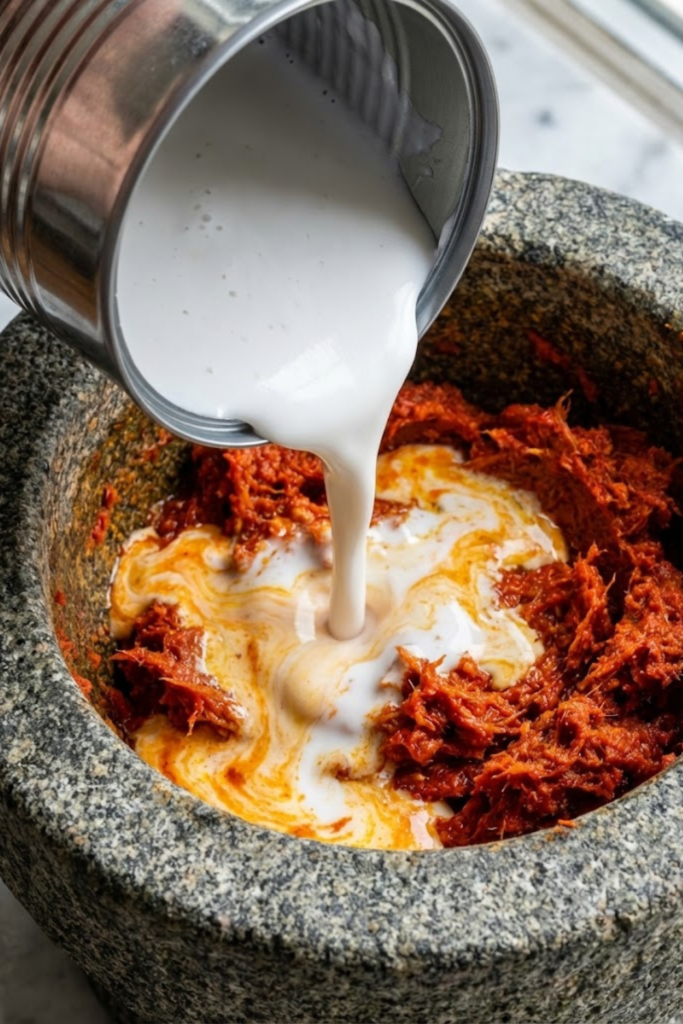
Another thing I did wrong for a long time was just stirring the curry paste into the cold coconut milk. Don’t do that! You need to “wake up” the spices in the paste. I learned to put a little bit of oil in the pan first and fry the paste for a minute or two until it smells really strong and starts to darken just a bit. This releases all the oils and flavors. If you just boil it in the milk, the curry tastes raw and kind of flat. It only takes sixty seconds, but it changes the whole depth of the dish. It’s a small step that most home cooks skip because they are in a hurry.
Being Lazy With the Ginger and Garlic
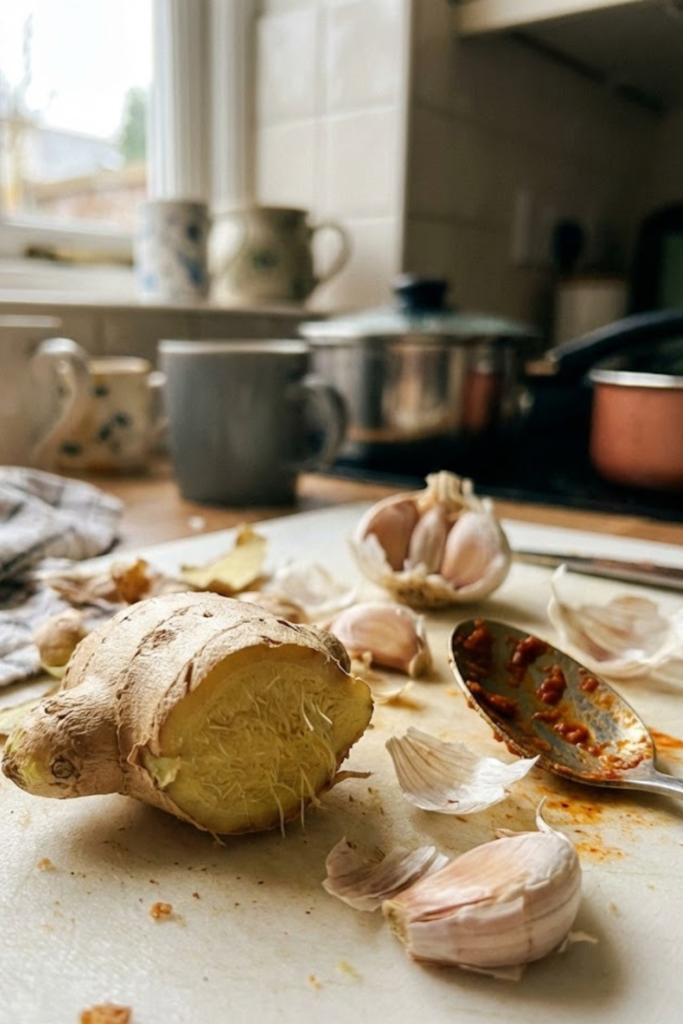
I used to be lazy and use that pre-minced garlic that comes in a jar with water. It’s convenient, sure, but it tastes like nothing compared to the fresh stuff. For a great shrimp coconut curry, you really need to grate some fresh ginger and smash a few cloves of fresh garlic. I know peeling ginger is a pain, but I just use the edge of a metal spoon to scrape the skin off. It is so much faster! If you use the old, dried spices from the back of your cabinet, your curry will taste like dust. Fresh aromatics give it that “zing” that makes your mouth water before you even take a bite. Don’t settle for the jars!
Serving Suggestions to Wow Your Guests
You’ve done the hard work of cooking the shrimp coconut curry, but now you have to figure out how to put it on a plate. I used to just dump it all in a big bowl and call it a day, but I’ve learned that people eat with their eyes first. If you spend twenty minutes making something taste amazing, you should take another two minutes to make it look like you actually know what you’re doing! Plus, the right sides can soak up all that extra sauce so you don’t waste a single drop. It’s all about creating a balance between the soft rice, the creamy curry, and some fresh, crunchy toppings.
The Perfect Base: Why Rice Wins
Usually, I go with jasmine rice. It has this nice floral smell that just fits perfectly with the coconut. If I’m feeling a bit lazy, I use the microwave bags, but stovetop is always better if you have the time. You want the rice to be fluffy, not a big clump of mush. If you are trying to eat fewer carbs, cauliflower rice is a decent swap, but I’ll be honest—it doesn’t soak up the shrimp coconut curry sauce quite as well as the real stuff. If you do go the veggie route, make sure you squeeze a little lime on the cauliflower first so it has some flavor of its own before you pour the curry over it.
Don’t Forget the Crunch
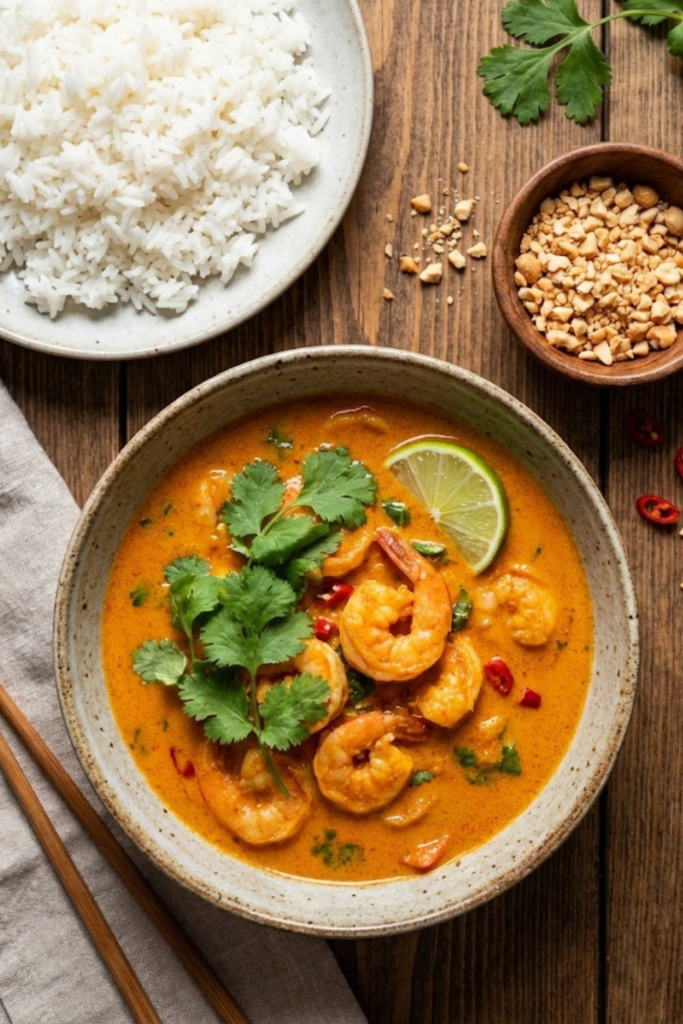
This is where I usually win over my guests. I love putting out small bowls of crushed peanuts or toasted cashews. It adds a texture that the dish is otherwise missing because everything else is so soft. One time, I forgot to put the peanuts on, and the whole meal felt a bit boring to chew. Now, I always keep a jar of roasted peanuts in my pantry just for this. A handful of fresh bean sprouts on top also adds a nice “snap” when you bite into it. It makes the meal feel way more special than just a basic stew from a pot.
Fresh Herbs and Lime
Finally, you need green stuff on top to make the colors pop. Fresh cilantro is the classic choice, but if you can find Thai basil at the store, it’s even better. It has a bit of a licorice taste that works so well with the spice. And always, always serve it with a big wedge of lime on the side. Letting people squeeze their own lime lets them control the sourness. It cuts through the heavy fat of the coconut milk and makes the whole shrimp coconut curry feel light and fresh instead of heavy on your stomach. It’s the final touch that makes it perfect!
Wrapping Up Your Curry Adventure
So, there you have it! Making a shrimp coconut curry isn’t some big secret that only professional chefs know. If I can go from burning toast to making a creamy, delicious curry that my friends actually ask for, then you can definitely do it too. I remember being so scared of using curry paste for the first time because I thought it would be way too spicy or that I would mess up the whole pot. But once you get the hang of it, you realize it is one of the most forgiving meals you can make. It’s fast, it’s warm, and it feels like a big hug in a bowl.
Why This Recipe Works for Busy People
The reason I keep coming back to this shrimp coconut curry is because it fits into real life. We are all busy, and nobody wants to spend three hours cleaning up a kitchen on a Tuesday night. Since this is basically a one-pot meal, the cleanup is super easy. Plus, because shrimp cook so fast, you aren’t standing over a hot stove for an hour. It’s the perfect thing to make when you get home late but still want something that tastes like you put in a lot of effort. Just remember the main things we talked about: use the full-fat coconut milk, don’t overcook those shrimp, and always use fresh ginger if you can find it.
Make the Recipe Your Own
Don’t be afraid to change things up a bit! If you have some frozen peas in the back of the freezer, throw them in. If you like things really spicy, add an extra spoonful of that red curry paste. Cooking should be fun, not a test you’re afraid of failing. I usually taste my sauce about five times before I even add the shrimp, just to make sure the salt and the lime are exactly where I want them. If it tastes good to you in the pot, it’s going to taste amazing on the plate. There are no “curry police” coming to your house to tell you that you did it wrong!
Share the Love on Pinterest
I really hope this guide helps you feel more confident in the kitchen. If you enjoyed making this or if you found my tips about the “rubber shrimp” helpful, please take a second to share this article on Pinterest! It really helps me out, and it helps other home cooks find an easy way to make a great dinner without getting stressed out. Just hit that share button and let your friends know that they can make a restaurant-quality shrimp coconut curry right at home. Happy cooking, and I can’t wait to hear how your dinner turned out!