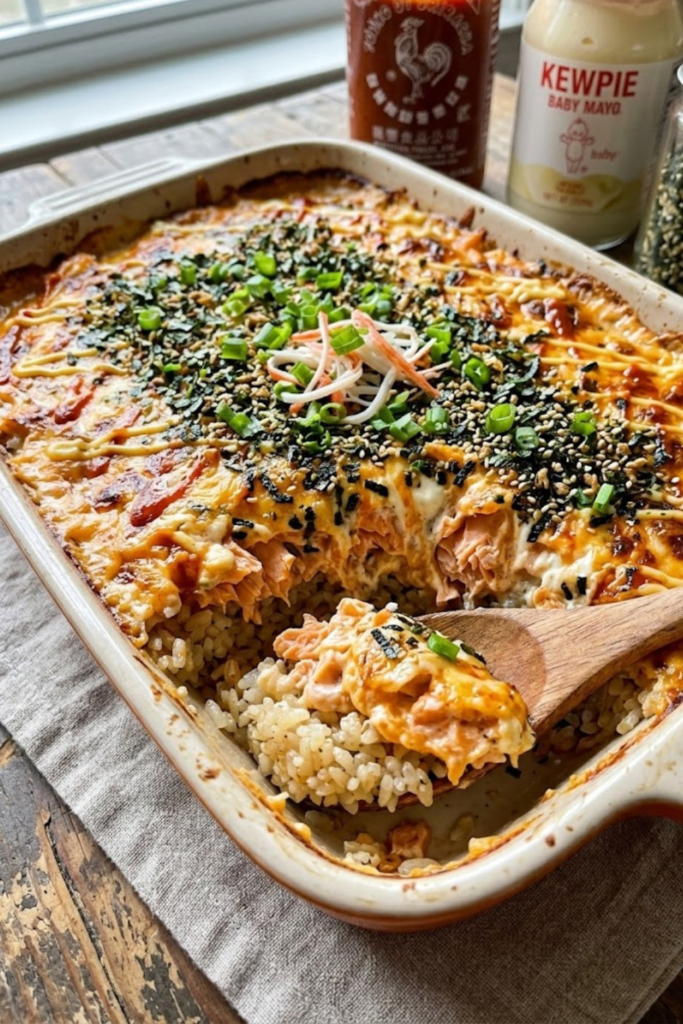
I really love sushi, but let’s be real, rolling it is a total pain! Did you know that the “sushi bake” trend actually started because busy home cooks wanted the flavor of a spicy salmon roll without the hour of prep work? It’s true! I remember the first time I tried to make traditional rolls for my family; it was a sticky, falling-apart disaster. Now, I just throw everything into a pan and call it a day. This salmon sushi bake casserole is like a giant, warm hug in a baking dish. It’s creamy, it’s a little spicy, and honestly, it’s way better than takeout. You’re going to love how the seasoned rice gets a little crispy on the bottom while the top stays melt-in-your-mouth soft!
Choosing the Best Fresh Salmon Fillets
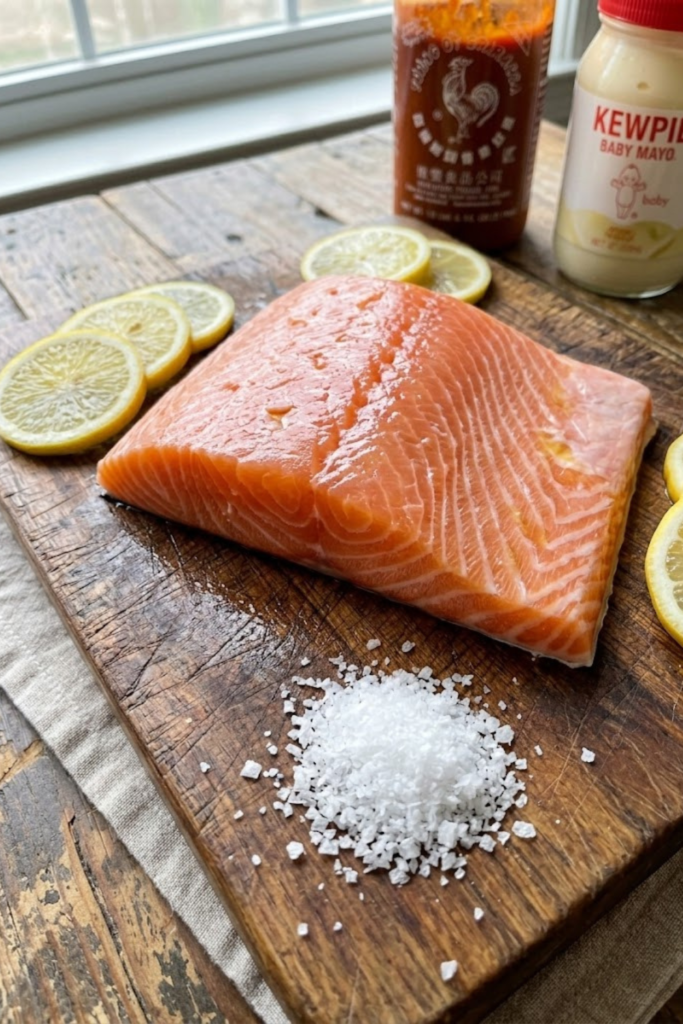
I have spent a lot of years in the kitchen, and if there is one thing I’ve learned, it’s that you cannot fix bad fish. If you start your recipe with salmon that is old or smells “fishy,” no amount of spicy mayo or cream cheese is going to save your sushi bake. Trust me, I have tried to hide it before, and it just doesn’t work! When you are standing at the seafood counter, it can feel a little bit confusing, but I always tell people to just take a second and look really closely. You want something that looks like it just came out of the water today.
Looking for the Right Color and Texture
You want salmon that is bright and looks very moist. If the fish looks dry or has weird brown spots around the edges, you should just walk away and pick something else. The flesh needs to be firm to the touch. If you press it with your finger, it should bounce right back up. If it leaves a permanent dent, that means the cells are breaking down and it is starting to get old. For a sushi bake, I usually try to buy the center-cut fillets because they are pretty much the same thickness all the way through. This helps the fish cook evenly so you don’t have one side dry and the other side raw.
The Importance of the Smell Test
This is probably the most important part of the whole process! Fresh salmon should not actually smell like “fish” in a bad way. It should smell like the cold ocean or maybe nothing at all. If you get a whiff of something sour or like ammonia, that is a huge red flag. I used to be really shy about asking the person behind the counter to let me smell the fish, but now I do it every time. It is the only way to make sure you are getting your money’s worth and keeping your family safe.
Atlantic vs. Wild Caught
You will see a few different options at the grocery store. Atlantic salmon is usually farmed and has a lot more fat, which makes it very buttery and hard to overcook. This is actually perfect for this casserole because that fat melts into the rice. Wild-caught salmon, like Sockeye, has a much stronger flavor and is a lot leaner. I usually stick with the farmed stuff for this specific dish because the extra oiliness mixes so well with the creamy toppings.
Removing the Bones and Skin
Once you get the fish home, you need to check for those tiny pin bones. I keep a pair of cheap kitchen tweezers in my drawer just for this job. Just run your finger down the middle of the fillet and you will feel them sticking up like little needles. Pull them out in the direction they are pointing so you don’t tear the meat. Also, I like to take the skin off before I bake it. Having soggy fish skin inside a rice casserole is not a very good texture, so it’s better to just get rid of it at the start.
Preparing the Perfect Vinegared Sushi Rice Base
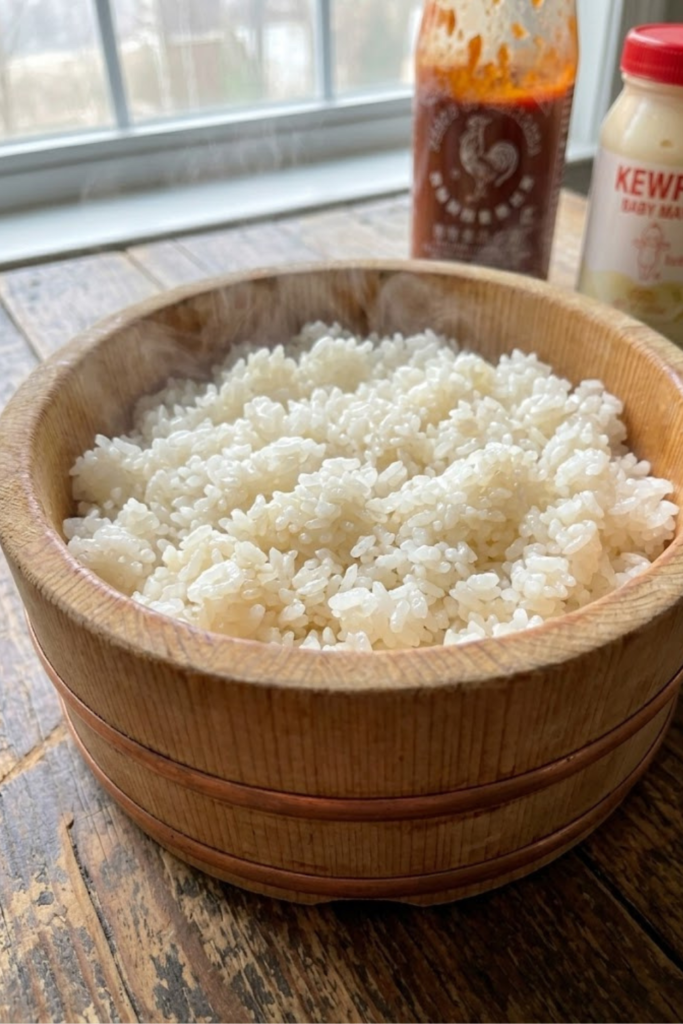
The rice is really the foundation of this whole dish. If you don’t get the rice right, the rest of the toppings won’t matter because the casserole will just fall apart when you try to scoop it. I learned this lesson the hard way a few years ago when I tried to use some leftover long-grain rice I had in the pantry. It was a total mess! The rice needs to be sticky enough to hold up the heavy salmon but soft enough to melt in your mouth.
Why Short-Grain Rice Is Essential
You absolutely have to use short-grain Japanese rice or something labeled as “Calrose” rice. I’ve seen people try to use Jasmine or Basmati rice, but those grains are too individual and dry. They don’t have the starch needed to stick together. Think of the rice like the glue for your casserole. When you use the right kind, it creates a solid base that stays together even when you lift it with your seaweed sheets. It makes the whole eating experience much cleaner and easier.
Washing Away the Extra Starch
Before you even turn on your rice cooker, you have to rinse the rice. This is a step a lot of people skip because they are in a hurry, but please don’t do that! I usually put my rice in a bowl and run cold water over it, swirling it with my hand. The water will look very milky at first. That is just extra starch that will make your rice gummy if you leave it there. I pour the water out and repeat this about four or five times until the water is mostly clear. This makes sure the rice is fluffy and light instead of a sticky blob.
Making the Sweet and Tangy Seasoning
While the rice is cooking, I get my vinegar mixture ready. This is what gives the dish that “sushi” flavor. I mix rice vinegar with a bit of sugar and a pinch of salt. You want to stir it until the sugar is totally gone. The trick is to fold this mixture into the rice while it is still steaming hot. If the rice cools down too much, it won’t soak up the flavor correctly. Use a wooden spoon and a folding motion so you don’t mash the grains into a paste.
Pressing the Rice Into the Pan
Once your rice is seasoned and smelling amazing, it’s time to put it in the baking dish. I like to lightly grease my 9×13 pan so nothing sticks. When you spread the rice out, don’t just toss it in. You need to press it down firmly with the back of a spoon or a spatula. You want a flat, even layer that is about an inch thick. This creates a sturdy “crust” that gets a little bit toasty in the oven, which provides a great contrast to the creamy salmon we are going to put on top.
Nailing the Creamy Spicy Mayo Topping
This is the part that makes everyone go back for seconds. The topping is where all that rich, spicy flavor lives. I’ve seen some people just throw some fish on rice and call it a day, but that’s not a real salmon sushi bake casserole. You need that creamy layer to tie everything together. It acts like a blanket for the fish, keeping it juicy while it’s in the oven. Plus, who doesn’t love a bit of spice? I find that getting the sauce right is the secret to making this dish taste like it came from a high-end restaurant without the high-end price tag.
Why Kewpie Mayo Makes a Huge Difference
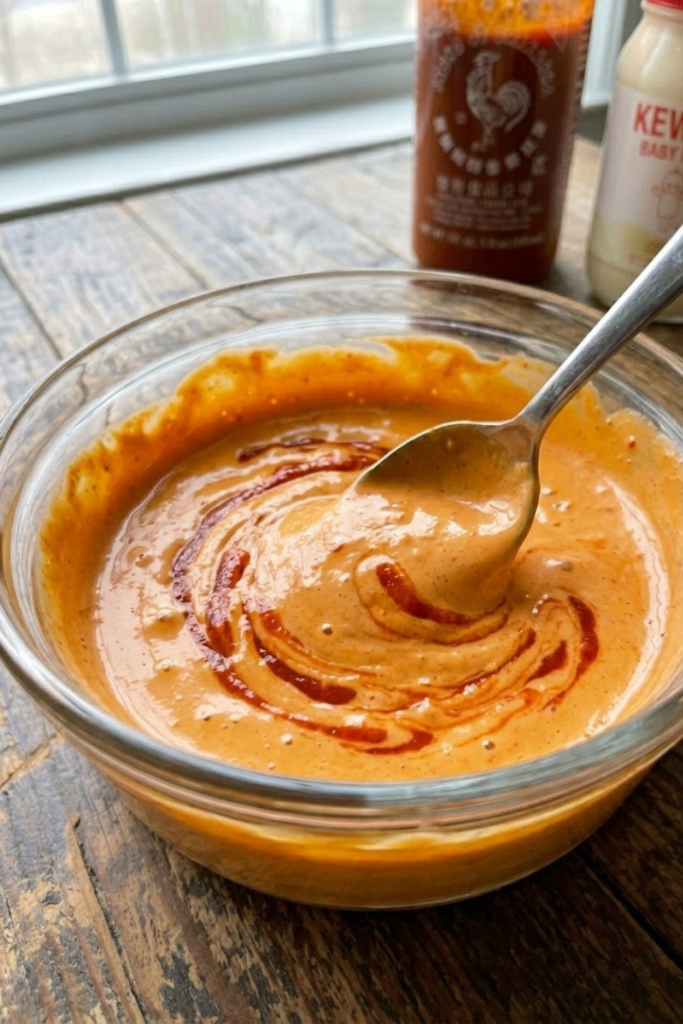
If you haven’t tried Kewpie mayo yet, you are really missing out. It comes in a soft squeeze bottle with a little red baby on the front, and it is way better than the regular mayo we usually buy for turkey sandwiches. It’s made with only egg yolks instead of whole eggs, so it’s extra yellow and very rich. I tried using the normal mayo once because I was out of the Japanese kind, and it just tasted too vinegary and thin. If you want that authentic taste, look for the bottle in the Asian aisle. It has a deeper flavor that really makes the salmon pop.
Softening Your Cream Cheese
One mistake I see a lot of my friends make is trying to mix cold cream cheese. If you take it straight from the fridge, you’ll end up with little white chunks in your sauce that won’t melt right. I usually take my cream cheese out of the box about an hour before I start cooking so it gets soft. If it’s soft, it blends perfectly with the mayo and sriracha. It creates this silky texture that just coats every single piece of salmon. If you’re in a hurry, you can pop it in the microwave for ten seconds, but be careful not to melt it into a puddle!
Controlling the Heat with Sriracha
Now, let’s talk about the spice. Sriracha is the classic choice here, but you have to be careful with how much you pour. I remember one time I was talking to my neighbor while mixing the sauce and I accidentally squeezed way too much into the bowl. My kids were drinking gallons of water at dinner that night! I always start with just a tablespoon and taste it as I go. You want a little kick, but you don’t want to burn your tongue off. You can always add more later, but you can’t really take it out once it’s mixed in.
Adding the Furikake Crunch
Before the pan goes into the oven, I always do a heavy sprinkle of furikake. If you aren’t sure what that is, it’s a mix of dried seaweed, sesame seeds, and sometimes a little sugar or salt. It adds this amazing crunch and savory flavor that you find in actual sushi rolls. I like to be very generous with it. Sometimes I even add a second layer halfway through because my family loves that toasted seaweed taste so much. It really finishes the dish and makes it look like you spent all day on it.
Serving with Roasted Seaweed and Nori Sheets
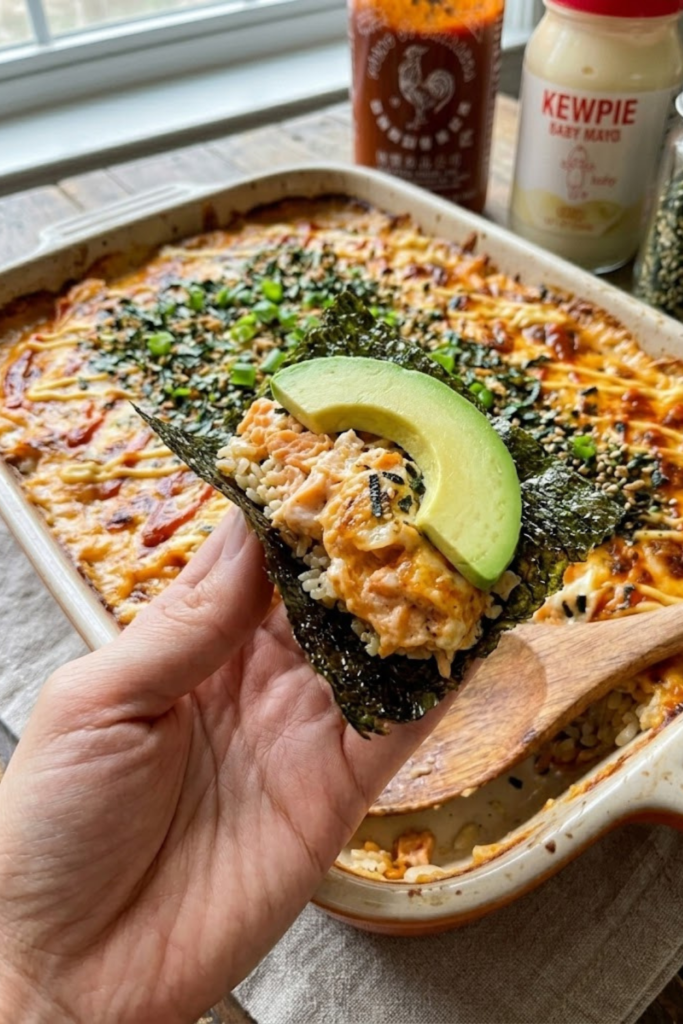
When that oven timer finally dings and your whole house smells like a delicious Japanese restaurant, you might want to just grab a fork and start eating right out of the pan. But hold on! You really need to eat this the right way to get the best flavor. This isn’t like your typical Sunday night chicken casserole where you just scoop it onto a plate and call it good. To really enjoy a salmon sushi bake casserole, you have to use the seaweed. The seaweed gives you that salty, crunchy taste that makes it feel like real sushi. I always grab those little snack-sized packs of roasted nori because they are the perfect size for one big bite.
The Best Way to Scoop Your Sushi
To get started, just take a single square of the nori and lay it in your hand. Then, you take a nice spoonful of the warm rice and salmon and drop it right in the center. I like to tell my students that it’s like making a tiny taco for your mouth. You have to be careful not to put too much in there, or the seaweed will snap and you’ll have rice all over your lap! The heat from the rice makes the seaweed just a little bit flexible, which makes it easier to fold and pop into your mouth. It’s a very satisfying way to eat and kids usually love it.
Adding Freshness with Cold Toppings
Since the bake is very rich and creamy, I always put out some cold toppings to balance things out. I usually slice up a whole avocado because that extra creamy texture is just so good. I also like to cut some cucumber into very thin matchsticks. The cool, crisp snap of the cucumber is a great break from the warm mayo and cheese. If you want to be fancy, you can even put out some sliced green onions or a little dish of soy sauce for dipping. It keeps every bite feeling fresh instead of too heavy or greasy.
What to Do with Leftovers
On the rare occasion that we have some left over, I make sure to store it correctly so it doesn’t get ruined. Put the extra casserole in a plastic container and stick it in the fridge, but make sure you keep the seaweed sheets in a dry spot on the counter. If seaweed gets even a little bit of moisture from the fridge, it turns into a chewy mess that isn’t fun to eat. When you want to eat it the next day, I think the air fryer is your best friend. Just a few minutes in there will make the rice on the bottom get nice and toasted again, almost like a snack.
A Fun Way to Feed Your Friends
I really like making this when people come over because it’s a very social meal. I just put the big baking dish right in the middle of the table and let everyone help themselves. It’s way more fun than just handing someone a pre-made plate. People love picking their own toppings and making their little rolls while we sit and talk. It makes the dinner feel like a special event instead of just another boring meal. Plus, I only have to wash one big pan at the end of the night, which is a huge win for me!
Wrapping Up Your Salmon Sushi Bake Casserole Journey
Well, we have finally reached the end of our cooking adventure! I really hope you feel ready to get into the kitchen and try this salmon sushi bake casserole for yourself. When I first started teaching my friends how to make this, they were always worried that it would be too hard. But as we saw today, it is really just about taking things one step at a time. If you can boil rice and stir some sauce, you can make a dinner that looks like a masterpiece. It is one of those meals that makes you feel like a pro even on a Tuesday night when you are tired from work.
Just remember that the quality of your fish is the most important part. I can’t say it enough—go talk to the person at the fish counter and get the freshest salmon you can find. It makes a world of difference in the final taste. And don’t forget to take that extra time to wash your rice! It might seem like a small thing, but that clear water is the secret to getting the perfect texture that stays together on your seaweed sheets. If the rice is right and the fish is fresh, the rest is just the icing on the cake.
I also want to remind you to have fun with the toppings. This recipe is very flexible. If you don’t like it too spicy, just use less sriracha. If you love avocado, put a whole one on there! That is the best thing about cooking at home—you get to be the boss of your own kitchen. I love seeing my family light up when I bring this big, steaming pan to the table. It is much better than just ordering a pizza again. It feels special, but it doesn’t take three hours to clean up afterwards.
If you enjoyed making this or if it helped you solve the “what’s for dinner” problem this week, please share it on Pinterest! I love seeing photos of how your bakes turned out. Sharing it helps other busy families find easy and healthy recipes that actually taste good. Plus, it is a great way to save the instructions so you can find them the next time you have a sushi craving. Thank you so much for following along with me today. Happy cooking, and I hope every bite is as delicious as you imagined!