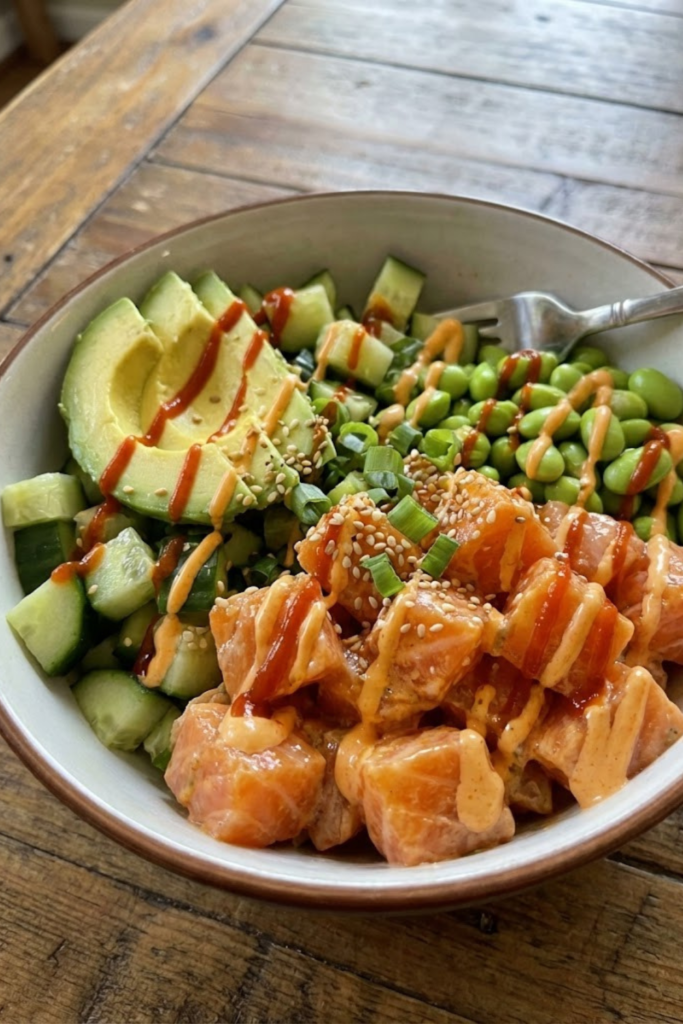
Did you know that poke bowl consumption has jumped by nearly 25% in the last two years? I totally get why! There is something so satisfying about a bowl filled with fresh fish and crunchy veggies. I remember the first time I tried a salmon poke bowl with spicy mayo at a little shack by the beach.
It changed my life! The cool salmon mixed with that creamy, zesty sauce is just heaven in a bowl. Today, I’m going to show you how to recreate that magic in your own kitchen using simple ingredients like sushi-grade fish, avocado, and sriracha.
Selecting the Best Salmon for Your Poke Bowl
I remember the first time I tried to make a poke bowl at home. I just went to my local grocery store and grabbed the first piece of salmon I saw sitting in the plastic wrap. That was a big mistake! It didn’t taste right and honestly, it made me a bit nervous to eat it raw. Since then, I’ve learned a lot about what to look for so you don’t end up with a bad meal. You really have to be picky here because the fish is the star of the show and you want it to be perfect. If the fish is bad, the whole bowl is ruined, no matter how much spicy mayo you put on it.
What Does Sushi-Grade Actually Mean?
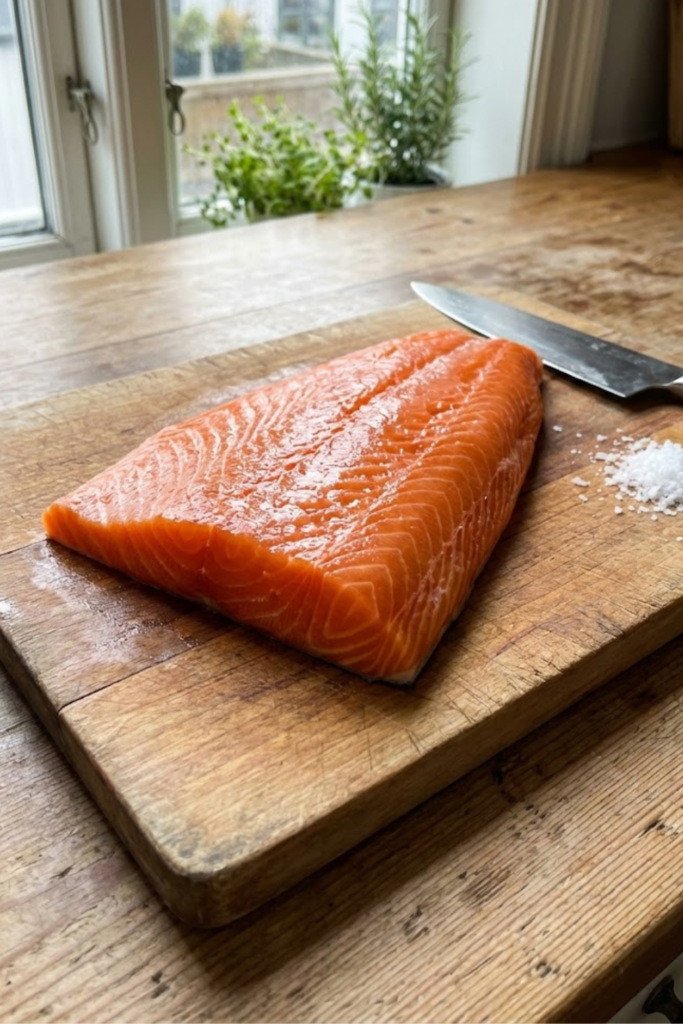
When you are at the store, you want to find fish that says “sushi-grade” or “sashimi-grade.” Now, there isn’t actually a government rule about this label, but it usually means the seller thinks it’s safe to eat raw. Most of the time, this fish has been “flash frozen” at very cold temperatures to kill any tiny parasites. I always ask the person behind the counter, “Hey, is this safe for poke?” If they look confused or hesitate, I just don’t buy it. It’s much better to be safe than sorry when you are dealing with raw seafood. I usually look for King salmon because the flavor is so rich and buttery.
Use Your Senses to Pick a Winner
You can tell a lot just by looking and smelling. Fresh salmon should be a bright, vibrant pink or deep orange color. If it looks dull or has weird dark spots, leave it right there. Also, look at those little white lines of fat. They should be bright white, not yellowish or oily. One trick I use is to look at the liquid in the tray or display. If there is a lot of milky, cloudy liquid, that fish is getting old. And the smell is the biggest giveaway! It should smell like the ocean, maybe a bit salty, but never “fishy.” If it smells like old gym socks, it is definitely not going in your bowl.
Talk to Your Local Fishmonger
I really like going to a real fish market instead of a giant supermarket. The people there usually know exactly when the fish came in. I’ll ask them which day they get their fresh shipments. If they tell me they get new stock on Tuesday, then I am making poke on Tuesday night. It makes a huge difference in the taste and the texture. You want the meat to feel firm when you press it, not mushy like play-dough. Always keep it on ice until the second you are ready to chop it up! This keeps everything safe and tasting great.
Making the Perfect Spicy Mayo Sauce
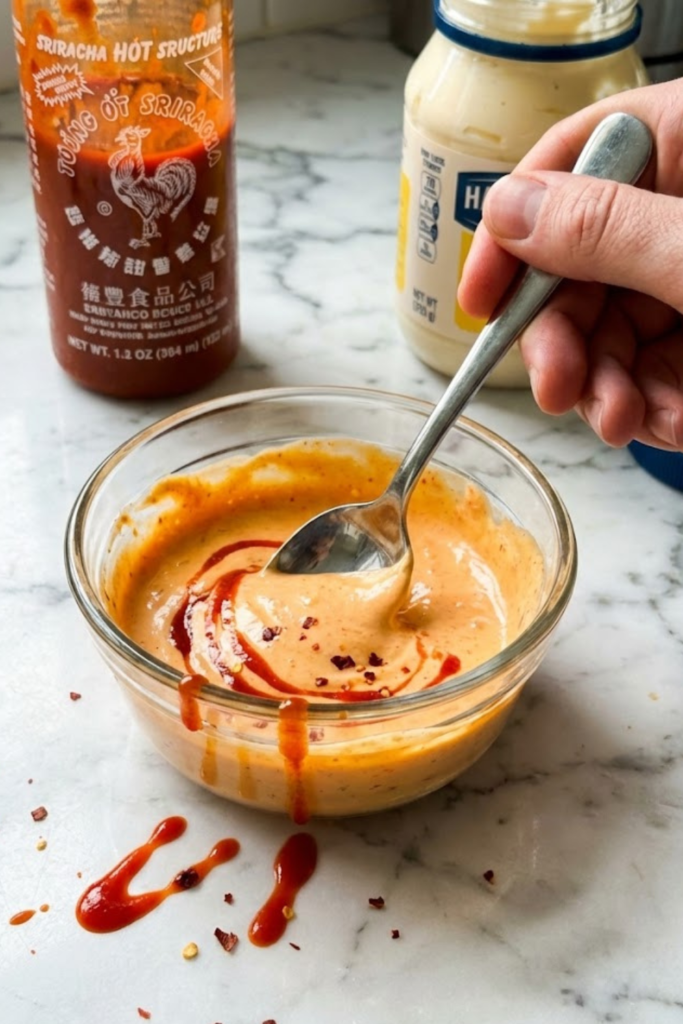
This is where the magic really happens. A salmon poke bowl with spicy mayo isn’t much of a meal without that creamy, zingy kick to tie everything together. I used to think I could just buy a bottle of pre-made spicy sauce from the store, but honestly, it’s never quite the same. Making it yourself lets you control exactly how much your tongue burns! I’ve spent many nights in my kitchen trying to get this mix just right. One time I used way too much chili sauce and my husband couldn’t stop drinking milk for an hour. We still laugh about that, but now I have a simple system that works every single time without any surprises.
Why Japanese Mayo Changes Everything
Most people just reach for the regular mayo in the big plastic jar that they use for potato salad. Don’t get me wrong, that stuff is great for a sandwich, but for an authentic poke bowl, you really need to try Kewpie mayo. This is a Japanese style of mayo that is made with just the egg yolks instead of the whole egg. It makes the sauce much more yellow and way creamier than the American version. It also has a little bit of a savory taste that makes the fish flavor stand out. If you can’t find it at your local grocery store, check the Asian food aisle. It usually comes in a soft, squishy bottle with a red cap and a little baby on the front. It really makes the sauce feel like it came from a professional kitchen.
Finding Your Perfect Heat Level
The main heat for this sauce comes from Sriracha. I usually start with a ratio of about three spoonfuls of mayo to one spoonful of Sriracha. If you like things really hot, you can go half and half, but you should be careful! It is much easier to add more spice later than it is to fix a sauce that is already too hot. I like to use a small whisk or even just a fork to get it really smooth. You want the color to be a nice, even orange color all the way through. If you still see white streaks of mayo, keep mixing. I usually make a big batch and keep it in a small jar in the fridge because the flavor actually gets better after it sits for a bit.
Little Add-ins for Extra Flavor
To make your sauce really stand out, you can add a tiny bit of toasted sesame oil. You only need a couple of drops because that stuff is very strong! It gives the sauce a nutty smell that goes perfectly with the raw salmon. A quick squeeze of fresh lime juice also helps cut through the heavy fat of the mayo and makes it taste fresh. If you find the sauce is a bit too spicy for the kids, a tiny drop of honey or a pinch of sugar can help balance out the heat. I also like to add a tiny splash of soy sauce for a salty finish. Just play around with the ingredients until it tastes exactly how you want it. This sauce is so good you might want to put it on everything!
Prepping Your Rice and Fresh Toppings
Rice is the foundation of the whole meal, so you really can’t rush it. I used to think all white rice was basically the same, but boy was I wrong! One time I tried making this with long-grain Basmati rice because that’s all I had in the pantry. It was a complete disaster. The rice was too dry and just fell apart, so I couldn’t pick up the fish and rice together in one bite. It felt more like a salad gone wrong than a real poke bowl. Now, I always make sure I have the right kind of sticky rice before I even buy my salmon. It makes the whole experience feel way more like a treat from a fancy restaurant.
Picking the Best Base for Your Bowl
For a classic taste, you really need short-grain sushi rice. It has a high starch content, which is what makes it sticky enough to hold onto your toppings. If you are trying to be a bit healthier, you can use brown rice or even quinoa, but just know the texture will be different. I’ve found that if I use brown rice, I need to add a little more sauce because it’s a bit drier. Some people even use cauliflower rice if they are watching their carbs, which works okay, but it doesn’t quite give you that satisfying “chew” that real rice does. I usually stick with the white sushi rice because it reminds me of being on vacation.
How to Season Your Rice Like a Pro
Once your rice is cooked, you don’t just leave it plain. That is a mistake I made for years! You need to season it while it is still warm. I mix a little bit of rice vinegar with a spoonful of sugar and a pinch of salt. I heat it up in a tiny pot until the sugar melts, then I drizzle it over the rice. You want to “fold” the rice gently with a wooden spoon so you don’t mash the grains. This gives the rice a tangy, sweet flavor that goes perfectly with the fatty salmon and the spicy mayo. It makes the whole bowl taste much more professional.
Choosing Toppings for Crunch and Color
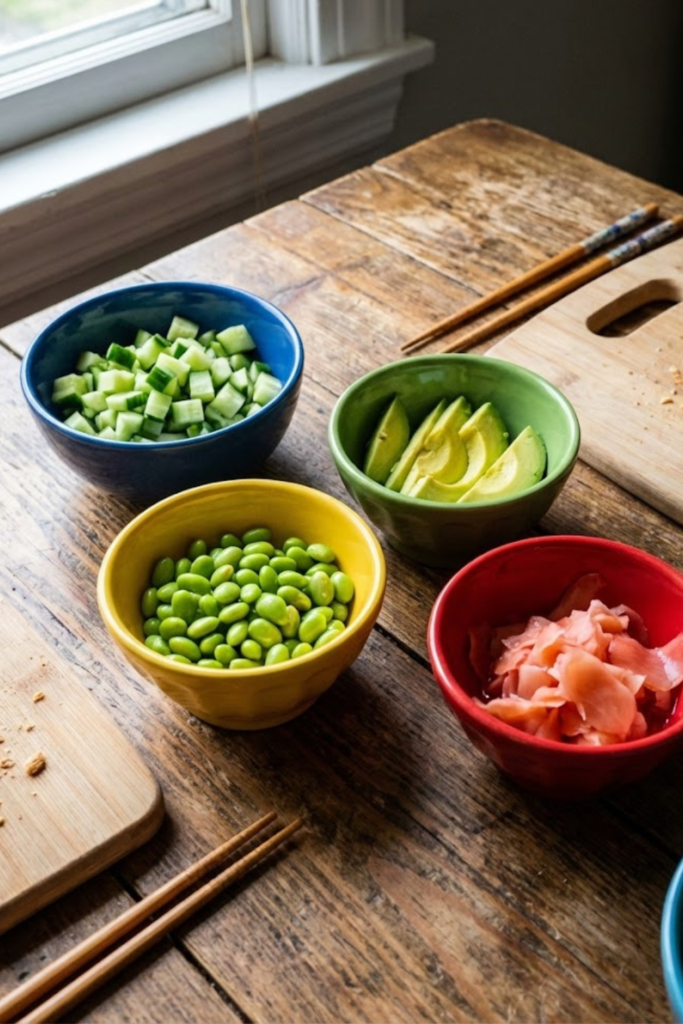
The toppings are where you can really get creative. I always start with a ripe avocado because that creamy texture is a must-have. Then I add some sliced English cucumbers for a fresh crunch. I also love keeping a bag of frozen edamame in my freezer; I just thaw a handful in warm water and pop them out of their shells. To finish it off, I add something crunchy like toasted sesame seeds or those crispy fried onions you find in a can. It adds a nice layer of texture so every bite isn’t just soft. Don’t forget a little bit of seaweed or nori strips to give it that authentic ocean flavor!
Bringing the Aloha Spirit Home
So, that is how you make a salmon poke bowl with spicy mayo right in your own kitchen. I know it seems like a lot of steps when you first look at the list, but once you do it once, it gets much easier. I usually have the whole thing ready in about thirty minutes now. It is one of those meals that makes you feel really good after you eat it, unlike a heavy burger or a greasy slice of pizza. I love how the cold fish and the warm rice mix together in every bite. It’s like a little party in your mouth! My husband says it tastes just like the ones we had on our anniversary trip, and that makes me feel pretty good about my cooking skills.
One thing I’ve started doing is making “poke night” a regular thing at our house. I put all the toppings in different bowls on the table and let everyone build their own. The kids actually eat their vegetables when they get to choose which ones go in! It saves me a lot of time and there is hardly any cleanup since I’m not using five different pans. Just one pot for the rice and a cutting board for the fish and veggies. If you have leftovers, they make a great lunch the next day. Just a quick tip: I would suggest keeping the fish and the rice in separate containers so the rice doesn’t get too hard in the fridge.
If you are feeling brave, you can try different fish like tuna or even cooked shrimp if you aren’t sure about the raw stuff yet. The spicy mayo goes good with almost anything. I’ve even used the leftover sauce as a dip for carrot sticks or on top of a fried egg in the morning. Don’t be afraid to mess up a little bit. That is how we all learn to be better cooks. My first few bowls were a bit of a mess, but they still tasted great because the ingredients were fresh.
I really hope this guide helps you feel more confident about making sushi-style food at home. It’s a fun way to bring some new flavors to your family without having to spend a ton of money at a fancy restaurant. If you enjoyed this recipe and found my tips helpful, please share it on Pinterest! It helps other people find these easy recipes and I would really appreciate the support. Happy eating!