Did you know that over 70% of home cooks feel intimidated by cooking fish at home? I used to be one of them! For years, I’d overcook my fillets until they were as dry as a desert. But then I discovered the magic of salmon pasta with creamy lemon sauce. It is a total game-changer! Honestly, if you can boil water and stir a pan, you can make this. It’s zesty, rich, and feels so fancy without the stress. I’ve made this for grumpy toddlers and picky in-laws, and it never fails to impress!
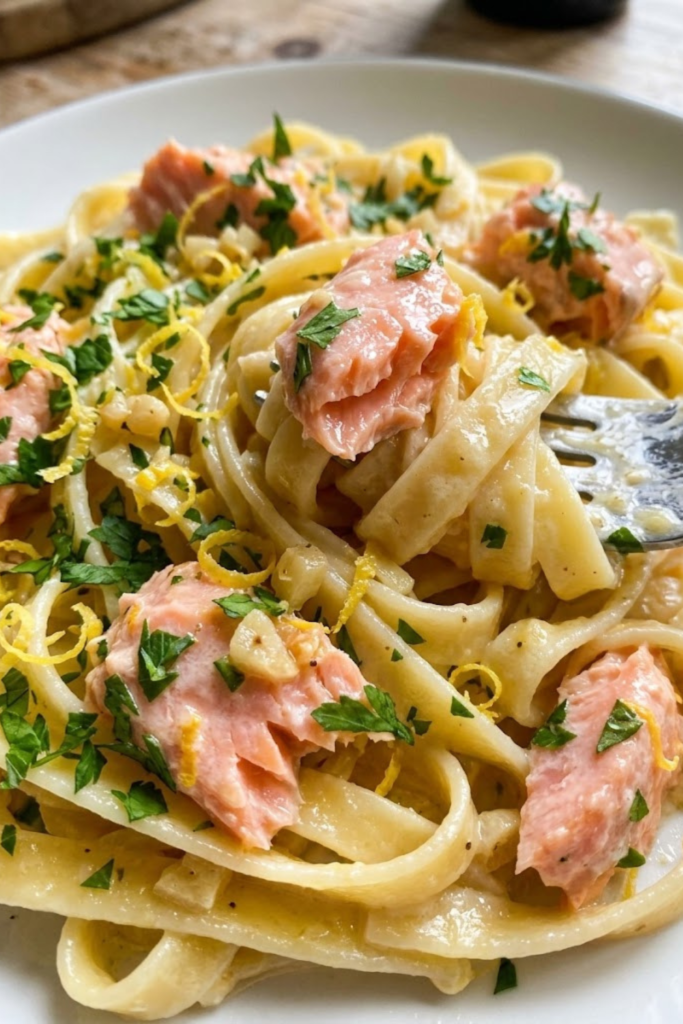
Choosing the Right Salmon for Your Pasta
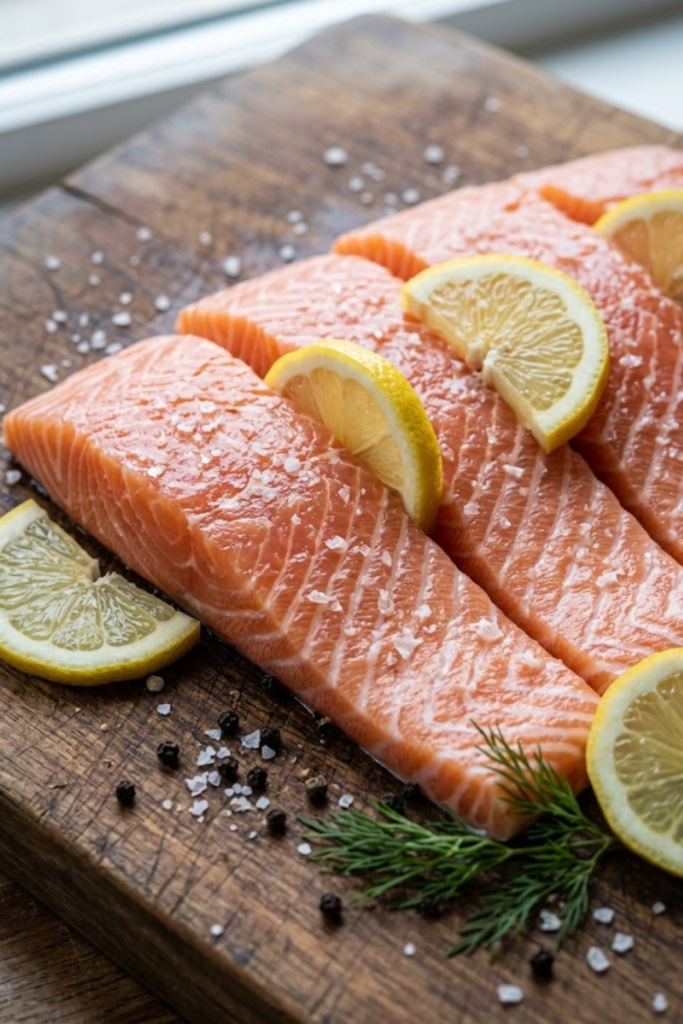
Let’s talk about the fish. When I first started making this salmon pasta with creamy lemon sauce, I just grabbed whatever was on sale at the grocery store. That was a big mistake! One time I bought this “fresh” salmon that looked okay under the bright store lights, but when I got home and opened the plastic, it smelled like a wet pier. That’s when I learned that picking the right fish is the most important part of the whole meal. You want something that stays juicy while you cook it. If the fish is bad, the whole pasta dish is going to taste off, no matter how much lemon or cream you throw at it. I’ve learned some lessons the hard way so you don’t have to!
Should You Go Fresh or Frozen?
A lot of people think fresh is always better, but that is not always true. Unless you live right by the ocean and see the boats come in, “fresh” fish in the glass case might have been sitting there for a few days already. I actually prefer buying the frozen fillets that come in those vacuum-sealed bags. They are flash-frozen right on the boat, so they stay really good. Just make sure you thaw them out in the fridge the night before. Don’t try to rush it by putting them in the microwave or using hot water. That makes the edges cook and turns the fish into a weird mush. Trust me, I’ve tried to rush it and it never ends well.
Wild Caught or Farmed?
Then there is the choice between wild-caught and farmed salmon. I have tried both in this recipe. Wild salmon, like Sockeye or King, has a really strong flavor and is usually much leaner. It is great, but you have to be careful because it cooks very fast and can get dry. Farmed salmon, like Atlantic salmon, has more fat. In a creamy sauce like this, that extra fat makes the fish feel like butter in your mouth. It is more forgiving if you leave it in the pan for an extra minute while you’re busy draining the pasta. I usually go with Atlantic salmon for this specific meal because it blends so well with the heavy cream.
Dealing with the Skin
Lastly, think about the skin. I usually buy skinless fillets to save myself the extra work. But if you have skin-on salmon, don’t worry about it too much. I just lay the fish flat on my board and use a sharp knife to slide it right off. Or, you can sear the whole fish skin-side down first until it is crispy, then the meat usually just flakes right off the skin with a fork. It is way easier than trying to be some professional butcher. Just make sure you cut the salmon into bite-sized cubes before you toss them in the sauce. This way, every single forkful of pasta has a nice bit of fish.
Secrets to the Perfect Creamy Lemon Sauce
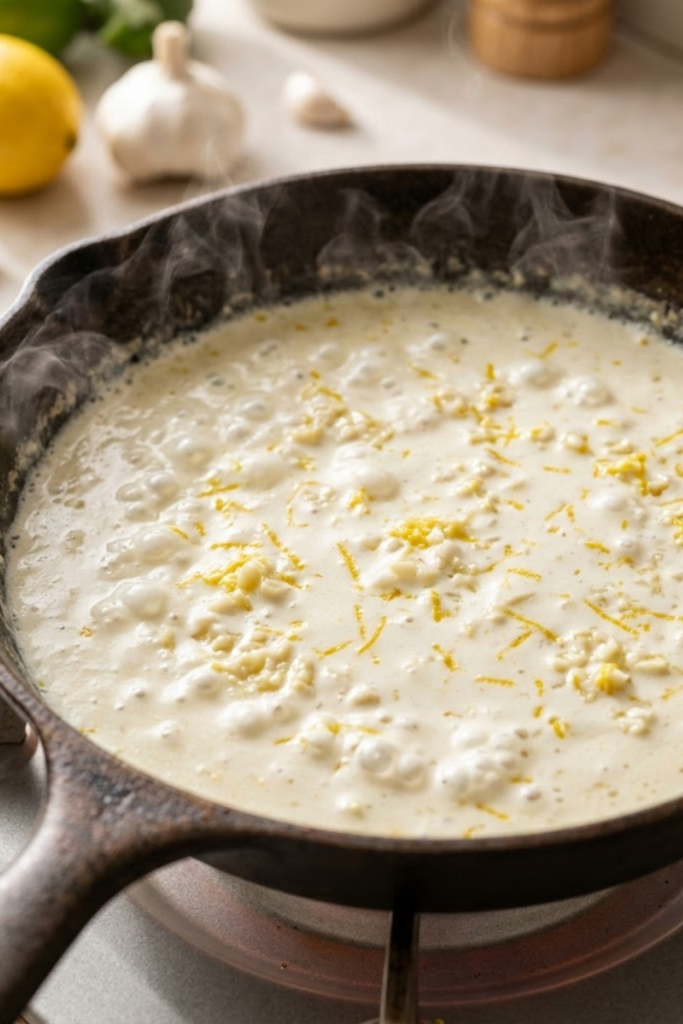
I have spent a lot of years making sauces for my family and my students. Some turned out great, and some were a total mess. I remember making a lemon sauce once that tasted like sour water. It was thin and just did not stick to the noodles at all. To get that salmon pasta with creamy lemon sauce just right, you need a few tricks that I have picked up over time. It is not just about throwing ingredients in a pan; it is about the order you put them together. If you follow these steps, your sauce will be silky every single time.
Why Lemon Zest is Key
Most people just squeeze a lemon and call it a day. That is a big mistake! The zest—that bright yellow part of the skin—is where all the best citrus flavor lives. I always use a small grater to get that zest off before I even cut the lemon open. It gives the sauce a punchy smell and a deep taste without making it too sour. If you use too much juice too early, the acid can actually make your cream separate. I have had that happen before and it looks like curdled milk. It is pretty gross. I like to add the juice at the very end, after I turn the stove off, to keep the flavor bright.
Choosing Your Cream
For a really rich sauce, you really have to use heavy cream. I know some people try to save calories by using half-and-half or even regular milk, but it just does not work the same way. Milk is too watery and will not thicken up enough to coat your noodles properly. Heavy cream has enough fat to stay smooth when it hits the heat. I let it simmer on low until it starts to get thick. You want it to be like a warm blanket for your pasta. If it gets too thick, you can always splash in a bit of that salty pasta water to thin it out.
Building Flavor with Garlic
I always start the sauce by melting some butter and cooking minced garlic and shallots. You want them to be soft and smell good, but do not let them turn brown or burn. Burnt garlic tastes very bitter and it will ruin the whole meal. I usually use about three big cloves of garlic. Once they smell amazing, that is when you pour in the cream. This creates a base of flavor that makes the lemon really stand out. These little steps make the difference between a boring dinner and something that feels like it came from a fancy kitchen.
How to Cook Pasta Al Dente Every Time
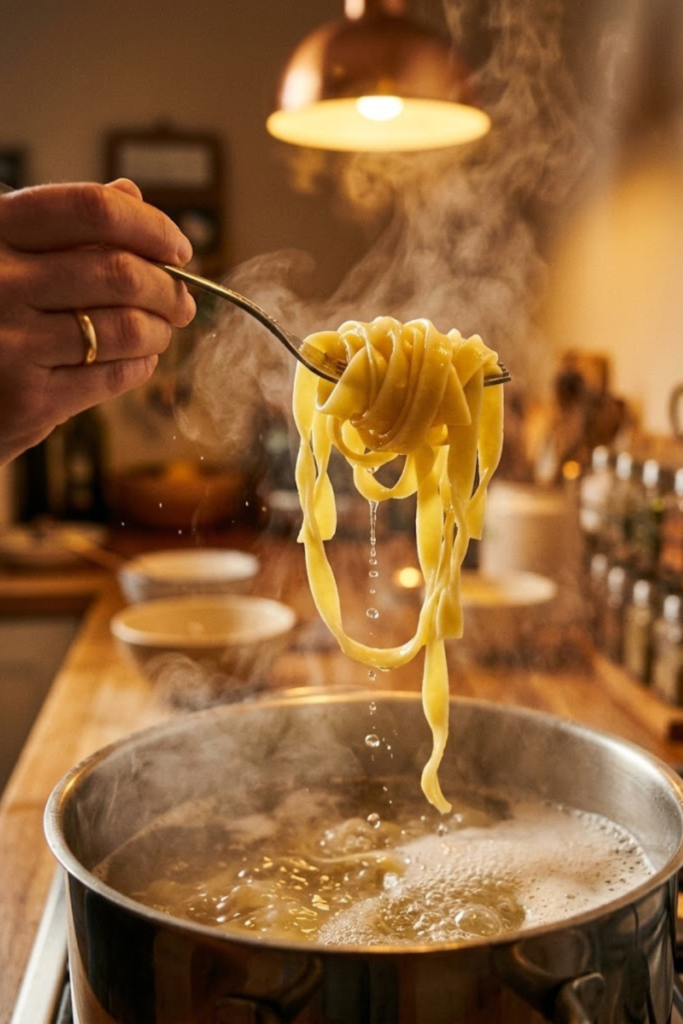
If you are going to make a great dish like salmon pasta with creamy lemon sauce, you can’t let the noodles turn into a soggy mess. I have seen so many people spend good money on fresh fish and then ruin the whole plate because they overcooked the pasta. It becomes like baby food! “Al dente” just means the pasta still has a little bit of a bite to it. It shouldn’t be hard, but it shouldn’t be mushy either. Getting this right is actually pretty easy once you know a few of the things I tell my students every single time we get in the kitchen.
Don’t Be Afraid of Salt
The first thing you have to do is salt your water. And I don’t mean just a little pinch! You want that water to taste like the ocean. I usually add about two big tablespoons of salt to a large pot of water. This is your only chance to season the pasta itself. If the water is plain, the noodles will taste flat, even if your lemon sauce is perfect. I used to be scared of using too much salt, but most of it stays in the water and goes down the drain anyway. It really makes a huge difference in how the final meal tastes.
Choosing the Best Shapes
For this recipe, I really like using long, flat noodles like fettuccine or linguine. They have more surface area, which helps the creamy sauce stick to them better than skinny spaghetti would. I once tried making this with small macaroni elbows because it was all I had in the pantry, and it just wasn’t the same. The salmon and the sauce need a sturdy noodle to hold onto. If you want to get really fancy, try tagliatelle. It’s a bit wider and feels very special when you serve it for a weekend dinner.
The Magic of Pasta Water
Before you drain your noodles, listen to me: save some of that cloudy water! I use a little coffee mug to scoop out about a cup of the water right before the pasta is done. That water is full of starch from the noodles. When you toss your pasta into the skillet with the salmon and sauce, add a splash of that water. It acts like glue and helps the sauce wrap around every single strand of pasta. Also, try to pull your pasta out of the pot about a minute before the box says it’s done. It will finish cooking inside the sauce, soaking up all those lemon flavors while it stays perfectly firm.
Meal Prep and Storage Tips
I used to think that you had to eat every single bite of salmon pasta with creamy lemon sauce the minute it was cooked. I thought if it sat in the fridge for even an hour, it would turn into a big block of cold noodles that nobody would want to touch. But after years of teaching busy parents how to cook, I’ve found out that you can definitely save this for later. You just have to be a bit smart about how you handle the fish and the cream. Seafood is picky, and cream is even pickier, so don’t just toss it in a bowl and forget about it. I’ve wasted too many good meals by being lazy with my storage, so listen to what I’ve learned over the years.
Reheating without the Rubber
The biggest mistake people make is putting their leftovers in the microwave for three minutes on high power. That is the fastest way to turn your beautiful salmon into little bits of pink rubber. It’s sad to see such a good piece of fish go to waste like that! Instead, I like to put my leftover pasta in a small pan on the stove. Add a tiny splash of milk or even a little bit of water to loosen up the sauce that has probably thickened up. Turn the heat to low and just stir it gently until it’s warm all the way through. If you really must use the microwave, do it in 30-second bursts and stir it every single time. This keeps the salmon from getting tough and stops the sauce from turning into a pool of oil.
Why I Don’t Freeze This
People ask me all the time if they can freeze this meal for a busy month. Honestly? I wouldn’t do it. Cream sauces have a bad habit of separating when they freeze and then thaw out. You end up with a watery mess that looks like it’s broken, and it’s not very appetizing to look at. Plus, salmon doesn’t really like being frozen twice—once when you bought it and again after it’s cooked. It gets a very dry texture that isn’t very fun to eat. It is much better to just keep it in an airtight container in the back of the fridge. It stays good for about two days, which is perfect for a quick lunch on a Tuesday when you don’t have time to cook.
Making a Cold Salad
If you don’t feel like heating it up, you can actually eat this cold. I know it sounds a little bit strange to some people, but a cold salmon pasta with lemon is actually really refreshing, kind of like a fancy pasta salad. I usually add a little bit more black pepper and maybe some fresh dill to wake the flavors up. It’s much better than a basic tuna salad because it’s real salmon. Just make sure you give it a good stir so the sauce gets creamy again. It’s a great way to use up those last few bites without any extra work or making a mess in the kitchen.
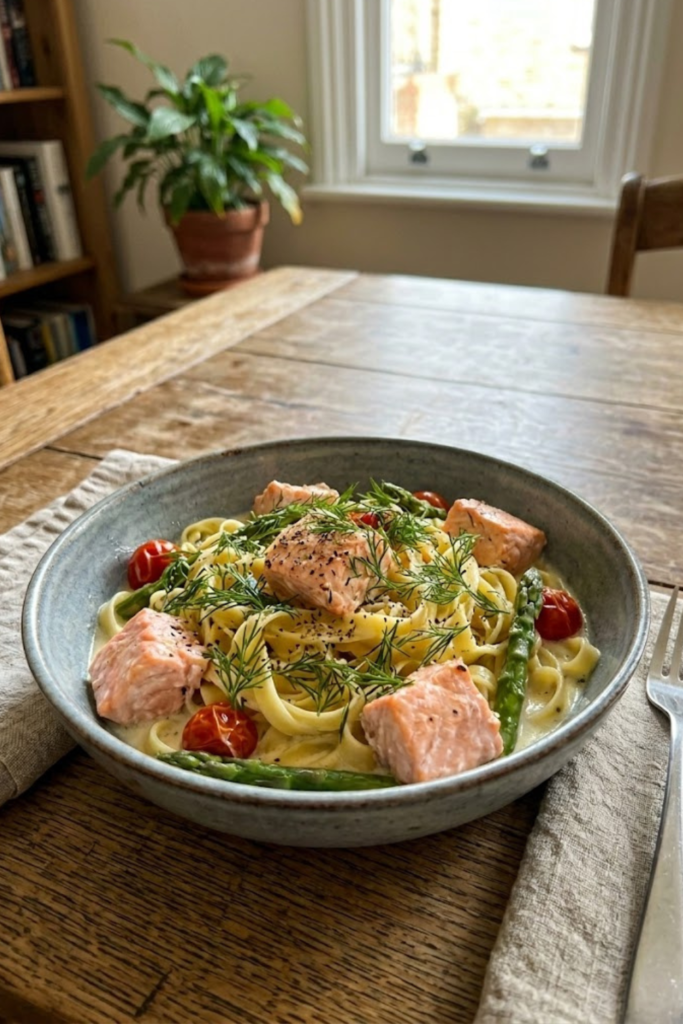
This salmon pasta with creamy lemon sauce is officially my go-to “I have no time but want to eat like a queen” meal. It’s fast, it’s reliable, and that citrus zing just makes everything better! I really hope you give this a try the next time you see some good fish at the store and want to make something special. If you try this recipe and love it as much as I do, please share it on Pinterest so others can ditch the boring chicken dinners too!