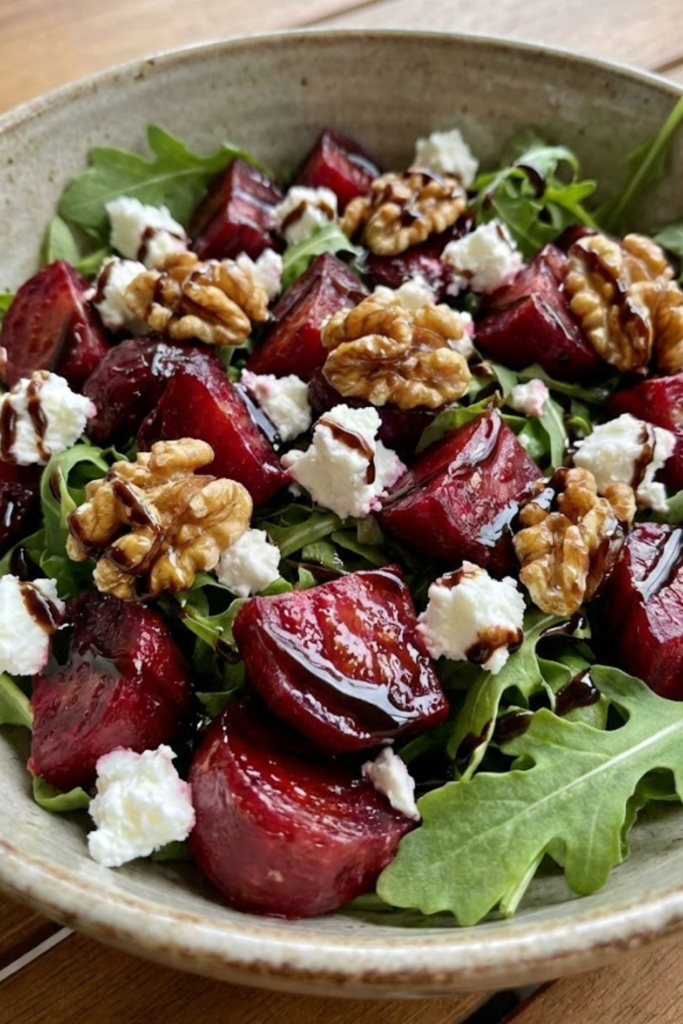
Did you know that beets were originally cultivated for their leaves, not their roots? It wasn’t until Roman times that we started enjoying the bulbous, sweet root we love today! Welcome to the only guide you’ll ever need for making a Roasted Beet Salad with Goat Cheese and Walnuts. Honestly, I used to think beets tasted like “dirt” until I roasted them properly—what a game changer! This salad hits every flavor note: the earthiness of the root vegetable, the creamy tang of chèvre, and the satisfying crunch of toasted nuts. It’s elegant enough for a dinner party but simple enough for a Tuesday lunch. Let’s dive into this vibrant bowl of goodness.
Choosing and Preparing the Perfect Beets
I have to admit, for the longest time, I was totally intimidated by the produce section. You know that feeling? You’re standing there staring at a pile of root vegetables, wondering which one is gonna taste like candy and which one is gonna taste like straight-up dirt. I’ve definitely brought home some sad, squishy beets in my day. It’s frustrating when you spend money on fresh food only to have it flop. But after years of messing it up, I finally figured out the secrets to picking the winners for a killer Roasted Beet Salad with Goat Cheese and Walnuts.
The Great Debate: Red vs. Golden
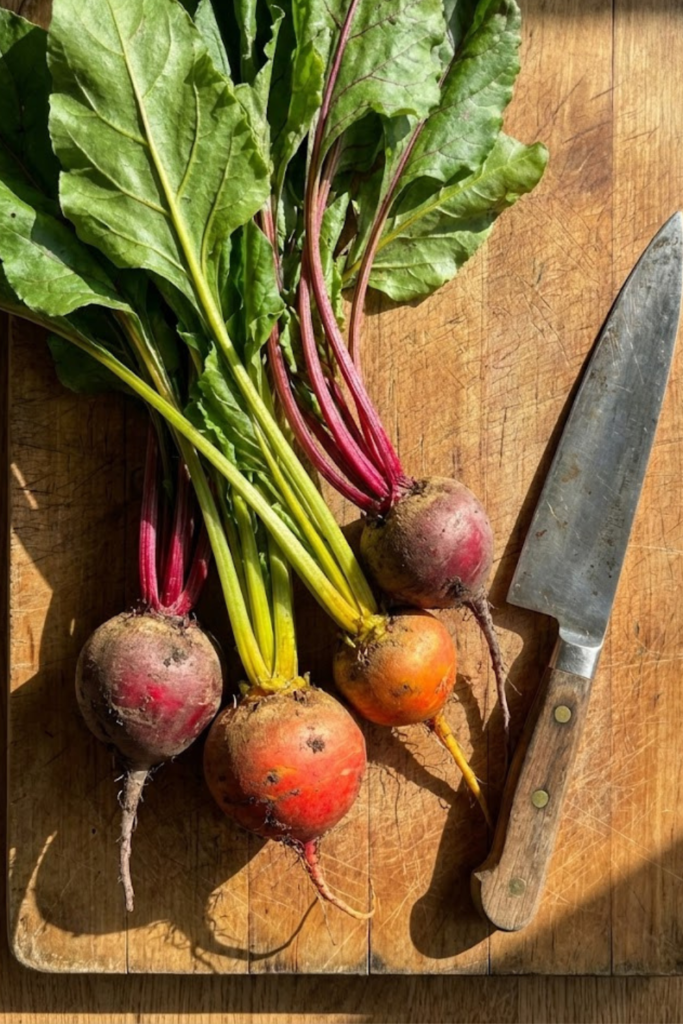
Okay, so first things first. You gotta pick your fighter. Most people grab the dark red beets because they are the classic choice. They pack that deep, earthy flavor we all know. But let me tell you, if you are wearing a white shirt, maybe skip the red ones today? I learned that lesson the hard way before a dinner party. It looked like a crime scene in my kitchen!
If you want something a little milder, go for golden beets. They are sweeter and less “beety,” if that makes sense. Plus, they won’t stain everything they touch. I actually love mixing them for the color contrast. It makes the final dish look super fancy without any extra work. There’s also Chioggia beets—the candy cane ones—but honestly? They lose their cool stripes when you roast them, so I usually stick to red or gold for this recipe.
The Squeeze Test
Here is the trick I wish someone told me ten years ago. When you are at the store, don’t be shy. Pick up the beet and give it a squeeze. It should feel rock hard, kinda like a baseball. If there is any give or squishiness, put it back. Seriously, just walk away. Soft beets are old and tough, and they won’t roast up tender.
Also, aim for medium-sized beets. The huge ones can have a woody texture in the middle that never really softens up right. I look for ones about the size of a tennis ball. They roast evenly and usually have the best sugar content.
Don’t Toss Those Greens!
I used to chop the leafy tops off and toss them straight in the trash. Big mistake! If you buy beets with the greens still attached, that is actually a good sign of freshness. If the leaves look wilted or slimy, the root is probably old too.
But here is the thing: those greens are delicious. You can sauté them just like spinach or chard. So when I’m prepping for my Roasted Beet Salad with Goat Cheese and Walnuts, I chop the greens off, wash them, and save them for breakfast the next day. It’s basically two vegetables for the price of one.
The Scrub Down
Once you get your haul home, the prep is actually pretty simple. You don’t need to peel them yet! Trust me on this. Peeling raw beets is a nightmare and a great way to lose a finger. Just give them a really good scrub under cold water. I use a stiff brush to get all the actual dirt off.
Leave the “tails” and about an inch of the stem attached. This stops the beets from “bleeding” too much juice while they roast. It keeps all that flavor and moisture locked inside where you want it. Once they are scrubbed and trimmed, you are ready to roast. It’s not rocket science, but getting this part right makes the whole salad taste a million times better.
The Art of Roasting Beets for Maximum Flavor
I used to just boil my beets in a big pot of water because that’s what my mom always did. And honestly? They were okay, but kinda watery. It wasn’t until I forgot about a pot on the stove and ruined dinner that I tried roasting them instead. Total game changer.
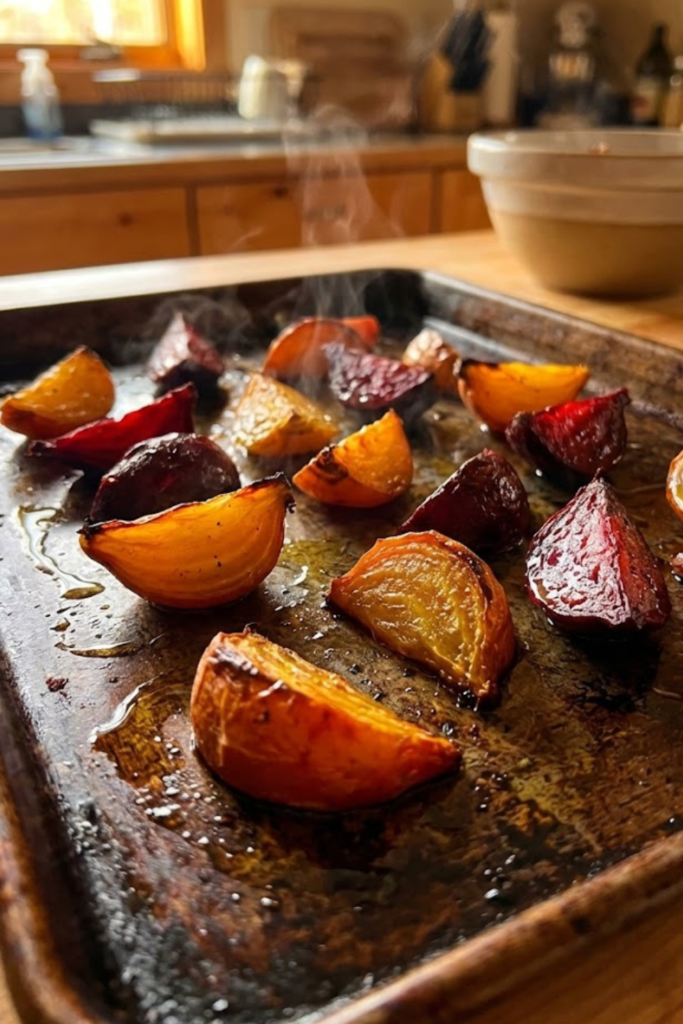
When you boil a beet, a lot of the flavor leaks out into the water, which you just dump down the drain anyway. But when you roast them, all those natural sugars get concentrated inside. It turns that “dirt” flavor into something super sweet and rich. It’s like the difference between a steamed carrot and a roasted one—night and day.
The Foil Packet Trick
Here is how I do it without making a huge mess. I take a sheet of aluminum foil and place the washed beets right in the middle. I usually group them by size so they cook evenly. If you have some big ones and some tiny ones, make two separate packets.
Drizzle them with a little bit of olive oil and sprinkle some kosher salt on top. Then, fold the foil up to make a little sealed pouch. You don’t want it super tight against the beets; leave a little air space so the steam can circulate. This basically steam-roasts them, keeping them juicy while they cook.
Temperature and Timing
Crank your oven up to 400°F (200°C). I pop the foil packets right on a baking sheet (just in case they leak) and let them hang out for about 45 minutes to an hour.
The time really depends on how big your beets are. I usually start checking them around the 45-minute mark. To check, I just poke a fork or a paring knife through the foil into the biggest beet. If it slides in like butter, they are done. If there is resistance, wrap them back up and give them another 10 or 15 minutes.
The Easy Way to Peel
Now for the part everyone hates: peeling. But wait, don’t grab your vegetable peeler! If you roasted them right, the skins should basically fall off.
Let the beets cool down enough so you can handle them without burning your fingerprints off. Then, grab a paper towel. Hold the beet in one hand and use the paper towel to just rub the skin away. It should slip right off.
Teacher Tip: Wear gloves for this part if you have them. Seriously. Unless you want your hands to look like you just dyed Easter eggs for the next three days, put on some gloves. The red juice stains everything it touches, including your cuticles and your favorite wooden cutting board, so be careful! Once they are peeled, just chop them into wedges or cubes, and they are ready for the salad bowl.
Toasting Walnuts and Selecting the Cheese
Okay, let’s talk about the crunch. You can toss raw walnuts into this Roasted Beet Salad with Goat Cheese and Walnuts, and it will be fine. But if you want it to taste like something you’d get at a nice restaurant, you have to toast them. It makes a huge difference.
Raw walnuts can be a little bitter and waxy. When you heat them up, though, they get crunchy and taste way more nutty. It releases the oils inside, and suddenly they taste rich and toasty instead of just bland.
Watch the Pan!
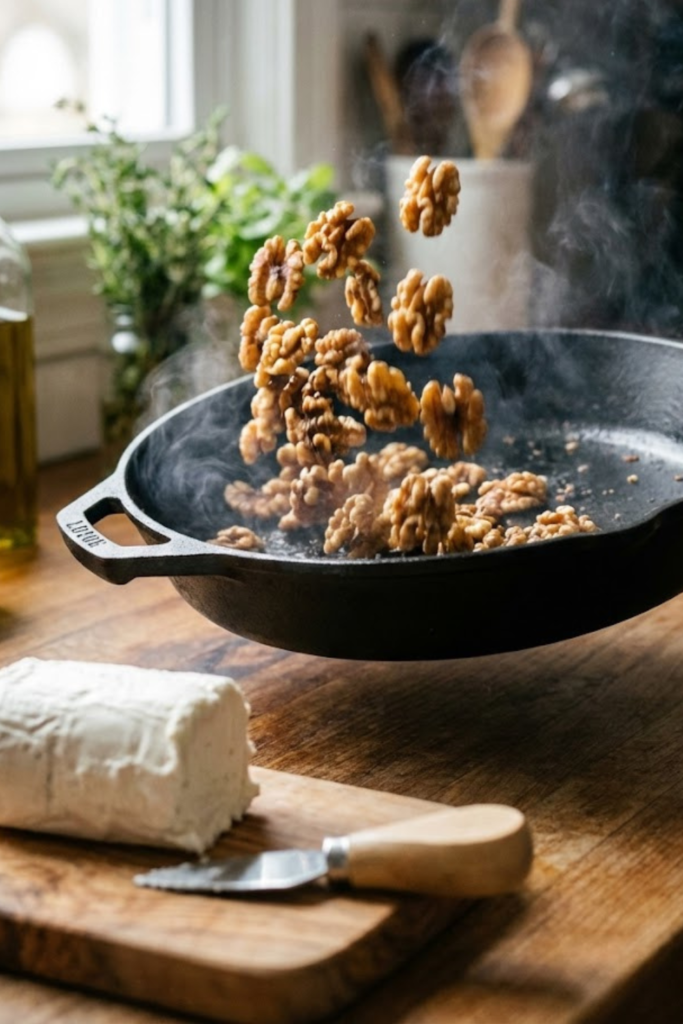
I usually do this right on the stove. I grab a small skillet and put it on medium heat. I don’t use any oil or anything—dry pan only. Throw the walnuts in there and just let them hang out for a few minutes.
Here is the important part: do not walk away! Nuts burn fast. Like, in the blink of an eye. I stir them around with a wooden spoon constantly. You will know they are done when you start to smell that amazing roasted nut smell filling up the kitchen. As soon as you smell it, take them off the heat immediately. I usually dump them onto a plate right away because if you leave them in the hot pan, they might keep cooking and get scorched.
The Cheese Situation
Now for the cheese. Goat cheese (or chèvre, if you want to be fancy) is the classic partner for beets. The beets are sweet and earthy, so you need something creamy and tangy to balance it out. It cuts through the sugar in the beets perfectly.
I always buy the little logs of plain goat cheese instead of the pre-crumbled stuff in the tub. The pre-crumbled kind usually has some powder on it to keep it from sticking together, and I think the texture is a bit dry. The log is softer and creamier. I just use a fork to break off chunks right over the salad.
If you really can’t stand goat cheese—I know some people think it tastes “barnyard-y”—you can swap it out. Feta is a good backup plan because it is salty, though it isn’t as creamy. Blue cheese or gorgonzola also works really well if you like that strong, funky flavor. But honestly, try the goat cheese first; it is the best match for this recipe.
Assembling the Salad with Fresh Greens and Dressing
Now comes the fun part: putting it all together. I used to just dump everything in a bowl and toss it, but then my goat cheese would turn pink from the beet juice, and the whole thing looked like a hot mess. We want this Roasted Beet Salad with Goat Cheese and Walnuts to look as good as it tastes, right? So, layering is your friend here.
Picking Your Base
I almost always use arugula for this salad. It has this little peppery bite that cuts right through the sweetness of the beets. It’s a perfect match. But if arugula is too strong for you—my kids say it tastes “spicy”—then a bag of mixed spring greens works just fine. Spinach is okay too, but it’s a little soft. You want something with a bit of crunch to hold up the heavy toppings.
The 2-Minute Dressing
Please, put down the bottled dressing! You can make a way better vinaigrette in the time it takes to find the bottle opener. Store-bought stuff usually has weird preservatives anyway.
Here is my go-to ratio: three parts oil to one part vinegar. I grab a small jar (an old jam jar works great) and pour in:
- 1/4 cup Balsamic vinegar
- 3/4 cup Extra Virgin Olive Oil
- A teaspoon of Dijon mustard (this stops the oil and vinegar from separating)
- A squeeze of honey or maple syrup
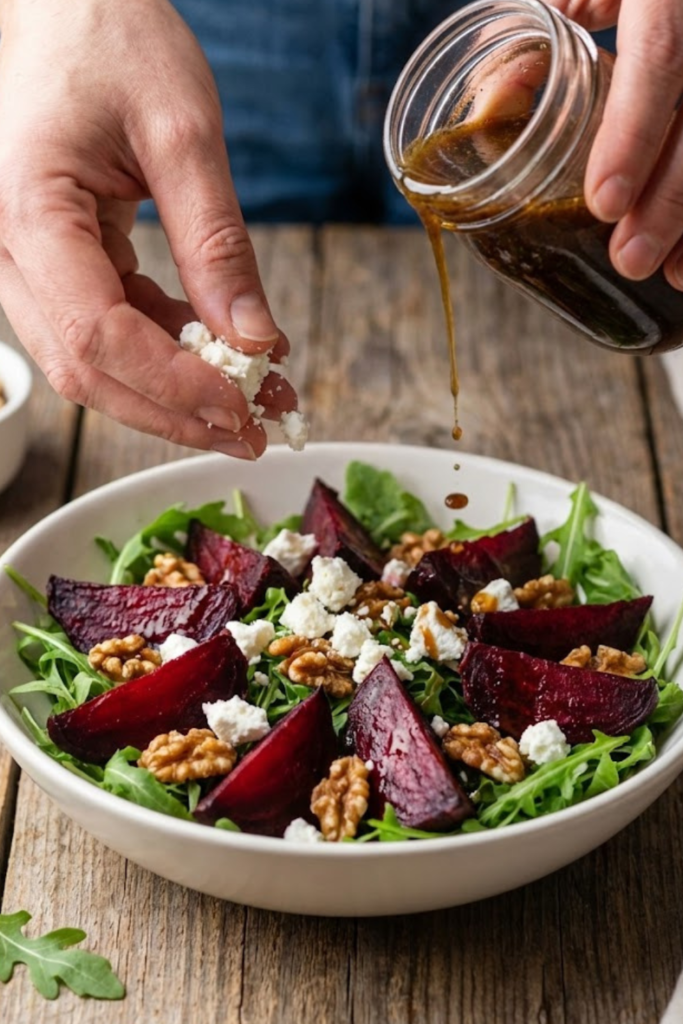
Put the lid on tight and shake it like crazy. The mustard makes it creamy and thick. Taste it with a lettuce leaf—if it’s too sour, add a little more honey.
Layering It Up
When you are ready to serve, put a big handful of greens on the plate first. Drizzle just a little bit of dressing on the leaves—you don’t want them swimming in it, or they get soggy fast.
Then, arrange your roasted beet wedges on top. I like to spread them out so you get a piece in every bite. After that, sprinkle on your toasted walnuts and crumbled goat cheese.
If you want to look really fancy, you can add a drizzle of balsamic glaze over the top. It’s that thick, syrupy stuff you see at restaurants. It makes the plate look finished, but honestly, the salad is delicious without it too.
Serving Suggestions and Pairings
I usually make this Roasted Beet Salad with Goat Cheese and Walnuts as a side dish, but I’m not gonna lie, sometimes I just eat a huge bowl of it for lunch and call it a day. It’s surprisingly filling with the nuts and cheese in there.
What to Serve It With
If you are making a full dinner, this salad is a heavy hitter. It goes really well with grilled chicken or a nice piece of salmon. Since the beets are sweet and earthy, they taste great next to something smoky from the grill.
My husband loves it with steak, too. The acidity in the balsamic dressing cuts right through the richness of the meat. It balances out the whole plate so you don’t feel too weighed down after eating a big meal.
Wine Pairings
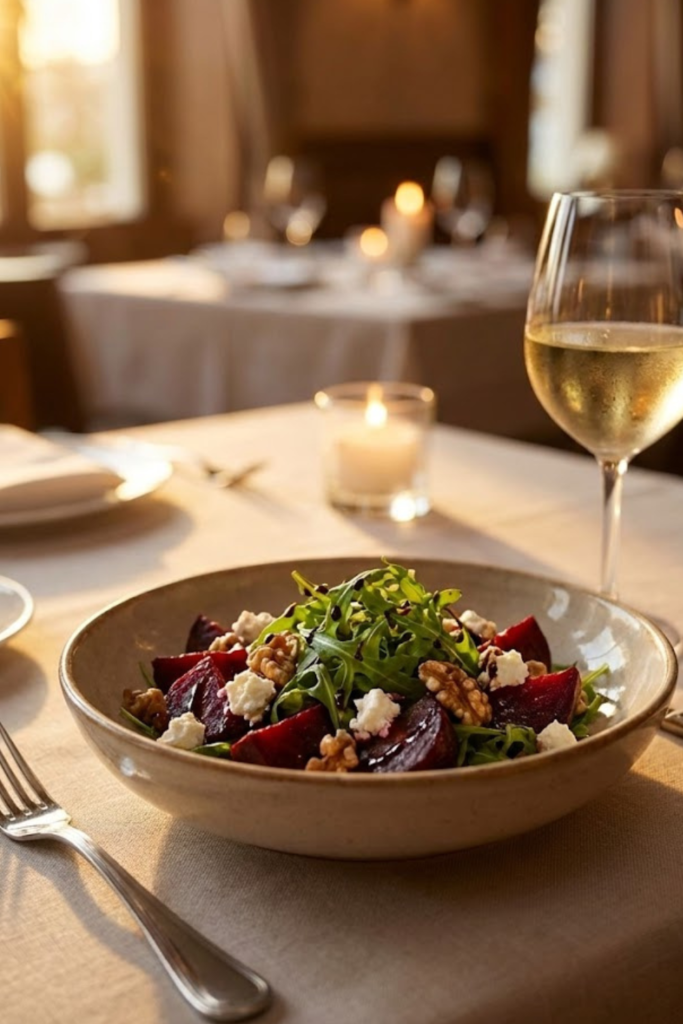
Now, I am no wine expert, but I know what tastes good. Because of the goat cheese, a crisp white wine like a Sauvignon Blanc is perfect. It’s acidic and fresh, just like the cheese.
If you prefer red wine, grab a Pinot Noir. It’s light enough that it won’t overpower the salad, but it still has that fruity flavor that matches the beets. Honestly, just drink what you like, but those are my two cents!
Seasonal Tweaks
One of the best things about this recipe is that you can change it up depending on the weather. In the winter, I like to toss in some orange segments. The citrus makes it taste bright and sunny even when it’s freezing outside.
In the summer, try adding sliced strawberries or even blueberries. It sounds weird, but the fruit makes it super refreshing. You can also swap the walnuts for pecans or almonds if that is what you have in your pantry.
Storing Leftovers
Here is a big tip: if you think you might have leftovers, do not dress the whole salad! Once the leaves touch that vinegar, they will get soggy in the fridge overnight. And nobody likes soggy lettuce.
I keep the roasted beets, the cheese, and the nuts in separate containers. When I want a salad for lunch the next day, I just grab a handful of fresh greens and build a new bowl in about two minutes. The roasted beets actually taste better the next day after they have chilled in the fridge for a while. They stay good for about 3 to 5 days, so you can prep them on Sunday and eat them all week.
So there you have it—a Roasted Beet Salad with Goat Cheese and Walnuts that actually tastes good. I know, I know, beets get a bad rap. But honestly, once you roast them right and pair them with that creamy cheese and crunchy nuts, it’s a whole different ballgame.
I hope you give this recipe a shot this week. It’s perfect if you want something healthy but don’t want to eat boring lettuce all day. Even if you are a skeptic, just try it once. You might surprise yourself! My family used to pick the beets out, and now they ask for seconds.
Anyway, thanks for reading! If you make it, I’d love to see how it turned out. Don’t forget to take a picture before you dig in—it’s almost too pretty to eat. And hey, if you found this helpful, pin it to your “Healthy Salads” board on Pinterest so you can find it later. Happy cooking!