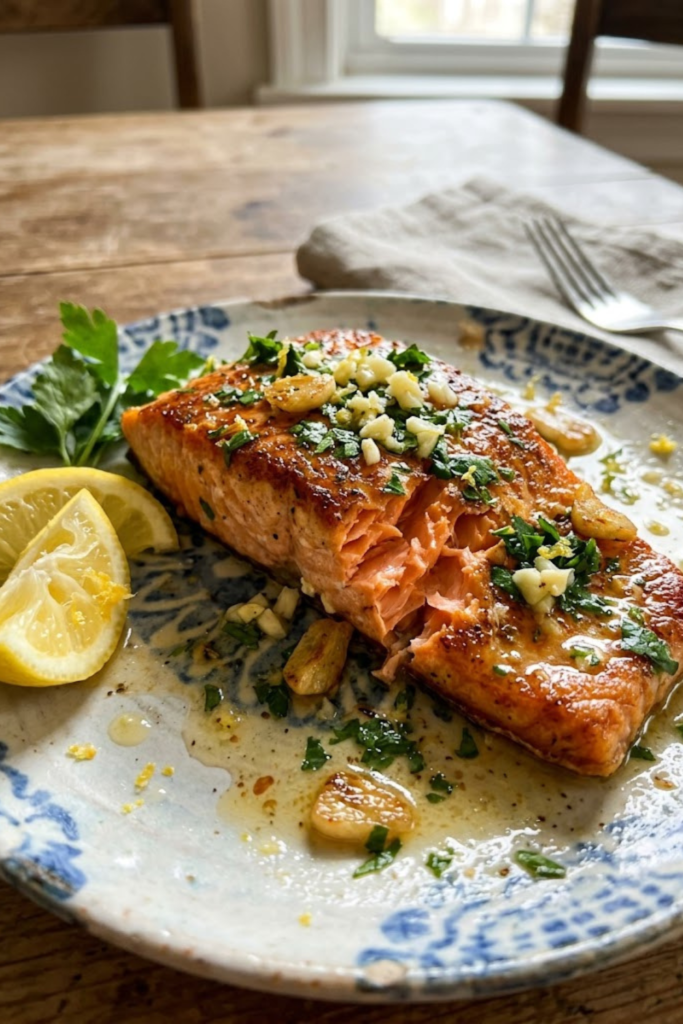
Did you know that over 70% of home cooks say they are “scared” of ruining expensive fish?. Honestly, I used to be one of them! I remember the first time I tried to make pan seared salmon with garlic butter for a date; the skin stuck to the pan, and the middle was as raw as a sushi bar. It was a total mess! But listen, after years of trial and error in my own kitchen, I’ve finally cracked the code to that perfect, golden-brown crust.
You don’t need a culinary degree or fancy gear. You just need a hot pan and some patience. I’m going to show you exactly how to get those flaky layers and that rich, savory sauce that makes everyone think you’re a secret pro chef. Let’s get cooking!.
Selecting the Best Salmon for Pan Searing
Let’s talk about the fish counter for a minute. It used to be a place that made me pretty nervous. I would stand there looking at all the different types of salmon, feeling like I was supposed to know the difference but having no clue. I finally started asking questions and paying attention to what I was actually bringing home. If you want a restaurant-quality meal, you have to start with a good piece of fish. You simply can’t fix a bad fillet with a fancy sauce. It just doesn’t work that way.
Wild-Caught vs. Farm-Raised: Which is Better?
I get asked this question all the time. Many people think wild-caught is always the winner. It has a very deep red color and a strong, meaty flavor that some people love. However, if you are new to pan searing, I actually recommend a good farm-raised Atlantic salmon. Farmed fish usually has a lot more fat marbled through it. This extra fat makes the fish very forgiving for home cooks. It stays moist even if you leave it in the pan for an extra minute by mistake. Wild salmon is very lean and can turn dry and tough in a heartbeat if you aren’t watching it like a hawk. I usually save the wild-caught stuff for when I feel like I have my “A-game” ready.
Why You Must Keep the Skin On
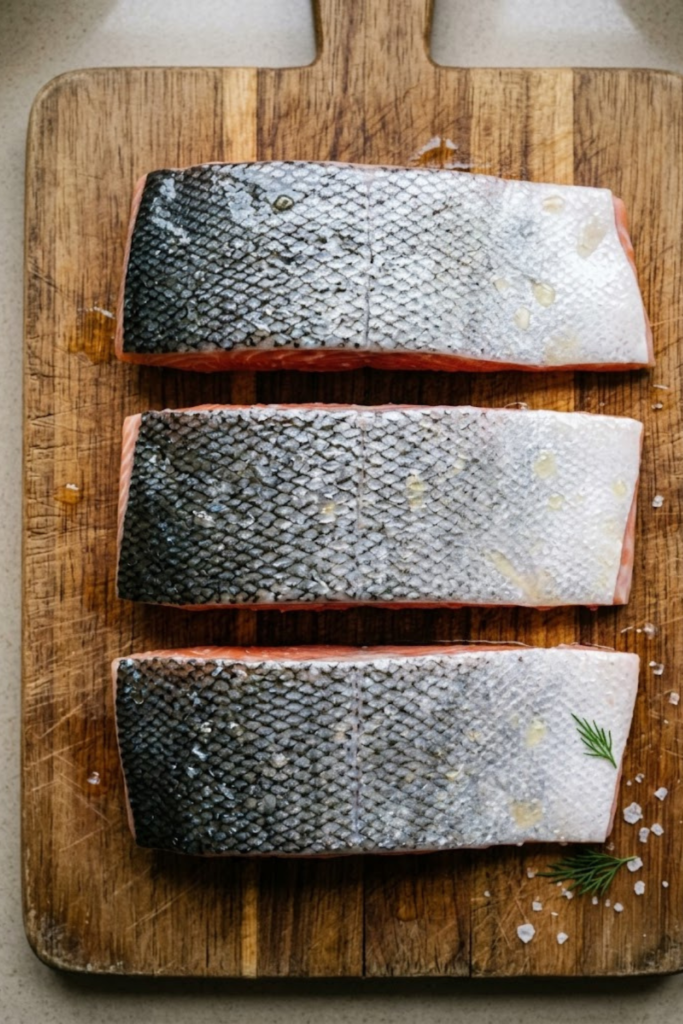
You really need to buy your salmon with the skin still on. I know some folks don’t like the look of it, but the skin is like a little armor plate for the fish. When you put that fillet in a hot pan, the skin takes the brunt of the heat. This lets the meat cook more gently and stay flaky. If you try to sear a skinless piece of salmon, the outside often gets hard and rubbery before the middle is even warm. Plus, when you get that skin crispy, it tastes like a salty, savory snack. In my house, the crispy skin is the highlight of the whole dish!
The Freshness Test
Don’t be shy at the grocery store. I always ask the person behind the counter to let me see the fish up close before they wrap it up. A good piece of salmon should look bright and moist, not dull or slimy. If you see white liquid leaking out of the raw fish, it isn’t very fresh. Give it a quick sniff too. It should smell like the cold ocean or nothing at all. If it has a strong “fishy” odor, leave it there. You can also look for “gaping,” which is when the flakes of the meat start to pull apart while it’s still raw. You want a solid, firm piece of fish to ensure your dinner turns out great. Taking these extra few seconds at the store makes a world of difference.
How to Get Crispy Salmon Skin Every Time
Getting that skin perfectly crispy is the part that everyone struggles with. I used to think it was just luck, or maybe I needed a pro stove like the ones in fancy restaurants. But honestly, it’s all about physics. If there is water on that skin, it’s going to steam, and steam gives you soggy, rubbery skin. Nobody wants that! You want a crunch that sounds like a cracker when you bite into it. It took me a dozen tries to realize I was rushing the most important part of the whole process.
The Secret is in the Paper Towels
Before that fish even thinks about touching the pan, you have to get it bone-dry. I’m not talking about a quick wipe. I mean you should take a few paper towels and really press down on the skin side. Sometimes I do this twice. If the paper towel comes away wet, get a fresh one and do it again. I also like to let the salmon sit out on the counter for about fifteen minutes before cooking. Cold fish hitting a hot pan causes the muscles to tighten up too fast, which can make the skin curl or pull away from the meat. If the fish is closer to room temperature, it stays flat and cooks much better.
Choosing the Right Pan and Oil
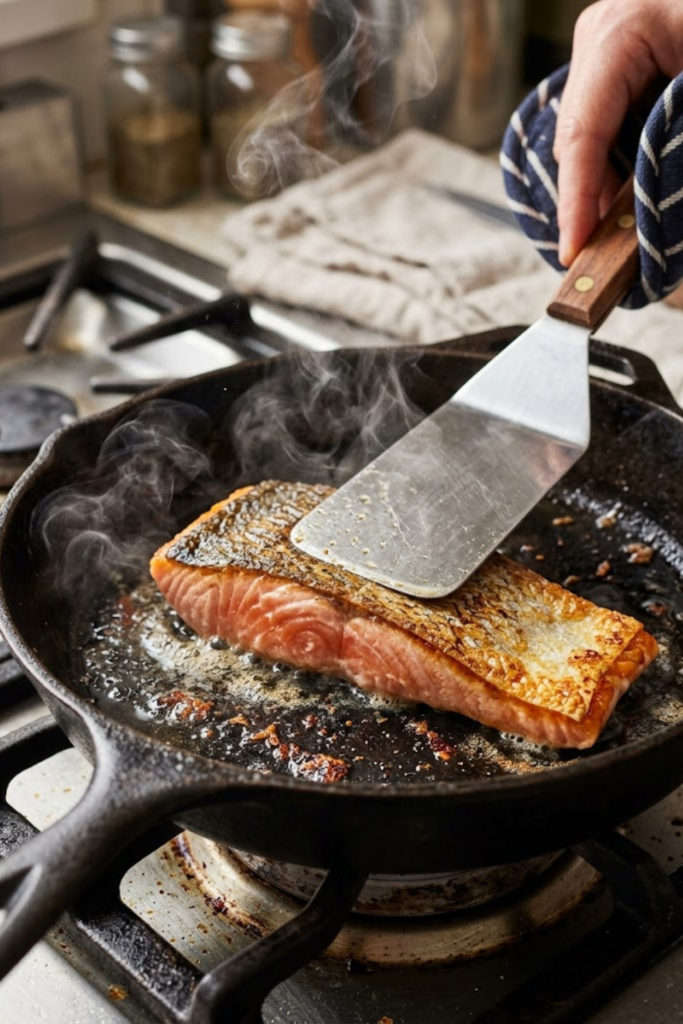
I always reach for my heavy cast iron skillet for this. It holds heat better than anything else I own. If you don’t have one, a good stainless steel pan works too. I stay away from non-stick pans for searing because you can’t really get them hot enough without ruining the coating. Put a tablespoon of oil in there—something like avocado oil or grapeseed oil that won’t smoke up your whole house. You want the oil to be shimmering, but not smoking like a chimney. If the oil is too cold, the fish will just soak it up and get greasy.
The Patience Rule: Just Leave It Alone
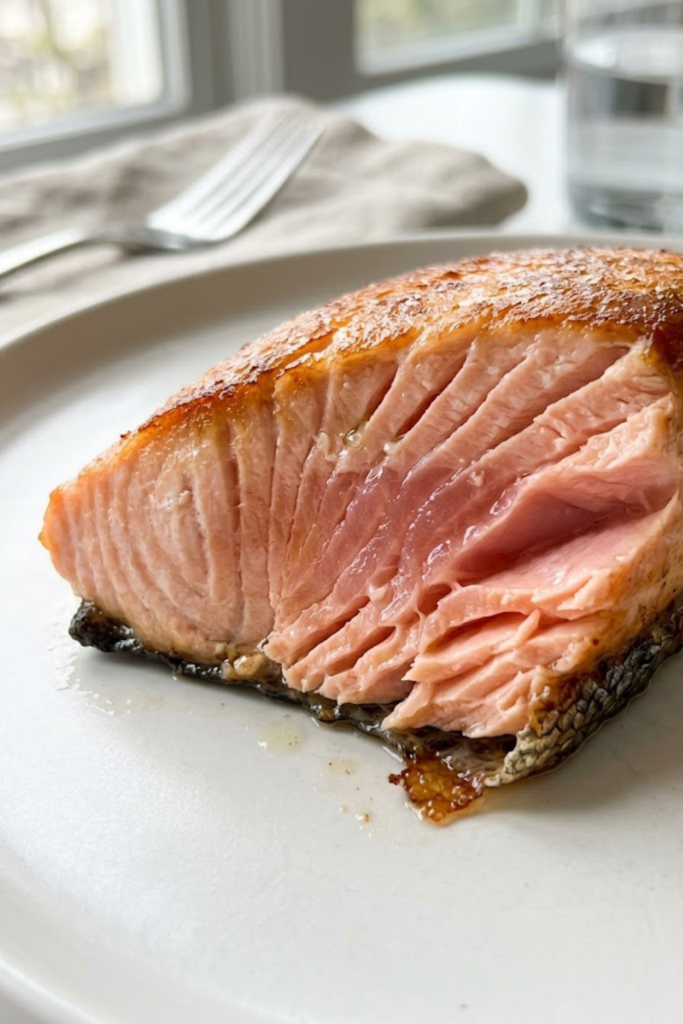
This is the hardest part for my students to learn. Once you lay that salmon in the pan (skin side down, always!), do not move it. Don’t peek, don’t shake the pan, and don’t try to flip it after two minutes. You need that browning to happen. The skin will actually stick to the pan at first, but as it gets crispy, it will naturally release. If you try to flip it too early, you’ll leave half the skin stuck to the metal, and that’s a real tragedy. Give it about five or six minutes on that skin side. You’ll see the cooked color creeping up the sides of the fillet. That’s when you know it’s time to turn it over for a quick finish on the other side.
Whipping Up the Perfect Garlic Butter Sauce
I used to think a sauce was just something extra, like a hat on a hat. But with this salmon, the garlic butter is the main event. It takes a good piece of fish and makes it something you’d pay fifty bucks for at a steakhouse. I remember one time I just melted some butter and threw in a spoonful of jarred garlic. It was okay, I guess, but it didn’t have that “wow” factor. That’s when I realized the way you make the sauce is just as important as the ingredients you use. You want it to be rich but not greasy, and savory but not overwhelming.
The Magic of Toasted Butter
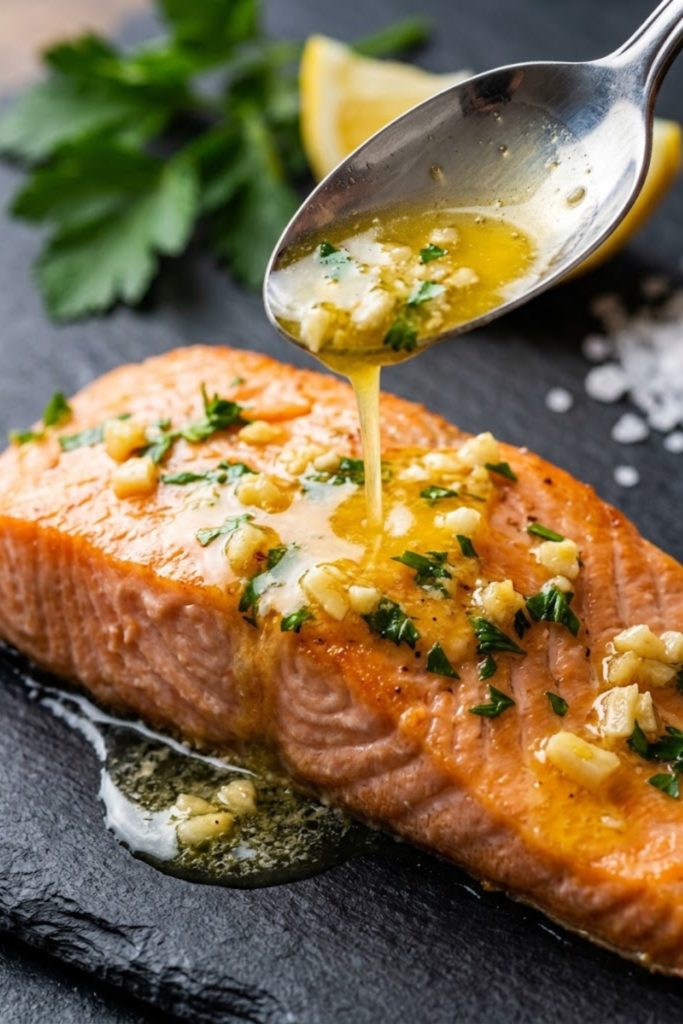
Butter is great, but browned butter? That’s on a whole other level. When you flip that salmon over, you’re going to drop a big hunk of unsalted butter into the pan. As it melts, it starts to foam up. Don’t be scared! That foam is the milk solids cooking. I like to let it go until it smells nutty and looks a bit like the color of a hazelnut. This toasted butter gives the salmon a depth of flavor that regular melted butter just can’t touch. It’s rich, savory, and a little bit sweet all at the same time. It’s the secret weapon that makes people ask for your recipe.
Timing the Garlic Perfectly
One of the biggest mistakes I see people make is throwing the garlic in too early. Garlic is delicate. If it sits in that hot pan for more than a minute or two, it turns black and bitter. Trust me, I’ve ruined many dinners by being too eager. I wait until the very end, right after the butter has browned. I toss in the minced garlic and just let it sizzle for about thirty seconds. That’s all it needs to release its aroma without getting burnt. You want it to be golden and fragrant, not crunchy and bitter. If you see it turning dark brown, get that pan off the heat immediately!
Finishing with a Bright Note
Finally, you need some acid to cut through all that rich fat. I always keep a few fresh lemons on hand for this very reason. Right before I take the pan off the stove, I squeeze half a lemon over everything. The way the citrus hits the hot garlic butter is incredible. It wakes up the whole dish! I also throw in a handful of chopped parsley for some color and a fresh, earthy taste. Basting the fish with this liquid gold is the best part. I use a big spoon and just keep pouring that sauce over the top of the salmon until it’s perfectly coated. It’s a simple step, but it makes the meal feel truly special.
Common Pitfalls to Avoid
Even if you have the best fish and the freshest garlic, things can still go south pretty fast. I’ve been cooking for a long time, and I still have days where I get distracted by a phone call or the cat, and suddenly my dinner is ruined. Pan searing is a fast process. You really have to stay focused for those ten or twelve minutes. Most people mess up because they try to rush or they think they can eyeball the temperature. Over the years, I’ve seen my students make the same three mistakes over and over again. If you can avoid these, you’re already ahead of most home cooks.
The Danger of Overcooking the Center
This is the biggest mistake of all. Salmon isn’t like chicken; you don’t want it cooked until it’s bone-dry in the middle. Most people cook it way too long because they are afraid of it being raw. But here is the truth: salmon keeps cooking for a few minutes after you take it out of the pan. I always tell people to use a meat thermometer. It’s the only way to be 100% sure. Aim for about 125°F to 130°F for a perfect medium. If you wait until it hits 145°F in the pan, by the time you sit down to eat, it will be as dry as a piece of chalk. If you don’t have a thermometer, look for the flakes to just start to separate when you push on it with a fork.
Don’t Crowd the Pan
I know you want to get dinner on the table for the whole family at once. It’s tempting to squeeze four or five big fillets into one skillet. But please, don’t do it! When you put too much cold fish into the pan at once, the temperature of the oil drops immediately. Instead of searing and getting that nice crust, the fish starts to release its juices and it ends up boiling in its own liquid. This is how you get that gray, sad-looking salmon. If you have a lot of people to feed, just cook them in two batches or use two separate pans. Give those fillets some “personal space” so the air and heat can move around them.
Using the Wrong Type of Fat
I mentioned this before, but it’s worth saying again because it’s so common. Don’t start the cooking process with just butter or extra virgin olive oil. They both have low smoke points. This means they will burn and turn black long before the salmon is actually cooked. I once tried to sear salmon with fancy butter from the start, and the whole kitchen filled with blue smoke. It was a mess! Use avocado oil or grapeseed oil for the actual searing. Save the butter for the very end when you turn the heat down. This way, you get all the flavor of the butter without the burnt, bitter taste that ruins a good meal. Make sure your oil is hot, but not so hot that it’s screaming at you. Keeping the heat steady is a big part of the game.
Bringing it All Together
I really hope you give this pan seared salmon with garlic butter a try tonight. Honestly, once you master this simple skill, you will never want to order fish at a restaurant again. It’s funny how something so basic can feel so fancy once you get the hang of it. I remember when I first started teaching my kids how to cook, this was the very first ‘grown-up’ meal I showed them. They were so proud of that crispy skin! Even my pickiest eater, who usually hates anything from the ocean, asked for seconds. That’s when I knew I had a winner on my hands. It’s a great feeling to see your family actually excited for a healthy dinner.
One thing I didn’t mention earlier is what to serve with your salmon. Since the garlic butter sauce is so rich and tasty, I usually keep the side dishes pretty simple. A big pile of roasted asparagus or some steamed green beans works wonders. If you want something a bit more filling, a scoop of fluffy jasmine rice or some mashed potatoes is perfect for soaking up every last drop of that sauce. You don’t want to let any of that buttery goodness go to waste! I’ve even been known to dip a piece of crusty bread right into the pan after the fish is gone. It is just that good.
Don’t get discouraged if your first attempt isn’t 100% perfect. My first few tries were pretty messy too. Maybe the skin sticks a little, or maybe the garlic gets a bit too brown—it’s all part of learning. Every time you get that pan hot and hear that sizzle, you are getting better. Just keep practicing and soon you’ll be doing it without even thinking. Even as a teacher who has cooked thousands of meals, I still have the occasional slip-up. It’s not about being perfect; it’s about making something that tastes good and makes your people happy.
If you found these tips helpful, please do me a huge favor and share this post on Pinterest. It helps other home cooks find these simple methods and it really supports the work I do here. I love seeing photos of what you all make, so if you try this, let me know how it went! There’s nothing better than a home-cooked meal that tastes like a five-star dinner. Now, grab your skillet, get that salmon drying on some paper towels, and get to cooking. You’ve got this!