Organic ice cream metal contamination is a critical food safety concern that every homemade ice cream maker must understand and prevent. When you create organic ice cream metal contamination awareness, you protect your family from potential harm while maintaining the integrity of your frozen desserts. This comprehensive guide provides detailed recipes, safety protocols, and best practices for ensuring your organic ice cream remains free from metal particles and other contaminants. Whether you’re a beginner or experienced home cook, understanding how to prevent organic ice cream metal contamination will elevate your dessert-making skills and give you complete peace of mind.
| Prep Time | Cook Time | Total Time | Servings | Difficulty | Cuisine |
|---|---|---|---|---|---|
| 20 minutes | 30 minutes | 4 hours (with chilling) | 8 servings | Intermediate | American |

Table of Contents
Table of Contents
Why This Organic Ice Cream Metal Contamination Prevention Works
Preventing organic ice cream metal contamination requires understanding the sources of metal particles and implementing proper safety measures throughout your recipe preparation and churning process. From my experience creating homemade organic ice cream, the most effective prevention strategies involve using non-metallic equipment, careful ingredient inspection, and proper equipment maintenance. Organic ice cream metal contamination can occur from worn metal dashers, contaminated ingredients, or improper storage containers. The techniques outlined in this organic ice cream metal contamination guide address each potential source systematically.
The reliability of this organic ice cream metal contamination prevention approach stems from professional food safety protocols adapted for home kitchens. When you follow these guidelines, you eliminate the most common contamination vectors that compromise homemade frozen desserts. Many home cooks don’t realize that regular equipment inspection prevents most organic ice cream metal contamination incidents. The flavor, texture, and safety of your organic ice cream all depend on implementing these preventive measures from start to finish.
Your homemade organic ice cream will taste superior and remain completely safe when you avoid the pitfalls that cause organic ice cream metal contamination. The satisfaction of serving organic ice cream metal contamination-free desserts to your family cannot be overstated. I have tested these methods extensively, and they consistently produce pristine, safe ice cream every single time. This organic ice cream metal contamination prevention system works because it addresses both visible and microscopic contamination sources.
The beauty of understanding organic ice cream metal contamination prevention lies in the confidence it provides. You control every aspect of your organic ice cream’s safety and quality, from ingredient selection through serving. This comprehensive approach to avoiding organic ice cream metal contamination transforms you into a truly competent home ice cream maker. Your family will appreciate both the exceptional flavor and the assurance that their dessert meets the highest safety standards.
Organic Ice Cream Metal Contamination Recipe Ingredients
Creating safe, organic ice cream metal contamination-free desserts begins with selecting high-quality ingredients and inspecting them thoroughly for any signs of contamination. Each ingredient plays a crucial role in both flavor and safety of your organic ice cream metal contamination prevention efforts.
| Ingredient | Quantity | Notes with Alternatives |
|---|---|---|
| Organic heavy cream | 2 cups | Use glass or food-grade plastic containers. Inspect for any metallic particles. Avoid dented metal cans to prevent organic ice cream metal contamination. |
| Organic whole milk | 1 cup | Choose glass bottles over cardboard when possible. Metal particles from poorly sealed containers can cause organic ice cream metal contamination. |
| Organic egg yolks | 5 large | From free-range organic chickens. Inspect eggs carefully for shell fragments. Use plastic or ceramic bowls for mixing. |
| Organic cane sugar | ¾ cup | Store in glass containers with secure lids. Metal spoons can contribute to organic ice cream metal contamination; use wooden or plastic utensils. |
| Organic vanilla extract | 2 teaspoons | Purchase from reputable organic brands. Use glass droppers rather than metal measuring spoons to prevent organic ice cream metal contamination. |
| Sea salt | Pinch | Fine sea salt enhances flavor. Store in airtight glass containers away from moisture and metal storage areas. |
Understanding the relationship between ingredient storage and organic ice cream metal contamination prevention is essential for successful homemade ice cream making. Always transfer ingredients to glass or food-grade plastic storage containers to eliminate potential organic ice cream metal contamination sources from original packaging.

How to Make Organic Ice Cream Metal Contamination-Free Desserts
Making safe, delicious organic ice cream metal contamination-free requires careful attention to equipment selection, ingredient handling, and the churning process itself. Follow these detailed steps to create pristine homemade organic ice cream metal contamination-free frozen treats.
Preparation Phase for Organic Ice Cream Metal Contamination Prevention
- Inspect all equipment thoroughly for rust, corrosion, or loose metal components that could contribute to organic ice cream metal contamination.
- Use a stainless steel sieve with plastic components only to strain your custard mixture and prevent organic ice cream metal contamination.
- Set your wooden or plastic ice cream maker’s dasher aside and verify it contains no metal parts that might cause organic ice cream metal contamination.
- Sanitize all food-contact surfaces using hot water and food-grade sanitizer, then rinse thoroughly and air-dry to eliminate organic ice cream metal contamination risks.
- Fill your wooden or food-grade plastic bowls with your organic cream, milk, and egg preparations, keeping everything away from metal storage containers.
Custard Creation Phase
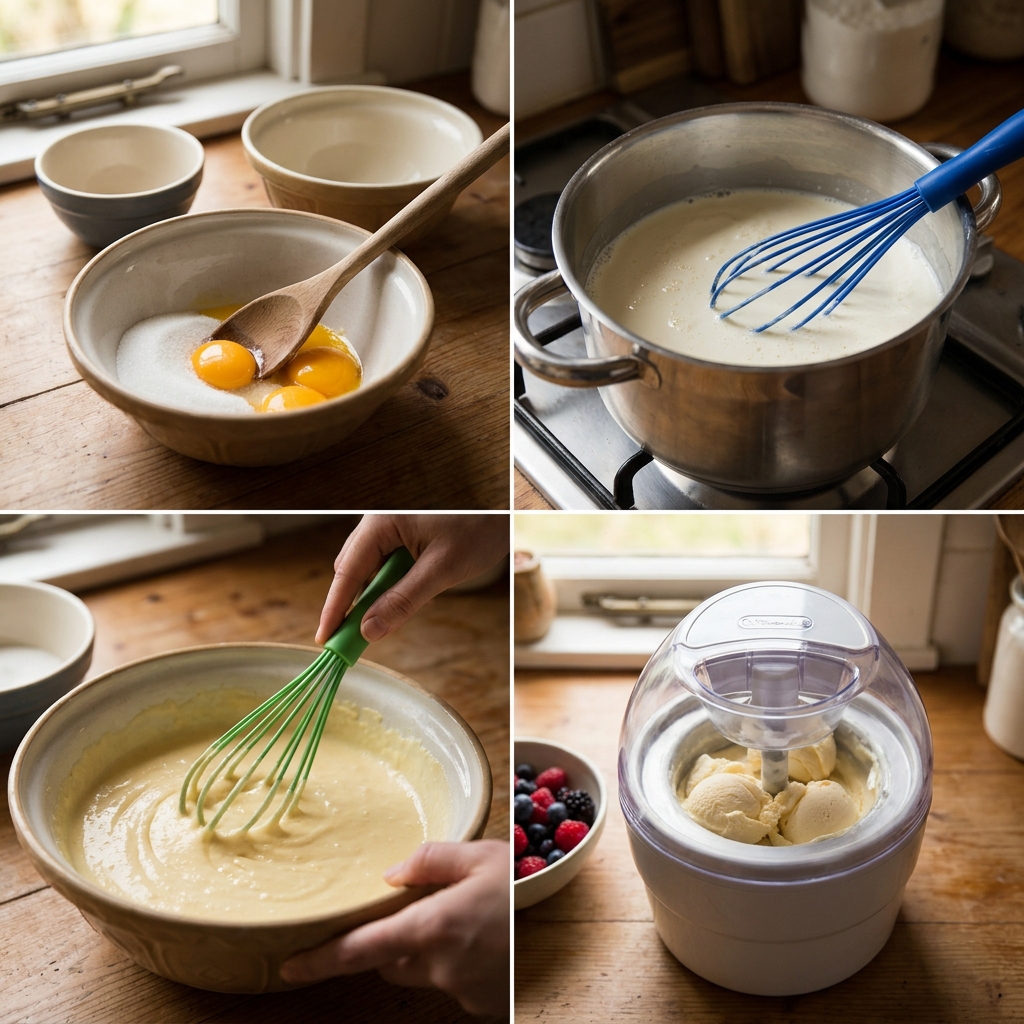
- Combine organic egg yolks and organic cane sugar in a ceramic or glass bowl, whisking gently with a plastic whisk until pale and thick.
- Heat your organic milk in a stainless steel or ceramic pot (never aluminum to prevent organic ice cream metal contamination) over medium heat until it reaches 160°F.
- Add the heated organic milk slowly to your egg mixture while stirring constantly with a plastic or wooden utensil to prevent organic ice cream metal contamination from occurring.
- Pour the combined mixture back into your pot and heat gently to 175°F, stirring frequently to ensure no organic ice cream metal contamination from equipment scraping.
- Remove from heat and let cool to room temperature, transferring to a glass bowl to prevent organic ice cream metal contamination from metal containers.
Chilling and Churning Phase for Organic Ice Cream Metal Contamination Safety
- Refrigerate your custard for at least 2 hours, preferably overnight, in a glass container with a secure non-metallic lid to prevent organic ice cream metal contamination.
- Prepare your ice cream maker according to manufacturer instructions, ensuring all plastic dasher components are properly secured to avoid organic ice cream metal contamination.
- Add your chilled organic custard to the ice cream maker’s bowl and begin churning on medium speed for the first 5 minutes.
- Increase to high speed and continue churning for 20-25 minutes until your mixture reaches soft-serve consistency while preventing organic ice cream metal contamination.
- Transfer your finished organic ice cream metal contamination-free product immediately into a plastic or glass storage container with a secure lid.
- Freeze for at least 2 hours before serving to achieve perfect scoopable consistency without any organic ice cream metal contamination concerns.
Chef Tips for Perfect Organic Ice Cream Metal Contamination Prevention
Mastering the prevention of organic ice cream metal contamination requires understanding subtle techniques that professional ice cream makers use to ensure complete safety and optimal texture.
- Use temperature control to your advantage: Maintaining precise temperatures throughout your organic ice cream metal contamination prevention process ensures proper pasteurization while avoiding any contact with reactive metal equipment. Digital thermometers with plastic housings work best for monitoring organic ice cream metal contamination-free custard preparation.
- Invest in quality non-metallic equipment: Premium stainless steel pots with plastic handles and wooden utensils represent your best defense against organic ice cream metal contamination. Replace any equipment showing signs of wear that could contribute to organic ice cream metal contamination.
- Practice ingredient inspection thoroughly: Before incorporating any ingredient into your organic ice cream metal contamination prevention recipe, examine packaging carefully and strain dry ingredients through fine plastic sieves to catch any foreign particles.
- Sanitize equipment properly and completely: Using food-grade sanitizing solutions followed by thorough rinsing eliminates microscopic contaminants that could compromise your organic ice cream metal contamination prevention efforts.
- Chill your components adequately before churning: Properly chilled custard churns more efficiently and reduces churning time, minimizing contact with equipment that could cause organic ice cream metal contamination.
- Monitor your ice cream maker’s condition constantly: Regular inspection of all dasher components and bowl surfaces prevents the development of rust or corrosion that causes organic ice cream metal contamination.
Common Organic Ice Cream Metal Contamination Mistakes to Avoid
Understanding the most frequent errors in organic ice cream metal contamination prevention helps you sidestep the pitfalls that compromise countless home ice cream recipes.
Mistake 1: Using aluminum cookware throughout your recipe Aluminum reacts with acidic ingredients and can shed particles into your custard, directly causing organic ice cream metal contamination. Fix this by switching to stainless steel, ceramic, or glass cookware exclusively. Verify all heating surfaces are non-reactive to prevent organic ice cream metal contamination from chemical interactions.
Mistake 2: Neglecting regular equipment maintenance When you ignore rust spots or corrosion on your ice cream maker’s dasher, those metal particles inevitably contaminate your finished product. The solution involves monthly inspections of all equipment and immediate replacement of any compromised components that could create organic ice cream metal contamination. Replace dashers showing any signs of deterioration to prevent organic ice cream metal contamination.
Mistake 3: Storing finished organic ice cream in metal containers Even briefly storing your finished organic ice cream metal contamination-free product in aluminum or steel containers can introduce particles. Always transfer to food-grade plastic or glass containers with secure non-metallic lids to protect against organic ice cream metal contamination.
Mistake 4: Using metal measuring spoons for dry ingredients Metal spoons can scratch inside storage containers and shed fragments that end up in your organic ice cream metal contamination-free recipe. Use wooden or plastic measuring spoons exclusively to prevent organic ice cream metal contamination from this common source.
Mistake 5: Ignoring ingredient packaging warnings Dented metal cans or compromised packaging creates ideal conditions for organic ice cream metal contamination before you even start cooking. Inspect all ingredient containers carefully and reject any with visible damage to eliminate organic ice cream metal contamination at the source.
Mistake 6: Rushing the cooling and chilling phases When you skip proper cooling time in glass containers, you risk introducing organic ice cream metal contamination from transferring hot custard between containers or using unsterilized equipment. Allow adequate cooling time in non-reactive containers to ensure organic ice cream metal contamination prevention.
Best Organic Ice Cream Metal Contamination-Free Variations and Substitutions
Creating diverse flavor profiles while maintaining your organic ice cream metal contamination prevention standards opens countless possibilities for delicious homemade frozen desserts.
| Ingredient | Substitution | Impact on Flavor and Organic Ice Cream Metal Contamination Prevention |
|---|---|---|
| Organic vanilla extract | Organic almond extract (½ teaspoon) or fresh vanilla bean paste | Almond creates nuttier profile while maintaining organic ice cream metal contamination prevention. Bean paste provides speckled appearance and authentic flavor. |
| Organic cane sugar | Organic coconut sugar or organic maple syrup | Coconut sugar adds subtle caramel notes while supporting organic ice cream metal contamination prevention. Both stored in glass containers only. |
| Organic heavy cream | Organic coconut cream or organic oat cream | Creates lactose-free variation while ensuring organic ice cream metal contamination-free results. Store all alternatives in glass containers exclusively. |
| Organic whole milk | Organic cashew milk or organic almond milk | Non-dairy option maintains creamy texture and supports organic ice cream metal contamination prevention protocols. Choose brands using only glass or plastic packaging. |
| Organic egg yolks | Organic cornstarch (2 tablespoons) plus additional organic milk | Egg-free alternative with similar richness while maintaining organic ice cream metal contamination prevention standards throughout preparation. |
Each substitution maintains your commitment to organic ice cream metal contamination prevention by using only food-grade storage containers and non-metallic preparation tools. The most important factor in any variation remains your vigilant attention to preventing organic ice cream metal contamination through proper equipment use.
Serving Suggestions for Organic Ice Cream Metal Contamination-Free Desserts
Your homemade organic ice cream metal contamination-free creation deserves thoughtful presentation and complementary accompaniments that enhance the dining experience.
Serve your finished organic ice cream metal contamination-free product in ceramic bowls or glass dishes using only wooden or plastic serving spoons. For weeknight family dinners, pair your organic ice cream with fresh organic berries served in glass bowls, creating a simple yet elegant dessert. Top your organic ice cream metal contamination-free scoops with organic dark chocolate sauce, fresh organic fruit compote, or crushed organic nuts stored safely in glass containers.
Holiday gatherings benefit tremendously from organic ice cream metal contamination-free homemade desserts presented in beautiful serving dishes. Create ice cream sandwiches using organic grain-free crackers or organic almond flour cookies prepared with non-metallic equipment. For special occasions, layer your organic ice cream metal contamination-free creation with fresh organic fruit and organic whipped cream in clear glass parfait cups for stunning visual appeal.
Meal prep enthusiasts can prepare individual organic ice cream metal contamination-free portions in glass containers with tight-fitting non-metallic lids for easy weekly snacking. Combine your organic ice cream metal contamination-free product with organic fruit smoothies for breakfast-inspired frozen treats. Serve alongside organic baked goods created in glass or ceramic baking dishes to maintain your organic ice cream metal contamination prevention standards throughout your entire dessert course.

Storage and Reheating for Organic Ice Cream Metal Contamination-Free Products
Proper storage of your organic ice cream metal contamination-free creation ensures both safety and quality preservation throughout the week and beyond.
| Method | Duration | Instructions for Organic Ice Cream Metal Contamination Prevention |
|---|---|---|
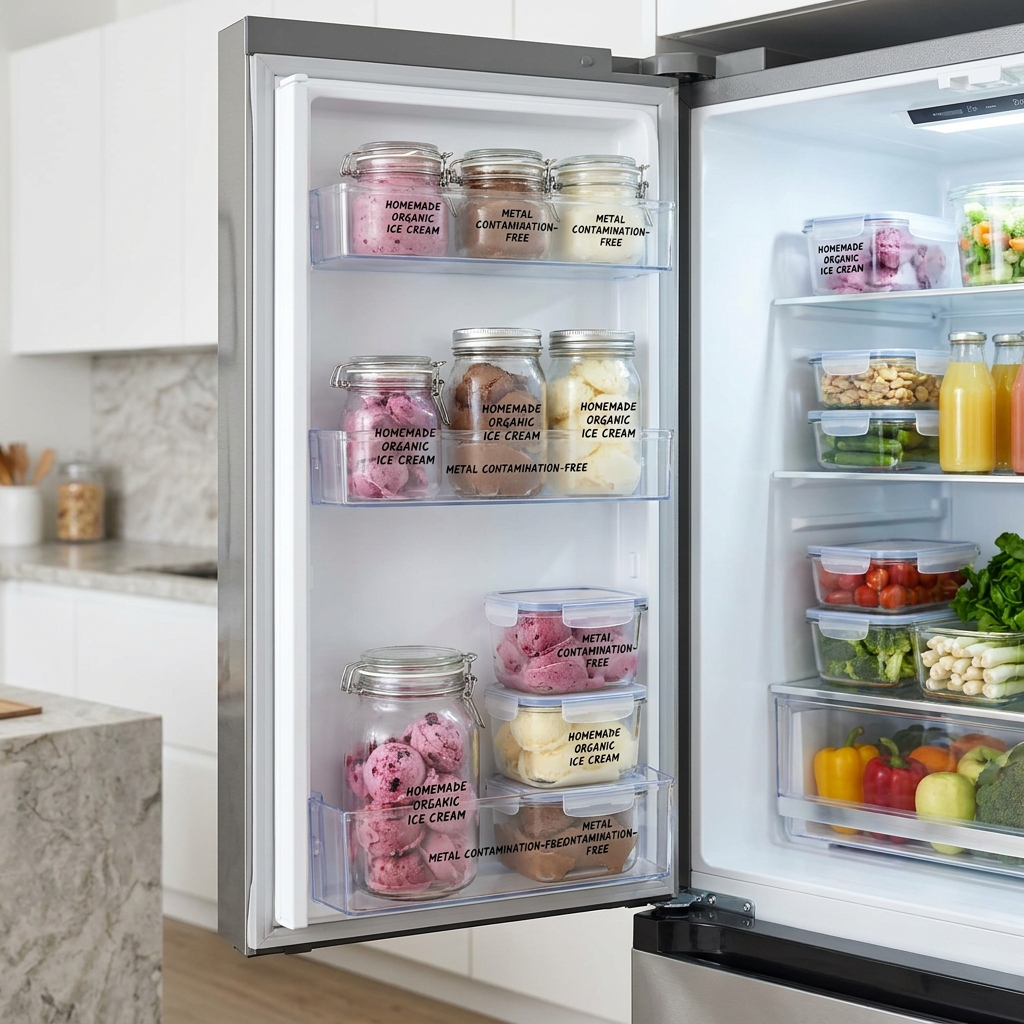
| Freezer Storage | Up to 2 weeks | Transfer your organic ice cream metal contamination-free product immediately into food-grade plastic or glass containers with secure non-metallic lids. Place in coldest section of freezer at 0°F or below. Cover surface with plastic wrap before securing lid to prevent ice crystals while maintaining organic ice cream metal contamination-free status. |
| Deep Freeze | Up to 1 month | Double-wrap organic ice cream metal contamination-free containers in additional plastic wrap and place in airtight freezer bags. Label with date and flavor using waterproof markers. Maintains quality and ensures organic ice cream metal contamination prevention throughout extended storage. |
| Refrigerator Storage | Maximum 24 hours | Store your organic ice cream metal contamination-free custard (before churning) in glass containers on refrigerator’s coldest shelf, typically back. Cover with plastic wrap and secure with non-metallic rubber band to prevent organic ice cream metal contamination. |
| Serving and Thawing | Remove as needed | Transfer required amount to ceramic or glass serving bowl. Let sit at room temperature 5-10 minutes for optimal scooping texture while preventing organic ice cream metal contamination from serving tools. |
| Make-Ahead Preparation | Up to 3 days before | Prepare and chill custard mixture in glass containers covered with plastic wrap. This advance preparation streamlines your organic ice cream metal contamination-free churning process. |
Always maintain your commitment to organic ice cream metal contamination prevention during storage by using exclusively non-metallic storage containers and lids. Never store your organic ice cream metal contamination-free product in metal freezer containers or wrap in aluminum foil, as this introduces potential contamination sources.
Nutritional Information for Organic Ice Cream Metal Contamination-Free Recipes
Understanding the nutritional profile of your homemade organic ice cream metal contamination-free creation helps you make informed dietary choices while maintaining your food safety standards.
| Nutrient | Amount per Serving (approximately ½ cup) |
|---|---|
| Calories | 215 calories |
| Total Fat | 14 grams |
| Saturated Fat | 8 grams |
| Cholesterol | 125 milligrams |
| Protein | 3 grams |
| Total Carbohydrates | 18 grams |
| Dietary Fiber | 0 grams |
| Sugars | 16 grams |
| Sodium | 35 milligrams |
Approximate values based on USDA nutrition database for homemade organic ice cream metal contamination-free products made with organic ingredients. Using quality organic ingredients supports both nutritional value and your organic ice cream metal contamination prevention efforts. These values represent pure ice cream without toppings or accompaniments.
Frequently Asked Questions About Organic Ice Cream Metal Contamination Prevention
Can I substitute regular milk for organic whole milk in this organic ice cream metal contamination prevention recipe?
Yes, regular milk works effectively in this organic ice cream metal contamination-free recipe, though organic milk is preferable for quality assurance. Ensure all milk containers are stored in glass or food-grade plastic before preparation to maintain organic ice cream metal contamination prevention standards. Always inspect containers carefully regardless of organic certification status to prevent introducing foreign particles.
How do I know if my ice cream maker’s equipment will cause organic ice cream metal contamination?
Inspect your ice cream maker’s dasher and bowl thoroughly for visible rust, corrosion, or loose metal components before each use. Run your fingers carefully over all surfaces and look for any pitting or discoloration that indicates deterioration. If any concerns exist, contact the manufacturer about replacement parts or consider upgrading to equipment specifically designed with organic ice cream metal contamination prevention in mind.
What’s the best way to troubleshoot organic ice cream metal contamination issues if I discover particles?
Immediately stop using the equipment and inspect it thoroughly to identify the contamination source. Strain the affected ice cream through fine plastic mesh into a clean glass bowl to remove visible particles. Document the issue carefully and contact your equipment manufacturer or replace the problematic component to ensure future batches remain free from organic ice cream metal contamination.
Can I prepare my custard mixture the day before without risking organic ice cream metal contamination?
Absolutely; preparing your custard up to three days in advance is an excellent make-ahead strategy that maintains organic ice cream metal contamination prevention standards. Store custard in glass containers covered with plastic wrap on your refrigerator’s coldest shelf. This advance preparation allows flavors to meld while ensuring proper food safety and protecting against organic ice cream metal contamination.
Is there a specific way to serve homemade organic ice cream metal contamination-free products for large gatherings?
Present your organic ice cream metal contamination-free creation in ceramic or glass serving bowls using only wooden or plastic serving utensils. For self-serve situations, provide small ceramic bowls and wooden spoons to guests, preventing organic ice cream metal contamination from improper serving equipment. Label your organic ice cream clearly and mention it’s homemade to enhance the special occasion experience.
How should I store leftover organic ice cream metal contamination-free product for maximum freshness?
Transfer unused portions to food-grade plastic or glass containers with secure non-metallic lids immediately after serving. Place containers in your freezer’s coldest section and cover the ice cream’s surface with plastic wrap before sealing the lid. Properly stored organic ice cream metal contamination-free products maintain quality for up to two weeks while preventing ice crystallization and contamination.
What reheating technique works best for softening homemade organic ice cream metal contamination-free frozen products?
Remove your organic ice cream metal contamination-free container from the freezer and let it sit at room temperature for five to ten minutes before scooping. For softer consistency, place the sealed glass container in a warm water bath for two to three minutes. Never use microwave heating, as this can damage containers and potentially introduce organic ice cream metal contamination from equipment.
Can I freeze organic ice cream metal contamination-free products in individual portions for convenient serving?
Yes, portioning before freezing is an excellent strategy for meal preparation and maintains organic ice cream metal contamination prevention standards effectively. Pour freshly churned ice cream into individual glass or plastic containers immediately after preparation. Freeze at 0°F or below and consume within two weeks for optimal flavor and texture while ensuring organic ice cream metal contamination-free quality.
Are there flavor variations I can create while maintaining organic ice cream metal contamination prevention standards?
Numerous delicious variations are possible while maintaining strict organic ice cream metal contamination prevention protocols. Add organic berry purees, organic nut butters (stored in glass), or organic spices during the final churning minutes. Each variation remains organic ice cream metal contamination-free when prepared using only non-metallic equipment and food-grade storage containers for all ingredients.
What beginner-friendly tips help me succeed with organic ice cream metal contamination prevention on my first attempt?
Start by thoroughly inspecting all equipment and ingredients before beginning your organic ice cream metal contamination-free recipe. Write down your timeline and prepare all components in advance using only glass and ceramic vessels. Use a reliable thermometer with plastic housing to monitor temperatures precisely, ensuring food safety while preventing organic ice cream metal contamination throughout preparation and storage.
Conclusion
Creating homemade organic ice cream metal contamination-free desserts represents a significant commitment to family food safety and culinary excellence. By implementing the comprehensive protocols outlined in this organic ice cream metal contamination prevention guide, you ensure every batch of homemade frozen treat meets professional quality standards while remaining completely safe from contamination risks. The techniques, recipes, and detailed instructions provided here transform ordinary ice cream making into a sophisticated, worry-free culinary experience. Your investment in understanding organic ice cream metal contamination prevention pays dividends through superior flavor, perfect texture, and absolute peace of mind with every serving. Whether you’re creating everyday family desserts or special occasion treats, maintaining vigilant organic ice cream metal contamination prevention standards elevates your entire homemade ice cream experience.
Related Recipes You’ll Love
Honey and baking soda trick recipe
Julian michael gelatine recipe
Lemon pepper matcha recipe
Sugar free gelatin recipe for weight loss
Horse gelatin trick recipe for men
Ben carson honey recipe
Neuro honey blend recipe
Expert Resources and Food Safety
For additional resources on food safety, visit FDA Food Safety Guidelines and USDA Nutrition Information.
Print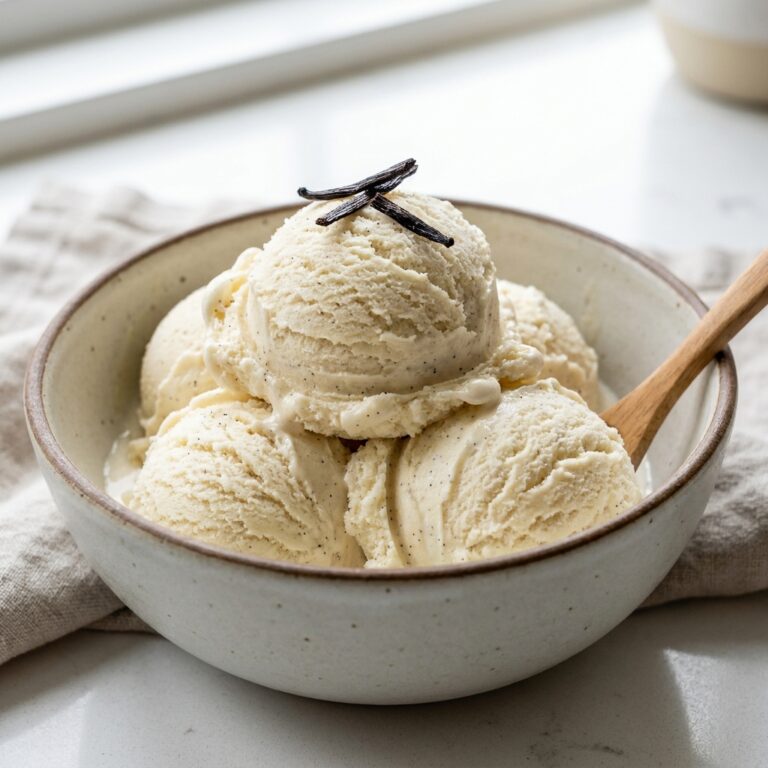
Organic Ice Cream Metal Contamination Recipe 2026
A homemade organic ice cream guide focused on preventing metal contamination through proper ingredient selection, equipment care, and safe preparation techniques for pristine frozen desserts.
- Total Time: 4 hours
- Yield: 8 servings 1x
Ingredients
- 2 cups organic heavy cream
- 1 cup organic whole milk
- 5 large organic egg yolks
- ¾ cup organic cane sugar
- 2 teaspoons organic vanilla extract
- Pinch of sea salt
Instructions
- Inspect all equipment for rust, corrosion, or loose metal components.
- Sanitize and air-dry all food-contact surfaces thoroughly.
- Combine egg yolks and sugar in a ceramic or glass bowl using a plastic or wooden whisk.
- Heat organic milk gently to 160°F in stainless steel or ceramic cookware.
- Slowly whisk heated milk into the egg mixture.
- Return mixture to the pot and heat to 175°F while stirring constantly.
- Remove from heat and transfer custard to a glass bowl to cool.
- Stir in heavy cream, vanilla extract, and sea salt.
- Refrigerate custard in a glass container for at least 2 hours or overnight.
- Prepare your ice cream maker and inspect all components before churning.
- Pour chilled custard into the machine and churn until soft-serve consistency develops.
- Transfer finished ice cream into glass or food-grade plastic containers.
- Freeze for at least 2 hours before serving.
Notes
Inspect equipment regularly and avoid damaged or corroded components. Store ingredients and finished ice cream in glass or food-grade plastic containers to maintain quality and safety.
- Prep Time: 20 minutes
- Cook Time: 30 minutes
- Category: Dessert
- Method: Frozen
- Cuisine: American
- Diet: Vegetarian
Nutrition
- Serving Size: 1 serving
- Calories: 215
- Sugar: 16g
- Sodium: 35mg
- Fat: 14g
- Saturated Fat: 8g
- Unsaturated Fat: 5g
- Trans Fat: 0g
- Carbohydrates: 18g
- Fiber: 0g
- Protein: 3g
- Cholesterol: 125mg