I’ve spent way too many years serving meatloaf that ended up tasting like a dry sponge. It was pretty frustrating, but I finally figured out that the secret is all in the moisture and the topping. This meatloaf with tangy tomato glaze is the only recipe my family asks for by name lately. The sauce gets nice and sticky in the oven, and it has just the right amount of zip to wake up your taste buds. I’m really excited to show you how I make it so your dinner turns out great too. It is honestly the best comfort food I know how to make for a busy weeknight.
The Secret to a Perfectly Moist Meatloaf Base
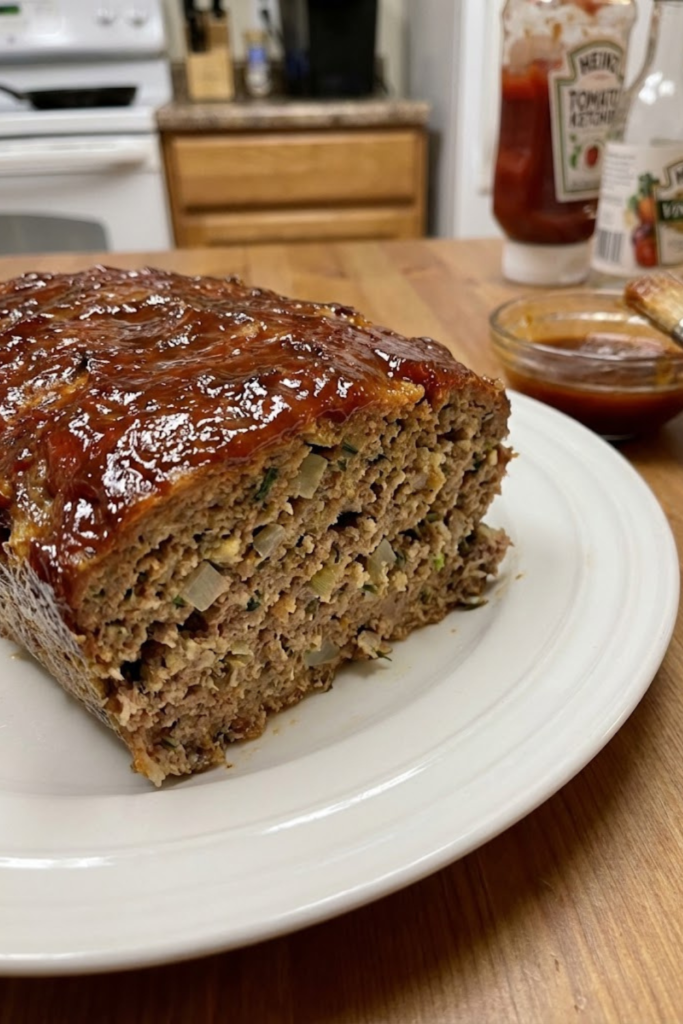
Most of us have had that one meatloaf that was basically a dry brick on a plate. It’s pretty sad when you sit down for a nice family dinner and have to chug a whole glass of water just to swallow a single bite. I’ve made that mistake more times than I want to admit back when I first started cooking for my own kids. Over the years, I learned that making a meatloaf with tangy tomato glaze that stays juicy isn’t about luck. It is about how you build the base before it ever hits the hot oven. If you start with dry ingredients, you’re going to end up with a dry dinner. It’s that simple, really. You have to treat the meat right from the very start.
Why 80/20 Beef is the Boss
One big mistake I see people make is buying the super lean ground beef. I get it, we all want to be healthy these days. But if you buy that 93% lean stuff, your meatloaf will be tough and crumbly. Fat equals flavor and, more importantly, it equals moisture. I always grab the 80/20 ground chuck at the grocery store. The fat melts while it cooks and keeps the meat fibers from tightening up too much. If you really want to get fancy, you can mix in some ground pork or even a little bit of mild sausage, but straight ground beef works fine if the fat ratio is right. Just don’t go too lean or you’ll regret it when it comes out of the oven.
My Favorite Trick: The Panade
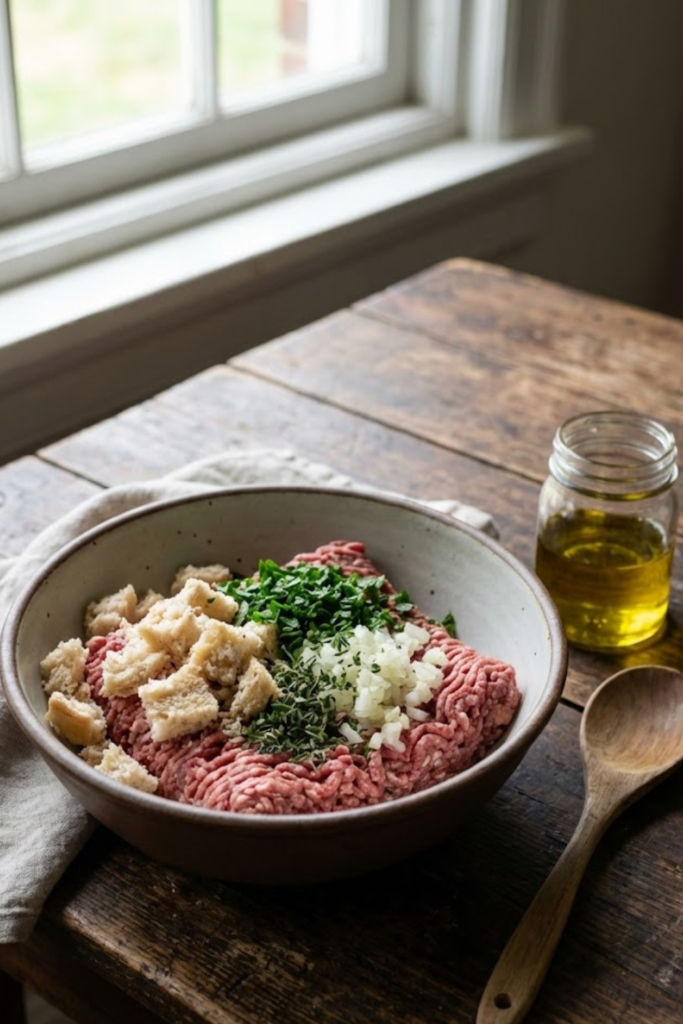
This is the part where I sound like a science teacher, but it’s the most important step for your recipe. A panade is just a name for mixing a starch with a liquid. I usually take about half a cup of whole milk and pour it over my breadcrumbs in a small bowl. Let it sit for a few minutes until it turns into a thick paste. When you mix this paste into your meat, it acts like a little sponge. It holds onto the juices instead of letting them run out onto the baking sheet. I’ve tried using just dry crumbs before, and the result is usually a disaster. The milk keeps everything soft and tender.
Sauté Your Onions First
I always sauté my onions and garlic in a little butter or oil before adding them to the bowl. If you put raw onions in, they stay a bit crunchy and don’t give off much flavor while the meat cooks. Cooking them first makes them sweet and soft. Plus, it adds even more moisture to the mix. Just make sure the veggies cool down a bit before you crack your eggs in, or you might scramble them by accident. Taking these extra steps helps you get a meatloaf that is actually worth eating. It makes a huge difference in the final texture.
Cracking the Code: The Tangy Tomato Glaze
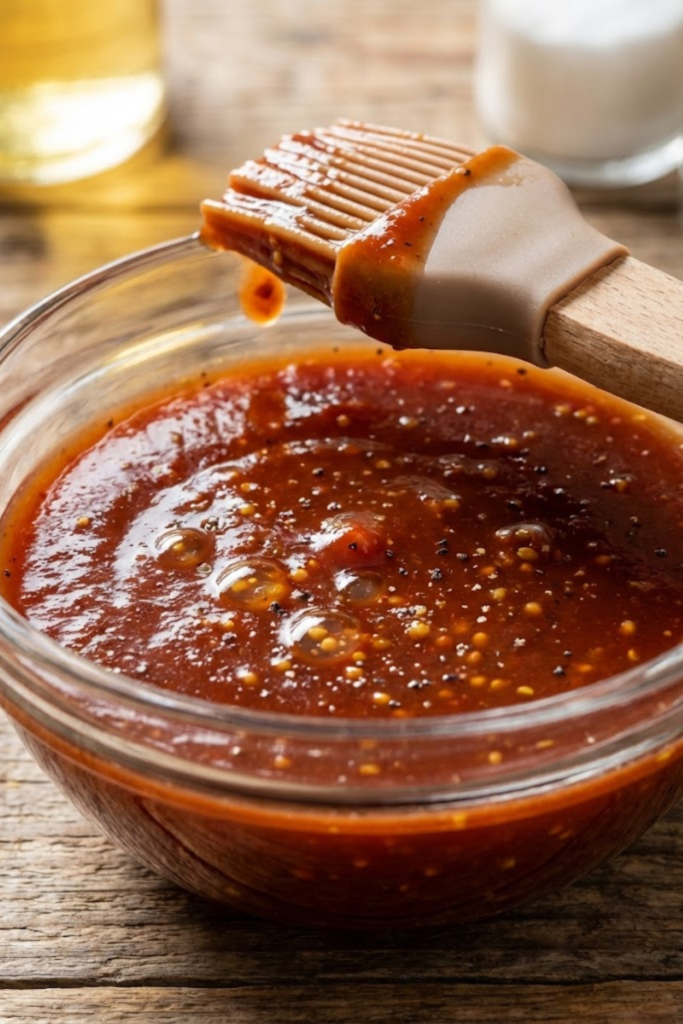
Honestly, the glaze is the part that makes my kids actually sit down at the table without complaining. I remember one time I forgot to make the sauce and just put the meatloaf in plain. It was a total disaster! Nobody wanted to eat it because it looked so boring. That was the day I realized that meatloaf with tangy tomato glaze is really about the balance between the savory meat and that zingy, sweet topping. It’s like the icing on a cake, except much better because it is dinner. I’ve spent a lot of time playing around with different amounts to get it just right. You want it thick enough to stay on the meat but thin enough to spread around easily without making a huge mess.
Why Ketchup is Your Best Friend
I know some people think using ketchup is a bit too simple, but for a classic meatloaf, it really is the best base you can find. I’ve tried using fancy tomato sauces or even crushed tomatoes before, but they just don’t have that built-in tang that ketchup brings to the party. It already has sugar, vinegar, and spices mixed in, so it gives you a huge head start on the flavor. I usually grab a brand that doesn’t have a ton of corn syrup if I can, but whatever you have in the fridge will work fine. Just make sure you start with about a cup of it so you have plenty of sauce to cover every inch of that meat.
The Secret Tangy Ingredients
To turn plain ketchup into a real glaze, you have to add some extra punch. This is where the “tangy” part of our meatloaf with tangy tomato glaze comes from. I always stir in a tablespoon of apple cider vinegar. It has a fruitier taste than white vinegar and it really brightens up the whole dish. Then, I add a big scoop of Dijon mustard. The mustard gives it a little bit of heat and a savory flavor that balances out the sweetness. If you are feeling brave, a tiny splash of Worcestershire sauce can really pull it all together. It’s all about layering those flavors so it isnt just one-dimensional and boring.
Getting that Perfect Caramelized Finish
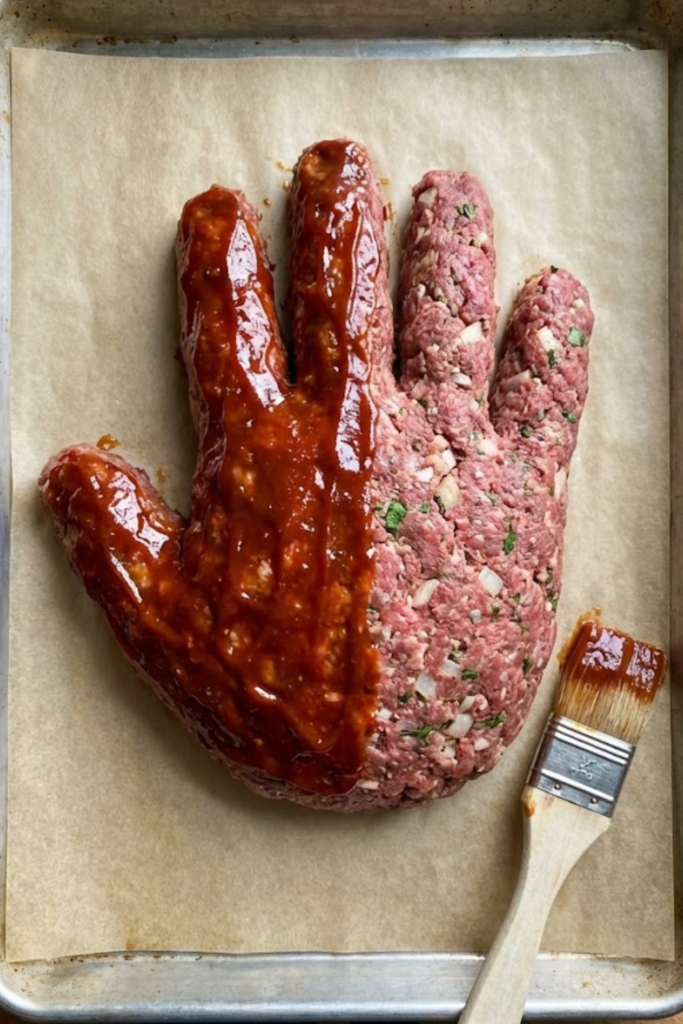
The last thing you need is a little bit of sweetness to help the glaze get sticky in the oven. I prefer light brown sugar because it melts perfectly and creates a beautiful shine on the crust. If you want to try something different, honey works great too. I usually brush about half of the glaze on the meat before it goes in. Then, about fifteen minutes before it is done, I pull it out and slather on the rest. This creates a thick, dark layer that almost looks like candy. It is the best part of the whole meal, and I usually find myself licking the spoon while the meatloaf finishes cooking. Just keep an eye on it so the sugar doesn’t burn too fast at the end!
Pro Tips for Shaping and Baking
Getting the meat from the bowl to the oven is where a lot of my students in the past got a little nervous. It feels like you’re just making a giant hamburger, but there is actually a bit of a trick to getting the right shape. If you mess up the baking part, all that work you did on the meatloaf with tangy tomato glaze might go to waste. I’ve seen people pull a loaf out of the oven that looked great on the outside but was basically a gray rock on the inside. Or worse, it falls apart the second you try to slice it for the kids. I want to help you avoid those mistakes so your dinner looks as good as it tastes.
Hands Off! Why You Shouldn’t Overmix
This is the number one thing I tell everyone. When you are mixing the beef, the eggs, and the panade together, use your hands but be very gentle. If you squeeze the meat too hard or mix it for too long, you’re going to end up with a very dense texture. I call it the “rubber ball effect.” You want to just toss the ingredients together until they are barely combined. It should still look a little bit loose in the bowl. This keeps those tiny air pockets inside the meat, which is what makes it feel light and tender when you take a bite. If you treat it like bread dough and knead it, you’ll be disappointed.
The Great Pan Debate: Loaf Pan vs. Sheet Pan
I used to always use a traditional metal loaf pan because that’s how my grandmother did it. But lately, I’ve switched to just shaping the meat by hand on a flat baking sheet lined with parchment paper. When you use a loaf pan, the meat basically boils in its own grease, and you can only put the glaze on the very top. By shaping it into a log on a flat pan, the heat hits all sides of the meat. This lets the edges get a little bit crispy and gives you way more surface area for that delicious glaze. It also makes it much easier to pour off any extra fat that cooks out while it’s in the oven.
Use a Thermometer for the Win
I can’t stress this enough: stop guessing if your meat is done. I used to just poke it with a fork and hope for the best, but that usually meant I overcooked it just to be safe. You really need a cheap digital meat thermometer. You are looking for an internal temperature of exactly 160 degrees F. Once it hits that mark, pull it out right away. If you leave it in until it hits 170 or 180, all those juices we worked so hard to keep inside will just evaporate. Also, let the meat rest for at least ten minutes before you even think about cutting it. This lets the juices settle so they don’t run all over your cutting board.
What to Serve with Your Glazed Meatloaf
You can’t just put a big hunk of meat on a plate and call it a day, even if it is a really good meatloaf with tangy tomato glaze. My husband always says that every star needs a good backup singer, and he is totally right about that. If you serve a heavy, savory main dish like this without the right sides, the plate just feels a bit lonely. I’ve spent many years trying different combinations to see what my kids will actually eat without making a face. You want something that can soak up any extra glaze that drips off the meat, but you also need something fresh so the meal doesn’t feel too heavy in your stomach. Picking the right sides is almost as important as the meat itself.
The Classic Mashed Potato Pairing
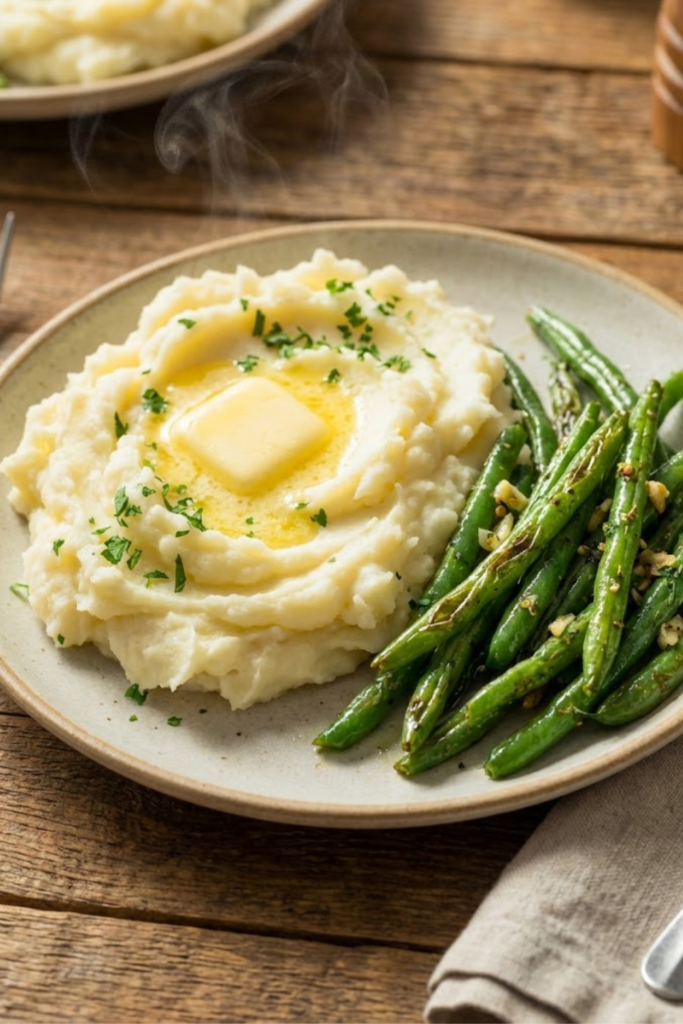
In my house, it is basically a law that you have to serve mashed potatoes with any kind of meatloaf. There is something about the creamy texture of the potatoes mixed with that zingy sauce from the meatloaf with tangy tomato glaze that just works. I usually leave the skins on my potatoes because I’m a bit lazy, and honestly, I think it tastes more like home that way. I add plenty of butter and a splash of milk to make them real fluffy. When you take a bite of the juicy meat and a bit of the potatoes at the same time, it’s like a warm hug for your mouth. If you are feeling extra, you can even stir in some garlic or chives to give the potatoes their own little kick.
Something Green to Balance the Plate
Since the meat and potatoes are pretty soft and rich, I always try to add something green and crunchy. My go-to is usually simple roasted broccoli or some snappy green beans. I like to toss them in olive oil and a little salt and pepper, then roast them until the edges are just a bit brown. This adds a nice contrast to the soft meat. Plus, the bright green color makes the whole plate look way more appetizing. It helps break up all those brown and red tones. If my kids are being picky, I might just do a crisp salad with a light vinegar dressing. The acid in the dressing helps cut through the sweetness of that tomato glaze perfectly.
Don’t Forget the Bread
Lastly, I always make sure there is some kind of bread on the table. Whether it’s dinner rolls or just a few slices of thick toasted bread, you’re going to want it. Why? Because the best part of making a meatloaf with tangy tomato glaze is the leftovers! I always try to make sure we have enough for sandwiches the next day. A cold slice of meatloaf on white bread with a little extra mayo is probably one of my favorite lunches in the entire world. It sounds simple, but it is so satisfying. Having bread at dinner lets everyone wipe their plates clean so not a single drop of that tangy sauce goes to waste. It’s the smart way to handle a family meal.
I really hope this guide helps you feel a lot more comfortable when you are getting ready to make dinner tonight. I know I have talked quite a bit about things like fat ratios and breadcrumb mixes, but the real magic happens when you finally pull that tray out of the hot oven. Seeing that shiny, red topping and smelling the cooked onions and beef is just the best feeling after a long day. This meatloaf with tangy tomato glaze has become a regular staple in my house because it is so reliable. You do not have to worry about it being a total flop if you just pay attention to those few main points we talked about earlier. It is the kind of meal that makes a boring Tuesday night feel a little more like a holiday.
One thing I tell my students all the time is that recipes are really just a starting point for your own journey. Once you get the hang of this meatloaf with tangy tomato glaze, please do not be afraid to make it your own. Maybe you want to add a little bit of smoked paprika to the meat for a deeper flavor, or maybe a dash of hot sauce to the glaze for some extra heat. That is the fun part of being a cook! You are the boss of your own kitchen. If your family likes things a bit sweeter, go ahead and add another spoonful of brown sugar. If they like it extra zingy, go heavy on the vinegar. The base we built together today is strong enough to handle a few changes here and there without falling apart on you.
We went over how to keep the meat soft by using the right beef and that milk-soaked bread. We talked about how that glaze needs both sugar and acid to really stand out. And we covered why you should never squeeze the meat too hard if you want it to stay tender. If you keep these simple things in mind, you are going to be a total hero at the dinner table. There is nothing quite like a homemade meal to bring the people you love together for a good talk. If you found these tips helpful and your dinner turned out great, I would love it if you pinned this to your Pinterest board. It helps other home cooks find these tips and keeps the tradition of a good family dinner alive and well. I really can’t wait to hear how your version turns out!