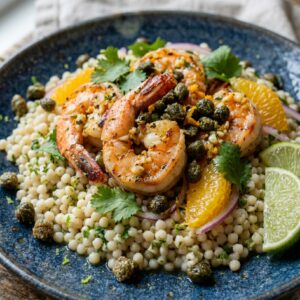
Did you know that nearly 70% of home cooks feel stressed about what to make for dinner on Monday nights? I’ve been there—staring at the fridge at 6 PM, exhausted from work, just wishing a magic chef would appear. Well, this lemon garlic shrimp pasta recipe is the next best thing! It’s fast, it’s vibrant, and it tastes like you spent hours over a hot stove when you really just spent fifteen minutes. Let’s dive into how you can get this citrusy, buttery goodness on your table tonight without breaking a sweat.
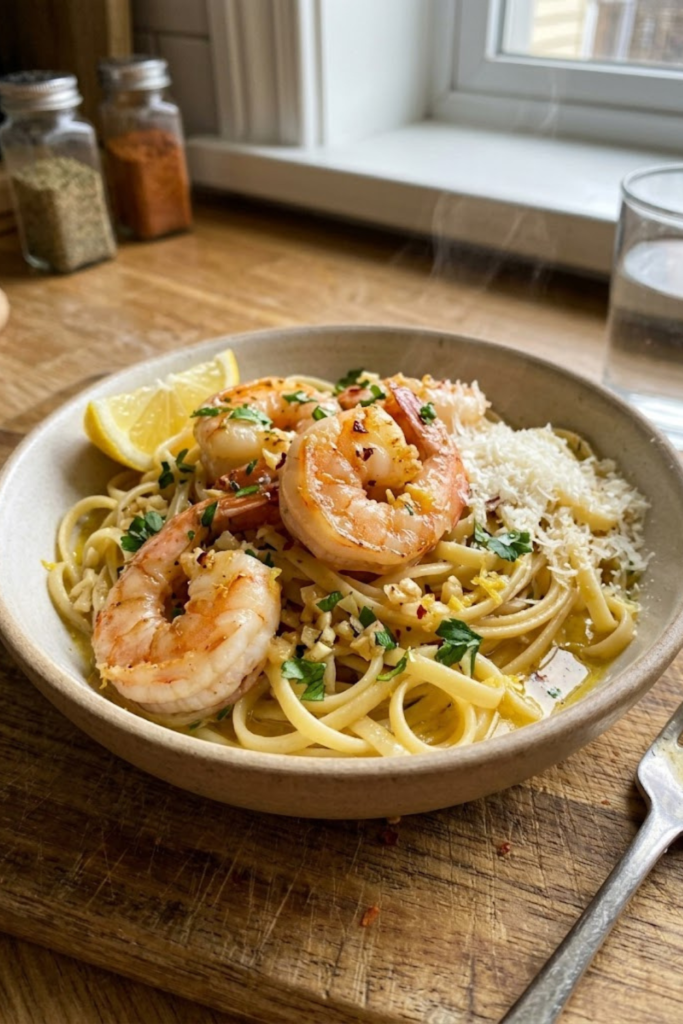
Essential Ingredients for the Ultimate Shrimp Scampi
So, you want to make this lemon garlic shrimp pasta recipe? Great choice. But before you turn on the stove, we really have to talk about the groceries. I’ve made this dish more times than I can count, and I’ve learned the hard way that the things you put in the pan will totally make or break your dinner. A few months back, I tried to save some money and bought the cheapest bag of tiny shrimp I could find. It was a huge mistake! They shriveled up into rubbery little bits that tasted like nothing. If you want that restaurant quality at home, you have to start with the right stuff.
Finding the Right Shrimp
When you are at the store, look for shrimp labeled “large” or “jumbo.” I usually go for the 16/20 count. If you get those little salad shrimp, they cook way too fast and get tough before your sauce is even ready. I also highly recommend buying them already peeled and deveined. I’m a teacher, so after a long day of grading papers, the last thing I want to do is spend thirty minutes cleaning shrimp legs. Frozen is totally fine—honestly, it’s often fresher than the “fresh” stuff at the counter. Just put them in a bowl of cold water for about 15 minutes to thaw them out. Make sure you pat them dry with a paper towel. If they are dripping wet, they won’t sear; they just get soggy.
Why Fresh Garlic is Non-Negotiable
I’m gonna be honest with you: put down that jar of pre-minced garlic. It tastes like vinegar and it’s just not good. Go get a fresh head of garlic. I usually use about five or six big cloves for this. I like to smash them with the flat side of my knife to get the skins off—it’s actually a pretty good way to blow off some steam! Mince it up yourself right before you cook. The smell is amazing and it makes the lemon garlic shrimp pasta recipe taste ten times better.
The Butter and Oil Mix
I like to use a mix of unsalted butter and good olive oil. The butter gives you that rich, creamy flavor, but it can burn easily if you aren’t careful. Adding a splash of oil helps keep the butter from turning black in the pan. Also, use unsalted butter so you can add your own salt later. You want to be the boss of the seasoning! A fresh lemon is the final touch. You need the zest and the juice to make it all come together.
How to Achieve the Perfect Al Dente Pasta
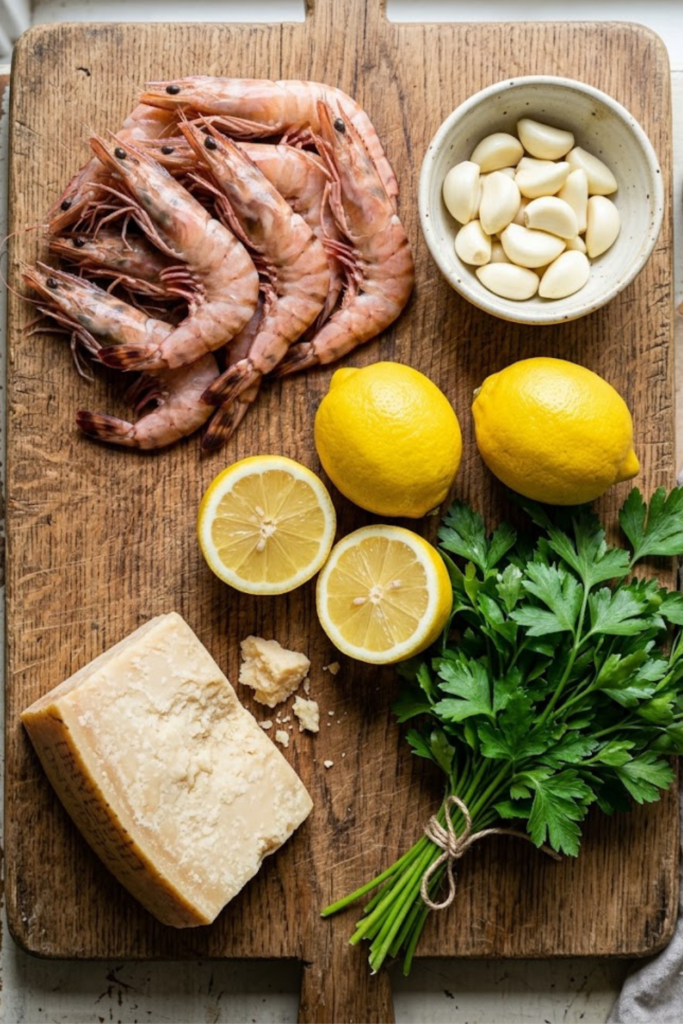
Let’s get real for a second—the pasta is just as important as the shrimp in this dish. If you end up with mushy, overcooked noodles, your whole dinner is going to feel like cafeteria food. I’ve seen it happen a hundred times! For my lemon garlic shrimp pasta recipe, I always tell people to pick a long, thin noodle like linguine or thin spaghetti. Linguine is my personal favorite because it has a bit more surface area than regular spaghetti. That extra space is like a little landing strip for the buttery garlic sauce to grab onto. It makes every bite taste way better.
Don’t Be Afraid of the Salt
When you start your big pot of water, you really need to be generous with the salt. I tell my students all the time that your pasta water should taste like the ocean. I used to be pretty scared of adding too much salt when I first started cooking, but you have to realize that most of that salt just goes down the drain anyway. The salt is there to season the actual pasta from the inside out while it boils. If you skip this part, your noodles are going to taste bland and boring, no matter how much lemon or garlic you throw on them later. It’s the easiest way to make your home cooking taste like it came from a fancy bistro.
The Secret to the Perfect Bite
Now, let’s talk about the timing, because this is where most folks mess up. You want your pasta to be “al dente,” which is a fancy Italian way of saying it should have a little bit of a “bite” or chew to it. I always set my kitchen timer for at least two minutes less than what the box says. Why do I do that? Because the pasta isn’t actually finished when you drain it! You’re going to toss those hot noodles into the skillet with the shrimp and the sauce, and they will keep cooking for another minute or two in that liquid.
The Taste Test Method
If you cook the pasta all the way through in the boiling water, it will turn into a soggy mess once it hits the pan. I remember one time I got distracted by a neighbor knocking at the door and I left my spaghetti in the pot too long. It was so soft it practically fell apart when I tried to twirl it on my fork. My family still teases me about “the pasta porridge night.” To avoid that, just take a single noodle out of the pot with your tongs about three minutes before the timer goes off. Bite into it. If it’s still a tiny bit firm in the very center but not crunchy, it’s exactly where you want it for this lemon garlic shrimp pasta recipe. Just make sure you scoop out a cup of that cloudy pasta water before you dump the rest in the sink!
My Secret Trick for a Silky Garlic Butter Sauce
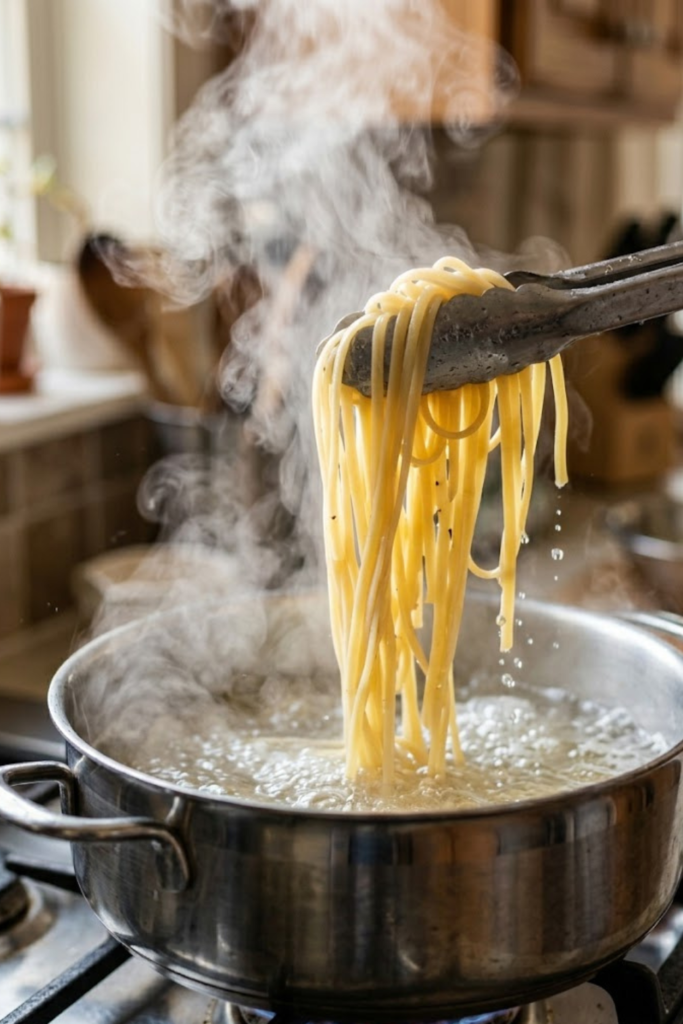
Most people think you need to buy a big carton of heavy cream to get a good, thick sauce for a lemon garlic shrimp pasta recipe. I used to think that too back when I was first learning to cook in my tiny college apartment. I’d dump in a bunch of half-and-half and then I’d feel super weighed down for hours after dinner. But the truth is, the best sauces—the ones that look all shiny and silk-like on your plate—don’t use any cream at all. It’s all about a little bit of kitchen science and a whole lot of butter. I learned this trick from an old neighbor who grew up in Italy, and it changed my cooking forever. It’s so simple that you’ll wonder why you ever did it any other way.
The Liquid Gold Hack
Remember that cup of pasta water I told you to save in the last section? This is where the real magic happens. That water is full of starch from the noodles. When you mix that cloudy water with the fat from the butter and the oil in the pan, it creates what chefs call an emulsion. Basically, the starch acts like a bridge that helps the water and fat stick together instead of separating into a greasy mess. If you just used plain tap water, your sauce would be thin and runny. But with the pasta water, it turns into a thick, glossy coat that stays on the shrimp and the noodles. I always keep a little extra on the side just in case the pasta looks a bit dry at the end.
Why Butter Temperature Matters
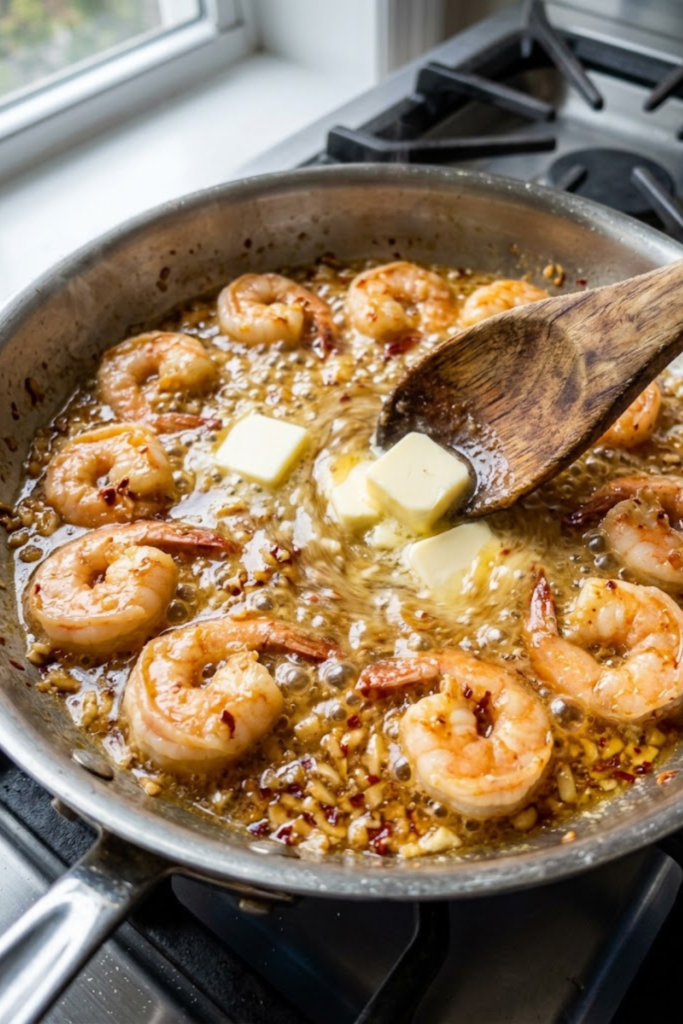
One thing I’ve noticed is that people tend to throw all their butter in when the pan is way too hot. If the pan is screaming, the butter will just melt and turn into a yellow oil slick. To get that creamy feel in your lemon garlic shrimp pasta recipe, you want to take the pan off the heat for a second or turn it way down. Drop in cold cubes of butter and whisk them in slowly. The cold butter melts at a slower pace and creates a much smoother texture. It’s a little trick that makes a huge difference in how the dish feels in your mouth. I usually do about three or four tablespoons. It sounds like a lot, but we’re making a restaurant-style meal, so you gotta live a little!
Adding a Little Kick of Heat
Lastly, don’t forget the red pepper flakes. I like to add mine right as the garlic is finishing up in the pan so they can toast for a second in the oil. This wakes up the flavor. It doesn’t make the dish super spicy like a hot wing, but it adds a warmth that balances out all that heavy butter and tart lemon juice. I usually use about half a teaspoon, but you can use more if you like things a bit more exciting. Just be careful not to burn the flakes, because burnt pepper tastes really bitter and can ruin the whole batch of sauce. If you have kids who hate spice, you can just leave them out and add them to your own bowl at the table.
Serving Suggestions and Pairings
I’ve always felt that the way you serve a meal is just as important as how you cook it. When I bring a big platter of this lemon garlic shrimp pasta recipe to the dinner table, I want it to look like I actually know what I’m doing in the kitchen. Even if I was just yelling at the cat five minutes ago or trying to find my car keys, the moment that pasta hits the table, everything feels a bit more put together. It’s a great way to end a busy Tuesday. But don’t just dump it in a bowl and call it a day! There are a couple of little things you can do to make it feel special for your family or friends.
The Finishing Touches
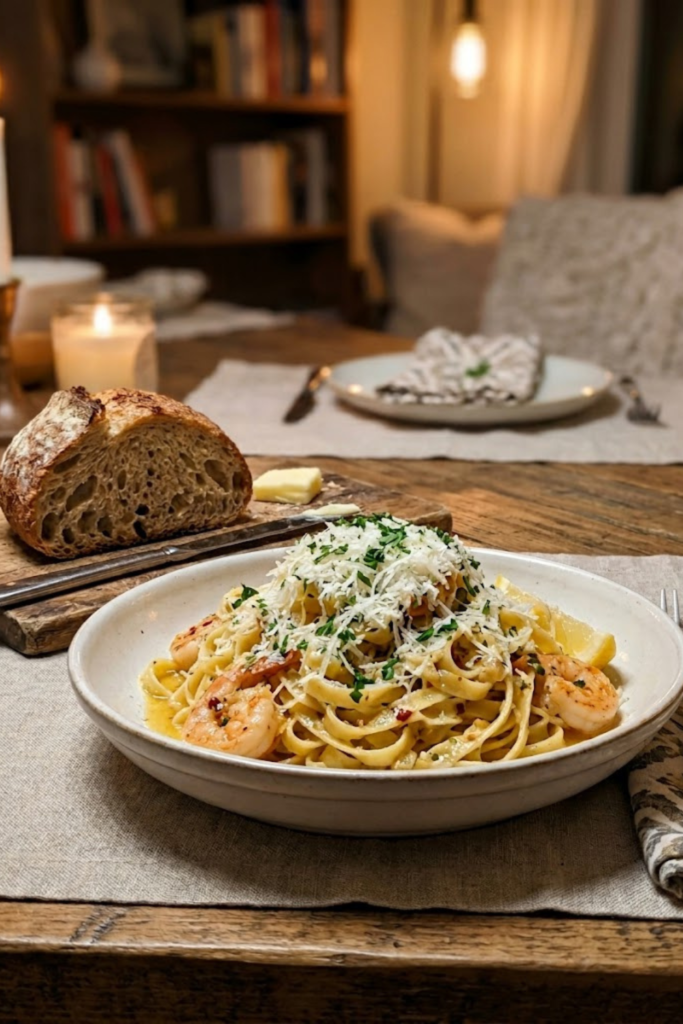
Before you let anyone grab a fork, you gotta add the green stuff. I’m talking about fresh parsley. Don’t use the dried stuff in the little shaker jar; it usually tastes like grass clippings. Get the fresh flat-leaf parsley and chop it up. It adds a freshness that really cuts through the heavy butter. And of course, you need cheese. I usually go for a big block of Parmesan or Pecorino Romano and grate it right over the top while the pasta is still steaming. My kids always ask for “more snow,” which is what they call the grated cheese. It adds a salty kick that really makes the lemon flavor stand out. Just don’t overdo it, or you won’t be able to taste the shrimp!
What to Serve on the Side
Since this lemon garlic shrimp pasta recipe is pretty rich with all that butter, I usually keep the sides simple. A crisp arugula salad with a basic lemon vinaigrette is my favorite choice. The peppery taste of the arugula goes so well with the garlic. Also, you really need some bread. I usually grab a loaf of sourdough or a crusty baguette from the store on my way home. You’ll want it to soak up all that extra sauce at the bottom of your bowl. There’s nothing worse than seeing all that delicious garlic butter go to waste! I sometimes toast the bread with a little more garlic—because you can never really have too much garlic, right?
The Perfect Drink Pairing
If you’re having a bit of a fancy night or a date night, a cold glass of white wine is the way to go. I’m not a wine expert by any means, but I know that a dry Sauvignon Blanc or a Pinot Grigio works great. The crispness of the wine acts like a palate cleanser between bites of the buttery pasta. If you don’t drink alcohol, a sparkling water with a big squeeze of lime or lemon is just as good. It keeps the meal feeling light and fresh. No matter what you choose to serve with it, this meal is a guaranteed hit. I’ve never had someone walk away from my table hungry after I’ve made this!
Honestly, I really hope you give this one a try soon. If you are like me, you probably have a million things on your plate every single day, and the last thing you want is a recipe that takes an hour to clean up after you’re done eating. This lemon garlic shrimp pasta recipe is my absolute go-to for those crazy weeknights when I’ve spent all day in a classroom and just want to sit down with a warm, good meal. It’s funny how a few simple things like a fresh lemon and some garlic can make you feel like you’ve actually got your life together, even if your laundry pile is three feet high in the other room and the cat is acting crazy.
One thing I’ve learned over the years is that cooking doesn’t have to be perfect to be delicious. If you accidentally put in too much lemon juice, just call it “extra zesty” and enjoy the zing. If you forget the red pepper flakes, it’s still going to taste great. The most important part is that you are making something fresh for yourself or your family instead of just grabbing a frozen box. I’ve had plenty of kitchen disasters—trust me, I once burnt toast so bad the fire alarm went off during a parent-teacher meeting—but this recipe is pretty hard to mess up. It’s very forgiving, which is why I love it so much.
I really think this lemon garlic shrimp pasta recipe will become one of those meals you just know by heart after making it once or twice. You won’t even need to look at your phone or a piece of paper to remember what comes next. That’s the sign of a truly great recipe, right? It becomes part of your weekly routine because it’s just so easy.
Before you go and start boiling your water, I have one little favor to ask. If you ended up making this and liked it, please save this post! I put a lot of work into sharing these tips, and it really helps me out when people share my stuff. Please save it and share it on Pinterest so others can find it too! It also helps other busy folks find a quick meal that actually tastes good. Thanks so much for reading, and happy cooking! Go get those shrimp going—you’re gonna love it.