I used to be absolutely terrified of cooking scallops. I mean, they’re expensive, right? The fear of turning these beautiful, tender morsels into rubbery hockey pucks was real! But then I learned the simple secret to the perfect sear, and honestly, I haven’t looked back since. This Lemon Butter Scallops with Roasted Asparagus recipe is my go-to “fancy” meal when I have zero time but want to impress. It’s incredibly fast. We’re talking less than 20 minutes from fridge to table. Plus, the combination of rich, nutty brown butter and bright lemon juice cuts right through the richness of the seafood. It is just chef’s kiss! Whether you are sticking to a low-carb diet or just love fresh seafood, this dish feels like a celebration on a plate. Let’s get cooking!
Choosing the Best Scallops: Dry vs. Wet
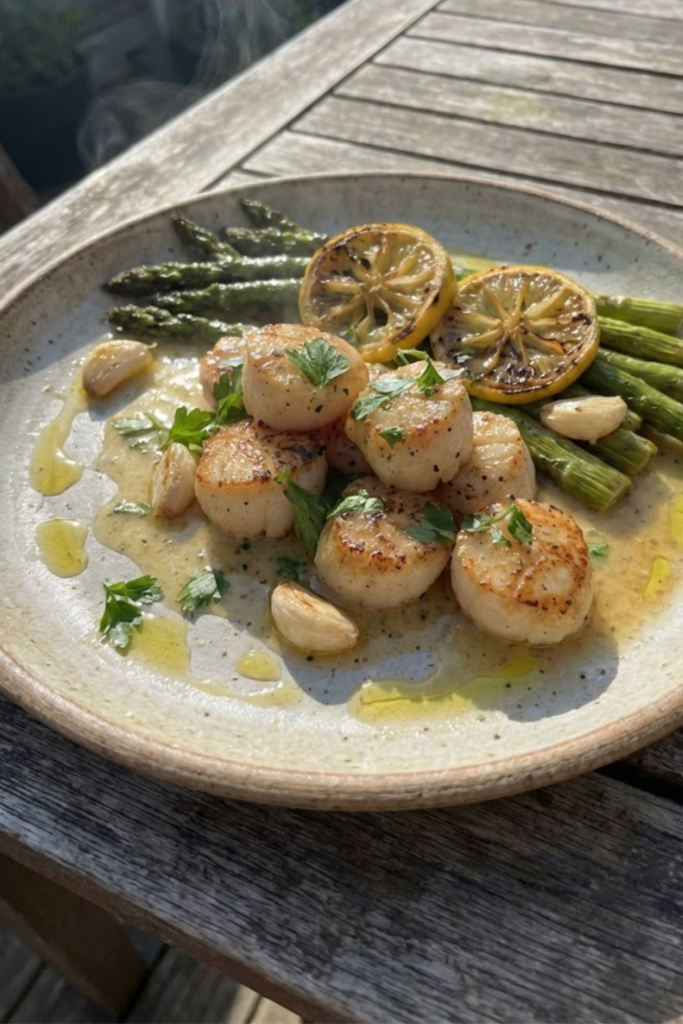
You know, for the longest time, I couldn’t figure out why my scallops at home never tasted like the ones at the restaurant. I’d buy them, throw them in the pan, and they’d end up swimming in a pool of milky liquid. Instead of searing, they were steaming. It was so frustrating! Turns out, I was buying “wet” scallops without even knowing it.
See, a lot of the scallops you find at the grocery store are treated with a solution of water and phosphates. They call these “wet” scallops. The solution makes them absorb water, which makes them heavier (so they cost more) and keeps them looking bright white. But when you cook them, all that extra water dumps out into your pan. Good luck getting a nice brown crust when your food is boiling in water!
What you really want to look for are “dry” scallops. These are all-natural and haven’t been treated with any chemicals. They might look a little less perfect—maybe a bit beige or slightly pinkish instead of stark white—but that’s actually a good thing. Because they aren’t full of added water, they caramelize beautifully in the pan. That sugar in the scallop turns golden brown, and that is where all the flavor is.
When you are at the store, don’t be afraid to ask the person at the counter if the scallops are dry or wet. If they don’t know, look at the container. If there is milky liquid pooling at the bottom, they’re probably wet. A dry scallop should smell sweet and like the ocean, not fishy at all.
If you can’t find fresh dry scallops, frozen ones are actually a pretty solid option. A lot of times, they are frozen right on the boat. Just make sure you check the label to see if “water” or “sodium tripolyphosphate” is listed. If it’s just “scallops,” you are good to go. To thaw them, I just put them in a bowl in the fridge the night before. Don’t rush it by microwaving them, or you’ll end up with rubber!
Preparing the Asparagus for Roasting
I used to be the person who just chopped the bottom inch off the asparagus bunch and called it a day. But then I’d end up chewing on woody, stringy stems that were impossible to swallow. It really ruined the meal. The best trick I learned is the “snap” method. You just hold a spear at both ends and gently bend it. It will naturally snap right where the tough, woody part meets the tender part. It is actually kind of fun to do! I usually stand over the trash can and snap them one by one. Sure, you might lose a little more of the vegetable than if you cut them, but trust me, you won’t miss eating that tough part.
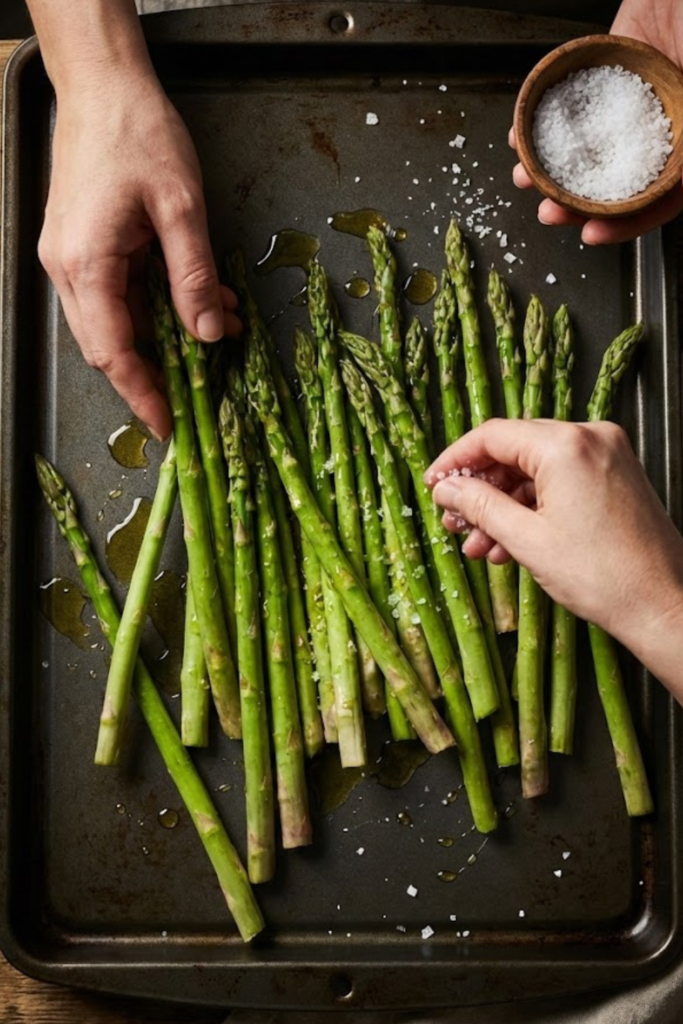
Once they are trimmed, I don’t get fancy with the seasoning. Asparagus has such a nice flavor on its own. I just toss the spears right on the baking sheet with a drizzle of olive oil, some sea salt, and a little cracked black pepper. I use my hands to roll them around so they are all coated. You don’t need a heavy hand with the oil; just enough so they glisten a bit.
The real secret here is the oven temperature. I set mine to 400°F (about 200°C). If the oven isn’t hot enough, the asparagus just steams and gets mushy. Nobody likes mushy vegetables. At 400 degrees, they roast quickly and get those delicious crispy brown bits on the tips, but they stay crisp-tender in the middle.
Since scallops cook crazy fast, timing is everything. I usually pop the asparagus in the oven first. They take about 10 to 12 minutes depending on how thick the spears are. So, I put them in, set a timer, and then I start getting my skillet hot for the scallops. By the time the asparagus is ready to come out, the scallops are usually just finishing up. It’s a nice little rhythm that keeps things from getting cold.
Ingredients for Lemon Butter Sauce
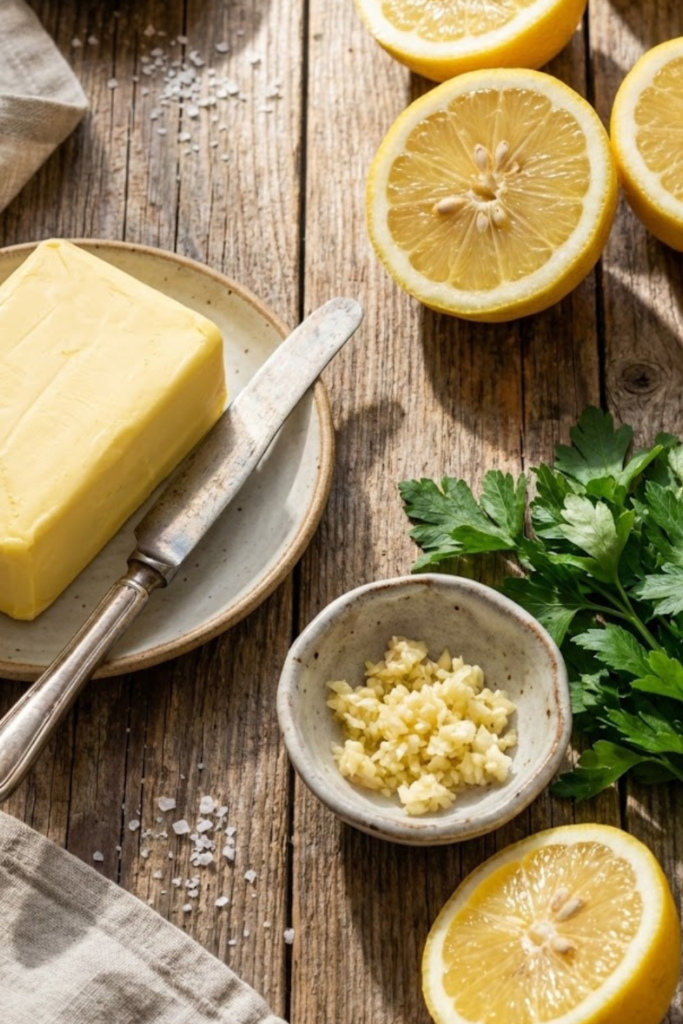
This sauce is honestly the best part of the dish, and the crazy thing is how simple it is. You don’t need a huge list of fancy ingredients. It really comes down to what I like to call the “magic trio”: butter, lemon, and garlic. Since there are so few ingredients, you really want to make sure they are good ones.
First, the butter. I usually grab unsalted butter so I can control how salty the dish gets later on. But if you only have salted butter in the fridge, that is totally fine too—just go easy when you sprinkle salt on the scallops later. You want that rich, creamy taste, so don’t swap this for margarine or oil. It just won’t be the same.
Now, I have to be a little strict about the lemon. Please, please do not use that bottled juice that comes in the little plastic lemon! I know it saves time, but it has a weird, metallic aftertaste that can ruin the sauce. You need a real, fresh lemon. Plus, you’re going to want the zest (the bright yellow skin). I found that the zest actually adds way more lemon flavor than the juice itself. It makes the whole dish smell bright and fresh.
For the garlic, fresh cloves that you chop up yourself are going to give you the best flavor. But hey, I’m a busy person too. If you need to use the jarred minced garlic to save five minutes, I won’t tell anyone. It still tastes good.
Finally, I like to finish it off with some fresh herbs. Parsley is my go-to because it adds a nice pop of green, but chives work great too. If you like a little heat, a tiny pinch of red pepper flakes adds a nice kick that cuts through the rich butter.
How to Sear Scallops Perfectly
Okay, this is the part where people usually get nervous, but I promise it’s not hard if you follow a couple of rules. The absolute most important thing—if you only remember one thing from this whole recipe—is to dry your scallops. I take a few paper towels and pat them down really well. If they are wet on the outside, they won’t sear; they’ll just steam in their own juice. I usually let them sit on the paper towel for a minute just to be safe.
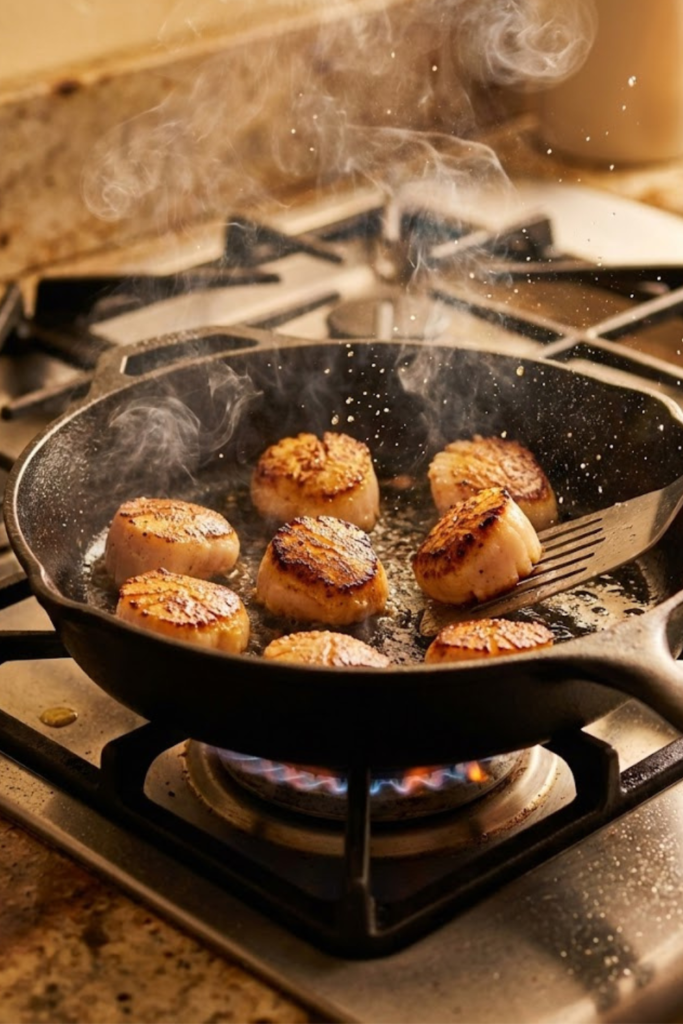
Next, you need the right pan. I love my cast iron skillet for this because it gets hot and stays hot. Stainless steel is good too. I’d stay away from non-stick pans if you can. They just don’t get that nice, dark brown crust we are looking for.
Get your pan on the stove and turn the heat up to medium-high. Add your oil (I use avocado oil or olive oil) and wait. You want to see wisps of smoke coming off the pan. If the oil isn’t hot enough, the scallops will stick and cook too slow.
Once the pan is smoking, carefully place the scallops in. Give them plenty of room; don’t crowd them together or the pan will cool down too much. Now, here is the hardest part: Stop. Do not touch them. Do not check underneath them. Just let them sit there and sizzle for exactly two minutes. If you try to move them too soon, they will stick to the pan and tear. After two minutes, they should release easily and have that beautiful golden crust. Flip them over, and they only need another minute or so on the other side.
Bringing It All Together
Alright, we are in the home stretch! This is the part where you start to feel like a real chef. As soon as you flip those scallops over to cook the second side, that is when you add the magic. I toss the butter and the garlic right into the hot pan with the scallops. It’s going to hiss and foam up, which is exactly what you want.
Now, you have to work kinda fast. I take a big spoon and tilt the pan just a little bit so the melted butter pools at the bottom. Then I just scoop up that hot, garlicky butter and pour it over the scallops again and again. Chefs call this “basting,” but I just call it delicious. It keeps the scallops moist and helps cook them gently from the top while the bottom gets crispy. Squeeze your lemon juice in right at the end so it stays fresh and bright.
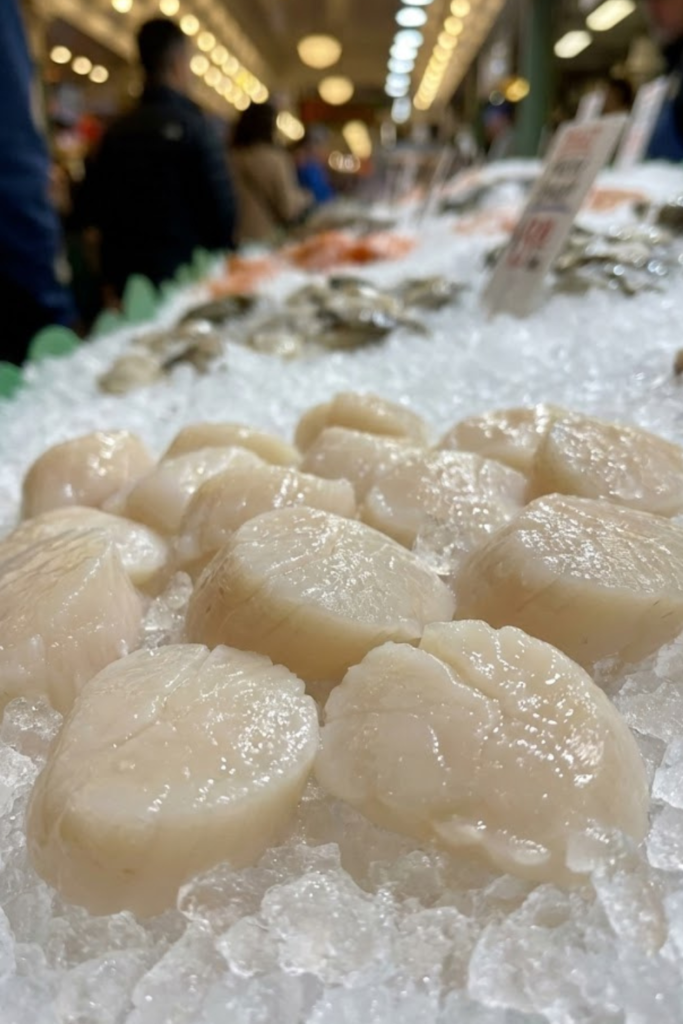
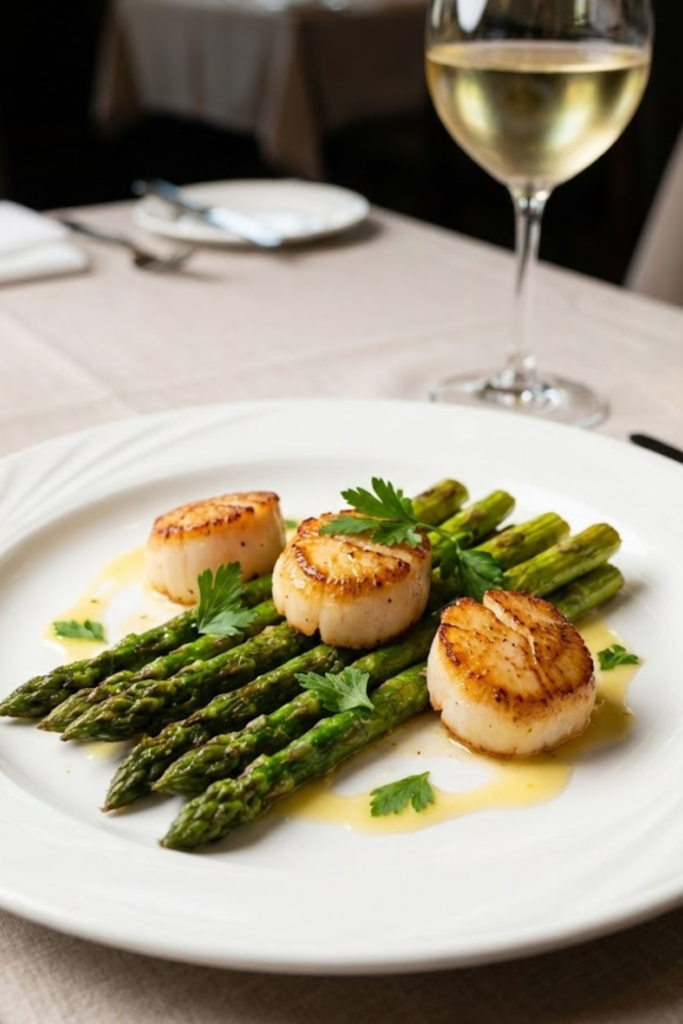
By now, your timer for the asparagus should be going off. Go ahead and pull that baking sheet out of the oven. The spears should be tender but still have a little snap to them—no soggy veggies here! I like to pile the asparagus on the plate first to make a nice little bed. Then, I place three or four scallops right on top or just lean them against the greens.
Don’t you dare leave all that good sauce in the pan! Pour the rest of that lemon garlic butter right over everything on the plate. I sprinkle a little fresh parsley and maybe some more lemon zest on top just to make it look pretty. And listen, you have to eat this right away. Scallops cool down fast, and cold butter isn’t nearly as tasty. So call the family, get the plates on the table, and dig in while it’s hot!
So, there you have it. A fancy-looking dinner that’s actually super easy to make. I know seafood can be scary to cook sometimes, especially when it costs a bit more, but once you get that pan hot and trust the process, it’s a breeze. Seriously, if I can do it, you can too.
This Lemon Butter Scallops with Roasted Asparagus has saved me on so many busy weeknights. It’s light, it’s tasty, and cleanup isn’t a nightmare. Plus, it just feels special, you know? Like you’re treating yourself without having to put on dress shoes and go out.
I really hope you give this recipe a shot. Let me know in the comments if you liked it or if you changed anything up—I’m always looking for new ideas!
Don’t forget to save this recipe! Pin it to your “Keto Dinner Ideas” board on Pinterest so you can find it later!