Did you know that in a recent poll, over 65% of dessert lovers chose lemon over chocolate during the spring months? It’s true! There is something purely magical about the combination of bright citrus and sweet cream. I still remember the first time I tasted this specific cake; it wasn’t at a fancy bakery, but in a tiny, sun-drenched kitchen in Sorrento. This isn’t just a cake; it’s a memory on a plate! We are going to make an Italian lemon cream cake irresistible to anyone who tries it. Get your aprons ready, because we are about to bake some sunshine!

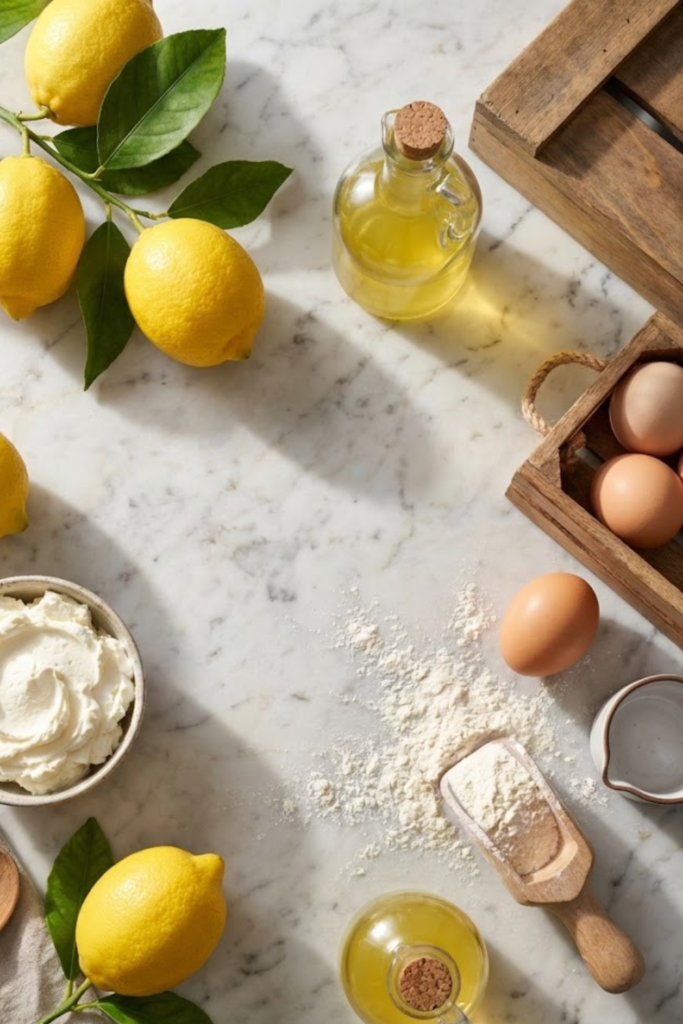
Gathering the Ingredients for Authentic Italian Flavor
Listen, I have to be real with you for a second. The first time I tried to bake an Italian lemon cream cake irresistible enough to impress my mother-in-law, I completely flopped. I thought I could just grab whatever was cheapest at the grocery store. Big mistake. The cake turned out dense, and the “lemon” flavor tasted a bit like that spray I use to clean my coffee table. Yuck.
I learned the hard way that when you are dealing with a recipe this simple, there is nowhere to hide. The ingredients do all the heavy lifting. You can’t fix bad ingredients with good technique here. So, let’s chat about what you actually need to buy so you don’t end up crying over a sad, flat cake like I did back then.
The Lemon Situation
You cannot, and I repeat, cannot use those plastic lemon-shaped squeeze bottles. Put it back on the shelf! For this recipe, the zest is actually more important than the juice. You want the oils from the skin.
- Go Organic: I always look for organic or “unwaxed” lemons.
- The Wax Problem: Regular lemons are covered in wax to make them shiny. If you zest those, you are grating wax into your batter. It tastes bitter and weird.
- Squeeze Test: Pick lemons that give a little when you squeeze them; they have more juice.
If you can only find waxed lemons, scrub them really hard under warm water first. Trust me, the smell of fresh zest hitting the sugar is pure therapy.
Mascarpone vs. Cream Cheese
Okay, here is where people get confused. I’ve had friends ask, “Can I just use cream cheese?” No! Please don’t do that. Cream cheese is tangy and salty. Mascarpone is milky, sweet, and rich. It’s what makes the filling of an Italian lemon cream cake irresistible and silky.
I once tried to save five bucks by using a generic “Italian style cream cheese” spread. It was a disaster. The filling went runny and leaked out the sides of the cake. It looked like a landslide. Spend the extra money on a tub of good, real Mascarpone. You want the high-fat content here. We aren’t counting calories today, right?
The Flour Dilemma
For years, I was stubborn and only bought all-purpose flour. I thought cake flour was a scam. I was wrong.
Cake flour has less protein, which means less gluten. Less gluten means a softer, fluffier sponge. If you use all-purpose flour, your cake might end up feeling a bit like cornbread. If you don’t have cake flour, you can make a substitute by taking a cup of all-purpose flour, removing two tablespoons, and adding two tablespoons of cornstarch. Sift it like five times. It’s a pain, but it works in a pinch.
The Secret Weapon: Limoncello
This is optional, but highly recommended if you want that authentic kick. Limoncello is a strong Italian lemon liqueur. We use it to brush the sponge layers. It keeps the cake moist for days.
If you don’t drink alcohol or are baking for kids, you can make a simple syrup with lemon juice and sugar. But if you can, grab a small bottle. It adds a zing that makes people go, “Whoa, what is that?” It’s the difference between a good cake and a great one.
Quick Checklist
Before you start mixing, just double-check you have these ready to go. Nothing is worse than cracking eggs and realizing you are out of sugar.
- Eggs: They need to be at room temperature. Cold eggs don’t whip up well.
- Butter: Also room temp, but not melted!
- Heavy Whipping Cream: This needs to be ice cold. Keep it in the fridge until the very last second.
Getting the right stuff is half the battle. Once you have these quality ingredients on your counter, you are already halfway to success. Now, let’s get to the fun part and start baking!
Baking the Perfect Sponge Cake Base
I have a confession to make. I used to be terrified of making sponge cakes from scratch. My first attempt was supposed to be light and airy, but it came out looking more like a dense rubber frisbee. I actually cried in front of my oven. It was not my finest moment. But after ruining about a dozen cakes, I finally figured out the rhythm of it. Baking this base is less about following a recipe and more about feeling the batter.
The Egg Separation Saga
The foundation of an Italian lemon cream cake irresistible enough to sell in a bakery is the eggs. We aren’t relying heavily on baking powder here; we are relying on air. You have to separate your eggs, and you have to do it carefully.
- No Yolk Allowed: If even a tiny speck of yellow yolk gets into your whites, they won’t whip up. It’s chemistry, and it’s annoying.
- The Bowl Matters: Make sure your mixing bowl is bone dry and clean. Grease is the enemy of fluffy egg whites.
- Stiff Peaks: Whip those whites until they stand up straight on the whisk. If the peak flops over, keep whipping!
I once tried to rush this part because I was hungry and impatient. The result? A flat, sad cake that tasted fine but looked like a pancake. Don’t be like me. Take the extra five minutes to get those stiff peaks perfect.
The Art of the Fold
This is the part where you have to be gentle. You’ve just spent ten minutes whipping air bubbles into those eggs. If you dump the flour in and mix it like crazy, you pop all those bubbles. Goodbye, fluffy cake.
You need to “fold” the dry ingredients in. Imagine you are wrapping a baby in a blanket. Cut down through the middle with a spatula, scrape along the bottom, and flip the batter over the top. Do this slowly. It takes practice, but it’s the only way to keep the volume high. I usually count my folds to keep myself from overmixing—usually around 30 to 40 gentle turns does the trick.
Oven Dramas
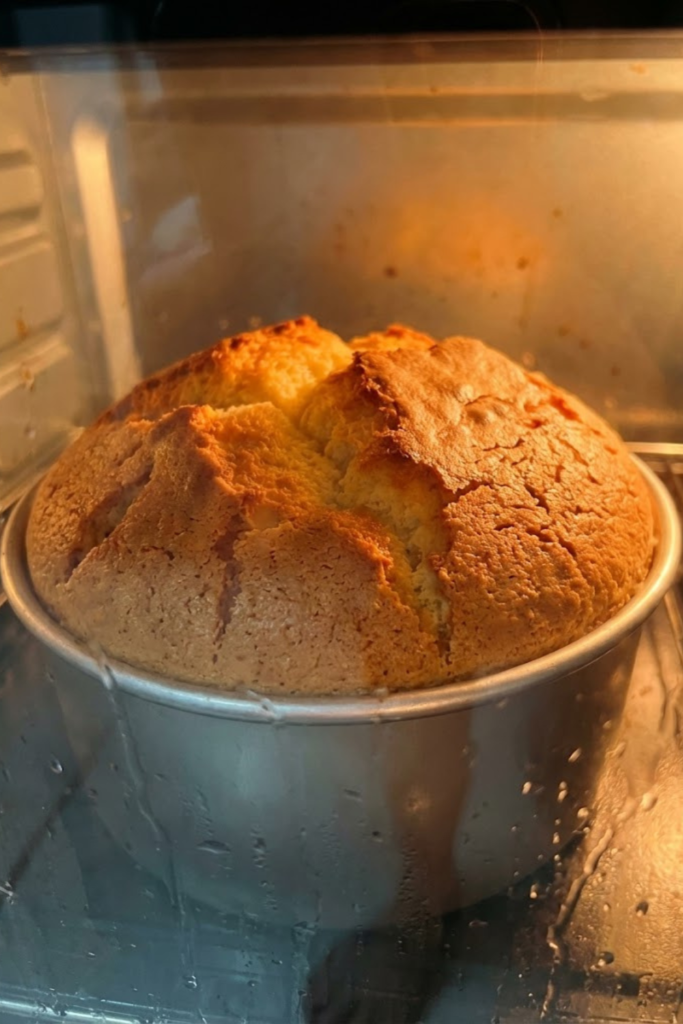
Here is a rule I learned the hard way: Do not open the oven door! I know you want to peek. It smells amazing, and you want to see it rising. But opening the door lets a blast of cold air in, and your beautiful sponge can collapse in seconds.
- Preheat Early: Turn the oven to 175°C (350°F) way before you start mixing.
- Trust the Timer: Set it and walk away. Go fold laundry or stare at the wall. Just don’t touch that door until at least 25 minutes have passed.
- The Spring Test: When you think it’s done, gently tap the top center. If it springs back, it’s ready. If your finger leaves a dent, it needs a few more minutes.
The Waiting Game
Once the cake is out, you have to let it cool completely. I mean cold to the touch. This is the hardest part for me because I have zero patience. But if you try to cut this sponge while it’s warm, it will crumble into a mess of crumbs.
I usually flip it onto a wire rack and leave the kitchen entirely so I’m not tempted. A cool sponge is sturdy and easy to slice. A warm sponge is a disaster waiting to happen. Once it’s cool, you are ready for the fun part: the filling!
Whipping Up the Irresistible Lemon Cream Filling
Okay, let’s be honest for a second. The sponge cake is great and all, but the filling? That’s the real reason we are here. That creamy, zesty goodness is what makes an Italian lemon cream cake irresistible. I admit, I usually end up “taste testing” about three spoonfuls before it even touches the cake. It’s just that good.
But, getting this cream right can be tricky. My first attempt was a lumpy mess that tasted good but looked like cottage cheese. Not exactly the vibe I was going for! I’ve learned a few tricks since then to get that silky, cloud-like texture every time.
Mascarpone Mastery
The biggest mistake I used to make was being impatient with the mascarpone. I’d pull it straight from the fridge and try to whip it. Big mistake. Cold mascarpone doesn’t like to blend; it just breaks into little chunks.
- Temperature Check: Take your mascarpone out of the fridge about 30 minutes before you start. It needs to be slightly softened but not warm.
- The Smear Test: Smear a little bit on the side of the bowl with a spatula. If it spreads smooth like soft butter, it’s ready. If it drags, give it ten more minutes.
If you try to force it, you’ll over-beat it trying to get the lumps out, and then—bam!—you’ve accidentally made lemon butter. I’ve done it. It’s delicious on toast, but terrible for a cake.
The Curdling Fear
Here is the scary part: mixing acidic lemon juice with dairy. It’s a recipe for disaster if you aren’t careful. The acid can curdle the cream instantly, separating the fats. I once poured a huge splash of juice right into my cream and watched it turn into a watery, grainy soup. I was so mad I almost threw the bowl across the kitchen.
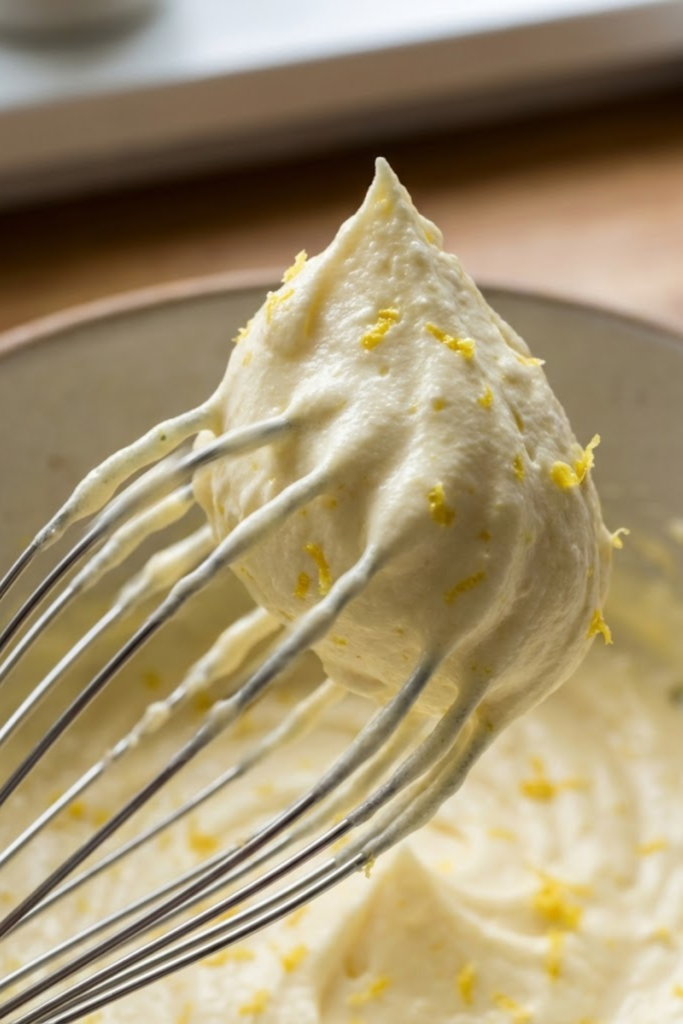
To avoid my meltdown, mix the lemon juice and lemon zest into the mascarpone before you add the heavy whipping cream. The fat in the cheese protects it a bit better. Add the juice slowly, a teaspoon at a time, while mixing on low speed. It helps everything stay smooth and happy.
Finding the Sweet Spot
This filling shouldn’t make your teeth hurt. It needs to be sweet and tart. I use powdered sugar because it dissolves instantly. Granulated sugar leaves a crunchy texture that feels gritty in your mouth.
I always start with less sugar than the recipe says. You can always add more, but you can’t take it out! Taste it. Does it make your eyes pop? Good. If it’s too sour, sift in a little more sugar. Trust your own tongue over the measuring cup.
Watch That Whisk
When you add the cold whipping cream to the mascarpone mixture, watch it like a hawk. You want stiff peaks—where the cream stands up straight when you lift the beater—but the line between “stiff peaks” and “split cream” is thin.
Stop the mixer every 30 seconds to check. Seriously. It happens fast. Once it holds its shape, stop! Don’t think “just one more minute” will make it better. It won’t. It will ruin it.
This cream filling is the heart of the dessert. Treat it gently, and it will reward you with the best slice of cake you’ve ever had. Now, try not to eat it all before we assemble the cake!
Assembling Your Masterpiece
I used to think baking was the hard part. Nope. Building the cake is where the real stress kicks in. I can’t tell you how many times I’ve ended up with a “Leaning Tower of Pisa” instead of a straight cake. It is frustrating! But over time, I realized that assembling this Italian lemon cream cake irresistible creation is actually just about patience and using the right tools.
The Surgery (Slicing)
If you try to cut your sponge layers with a regular steak knife, you are going to have a bad time. I did this once and tore the cake to shreds. It looked like a badger had attacked it. You need a long serrated knife. It acts like a saw, cutting through the crumb without squishing it.
- Get Low: I literally crouch down to eye level with the counter to see if I’m cutting straight. My family thinks I’m crazy, but it works!
- Spin It: Don’t push the knife through. Saw gently while spinning the cake plate.
- The Fix: If you mess up and one side is thicker, don’t panic. Just use a little extra cream on the thin side to level it out. No one will know.
The Magic Soak
Here is the step most beginners skip: the soak. If you want a moist cake that melts in your mouth, you have to brush the layers with liquid. Dry cake is the worst, right?
I use a mix of Limoncello and simple syrup. Just equal parts sugar and water boiled together, then cooled. Don’t drown it, though! I once got too excited and poured so much syrup that the bottom layer turned into mush. It literally disintegrated when I tried to serve it. Just a light dab with a pastry brush is all you need to wake up those flavors.
Stacking it Up
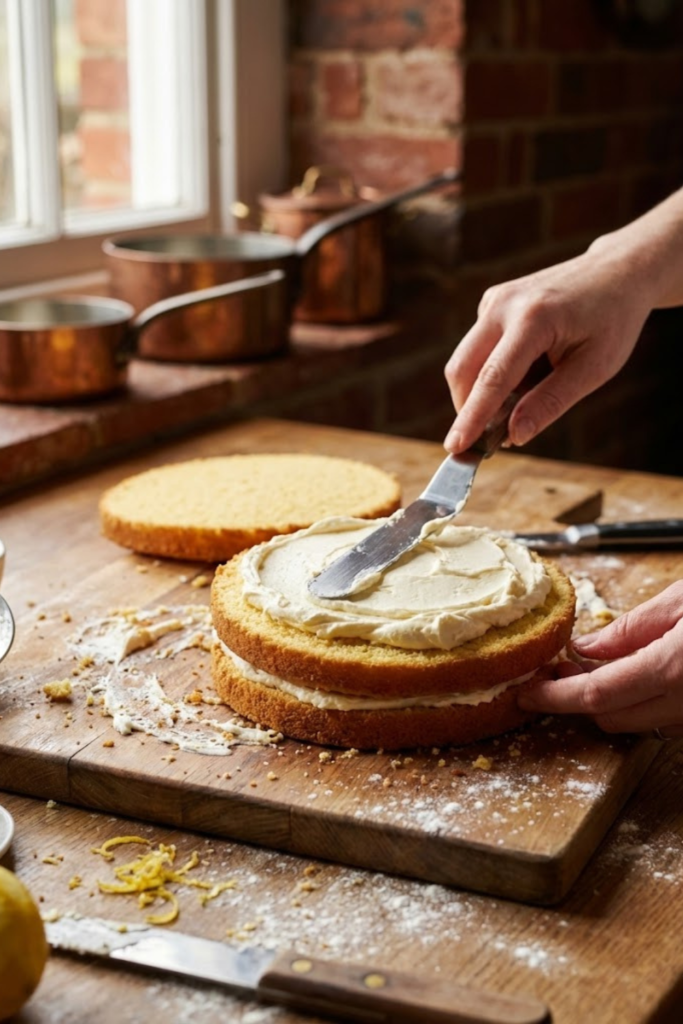
Now, take that beautiful lemon cream filling we made. Plop a big dollop right in the middle of your first layer. Use an offset spatula to push the cream to the edges.
Here is a big tip: create a little “dam” or ring of cream around the outer edge first if you plan to put any loose filling like curd in the center. It stops leaks. When you put the second cake layer on top, do not press down hard! You will squish all the cream out the sides. Just let gravity do the work. I had a cake slide apart in the back of my car once because I rushed this part and didn’t let the structure settle. It was tragic.
Rustic or Fancy?
For this cake, I love the “naked” look. It feels very Italian farmhouse chic. I don’t bother frosting the sides perfectly. I just smear a little cream around to seal the crumbs in.
It looks effortless and rustic, which is exactly the vibe we want. Plus, it saves me about 20 minutes of work. Who has time for perfection? The taste is what matters, and trust me, this layer cake assembly style delivers every time.
Decoration and Serving Suggestions
I am the worst at waiting. You know that feeling when the cake is fully built, sitting there looking glorious, and you just want to dive in face-first? I struggle with that every single time. But I have learned that the final touches and how you serve it are what take this Italian lemon cream cake irresistible status to the next level. It’s not just about taste; it’s about the moment.
The Hardest Step: Chill Out
Here is the truth. If you cut into this cake right after you assemble it, you will be disappointed. The layers will slide around, and the cream will squish out. It’s messy. I once served a “fresh” cake at a dinner party, and the slices looked like roadkill. It was embarrassing.
You have to put the cake in the fridge for at least two hours. Four is better. The cold air firms up the mascarpone cheese and lets the moisture from the filling seep into the sponge. It transforms the texture entirely. The flavors meld together into something cohesive and magical. So, cover it gently and walk away. Go read a book. Do not touch it!
Less is More
When it comes to decoration, I used to go overboard. I’d try fancy piping bags and complicated swirls. But for this cake, simple is better. It’s an elegant, rustic dessert.
- Snowy Dusting: Just before serving, I grab a small sieve and dust the top with powdered sugar dust. It looks like snow on the Alps.
- Lemon Twists: I use a peeler to get thin strips of lemon peel and curl them. It tells people exactly what flavor to expect.
- Edible Flowers: If I’m feeling fancy (or trying to show off), I’ll toss a few edible flowers on top. It makes the yellow pop.
Don’t stress about perfection. If the sugar gets on the plate, who cares? It looks artistic.
The Perfect Pairings
This cake is sweet and rich, so it needs something to cut through that. I always serve it with fresh berries. Raspberries or blueberries are my go-to choices. Their tartness balances the creamy filling perfectly. Plus, they look beautiful on the plate.
And let’s talk drinks. In Italy, you wouldn’t just eat this with water. I love serving this with a strong shot of espresso. The bitterness of the coffee against the sweet lemon is heaven. If it’s late, a small glass of chilled Limoncello is the perfect companion. It ties all the flavors back together.
Plating It Up
When you are ready to serve, use a sharp knife dipped in hot water. Wipe it clean between every single cut. This keeps your layers distinct and pretty. I serve generous slices because, honestly, no one ever asks for a “small piece” of this.
Seeing my friends’ faces light up when I put the plate down is the best feeling. It makes all the whisking and waiting worth it. So, grab your fork and enjoy every bite. You earned it!

So, we have finally reached the finish line. We’ve sifted the cake flour, whipped the eggs until our arms were sore, and hopefully managed not to eat all the cream filling straight from the bowl. Making this Italian lemon cream cake irresistible is a bit of a journey, isn’t it? I remember the first time I actually pulled this off without the layers sliding apart; I felt like I had won a gold medal. It’s those little moments of triumph in the kitchen that keep us coming back.
Honestly, if your cake looks a little messy or “rustic” (my favorite excuse), don’t sweat it. The zesty flavor of the fresh lemon juice and the richness of that mascarpone cheese are going to steal the show anyway. No one is going to care if the sponge cake is slightly lopsided when it tastes this good. The most important thing is that you took the time to make something from scratch. That effort tastes better than anything you can buy in a box.
I really hope this guide gave you the confidence to tackle this authentic Italian dessert. It’s a recipe that has saved me during many last-minute dinner parties and summer birthdays. Just remember to let it chill! Patience is the hardest ingredient to find, but it makes the perfect crumb texture possible.
If you had fun baking with me today and want to save this recipe for later, please do me a huge favor and share it on Pinterest! It helps other home bakers find these tips and keeps our little community growing. Plus, it looks great on a “Summer Desserts” board. Now, put the phone down, brew a fresh espresso, and go enjoy a huge slice of your hard work. You’ve earned it!