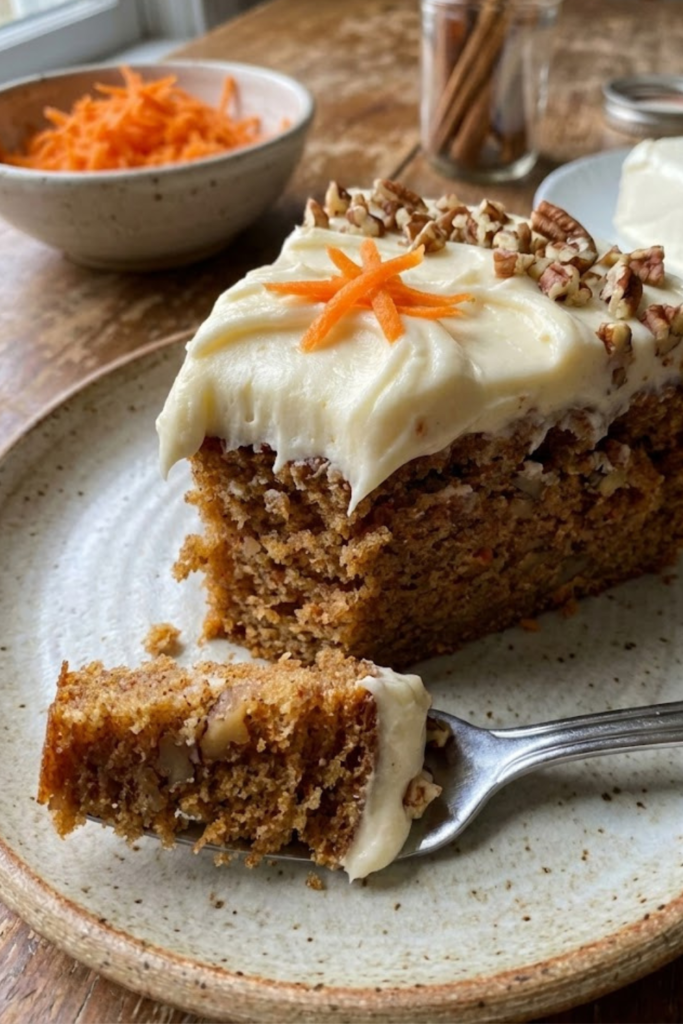
Do you know that feeling when you take a bite of cake and it’s just… dry? It’s heartbreaking! But let me tell you, this isn’t that kind of cake. I still remember the first time I baked this Homemade Carrot Cake with Cream Cheese Frosting and Pecans for my grandmother’s 80th birthday; the room went silent, and then the recipe requests started flying! This cake is incredibly moist, perfectly spiced, and topped with a tangy, velvety frosting that balances the sweetness perfectly. In this guide, I’m going to walk you through exactly how to achieve bakery-quality results right in your own kitchen!
Essential Ingredients for the Moistest Carrot Cake
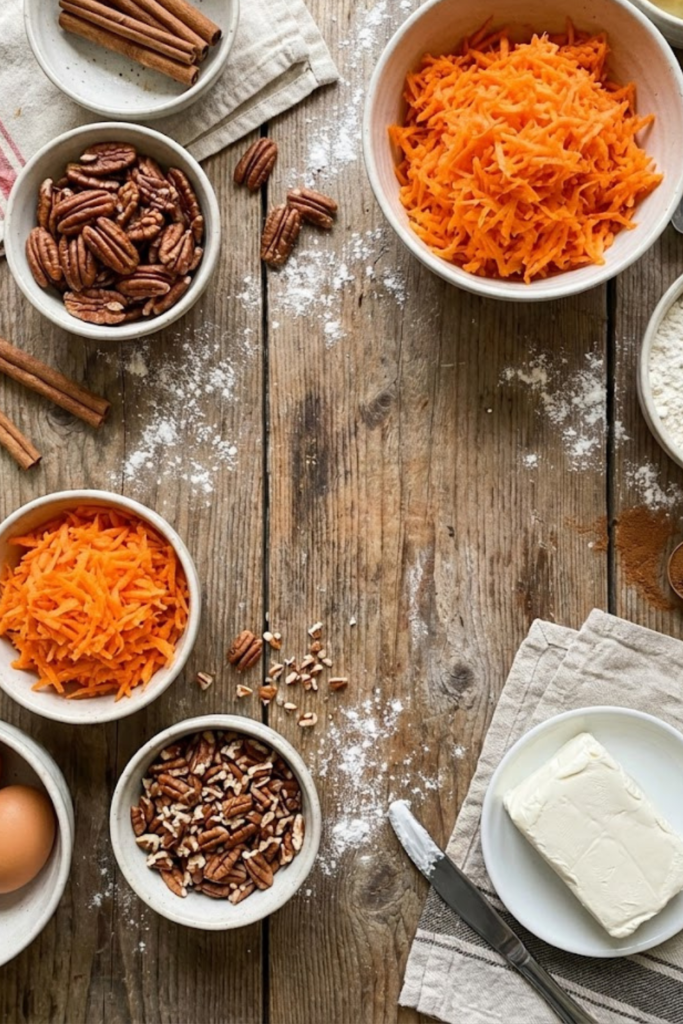
Listen, I have to be honest with you. The first time I tried to make carrot cake, I thought I could cut corners. I was tired, it was a Tuesday, and I grabbed a bag of those pre-shredded carrots from the grocery store. You know the ones? They look like dry orange sticks.
Big mistake. Huge. The cake came out dry as a bone, and I was so embarrassed I almost threw the whole thing in the trash. I learned the hard way that if you want the moistest carrot cake, you absolutely cannot cheat on the ingredients. It’s not about being fancy; it’s about chemistry.
Why You Gotta Grate Your Own Carrots
Here is the thing about those bagged carrots—they are dried out so they don’t get moldy in the bag. But moisture is exactly what we need here! When you grate fresh carrots by hand, they release all this water and sugar that steams into the batter while it bakes..
I know, I know. Grating carrots is a pain in the knuckles. I’ve scraped my fingers more times than I can count. But it is the single most important step for a homemade carrot cake that stays soft for days. Use the medium holes on your box grater. Don’t use the small ones or you’ll get mush, and don’t use the big ones or you’ll get crunchy raw veggies in your dessert. Yuck.
The Oil vs. Butter Debate
Now, let’s talk fat. I grew up thinking butter was best for everything. Butter means flavor, right? Well, in a carrot cake recipe, butter is actually the enemy of moisture.
Butter is about 80% fat and 20% water. When that water evaporates in the oven, the cake can dry out. Oil, on the other hand, is 100% fat. It stays liquid at room temperature, which means your cake stays soft even after it sits on the counter for a day. I always use a neutral oil like canola or vegetable oil. It lets the spices shine through without adding a weird taste..
Don’t Skimp on the Spices
A lot of recipes are scared of spices. They whisper “cinnamon” when they should be shouting it! For a cake that really tastes like comfort, you need a mix.
- Cinnamon: The heavy hitter.
- Nutmeg: Just a little bit goes a long way.
- Ginger: Adds a tiny bit of heat that wakes up your tongue.
- Cloves: Be careful here, too much tastes like medicine.
I once accidentally dropped the cap of the nutmeg jar into the batter. Fished it out, but I missed a clump of spice. My poor husband bit into it and looked like he’d seen a ghost! So, measure carefully, but don’t be stingy.
The Crunch Factor: Pecans
Finally, let’s chat about nuts. I love pecans in my carrot cake. They have a buttery sweetness that walnuts just don’t have. But here is a trick I missed for years: toast them first..+1
Put your pecans in a dry pan on the stove for like 5 minutes until you can smell them. It makes a massive difference. If you skip this, the nuts can get kinda soggy in the batter. Nobody wants a soggy nut.
So, gather your fresh carrots, your oil, and your spices. Get everything to room temperature—yes, even the eggs—and let’s get baking. Trust me, your patience is gonna pay off when you take that first bite..
Step-by-Step Baking Instructions
Okay, class is in session! Just kidding. But really, following the steps is super important here. I used to just throw everything in a bowl and pray, but with this carrot cake recipe, being a little organized helps a lot.
Dry & Wet: Keep ‘Em Separated
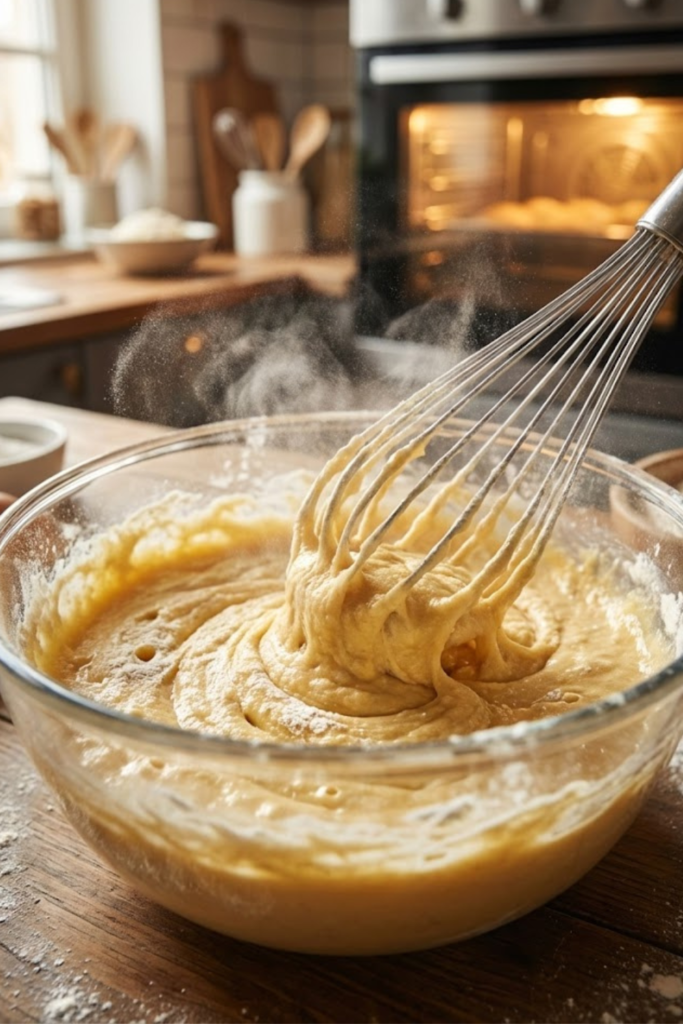
First, grab two bowls. I know, more dishes to wash, sorry! In a medium bowl, whisk together your flour, baking soda, salt, and all those spices we talked about. In a bigger bowl, beat your oil and sugars together until they look smooth. Then add the eggs one by one.
Why? If you dump the flour right into the wet stuff without mixing it first, you might get pockets of baking soda that taste like soap. Nobody wants that. Plus, mixing the dry ingredients first makes sure the spice flavor gets everywhere, not just in one bite.
The “Fold” – Don’t Be Rough!
Once you mix the dry stuff into the wet stuff, stop the mixer. Put it away. Now grab a rubber spatula. We are going to “fold” in the grated carrots and toasted pecans.
Imagine you are wrapping a baby in a blanket. You gotta be gentle. If you mix too hard now, your cake will be tough and chewy instead of soft and fluffy. Just turn the batter over itself until you don’t see any more flour streaks. That’s it. Stop right there.
Prep Your Pans Right
I have cried over cakes sticking to the pan. To stop that drama, grease your pans with butter or cooking spray, then dust them with flour. But the real secret? Parchment paper.
Trace the bottom of your cake pan on the paper, cut out the circle, and put it in the bottom. It makes sure the cake pops right out every single time. It takes two minutes and saves you a giant headache later.
Is It Done Yet?
Your house is gonna smell amazing after about 25 minutes. But don’t open the oven yet! If you open it too early, the cold air rushes in and the cake might sink in the middle.
Check it at the 30-35 minute mark. Stick a toothpick right in the center. If it comes out with wet batter, it needs more time. If it has just a few moist crumbs sticking to it, it’s perfect. Also, press the top gently with your finger. If it springs back up like a sponge, it’s ready to come out.
The Hardest Part: Waiting
Now, you have to let them cool. I mean completely cool. If you try to put frosting on a warm cake, the frosting will melt and slide right off. It’s a total disaster.
Let them sit in the pans for 10 minutes, then flip them onto a wire rack. Go watch a show, walk the dog, do whatever you gotta do. Do not touch them for at least an hour! The cooler the cake, the easier it is to frost.
Mastering the Cream Cheese Frosting
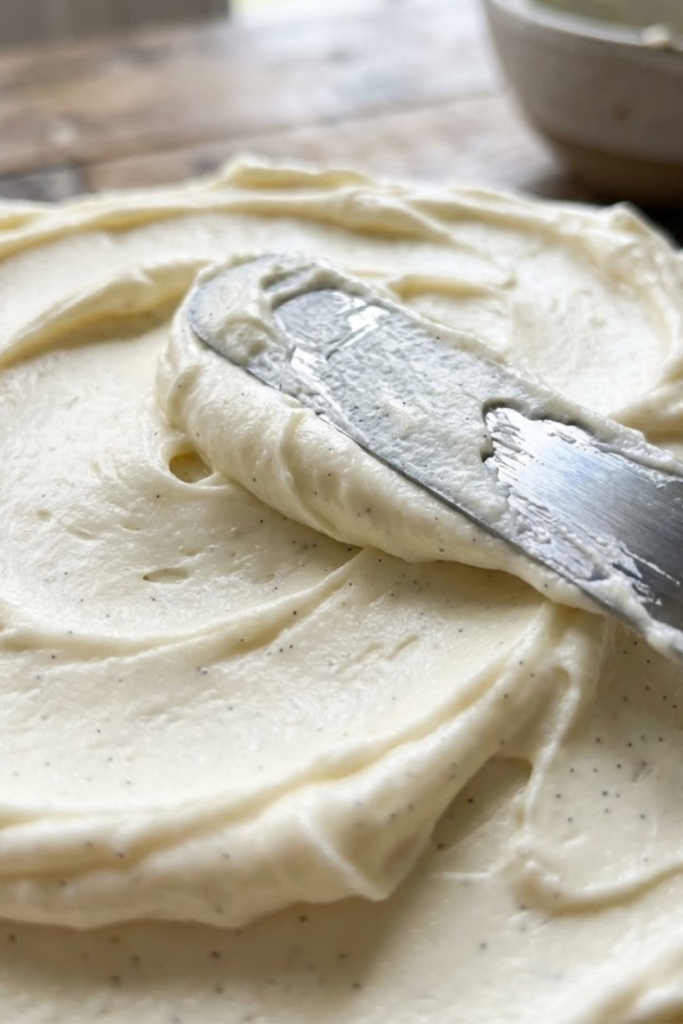
Honestly, I could eat this frosting with a spoon. No cake needed. But for the sake of the carrot cake, we should probably put it on top. This isn’t just sugary goop; it’s tangy, creamy, and holds its shape so you can make it look pretty.
The Magic Ratio
Getting the texture right is tricky. Some people use way too much sugar and it hurts your teeth. I like a balance. My go-to mix is one stick of butter (half a cup) to one block of cream cheese (8 ounces).
Make sure you buy the brick of cream cheese, not the whipped stuff in the tub! The tub kind has too much air and water, and your frosting will be a runny mess. I learned that one when I tried to make cupcakes for a bake sale and the frosting slid right off onto the table. Not my finest moment.
Please, Sift Your Sugar
I know, I know. Sifting is annoying. It makes a mess on the counter. But powdered sugar loves to clump up into little hard rocks. If you don’t sift it, you’ll have white lumpy spots in your frosting that won’t mix in.
Just get a mesh strainer and tap it over your bowl. It takes two minutes. It makes the frosting smooth as silk. If you skip this, don’t say I didn’t warn you when your frosting looks like cottage cheese.
Watch the Temperature
This is the biggest secret. Your butter and cream cheese need to be the same temperature. Room temp. If the butter is too warm, it gets greasy. If the cream cheese is too cold, it won’t blend and you get lumps.
I leave mine on the counter for about an hour before I start. If you press it with your finger, it should make a dent but not squish everywhere. That’s the sweet spot.
Make It Taste Good
Sugar and cheese are great, but they need help. I always add a teaspoon of good vanilla extract. And here is the kicker: a pinch of salt. Just a little bit. It cuts through the sweetness so you don’t feel sick after one slice.
Help! It’s Too Runny!
It happens to the best of us. Maybe your kitchen is hot. Maybe you beat it too long. If your frosting looks like soup, don’t panic. Just stick the bowl in the fridge for 20 minutes. It usually firms right up.
If it’s too stiff and you can’t spread it, add milk. But be careful! Add it one teaspoon at a time. You can always add more, but you can’t take it out.
Assembling and Decorating Like a Pro
This is the fun part, but it used to scare me. My cakes used to look like the Leaning Tower of Pisa! But over the years, I found some tricks that make even a messy baker look like a pro. You don’t need fancy tools, just a little patience.
Leveling Your Layers
When your cakes come out of the oven, they usually have a big hump in the middle. If you try to stack them like that, they will slide right off or crack down the center.
Grab a bread knife—the long one with the jagged edge. Get down to eye level with your cake and gently saw off the rounded top until it’s flat. Don’t throw those scraps away! That’s the “chef’s treat.” I usually eat them right there at the counter. It helps you taste if the spice is right, too.
The “Crumb Coat” is a Life Saver
Have you ever frosted a cake and got little orange crumbs mixed into the white frosting? It looks messy. To stop that, you need to do a “crumb coat.”
Spread a very thin layer of frosting all over the cake first. It doesn’t have to look pretty. It just needs to trap all those loose crumbs. Then, put the whole cake in the fridge for 20 minutes. When you take it out, the frosting will be hard, and you can put the final thick layer on top without any crumbs messing it up. It makes a huge difference.
Hiding Mistakes with Pecans
I am not a professional cake decorator. I can’t do those fancy flowers. That is why I love using pecans. They cover up a lot of ugly spots!
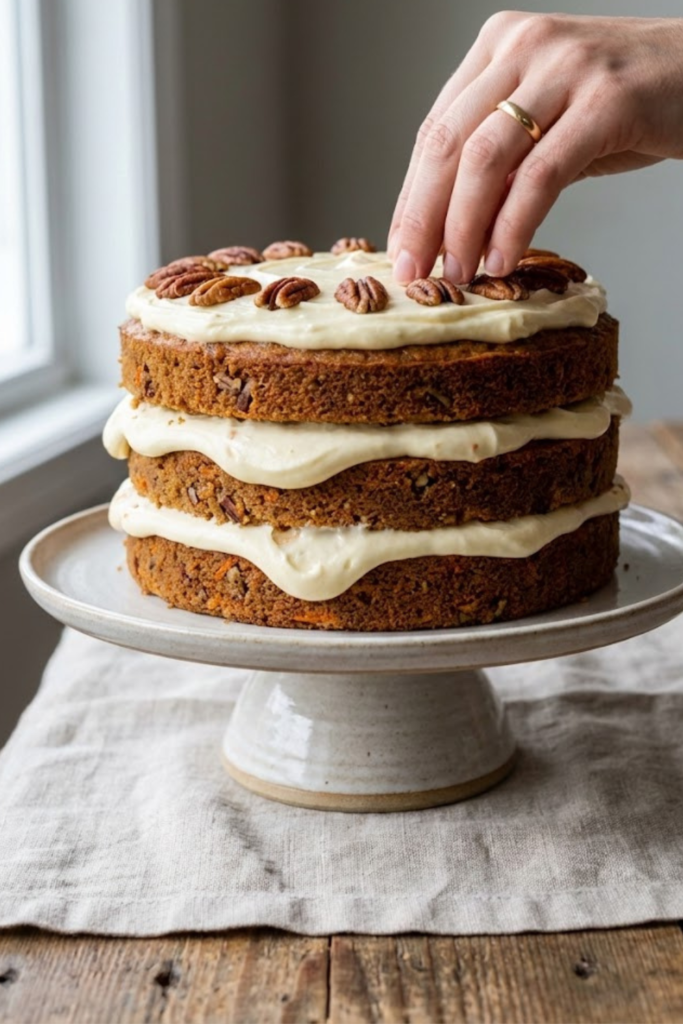
If the side of your cake looks uneven, just press chopped pecans into the frosting all around the bottom edge. It looks super fancy but takes zero skill. Or, just sprinkle them on top in a circle. It gives people a hint about what is inside, too.
Cutting the Perfect Slice
You worked hard on this cake, so don’t smash it when you cut it. If you want those clean, restaurant-style slices, run your knife under hot water and wipe it dry before you cut.
The hot metal melts through the frosting and cuts the cake without squishing it. Wipe the knife off after every cut. It seems like a lot of work, but when you put that perfect slice on a plate, it looks amazing.
Rustic or Smooth?
Don’t stress if your frosting isn’t perfectly smooth. “Rustic” is a style! I actually like using the back of a spoon to make little swirls all over the cake. It looks homemade and inviting. If you try too hard to make it perfect, you’ll drive yourself crazy. Just have fun with it.
Storage, Freezing, and Make-Ahead Tips
I love this part because it means I get to eat cake for breakfast for the next week. But because of the cream cheese in the frosting, you can’t just leave this carrot cake on the counter like you would a brownie. It has dairy in it, and we don’t want anyone getting a tummy ache.
The Fridge Rule
Since the frosting has cream cheese and butter, this cake has to live in the refrigerator. I once left a cake out overnight in the summer, and let’s just say the frosting didn’t survive. It was a sad, melty puddle.
Cover any exposed cake with plastic wrap or foil so the fridge air doesn’t dry it out. If you have a cake carrier with a lid, that is even better. It stays fresh in there for about 5 to 7 days, though mine never lasts that long because my family devours it.
Freezing for Later
If you want to bake ahead of time for a party, you can freeze the cake layers before you frost them. This is a huge time saver!
Wait until the layers are totally cold. Then, wrap each round layer tightly in plastic wrap. I usually do two layers of plastic just to be safe. Then I put them in a big freezer bag. They stay good in the freezer for like 3 months. When you are ready to use them, just put them on the counter for an hour to thaw out before you make your frosting.
Saving Leftover Slices
Sometimes you can’t eat the whole thing (hard to believe, I know). You can freeze leftover slices, too.
Here is the trick: put the slice on a plate and stick it in the freezer for about an hour uncovered. This freezes the frosting so it gets hard. Then you can wrap the slice in plastic wrap without the frosting sticking to the plastic. It’s like a little frozen treasure for a rainy day.
Serve it Warm(ish)
Here is my biggest tip for eating leftovers. Cold cake is okay, but room temperature cake is amazing. The cold makes the butter in the cake hard, so it feels dense.
Take your slice out of the fridge about 20 minutes before you want to eat it. It lets the frosting get creamy again and the cake gets soft. If you are impatient like me, you can zap it in the microwave for literally 10 seconds. Just don’t do it too long or you’ll have carrot cake soup!
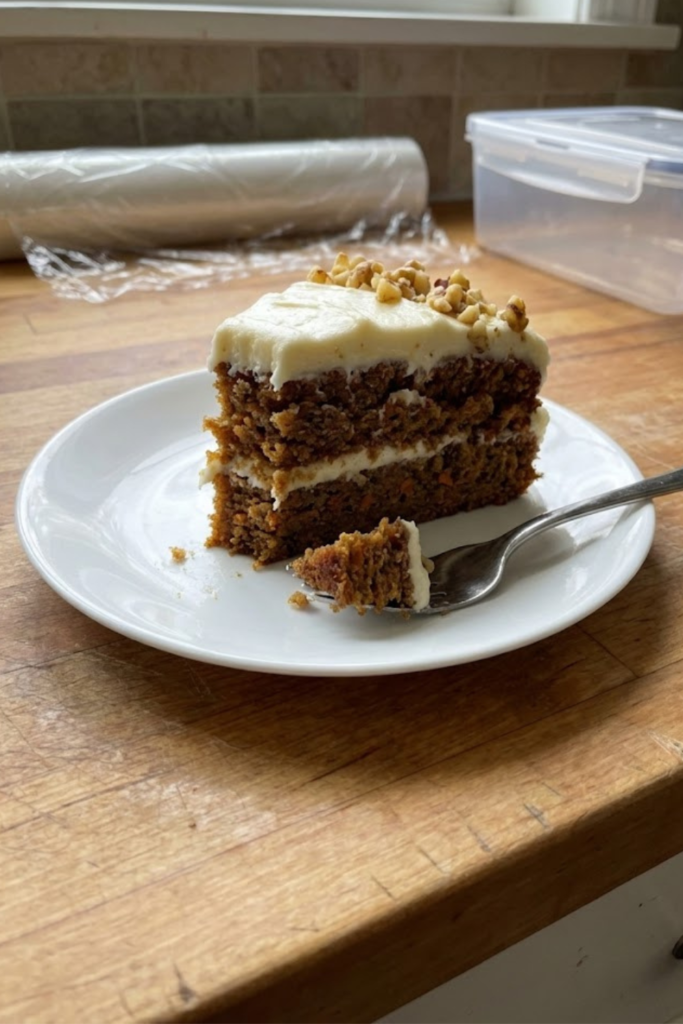
So, there you have it. That is everything I know about making the best Homemade Carrot Cake with Cream Cheese Frosting and Pecans. It might seem like a lot of steps, but once you smell that cinnamon wafting through the house, you will know it was totally worth it.
I really hope you give this a try. It isn’t just a cake; it is like a warm hug on a plate. My family asks for it every single year for birthdays, and I bet yours will too once they taste it. Don’t worry if it doesn’t look perfect the first time you make it. The taste is what matters most, and with all those yummy spices and the creamy frosting, you really can’t go wrong.
If you loved this guide and want to save the recipe for later, please save it and share it on Pinterest so others can enjoy a slice of heaven too! Happy baking, friends!