Did you know that salmon is one of the most heart-healthy foods you can eat, yet so many home cooks are terrified of drying it out? I used to be exactly the same way! I’d stare at the fish counter, buy the fillets, and then panic when I got home. But let me tell you, this recipe changed the game for me. It is incredibly forgiving and practically foolproof.
We are talking about tender, flaky fish swimming in a luxurious, silky sauce that tastes like it took hours to make. But here is the best part: it’s all done in one single skillet! Less mess, less stress, and absolute flavor explosion. Whether you are cooking for a date night or a frantic Tuesday family dinner, this easy one pan creamy lemon caper butter salmon is going to be your new best friend. Let’s get cooking!
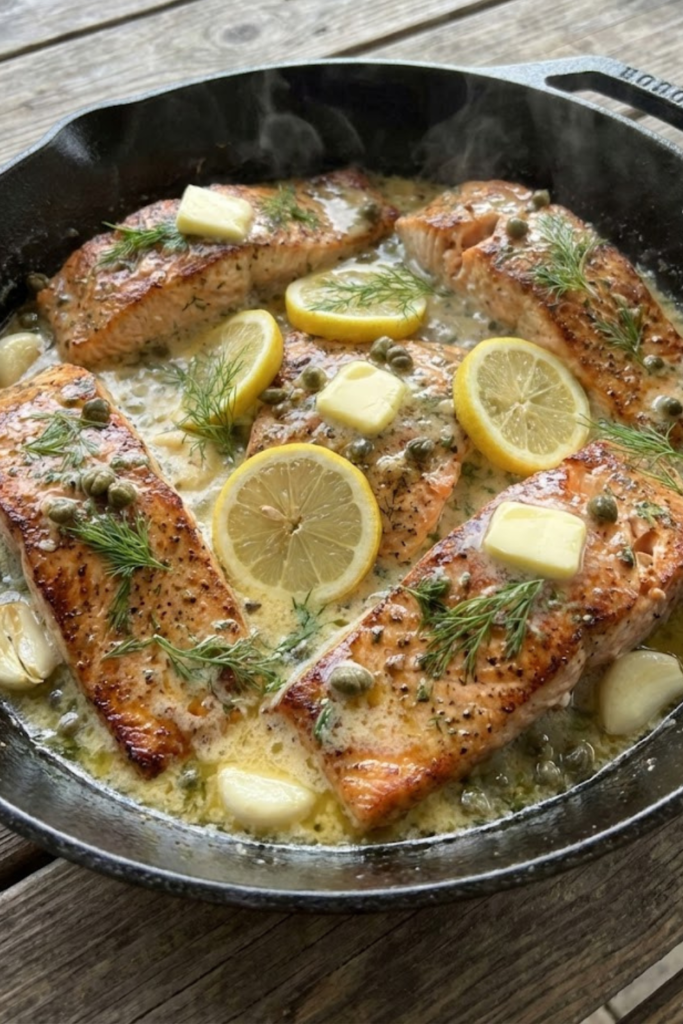
Choosing the Best Salmon for Your Skillet
I still remember the first time I tried to cook a fancy fish dinner for a date. I walked up to the seafood counter at the grocery store, took one look at the prices and the twelve different types of orange fish, and panic set in. I had absolutely no clue what I was looking for. I ended up buying the most expensive piece of Sockeye they had, thinking price equaled quality, and then I proceeded to turn it into a dry, rubbery hockey puck. Talk about embarrassing.
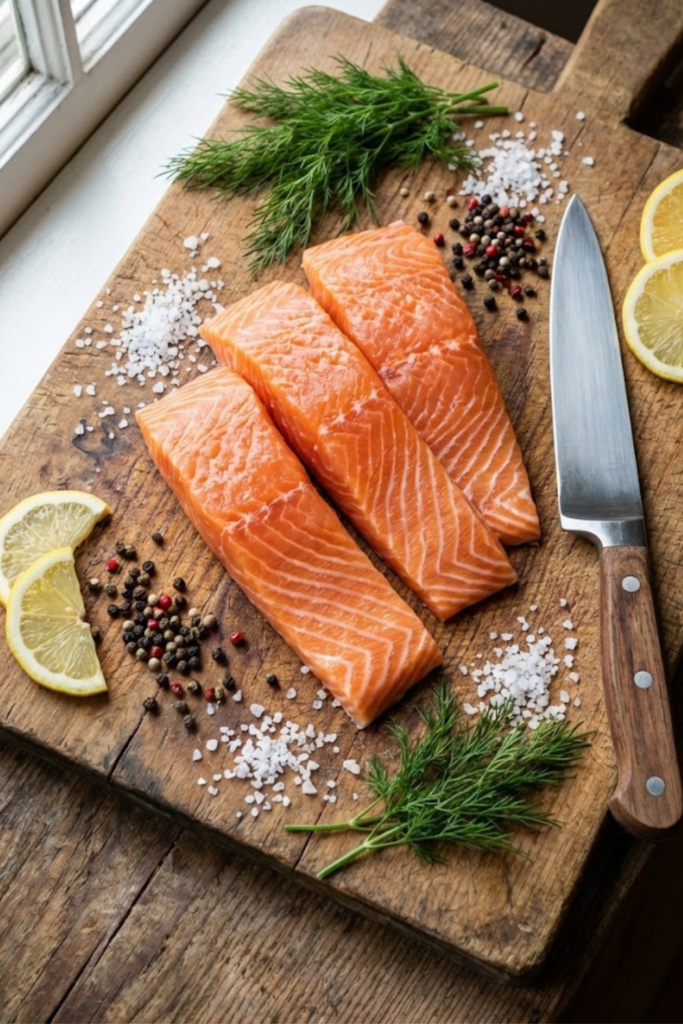
Since that kitchen disaster, I’ve learned a ton about picking the right fish. You don’t need the most expensive cut to make this easy one pan creamy lemon caper butter salmon taste amazing. You just need to know what to look for so you don’t waste your hard-earned cash.
Fresh vs. Frozen: The Big Debate
Here is a secret that might shock you: “fresh” isn’t always better. I used to be a snob about this, refusing to buy frozen fish. But unless you live right on the coast and know the fisherman by name, the “fresh” fish at the counter might have been sitting there for a week.
I learned this lesson after buying a “fresh” fillet that smelled a little funky once I got it out of the wrapper. Gross, right? Frozen fillets are usually flash-frozen right on the boat, locking in the flavor and nutrients immediately. So, if the fresh stuff looks tired or dry, head to the freezer aisle. It is often the safer, tastier bet for a quick weeknight dinner.
Leave the Skin On (Seriously!)
I used to ask the butcher to slice the skin off because, honestly, I thought it looked kinda gross. That was a huge mistake. Think of the skin as a built-in heat shield for your meat.
When you are searing salmon in a hot skillet, the skin protects the delicate flesh from burning before the inside is cooked. If you take the skin off, the fish cooks way too fast and dries out. Plus, once you learn to crisp it up properly, it adds this amazing texture. It’s like fish bacon. If you really hate it, you can slide it off after cooking, but keep it on for the pan!
The “Smell Test” and Prep
Don’t be shy at the store. If you are buying fresh, ask to smell it. Good salmon should smell like the ocean—clean and salty. It should never smell “fishy” or like ammonia. If it stinks, walk away.
Once you get your prize home, here is the most important tip I can give you: patience. I used to take the fish from the fridge and throw it straight into the pan. Bad idea. Cold fish hitting a hot pan seizes up. It cooks unevenly, leaving you with a burnt outside and a raw middle. Let the fillets sit on the counter for about 15 to 20 minutes before you cook. It makes a world of difference in the texture.
Essential Ingredients for the Creamy Lemon Butter Sauce
I have to be honest with you, I used to think making a pan sauce was some kind of wizardry reserved for French chefs with tall hats. The first time I tried to make a creamy sauce for fish, I used skim milk because I was trying to be “healthy.” Let me tell you, it was a disaster. The sauce split instantly, looking like watery cottage cheese. It was not appetizing, and my kids definitely refused to eat it.
After a lot of trial and error (and a few more broken sauces), I realized that the ingredients you pick matter just as much as how you cook them. You can’t just swap things out willy-nilly and expect it to taste like a restaurant meal. Here is what you actually need to grab to make this sauce sing.
The Cream Base: Don’t Skimp on the Fat
This is the hill I will die on: buy the heavy whipping cream. I know, I know, calories and all that. But if you want that luxurious, velvety texture that coats the spoon, you need the fat content. Half-and-half can work in a pinch, but it takes longer to reduce and isn’t as rich.
If you are dairy-free, don’t worry! I’ve made this with full-fat canned coconut milk, and it is surprisingly good. It gives it a slightly different vibe, almost tropical, but the texture holds up way better than almond milk or soy milk, which are just too thin.
The Acid Factor: Fresh is Best
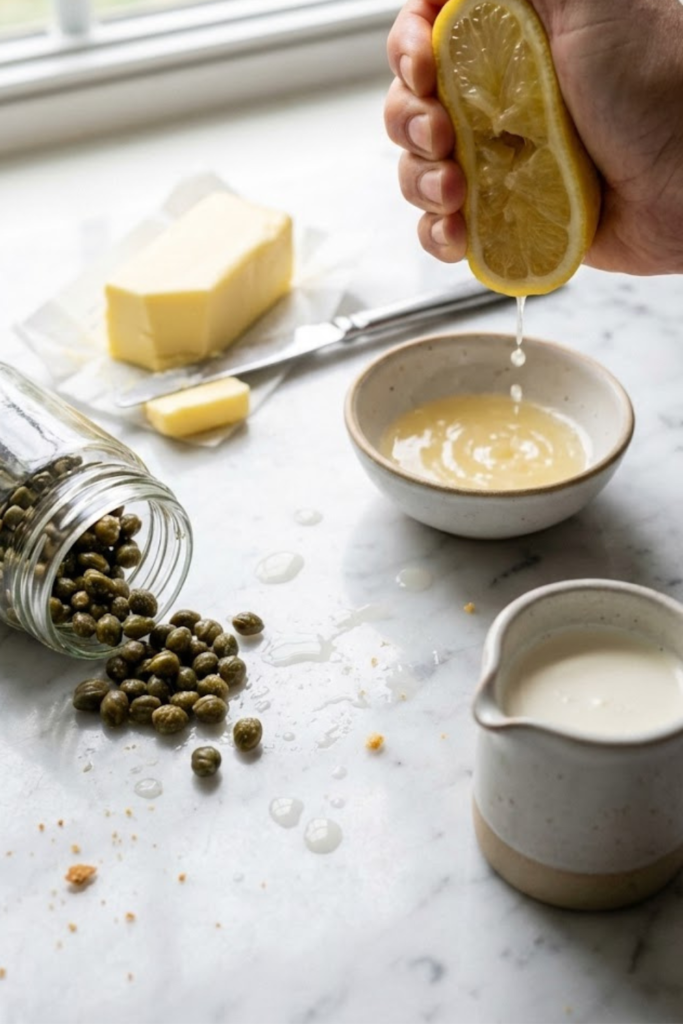
Please, I am begging you, put down the plastic yellow lemon bottle. That stuff tastes like chemical cleaner to me. For this recipe, you need real, fresh lemon juice. It cuts through the heavy cream so the dish doesn’t feel too heavy in your stomach.
And here is a trick I missed for years: lemon zest. Before you cut the lemon to squeeze it, grab a grater and scrape off the yellow skin (don’t get the white part, it’s bitter). The zest has all these essential oils that add a perfume and brightness that juice alone just can’t give you. It’s a total game changer.
What the Heck are Capers?
I didn’t try a caper until I was about 30. I honestly thought they were weird little peas. Turns out, they are actually flower buds! They come in a jar with brine, and they are little salt bombs.
Because the cream and butter are so rich, these little guys are essential. They provide a sharp, salty kick that wakes up your whole palate. If you are watching your sodium, you can rinse them off before tossing them in, but I usually just throw them in straight from the jar.
Aromatics: Garlic and Herbs
For the garlic, fresh cloves that you mince yourself are superior to the jarred stuff. The jarred garlic has a weird, almost sour aftertaste that can mess up the sweetness of the cream. I usually smash a few cloves and chop them up fine.
For herbs, fresh dill is the classic partner for salmon. It just works. But if you aren’t a fan of dill—I know it can be polarizing—fresh parsley is a great backup. It brings a nice pop of color and a fresh, grassy flavor that lightens up the heavy sauce. Just don’t use dried herbs for the finish; they don’t have enough time to hydrate and end up tasting like dry grass.
Step-by-Step Instructions: Searing the Salmon to Perfection
I used to have this recurring kitchen nightmare where I would put a beautiful piece of fish into a pan, and when I went to flip it, it would just shred. I’d be left with a sad pile of fish mush that looked like cat food. It was so frustrating! I actually gave up on cooking fish for a year because of it.
But then I learned that the problem wasn’t the fish; it was my impatience. I was trying to flip way too early, and I wasn’t letting the pan do its job. Mastering the perfect pan-seared salmon is actually pretty easy once you know the rules, and it starts with heat.
Heating the Pan
You need to get your pan hot before the oil even touches it. I love using a cast iron skillet for this because it holds heat like a champ, but a good non-stick pan works too if you are nervous about sticking.
Turn your burner to medium-high heat and let the pan sit there for a few minutes. A good trick I learned is the water test: flick a tiny drop of water into the pan. If it sizzles and evaporates immediately, you are good to go. If it just sits there, wait longer. Add your oil only when the pan is ready.
The Sear: Flesh-Side Down
Now, here is where I used to mess up. I’d gently lay the fish in and then immediately try to scoot it around. Don’t do that!
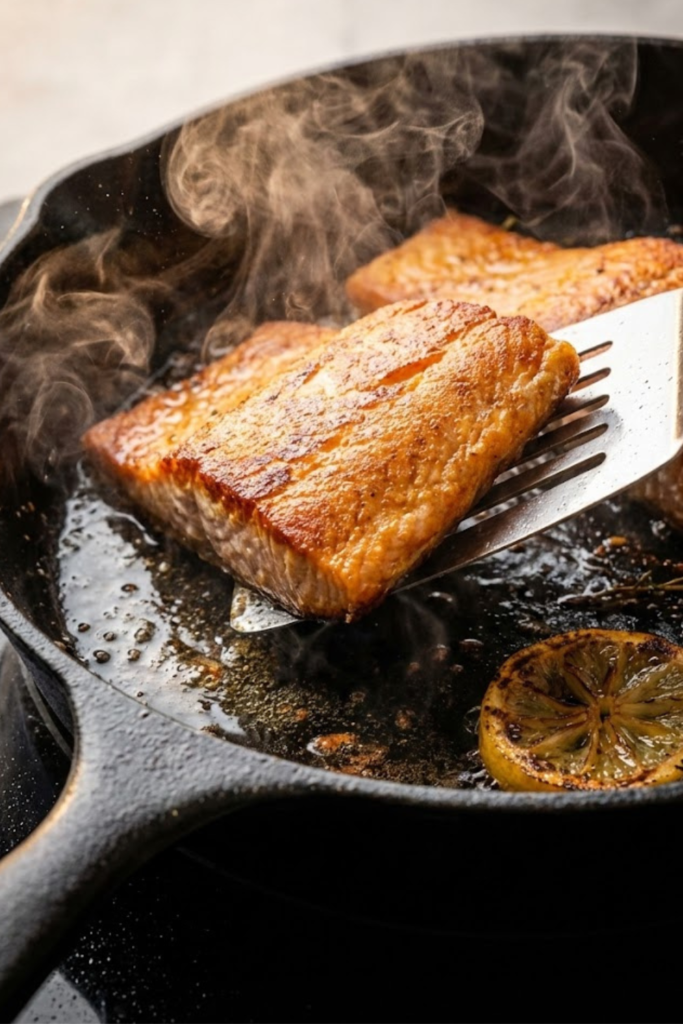
Place the fresh Atlantic salmon fillets flesh-side down (the pretty pink side) into the hot oil. You should hear a loud sizzle. If you don’t hear that sound, take it out; your pan isn’t hot enough. Once it’s in, step away. Seriously, put your hands behind your back. We are looking for that beautiful golden-brown crust, and that only happens if the fish stays in contact with the hot metal.
Flipping Technique
This is the moment of truth. After about 3 to 4 minutes, slide a thin metal spatula under the edge. If the fish is stuck to the pan, it is telling you it’s not ready. Stop pushing it!
When the crust is fully formed, the salmon will release naturally from the pan. It’s like magic. Flip it over to the skin side carefully. You aren’t trying to cook it all the way through right now—just getting some color on the other side for maybe a minute or two.
The Resting Phase
This step is crucial and I used to skip it all the time. Once you have that color, remove the salmon from the pan and set it on a plate.
We are going to make the sauce in the same pan, and if you leave the fish in there, it will overcook and get dry while the sauce reduces. By taking it out, you keep the fish moist and tender. Trust me, nobody likes dry salmon.
Mastering the One-Pan Pan Sauce Emulsion
I have a confession to make. For years, I used to take my skillet off the stove after cooking meat and immediately dump it in the sink to soak. I thought those brown bits stuck to the bottom were just burnt food that would be a pain to scrub off later. I was literally washing the best part of the dinner down the drain!
It wasn’t until I watched a cooking show at 2 a.m. that I learned those bits are called “fond,” and they are absolute flavor bombs. Making a cream sauce emulsion right on top of those bits is what separates a bland home meal from a restaurant-quality dinner. And the best part? You don’t dirty another pot.
The Magic of Deglazing
So, the pan is still hot, and the salmon is resting on a plate nearby. Now is the time to act. Pour in your white wine (or chicken broth if you don’t do alcohol). It will hiss and steam aggressively—don’t let that scare you.
This process is called deglazing the pan. Grab a wooden spoon and scrape up all those browned bits while the liquid bubbles. You want them to dissolve into the liquid. It smells incredible at this stage. If you skip this, your sauce will lack that deep, savory punch that makes flavorful fish dishes so addictive.
Patience with the Reduction
Here is where I usually get impatient. I want to dump the cream in immediately. But you have to wait. Let that wine or broth simmer for a minute or two until it reduces by about half.
We are making a white wine reduction here. If you don’t let some of the water evaporate, your final sauce will be runny and sad. Once the liquid looks thicker and syrupy, lower the heat slightly. Now, pour in your heavy cream.
Thickening and The “Spoon Test”
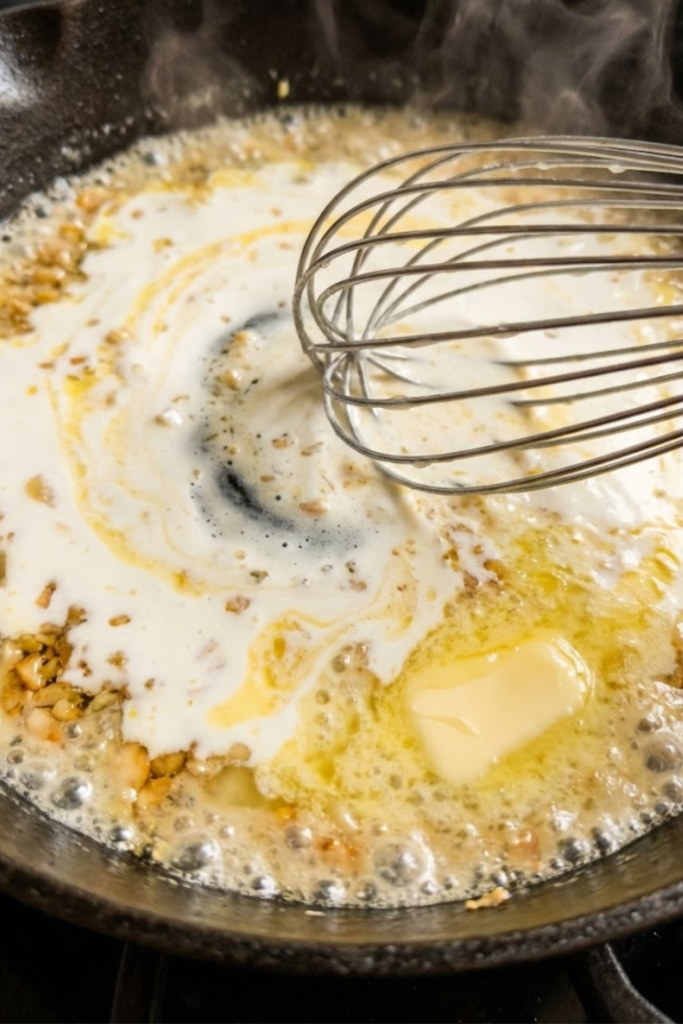
Let the cream bubble gently. You don’t want a rolling boil, or the dairy might split and look grainy. Just a nice, steady simmer. I learned the hard way that high heat is the enemy of cream sauces.
How do you know when it’s done? Do the spoon test. Dip a spoon into the sauce and run your finger down the back of it. If the line stays clear and the sauce doesn’t run back together immediately, it is perfect.
Right at the end, I take the pan off the heat and stir in a tablespoon of cold unsalted butter. This is a chef trick called “mounting.” It gives the sauce a glossy, shiny finish that looks amazing in photos.
Returning the Fish
Now that your sauce is thick and luscious, it’s time to reunite it with the salmon. Gently nestle the fillets back into the pan.
Any juices that collected on the plate while the fish was resting? Pour those in too! That is free flavor. Spoon the sauce over the fish to warm it through, and you are ready to serve.
Serving Suggestions and Low-Carb Pairings
Honest talk time: I have ruined many a great main dish because I completely forgot about the sides until the last minute. I’d be there with this beautiful pan of fish, staring into an empty pantry, eventually just serving it with a sad slice of toast. It was not my finest moment as a home cook.
Over the years, I’ve learned that the sides don’t have to be complicated, but they do need to be planned. Since this one pan salmon recipe is so rich and buttery, you want sides that can either cut through that richness or soak it all up. It really depends on who you are feeding and what your diet looks like this week.
Keeping it Keto (and Actually Enjoying It)
I went through a phase a few years back where I cut out carbs completely. It was miserable at first, mostly because I was eating plain chicken and lettuce. But then I realized this dish is the ultimate keto salmon recipe. It feels like a cheat meal because of the heavy cream, but it totally fits the diet.
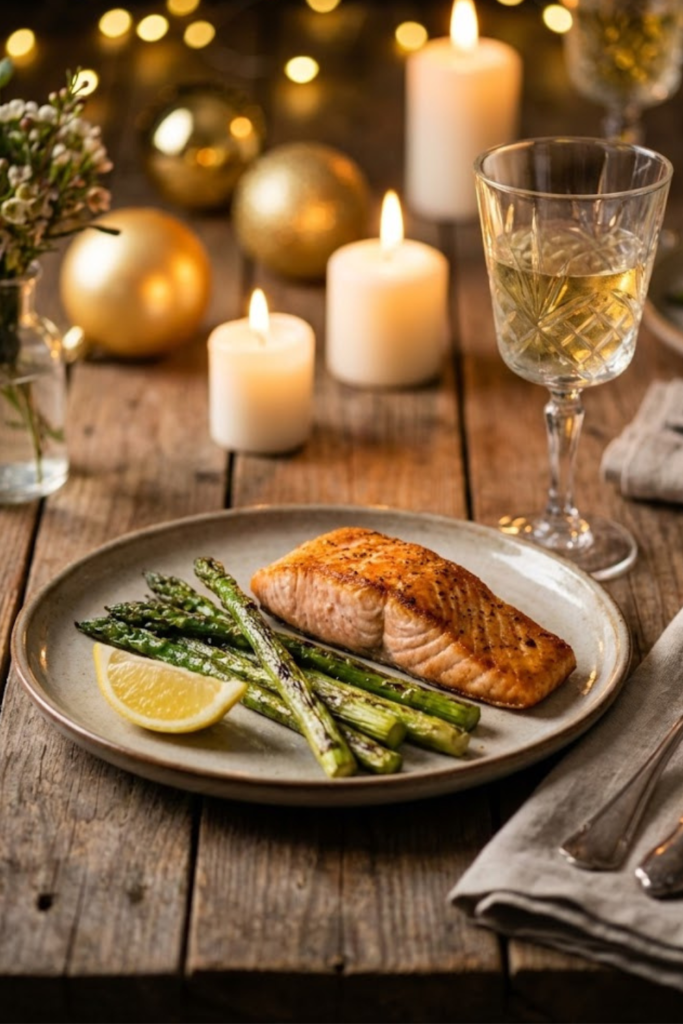
If you are looking for a low carb dinner, you cannot go wrong with a roasted asparagus side. I usually toss the asparagus in olive oil and throw it in the oven right before I start searing the fish. By the time the sauce is done, the veggies are tender and crispy. Another great option is a cauliflower rice side. I know, I know—cauliflower rice can be mushy. The trick is to sauté it in a separate pan with high heat to dry it out before adding a little salt and pepper. It soaks up that lemon butter sauce beautifully.
The Carb Lover’s Dream
Now, if carbs are on the menu (and let’s be real, they usually are in my house), pasta is the way to go. My kids absolutely love this with noodles. An angel hair pasta pairing is my favorite because the noodles are so thin they cook in like four minutes.
You can just twirl the pasta right onto the plate and spoon the extra sauce over it. It turns into this creamy lemon pasta that honestly steals the show. Fluffy mashed potatoes are another solid choice if you want pure comfort food. There is something about mixing that garlic butter sauce into potatoes that just makes everything better. It turns a simple Tuesday night into a dinner party main course vibe.
A Note on Wine
I am definitely not a wine snob—I usually buy whatever has a cool label or is on sale. But I have learned that with flavorful fish dishes like this, you want a white wine that is acidic and crisp.
A Sauvignon Blanc or a Pinot Grigio works wonders here. The acidity in the wine helps clean your palate after a bite of the creamy sauce. If you drink a heavy red wine with this, it’s going to taste metallic and weird. Stick to the light stuff.
The Final Flourish
Please don’t skip the garnish! I used to think garnishes were just for fancy restaurants, but they actually add flavor. A sprinkle of fresh parsley or more dill adds a pop of green that makes the dish look like you tried way harder than you actually did.
And always, always serve with extra zesty lemon juice wedges on the side. Some people (like me) love things super sour and will want to squeeze more on top. It’s a small touch that makes these family-friendly meals feel complete.
There you have it—a stunning meal that looks like it came from a 5-star kitchen but was actually whipped up in your pajamas! This Easy One Pan Creamy Lemon Caper Butter Salmon is proof that “fast food” can be healthy, homemade, and absolutely delicious, saving me from the drive-thru line more times than I can count. I really hope you give this recipe a try this week because the mix of zesty lemon, salty capers, and rich cream is just heavenly; if you loved this recipe, please pin it to your Dinner Ideas board on Pinterest so you can find it easily later!