Did you know that nearly 70% of home cooks feel intimidated by cooking fish because they’re afraid of it sticking or getting soggy? I’ve been there! Back in the day, my salmon always ended up looking like a gray, sad mess. But it is 2026, and we are not doing that anymore!
This crispy skin pan seared salmon with lemon butter sauce recipe is the absolute “holy grail” of weeknight dinners. It’s fast, it’s fancy, and once you hear that crunch, you’ll never go back. We’re going to use some high-quality fats and a screaming hot pan to get that skin just right. I’m so excited to show you how I finally cracked the code!
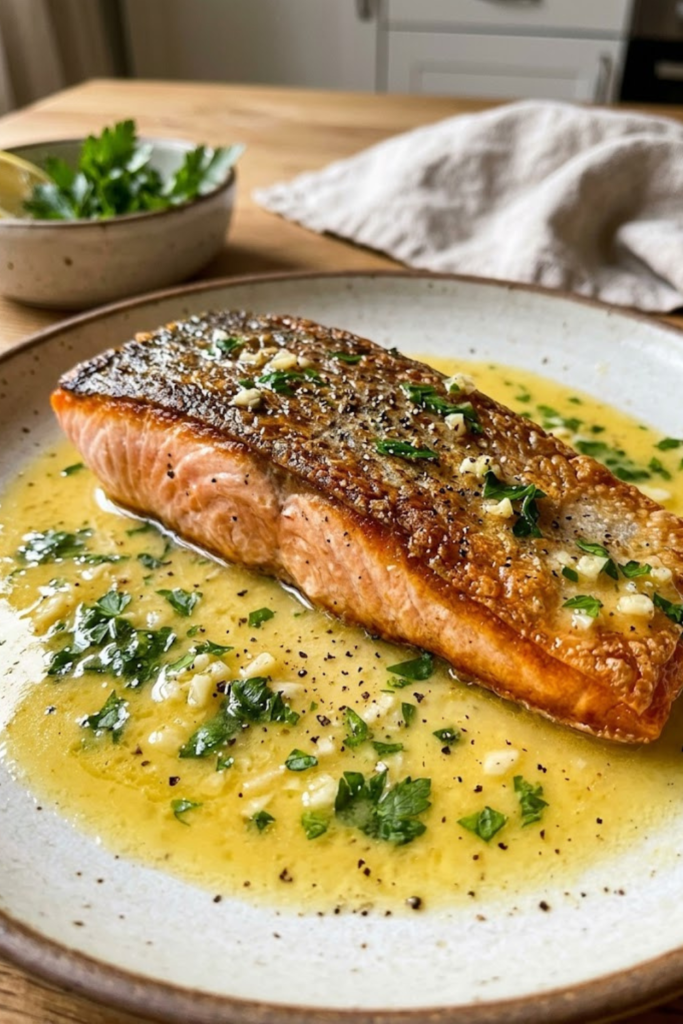
The Secret to That Shatteringly Crispy Salmon Skin
I’ve spent years trying to get that perfect crunch on a crispy skin pan seared salmon with lemon butter sauce recipe. For a long time, I just couldn’t get it right. My fish would stick to the metal or the skin would come out soft and chewy. It was really frustrating because I knew I was missing something simple. After a lot of trial and error in my own kitchen, I figured out that getting that “shatteringly” crispy skin isn’t about luck. It’s about following a few basic rules that most people skip because they are in a hurry. If you want that restaurant quality at home, you have to be patient with the prep work.
Get Rid of All the Water
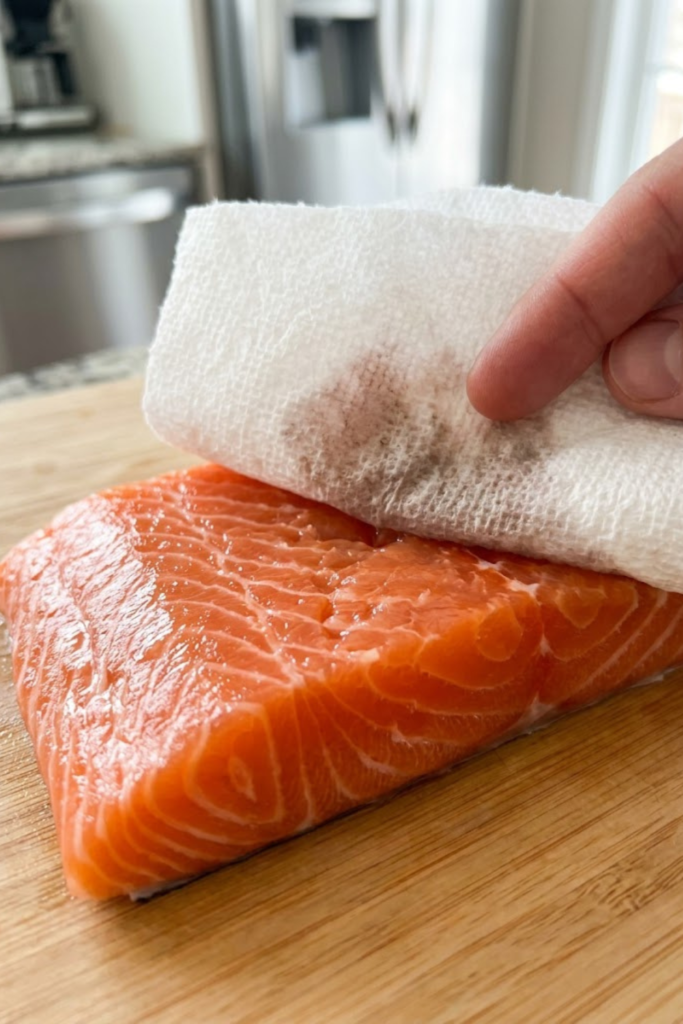
The biggest thing I learned is that moisture is your worst enemy. If your salmon is even a little bit damp, it won’t sear. It will steam instead. And let me tell you, steamed skin is rubbery and gross. I take my fillets out of the fridge and immediately grab the paper towels. I don’t just pat them once. I press down firmly on the skin side until the paper towel comes away totally dry. Sometimes I use three or four towels just to make sure. I also let the fish sit on the counter for about fifteen minutes. This helps the temperature even out so the middle isn’t ice cold when the outside hits the hot oil.
Pick the Right Pan and Oil
You need a pan that can hold onto heat. I always tell my friends to use a heavy cast iron or a good stainless steel skillet. Avoid those thin non-stick pans for this job. They just don’t get hot enough to do the work properly. For the oil, you want something like avocado oil or even ghee. These have a high smoke point, so they won’t burn and taste bitter before the fish is done. Put enough oil to coat the bottom and wait until you see a little shimmer or a tiny wisp of smoke. That’s your signal to start.
Don’t Fiddle With It
When you finally lay that salmon in, skin-side down, you’ll hear a loud sizzle. That’s good! Now, the most important part: leave it alone. I used to be so nervous that it was burning that I’d try to lift it with a fork every thirty seconds. Don’t do that. The skin needs time to crisp up and naturally pull away from the metal. If you try to move it too soon, it’ll tear and stay stuck. Just wait about four or five minutes. You’ll see the cooked color creeping up the sides of the fish. When it looks about 70% cooked through, that’s when you know it’s ready for the flip.
Crafting the Perfect Silky Lemon Butter Sauce
Once you get that fish out of the pan, you can’t just stop there. The sauce is the real star of the show. I used to think a sauce was just something you poured on top to hide dry fish, but when you make this crispy skin pan seared salmon with lemon butter sauce recipe, the sauce actually brings everything together. It is funny, I used to just melt some butter and call it a day, but that’s not really a sauce. That is just melted fat. To get it silky and restaurant-style, you need a little bit of work, but don’t worry, it is actually pretty easy once you do it a few times. I remember the first time I tried to make a butter sauce for my wife, and it turned into a greasy mess. I felt so bad! But I learned that the secret is all in the timing and the temperature.
Start with the Brown Butter Smell
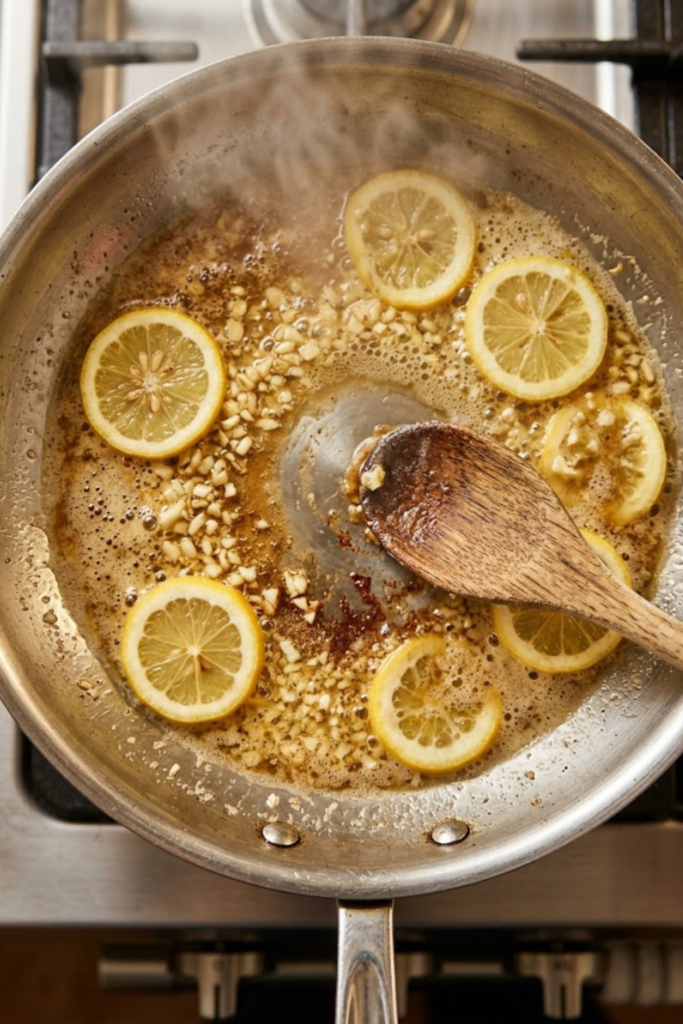
After you take the salmon out, don’t wash that pan! All those little brown bits stuck to the bottom are full of flavor. I usually turn the heat down to medium-low and drop in a big chunk of butter. You want to watch it closely. As the butter melts, it will start to foam up and then turn a nice golden color. It smells like toasted nuts, and that is how you know it’s getting good. One time I got distracted by a phone call and burnt the butter black. My whole kitchen smelled like a campfire for two days. So, keep your eyes on the pan!
Deglazing the Pan
Now, while the butter is foamy, I pour in my fresh lemon juice. This is called deglazing. The juice hits the hot pan and sizzles, and it helps lift all those tasty salmon bits off the bottom. I use a wooden spoon to scrape them up. It is so satisfying to see the pan come clean while the sauce turns a deep, rich color. If you like garlic, this is when I toss in some minced cloves. Just let them cook for about thirty seconds so they get soft but don’t turn brown and bitter.
The Cold Butter Trick
This is the part that changed my life. To make the sauce thick and glossy, you need to whisk in a few small cubes of cold butter right at the end. I take the pan off the heat entirely for this. If the sauce is too hot, the butter just melts into oil. But if it is just warm, the cold butter blends in and creates a creamy texture that stays together. I usually finish it off with some fresh parsley. It adds a pop of green that makes the whole plate look like it cost fifty dollars at a fancy bistro. Give it a taste, add a pinch of salt if it needs it, and you’re done!
Common Mistakes I Made (So You Don’t Have To)
When I first started trying to perfect this crispy skin pan seared salmon with lemon butter sauce recipe, I made just about every mistake you can imagine. I used to get so frustrated because I would follow a recipe online, and it still wouldn’t look like the picture. It took me a long time to realize that the little things—the stuff people don’t always write down—are what actually make the difference. I want to share these blunders with you so your dinner turns out great the first time. Honestly, if I had known these tips ten years ago, I would have saved a lot of money on wasted fish!
Crowding the Skillet
One of my biggest mess-ups was trying to cook too much at once. I have a family to feed, so I’d try to cram four big fillets into one medium pan. This is a huge mistake. When you put too much cold fish in the pan at the same time, the temperature of the oil drops way too fast. Instead of searing, the fish starts to release its juices and ends up boiling in its own liquid. You won’t get any crunch that way! Now, I only cook two pieces at a time. It takes a little longer, but the results are so much better. If you have a lot of people to feed, just keep the first batch warm in a low oven while you finish the rest.
Using the Wrong Heat
I also used to be afraid of high heat. I thought I would burn the fish, so I’d keep the stove on medium. The problem is, without high heat, the skin never gets that “shatter” texture we want. It just gets warm and oily. On the flip side, I once tried to make the sauce on high heat, and that was even worse. I added the butter to a screaming hot pan, and it turned black and bitter in five seconds. You have to learn to ride the dial. High heat for the sear, then turn it way down before you even think about starting your lemon butter sauce.
Flipping Too Early and Overcooking
I think we all have that urge to keep checking the bottom of the fish. I used to poke and prod at the fillets with my fork. Every time you lift the fish before it’s ready, you break the seal that’s forming between the skin and the pan. This usually leads to the skin tearing off. Also, don’t cook it until it’s dry! Salmon keeps cooking for a few minutes after you take it out of the pan. I used to wait until the middle looked totally opaque, but by the time I sat down to eat, it was tough. Now, I pull it off when the center still looks just a tiny bit translucent. It ends up perfect by the time it hits the table.
Essential Tools for the Best Pan Seared Result
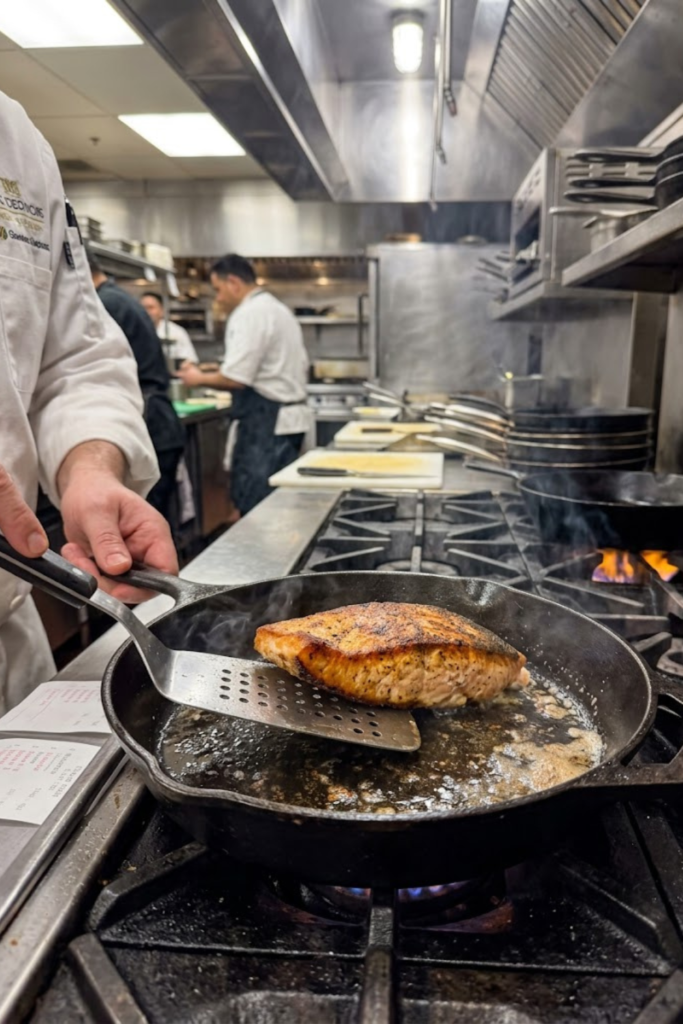
I used to think that a kitchen tool was just a tool. I figured if I had a spatula in my drawer, it didn’t matter what kind it was. But man, was I wrong. When I first started making this crispy skin pan seared salmon with lemon butter sauce recipe, I used a thick, plastic pancake spatula. It was a total disaster. I couldn’t get under the skin without ripping it right off the fish. That is when I learned about the fish spatula. It is much thinner and way more flexible than a regular one. It can slide right between the crispy skin and the hot pan without breaking anything. If you want to cook fish often, this is the one tool you really need. It’s long enough to support the whole piece of fish, which stops it from snapping in half when you try to flip it.
Picking the Best Pan for the Job
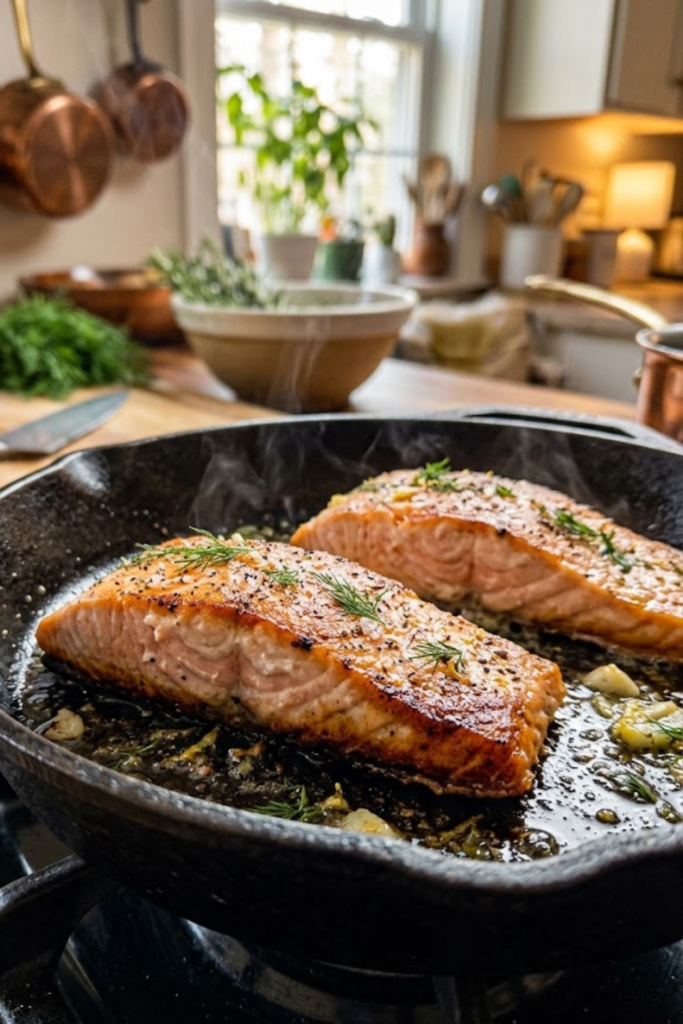
The next big thing is the pan itself. For years, I used those thin pans that come in cheap sets. They heat up fast, but they have “hot spots” where the fish burns while other parts stay raw. Now, I stick to cast iron or heavy stainless steel. Cast iron is my favorite because once it gets hot, it stays hot even when you drop a cold piece of fish onto it. This is what helps get that crunch we are looking for. Stainless steel is also a great choice because it lets those little brown bits stick just enough to help you make a great sauce later. Just stay away from the really thin non-stick stuff for this specific recipe. They just don’t handle the high heat well.
Stop Guessing with a Thermometer
Finally, do yourself a favor and get a cheap instant-read thermometer. I used to try the “finger poke test” or I’d just guess based on how the fish looked, but I was wrong at least half the time. Salmon can be expensive, and nobody wants to eat a piece of dry wood for dinner. I always shoot for 125 degrees Fahrenheit for a nice medium finish. By the time you take it out and let it rest, it ends up being perfect. It takes all the stress out of the whole night. You don’t have to wonder if the middle is raw; the little screen just tells you the truth. It made my cooking much more relaxed, and I stopped worrying about ruining a good meal. Having the right gear makes the whole thing feel way less scary.
Bringing It All Together
Well, there you have it! That is my whole process for making a really great crispy skin pan seared salmon with lemon butter sauce recipe. I know it might seem like a lot of steps when you first read through it, especially if you are tired after a long day at work. But I promise you, once you get the hang of it, you’ll be able to do this in your sleep. It is all about the preparation. If you spend those extra two minutes drying your fish and letting your pan get properly hot, the rest of the job is easy.
I really hope you give this a try tonight or later this week. There is something so satisfying about hearing that crunch when your fork hits the skin. It makes all the effort feel worth it. I used to be so scared of cooking seafood, but now it is the meal I make when I want to impress someone or just treat myself to something special. My family loves it, and I bet your friends or family will love it too. Even if you mess it up the first time, don’t give up! I ruined plenty of good fillets before I figured out these tricks. Just keep trying, and you’ll get there.
The lemon butter sauce is really the part that makes people think you went to cooking school. It’s so rich and bright, and it cuts right through the fatty taste of the salmon. Just remember to keep that heat low and use cold butter at the very end to get it smooth. If you follow these tips, you are going to have a fantastic dinner on your hands.
If you found this guide helpful or if your salmon turned out amazing, I would love it if you could help me out. Please save this post and share it on Pinterest! It helps other home cooks find these tips so they can stop struggling with soggy fish too. Sharing is a great way to keep these recipes alive and help everyone eat a little better. Thanks for reading, and I hope you have a wonderful meal! I can’t wait to hear how your dinner turns out. Happy cooking!