Did you know that over 450 billion Oreo cookies have been sold since they were introduced? That is a lot of dunking! But today, we aren’t just dunking them; we are transforming them. If you have ever been let down by a dry, crumbly cake that promised the world but delivered sawdust, I feel your pain. This cookies and cream Oreo bundt cake is the complete opposite! It is dense, moist, and absolutely packed with that classic chocolate sandwich cookie flavor we all obsess over. Whether you are a baking novice or a pro, this guide will help you create a showstopping dessert that tastes even better than it looks. Let’s get baking!
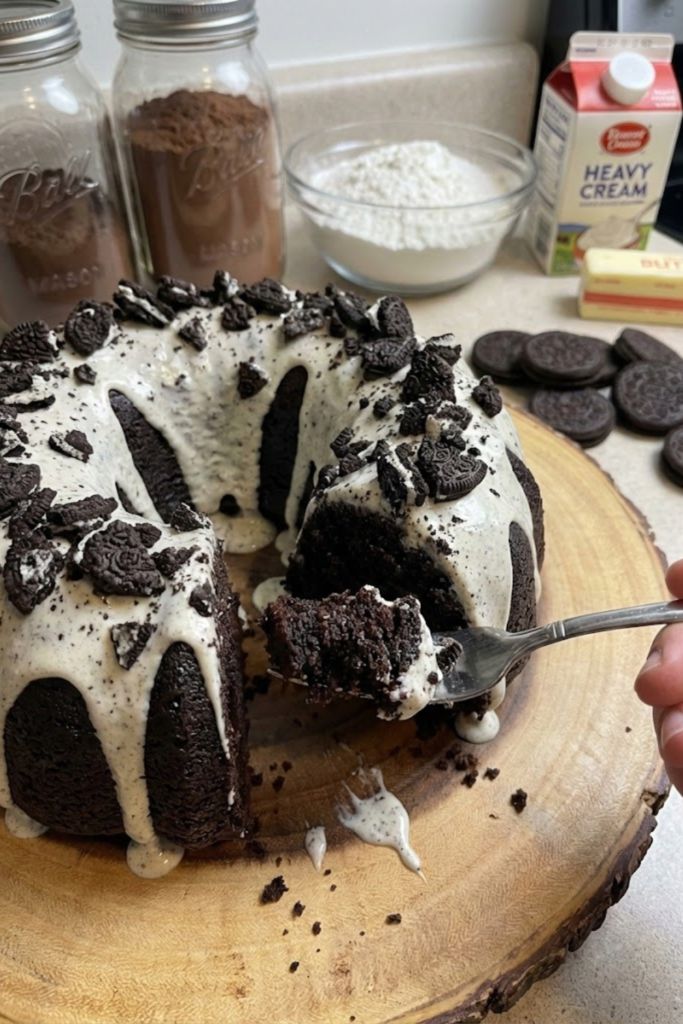
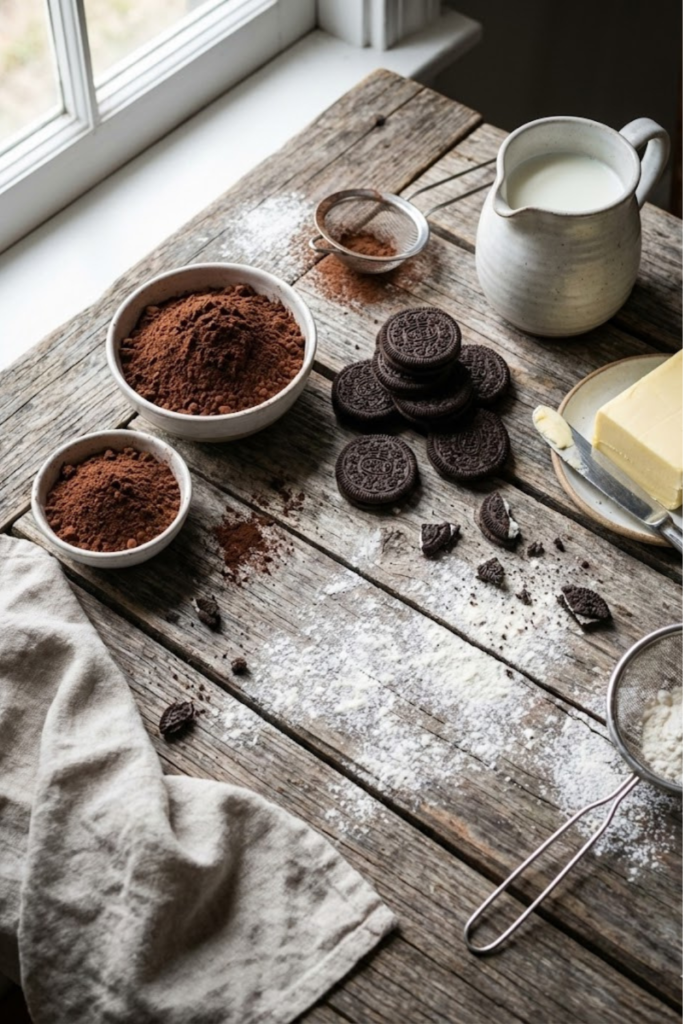
Essential Ingredients for a Rich Oreo Bundt Cake
Look, I’m going to be honest with you—I have baked some truly terrible cakes in my life. I used to think that as long as I threw sugar and flour in a bowl, magic would happen. Spoiler alert: it didn’t. The first time I tried to make a cookies and cream oreo bundt cake, I just grabbed the cheapest cocoa powder I could find and cold eggs right out of the fridge.
The result? It tasted like a sweetened hockey puck. I was so embarrassed I actually hid the cake in the trash so my family wouldn’t see it. Through a lot of trial and error (and a lot of wasted ingredients), I learned that the specific ingredients you pick will make or break this recipe.
The Right Kind of Cocoa
You might think all cocoa powder is the same, but that is a lie. For this cake, you really need Dutch-process cocoa powder.
Natural cocoa powder is lighter and more acidic. Dutch-process is treated to reduce that acidity, giving you a darker color and a way fudgier taste. If you want that deep, dark look that contrasts with the white icing, this is non-negotiable.
Don’t Fear the Fat
Years ago, I tried to make a “healthy” version of this by using skim milk. Don’t do that.
To get that dense, moist crumb we all crave, you need full-fat sour cream or Greek yogurt. This adds acid and fat, which tenderizes the gluten in the flour. It keeps the cookies and cream oreo bundt cake soft for days, assuming it lasts that long without being eaten.
Treat Your Oreos Right
Here is where I messed up big time in the past. I put the cookies in a food processor and turned them into fine dust.
When I baked it, the cake just turned gray and gritty. You want to chop the Oreos roughly by hand. You want actual chunks of cookie in every bite, not just cookie-flavored sand.
The Temperature Thing is Real
I used to roll my eyes when recipes called for “room temperature” butter and eggs. Who has time to wait for butter to soften?
Well, me, now. If your ingredients are cold, they won’t emulsify (mix together) properly. You’ll end up with a batter that looks curdled and weird. If the batter is bad, the bake will be bad. Set your stuff out on the counter an hour before you start.
The Secret Ingredient
Finally, add a splash of hot coffee or espresso powder. I know, some of you hate coffee.
But trust me, you won’t taste the java. The coffee just makes the chocolate taste more like chocolate. It bumps up the richness in a way that vanilla alone just can’t do.
Preparing Your Bundt Pan to Prevent Sticking
There is nothing—and I mean nothing—more heartbreaking than spending two hours mixing and baking, only to have your cake destroyed in the final second. I remember the first time I made a bundt cake for a school fundraiser. I was so proud of it until I tried to flip it onto the cooling rack.
Half the cake came out. The other half? It clung to the pan like its life depended on it. I actually tried to “glue” the pieces back together with frosting, but let’s be real, it looked like a disaster. When you are making a rich cookies and cream oreo bundt cake, the sugar and chocolate chips can act like super glue if you aren’t careful.
The “Grease and Flour” Old School Way
My grandmother used to swear by using a wrapper from a stick of butter to grease her pans. That might work for a regular square pan, but bundt pans have all those fancy ridges and crevices.
If you miss even a tiny spot, the cake will stick there. It’s annoying, but you have to get your hands dirty. I like to take a little bit of soft butter and use a pastry brush to paint it into every single nook and cranny of the bundt pan. Don’t be shy with it.
Why White Flour is the Enemy
Here is a mistake I made for years. I would grease the pan and then dust it with regular all-purpose flour.
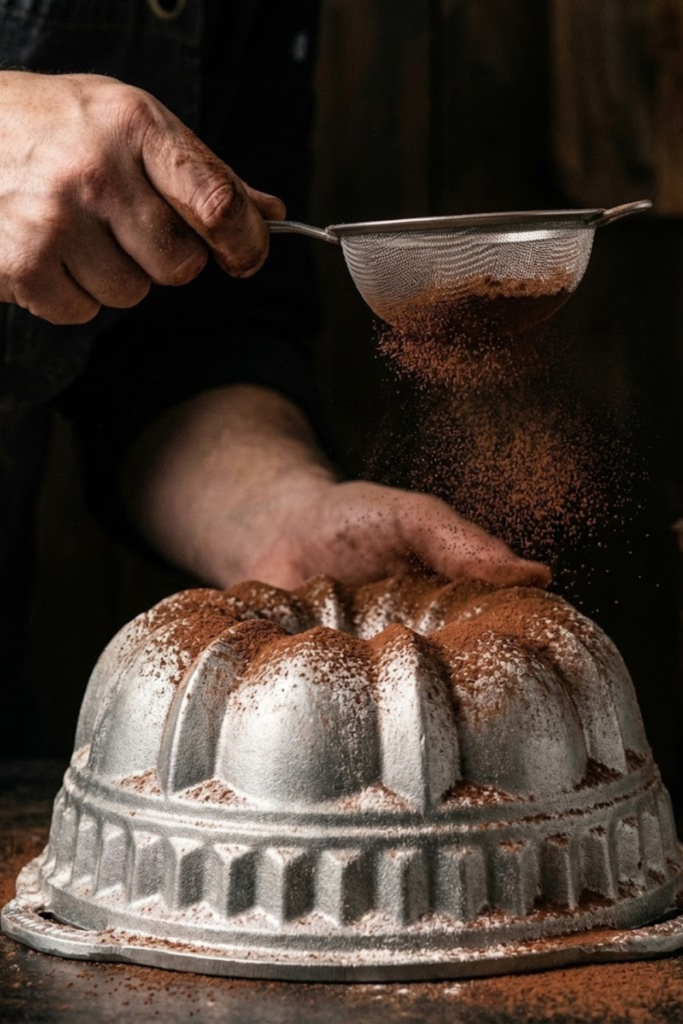
That works fine for a yellow cake, but on a dark chocolate cake? It leaves these ugly white, dusty streaks all over the outside. It looks like the cake has dandruff. Instead of white flour, dump a spoonful of cocoa powder into the greased pan. Shake it around until the butter is totally covered in chocolate dust, then tap out the excess. This keeps your cookies and cream oreo bundt cake looking dark and beautiful.
The Spray Debate
If you are lazy like me sometimes, you might reach for the cooking spray. Stop right there!
Regular cooking spray (like Pam) is just oil. It often just slides down the sides of the pan while the cake bakes, leaving the top exposed to stick. You need a baking spray that specifically has flour mixed in, like Baker’s Joy. I’ve had way more success with those than regular oil sprays.
Timing is Everything
I used to prep my pan before I even started measuring ingredients. I thought I was being organized.
The problem is, if your kitchen is warm, the butter or grease in the pan starts to melt and slide down to the bottom before you even pour the batter in. Wait until your batter is almost done before you prep the pan. That way, the grease stays right where you put it.
Step-by-Step Mixing and Baking Instructions
I am the kind of person who likes to rush. When I see a recipe with fifteen steps, I usually try to combine them into three because I just want to eat the cake already. I used to just dump everything into the bowl at once and turn the mixer on high.
That was a huge mistake. The cookies and cream oreo bundt cake turned out tough and rubbery, like an old shoe. I learned the hard way that the order in which you mix things actually matters a lot more than we think.
Beat It Until It hurts
The first step is creaming the butter and sugar. I used to do this for maybe 45 seconds and call it a day.
You have to let that mixer run for a good 3 to 5 minutes. Seriously, set a timer on your phone. You want the mixture to look pale and fluffy, almost like a cloud. This process forces air into the batter, which is the only way your bundt cake is going to rise properly since it’s so heavy.
The Alternating Game
Once you start adding the flour and the milk (or buttermilk), you need to slow down. I used to just pour all the milk in, then all the flour.
The batter would splash everywhere, and it would separate. You need to add a third of the flour, then half the milk, and keep alternating. Always start with flour and end with flour. This keeps the emulsion stable and prevents the gluten from getting too tough.
Step Away From the Mixer
Here is where I have ruined perfectly good cakes. Once the batter is mixed, turn the machine off.
Do not use the electric mixer to add the Oreos. If you do, the beaters will crush the cookies into oblivion, and your cookies and cream oreo bundt cake will turn a weird grey color. Grab a spatula and fold them in by hand, gently. You want to see those big, beautiful black chunks of cookie in the final slice.
The Skewer Test
Bundt pans are deep, deeper than you think. A standard toothpick is useless here.
I once pulled a cake out because the toothpick came out clean, only to have the middle collapse because it was raw inside. Use a long wooden skewer or even uncooked spaghetti to test the center. It should come out with a few moist crumbs attached, but not wet batter. If it’s wet, give it another five minutes.
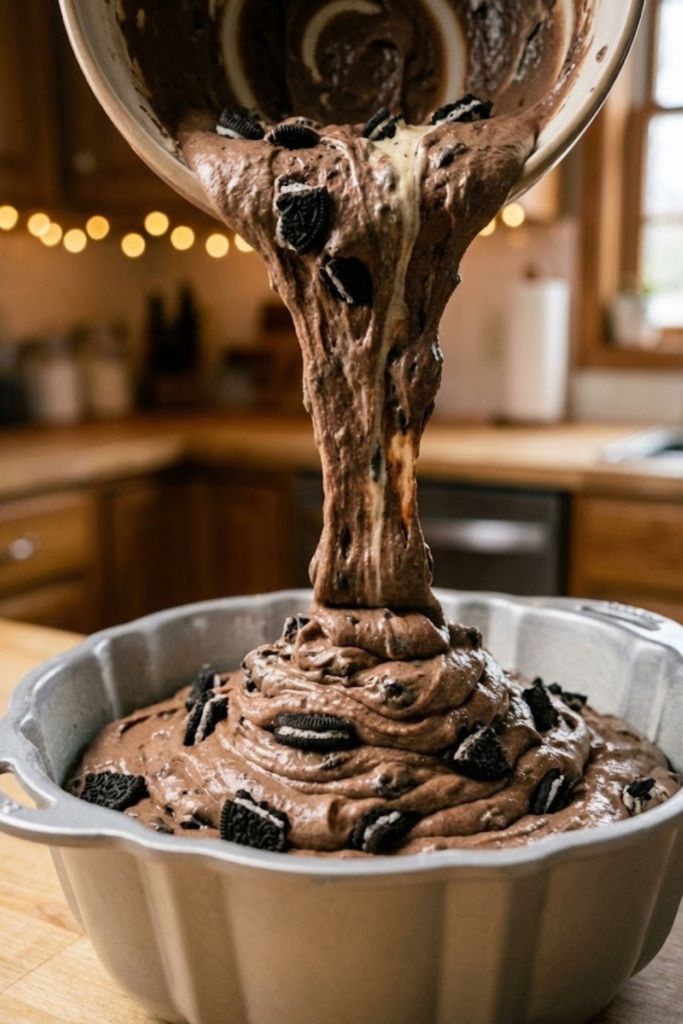
The Dreamy Cream Cheese Oreo Glaze
You know how some people say, “It’s what’s on the inside that counts”? Yeah, well, they haven’t seen this cake without glaze. A naked bundt cake is fine, but a glazed one is a showstopper. For the longest time, my glazes were either rock hard or a watery mess that soaked right into the cake, making it soggy.
I used to just mix powdered sugar and milk until it “looked right.” That was a terrible strategy. The glaze is literally the first thing people taste on this cookies and cream oreo bundt cake, so we need to give it the respect it deserves. It needs to be thick, bright white, and luscious.
The Consistency Struggle
Here is the deal: milk is too thin. I learned this after ruining a perfectly good cake for my neighbor’s potluck. I used skim milk, and the glaze was so transparent it looked like I had just sneezed on the cake. Gross, right?
To get that distinct, thick, white drip that sits on top of the ridges, you have to use heavy cream. The fat content helps it hold its shape. Start with less liquid than you think you need. You can always add more, but you can’t take it out. I like it to be the consistency of glue—slow moving and thick.
Patience is a Virtue (That I Lack)
This is the hardest part for me. I am impatient. I want to finish the cake so I can take a picture and eat it.
One time, I poured the glaze over the cake while it was still warm. Big mistake. The heat from the cake melted the butter and cream cheese in the glaze, and it all slid off onto the plate in a sad, sugary puddle. The cake has to be completely cool. Cold, even. Touch the inside of the center hole; if it’s even a little warm, walk away. Go fold some laundry or something.
The Crunch Factor
Once you finally pour that glaze, you have a window of opportunity of about 30 seconds.
I like to sprinkle extra crushed Oreos on top for texture. But if you wait too long, the glaze sets, and the cookie crumbs just bounce off and roll onto the floor. I’ve spent too much time chasing cookie crumbs with a broom. Have your toppings chopped and ready to go before you start glazing.
Balancing the Sugar Bomb
Let’s be real, this is a sweet cake. The glaze is basically pure sugar and fat.
To keep it from hurting your teeth, I always add a pinch of salt and a splash of vanilla bean paste. The salt cuts through the sweetness, and the vanilla adds a depth that makes it taste like a fancy bakery item. It’s a small tweak, but it makes a huge difference.
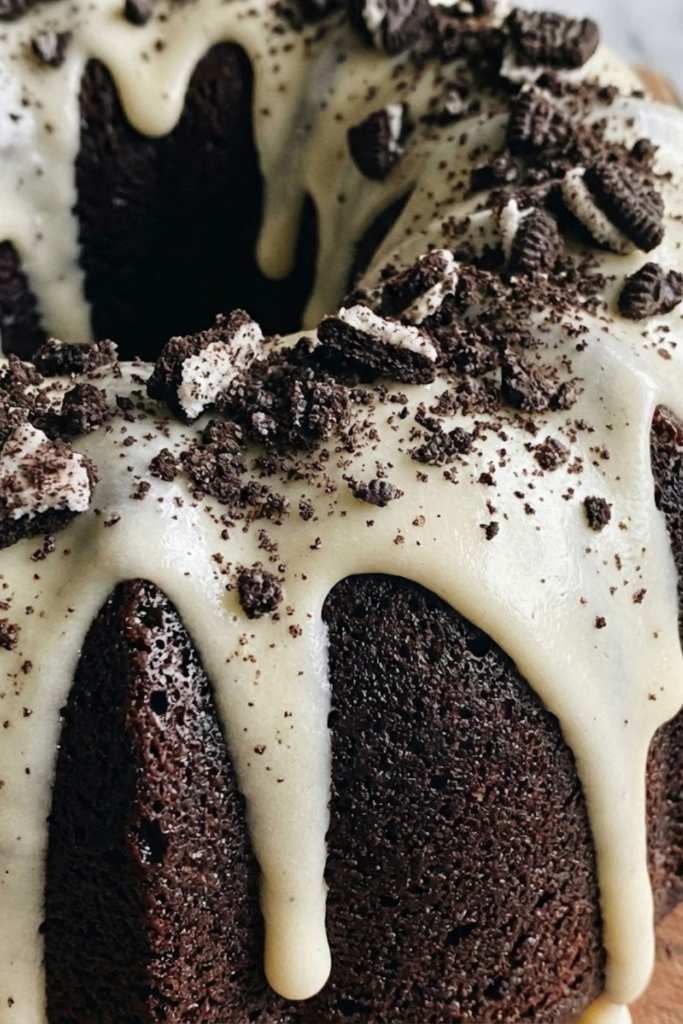
Well, we made it to the finish line. Baking a cookies and cream oreo bundt cake isn’t exactly a five-minute task, is it? But looking at that dark, chocolatey ring sitting on your counter, dripping with white glaze, you know it was worth the mess.
I usually end up with flour on my shirt and cocoa powder on the floor every single time I bake this. My husband jokes that he can tell how good the cake is going to be by how messy the kitchen is. If that’s true, this cake is a winner every time. We’ve covered the importance of using that Dutch-process cocoa for the color, and why slathering that pan in butter and cocoa powder is the only way to avoid the heartbreak of a stuck cake.
Don’t stress if your glaze isn’t perfectly symmetrical or if you have a few crumbs in the icing. Homemade desserts are supposed to look like human hands made them, not a machine. The most important part is that first bite—moist, rich, and packed with those crunchy cookie pieces we all love.
If you have leftovers (which is rare in my house), remember that this cake actually tastes better the next day after the flavors have had time to sit and get to know each other. So, pour yourself a glass of cold milk, cut a big slice, and enjoy the fruits of your labor. You earned it.
Share the Love on Pinterest!
Did this recipe help you conquer your fear of bundt pans? Do me a huge favor and save this to your “Best Chocolate Desserts” or “Baking Recipes” board on Pinterest! It helps other bakers find us and keeps the oven lights on.