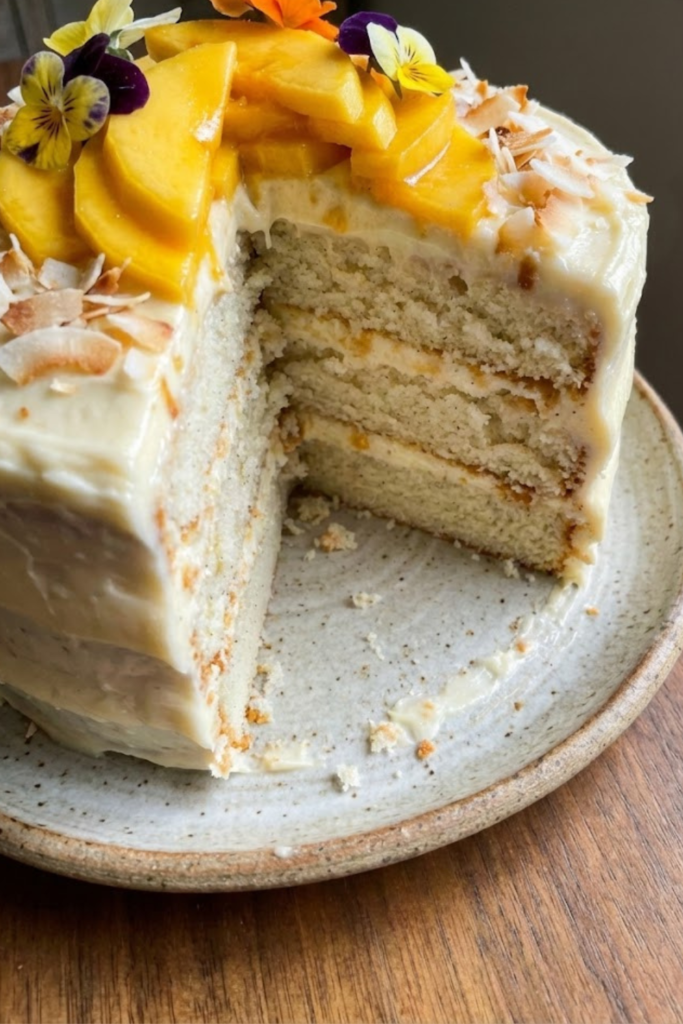
I’ll never forget the disappointment of my 12th birthday party—cutting into a gorgeous cake only to find it dry as a bone and tasting like cardboard! Ugh, what a letdown. But did you know that despite all the fancy flavors out there, over 30% of people still vote for vanilla as their absolute favorite? It’s a classic for a reason! Since that dry-cake disaster, I’ve spent years perfecting the ratio of butter to flour. Get your aprons ready, because we are going to bake a Classic Vanilla Birthday Cake that is tender, melt-in-your-mouth delicious, and actually tastes like real vanilla!
The Science Behind a Moist Vanilla Crumb
I used to think baking was just throwing stuff in a bowl and hoping for the best. Boy, was I wrong. I remember one specific disaster where I tried to swap ingredients because I was too lazy to go to the store. The result? A Classic Vanilla Birthday Cake that tasted like a sweet brick. I was so embarrassed I actually threw it in the trash before anyone arrived. But hey, we live and we learn, right? Through a lot of trial and error (and a lot of wasted eggs), I figured out the science that makes a cake actually taste good.
It’s All About the Flour
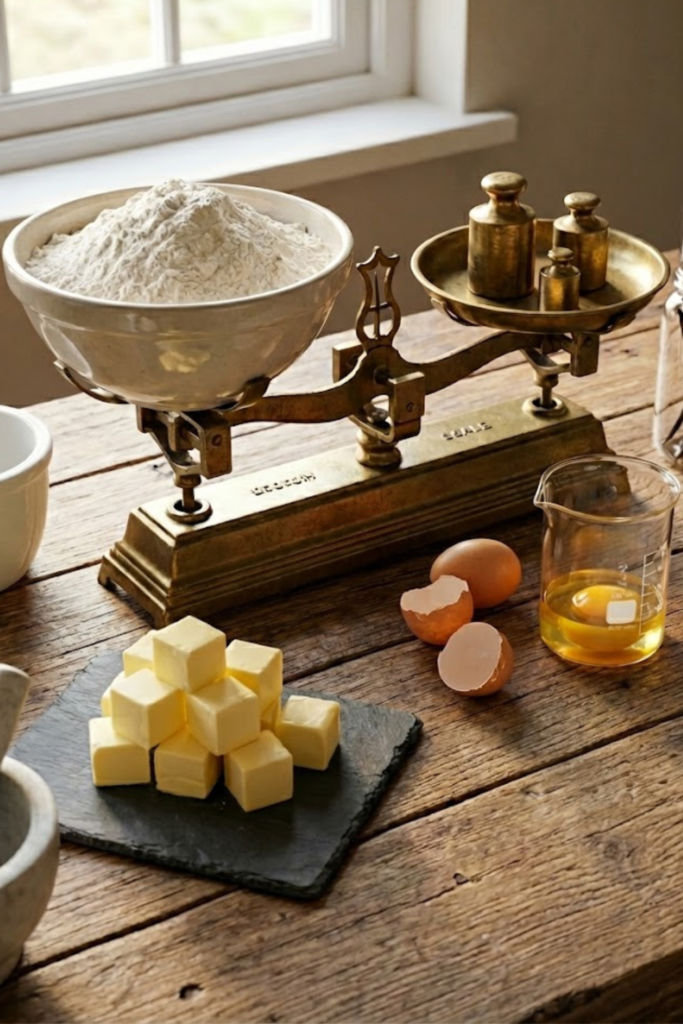
Most people grab the All-Purpose flour and call it a day. That’s usually fine for cookies, but for a cake? You really want cake flour. It has less protein than regular flour. Less protein means less gluten forms when you mix it.
This gives you that super tender, bakery style vanilla cake texture we all want. I’ve tried using bread flour once… don’t ask. It was chewy. Weirdly chewy. If you absolutely can’t find cake flour, you can make a substitute by removing two tablespoons of all-purpose flour and replacing it with cornstarch. But honestly? Just buy the box. It’s worth it.
Temperature Matters (Seriously)
Listen, I know it’s annoying to wait for butter to soften. I really do. I’m impatient too! But you have to do it. When you beat room temperature butter with sugar, it traps little air bubbles. These bubbles expand in the oven and make your moist yellow cake rise.
If you use cold ingredients, the batter breaks. It looks curdled and gross, like cottage cheese. I once tried to microwave my butter to soften it and melted it completely—total disaster. The cake was greasy and flat. So, take your eggs and butter out of the fridge about an hour before you start.
Don’t Fear the Fat
Diet culture has ruined baking for some people. If you want a fluffy white cake, you need fat. I use high-fat unsalted butter and whole milk. Sometimes I swap milk for buttermilk to make it even more tender. The acid in the buttermilk breaks down the gluten a bit more, which is a nice trick.
Also, check your baking powder! I once used a can that expired in 2019 (oops) and my cake stayed flat as a pancake. Fresh leavening agents are the gas that lifts the whole thing up. It’s a small detail, but it makes a huge difference.
Step-by-Step Mixing and Baking Instructions
Okay, this is where the rubber meets the road. Or where the batter meets the bowl? You get what I mean. Mixing seems simple enough—just stir it up, right?—but there is actually a technique to it. I learned this the hard way after producing several cakes that had the texture of a rubber tire. It wasn’t the ingredients; it was how I treated them. So, grab your spatula, and let’s do this right.
The Creaming Phase
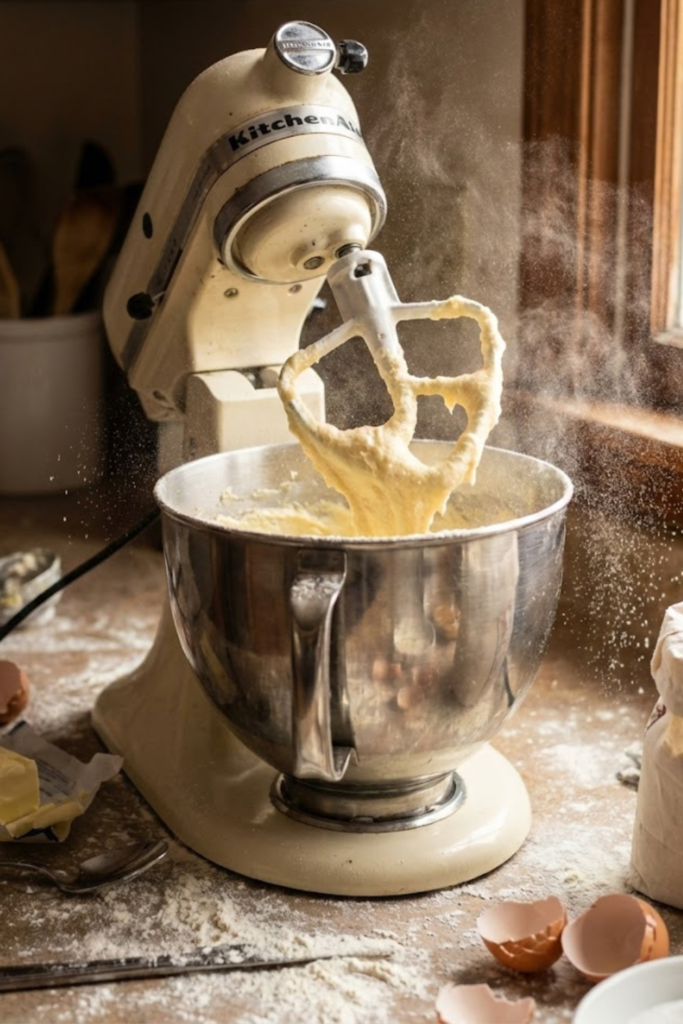
This is the part I used to rush through because I’m impatient. Big mistake. You need to beat your butter and sugar together until they look pale and fluffy. I’m talking about a solid 3 to 5 minutes on medium-high speed.
In the beginning, I’d just mix until they were combined and move on. My cakes were always dense. You want to incorporate air into that room temperature butter. It should look almost white, not yellow, when you’re done. It’s boring to watch, but set a timer on your phone and walk away if you have to.
The Egg Dilemma
Once your butter mixture is fluffy, it’s time for the eggs. Please, I am begging you, do not crack them all in at once. I did this once because I was in a hurry to get the cake in the oven before my favorite show started. The batter turned into a slimy, curdled mess that never really came back together.
Add your large eggs for baking one at a time, beating well after each addition. You want each egg to fully disappear into the batter before adding the next one. This keeps the emulsion stable, which is just a fancy way of saying your cake won’t fall apart.
The Dry-Wet-Dry Method
Now for the flour and milk. You might be tempted to dump everything in the bowl to save time. Don’t do it! You need to alternate. Add one-third of your flour mixture, then half of your milk (or buttermilk), then flour, then the rest of the milk, and end with the flour.
- Start with dry: This coats the fat and prevents the batter from separating.
- Add the wet: This hydrates the flour slowly.
- End with dry: This is crucial for cake baking science.
If you dump all the liquid in at once, the batter gets too saturated, and the flour can’t absorb it properly. And if you overmix at this stage, you develop gluten, which leads to a tough cake. I usually switch to a spatula and fold the last bit of flour in by hand just to be safe. It makes me feel like a pro baker, even if my kitchen looks like a disaster zone.
Trust Issues With Your Oven
Here is a hard truth: your oven is probably lying to you. I bought an oven thermometer a few years ago and found out my oven runs 25 degrees cooler than the dial says. No wonder my classic vanilla birthday cake was taking forever to bake!
If your oven is too cool, the cake won’t rise properly. If it’s too hot, the outside burns before the middle is done. Place the thermometer in the center of the rack. Bake at 350°F (175°C) and resist the urge to open the door until at least 25 minutes have passed. Opening the door lets the heat out and can cause your beautiful cake to collapse in the middle. I’ve cried over a sunken cake before; it’s not fun.
Stick a toothpick in the center to check for doneness. If it comes out with a few moist crumbs, pull it out! A clean toothpick actually means it might be slightly overbaked. Remember, the cake continues to cook a little bit while it sits on the cooling rack.
Perfect Frosting Pairings for Vanilla Cake
I used to think frosting was just the glue that held the layers together. I’d grab a plastic tub from the store, slap it on, and call it a day. It wasn’t until I made my first batch of homemade buttercream that I realized I’d been living a lie. The frosting is actually the star of the show! But picking the right one can be tricky, and I’ve definitely paired the wrong flavors before, leaving my guests scraping half of it off their plates.
The Classic American Sweetheart
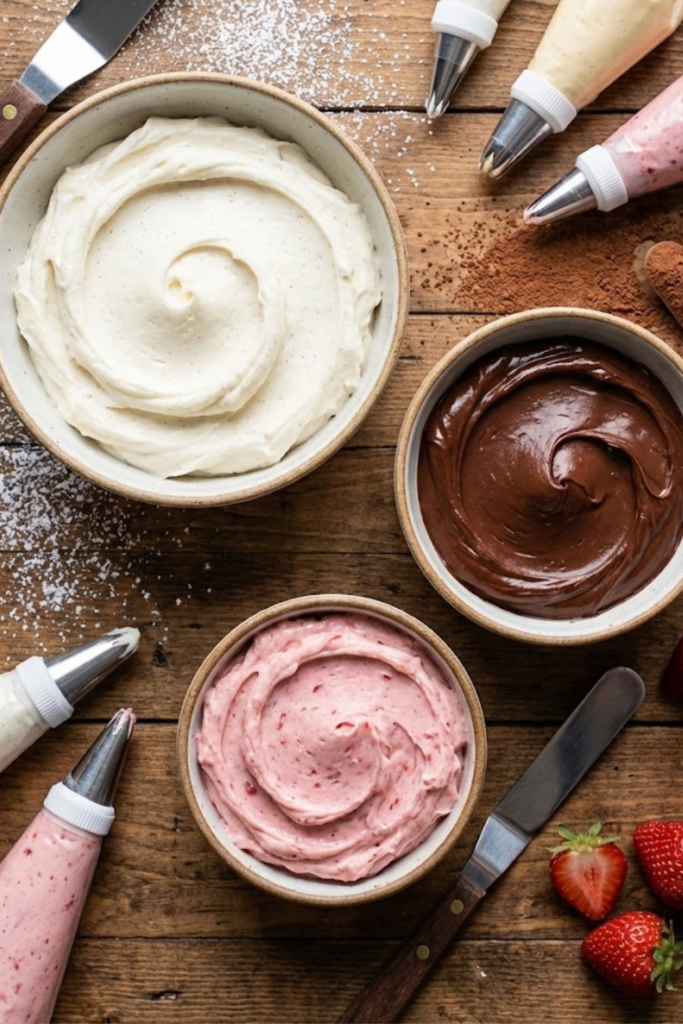
If you want that nostalgia hit, you gotta go with American buttercream frosting. This is what I grew up eating at every birthday party in the 80s. It is super sweet, slightly gritty (in a good way), and gets that nice “crust” on the outside.
It’s also the easiest to make if you are a beginner. I used to mess this up by not whipping it enough, leaving it heavy and greasy. The trick is to whip the butter for a solid 5 minutes before adding the sugar. It makes the texture way lighter. Just be warned: it is very sweet. If you don’t have a major sweet tooth, this might be too much for you.
Leveling Up with Meringue
Now, if you want to feel fancy, try Swiss meringue buttercream. I was terrified of this stuff for years. Cooking egg whites and sugar over a double boiler sounded like a recipe for scrambled eggs. And honestly, the first time I made it, my mixer bowl was too cold, and the butter clumped up into weird little cottage cheese bits.
I almost cried, but I kept whipping it, and magically, it came together. It is silky, smooth, and not nearly as sweet as the American kind. It’s perfect if you want a bakery style vanilla cake that feels a bit more grown-up. It takes more time, but the payoff is huge.
The Chocolate Contrast
Sometimes, vanilla on vanilla is just too much vanilla. You know what I mean? A rich chocolate fudge frosting on a yellow cake is probably my husband’s favorite thing in the world. The bitterness of the cocoa cuts through the sweet cake layers perfectly.
I like to add a pinch of espresso powder to my chocolate frosting. You don’t taste the coffee, but it makes the chocolate taste more… chocolatey. It’s a little secret weapon I keep in my back pocket.
Flavor Twists
You don’t have to stick to the basics. Since vanilla is such a neutral base, you can go wild. I love adding vanilla bean paste to my frosting instead of extract because those little black specks look so pretty.
- Fruit: Add freeze-dried strawberry powder for a punch of flavor without ruining the texture.
- Salt: A salted caramel drizzle over a vanilla cake is life-changing.
- Citrus: Lemon zest in the frosting brightens the whole thing up.
Just remember to taste as you go. I once added way too much salt to a batch of caramel frosting and had to throw the whole bowl out. It was heartbreaking. But hey, that’s how we learn cake decorating tips that actually stick!
Assembly and Decoration Ideas
This is the part where I usually start to panic. I’ve spent hours mixing and baking, and now I have to make it look pretty? No pressure, right? I remember my first attempt at a layer cake looked less like a birthday treat and more like the Leaning Tower of Pisa. It literally slid apart in the car on the way to the party. I cried over that steering wheel. But after many lopsided disasters, I finally learned that structure is everything.
The Flat Surface Rule
If your cake layers have big domes on top, you can’t just stack them. I used to try to fill the gaps with extra frosting, but that just makes the cake wobble. You have to cut those tops off.
I use a long serrated bread knife to saw the top off gently. It feels wrong to cut away perfectly good cake, but trust me, it’s necessary. Plus, the best part is that you get to eat the scraps right there at the counter. It’s the baker’s tax! If you want to get really fancy, you can buy specific cake leveling tools, but a steady hand and a bread knife work just fine for me.
The Crumb Coat is Non-Negotiable
For years, I wondered why my frosting always had little brown specks in it. It looked messy, like I’d dropped the cake in dirt. Then I learned about the crumb coat technique. It changed my life.
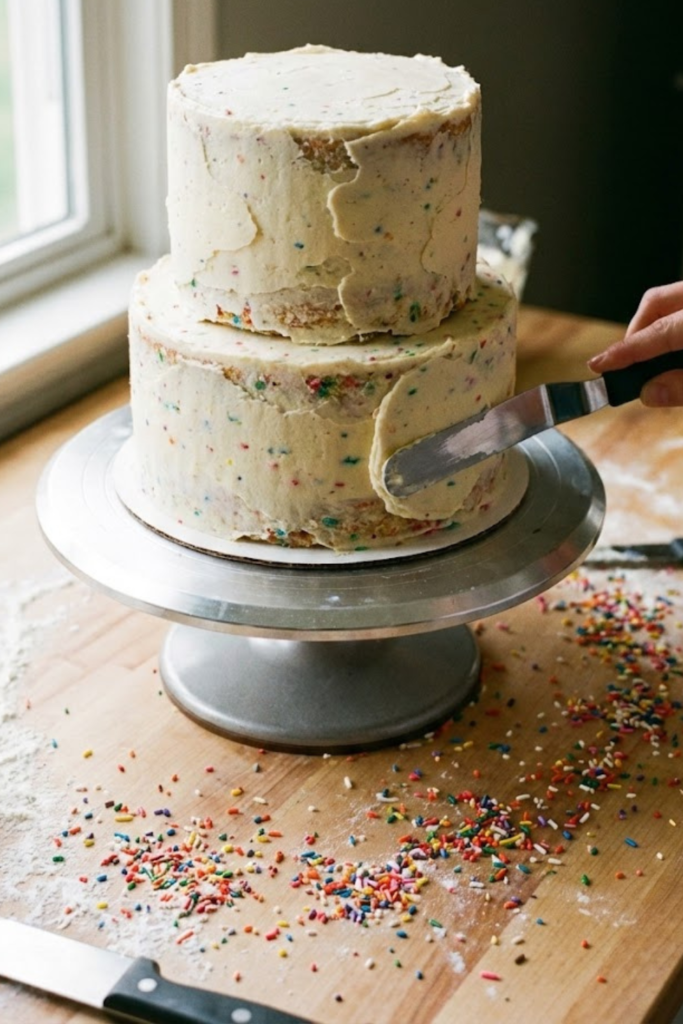
Basically, you spread a very thin layer of frosting over the whole cake to trap the crumbs. Then—and this is the key—you have to put it in the fridge for 20 minutes. I’m always tempted to skip this because I want to be done, but don’t do it. Once that coat is hard, you can slather on the rest of the frosting without pulling up any loose bits. You really need an offset spatula for this; using a butter knife is just asking for a headache.
Hiding the Imperfections
I am not a professional cake decorator. My hands shake too much! So, I rely on tricks that hide my mistakes. If the frosting isn’t perfectly smooth, I just slap some sprinkles on the sides.
It turns it into a fun confetti cake recipe vibe, and no one knows I messed up the smoothing. If you are feeling brave, grab your piping bags and tips. A simple rosette piping design covers a multitude of sins. You just swirl from the inside out. It looks impressive, but it’s actually really easy. And if you run out of frosting? Just scrape the sides so the cake shows through and call it a naked cake style. It’s trendy and saves you from having to make another batch of buttercream!
Storage and Make-Ahead Tips
I used to be that person running around like a headless chicken on the morning of a party. Flour in my hair, frosting on the dog, and a sink full of dishes. It was not a good look. I honestly thought that for a cake to be “fresh,” it had to be baked, cooled, and frosted roughly five minutes before the guests walked in. What a rookie mistake! I learned the hard way that trying to do it all in one day is a recipe for a nervous breakdown. Now, I embrace the beauty of prepping ahead. It saves my sanity and, believe it or not, actually makes the cake taste better.
The Freezer is Your Best Friend
If you take nothing else away from this, please listen to this: freeze your cake layers. I know, it sounds weird. Won’t it get freezer burn? Not if you wrap it right.
I bake my layers a few days (or even a week) before the big event. Once they cool on the rack for about 20 minutes, I wrap them tightly in plastic wrap—double layer—and then a layer of foil. This locks in the steam.
When you thaw them, that moisture redistributes, making for a super moist yellow cake. Plus, frosting a cold or semi-frozen cake is a million times easier than frosting a room-temperature one. The crumbs stay put, and your offset spatula glides right over. I’ll never go back to baking and decorating on the same day. It’s just too much work.
Room Temperature is King
Here is where I have messed up big time. I once made a beautiful butter cake, refrigerated it to keep the frosting perfect, and served it straight from the fridge. My guests were polite, but I could tell they were struggling.
The cake was hard. Like, weirdly firm. That’s because butter hardens when it’s cold. If your recipe uses real butter (which it should!), the texture will be like a cold stick of butter if you don’t let it warm up.
- The Rule: If you store your cake in the fridge, take it out at least 2 to 3 hours before serving.
- The Texture: You want it soft and tender, not waxy.
- The Flavor: Cold dulls the flavor of vanilla. Room temp wakes it up.
Keeping the Leftovers Fresh
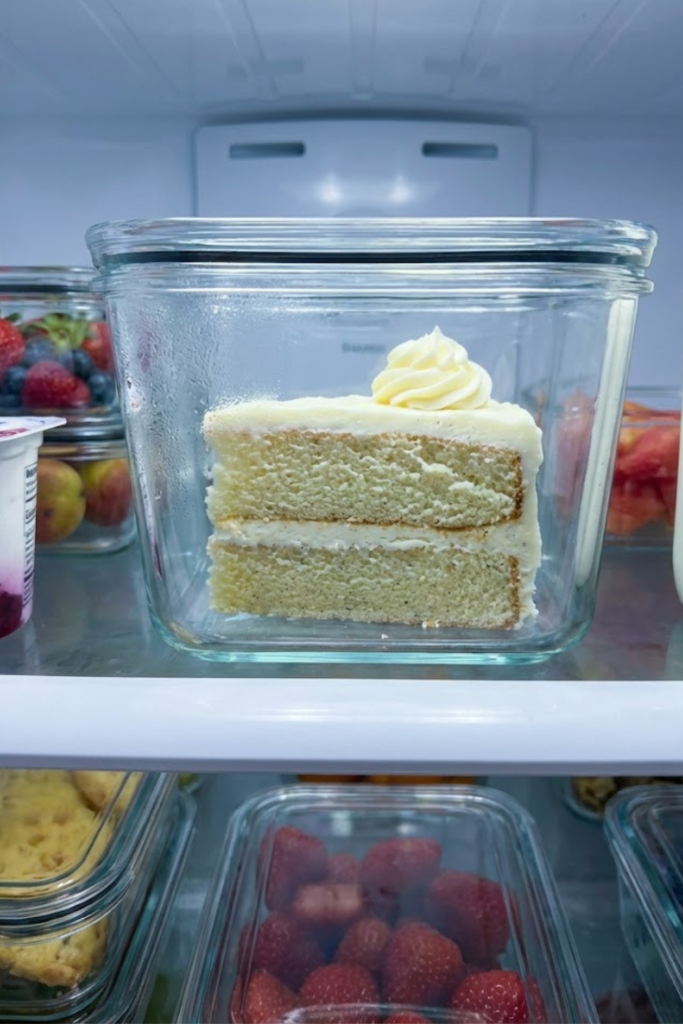
If you actually have leftovers (which is rare in my house), you need to store them right. Don’t just leave it on the plate uncovered; the air will suck the life out of the exposed slices, leaving you with dried-out crumbs.
I use a plastic cake keeper or press a piece of plastic wrap directly against the cut side of the cake. It looks a little messy, but it seals the moisture in. Cake storage tips like this save your breakfast for the next day—because let’s be honest, leftover cake for breakfast is the real reason we bake, right?
Baking the perfect Classic Vanilla Birthday Cake doesn’t have to be a nightmare of dry crumbs and sunken centers. I’ve been there, done that, and eaten the mistakes. It really comes down to respecting the ingredients—room temperature butter, good quality flour, and a little bit of patience with the mixer.
Once you master this base recipe, you can tweak it with whatever frosting or filling your heart desires. But honestly? Sometimes a simple slice of vanilla cake with sprinkles is the best comfort food on the planet.
If you try this recipe and finally banish dry cake from your life, I’d love to see it! Pin this recipe on Pinterest and tag me so I can drool over your creations. Happy baking, friends!