Did you know that meatloaf was a staple during the Great Depression because it could stretch a single pound of meat into a meal for six people? Honestly, I think meatloaf gets a bad rap sometimes, but when you do it right, it is the ultimate comfort food! I remember the first time I tried to make a classic beef meatloaf recipe for my family and it turned out as hard as a brick—talk about a total kitchen fail! But after years of testing different binders and meat ratios, I’ve finally cracked the code for a loaf that is tender, flavorful, and never dry. You’re going to love how the savory beef mixes with the sweet, tangy glaze to create a meal that feels like a big hug on a plate.
Essential Ingredients for the Best Classic Beef Meatloaf
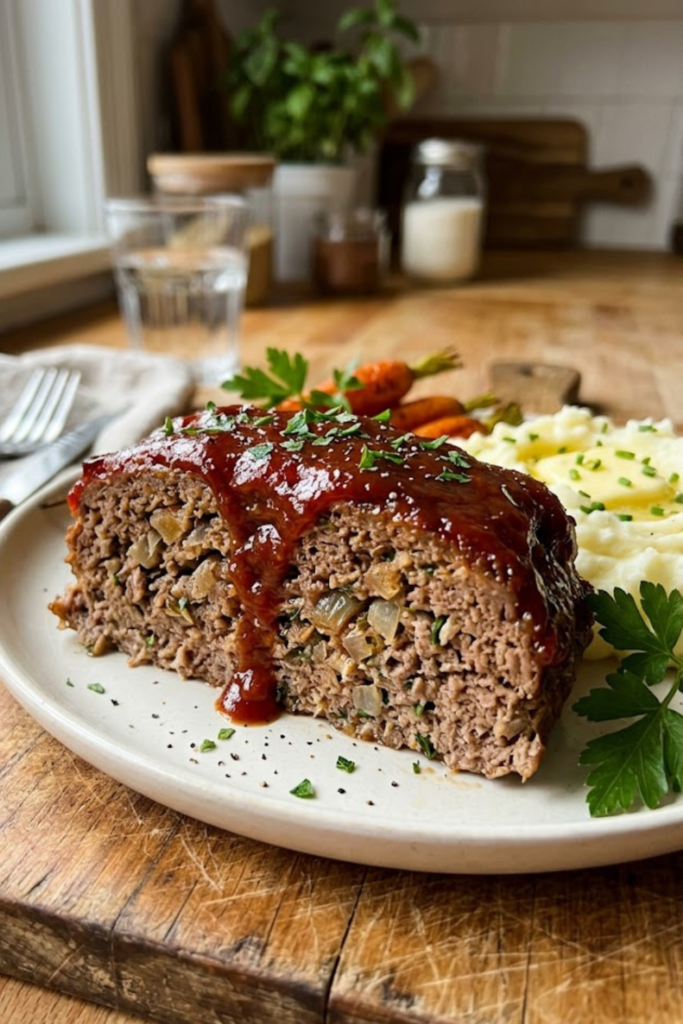
I remember standing in the grocery store aisle years ago feeling totally overwhelmed by all the different packs of ground beef. I used to think the leanest meat was the best because, well, it seemed healthier, right? Boy, was I wrong. To make a great classic beef meatloaf recipe, you have to start with the right building blocks. If you grab the wrong stuff from the shelf, you’ll end up with a dry, crumbly mess that nobody wants to eat. Let’s talk about what actually needs to go in your shopping cart to make this meal a success.
Why 80/20 Beef is the King of Flavor
You might see those “extra lean” packages of ground beef and think they are a smart choice for your family. But here is the thing: fat is where the moisture lives. I always tell my students to look for the 80/20 ground chuck. The 20% fat content melts into the meat while it bakes in the oven. It creates a self-basting situation that keeps every single bite juicy. If you use 90% or 95% lean beef, the meatloaf will likely shrink and get tough. The chuck roast cut also has a much better “beefy” flavor than generic ground round or sirloin. Trust me on this one, don’t skimp on the fat here!
Creating a Soft Texture with a Panade
One of my favorite tricks for a tender loaf is making what chefs call a “panade.” It sounds like a fancy term, but it just means mixing your breadcrumbs with a bit of liquid before adding them to the meat. I usually use whole milk for this. Instead of just tossing dry crumbs into the bowl, let them soak in the milk for about five minutes first. This creates a soft paste that keeps the beef proteins from sticking too tightly together. You can use regular breadcrumbs, panko, or even crushed saltine crackers. My grandma always used crackers, and honestly, those might be the best for that old-fashioned taste.
Aromatics and Savory Seasonings
You can’t just use meat and bread and expect a five-star meal. You need “aromatics.” That is just a word for flavor-building veggies like onions and garlic. I like to sauté my finely chopped onions in a little butter before adding them to the mix. If you put them in raw, they might still be crunchy when the meat is done, which feels a bit weird. Then, you need a good splash of Worcestershire sauce. It adds a deep, salty flavor that makes the beef taste even more savory. Throw in some fresh parsley for a pop of color and a little bit of freshness to balance the heavy meat. This combination is what makes people ask for seconds.
The Secret to a Perfectly Moist Meatloaf Texture
I have to be honest with you—nothing ruins a Sunday dinner faster than a dry, crumbly slice of meat that tastes like a sponge. I remember one time I invited my neighbors over and served what I thought was a great classic beef meatloaf recipe. When I sliced into it, the whole thing just fell apart into little dry pebbles. It was so embarrassing! I spent the next few months obsessing over how to fix that. It turns out, the way you handle the meat is just as important as the stuff you put in the bowl. If you want that perfect, tender bite every time, there are a few things you need to do differently.
Stop Overworking the Meat
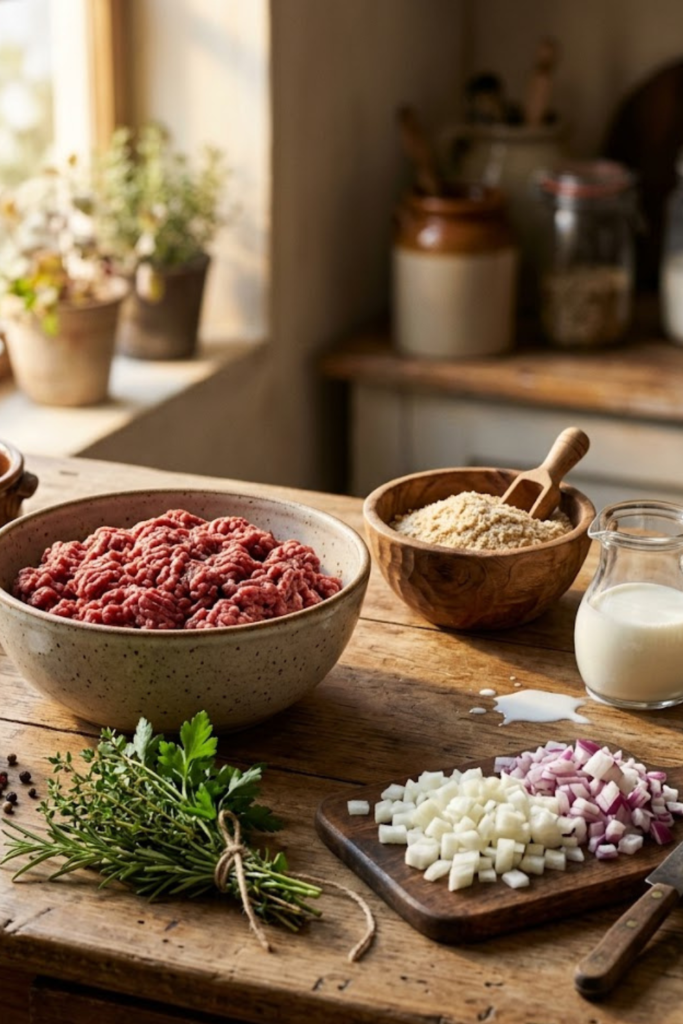
This is the biggest mistake I see in my cooking classes. People get in there with their hands and start squeezing the ground beef like they are kneading bread dough. You can’t do that! When you overmix the meat, the proteins break down and get really tight. This creates a loaf that is dense and rubbery. I like to tell my students to think of their hands like “claws.” Just gently toss the ingredients together until they are barely combined. It should look a little loose and shaggy. If you see big streaks of egg or breadcrumbs, give it one more light toss, but then stop. Less is definitely more here.
The Power of the Egg Factor
You might wonder why we even put eggs in a classic beef meatloaf recipe. Think of the eggs as the “glue” that keeps everything from turning into a pile of loose ground beef on your plate. However, you have to get the balance right. For every two pounds of meat, I usually find that two large eggs is the sweet spot. If you add too many, the meatloaf gets a weird, springy texture that feels fake. If you use too few, the loaf won’t hold its shape when you go to slice it. The eggs work with the breadcrumbs to build a structure that traps the juices inside while the meat cooks.
Give the Meat a Little Rest
Here is a trick that most people skip because they are in a hurry to get dinner on the table. Once you have everything mixed and shaped, let the raw meatloaf sit in the fridge for about 20 or 30 minutes before you put it in the oven. This gives the breadcrumbs time to really soak up the milk and the egg. It helps the whole thing set up so it doesn’t spread out too much while baking. Plus, it makes the flavors of the garlic and onions sink deep into the beef. It’s a small step, but it makes a massive difference in the final result.
Crafting the Ultimate Tangy Ketchup Glaze
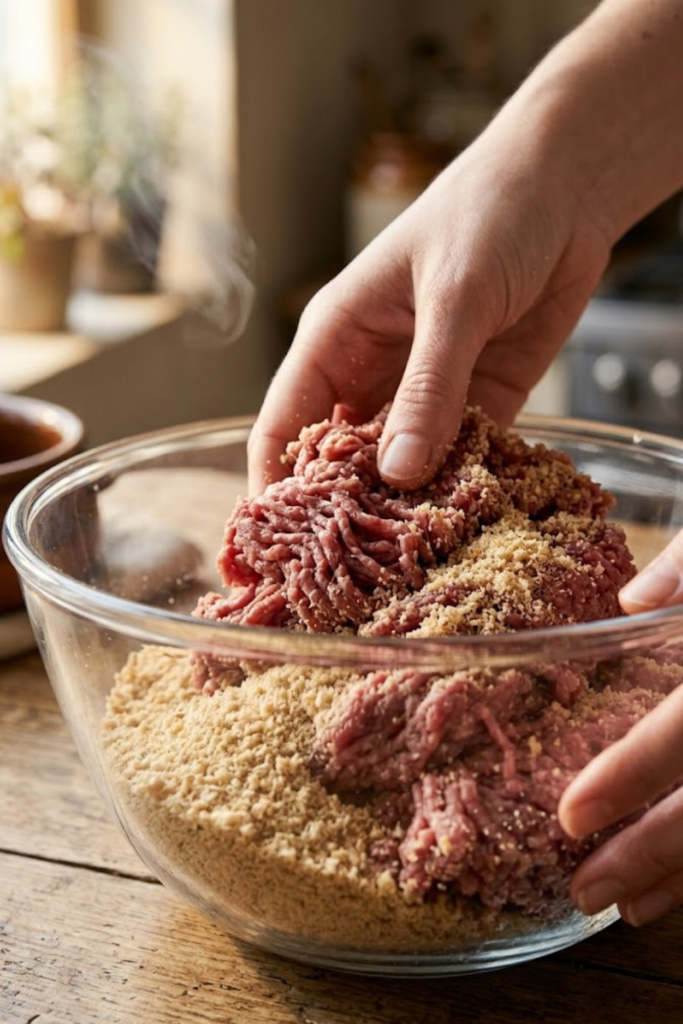
I’ll be the first to admit it—I used to think the glaze was just an afterthought. When I first started making my classic beef meatloaf recipe, I would just squirt some plain ketchup on top and call it a day. My family would eat it, but they weren’t exactly asking for thirds. It wasn’t until I went to a neighborhood potluck and tried a loaf that had this thick, sticky, sweet, and tangy topping that I realized what I was missing. That glaze is what turns a plain pile of meat into a real meal. It’s like the icing on a cake; you just can’t skip it if you want the best results.
Why You Need More Than Just Ketchup
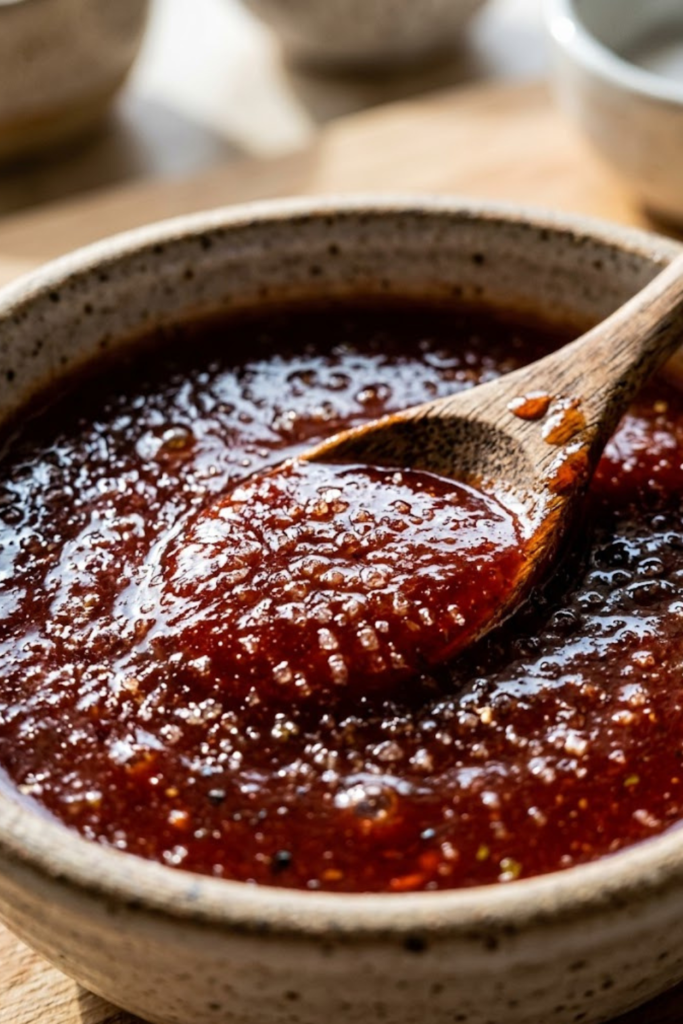
If you just use plain ketchup, it’s going to be too acidic and a bit boring once it heats up. To get that deep, restaurant-quality flavor, you need to mix in some brown sugar. The sugar carmelizes in the heat of the oven and creates a beautiful shine on the crust. I also like to add a teaspoon or two of yellow mustard. It adds a little bit of a “bite” that cuts through the sweetness of the sugar. Some people like to use Dijon, but I think regular old yellow mustard gives it that nostalgic flavor we all remember from when we were kids. Just stir these three things together in a small bowl until the sugar isn’t grainy anymore.
The Secret Acid Balance
Now, here is a little trick I learned from an old cookbook I found at a garage sale. Add a small splash of apple cider vinegar to your glaze. It might sound weird to add more acid to ketchup, but the vinegar helps break down the richness of the beef. It makes the flavor “pop” instead of just being heavy and sweet. If you don’t have apple cider vinegar, you can even use a little bit of the liquid from a jar of pickles. I know, it sounds crazy, but it works! It adds a layer of flavor that most people can’t quite put their finger on, but they know it tastes amazing.
Try the Double Glazing Technique
Most recipes tell you to put the sauce on at the very end of the cooking time. I think that’s a big mistake. I like to brush on about half of my glaze right before the loaf goes into the oven. This creates a base layer that really sticks to the meat. Then, about 15 minutes before the timer goes off, I pull the pan out and slather on the rest of the mix. This second layer stays thick and gooey, while the first layer gets dark and sticky. This method will help you produce a classic beef meatloaf recipe that looks like it belongs on the cover of a magazine. Plus, it makes sure you get plenty of sauce in every single bite.
Baking Tips: Internal Temperature and Rest Times
I used to think that once the meatloaf was in the oven, my job was pretty much done. I’d just set a timer for an hour and go watch TV. But I learned the hard way that the baking stage is where a lot of people accidentally ruin their classic beef meatloaf recipe. You can have the best ingredients and the perfect glaze, but if you pull it out too early or leave it in too long, the texture is going to be all wrong. Over the years, I’ve found a few tricks that help me get a perfect result every single time, and it mostly has to do with how you use your tools and how patient you are.
Choosing the Right Pan for the Job
There is a big debate in the cooking world about whether you should use a loaf pan or a flat baking sheet. For a long time, I used a standard metal loaf pan because I liked the nice rectangular shape it gave the meat. However, I noticed that the meat would basically “boil” in its own juices and fat, which made the sides kind of mushy. Now, I prefer making a free-form loaf on a rimmed baking sheet lined with foil. I just shape the meat into a log with my hands. This allows the heat to hit all sides of the meat, creating a better crust. Plus, the extra fat can drain away from the meat, so the bottom doesn’t get soggy.
Why You Need a Meat Thermometer
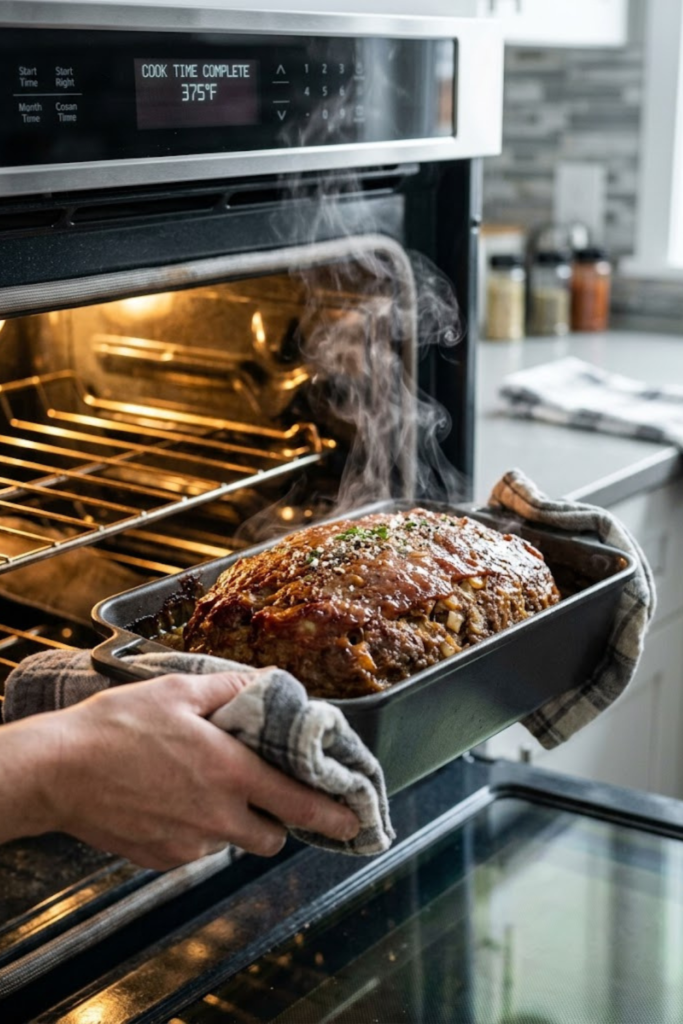
If you don’t have a digital meat thermometer yet, please go get one! It is the only way to be 100% sure your dinner is safe and delicious. I used to just poke the meat with a fork to see if the juices ran clear, but that isn’t very accurate. You want to pull your meatloaf out of the oven when the center reaches exactly 160°F. If you go much higher than that, the beef starts to lose all its moisture and becomes crumbly. I usually check mine about 10 minutes before the timer is supposed to go off. Every oven is a little different, so the temperature is a much better guide than the clock.
The Importance of the Final Rest
I know it is tempting to start slicing as soon as the kitchen starts smelling like heaven, but you have to wait! This is probably the hardest part of the whole classic beef meatloaf recipe. If you cut into the loaf right away, all those delicious juices you worked so hard to keep inside will just run out onto the cutting board. I always let my meatloaf sit on the counter for at least 15 minutes before I even touch a knife. This allows the juices to redistribute back into the meat fibers. It makes the loaf much easier to slice without it falling apart, and every bite will stay moist and flavorful. Just tent a piece of foil over the top to keep it warm while you wait.
Putting it All Together for the Best Dinner Ever
I really hope you feel ready to go into the kitchen and knock this classic beef meatloaf recipe out of the park. It’s funny, I used to think of meatloaf as just “the thing my mom made on Tuesdays,” but now I see it as a total masterpiece when it is done the right way. If there is one thing I want you to remember from my ramblings today, it is that you shouldn’t be afraid to get your hands a little dirty—but not too much! Remember, just a light toss is all that meat needs to stay tender. I’ve seen too many good cooks ruin a meal by trying to be too perfect with their mixing. Just relax and let the ingredients do their thing.
When you finally sit down to eat, you’ll see why all those little steps matter. Choosing the 80/20 beef might seem like a small detail, but it’s the difference between a dry dinner and a juicy one. And that glaze! Don’t be shy with it. The way that sweet ketchup and brown sugar mix with the savory beef is just magic. I always make sure to have extra glaze on the side because my kids like to dip their slices in it anyway. It’s those little moments at the table where everyone is quiet because they are busy chewing that makes all the work in the kitchen totally worth it.
One of the best things about making a big meatloaf is the leftovers. If you actually have any left, which doesn’t happen often at my house, you are in for a treat! Cold meatloaf sandwiches on soft white bread with a little extra mayo is seriously one of the best lunches you can have the next day. Sometimes I think I make the loaf just so I can have that sandwich on Monday afternoon. It’s a great way to save money and still feel like you are eating a fancy meal.
I’m so glad I could share my mistakes and wins with you. If this helped you feel more confident about making a classic dinner, please save this post and share it on Pinterest! It helps other home cooks find these tips, and I love seeing when people try out the recipes I talk about in my classes. Go ahead and fire up that oven, grab your meat thermometer, and get cooking. Your family is going to thank you!