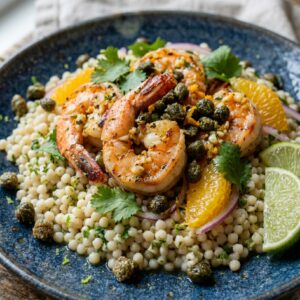
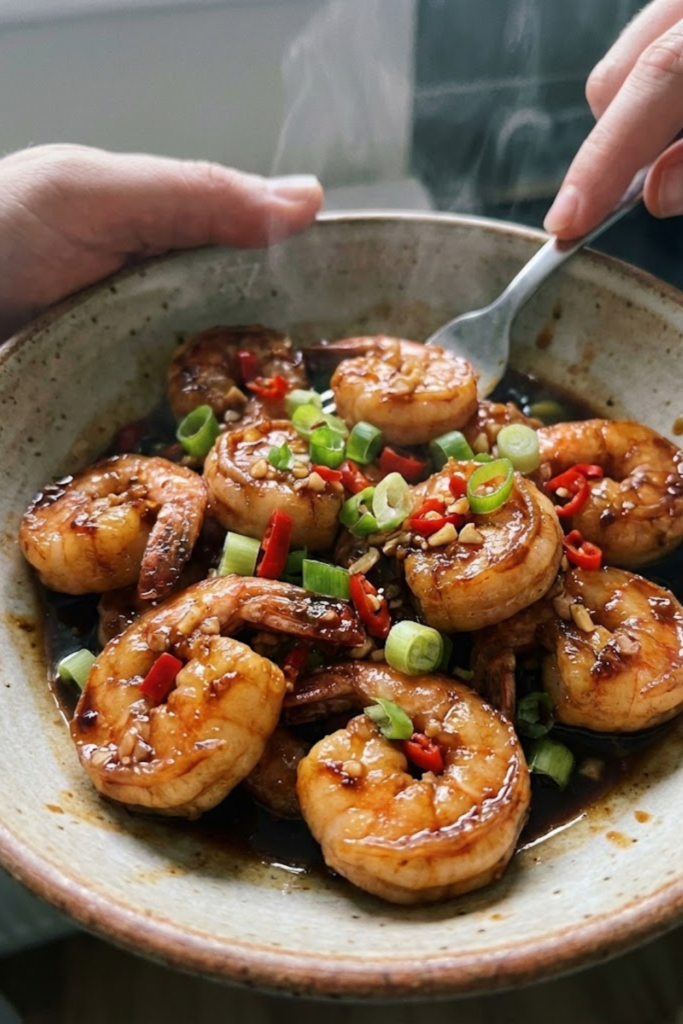
“People who love to eat are always the best people,” Julia Child once said, and if you are here for spicy seafood, you are definitely my kind of people! I’ll be honest, the first time I tried to make a stir-fry, I turned expensive prawns into rubbery little hockey pucks. It was heartbreaking! But after years of experimenting in the kitchen (and a few more burnt pans than I’d like to admit), I finally cracked the code to the perfect asian chilli garlic prawns shrimp. This dish isn’t just food; it’s an experience. We are talking plump, juicy seafood coated in a sticky, aromatic sauce that hits you with garlic first and finishes with that addictive chilli kick. Ready to ditch the takeout menus? Let’s get cooking!
Choosing the Best Seafood: Prawns vs. Shrimp
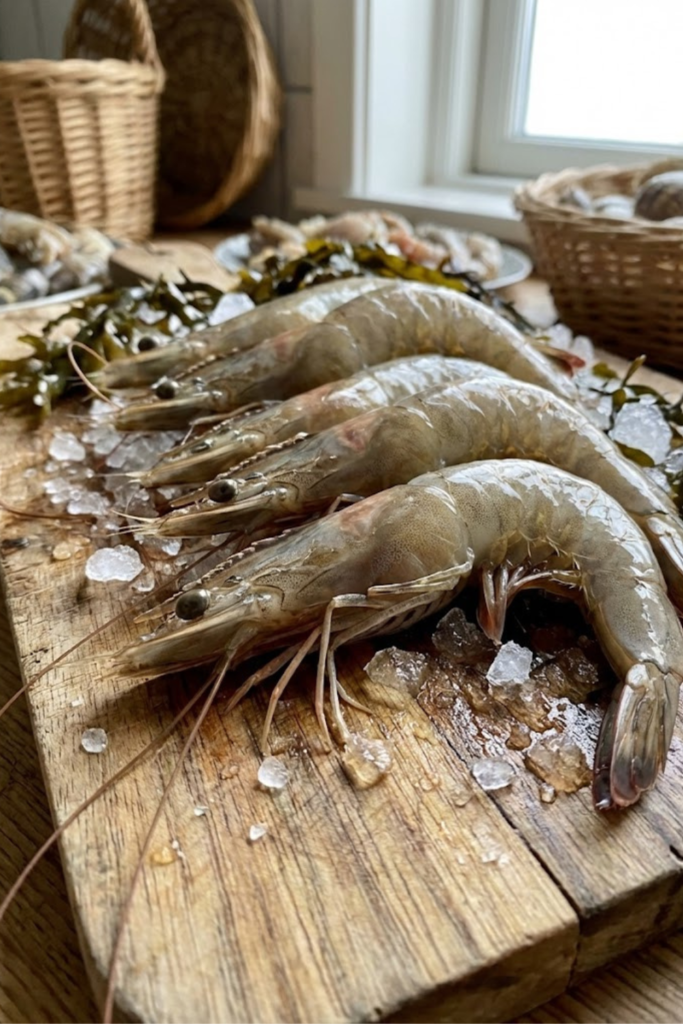
I used to stand in the seafood aisle looking completely lost. Seriously, I’d stare at the glass case for twenty minutes, wondering if there was actually a difference between prawns and shrimp or if the store was just trying to sound fancy to charge me two bucks more. Spoiler alert: biologically they are different, but in the kitchen? They are pretty much swappable.
For the longest time, I thought buying fresh meant I had to buy the stuff sitting on the ice at the counter. I learned the hard way that unless you can see the ocean from your kitchen window, that “fresh” shrimp was likely frozen on a boat and thawed out by the grocer that morning. I once made a batch of asian chilli garlic prawns shrimp using “fresh” supermarket prawns, and they tasted a bit… fishy. Not in a good way.
Fresh vs. Frozen: The Cold Hard Truth
Here is a tip I wish someone gave me ten years ago: buy frozen. Specifically, look for “IQF” or Individually Quick Frozen shrimp. These little guys are frozen heavily right when they are caught, locking in the flavor.
I felt so betrayed when I found out the “fresh” ones were just thawed frozen ones! I’ve been buying bags of frozen raw shrimp ever since. It’s a total game changer because you can pull out exactly what you need. No waste, no funky smells. Plus, keeping a bag in the freezer means a spicy dinner is always an option.
Size Matters (A Lot)
Okay, let’s talk about size. Do not buy those tiny salad shrimp for this recipe. Please, just don’t. I tried to save money once by buying the small count bag, and it was a disaster. By the time I got a good sear on them, they had turned into rubbery little erasers.
For a proper asian chilli garlic prawns shrimp dish, you want U15 or U16-20 count. That means there are roughly 15 to 20 shrimp per pound. They are meaty enough to handle the high heat of a wok without drying out instantly. When you bite into them, you want that satisfying snap, not a mushy texture. Trust me, spending the extra couple of dollars for the big ones is worth it.
Shell On or Off?
This is where the debate gets heated. My grandma always said the flavor is in the shells, and she wasn’t wrong. Cooking with the shell on keeps the meat tender and adds a depth to the sauce that you just can’t fake.
However, I am lazy sometimes. Peeling hot shrimp covered in spicy sauce is messy work. If you are serving guests who don’t want to get their hands dirty, go for peeled and deveined. But if you are cooking for just yourself or family? Keep the shells on. It’s finger-licking good, literally.
The Prep Work Struggle
If you buy them with the shell on, you have to deal with the “vein.” It’s actually the digestive tract (gross, I know). Leaving it in can make your dish taste gritty.
I used to use a paring knife and mangle the poor shrimp trying to get it out. The trick is to use kitchen shears to snip down the back of the shell. It exposes the vein so you can just wipe it away. It takes five minutes, and your seafood will taste so much cleaner. A little effort here prevents a gritty crunch later!
The Secret to the Sticky Chilli Garlic Sauce
I remember the first time I tried to make a sauce from scratch without a recipe. It was a complete disaster. I ended up with this sad, watery pool of red liquid that slid right off the shrimp. It tasted like spicy water, and honestly, it was pretty embarrassing serving it to my partner. I learned the hard way that getting that thick, glossy coating isn’t magic; it’s chemistry.
The real trick to a killer asian chilli garlic prawns shrimp is balancing the sticky factor with the heat. You want the sauce to cling to the seafood, not drown it.
The Aromatics: Fresh is Non-Negotiable
Okay, put down the jar of pre-minced garlic. Just walk away from it. I used to use that stuff because I hated peeling garlic skins (they stick to everything!), but it has this weird metallic preservative taste that ruins the dish. For this recipe, you need fresh cloves, and you need a lot of them.
I usually go for a 2:1 ratio of garlic to ginger. The fresh ginger root brings a zesty kick that cuts through the heaviness of the oil. If you don’t have fresh ginger, don’t bother making this dish tonight. Powdered ginger just disappears in the high heat. I like to grate my ginger so it melts into the sauce rather than chopping it, so nobody bites into a spicy chunk of root.
Choosing Your Heat Source
This is where you can have some fun. I went through a phase where I put Sriracha on everything, but for this, it’s too sweet and garlicky on its own. You need something with more texture. I swear by sambal oelek recipe variations for the base because it has those visible seeds and chunks of chili.
If you are feeling brave, throw in some fresh Bird’s Eye chillies. I did this once without wearing gloves and then rubbed my eye. Do not do that. It burned for hours! But the fresh heat is incredible. If you can’t find Sambal, you can mix red pepper flakes with a little vinegar, but the jarred stuff is a lifesaver on busy nights.
Umami Boosters and Getting it Sticky
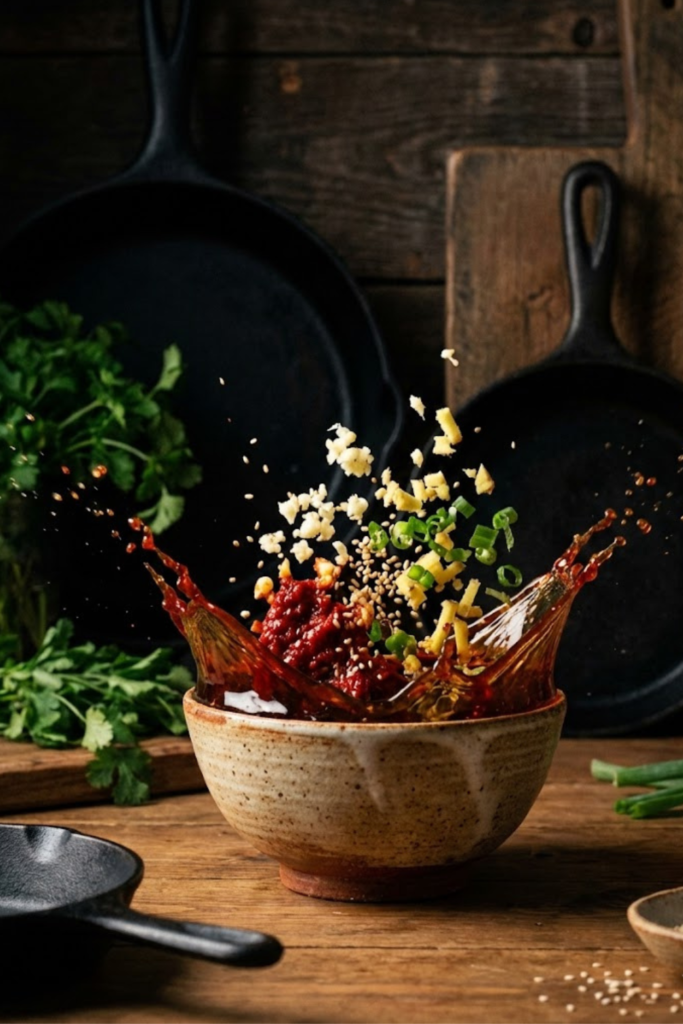
The “sticky” part comes from sugar and reduction, but the flavor comes from the holy trinity of sauces: light soy sauce, oyster sauce, and Shaoxing wine. I used to skip the wine because I didn’t want to buy a whole bottle for one tablespoon. Big mistake. It adds that earthy, restaurant-style depth you can’t get otherwise.
The oyster sauce is your thickener. It gives the sauce body so it glazes the asian chilli garlic prawns shrimp perfectly. If you are allergic to shellfish, a good mushroom stir-fry sauce works as an oyster sauce substitute. It brings that same salty, savory punch.
Balancing the Flavors
Finally, you have to balance the fire with some sweet. I use brown sugar because the molasses flavor pairs so well with the garlic. I used to be afraid of adding sugar to savory dishes, thinking it would turn into dessert. But without it, the chili is just harsh.
You need that sweetness to caramelize in the pan. That’s what creates that sticky garlic sauce consistency everyone fights over. Taste your sauce before you pour it in the wok. It should be a little too strong, a little too salty, and definitely spicy. Once it hits the plain shrimp and rice, it will mellow out into a perfect umami flavor bomb.
Mastering the Wok: Cooking Techniques
I used to be terrified of cranking my stove up to the max. My smoke detector is incredibly sensitive, and for a while, I thought a “successful” dinner was one where the neighbors didn’t call the fire department. But here is the thing: if you are scared of heat, you are never going to get that restaurant-quality flavor.
I learned this the hard way while trying to replicate a takeout favorite. I kept the heat low to be “safe,” and my poor asian chilli garlic prawns shrimp ended up boiling in their own juices. It was a soggy, gray mess.
High Heat is Key
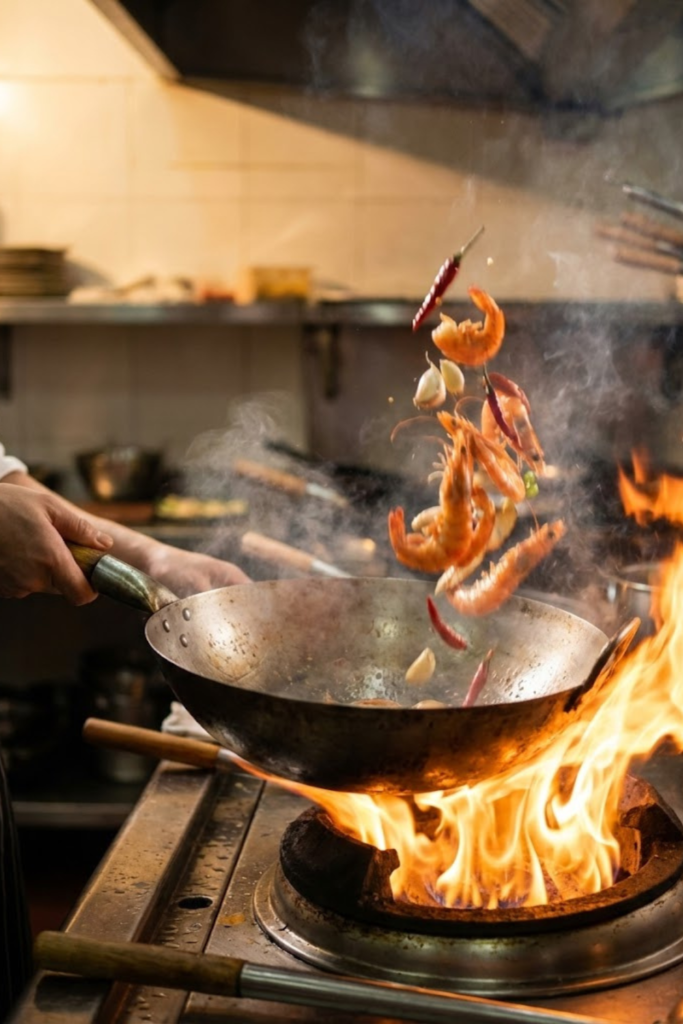
To get it right, you need to understand something the Cantonese call “Wok Hei,” or the breath of the wok. It’s that smoky, charred flavor that only comes from extremely high temperatures. If you don’t have a carbon steel wok, don’t worry.
A heavy cast iron skillet shrimp setup works almost as well because it holds heat like a champ. You want the oil to be shimmering, almost smoking, before anything touches the pan. If the oil isn’t hot enough, the food just absorbs it and gets greasy. Nobody wants greasy prawns.
Don’t Crowd the Pan
This is the mistake I made for years. I’m impatient, so I used to dump a whole pound of seafood into the pan at once. The temperature of the pan would plummet instantly. Instead of searing, the prawns would steam.
You have to cook in batches. Give the prawns room to breathe. When they have space, they get that beautiful golden-brown crust. It takes a few extra minutes, but the texture difference is night and day. Seaming scallops and shrimp properly requires patience and space.
Timing the Garlic
Here is a tragedy I have lived through: burning the garlic. I used to throw the garlic in first, thinking it needed to infuse the oil. By the time the shrimp were cooked, the garlic was black and tasted incredibly bitter. Game over.
Garlic burns in seconds at high heat. The trick is to add your aromatics—the garlic, ginger, and chilies—only after the shrimp are mostly cooked and removed, or right at the very end if you are tossing it all together. You only need about 30 seconds for them to become fragrant.
The Final Glaze
Once your asian chilli garlic prawns shrimp are seared and your aromatics are smelling amazing, that is when you pour in the sauce. It should bubble up violently. This reduces the liquid quickly, turning it into a glaze rather than a soup.
Toss everything together for just another minute. You want the sauce to cling to the meat, coating it in that sticky, spicy goodness. Serve it immediately, because this dish waits for no one!
Serving Suggestions and Pairings
I used to be that person who would cook a killer main dish and then completely forget about the sides until the very last second. I’d be standing there with a pan full of spicy, delicious shrimp, realizing I had absolutely nothing to serve it with. I’d end up eating it over plain toast or just straight out of the wok like a savage. While that’s delicious in a desperate kind of way, this recipe really shines when you build a proper meal around it.
It took me a few dinner party fails to realize that when you serve something this spicy, you need to provide your guests (and yourself!) with a fire extinguisher in the form of sides. You can’t just serve heat on heat. You need balance.
The Carb Dilemma: Rice Options
First things first: you need a sponge. That sauce is liquid gold, and leaving it on the plate is a crime against flavor. Jasmine rice sides are my go-to because they are aromatic but neutral enough to let the prawns be the star.
I tried using brown rice once to be “healthy,” and honestly, the texture was all wrong. It was too nutty and chewy. Stick to white jasmine or even sticky glutinous rice if you want that authentic asian comfort food vibe. The rice soaks up the extra chili garlic oil, making every bite savory. If you are watching carbs, cauliflower rice works okay, but let’s be real, it’s just not the same.
Cooling the Burn with Veggies
Since this dish packs a punch, I like to serve something cold and crunchy alongside it. A smashed cucumber salad with a little vinegar and garlic is perfect. It cuts right through the grease and heat.
If you want something warm, steamed baby bok choy is a classic. I used to overcook my greens until they were sad and gray. Now, I just blanch them for two minutes. They stay bright green and crunchy. It makes the plate look like it came from a high-end restaurant, even if you are just eating in your sweatpants. It’s a great healthy stir fry addition that takes zero effort.
The Art of the Garnish
Garnishes aren’t just for Instagram photos; they actually add texture. I used to skip this step because I was lazy, but a scallion garnish adds a fresh oniony bite that lifts the whole dish. Slice them on a bias (diagonally) if you want to feel fancy.
And don’t forget the toasted sesame seeds. Toasting them in a dry pan for thirty seconds brings out a nutty flavor you don’t get from raw seeds. Just don’t walk away from the pan! I’ve burned more batches of sesame seeds than I care to admit. They go from white to burnt in the blink of an eye.
What to Drink?
Pairing wine with spicy food is tricky. I once opened a heavy Cabernet with this, and the tannins made the spice taste bitter and metallic. It was awful.
You want something cold and slightly sweet to handle the heat. A crisp Riesling is usually a safe bet because the sugar coats your tongue. If wine isn’t your thing, an ice-cold lager is the ultimate pairing for spicy dinner ideas like this. The bubbles scrub your palate clean so you are ready for the next spicy bite. Sometimes, the simple choices are the best ones.
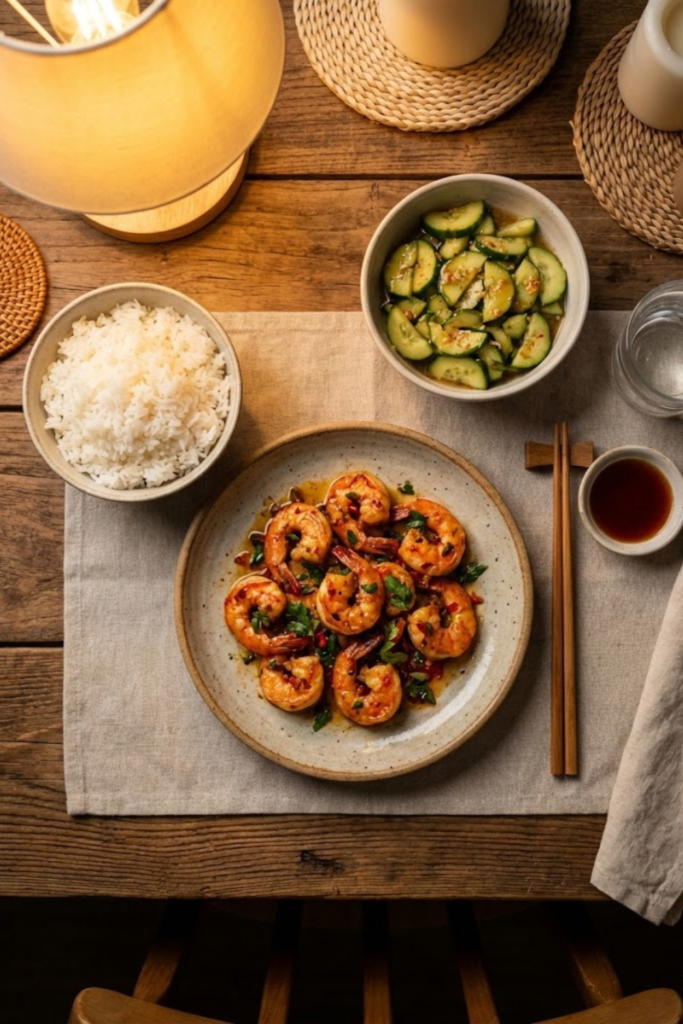
Well, there you have it. You finally have the cheat code to making restaurant-quality asian chilli garlic prawns shrimp right in your own kitchen. I remember staring at my empty takeout boxes years ago, wishing I could just whip this up myself. Now, it is my go-to meal when I want something that tastes expensive but costs a fraction of the price.
Don’t beat yourself up if your first attempt isn’t picture-perfect. Cooking with high heat is a skill, and I burned my fair share of garlic before I got the timing right. The most important thing is that you tried something new. And hey, even if the prawns are a little overcooked, that spicy garlic sauce fixes almost everything.
I really hope this recipe makes its way into your weekly rotation. It is fast, furious, and honestly, pretty fun to make. If you enjoyed this spicy little adventure, please do me a huge favor. Share this recipe on Pinterest and save it for your next craving!. I’d love to see your version of this spicy seafood recipe, so don’t be shy about tagging me.