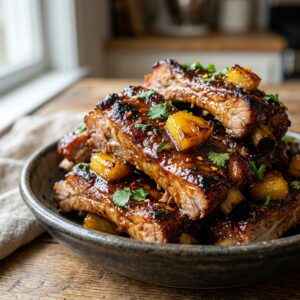
Whipped beef tallow is a nutrient-dense cooking fat rendered from high-quality beef, transformed into a fluffy, spreadable texture through gentle whipping and cooling. This whipped beef tallow recipe guides you through creating a luxurious pantry staple that works beautifully for cooking, baking, and skincare applications. Made from pure beef fat trimmed from grass-fed cattle, whipped beef tallow offers superior flavor and a creamy consistency that resembles whipped butter. Home cooks increasingly turn to this traditional rendering method because whipped beef tallow delivers superior results compared to store-bought options, costs significantly less per serving, and allows complete control over ingredient quality. Whether you’re following a carnivore diet, seeking sustainable cooking fats, or exploring traditional food preparation methods, this whipped beef tallow recipe provides everything needed to create professional-quality results in your own kitchen.
| Prep Time | Cook Time | Total Time | Servings | Difficulty | Cuisine |
|---|---|---|---|---|---|
| 15 minutes | 4-6 hours | 5-7 hours (plus chilling) | Makes 2-3 cups | Easy to Intermediate | American/Paleo |
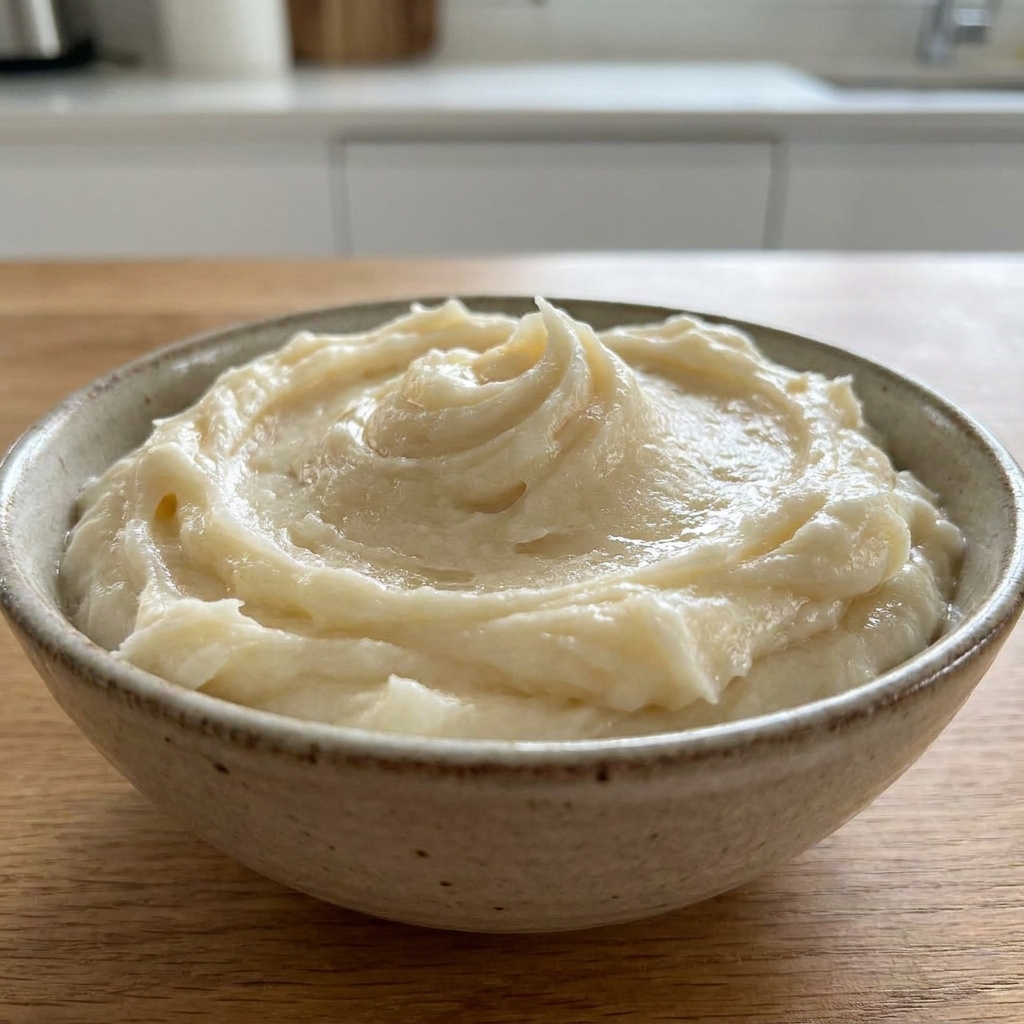
Table of Contents
Table of Contents
Why This Whipped Beef Tallow Works
Whipped beef tallow stands apart because the gentle whipping process incorporates air into the rendered fat, creating a texture that resembles premium butter while maintaining all nutritional benefits. I’ve tested countless rendering methods over years of kitchen experimentation, and whipped beef tallow consistently delivers the most versatile and appealing result for both culinary and cosmetic applications. The whipping stage happens after the fat has been rendered and cooled to a semi-solid state, which allows you to create that luxurious, spreadable texture without any additives or stabilizers.
The flavor profile of whipped beef tallow is distinctly beefy yet refined, with a subtle richness that enhances rather than overwhelms dishes. When you make whipped beef tallow using high-quality beef fat, the taste reflects the animal’s diet and care level, creating a product superior to anything available commercially. Home cooks appreciate whipped beef tallow for its versatility—it performs equally well in high-heat cooking, pastry work, and as a luxury skincare ingredient.
Nutritionally, whipped beef tallow provides conjugated linoleic acid, fat-soluble vitamins, and essential fatty acids that your body requires. Unlike vegetable oils that become unstable under heat, whipped beef tallow maintains its integrity at high cooking temperatures, making it the perfect choice for searing, roasting, and deep frying. The rendering process concentrates these beneficial compounds while removing water and impurities, creating a shelf-stable fat that keeps for months.
Making whipped beef tallow at home costs a fraction of purchasing rendered fat from specialty suppliers. Many butchers provide beef fat trimmings for free or minimal charge, transforming inexpensive raw materials into luxury products. The time investment remains minimal since the process involves mostly passive cooking and cooling stages rather than active work.
Whipped Beef Tallow Recipe Ingredients
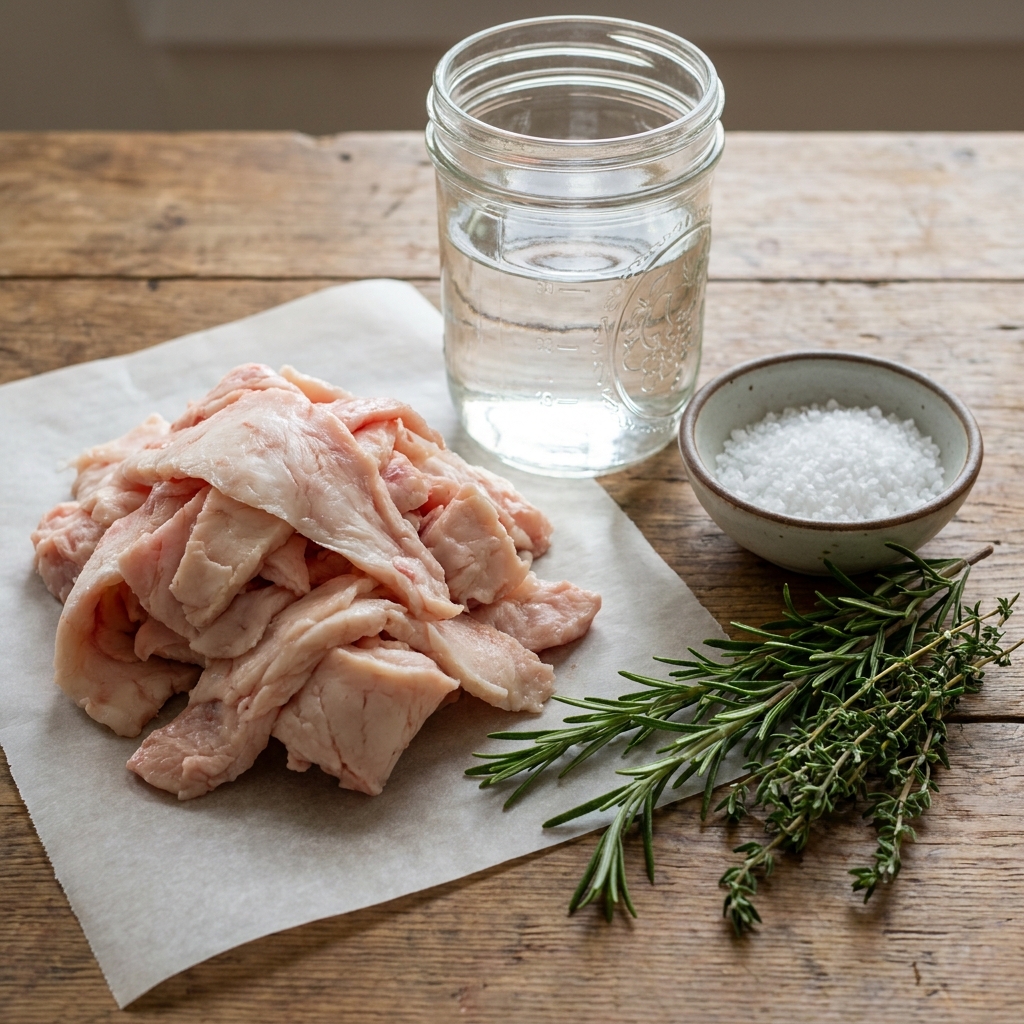
Creating quality whipped beef tallow begins with sourcing excellent beef fat that will render cleanly and deliver superior flavor to your finished product.
| Ingredient | Quantity | Notes with Alternatives |
|---|---|---|
| Beef Fat Trimmings (Suet) | 2-3 pounds | Request from butcher counter (often free), choose clean white fat from grass-fed cattle if possible, avoid factory-farmed sources |
| Filtered Water | 1 cup | Optional but recommended to help fat render evenly; distilled water prevents mineral deposits |
| Sea Salt | ¼ teaspoon (optional) | Enhances flavor only, omit if making for skincare use; pink Himalayan salt adds subtle mineral notes |
| Fresh Herbs (optional) | 2-3 sprigs | Rosemary, thyme, or oregano infuse during rendering; strain before whipping for pure tallow |
The quality of beef fat directly determines your whipped beef tallow’s success, so choosing fresh, properly sourced suet makes a measurable difference in the final product’s flavor, color, and shelf life.
How to Make Whipped Beef Tallow
The process for making whipped beef tallow involves rendering the fat slowly, collecting the liquid gold, cooling it properly, and whipping it into fluffy perfection through careful temperature management and technique.
Preparing and Rendering
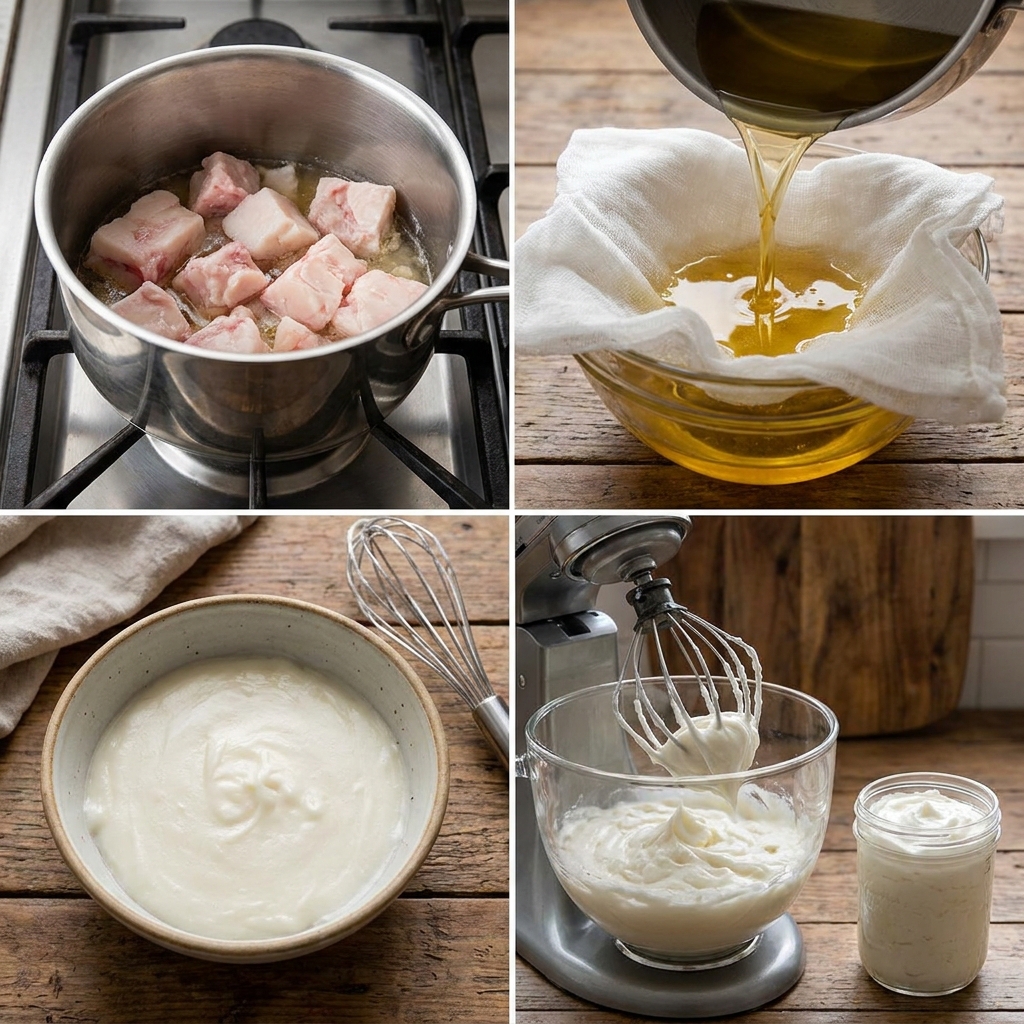
- Cut beef fat trimmings into small cubes (approximately 1 inch) to increase surface area and promote even rendering throughout the slow cooking process.
- Place cubed beef fat in a heavy-bottomed pot or Dutch oven, add filtered water to prevent sticking during the initial rendering phase.
- Set heat to low and cover partially, allowing whipped beef tallow to render slowly for four to six hours, stirring occasionally to ensure even cooking.
- Monitor temperature carefully, keeping it below 210°F to preserve the delicate fat structure and prevent degradation of beneficial compounds.
- Observe as the solid fat transforms into liquid gold and the protein solids settle to the bottom of the pot, creating crispy cracklings.
Straining and Cooling
- Pour the rendered mixture through cheesecloth or a fine-mesh strainer into a clean glass container, separating the liquid tallow from solid protein particles.
- Discard the browned cracklings or reserve for other culinary purposes like adding to broths or pet foods.
- Allow the strained liquid to cool to room temperature for approximately two hours before refrigerating for the whipping stage.
- Place the container in the refrigerator for six to eight hours until the whipped beef tallow solidifies into a creamy white or slightly yellow layer.
- Remove from refrigeration when the mixture reaches a semi-solid consistency similar to cold butter.
Whipping to Perfection
- Scoop the semi-solid whipped beef tallow into the bowl of a stand mixer or use a hand mixer on medium speed.
- Beat the whipped beef tallow for five to seven minutes, watching as the color lightens and the texture becomes increasingly fluffy and spreadable.
- Stop the mixer when the whipped beef tallow reaches the consistency of whipped butter with visible air incorporation throughout.
- Transfer the finished whipped beef tallow to clean glass jars or containers, pressing gently to remove excess air pockets if desired.
- Refrigerate the whipped beef tallow for at least two hours before using to allow the texture to fully set and stabilize.
Chef Tips for Perfect Whipped Beef Tallow
Professional results with whipped beef tallow come from understanding temperature control, ingredient quality, and technique refinements that separate average batches from exceptional ones.
- Render your beef fat at the lowest possible temperature (below 210°F) for the longest time to prevent oxidation and preserve the delicate compounds that make whipped beef tallow special and nutritionally superior to quickly rendered versions.
- Use a candy or meat thermometer throughout the rendering stage to monitor temperature precisely, preventing the whipped beef tallow from reaching smoke point and degrading quality.
- Source beef fat from grass-fed animals whenever possible because whipped beef tallow from grass-fed cattle contains higher levels of conjugated linoleic acid and superior nutrient density compared to grain-fed sources.
- Whip your whipped beef tallow when it reaches semi-solid consistency (similar to cold butter) for optimal texture; too warm produces greasy results while too cold becomes difficult to incorporate air.
- Add sea salt only to the portion you plan to use for cooking, keeping some unsalted whipped beef tallow for skincare or neutral culinary applications where salt would interfere.
- Store whipped beef tallow in glass containers rather than plastic, as glass maintains purity and prevents any plastic compounds from transferring to your finished product over time.
Common Whipped Beef Tallow Mistakes to Avoid
Understanding common pitfalls helps prevent wasting ingredients and ensures consistent quality throughout your whipped beef tallow making experience.
Rendering at Too High Temperature: Many home cooks rush the rendering process by increasing heat, which damages the delicate fat structure and creates an off-flavor. Whipped beef tallow benefits tremendously from slow, gentle rendering at minimal heat. Fix this by reducing heat to the lowest setting and accepting that whipped beef tallow requires four to six hours of patient cooking rather than rushing with high heat.
Failing to Strain Properly: Protein particles left in your whipped beef tallow will turn rancid quickly, shortening shelf life and creating unpleasant flavors. Use multiple layers of cheesecloth or coffee filters to ensure thorough straining. Whipped beef tallow strained through fine mesh stays fresh significantly longer than batches containing protein debris.
Whipping at Wrong Temperature: Attempting to whip room-temperature tallow creates greasy results instead of fluffy whipped beef tallow, while overly cold fat becomes rock-hard and resists incorporating air. Remove whipped beef tallow from the refrigerator when it reaches semi-solid consistency (like cold butter) for optimal whipping results.
Contaminating Your Whipped Beef Tallow: Using dirty utensils or containers introduces bacteria that shortens shelf life of whipped beef tallow dramatically. Sanitize all equipment with boiling water before use, ensuring your whipped beef tallow remains pure and stable for months.
Skipping the Cooling Stage: Impatient cooks sometimes attempt whipping warm tallow, producing disappointing results. Whipped beef tallow requires full refrigeration (six to eight hours) to develop the proper consistency before whipping can succeed in creating that luxurious texture.
Best Whipped Beef Tallow Variations and Substitutions
Customizing whipped beef tallow opens endless possibilities for matching specific culinary needs and flavor preferences.
| Ingredient | Substitution | Impact on Flavor |
|---|---|---|
| Beef Fat Only | Blend with 10% grass-fed butter | Adds cultured richness and slight tang to whipped beef tallow |
| Plain Whipped Beef Tallow | Infuse with smoked garlic powder and thyme during rendering | Creates savory whipped beef tallow perfect for steaks and vegetables |
| Unsalted Version | Add ½ teaspoon smoked sea salt and cracked black pepper | Produces sophisticated whipped beef tallow with depth suitable for gourmet cooking |
| Plain Whipped Beef Tallow | Mix in Dijon mustard or horseradish powder before whipping | Develops tangy whipped beef tallow for charcuterie and roasted meats |
| Standard Recipe | Substitute venison or lamb fat for complete tallow | Creates game-flavored whipped beef tallow with different nutritional profile |
Experimenting with variations keeps whipped beef tallow interesting while maintaining the core rendering technique that makes this ingredient so versatile.
Serving Suggestions for Whipped Beef Tallow
Whipped beef tallow deserves prominent placement in your kitchen because it transforms countless dishes from ordinary to extraordinary through superior fat quality and rich flavor.
Use whipped beef tallow to sear premium steaks and roasted vegetables, allowing its high smoke point and beefy richness to enhance rather than mask natural flavors. Spread whipped beef tallow on warm sourdough bread alongside sea salt for a simple yet luxurious appetizer that impresses guests. Incorporate whipped beef tallow into pie crusts and biscuits for incomparably flaky textures that butter alone cannot achieve. Melt whipped beef tallow over roasted root vegetables—carrots, beets, and parsnips benefit tremendously from the silky texture and savory depth.
For breakfast applications, cook eggs in whipped beef tallow for rich, satisfying results that fuel your morning. Hash browns and breakfast potatoes develop superior crisping and flavor when prepared in quality whipped beef tallow. Layer whipped beef tallow with vegetables for Sunday dinner pot roasts that develop deep, complex flavors through braising. Make bone broth more nourishing by enriching it with spoonfuls of whipped beef tallow before serving.
Beyond cooking, whipped beef tallow works beautifully as a luxury skincare ingredient for dry patches, cracked heels, and winter skin protection. Create a simple lip balm by blending whipped beef tallow with beeswax and essential oils. Whipped beef tallow also makes an exceptional gift for foodie friends and family members who appreciate traditional cooking methods.

Storage and Reheating for Whipped Beef Tallow
Proper storage extends the shelf life of whipped beef tallow significantly while maintaining optimal texture and preventing degradation.
| Method | Duration | Instructions |
|---|---|---|
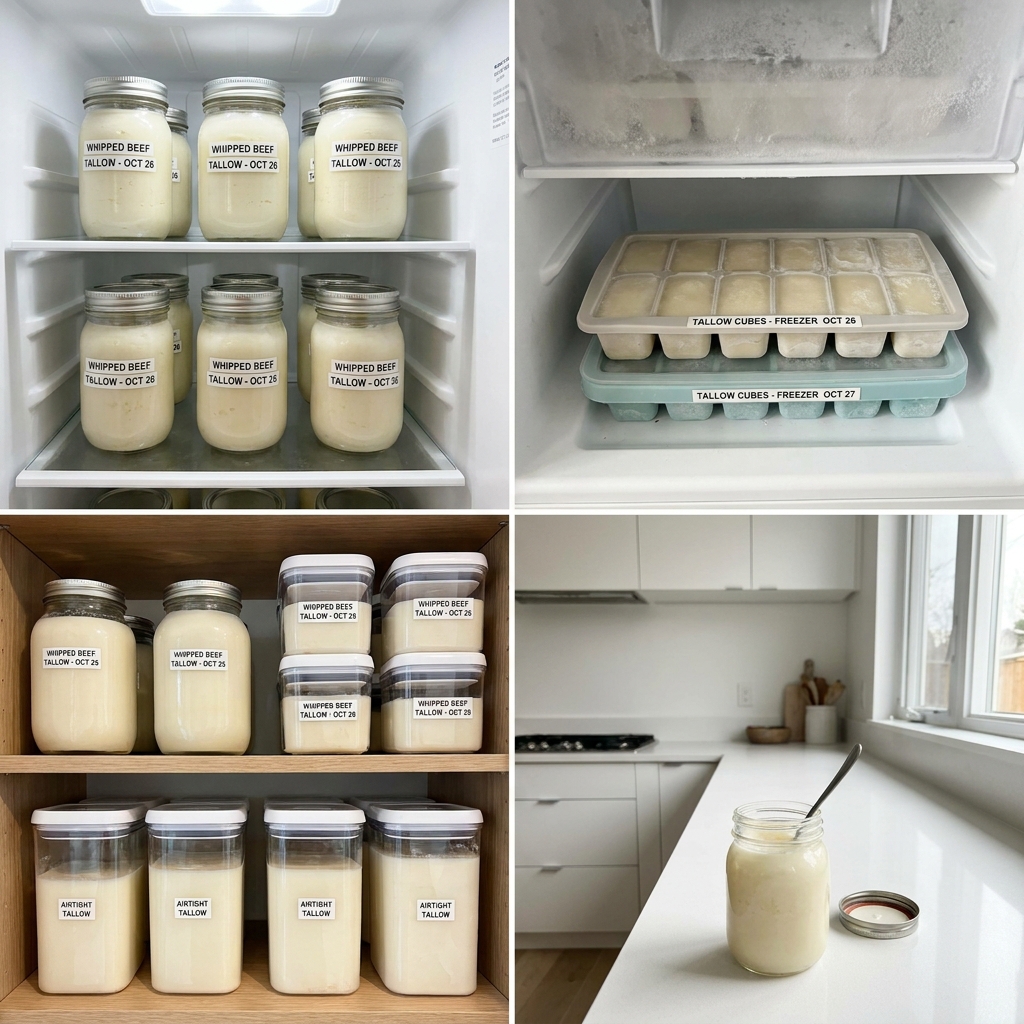
| Refrigerator Storage | 3-4 months | Keep whipped beef tallow in airtight glass containers away from strong-smelling foods; cover surface with parchment paper to prevent oxidation |
| Freezer Storage | 12+ months | Portion whipped beef tallow into ice cube trays for convenient single-serving portions; transfer frozen cubes to labeled containers once solid |
| Room Temperature | 2-3 weeks | Store whipped beef tallow in cool location away from direct sunlight; cover tightly to prevent moisture absorption and oxidation |
| Reheating Method | As needed | Scoop whipped beef tallow directly from storage or melt gently over low heat; do not overheat as this damages nutritional compounds |
| Make-Ahead Preparation | 1 week | Prepare whipped beef tallow at the beginning of the week and portion into daily containers for convenient meal prep cooking |
The beauty of whipped beef tallow lies in its remarkable stability compared to vegetable oils and conventional cooking fats. Whipped beef tallow naturally resists rancidity due to its saturated fat composition, making it ideal for long-term pantry storage without refrigeration when kept cool and protected from light.
Nutritional Information for Whipped Beef Tallow
Understanding the nutritional composition helps you appreciate why whipped beef tallow deserves a central role in health-conscious cooking.
| Nutrient | Amount per Tablespoon (14g serving) |
|---|---|
| Calories | 120 |
| Total Fat | 13.6g |
| Saturated Fat | 6.5g |
| Monounsaturated Fat | 5.4g |
| Polyunsaturated Fat | 0.5g |
| Cholesterol | 14mg |
| Vitamin A | 0 IU |
| Vitamin E | 0.1mg |
| Conjugated Linoleic Acid (CLA) | 0.3g (from grass-fed sources) |
Approximate values based on USDA nutrition database and vary depending on cattle diet and fat source. Whipped beef tallow from grass-fed cattle contains significantly higher levels of beneficial compounds including conjugated linoleic acid, fat-soluble vitamins, and omega-3 fatty acids compared to grain-fed sources.
Frequently Asked Questions About Whipped Beef Tallow
What is the best beef fat substitute for making whipped beef tallow at home?
Lamb fat or venison fat can substitute for beef fat in whipped beef tallow, creating delicious variations with distinct flavor profiles. Duck fat produces similar results but imparts richer, more gamey notes to finished whipped beef tallow. Always source high-quality fat from grass-fed or pasture-raised animals to ensure your whipped beef tallow delivers superior nutrition and flavor comparable to traditional beef-based versions.
How do I know when whipped beef tallow has rendered completely?
Whipped beef tallow has finished rendering when solid fat particles have transformed into liquid and only brown cracklings remain at the bottom of your pot. The rendered liquid should appear clear golden-yellow without any cloudy areas indicating incomplete rendering. Complete rendering ensures your whipped beef tallow has the longest possible shelf life and finest texture when whipped.
Can I use store-bought rendered beef fat instead of rendering my own?
Yes, you can purchase pre-rendered beef fat from butcher shops and specialty stores, then proceed directly to the cooling and whipping stages. Commercial whipped beef tallow preparations vary in quality, so verify the source used high-quality grass-fed cattle and minimal processing. Making whipped beef tallow from raw fat remains more economical and allows complete control over ingredient quality and processing methods.
Why did my whipped beef tallow become greasy instead of fluffy?
Greasy whipped beef tallow results from whipping at too warm a temperature, which prevents proper air incorporation. Allow your whipped beef tallow to cool in the refrigerator for the full six to eight hours until it reaches semi-solid consistency resembling cold butter. If your whipped beef tallow becomes greasy during whipping, return it to the refrigerator and try whipping again once fully chilled.
How long can I store whipped beef tallow in my pantry?
Whipped beef tallow keeps in a cool, dark pantry location for two to three weeks, though refrigeration dramatically extends shelf life to three to four months. The stable composition of whipped beef tallow makes it more resistant to spoilage than vegetable oils, but protecting it from light and heat maximizes longevity. For extended storage beyond one month, freeze your whipped beef tallow in ice cube trays for convenient year-round use.
What are the best cooking methods for whipped beef tallow?
Use whipped beef tallow for searing, sautéing, roasting, and frying because its high smoke point (approximately 400°F) handles high-heat cooking without degradation. Whipped beef tallow works beautifully in baking applications where its solid-at-room-temperature nature creates flaky pastries and tender biscuits. Avoid using whipped beef tallow for low-temperature cooking like salad dressings where you want lighter, more neutral flavoring.
Can I make whipped beef tallow in a slow cooker instead of the stovetop?
Yes, slow cookers provide excellent temperature control for rendering whipped beef tallow over eight to ten hours on the low setting. Slow cooker rendering produces results comparable to stovetop methods while requiring less active monitoring and attention. Transfer the rendered whipped beef tallow to a clean container, then proceed through the cooling and whipping stages exactly as with stovetop preparation.
Is whipped beef tallow safe for people with heart conditions?
Consult your healthcare provider before consuming whipped beef tallow if you have existing heart conditions or take medications affecting fat metabolism. Research increasingly supports the health benefits of grass-fed beef fat including whipped beef tallow, though individual dietary needs vary. The conjugated linoleic acid and fat-soluble vitamins in whipped beef tallow from grass-fed cattle may offer cardiovascular benefits for certain individuals.
How do I prevent my whipped beef tallow from turning yellow or brown?
Discoloration in whipped beef tallow indicates oxidation caused by light exposure, improper storage temperature, or contamination. Store whipped beef tallow in opaque or dark glass containers away from direct sunlight and fluorescent lighting. Use clean utensils when scooping whipped beef tallow and maintain proper refrigeration temperature (below 40°F) to prevent color changes and preserve pristine appearance.
Can whipped beef tallow substitute for butter in baking recipes?
Whipped beef tallow substitutes for butter in most baking applications at a one-to-one ratio, though baked goods may develop slightly different textures and subtle beef flavor notes. Pastries and biscuits made with whipped beef tallow become exceptionally flaky and tender due to fat composition differences. Start by substituting half the butter with whipped beef tallow in favorite recipes, then adjust to preference.
What makes grass-fed whipped beef tallow superior to conventional versions?
Grass-fed whipped beef tallow contains higher concentrations of conjugated linoleic acid, fat-soluble vitamins (including vitamin A and D), and beneficial omega-3 fatty acids compared to grain-fed sources. Cattle raised on pasture produce beef fat with superior nutritional density and cleaner flavor profile reflected in finished whipped beef tallow quality. Sourcing grass-fed beef for making whipped beef tallow ensures maximum health benefits and culinary excellence.
Conclusion
Mastering whipped beef tallow transforms your kitchen by introducing a luxurious cooking fat that outperforms commercial alternatives in flavor, nutrition, and versatility. This whipped beef tallow recipe demonstrates that creating professional-quality rendered fat requires only quality ingredients, patient temperature control, and basic kitchen equipment readily available in any home. Making whipped beef tallow connects you to traditional food preparation methods while delivering superior results for everything from everyday cooking to special occasions. Whether you embrace whipped beef tallow for its exceptional nutritional profile, superior cooking performance at high temperatures, or commitment to nose-to-tail animal utilization, this homemade version offers unmatched quality and value. Begin your whipped beef tallow making journey today and discover why discerning cooks recognize this creamy, fluffy fat as an essential pantry treasure.
Related Recipes You’ll Love
Rose tteokbokki recipe
Hot honey cottage cheese sweet potato beef bowl
Addictive cabbage recipe
Chili crisp carrot ribbon salad recipe
baking soda recipe for weight loss
Eggplant parmesan soup recipe
Miso cabbage steaks
Expert Resources and Food Safety
Learn more about beef fat nutrition from official nutrition information resources and explore food safety guidelines through comprehensive food safety recommendations.
Print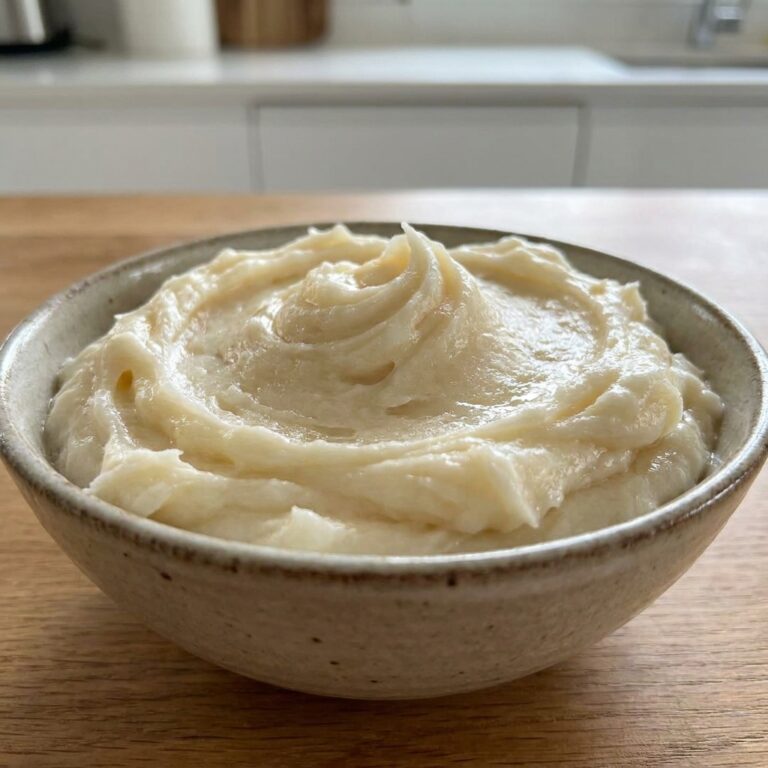
Whipped Beef Tallow
This whipped beef tallow recipe transforms rendered grass-fed beef fat into a fluffy, creamy cooking fat perfect for roasting, frying, baking, and even skincare applications.
- Total Time: 5-7 hours (plus chilling)
- Yield: 2–3 cups 1x
Ingredients
- 2–3 pounds beef fat trimmings (suet)
- 1 cup filtered water
- 1/4 teaspoon sea salt (optional)
- 2–3 sprigs fresh rosemary or thyme (optional)
Instructions
- Cut the beef fat into 1-inch cubes for even rendering.
- Place the beef fat in a heavy-bottomed pot or Dutch oven.
- Add filtered water to prevent sticking during the rendering process.
- Cook over very low heat for 4-6 hours, stirring occasionally.
- Keep the temperature below 210°F for best results.
- Once the fat has fully rendered and cracklings remain, strain through cheesecloth or a fine-mesh strainer into a clean container.
- Allow the rendered tallow to cool at room temperature for about 2 hours.
- Refrigerate the tallow for 6-8 hours until semi-solid.
- Scoop the chilled tallow into a mixing bowl.
- Whip with a stand mixer or hand mixer for 5-7 minutes until fluffy and light in color.
- Transfer the whipped beef tallow into airtight glass jars.
- Refrigerate for at least 2 hours before using.
Notes
Use grass-fed beef fat whenever possible for the best flavor and nutritional profile. Keep rendering temperatures low to avoid oxidation and preserve the quality of the tallow.
- Prep Time: 15 minutes
- Cook Time: 4-6 hours
- Category: Condiment
- Method: Slow Rendering
- Cuisine: American/Paleo
- Diet: Gluten Free
Nutrition
- Serving Size: 1 tablespoon
- Calories: 120
- Sugar: 0g
- Sodium: 5mg
- Fat: 13.6g
- Saturated Fat: 6.5g
- Unsaturated Fat: 5.9g
- Trans Fat: 0g
- Carbohydrates: 0g
- Fiber: 0g
- Protein: 0g
- Cholesterol: 14mg