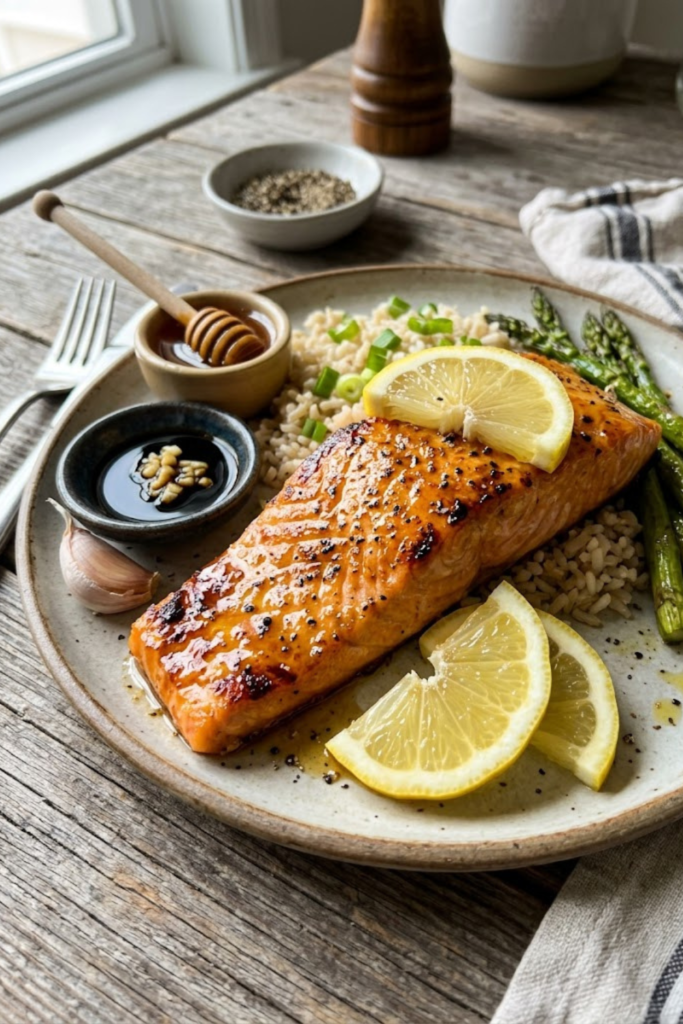
Hey there! I’ve spent a lot of time standing over a hot grill, and let me tell you, nothing beats the smell of sweet honey hitting a searing piece of fish! Did you know that nearly 70% of home cooks admit they are intimidated by cooking seafood at home? It’s a real shame because a grilled salmon with honey glaze healthy seafood meal is actually one of the fastest dinners you can throw together on a weeknight. I remember the first time I tried this; I was so worried about the fish sticking to the grates that I ended up with salmon “scramble” instead of fillets! But don’t worry, I’ve made all the mistakes so you don’t have to. We’re going to talk about wild-caught vs. farmed, the best way to get that crispy skin, and how to balance those sweet and salty flavors.
Choosing the Best Salmon for Your Meal
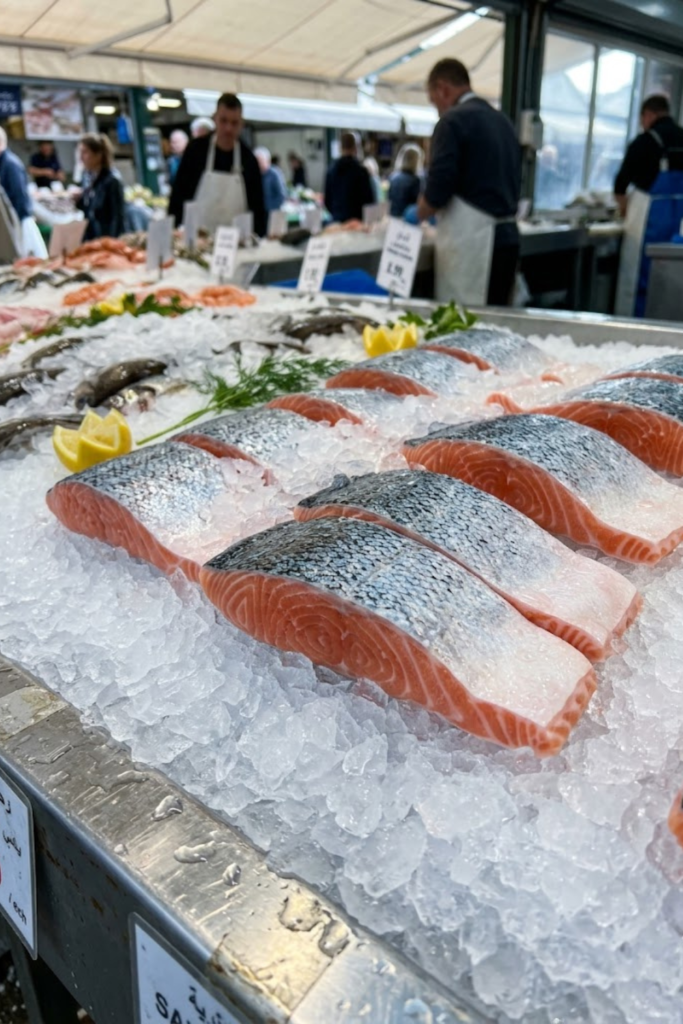
I’ve been teaching folks how to cook for a long time, and the biggest mistake I see is buying cheap or old fish. One time I bought some “bargain” salmon at a big box store that smelled like a wet dog the second it hit the heat. It was totally gross and I ended up having to order pizza for the whole family because nobody would touch it. You want your salmon to smell like the fresh ocean, not like a swamp or a bucket of old bait. If you want that perfect grilled salmon with honey glaze healthy seafood meal, you really gotta start with the good stuff. It makes the whole process a lot less scary when you know the fish is fresh.
Why Wild-Caught usually wins
Most of the time, I tell people to go for wild-caught salmon like King or Sockeye if they can find it. King salmon is often called the “gold standard” because it has a lot of fat. That fat is full of those healthy Omega-3 fatty acids we all hear about, and it makes the fish way harder to overcook on a hot grill. Sockeye is also great because it has a really deep red color and a strong flavor that stands up to the honey. But be careful, because it’s leaner, so you have to watch it like a hawk so it doesn’t get dry. Farmed Atlantic salmon is okay if you’re on a budget, but it can sometimes feel a bit mushy or oily compared to the wild ones.
How to Spot the Good Stuff
When you are at the store, don’t be shy. I always ask the person behind the counter to let me smell the fish before they wrap it up. If they give you a weird look, just tell them a teacher told you to do it! Also, you can press on the meat with your finger. If the dent stays there and doesn’t pop back out, the fish is old and tired—don’t buy it! The flesh should be firm and spring back quickly. You also want to look for meat that is bright and doesn’t have any weird brown spots or “bruises” on it.
Thickness and Keeping the Skin
I always look for fillets that are about the same thickness from end to end. If one piece is an inch thick and the other is a tiny sliver, the thin one will turn into cardboard before the big one is even warm. And please, leave the skin on! I used to think salmon skin was icky when I was younger, but now I know it’s like a little heat shield. It protects the delicate meat from the fire and keeps all the juices inside where they belong. Plus, when it gets crispy on the grill, it adds a lot of flavor to your plate. When you pick the right fish, half the work is already done.
The Secret to a Perfect Honey Glaze
The glaze is where the magic really happens, but it can also be a total disaster if you aren’t careful. I remember my very first try at this recipe years ago; I brushed the honey on the fish right at the start. I thought it would soak in better that way and make it more flavorful. Within two minutes, the grill was smoking like a chimney because the sugar in the honey burned to a crisp. Talk about a major bummer! It made the whole backyard smell like a burnt candle and ruined a perfectly good piece of fish. Since then, I’ve learned a few tricks to make sure that sweet coating stays golden and delicious instead of turning into black soot.
Getting the Flavor Balance Just Right
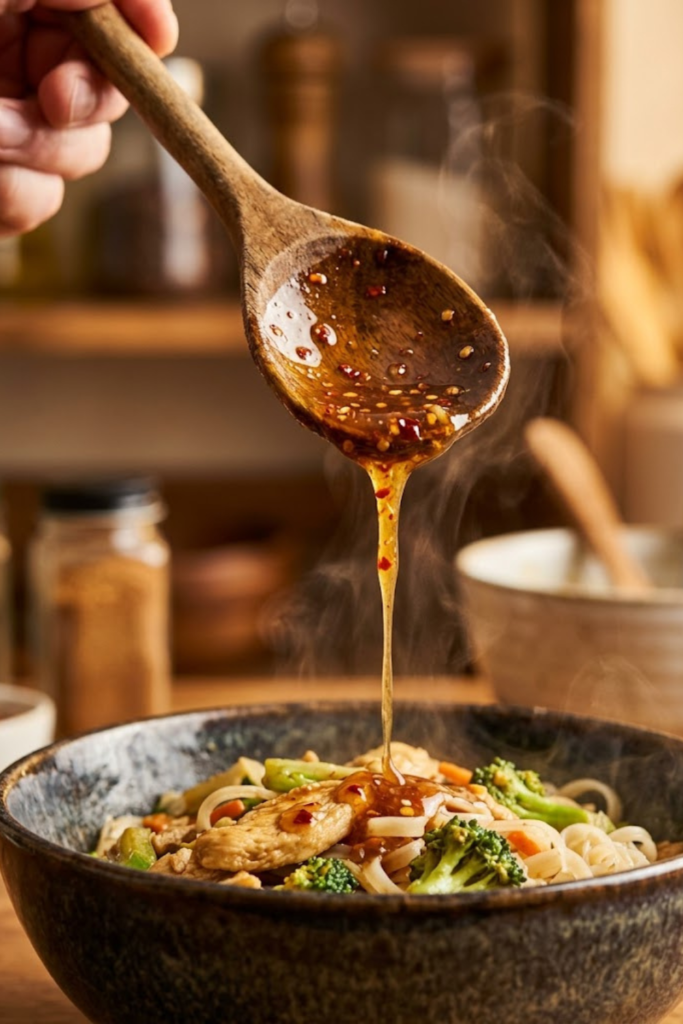
You want to aim for a ratio of about two parts honey to one part soy sauce. This gives you that perfect mix of sweet and salty that makes seafood taste like it came from a fancy restaurant. I always throw in a little splash of apple cider vinegar or some fresh lemon juice too. That bit of acid is really important because it cuts through the heavy sweetness of the honey. If you just use honey alone, it’s way too sugary and you end up losing the natural taste of the salmon. I usually mix everything in a small mason jar and give it a good shake. It’s a simple way to do it, and you don’t need any special kitchen tools to get the job done right.
Why Fresh Aromatics Matter
Please, don’t use that garlic powder that’s been sitting in your cupboard for three years. Go get some fresh garlic and maybe a little knob of ginger from the store. I like to mince the garlic really fine so it almost melts into the glaze as it heats up. Ginger gives the fish a little bite that feels really fresh and bright. It’s one of those small things that makes a huge difference in the end result. It adds a lot of depth to the meal without adding a bunch of extra calories or junk that you don’t need in a healthy dinner.
The Golden Rule of Glazing
The biggest secret I tell my students in my cooking classes is to wait. You should only brush that sauce on during the last three or four minutes of cooking. This timing lets the honey caramelize and get sticky without turning into charcoal. I usually keep a little bit of extra glaze on the side in a clean bowl for dipping at the table. Just make sure the brush you use for the raw fish doesn’t touch the extra sauce you plan to eat! Safety in the kitchen is important, even when you’re just cooking for your family. If you follow these steps, your fish will look beautiful and taste even better than you expected.
Master Your Grilling Technique
Grilling fish is a bit scary for a lot of people I talk to. I get it, I really do. Back when I first started out, I was the guy who flipped the fish every thirty seconds because I was nervous it would burn or get stuck. All I got for my trouble was a pile of shredded salmon and a dirty grill that was a total pain to clean later. It didn’t look anything like a nice grilled salmon with honey glaze healthy seafood meal; it looked more like cat food! But once you learn a few basic rules about how the heat works, it becomes way easier. You just have to trust the process and try not to panic when the flames start licking the bottom of the grates.
Prep Your Grates So Nothing Sticks
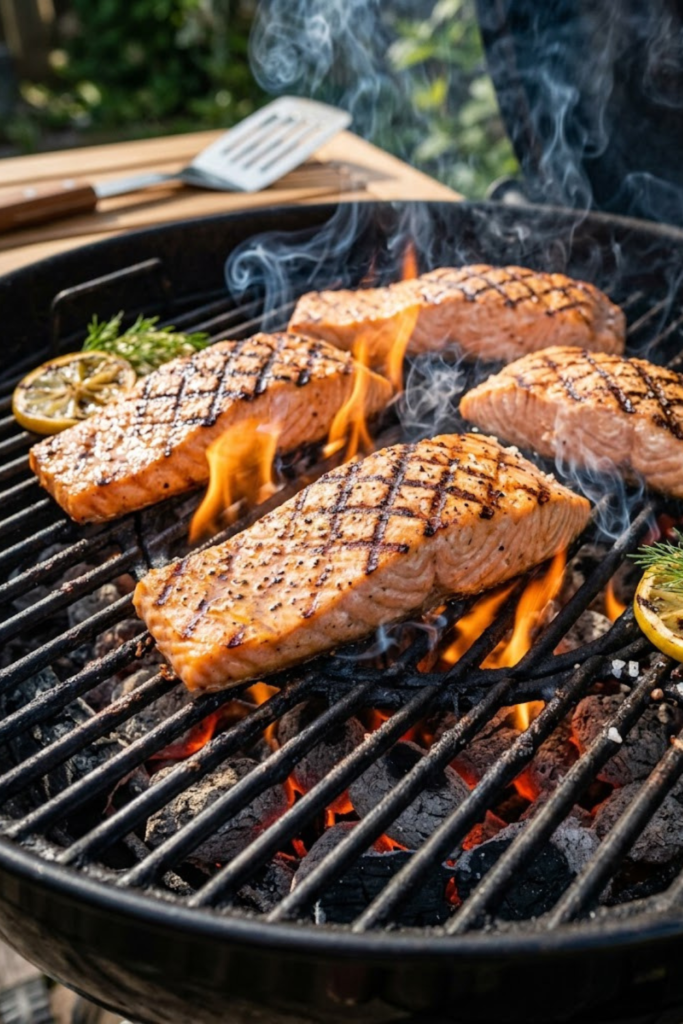
The secret to a good grilled salmon with honey glaze healthy seafood meal is starting with a hot, clean grill. I mean really hot, like 400 degrees. If your grill is cold, the fish is going to bond to that metal like glue and you’ll never get it off in one piece. I always use a wire brush to scrape off any old bits of food from the last time I cooked. Then, take a paper towel with a little bit of vegetable oil on it and rub it over the grates using your tongs. This creates a non-stick surface that is way better than any spray you can buy. Just don’t use too much oil or you’ll get a big flare-up that might singe your eyebrows!
The “Don’t Touch” Rule
Once you put your salmon down, usually skin-side down first, here is the hard part: leave it alone. I usually tell my students to set a timer for at least six or seven minutes and walk away. If you try to move it and it feels stuck, it is definitely not ready to move. The fish will actually “release” itself from the grate when the skin gets crispy enough. It’s almost like the fish is telling you, “Hey, I’m ready now!” I usually do about 70% of the cooking on the skin side. This keeps the delicate meat juicy and stops it from getting tough or rubbery.
Knowing When It’s Done
I always keep a digital thermometer in my apron pocket. You’re looking for about 135 degrees in the thickest part of the fillet. If you wait until it hits 145 on the grill, it will be overcooked by the time you sit down to eat because it keeps cooking a bit while it rests on the plate. Pull it off a little early, let it sit for five minutes under some foil, and it will be perfect every single time. It should flake apart easily with a fork but still look a little bit translucent in the very center. Following these steps makes the whole experience a lot more fun and way less stressful.
Wrapping Up Your Healthy Seafood Meal
When you finally sit down to eat your grilled salmon with honey glaze healthy seafood meal, it really feels like a big win. There is something about that combination of the flaky, rich fish and the sticky-sweet glaze that makes you feel like you really know what you’re doing in the kitchen. I always feel a bit proud when I put a plate like this on the table for my family. It’s not just about the taste, though that is obviously a huge part of it. It is about knowing that you are putting something really good into your body and the bodies of the people you love.
Choosing the Right Sides for Your Salmon
I usually tell people that a healthy seafood meal isn’t complete without some green on the plate. My favorite thing to throw on the grill right next to the salmon is a big bunch of asparagus. If you toss them in a tiny bit of olive oil and salt, they get those same nice grill marks and a smoky flavor that goes perfectly with the honey. Another great option is a simple quinoa salad or some brown rice. These grains are great because they soak up any of that extra honey glaze that drips off the fish. You don’t want any of that liquid gold going to waste! I’ve even done a quick cucumber salad with a little vinegar to give a cold, crunchy contrast to the warm fish.
Why This Meal is a Total Health Win
We talk a lot about “healthy” food, but salmon is really one of those superstars. I’m a teacher, not a doctor, but I’ve read plenty about how those Omega-3 fats are like brain food. Plus, because we are grilling it and using honey instead of a bunch of heavy cream or butter sauces, you get all that flavor without feeling like you need a nap right after dinner. It’s the kind of meal that leaves you feeling energized. I like to remind my students that eating well shouldn’t feel like a chore or a punishment. When food tastes this good, staying healthy is actually pretty easy.
You’ve Got This!
If you were nervous about grilling fish when you started reading this, I really hope you feel a little more confident now. Like I said before, I’ve made every mistake in the book—from burning the honey to losing half a fillet through the grates. But each time I messed up, I learned something new. Don’t be too hard on yourself if your first piece isn’t “picture perfect.” It will still taste amazing, and you’ll get better every single time you fire up the grill. Cooking is a journey, not a race!
If you found these tips helpful for making a grilled salmon with honey glaze healthy seafood meal, please share this post on Pinterest! It helps other home cooks find easy, healthy recipes they can feel good about making.