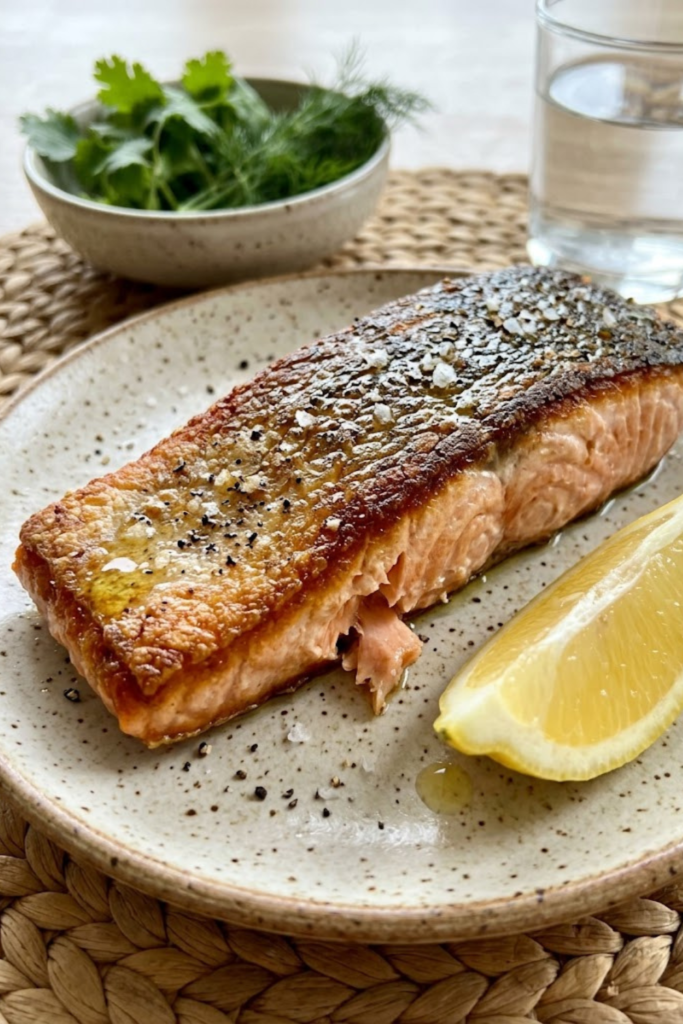
Look, I’ve been teaching folks how to cook for over two decades now, and if there is one thing that scares the pants off home cooks, it’s fish. Specifically, achieving that elusive, crackling pan seared salmon with crispy skin without turning the meat into a rubber tire. Did you know that nearly 70% of home cooks avoid cooking salmon with the skin on because they’re afraid it’ll be soggy? That’s a tragedy! I used to be the same way, honestly. I’d scrape the skin off and throw it away like it was trash, not realizing it’s the best part of the whole meal. In this guide, we are going to fix that. We’re diving into the techniques that make your kitchen feel like a five-star bistro.
Picking the Perfect Piece of Salmon
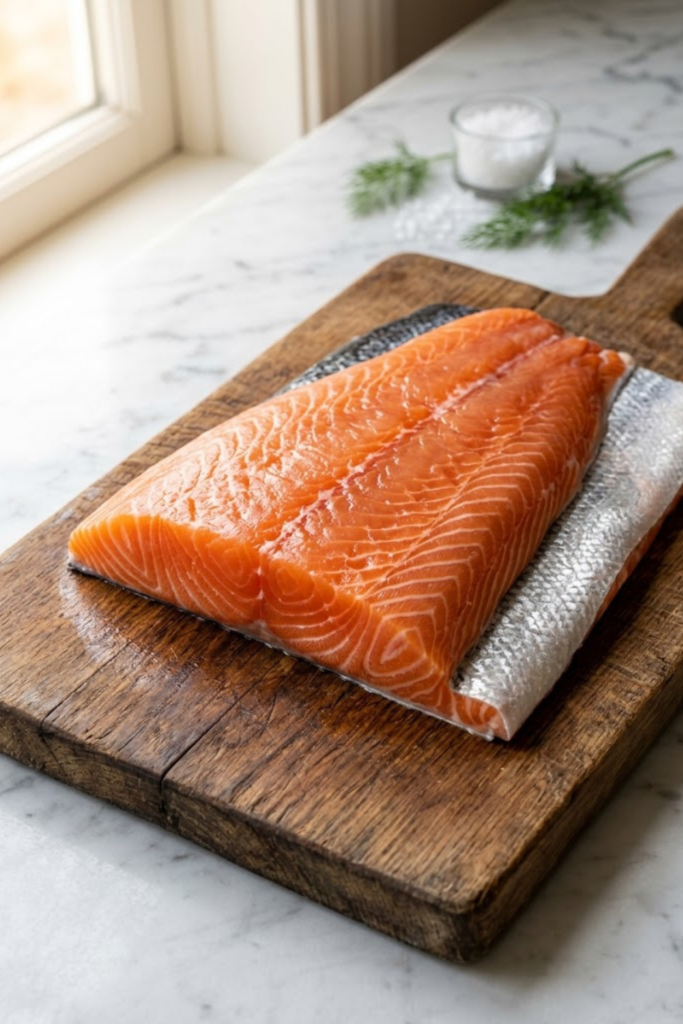
I remember the first time I tried to make this for a date back in my younger days. I bought the cheapest, thinnest piece of fish I could find at the back of the grocery store. Big mistake! It fell apart before it even hit the plate. When you are looking for pan seared salmon with crispy skin, you want a center-cut fillet. These are thicker and cook way more evenly than the thin tail pieces that just curl up and dry out.
Wild vs. Farmed: The Fat Factor
I used to think all salmon was created equal. Man, was I wrong. One time I bought some “wild” fish that was so lean it tasted like a piece of dry wood after two minutes in the pan. If you want that buttery texture, go for King salmon or a high-quality Atlantic farmed salmon. I know farmed fish gets a bad rap sometimes, but for pan searing, that extra fat is your best friend. It protects the meat from the high heat so it stays juicy while the skin gets crunchy. I usually tell my students to look for fillets that are at least an inch and a half thick. If it is too thin, the middle will be overcooked way before the skin even thinks about getting crispy. It is a total bummer when that happens. Just trust me on this—don’t go cheap on the cut.
Focus on the Center-Cut
The tail is way too thin and tapers off to almost nothing. It cooks in about two seconds. You want the blocky, thick part from the middle of the fish. This part is easier to flip and doesn’t curl up as much in the pan. I always ask the person behind the counter to give me the thickest piece they have. Don’t be shy! You are paying good money for this, so you should get the best piece in the case.
The Freshness Test
You also have to be smart at the store. If you see fish sitting in a puddle of water, keep walking. That water is a breeding ground for bacteria and it makes the skin soggy before you even start. The fish should look bright and shiny. If it looks dull or has any brown spots, leave it there. Give it a quick sniff if you can. It shouldn’t smell like “fish.” It should smell like the ocean—clean and salty. I once bought a piece that smelled a bit off, thinking the heat would kill the smell. It didn’t. My whole house smelled like a trash can for three days.
The Secret Technique: Dryness is Everything
If your salmon is wet, it won’t sear; it will just steam in its own juices. And let me tell you, steamed skin is basically like eating a wet paper towel. It is gross. I learned this the hard way after ruining a perfectly good anniversary dinner years ago. I just took the fish out of the plastic wrap and plopped it straight into the hot pan. It was a soggy, gray mess that stuck to the bottom. I was so embarrassed I wanted to hide under the kitchen table. Since then, I’ve realized that moisture is the absolute enemy of the crunch.
Paper Towels are Your Best Friend
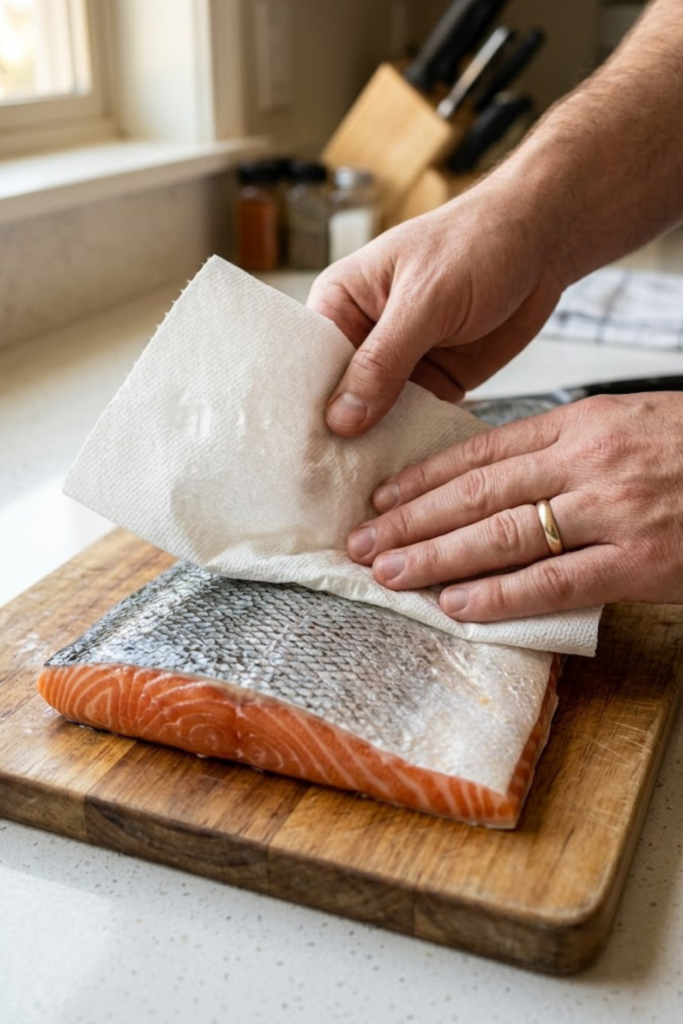
When I say dry the fish, I mean really dry it. Use way more paper towels than you think you need. I usually grab three or four big sheets and press down firmly on the skin side. You want to wick away every single drop of moisture you can find. Sometimes I even do this twice just to be safe. If you see any shiny spots on the skin, it is still wet. Keep dabbing until the surface looks matte and feels a bit tacky to the touch. This makes the heat hit the skin directly instead of wasting time boiling off water.
The Cold Air Fridge Trick
If you have about thirty minutes to spare before you start cooking, this trick is a total game changer. Put your dried fillets on a plate with the skin-side facing up. Stick them in the fridge without any cover or plastic wrap. The cold air in there is very dry and it acts like a tiny dehydrator. It pulls even more moisture out of the surface of the fish. When you pull it out to cook, that skin will be tight and ready to get crunchy. It is a little extra work, but the results are worth every second.
Timing Your Salt
Here is another mistake I see people make all the time. They salt the fish and then let it sit on the counter for ten minutes while they do other things. Don’t do that! Salt draws out moisture from inside the fish. If you salt too early, you will end up with a pool of water on top of your skin. I only sprinkle my salt and pepper right before the fish touches the oil. Like, literally seconds before. This keeps the skin bone-dry so it can transform into that crispy cracker-like texture we all love.
The Scraper Method
One last tip I picked up from a chef friend is to use the back of a dull knife to gently scrape the skin. You will see a bit of clear “goop” come off. That is just extra protein and water that stops the skin from getting truly crisp. Get rid of it! Once I started doing this, my salmon went from just okay to professional quality. It sounds a bit weird, but it works every single time I try it.
Heat, Oil, and the “Don’t Touch It” Rule
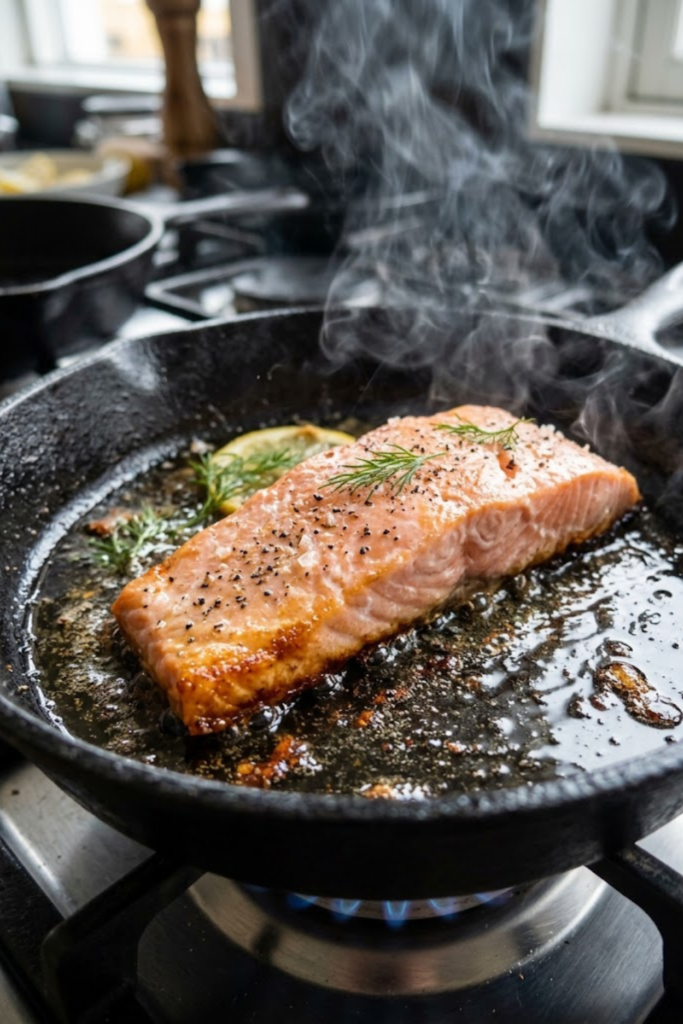
Once your fish is dry, it is time to talk about the pan. I see so many people pull out a flimsy little non-stick pan for this, and honestly, that is why their skin is soggy. You need something heavy that can hold onto heat. I always reach for my heavy cast iron skillet or a good stainless steel pan. These pans get hot and stay hot, which is what gives you that deep, golden crust. If the pan temperature drops the second the cold fish hits it, you are in trouble. You want a pan that can take a punch and keep on swinging.
Choosing the Right Oil
Don’t even think about using butter here—it will burn and turn bitter before the fish is halfway done. You need an oil with a high smoke point. I usually go with avocado oil or grapeseed oil. These can take the high heat without smoking out your entire kitchen. Put enough oil in the pan to thinly coat the bottom. You want to see it shimmering and dancing around like a desert highway on a hot day. If the oil is just sitting there, it isn’t ready. Wait for that shimmer! I once got impatient and dropped the fish in too early, and the skin just glued itself to the metal. I had to use a spatula like a chisel to get it off.
The Skin-Side Down Law
When you lay the fish in, always go skin-side down first. And here is a tip I tell all my students: lay it away from you so the hot oil doesn’t splash back and burn your arms. As soon as it hits the pan, use a flexible fish spatula to press down firmly on the fillet for about 30 seconds. Salmon has a habit of curling up when the heat hits the skin, and if it curls, the middle of the skin won’t touch the pan. If it doesn’t touch the pan, it won’t get crispy. Hold it down until it relaxes and stays flat.
Why You Must Leave It Alone
This is the hardest part for most home cooks. Once that fish is in the pan and flat, stop touching it! Don’t peek, don’t wiggle it, and definitely don’t try to flip it too early. I usually let it cook on the skin side for about 80% of the total time. You will see the color change from a dark pink to a light, opaque pink starting from the bottom and moving up the sides. If you try to move it before the skin is ready, it will stick and tear. When the skin is perfectly crispy, the fish will naturally release itself from the pan. It will practically tell you when it’s ready to flip. Just be patient and let the heat do the hard work for you.
Finishing Touches: How to Know It’s Done
After you have been patient for what feels like an hour, it is finally time to flip that fish. You will know it is ready because the skin will just pop off the pan easily. If it is sticking even a little bit, wait another thirty seconds. Don’t force it! Once you flip it, you are only going to cook the other side for a very short time—maybe a minute at most. This is where I like to get a bit fancy. I often throw a big hunk of butter in the pan along with a crushed garlic clove and maybe a sprig of rosemary. I use a spoon to pour that hot, bubbly butter right over the top of the crispy skin. It smells incredible and it adds a flavor that makes the whole meal feel special.
Checking for the Perfect Flake
A lot of folks ask me how to tell if it’s done without cutting it open. I get it; you don’t want to ruin your beautiful fillet. The best way is to use a fork or your finger to gently push on the thickest part of the meat. If it starts to flake apart easily along those white fat lines, you are good to go. If it feels firm and bouncy, it might need another thirty seconds. I personally love my salmon at a medium-rare temperature, which is about 125 degrees if you have a meat thermometer. If you go much higher than that, the fish starts to get dry and chalky, and nobody wants that.
The Importance of the Rest
Now, this is the part where most hungry people fail. You cannot just take the fish out of the pan and start eating it immediately. You have to let it rest on a warm plate for about three or five minutes. This lets the juices move back into the center of the meat so every bite is juicy. If you cut into it right away, all that delicious moisture just runs out onto the plate, and your fish ends up tasting like a sponge. While it rests, I usually squeeze a little fresh lemon juice over the top. The acid cuts through the fat and makes the crispy skin taste even better.
Serving It Up
When you are ready to eat, serve it with the skin side facing up. You worked hard for that crunch, so don’t hide it! I like to put it next to some roasted asparagus or a simple green salad. The bright greens look great against the orange fish. Just remember, the skin is the star of the show here. If you followed my steps, it should be so loud when you bite into it that your neighbors can hear the crunch. It’s the best feeling in the world to get it right after a few tries. Don’t get discouraged if your first one isn’t perfect; cooking is all about practice and learning from your mistakes.
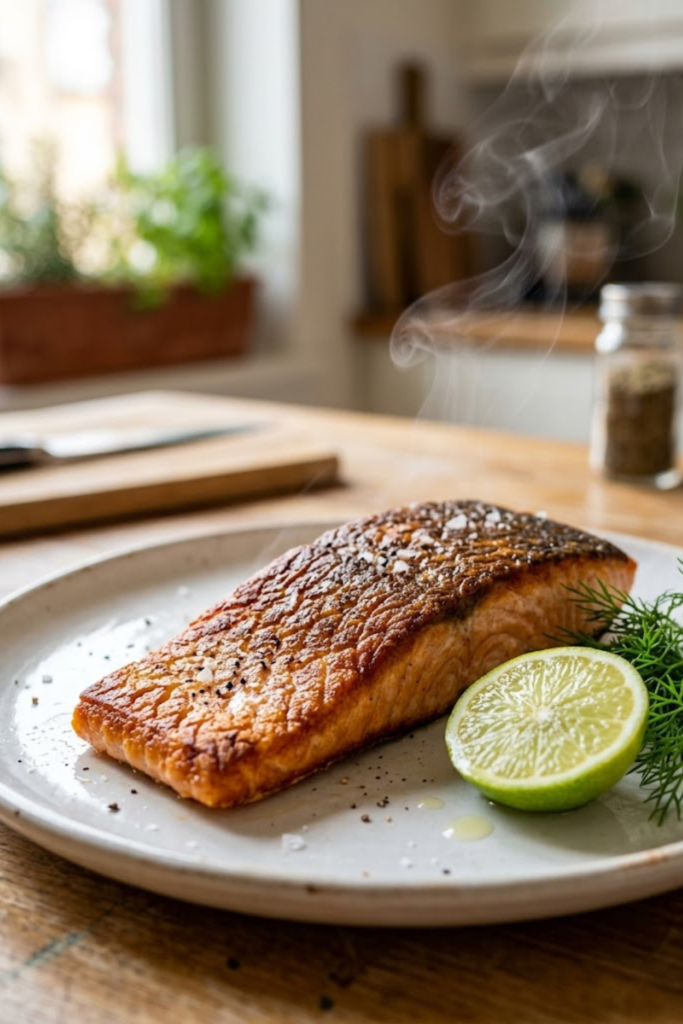
Mastering pan seared salmon with crispy skin is one of those skills that makes you feel like a real pro in the kitchen. It took me years to stop overcooking my fish and start respecting the process, but once I figured out the “dry skin” secret, everything changed. We covered how to pick the best thick center-cut pieces, why you need to use a mountain of paper towels, and why you should never move the fish once it hits the hot oil. These simple steps are the difference between a soggy dinner and a restaurant-quality meal that your family will keep asking for.
I really hope this guide helps you get over your fear of cooking fish at home. It’s a healthy, fast, and delicious way to get dinner on the table during a busy week. Just take your time, keep your heat steady, and don’t forget to let that fillet rest before you dive in. If you found these tips helpful, please share this post on Pinterest! It helps other home cooks find these secrets and it means a lot to me. Now go get some salmon and start searing!