Did you know that nearly 65% of home cooks say “doing the dishes” is the worst part of making dinner? I totally get it! I’m a teacher, and after a long day in the classroom, the last thing I want to do is scrub five different pans. That is exactly why this salmon sheet pan with broccoli and potatoes has become my absolute best friend in 2026. It’s a nutritious, colorful meal that hits all the right notes without making a giant mess in your kitchen. We are talking flaky fish, crispy spuds, and tender-crisp greens all on one tray!
Choosing the Best Salmon for Your Sheet Pan
I have spent a lot of years teaching middle schoolers, and if there is one thing I have learned, it is that preparation is everything. If you don’t have a good plan before the bell rings, the whole day falls apart! The same thing applies to your kitchen. When I first started making this salmon sheet pan with broccoli and potatoes, I did not think the fish really mattered that much. I thought salmon was just salmon. Boy, was I wrong! I bought a really thin tail piece one time, and it cooked so fast it turned into cardboard before my potatoes even got warm. Now, I am much more picky about what I put in my shopping cart.
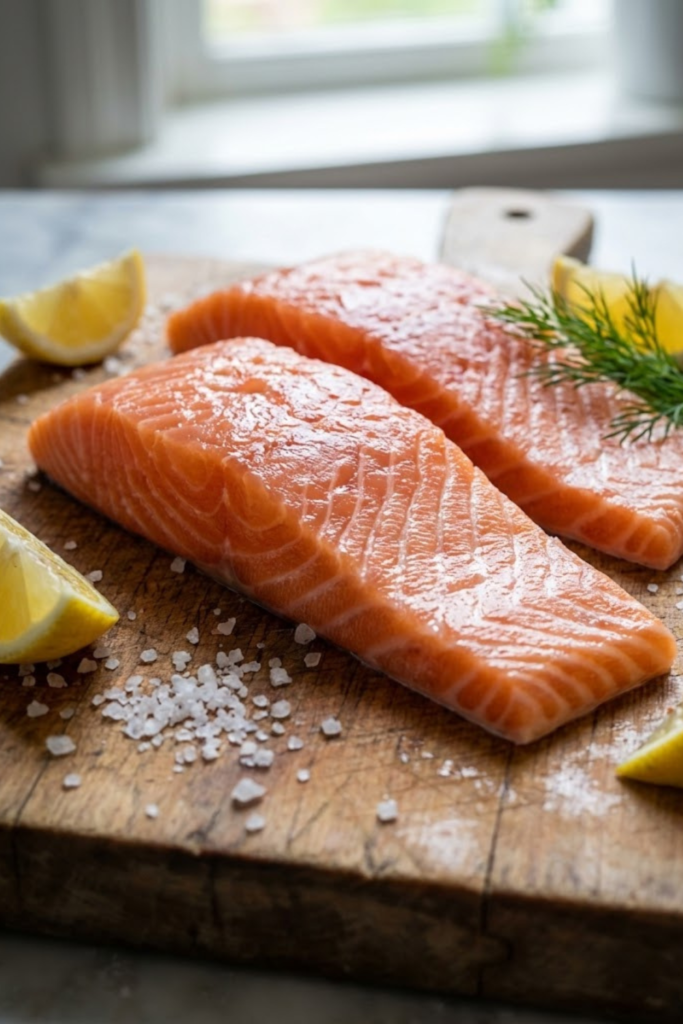
Look for Center-Cut Fillets
If you want your meal to come out perfect, you have to look for center-cut fillets. These are the thicker parts of the fish that have a more even shape. This matters because when the fish is the same thickness all the way across, it cooks at the same rate. You will not end up with one side that is burnt while the middle is still cold. I always ask the person at the seafood counter to give me the pieces that look like blocks rather than triangles. It makes a huge difference in how the meal feels when you finally sit down to eat after a long day.
Wild-Caught vs. Farmed in 2026
In 2026, we have a lot of choices at the store. I usually try to grab wild-caught salmon, like Sockeye or King salmon, because the flavor is really strong and clean. But let’s be real, grocery prices can be tough on a teacher’s salary! If I buy farmed salmon, I look for labels that say it was raised without antibiotics. Farmed fish is often fattier, which actually makes it a bit more forgiving if you leave it in the oven a minute too long. Just make sure the meat looks bright and firm, not dull or mushy.
The “Sniff Test” and Appearance
Do not be afraid to use your senses. Good salmon should look vibrant. If it is Atlantic salmon, it should be a nice pink; if it is Sockeye, it should be deep red. If you see any brown spots or if the edges look dry, put it back. And here is the big one: it should not smell “fishy.” I know that sounds weird, but fresh fish should smell like the ocean—salty and fresh. If it has a sour or strong smell, it has probably been sitting there too long. I always tell my students to trust their gut, and I do the same at the fish counter! Taking an extra minute to pick the right piece makes your dinner much better.
Prepping Your Veggies for the Perfect Crunch
In my classroom, if I don’t have the papers graded and the pencils sharpened before the kids walk in, the whole lesson is a disaster. Prepping your broccoli and potatoes for this salmon sheet pan with broccoli and potatoes is exactly the same. You can’t just hack at the vegetables and toss them on the tray. If you do that, you’ll end up with some pieces that are burnt and others that feel like you’re biting into a raw apple. I’ve made that mistake more times than I want to admit! It took me a few tries to figure out how to get the vegetables to play nice with each other.
The Secret of the Small Potato
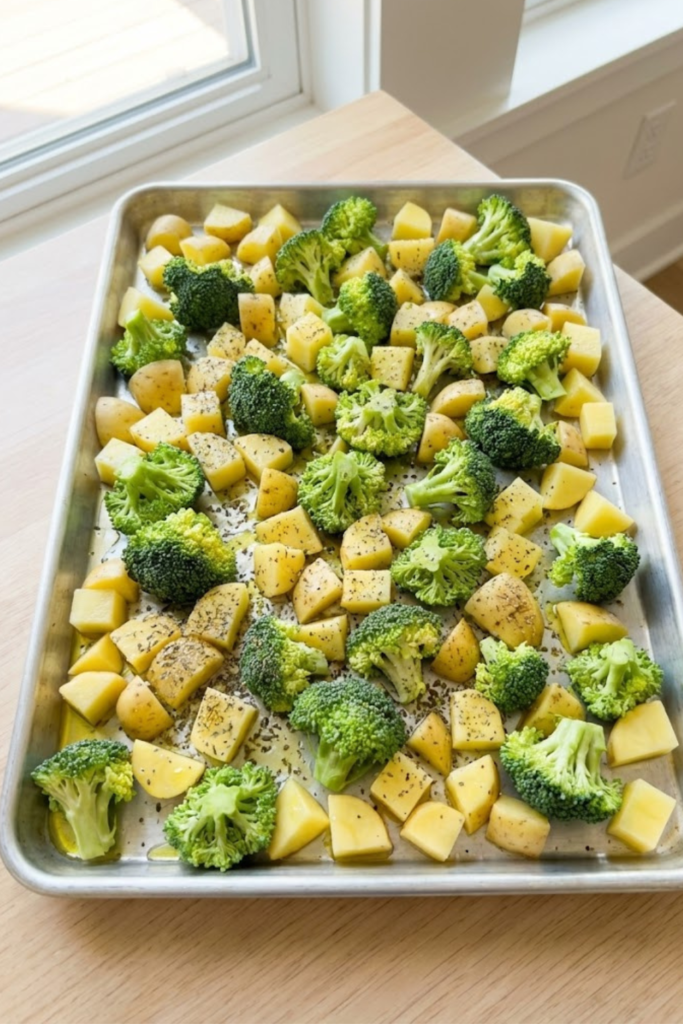
I really like using Yukon Gold potatoes for this meal because they have a buttery taste that goes great with fish. But the trick is all in the size. You want to cut them into about half-inch cubes. If they are any bigger, they won’t be soft by the time the salmon is done. I usually spend a few minutes making sure they are mostly the same size. It isn’t about being perfect, it’s just about making sure they all cook at the same speed. If you have some big ones and some tiny ones, the tiny ones will turn into little rocks. Nobody wants to eat a potato rock for dinner! I also like to leave the skins on because it saves time and adds a bit of extra fiber, which is a win for a busy weeknight.
Keeping Broccoli From Burning
Now, broccoli is a different story. It likes to burn fast. I learned that you need to give the florets a good coating of oil. I put them in a big bowl and toss them around until they look shiny. This oil acts like a shield in the hot oven. Also, don’t cut the broccoli too small. If the pieces are tiny, they will disappear into char. Keep them in medium-sized bite pieces. I also make sure they are really dry after I wash them. If they are dripping wet, they will just steam and get mushy instead of getting those crispy, delicious brown edges we want.
Give Everything Some Breathing Room
The biggest mistake I see people make—and I used to do it too—is crowding the pan. If you pile the potatoes and broccoli on top of each other, they won’t get crunchy. They need space for the hot air to move around. I try to make sure there is a little gap between each piece. If I have a lot of food, I just use two pans. It’s better to have a little more cleaning to do than to have a soggy dinner. Giving each veggie its own spot is a simple step that makes a huge difference in the final taste.
The “Secret” Seasoning Blend
In my classroom, I always tell my students that it isn’t just about what you say, it’s how you say it. Flavor is the same way for this salmon sheet pan with broccoli and potatoes. You can have the best fish in the world, but if it tastes like nothing, nobody is going to want to eat it. For a long time, I was scared of spices. I thought salt and pepper were enough. But once I started playing around with different jars in my cabinet, I found a mix that really makes this meal pop. It isn’t anything fancy, just stuff you probably already have in your pantry.
The Simple Pantry Rub
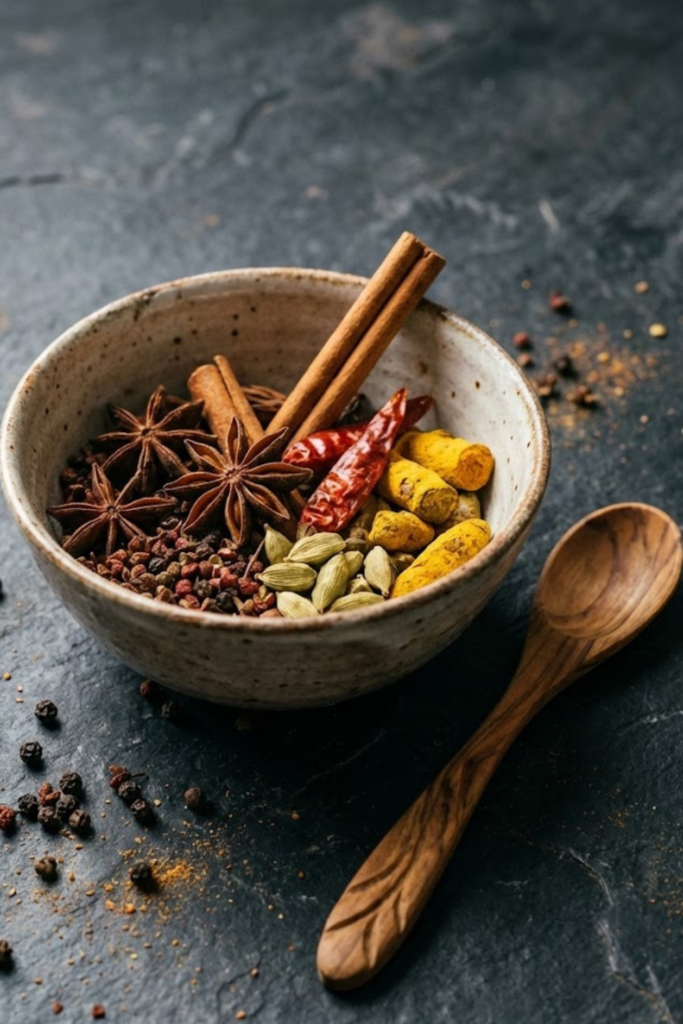
I like to keep things easy because after grading papers all day, my brain is pretty tired. I usually mix together some garlic powder, smoked paprika, and dried oregano in a small bowl. The smoked paprika is the real star here. It gives the salmon a nice, deep color and a tiny bit of a smoky taste that makes it feel like you cooked it on a grill outside. I also add a good amount of sea salt and black pepper. I don’t measure things perfectly—I just sort of shake them into the bowl until it looks right. You want to rub this mix all over the fish and even sprinkle some on the veggies. It brings everything together so the whole tray has the same delicious vibe.
Why Fresh Lemon Matters
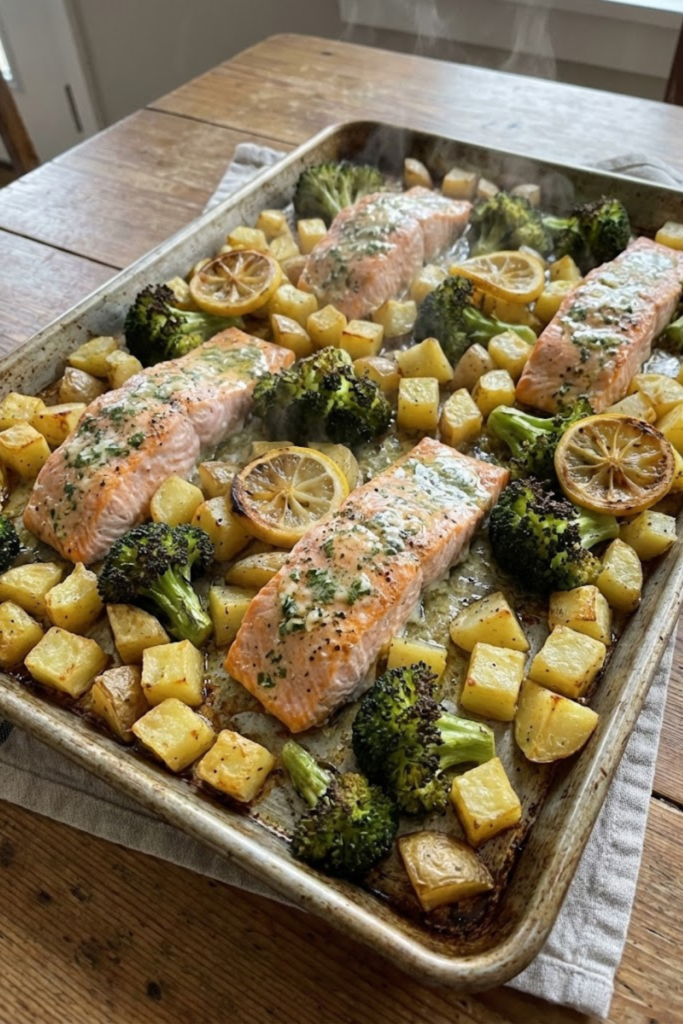
If there is one thing you shouldn’t skip, it is the lemon. I used to use that juice that comes in a plastic yellow bottle, but man, it just isn’t the same. Fresh lemon juice has a brightness that cuts right through the fat of the salmon. I like to squeeze half a lemon over the tray before it goes in the oven, and then I slice the other half into lemon wedges to roast right alongside the fish. When those slices get hot, they get sweet and juicy. It makes the salmon sheet pan with broccoli and potatoes feel like a meal you would get at a nice restaurant. Plus, the smell of roasting lemons in your kitchen is way better than any candle you can buy!
The Butter and Oil Debate
I used to wonder if I should use butter or olive oil. After a lot of testing (and a few burnt pans), I found that a mix of both is best. I use olive oil to coat the potatoes and broccoli because it helps them get that crispy texture. But for the salmon, I like to put a tiny pat of herb butter on top of each fillet right before it finishes cooking. The butter melts down and mixes with the lemon and spices, creating a little sauce on the pan. This keeps the fish from getting dry. It’s a small trick, but it really makes a difference in how the meal tastes when you finally sit down to eat.
Timing is Everything: The Staggered Roast Method
In my classroom, timing is the difference between a great lesson and a room full of bored kids. If I start the activity too early, they aren’t ready. If I start too late, we run out of time and the bell rings before we finish. Cooking this salmon sheet pan with broccoli and potatoes is the same way. You can’t just throw everything in at once and hope for the best. I tried that once during a busy grading week, and let me tell you, it was a disaster. My salmon was like a piece of dry wood, and my potatoes were still crunchy. It was so bad I almost ordered a pizza! But I learned that a little bit of patience goes a long way.
The Potato Head Start
Potatoes are like those students who need a little extra time to get their engines running. They are dense and tough, so they need a head start in the hot oven. I always put my diced potatoes on the sheet pan first with a little oil and salt. I let them roast for about 12 to 15 minutes before I even think about the rest of the meal. This gives them a chance to start softening up and getting those golden edges. If you skip this part, your fish will be done way before your potatoes are ready to eat. I usually use this time to quickly wipe down the counters or pack my bag for the next school day. It’s a small gap that makes the whole meal work.
Adding the Salmon and Broccoli
Once the potatoes have had their head start, it is time to bring in the rest of the team. I push the potatoes to the sides of the pan to make a “landing zone” for the salmon fillets in the middle. Then I scatter the broccoli in the gaps. Since the salmon and broccoli only need about 10 to 12 minutes to cook, everything will finish at the exact same time. It feels like a little bit of magic when you pull the tray out and it is all perfect. The broccoli gets those crispy bits on the top, and the salmon stays nice and juicy because it wasn’t in there for thirty minutes.
How to Tell When It Is Done
I always keep a meat thermometer in my kitchen drawer. It is one of the best tools I own! For salmon, you are looking for an internal temperature of about 145 degrees. If you don’t have a thermometer, you can just use a fork to see if the fish flakes easily. If it looks opaque and pulls apart in layers, it is ready. I usually take it out a tiny bit early because the heat of the pan keeps cooking the fish for a minute after it leaves the oven. Using this staggered method is the best way to make sure your dinner is a success every single time. It takes a little more attention, but the results are worth it.
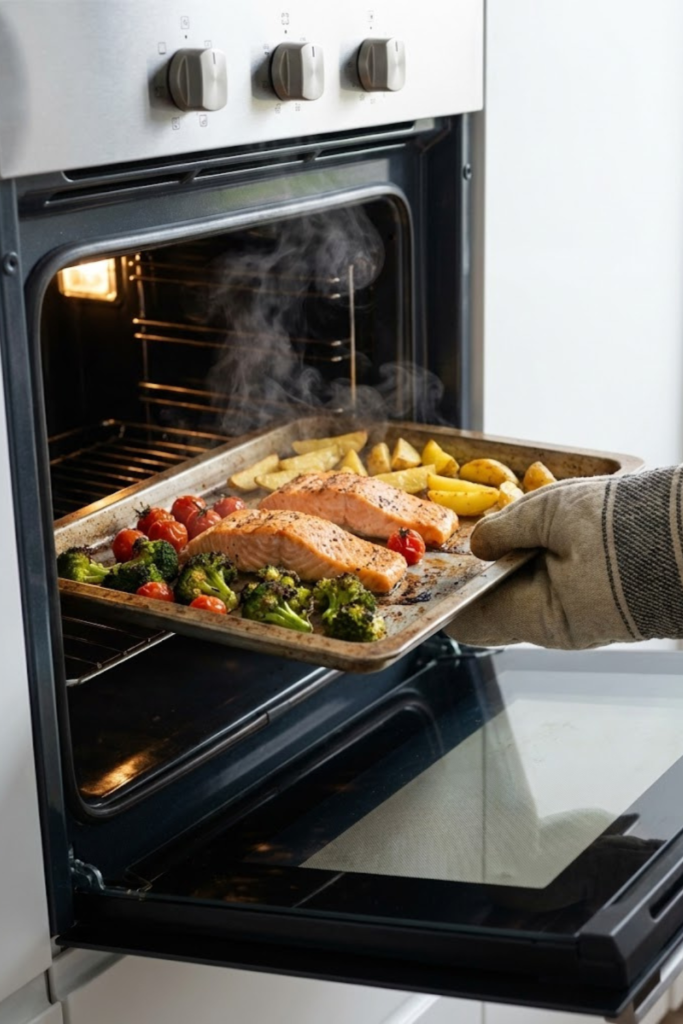
This salmon sheet pan with broccoli and potatoes really is a game-changer for anyone wanting to eat better without spending hours in the kitchen. It’s healthy, it’s fast, and it tastes like something you’d order at a fancy bistro! As a teacher, I love that I can have a balanced meal on the table in under thirty minutes with hardly any dishes to wash. If you loved this recipe, please share it on Pinterest so your friends can enjoy a stress-free dinner too!