Have you ever bitten into a shrimp that was so flavorful and juicy it instantly transported you to a seaside patio? That’s exactly what happened the first time I nailed this recipe! There is nothing—and I mean nothing—sadder than rubbery, flavorless shrimp at a BBQ. But don’t worry, I’ve made all the mistakes so you don’t have to. In this post, I’m sharing my foolproof method for Lemon Pepper Grilled Shrimp Skewers that guarantees a burst of citrusy heat in every bite. According to recent grilling trends, citrus-based marinades are the number one way to keep seafood moist over high heat, so you are in for a treat! Let’s get grilling!
Selecting the Perfect Shrimp for Grilling
You might think grabbing any old bag of shrimp from the freezer section will work for this recipe. I certainly did the first time I tried to impress my in-laws with a backyard BBQ. I bought these tiny, pre-cooked salad shrimp because they were on sale. Big mistake. I threw them on the grill, and half of them fell straight through the grates into the fire! The ones that survived were tough and rubbery, like chewing on pencil erasers. It was a total disaster, and we ended up ordering pizza.
To avoid that kind of embarrassment and make the best Lemon Pepper Grilled Shrimp Skewers, you have to pay attention to size.
Size Definitely Matters
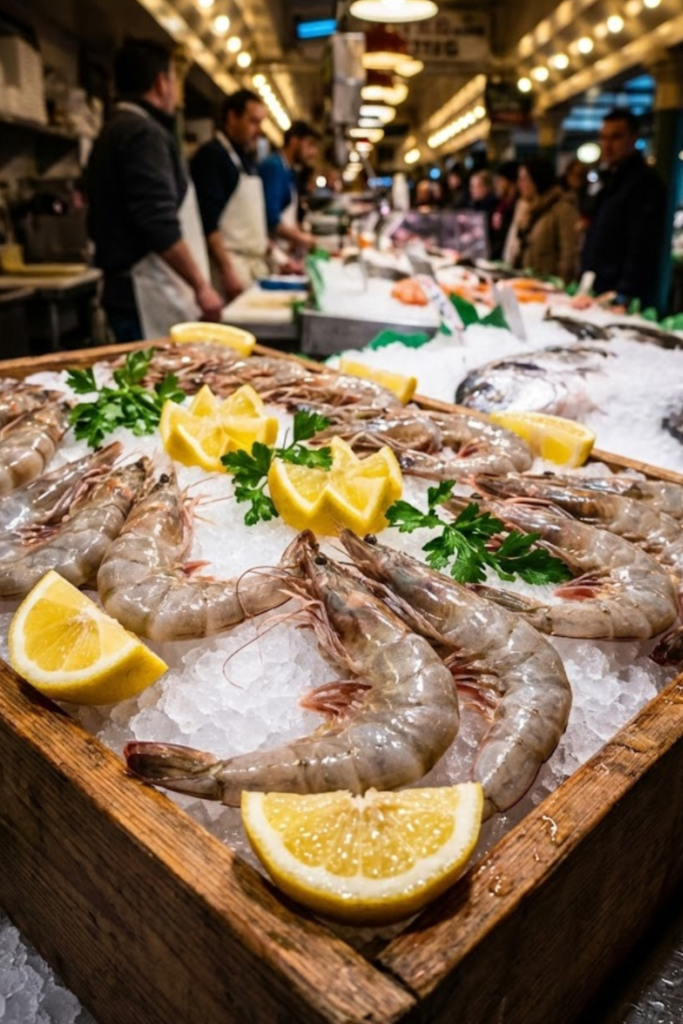
When it comes to grilling, you gotta go big or go home. I always look for “Jumbo” or “Colossal” on the bag. If you want to get technical, look for the numbers “16/20” or “21/25” on the package. That just means how many shrimp are in a pound.
Bigger shrimp are much more forgiving on the grill. Because they are thicker, they don’t dry out as fast as the little guys. This gives you enough time to get that nice, smoky char on the outside without turning the inside into leather. Plus, they stay on the skewers way better. There is nothing worse than a shrimp spinning around on the stick when you try to flip it!
Fresh vs. Frozen: The Truth
Here is a little secret from my days working at a grocery store in college. That “fresh” shrimp behind the glass counter? It was likely delivered frozen and just thawed out by the store employees that morning. Unless you can literally see the ocean from your house, you are better off buying frozen.
I prefer buying frozen bags because I can control the thawing process myself. It’s actually fresher that way! Just make sure you check the ingredients list. It should just say “shrimp” and maybe salt. If you see a bunch of preservatives or chemicals you can’t pronounce, put it back. You want pure, sweet meat for your Lemon Pepper Grilled Shrimp Skewers.
To Peel or Not to Peel?
I’ll be honest, I hate peeling shrimp. It is tedious and makes your hands smell funny for hours. But for this recipe, I usually buy them “EZ Peel” or already deveined with the shell split.
I like to peel the main shell off but leave the tails on. Why? Well, mostly because it looks fancy, like something you’d get at a nice seaside restaurant. But practically speaking, the tail gives you a little handle to hold onto while you eat.
If you are buying them fresh or fully intact, you absolutely must devein them. I forgot to do this once for a dinner party, and let’s just say the gritty texture was not a hit. It takes a little extra work, but removing that dark vein runs down the back is non-negotiable for a good bite.
Thawing them the Right Way
Don’t ever microwave your shrimp to thaw them! I ruined a whole batch doing that because they started cooking in the microwave. Just toss the frozen shrimp in a colander and run cold water over them for about 5 to 10 minutes. Or, if you plan ahead (which I rarely do), let them thaw in the fridge overnight. Once they are soft and pliable, pat them super dry with paper towels. Wet shrimp won’t sear; they just steam. And nobody wants steamed shrimp when we are promised grilled!
Mastering the Zesty Lemon Pepper Marinade
Okay, class is in session! Just kidding, but listen up because this part is super important. You can buy those pre-made marinades in the bottle if you want, but honestly? They usually taste like salt and fake lemon candy. Making your own is cheaper and tastes a million times better. It really makes the shrimp pop.
The Real Lemon Flavor
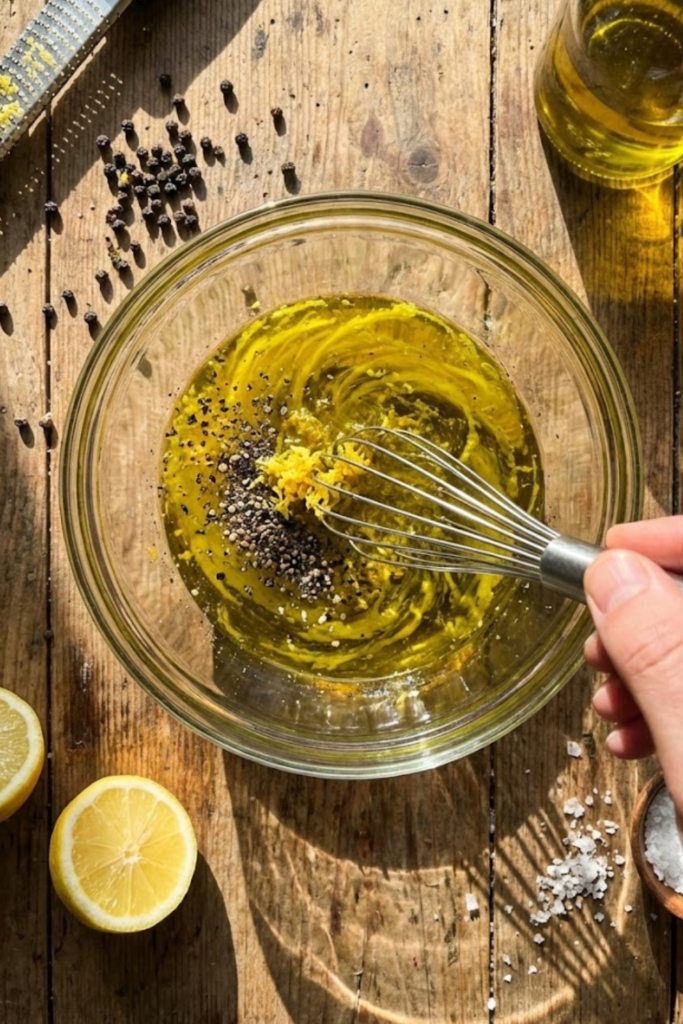
The biggest secret here is using fresh lemons. Please, do not use that little plastic lemon squeeze bottle sitting in your fridge door since 2019. It just doesn’t taste the same.
You need two things from the lemon: the juice and the zest. The zest is the yellow skin, and that is where all the essential oils and smell-good stuff lives. I use a microplane to grate the yellow part off before I cut the lemon to squeeze it. If you don’t have a zester, use the small side of a cheese grater. Just don’t get the white part underneath (the pith) because it is bitter.
Garlic and Pepper
For the “pepper” part of Lemon Pepper, use coarse cracked black pepper. The powdery stuff in the shaker tin is okay, but fresh cracked pepper has a bite that goes so well with the grill char. And for garlic, fresh cloves are best. Smash them and chop them up fine. I usually use about 3 or 4 cloves because I love garlic. If you are in a rush, the jarred minced garlic works too, but fresh is always the winner.
Mix all that with a good amount of olive oil. The oil helps the heat transfer on the grill and keeps the shrimp from sticking.
Giving it a Kick
If you want to spice things up a bit, I like adding a little smoked paprika. It gives it that outdoor BBQ taste even if you are just using a gas grill. A tiny pinch of cayenne pepper is good too if you like heat, but don’t go crazy or you’ll hide the lemon flavor.
The 20-Minute Rule
Here is the science part. Lemon juice is an acid. If you leave shrimp sitting in lemon juice for too long, the acid will actually start to “cook” the meat. It turns white and gets firm. This is how you make ceviche, but that’s not what we are doing today!
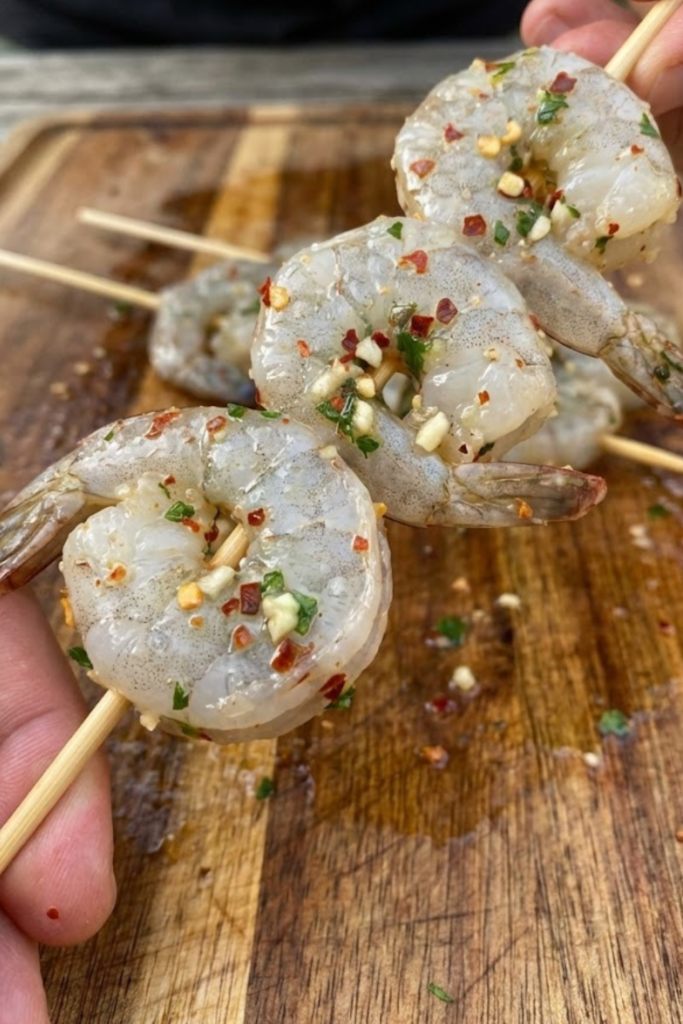
If you marinate the shrimp for an hour, they will get mushy and weird when you cook them. I found that 15 to 30 minutes is the sweet spot. Toss them in the bowl while you are heating up the grill, and by the time the grates are hot, the shrimp are ready to go.
Safety Tip: Don’t use the leftover marinade that the raw shrimp was sitting in as a sauce later, unless you boil it first to kill any bacteria. I usually just set aside a little bit of the mixture before I put the shrimp in it, so I can brush it on at the end.
Skewering Techniques for Even Cooking
Now that we have our shrimp marinating and smelling amazing, we need to talk about putting them on the stick. It sounds simple, right? You just poke them. But if you have ever had a skewer catch on fire or a shrimp spin around like a ceiling fan when you try to flip it, you know it can be annoying.
Wood vs. Metal Skewers
I used to always buy those cheap packs of bamboo skewers at the grocery store. They get the job done, but I’ve recently switched to metal ones. Metal skewers are great because they don’t burn, and you can wash and reuse them. It feels less wasteful. Plus, the metal gets hot inside the shrimp, cooking it a little bit from the inside out, which I think helps it cook evenly.
If you only have wooden ones, that is totally fine! I still use them for parties when I don’t want to hunt down my metal ones later. Just be careful with them.
The Soaking Rule
If you are using wooden or bamboo skewers, you have to soak them in water first. I learned this the hard way. I once put dry sticks on a hot grill, and within two minutes, the ends were burnt to a crisp and snapping off.
Fill a tall glass or a baking dish with water and submerge the skewers for at least 30 minutes before you start grilling. This water logs the wood so it doesn’t catch fire immediately. While the shrimp are marinating, I usually just toss the sticks in water so everything is ready at the same time.
The Double Skewer Method
Okay, here is the best tip I can give you for this whole recipe. You know how shrimp are curved? If you put one skewer through the middle, the shrimp is heavy on one side. When you try to flip it over with your tongs, gravity takes over and it spins right back to the raw side. It is so frustrating!
The solution is to use two skewers for each kebab.
Lay your shrimp flat on the cutting board. Run one skewer through the head end and another skewer through the tail end, parallel to each other. It looks like a little ladder. This holds the shrimp tight so they can’t spin. You can flip them easily, and they cook perfectly even on both sides. It takes a few extra seconds to set up, but it saves so much headache at the grill.
Grilling Your Shrimp to Juicy Perfection
Alright, this is the main event. We have prepped, marinated, and skewered. Now it is time to actually cook these bad boys. Grilling shrimp is fast—like, really fast. If you walk away to grab a drink or check your phone, you might come back to rubbery little tires. So stay close!
Temperature Control
First things first, get your grill nice and hot. You want medium-high heat. If your grill has a thermometer on the lid, you are looking for about 400°F. If you don’t have a thermometer, hold your hand about five inches above the grate. If you can only keep it there for 3 or 4 seconds before it hurts, you are good to go.
You need that high heat to get a good sear. That is what gives it that smoky, grilled flavor we all love. If the grill is too cool, the shrimp will just bake slowly and dry out. Nobody wants dry shrimp.
Timing is Everything
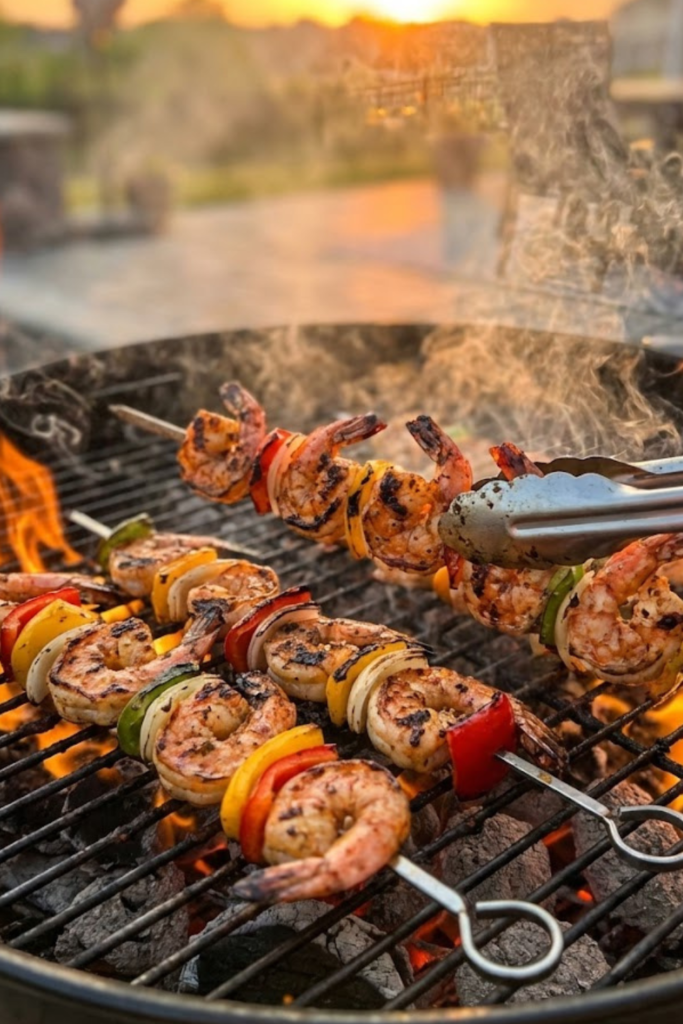
Here is where people mess up. Shrimp do not take long to cook. I usually do about 2 to 3 minutes per side. That is it!
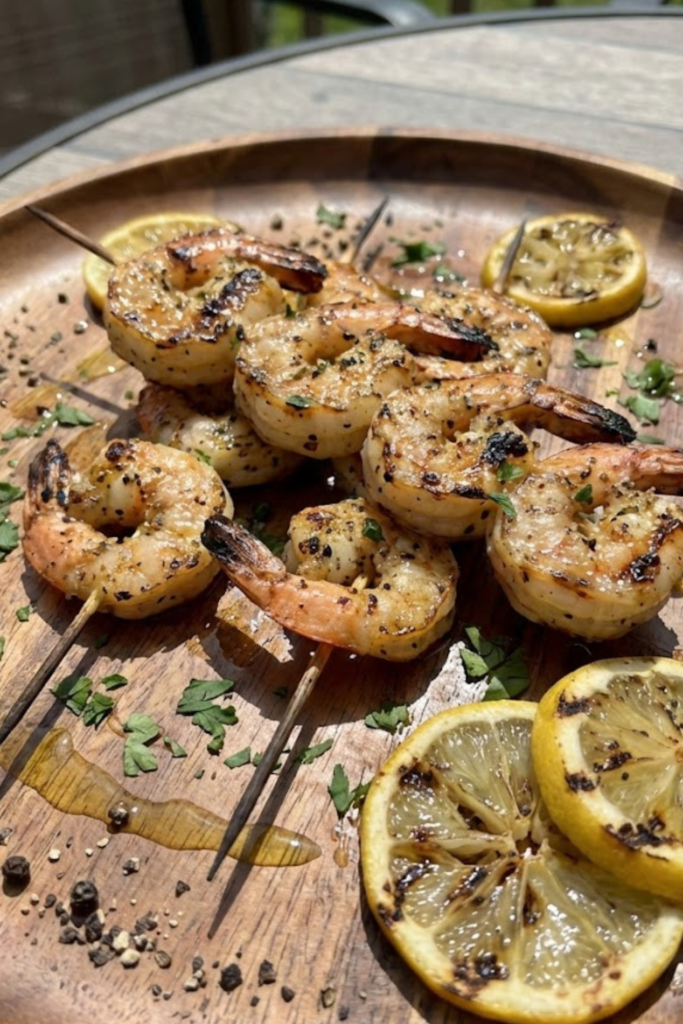
You don’t need a timer as much as you need your eyes. Watch them closely. As soon as they hit the grill, they will start turning from that gray translucent color to a solid pink and white.
I have a little rhyme I teach my friends:
- Straight means undercooked.
- “C” shape means Cooked perfectly.
- “O” shape means Overcooked (and tough!).
As soon as they curl into a loose “C” shape and look opaque (meaning you can’t see through them anymore), get them off the heat immediately. They will keep cooking a little bit even after you take them off, so it is better to pull them a few seconds early than too late.
The Final Touch: Basting
Right before I take them off the grill, I like to brush them with a little bit of flavor. Remember that marinade we made earlier? If you saved some fresh stuff (that didn’t touch the raw shrimp), brush that on now. Or, honestly, just melting some butter with a little garlic and parsley works wonders.
Brush it on, give it 30 seconds to sizzle, and then put them on the platter. That little bit of extra fat at the end makes them shine and taste incredible.
Serving Suggestions and Side Dish Pairings
Now that you have these beautiful shrimp cooked up, what do you eat them with? I mean, you could just stand there and eat them right off the stick (I have definitely done that), but if you are trying to make a proper dinner, you need some sides.
Starch Pairings
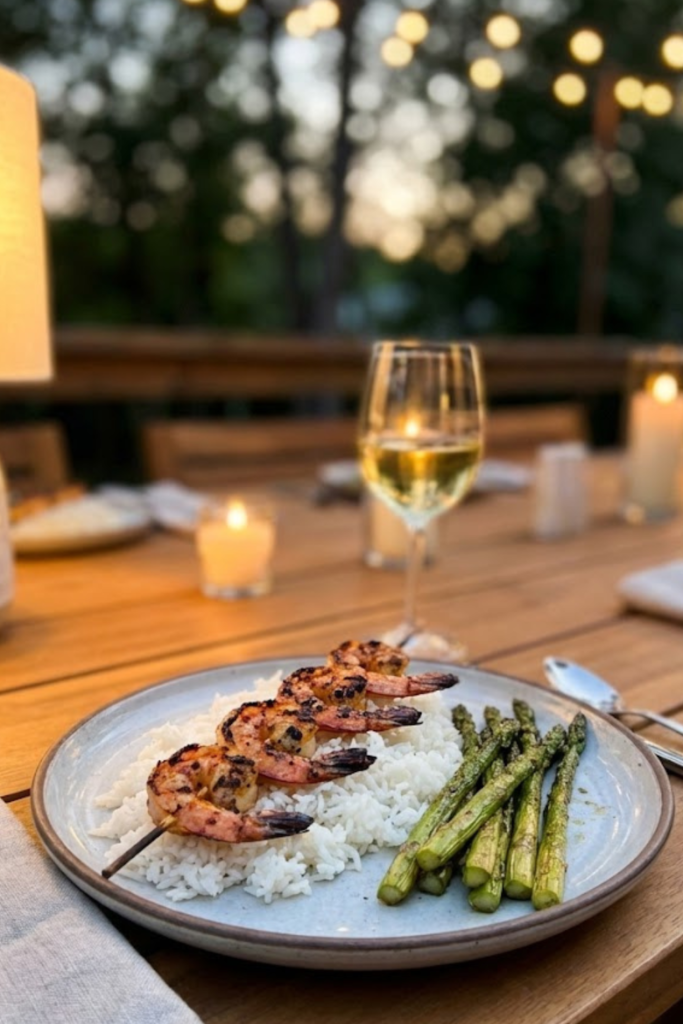
I love serving these over a big bed of rice. Fluffy jasmine rice is my absolute favorite because it smells so good. It does a great job of soaking up any of those lemon juices that drip off the shrimp. If you are trying to be a little healthier, quinoa works really well too. It has a nutty taste that goes nice with the lemon.
Sometimes, if I have leftovers—which is rare—I will take the shrimp off the skewers and toss them into some pasta. Just boil some spaghetti, add a little olive oil and garlic, and mix it all up. It makes for a really quick lunch the next day.
Veggie Companions
Since you already have the grill fired up, you might as well use it for the vegetables too. It saves you from having to clean a pan inside the house later.
Asparagus is my go-to veggie for this. The stalks are long so they don’t fall through the grate easily. Just snap the woody ends off, toss them in a little oil and salt, and throw them on the grill next to the shrimp for the last few minutes. Zucchini slices or big chunks of bell peppers are delicious grilled, too. The char marks make them taste so much better than steaming them.
Dipping Sauces
Honestly, these Lemon Pepper Grilled Shrimp Skewers are packed with so much flavor they don’t need a sauce. But I am a sauce person. I love dipping things.
A simple garlic aioli is amazing with this. Don’t let the name scare you; you can cheat and just mix some minced garlic and lemon juice into regular mayonnaise. It is creamy and tangy. Or, simpler yet, just melt a stick of butter and stir in some fresh parsley. It is basically like lobster dinner on a budget!
So, there you have it! That is really all there is to making the best Lemon Pepper Grilled Shrimp Skewers right in your own backyard. It is not rocket science, I promise. As long as you remember to buy the big shrimp and don’t skip the fresh lemon zest, you are going to be the hero of your next cookout.
I hope this guide helps you feel a little more confident standing over the grill. I know it can be scary to cook expensive seafood over an open flame, but if you follow these steps, you will get it right every time. Give this recipe a try this weekend; it is way easier than it looks!
If you found this helpful and want to save it for later, please pin this to your “Summer Recipes” board on Pinterest so you can find it whenever you get hungry! Happy grilling!