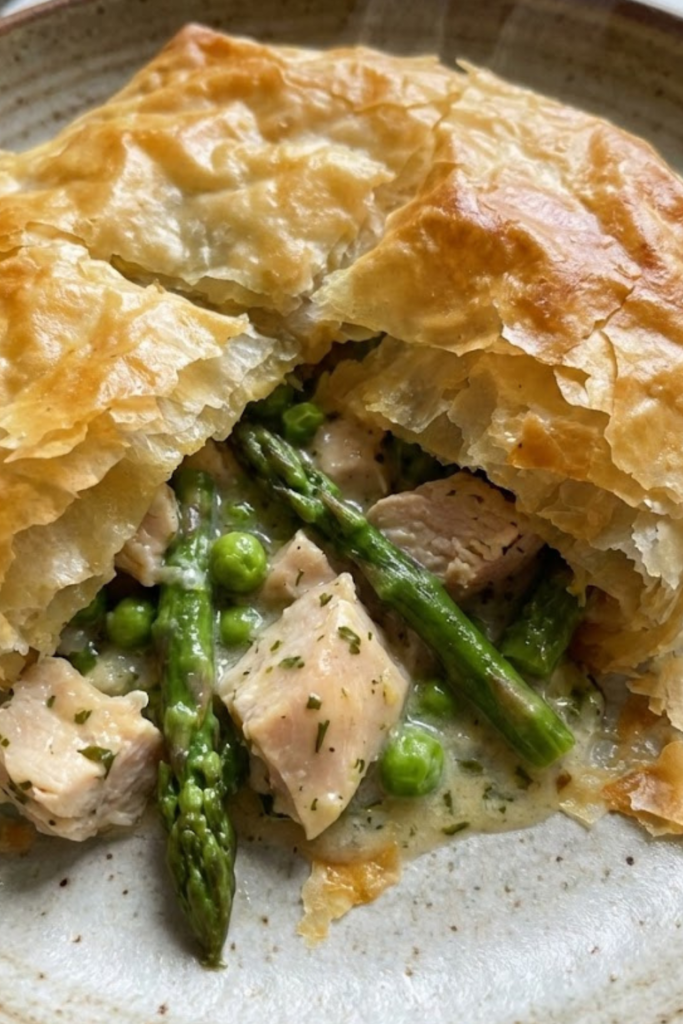
I used to think pot pies were just for snowy winter nights, mostly because that heavy dough always made me feel like I needed a three-hour nap right after dinner. But then I tried swapping out that thick crust for layers of crinkly, crispy filo pastry, and it completely changed the game for me. This Savory Spring Chicken Pot Pie is surprisingly light and packed with fresh stuff like tender asparagus and sweet peas that really wake up the flavors. It’s got that creamy, comforting filling we all crave, but the topping is so airy and crunchy that you won’t feel weighed down at all—it’s honestly become my go-to way to welcome the warmer weather without giving up on cozy meals.
Why Filo Pastry Beats Puff Pastry for Spring Recipes
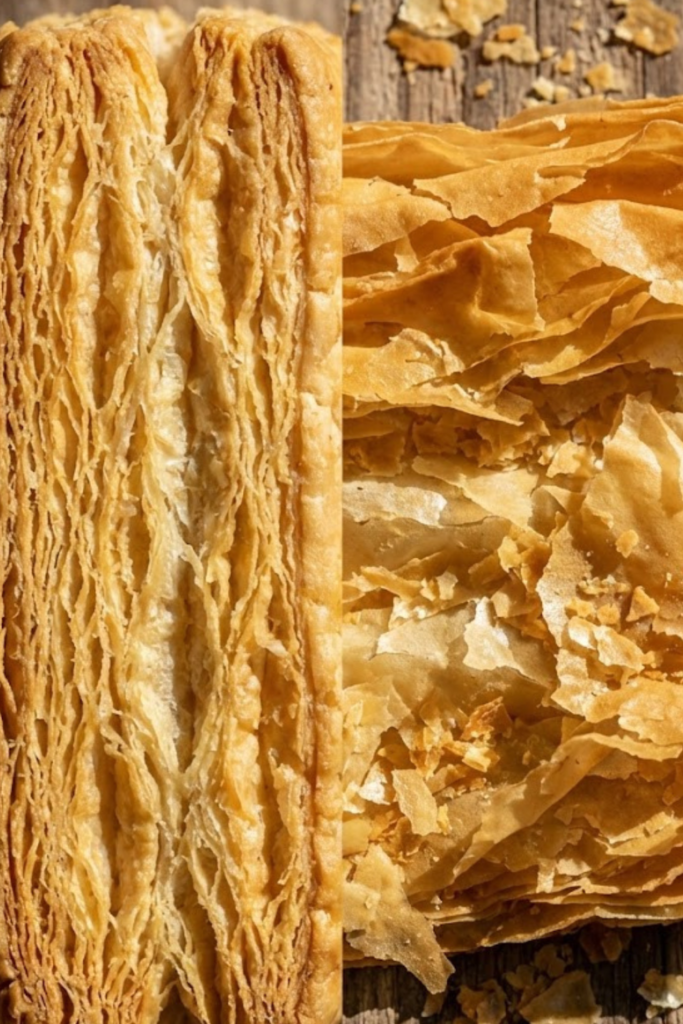
Look, I love a good puff pastry topper as much as the next person. In the middle of December? Absolutely. Give me that thick, buttery blanket of dough. But when the flowers start blooming and I’m trying to shake off the winter blues, puff pastry just feels a bit… heavy. It’s like wearing a parka to a picnic.
Filo pastry, on the other hand, is the perfect light jacket.
Here is why I’ve switched to filo for my spring pies:
- The Crunch Factor: Puff pastry tends to be soft and flaky, but filo is shatteringly crisp. Because the sheets are paper-thin, they bake up into these delicate, crunchy layers that make a really nice noise when you break into them with your spoon.
- It’s Lighter: Since filo has almost no fat in the actual dough (you add the fat by brushing it on), it usually sits lighter in your stomach. You don’t get that “I need a nap” feeling right after dinner.
- No Soggy Bottoms: Okay, technically this is a pot pie with just a top crust, but filo stays crispy longer. Puff pastry can sometimes get a bit gummy where it touches the sauce, but the edges of the filo stay nice and dry.
- It Looks Fancy (But It’s Easier): This is my favorite part. With puff pastry, you have to worry about it rising evenly. With filo, you literally just scrunch it up and throw it on top. The messier it looks, the better it bakes.
If you are intimidated by filo because you heard it dries out fast, don’t worry. We will cover how to handle it easily in a bit. Trust me, once you try the crunch of a savory spring chicken pot pie with filo pastry, you might not go back to the thick stuff.
Gathering Your Ingredients: The Fresh Spring Vegetable Lineup
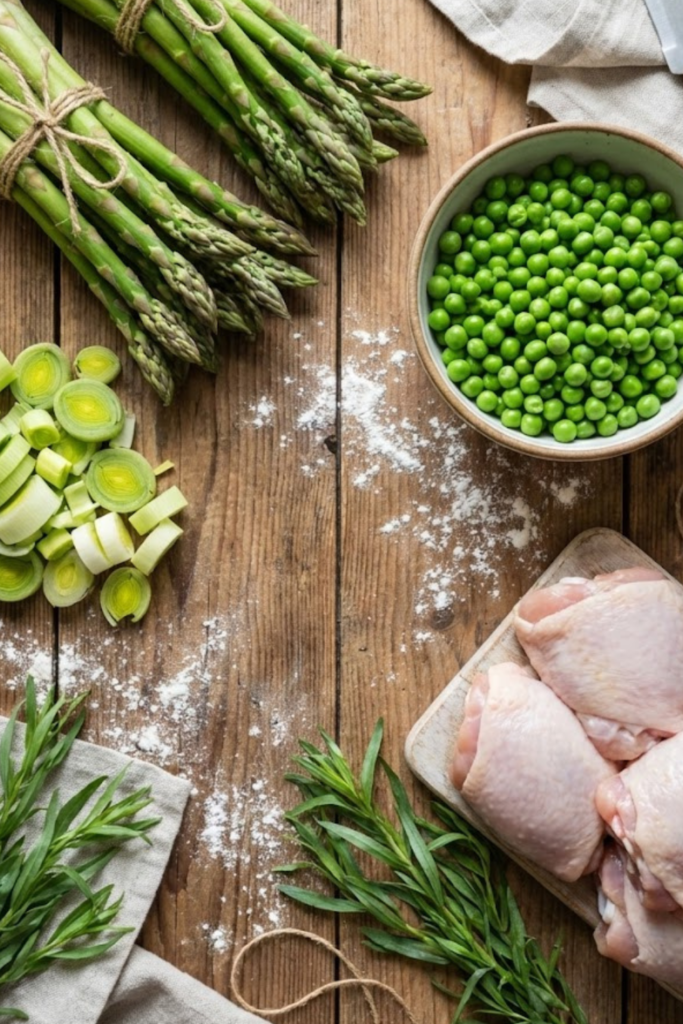
Whenever I head to the farmer’s market in April or May, my basket ends up looking like a big pile of green. That’s exactly what you want for this pie. Unlike the heavy potatoes and frozen corn you find in winter versions, we want things that taste like a garden.
Here is what you’ll need to grab:
- The Chicken: I usually go for boneless, skinless chicken thighs. They stay juicy even after being baked in the oven. If you have leftover roasted chicken from the night before, that works great too and saves a ton of time.
- Leeks: Don’t use regular white onions if you can help it. Leeks are much milder and have a sweet, buttery flavor that screams spring. Just make sure to wash them well since dirt loves to hide in those layers.
- Asparagus: Look for the thin spears. They cook quickly and stay tender. I like to chop them into one-inch pieces so you get a bit in every bite.
- Sweet Peas: You can use fresh ones if you’re feeling fancy and have time to shell them, but honestly, high-quality frozen peas are just as good. They pop in your mouth and add a nice sweetness.
- The Herb Secret: Fresh tarragon is the “hidden” ingredient here. It has a tiny hint of licorice flavor that makes the chicken taste amazing. If you can’t find it, fresh parsley or dill are my second choices.
- The Liquid Gold: You’ll need some chicken stock and a splash of heavy cream. This isn’t the time to be shy with the cream—it’s what makes the sauce feel like a real treat.
I try to keep my veggies a little bit crisp before they go into the oven. You don’t want to cook them until they are mushy on the stove, because they still have to survive twenty minutes of baking! Keeping them bright green makes the savory spring chicken pot pie with filo pastry look way better on the plate.
Step-by-Step: Making the Creamy Chicken Filling
Making the filling is the part where your kitchen starts smelling amazing. You want a sauce that is thick enough to hold the chicken and veggies together, but not so thick it feels like paste. I always start by melting a good chunk of butter in a big skillet and tossing in my leeks and carrots.
Here is how I get that perfect consistency:
- Sautéing the base: Let those leeks get soft and translucent. Don’t rush this! If you brown them too much, they get bitter. You just want them to smell sweet and buttery.
- The Flour Trick (The Roux): Sprinkle a little flour over your buttery veggies and stir it for a minute or two. This “cooks out” the raw flour taste. It’ll look a bit messy and clumpy, but that’s exactly what you want.
- Adding the Liquid: Slowly pour in your chicken stock while whisking or stirring like crazy. I usually add a splash of heavy cream at the end to make it extra velvety. Keep stirring until it starts to bubble and thicken up. It should look like a rich, glossy gravy.
- Folding it all together: Once the sauce is thick, take it off the heat. Stir in your cooked chicken, those bright green asparagus pieces, and the peas.
- Seasoning is Key: This is the most important step! Taste it. Does it need more salt? Probably. Add a big pinch of black pepper and those fresh herbs we talked about.
I like to let the filling cool down for just a few minutes before I put the pastry on. If it’s screaming hot, it might start melting your filo sheets before they even hit the oven, and we want to keep those layers as distinct as possible. This filling is the heart of your savory spring chicken pot pie with filo pastry, so make sure it tastes exactly how you want it before it goes under the “hood.”

Handling Filo Dough: Tips for Flaky Perfection
Working with filo (or phyllo) dough used to stress me out. I’d open the package, and within five minutes, the sheets would turn into brittle little crackers that shattered in my hands. But I’ve learned a few tricks over the years that make it way easier to handle. You don’t need to be a pastry chef to get this right; you just need to be a little bit prepared.
Here is how I handle it without losing my mind:
- The Thaw is Everything: Don’t try to rush it. If you use frozen filo, let it thaw in the fridge overnight. If you try to defrost it on the counter, moisture can get trapped in the layers and make them stick together in a big glob.
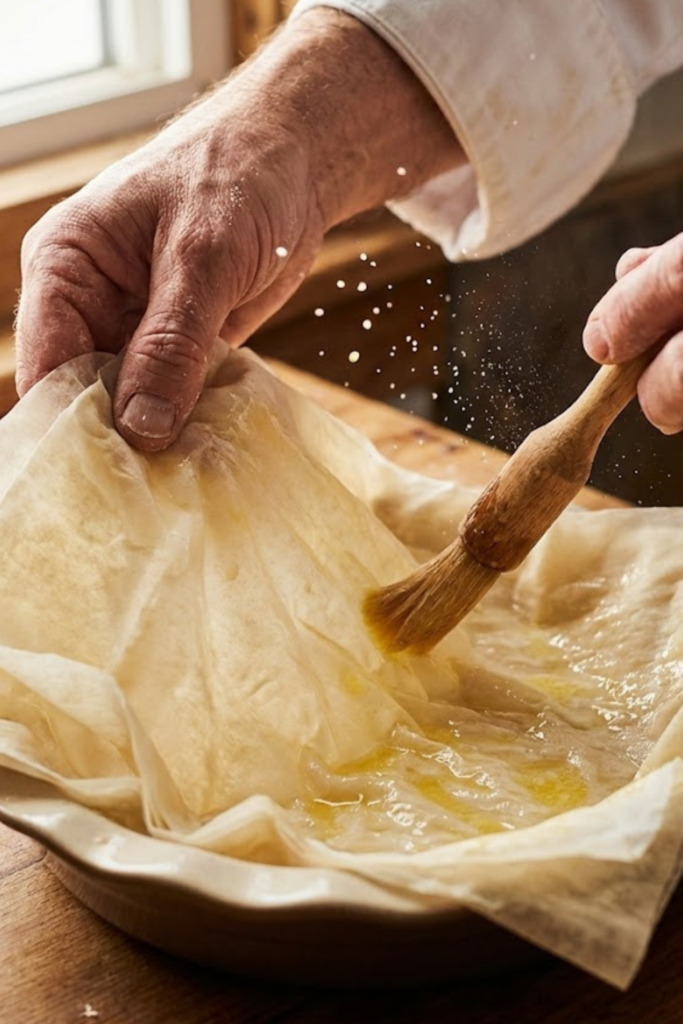
- Keep it Covered: Once you unroll the dough, keep a slightly damp (not soaking wet!) clean kitchen towel over the stack. Every time you take a sheet out, put the towel back. This keeps the air from drying it out while you work.
- Don’t Stress the Tears: Filo is thin. It’s going to rip sometimes. The good news? Since we are scrunching it up on top of the savory spring chicken pot pie with filo pastry, no one will ever see a tiny tear. Just keep going.
- The Fat Factor: You need to brush each sheet with something to get that golden crunch. Melted butter is my favorite for flavor, but you can use olive oil if you want something a bit lighter. Use a soft pastry brush and just give it a quick, light coating.
- The “Scrunch” Method: Instead of laying the sheets flat, I like to take a sheet, lightly butter it, and then loosely ruffle it up in my hand like a piece of tissue paper. Place these “pom-poms” of dough all over the top of the filling. It creates more surface area, which means more crunch in every bite!
You don’t need to be perfect with the layers. In fact, the more “messy” it looks, the more rustic and beautiful it turns out after it spends some time in the oven. It’s a very forgiving way to cook once you get the hang of it.
Baking and Serving Suggestions
The hard work is over, and now comes the best part: the wait. Sliding your savory spring chicken pot pie with filo pastry into the oven is when the magic happens. I usually set my oven to around 375°F (190°C). You want it hot enough to crisp up the pastry quickly, but not so hot that the top burns before the filling starts to bubble.
Here are a few things I look for while it’s baking:
- The Golden Rule: Keep an eye on those crinkled edges. Filo goes from “perfectly golden” to “burnt toast” pretty fast. It usually takes about 20 to 25 minutes. If you notice the tips getting too dark too soon, you can loosely tent a piece of foil over the top.
- The Bubble Check: You’ll know it’s ready when you see the creamy sauce bubbling up around the sides of the pastry. That means the filling is hot all the way through.
- Let it Rest: I know it smells incredible, but try to wait about 5 or 10 minutes before you scoop into it. This gives the sauce a chance to thicken up slightly so it doesn’t just run all over your plate.
- What to serve on the side: Since this pie is nice and light, I usually keep the side dishes simple. A crisp green salad with a quick lemon vinaigrette is my favorite because the acid cuts through the creamy sauce. Some roasted new potatoes are also great if you are extra hungry.
Serving this family-style right out of the skillet or baking dish looks really rustic and beautiful. There’s something so satisfying about cracking through that crunchy filo layer with a big spoon and seeing the steam rise up. It’s the ultimate way to celebrate a spring evening.
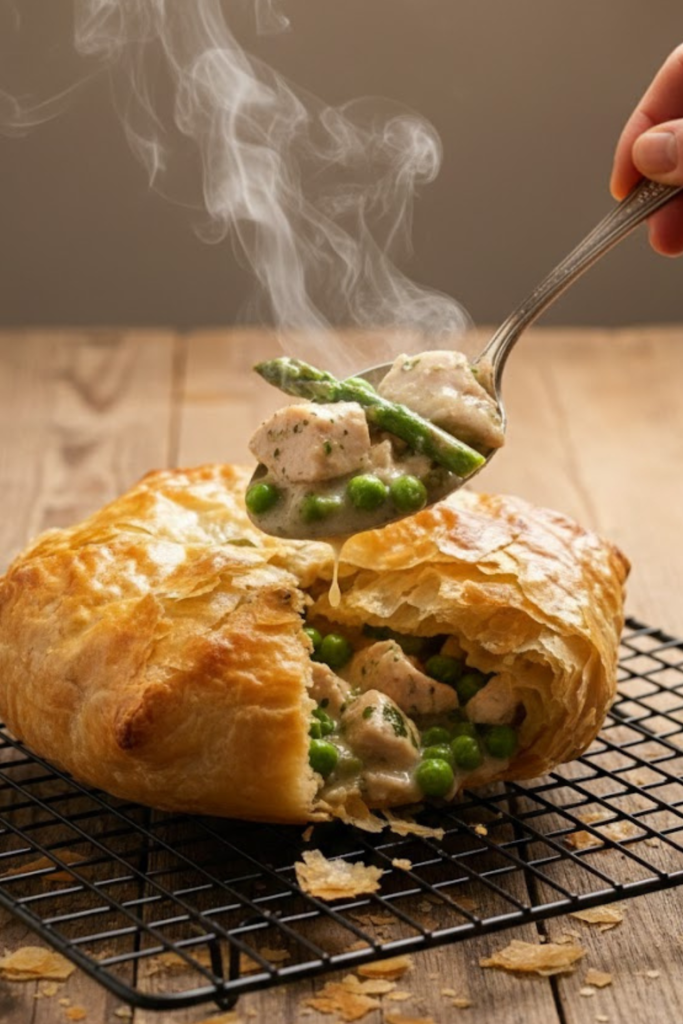
I really hope you give this one a try next time you want something cozy but don’t want to feel like a lead balloon. This Savory Spring Chicken Pot Pie with Filo Pastry has seriously become a staple in my house because it’s just so much lighter than the traditional version. Between the fresh snap of the asparagus and that shatteringly crisp topping, it’s a total winner for those breezy spring evenings when you still want a warm hug in a bowl.
If you make this and love that crunch as much as I do, please don’t keep it a secret! Pin this recipe to your “Dinner Ideas” or “Spring Recipes” board on Pinterest so you can find it whenever those fresh veggies start hitting the stands. Happy cooking!