Have you ever bitten into a muffin that promised “zesty lemon bliss” only to be met with a mouthful of dry, flavorless crumbs? It’s heartbreaking, isn’t it! I’ve been there, staring at a sad muffin wrapper, wondering where it all went wrong. But let me tell you, Lemon Poppy Seed Muffins with Greek Yogurt are the complete opposite of that tragedy. They are sunshine in a liner! Did you know that using Greek yogurt is actually a science-backed hack to retain moisture without making the batter heavy? It’s true! In this article, I’m sharing my absolute favorite recipe that guarantees high domes and bright flavors every single time. Get your zest grater ready; we are about to bake the best muffins of your life!

Why Greek Yogurt is the Secret Weapon for Baking
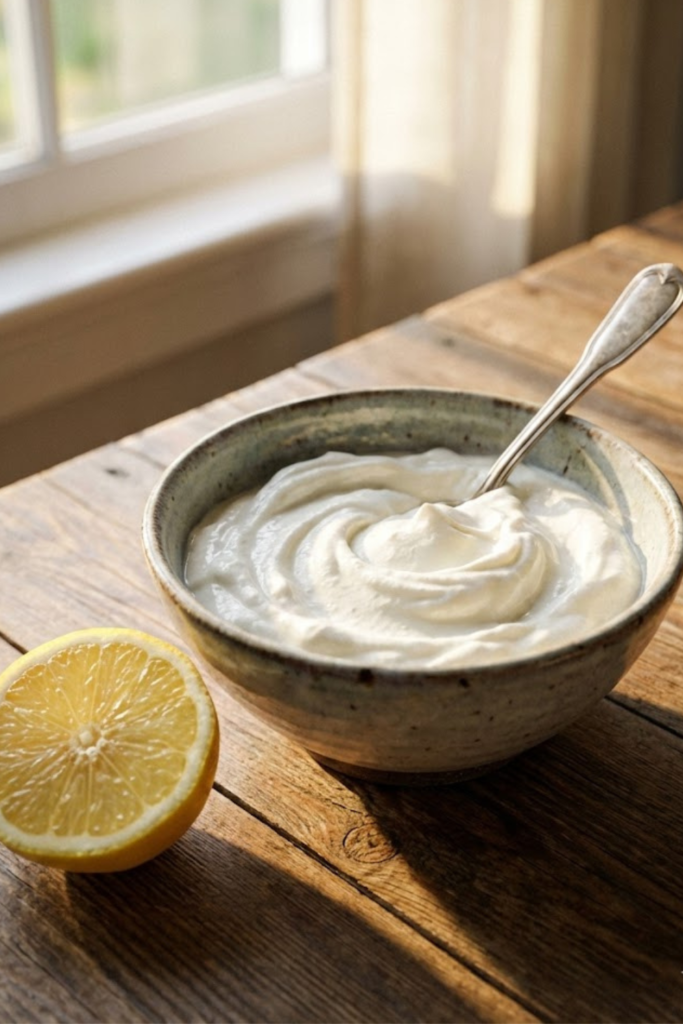
You know, for the longest time, I actually thought buttermilk was the only real way to get a moist cake or muffin. I used to go to the store, buy a whole carton just to use one cup, and then watch the rest of it go bad in the back of my fridge. It drove me absolutely nuts. Then a friend of mine, who bakes way better than I do, told me to just try Greek yogurt instead. I was honestly a bit skeptical at first. Yogurt? In a muffin? But let me tell you, it completely changed the game for me. It is not just about adding wetness to the batter; it is about the kind of moisture you are adding. Greek yogurt is thick and creamy, and it holds onto that liquid even when the oven gets super hot. When you bake with regular milk or even thinner yogurt, the batter can get too watery, and the liquid evaporates too fast. But Greek yogurt? It stays put. That is exactly why your muffins don’t dry out two hours after you take them out of the oven.
Another thing I learned is a little bit about the science part, but I promise I will keep it super simple. Greek yogurt is acidic. You know that tangy taste it has? Well, that acid does a little happy dance with the baking soda in your recipe. When they meet, they create bubbles—lots of tiny air bubbles. This is what makes your muffins fluffy and gives them that nice lift without making them feel heavy like a brick. I remember one time I ran out of yogurt and tried using sour cream because I heard it was similar. It turned out okay, but it felt just a little too greasy for my taste. Greek yogurt gives you that same richness but with a protein boost, which honestly makes me feel a tiny bit better about eating two (or three) of them for breakfast. Plus, that slight tanginess pairs so perfectly with the lemon. It cuts through the sugar so you aren’t just eating a ball of sweetness. Trust me, once you swap in the yogurt, you really won’t want to go back to plain old milk.
Essential Ingredients for Zesty Lemon Muffins
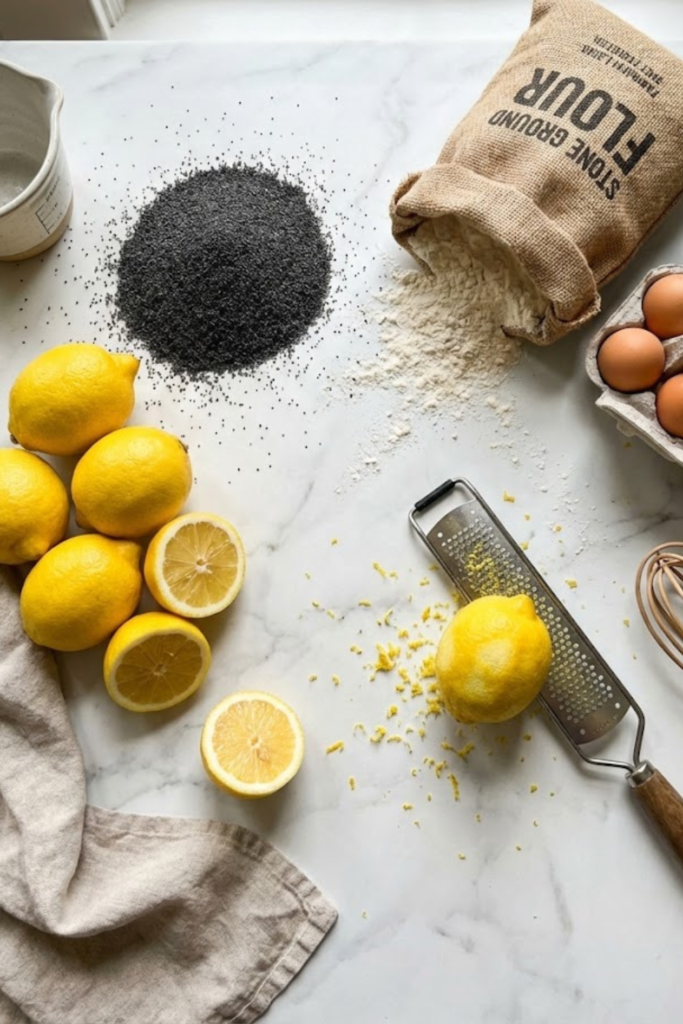
I have learned the hard way that you can’t just throw whatever is in the pantry into a bowl and hope for the best. The ingredients really matter here. First off, let’s talk about the lemon. Please, for the love of baking, do not use that bottled juice or just a teaspoon of lemon extract. It just tastes… fake. You need fresh lemons because the zest—the yellow outer skin—is where all the actual flavor oil lives. I usually buy three or four lemons just to be safe.
Then there are the poppy seeds. I remember making a batch a few years ago with a jar of seeds I found in the back of my spice cabinet. I didn’t even look at the expiration date. Big mistake. The muffins tasted like old crayons! Poppy seeds go bad pretty fast because of the oil in them, so give them a quick sniff before you pour them in. If they smell like old paint, toss them.
For the flour, I just stick with regular all-purpose flour. I know some fancy recipes call for cake flour, but I don’t think it’s necessary here. All-purpose gives the muffin enough structure to hold up that big dome top we want. And finally, the fat. I use a mix of melted butter and oil. Butter gives you that delicious flavor we all love, but oil is what keeps the muffin soft for days. If you use all butter, they might get hard once they cool down. It’s a simple trick, but it works every time.
Step-by-Step Instructions: Mixing the Perfect Batter
Okay, so here is where the magic actually happens. I used to just dump everything into a bowl and turn on the mixer, but honestly, that is how you get tough muffins. The first thing you have to do—and please don’t skip this—is put your sugar in a bowl and grate the lemon zest right on top of it. Then, take your fingers and actually rub the zest into the sugar. It sounds kind of weird, I know, but you’ll smell it immediately. The sugar turns this pale yellow color and smells like a lemon exploded in your kitchen. It pulls all those oils out better than a spoon ever could.
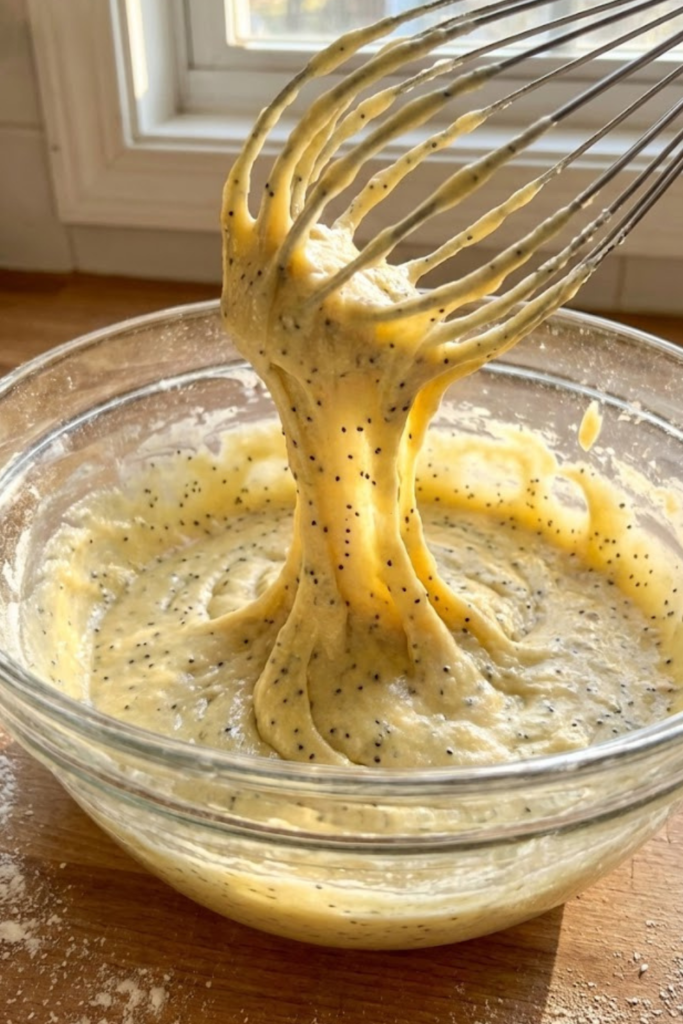
After that, you want to mix your wet stuff in one bowl and your dry stuff in another. I usually whisk the eggs, yogurt, butter, and vanilla together until it looks smooth. Then, pour that into the flour mixture. Now, put the whisk down. Grab a spatula. You want to fold it gently. Just scoop from the bottom and flip it over. Do not mix it like crazy! If you mix it too much, the gluten gets tough, and your muffins will be rubbery. You want to stop mixing when you still see a few tiny streaks of flour. It’s okay if it looks a little lumpy.
Here is a trick I learned from a baking show a while back: let the batter sit on the counter for about 15 minutes before you scoop it. I know, you want to get them in the oven, but waiting lets the flour soak up that moisture from the yogurt. It thickens up the batter, which helps them rise taller instead of spreading out flat.
How to Achieve High Bakery-Style Muffin Domes
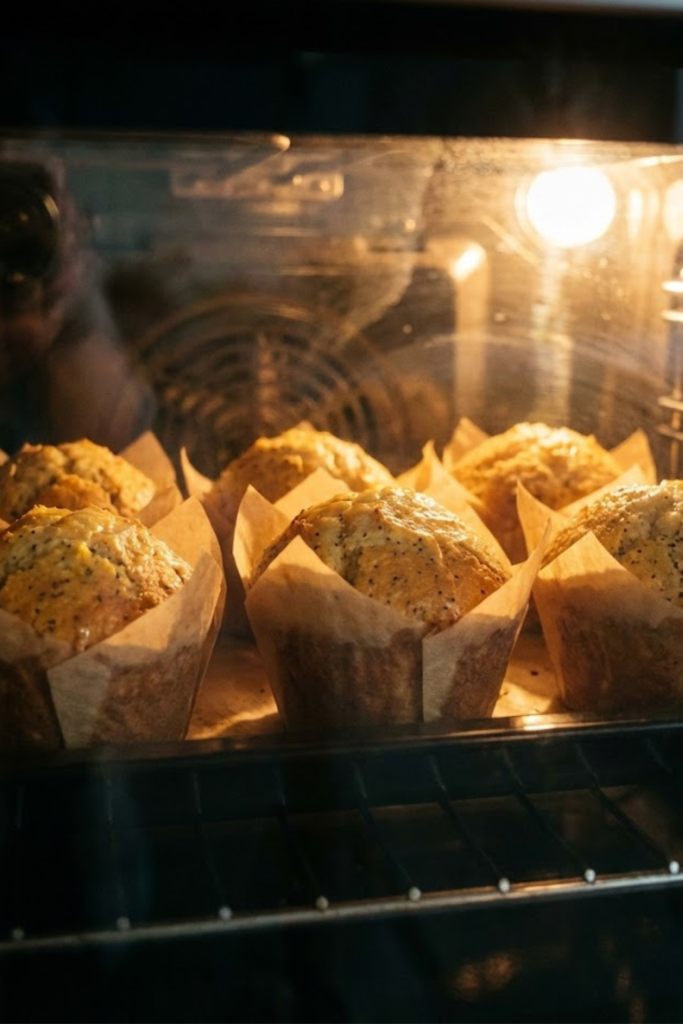
I used to look at those bakery muffins with the huge, cracked tops and get so jealous. Mine always looked flat and sad. But I finally figured out the trick, and it is actually pretty simple. It is all about the heat shock. You have to start your oven really hot—like 425°F. Put the muffins in for just five minutes at that high temp. This makes the baking powder react fast and shoots the top up before the crust sets. Then, without opening the oven door (seriously, don’t peek!), drop the temperature down to 350°F for the rest of the time. If you open the door, you lose the heat and they might deflate.
Also, don’t be afraid to fill the cups. Most recipes say fill them 2/3 full, but that’s for cupcakes. For big muffins, I fill them almost to the top. Since we used Greek yogurt, the batter is thick enough that it won’t spill over the sides. It just grows up. If you have a big enough oven, try spacing them out in the tin, like skipping every other hole. It helps the hot air circulate better, but honestly, I usually just cram them all in because I’m impatient.
The Lemon Glaze: The Final Touch
For the longest time, I actually skipped the glaze because I thought it was just extra sugar that I didn’t need. But I was wrong. The glaze isn’t just about making it sweet; it is about locking in that tart lemon flavor. Without it, the muffins are good, but they are missing that “zing” you get when you buy one at a coffee shop. It really wakes up your taste buds.
Making it is super simple, but you have to be careful with the liquid. I just use powdered sugar and fresh lemon juice. Please don’t use milk or water! You want that pure lemon taste. I usually dump about a cup of sugar in a bowl and then add the juice just a tiny spoonful at a time. If you pour it all in at once, it gets way too runny and just slides right off the muffin onto the counter. You want it thick like glue so it stays put but still drips down the sides a little bit.
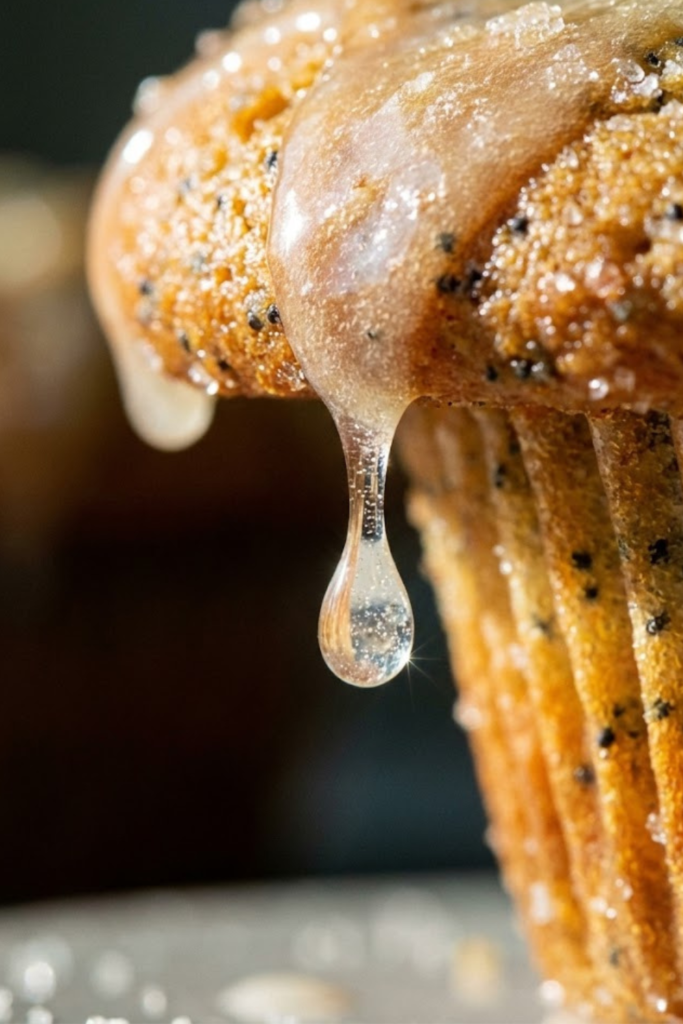
The real trick is knowing when to put it on. If you glaze them right when they come out of the oven hot, the glaze just melts and disappears into the bread. It tastes fine, but it looks messy and gets sticky. I usually wait until they are just warm to the touch. That way, the glaze sits on top and forms that little crinkly sugary shell that cracks when you bite it. I also like to grate a little bit of fresh zest right on top of the wet glaze before it dries. It looks pretty and lets everyone know exactly what flavor they are about to eat.
Storage and Freezing Guidelines
I hate it when I bake a huge batch of muffins and two days later they are hard as rocks. It feels like such a waste! But with these Greek yogurt ones, you actually have a bit more time because of that extra moisture. If you are going to eat them within a few days, just keep them on the counter. I use a plastic container with a tight lid. A little trick I learned: put a paper towel at the bottom and one on top of the muffins. It soaks up the extra sticky moisture so the tops don’t get slimy. Nobody likes a slimy muffin top!
Now, if you want to save them for later, they freeze really well. I usually wrap each one tightly in plastic wrap and then put them all in a big freezer bag. It takes a few minutes, but it stops them from tasting like freezer ice. When you want one, just grab it and zap it in the microwave for about 30 seconds. It makes the house smell like lemons all over again! You can keep them frozen for a couple of months, but honestly, mine never last that long because I end up eating them all.

So, there you have it. That is basically everything I know about making these lemon poppy seed muffins. It really is the Greek yogurt that changes everything. I know it sounds like a small change, but once you bite into one and it is actually soft and not dry like a piece of cardboard, you will get it. Baking does not have to be this super hard thing where you need a degree to get it right. It is just about mixing the right stuff and being a little patient with the oven.
I really hope you give this recipe a try this weekend. It is perfect for when you want something sweet but not too heavy for breakfast. My students always ask for these when we have a class party. If you do make them, please let me know how they turned out! And hey, if you liked this little guide, do me a huge favor and pin this recipe on Pinterest. It helps me out a lot and lets you save it for when you have a bunch of lemons you don’t know what to do with. Happy baking!