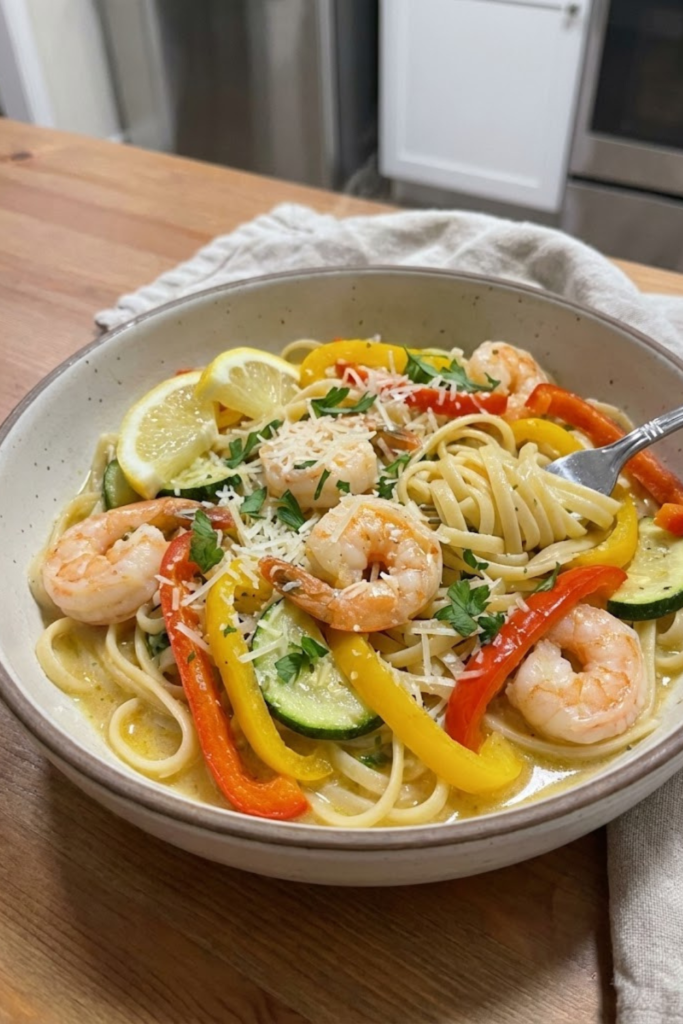
Have you ever stared into your fridge at 6 PM, wondering how to turn a bag of frozen shrimp and some random veggies into something edible? I’ve been there! But let me tell you, this Shrimp Primavera Pasta is going to save your weeknights. It is an absolute explosion of flavor! By combining the “primavera” (spring style) method with perfectly seared seafood, we create a dish that feels upscale but takes less than 30 minutes. Did you know that adding colorful vegetables to your pasta can triple the fiber content without sacrificing that comfort food feel? It’s true! Get ready to impress your family with this vibrant, restaurant-quality meal right at home.
Selecting the Best Ingredients for Seafood Pasta Primavera
Picking out the right stuff at the grocery store is honestly my favorite part of making Shrimp Primavera Pasta. If you start with soggy veggies or old shrimp, the whole dish just won’t taste right. I have spent years figuring out which items actually make a difference and which ones you can skip. You want things that are bright, crunchy, and full of life because that is what “primavera” is all about. Getting the right balance of colors and textures is what makes this meal feel like a treat rather than just another Tuesday night dinner.
Why Wild-Caught Shrimp Matters
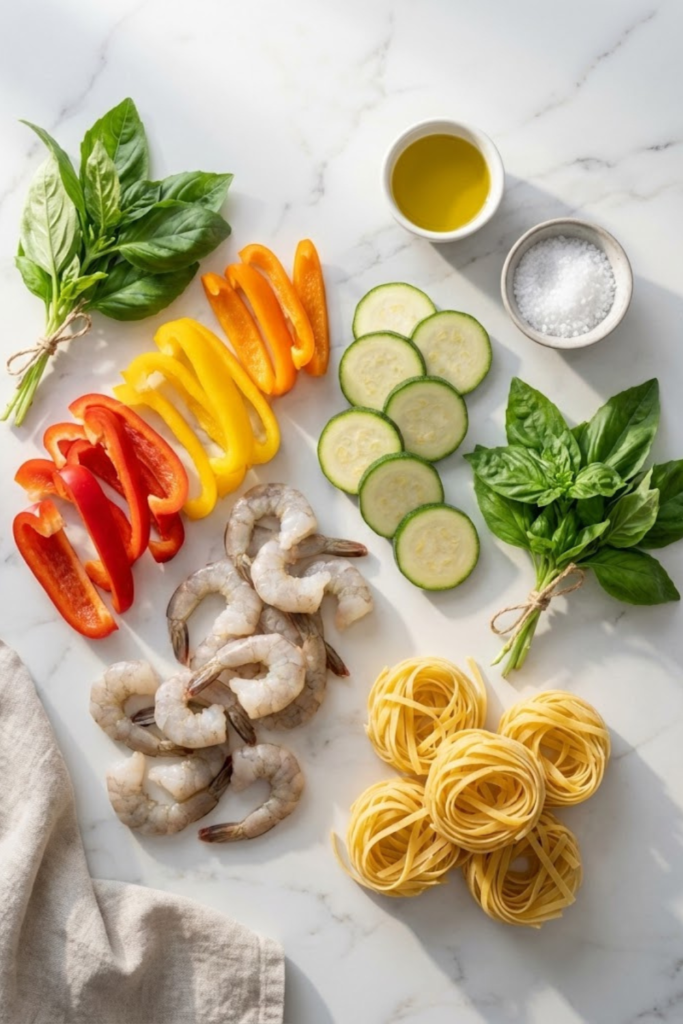
I always tell my friends to look for wild-caught shrimp if they can find it. Usually, the ones from the ocean have a much sweeter taste than the farm-raised ones. I prefer the “jumbo” or “large” size, which are often labeled as 21/25 on the bag. This number just means there are about 21 to 25 shrimp per pound. If you get them too small, they cook way too fast and turn into rubber before you can even blink! If you buy them frozen, that is totally fine. Just check the bag to make sure there are not a lot of ice crystals inside, which can mean they thawed and refroze.
The Best Spring Vegetables
Since “primavera” means spring style, I try to pick veggies that look like a rainbow. Zucchini and yellow squash are a must-have for me. They soak up the garlic butter sauce so well. I also love adding red bell peppers for a bit of sweetness and snap. If you want to be really authentic, grab some fresh asparagus or frozen sweet peas. The goal is to have a mix of textures. You want some things that stay a bit crunchy and others that get soft and juicy. Using fresh produce is the best way to get that restaurant-quality flavor.
Selecting Your Pasta and Flavor Boosters
For the noodles, I usually go with penne or fusilli. These shapes have little holes or twists that grab onto the sauce and the tiny pieces of garlic. Long noodles like linguine are great too, but they can be a bit messy to eat with big chunks of shrimp. Don’t forget the fresh lemon! You need the juice and the yellow skin to make the flavors pop. And please, buy a block of real Parmesan cheese. The stuff in the shaky plastic can just doesn’t melt the same way and won’t give you that smooth finish we want for our sauce. Fresh parsley and basil are also big winners here to add a green, earthy smell right at the end.
Preparing and Searing the Shrimp to Perfection
I used to be really nervous about cooking shrimp because they go from perfect to rubbery in about five seconds. It took me a few tries—and a few ruined dinners—to figure out that the secret isn’t some magic trick. It is just about being ready before you ever turn on the stove. In my classroom, I always tell my students that being prepared is half the battle, and that is definitely true for this recipe. If you get the prep work done right, the actual cooking part is a breeze and you will end up with the most tender, flavorful seafood you have ever had at home.
Getting Your Shrimp Ready for the Heat
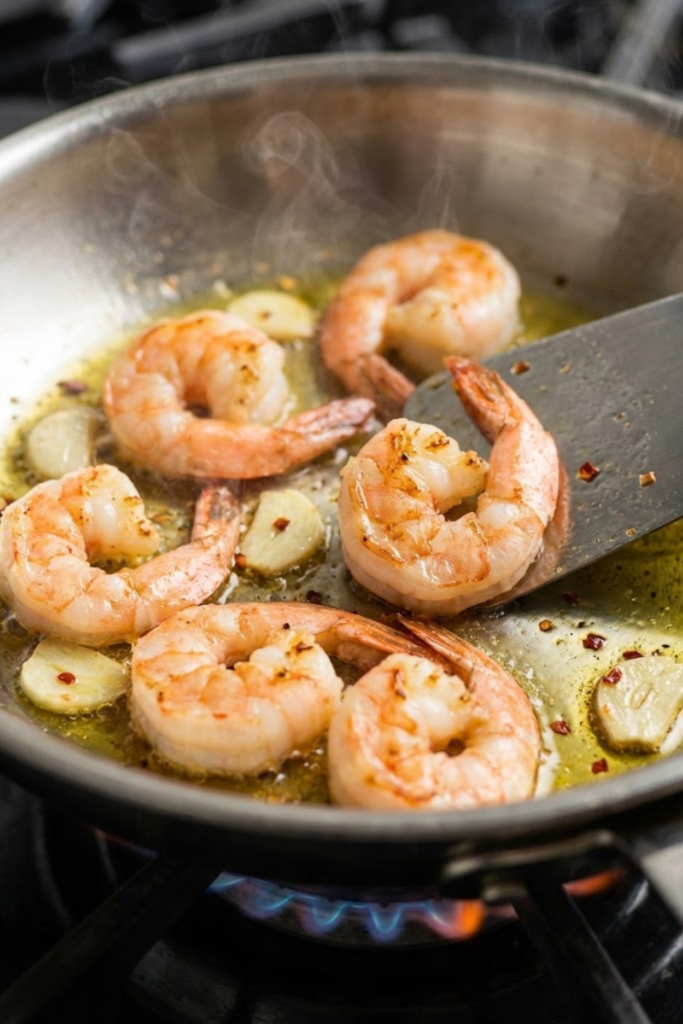
First things first, you have to get those shrimp cleaned up. I usually buy the ones that are already peeled and deveined to save my sanity, but sometimes the store only has the “easy peel” ones. If you have to do it yourself, just take a small knife and make a shallow cut along the back. You want to pull out that dark vein so the shrimp tastes clean. I also think it is a good idea to leave the tails on if you want it to look fancy, but if you are just eating a quick meal, feel free to pull them off. The most important part is drying them. I lay them out on a paper towel and pat the tops. If they stay wet, they will steam instead of getting that golden color in the pan.
A Simple Seasoning Blend
You don’t need a bunch of expensive spices. I keep it real simple with salt, pepper, and a good amount of garlic powder. Sometimes I add a pinch of onion powder too. I like to toss the shrimp in a big bowl with the spices and a tiny drizzle of oil before they ever touch the pan. This makes sure the seasoning sticks to the shrimp and not just the bottom of the skillet. I’ve tried doing it while they are cooking, but it never seems to coat them as well.
The Searing and Resting Phase
Get your pan hot! You want to hear a loud sizzle the moment they hit the oil. Only cook them for about two minutes on each side. If they start to curl up into a tight circle, get them out of there! They are done when they look like a pink letter ‘C’. Once they are finished, move them to a clean plate. Do not leave them in the pan while you start the veggies, or they will turn into little erasers. Letting them rest for a few minutes actually helps them stay juicy for the final pasta mix.
Sautéing the Vegetables for Maximum Crunch and Flavor
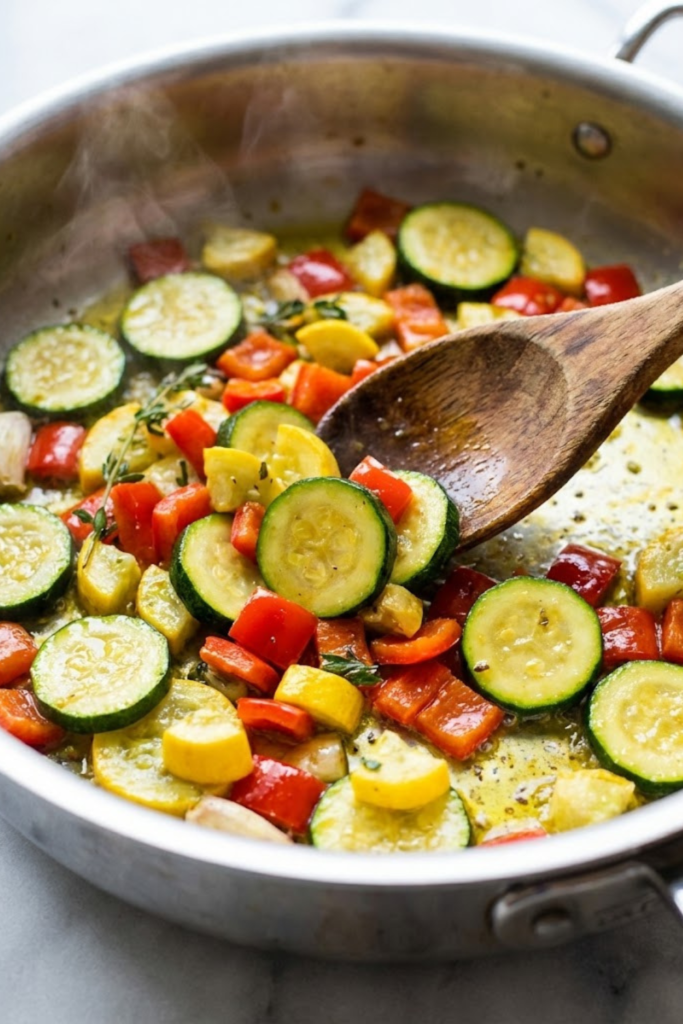
Now that your shrimp are resting on a plate, don’t you dare wash that pan! All those little brown bits left behind from the searing are like flavor gold for your Shrimp Primavera Pasta. I always tell my students that the pan is where the real magic happens. If you want your meal to taste like it came from a fancy Italian spot, you have to treat the veggies with respect. You aren’t just boiling them; you are giving them a quick sear so they stay bright and snappy. Nobody likes mushy zucchini, right? It is one of those things that can really ruin a good dinner if you aren’t paying attention.
Why Cooking Order Matters
You can’t just dump all the vegetables in the skillet at the same time. If you do, the soft ones will turn to mush before the hard ones are even warm. I usually start with the “hard” veggies like carrots or thick slices of bell pepper. Give them a head start for about three minutes with a little more olive oil. I love how the red and yellow peppers start to smell when they hit the hot metal. It makes the whole kitchen feel like a fresh garden. Once those start to soften just a tiny bit, then you can toss in the zucchini and the yellow squash. These only need a few minutes because they have a lot of water in them. If you cook them too long, they lose that pretty green color and get watery.
Adding Garlic and Deglazing
Wait until the very end to add your minced garlic. I’ve seen so many people burn garlic by putting it in too early, and then the whole dish tastes bitter and gross. Just thirty seconds is all it needs to smell amazing. After that, I like to pour in a splash of chicken broth or a little white wine. Use your wooden spoon to scrape up all those tasty bits from the bottom. It creates a little steam that finishes cooking the veggies perfectly without making them soggy.
Keeping it Fresh and Bright
The last thing I add is the cherry tomatoes and maybe some frozen peas if I have them in the freezer. You just want the tomatoes to get hot enough that they almost pop. This keeps the dish looking vibrant and “spring-like.” If you follow this order, every bite of your pasta will have a different texture. It takes a bit of practice to get the timing down, but once you do, you will love the results.
Creating the Light Lemon Garlic Butter Sauce
I used to think that pasta sauce had to come out of a jar or be made with a ton of heavy cream to taste good. Boy, was I wrong! This lemon garlic butter sauce is so light and fresh, it really lets the shrimp and the veggies be the stars of the show. It’s basically just taking all those juices left in the pan and turning them into something that coats every single noodle perfectly. If you do it right, the sauce wont be oily or watery. It’ll be just thick enough to stick to your pasta. I remember the first time I made this for my family, I was so worried it wouldn’t have enough flavor, but the lemon really makes everything wake up.
Don’t Throw Away the Pasta Water
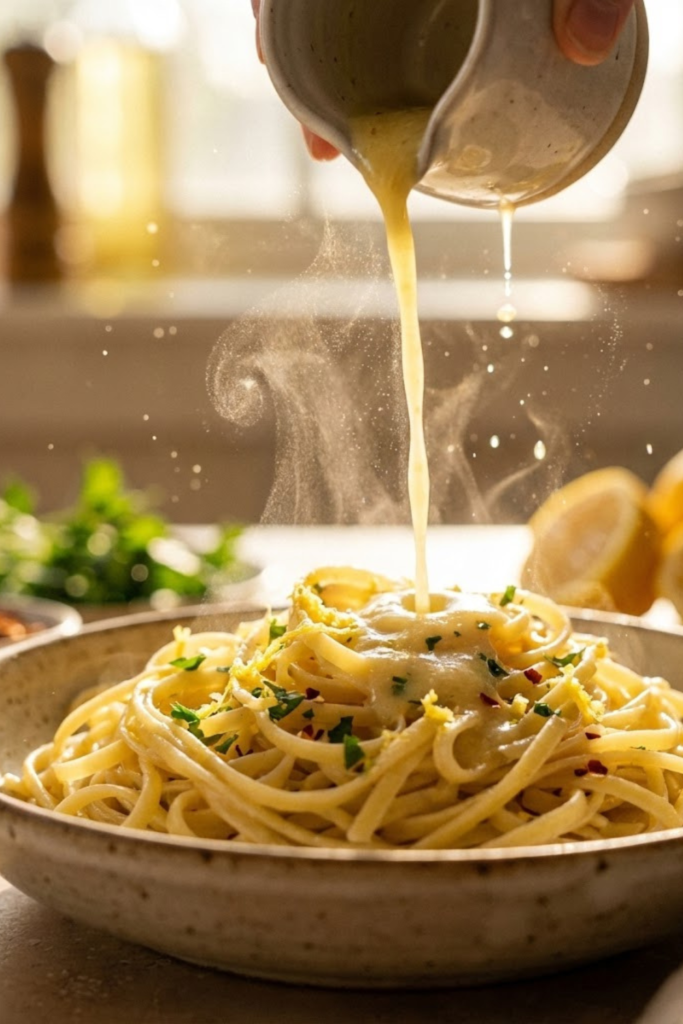
I cannot say this enough: save some of that cloudy water from the pasta pot! This is one of those things I wish someone had told me years ago. Before you drain the noodles, take a coffee mug and scoop out about a cup of the water. This stuff is full of starch from the pasta. When you add it back into the pan with the butter and lemon, it helps everything mix together. If you just use plain water or broth, the oil and liquid usually just sit at the bottom of the plate. But the pasta water acts like a glue. I usually start with just a little bit, maybe a quarter of a cup, and add more if the pasta looks too dry. It is a total game changer for home cooks and makes the dish feel way more professional.
Balancing the Lemon and Butter
For the base, you want to put about three or four tablespoons of butter into the pan with your sautéed veggies. Let it melt down until it’s bubbly and starts to smell a bit nutty. Then, squeeze in half a fresh lemon. I also like to use a small grater to get some of the yellow skin—the zest—into the pan too. That’s where the real lemon smell lives. If you just use the juice, it can be a bit too sour sometimes. The butter helps smooth out that sharp bite. Give it a taste as you go! Sometimes lemons are really juicy and sometimes they aren’t, so you might need to adjust. If it’s too sour, add a tiny bit more butter. If it’s too bland, add a pinch more salt or even a tiny bit of black pepper.
Making it a Little Creamy
My kids actually like it when I add just a tiny splash of heavy cream right at the end. It doesn’t make it a heavy Alfredo sauce, but it makes the lemon sauce feel a little more velvety and smooth. You only need maybe two tablespoons to get that effect. If you want to keep it healthy and light, you can totally skip this part. The butter and pasta water will already make it feel plenty rich on its own. Just make sure you keep the heat on low when you mix the pasta back in. If the pan is too hot, the sauce can break and turn greasy, and nobody wants a greasy plate of pasta! Keep it low and slow for the best results.
Serving Suggestions and Wine Pairings
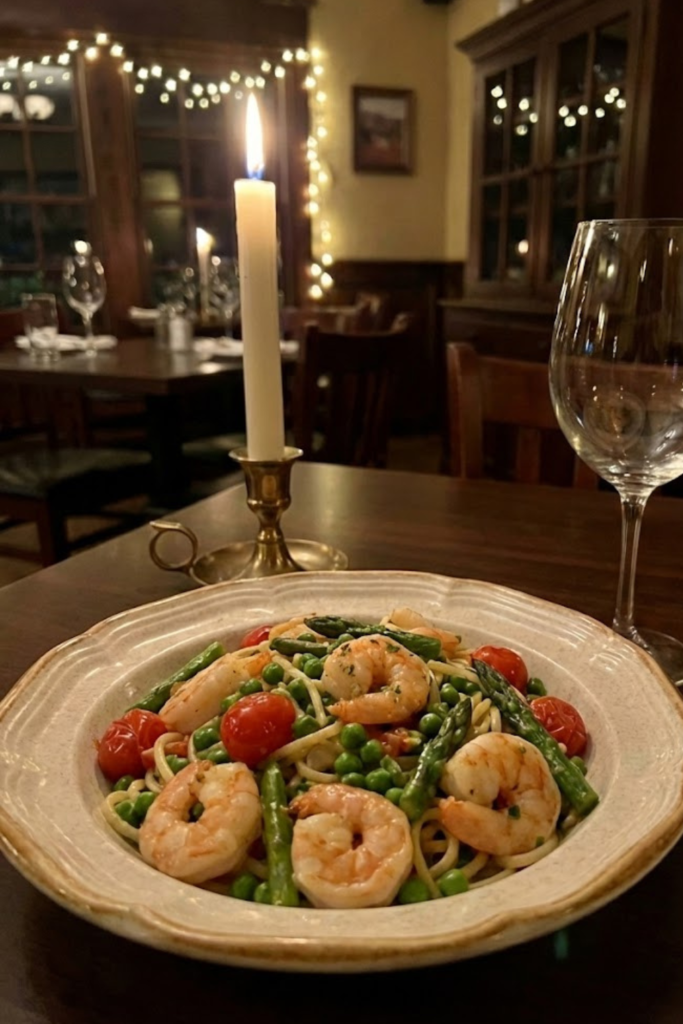
After all that hard work in the kitchen, I love the moment I finally get to sit down and eat. There is something really satisfying about seeing all those bright colors from the vegetables mixed in with the pink shrimp. It looks like a painting on the plate! When I serve this to my family, I try to make it look a bit special, even if we are just sitting at the kitchen table. It makes the meal feel more like an event. I have found that how you present the food actually makes people think it tastes better. It is funny how our eyes help us enjoy our dinner as much as our mouths do.
Plating for That Restaurant Look
Instead of just scooping a big pile of pasta onto the plate, I like to use a large serving bowl. I put the pasta and veggies in first, then I hunt for the shrimp and place them right on top. If the shrimp get buried at the bottom, nobody sees how good they look. I also try to make sure there is a mix of colors showing on top. If all the red peppers are hidden, I pull a few out so they pop against the green zucchini. It only takes an extra minute but it makes a big difference. I also make sure the plates are warm so the sauce doesn’t get cold and clumpy before that first bite.
The Perfect Wine and Side Dish
For drinks, I usually go with a cold glass of white wine. Since we have lemon and seafood here, a Pinot Grigio or a Sauvignon Blanc is the best choice. These wines are crisp and a little bit tart, which matches the lemon in the sauce. I usually stay away from heavy red wines because they can totally hide the taste of the shrimp. If you aren’t a wine drinker, a sparkling water with a slice of lime is also really refreshing. For a side dish, you can’t go wrong with crusty garlic bread. You are going to want something to soak up every last drop of that lemon garlic butter. I also like to serve a small arugula salad on the side with just a simple drizzle of oil.
Final Garnishes for a Flavor Burst
Before I let anyone touch their forks, I do one final pass with the garnishes. I keep a jar of red pepper flakes on the table for people who like a little heat. I also sprinkle a lot of fresh parsley over everything. It gives the dish a fresh, grassy smell that goes great with the basil we added earlier. And of course, you can never have too much Parmesan cheese! I put the cheese grater right on the table so everyone can add as much as they want. These little touches are what take a simple home-cooked meal and make it feel like you are at a nice bistro. It’s all about those final layers of flavor that make the pasta really stand out.
Making Shrimp Primavera Pasta a Staple in Your Home
I really hope you give this Shrimp Primavera Pasta recipe a try soon. It’s one of those meals that just makes you feel good after you eat it. You get all the comfort of a big bowl of noodles, but the fresh vegetables and the lean protein from the shrimp keep it from feeling too heavy. As a teacher, I’m always looking for ways to make life a little easier while still doing things the right way, and this dish fits that perfectly. It’s quick enough for a busy school night but looks nice enough that you could serve it if you have friends over for a weekend lunch. Once you get the hang of the timing for the shrimp and the veggies, you’ll be able to whip this up without even looking at the instructions.
If you happen to have any leftovers, they actually stay pretty fresh for a day or two in the fridge. I usually put mine in a glass container with a tight lid. When you want to eat it again, try not to use the microwave for too long. Microwaves can make shrimp really tough and rubbery. Instead, I like to put everything back in a small pan with a tiny splash of water or a little bit more butter. Heat it up slowly on the stove just until it’s warm again. This keeps the noodles from drying out and keeps the vegetables from getting too soft. It’s a great way to have a fancy lunch the next day at work or school.
Cooking at home is such a great skill to have. It saves money and it usually tastes way better than the stuff you get at a fast-food place. Plus, you know exactly what is going into your body. This pasta is a great example of how simple ingredients can turn into something really special. Don’t be afraid to change things up too! If you don’t like zucchini, try some green beans. If you want it spicy, add more of those red pepper flakes. The more you cook, the more you will learn what you like best.
Call to Action: I would love to see how your pasta turns out! If you enjoyed this recipe, please take a second to save it to your Pinterest boards. It helps other people find these easy recipes, and it makes sure you can find it again the next time you are standing in front of the fridge wondering what to make for dinner. Happy cooking!