I’ll be honest with you—I used to avoid turkey meatloaf like the plague. Why? Because most of the time, it tasted like dry, seasoned cardboard! But then I discovered the secret to keeping it incredibly moist, and it completely changed my dinner rotation. Did you know that lean turkey has significantly less fat than beef, which is why it dries out so fast without the right binders?
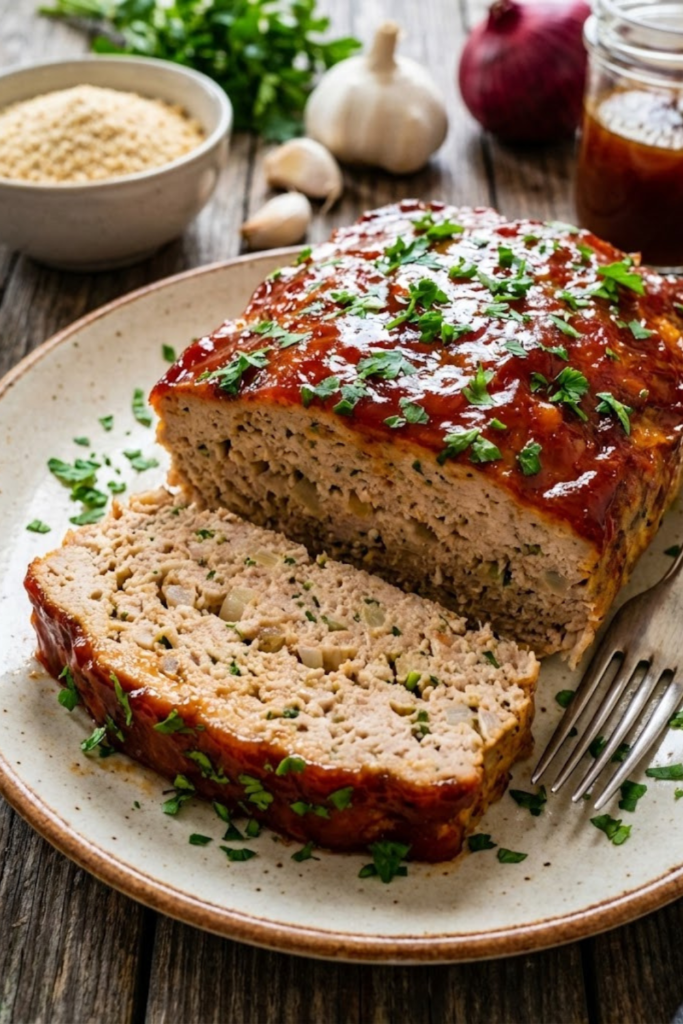
Why This Turkey Meatloaf Recipe Works (And Won’t Dry Out)
I have to confess something embarrassing. For years, my family quietly dreaded “meatloaf night.” I’d slap some ground meat in a pan, shove it in the oven, and pray for the best. What came out was usually a gray, sad brick that required a gallon of ketchup just to swallow. It was dry, crumbly, and honestly, pretty flavorless. I thought turkey meatloaf just had to be dry because, well, it’s turkey.
Boy, was I wrong.
After about the fiftieth dry dinner and seeing the disappointed looks on my kids’ faces, I decided enough was enough. I went on a mission to fix it. I learned that making a moist turkey meatloaf isn’t magic; it is just science. And trust me, if I can turn my “hockey pucks” into a dinner request, you can too. Here is why this specific method actually works.
The Fat Content Factor
Here is the biggest mistake I was making: I was buying the wrong meat. I thought I was being super healthy by grabbing the package that said “99% Fat-Free Breast Meat.” Big mistake.
That stuff is like sawdust waiting to happen. Turkey is already leaner than beef, so when you strip away all the fat, you lose all the natural moisture. You need to grab the 93% lean / 7% fat mix found at the store. That little bit of fat makes a massive difference in the texture. It keeps the meatloaf juicy while it bakes. It’s still way lighter than beef, but it won’t taste like you’re eating a shoe.
The Power of Panade
Okay, fancy word alert: Panade. I didn’t know what this was until a friend mentioned it, but it’s a game-changer. Basically, it is a paste made from starch and liquid.
In the past, I’d just crack an egg into the meat and call it a day. That helps hold it together, but it doesn’t add moisture. For this recipe, we soak breadcrumbs in milk before mixing them in. The breadcrumbs hold onto that milk like a sponge. As the turkey cooks and tightens up, that wet sponge keeps moisture inside the loaf. It stops the proteins from squeezing out all the juice.
Don’t skip this step! It takes five minutes and saves the whole meal.
Sneaky Vegetable Moisture
I love this part because it makes me feel like a master chef (and helps get veggies into the kids). Adding finely chopped vegetables isn’t just for flavor; it is for hydration.
I like to use onions and sometimes mushrooms. As the meatloaf cooks, these veggies release water. It steams the meat from the inside out. The key is to chop them really small so you don’t get big chunks of crunch in your soft meatloaf. If you use mushrooms, chop them so fine they look like the meat—no one will ever know! It adds a savory flavor that plain turkey desperately needs.
Don’t Overmix the Meat!
This was my other downfall. I used to mix that meat like I was kneading bread dough. When you handle the meat too much, the proteins get tough.
You want to mix just until everything is combined. Treat it gently. I actually use my hands for this because spoons can mash it too much. The looser the mixture is before it goes into the oven, the more tender it will be on your fork. It’s a small detail, but it matters a lot.
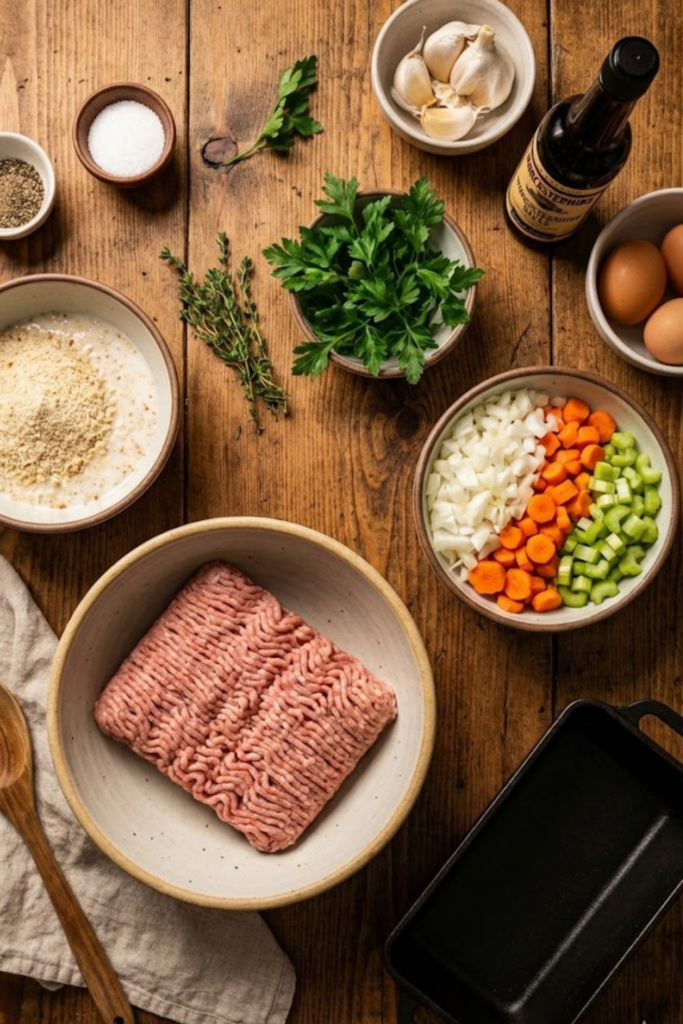
Essential Ingredients for Flavorful Turkey Meatloaf
I remember standing in my kitchen about ten years ago, staring at a package of ground turkey and feeling totally uninspired. I used to think healthy food had to taste like, well, nothing. My early attempts at turkey meatloaf were just meat, egg, and despair.
I’ve learned a lot since then. Mostly the hard way.
If you treat turkey like beef, you’re gonna have a bad time. Turkey is a blank canvas. It has no personality of its own, so you have to bully it into tasting good. I’m going to share the specific lineup I use now. It’s not fancy, but it gets the job done every single time.
Picking the Right Bird
I touched on this before, but it bears repeating because it is the most important part. When you are at the store, look for the 93% lean ground turkey.
I once bought the “ultra-lean” stuff because it was on sale. I thought I was scoring a deal. I wasn’t. It cooked up into a gravel-like texture that no amount of gravy could fix. The fat in the 93% mix is necessary for flavor. It mimics the mouthfeel of beef. If you can only find the super lean stuff, you might need to add a splash of olive oil to the mix, but honestly, just hunt for the 93%.
The Flavor Boosters (Don’t Skip These!)
Here is where I used to mess up. I was afraid of over-seasoning.
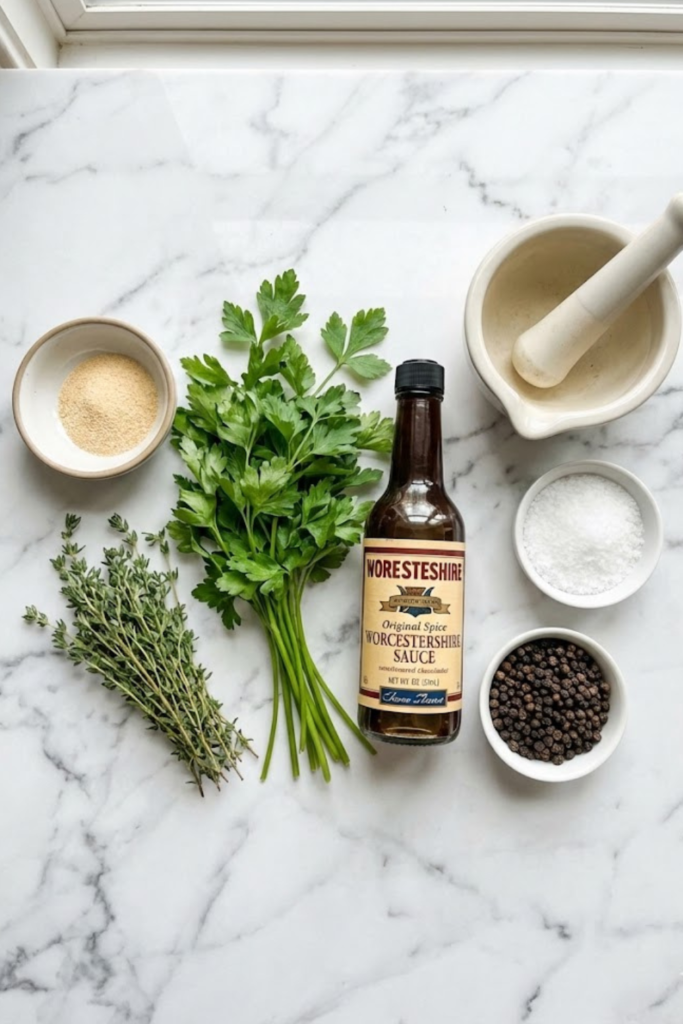
You need Worcestershire sauce. I still can’t pronounce it correctly (is it “wust-a-shur”?), but I never cook without it now. It adds that savory, salty “umami” punch that turkey lacks. It makes the bird taste meaty.
Also, don’t rely on fresh onions alone. I use onion powder and garlic powder in addition to the fresh stuff. Why? Because the powders distribute evenly throughout the meat. Every bite gets seasoned. Fresh garlic is great, but sometimes it clumps up.
- Dried Thyme: It gives it that classic “Sunday dinner” smell.
- Fresh Parsley: Mostly for color, so it doesn’t look gray inside.
- Kosher Salt: Don’t use table salt if you can help it. Kosher salt dissolves better.
The Binder
For the breadcrumbs, I’ve switched to Panko breadcrumbs recently. They are lighter and airier than the traditional dust-like breadcrumbs in the cardboard cylinder. They help keep the texture fluffier.
If you are gluten-free, crushed oats work too, but I find Panko gives the best “classic” meatloaf texture.
The Sticky Red Glaze
A meatloaf without glaze is just a giant meatball. It’s sad. The glaze is what makes people’s eyes light up.
I keep it simple: Ketchup, brown sugar, and a splash of apple cider vinegar.
I tried using BBQ sauce once because I was out of ketchup. It was… okay. But it tasted too smoky. The ketchup base gives that nostalgic, tangy sweetness that we all secretly crave. The vinegar cuts through the sugar so it isn’t like candy.
Don’t buy the pre-made meatloaf mixes. They are full of salt and weird preservatives. Mixing these few ingredients takes about 30 seconds and tastes a million times better. Trust me on this one.
Step-by-Step Instructions: How to Make Turkey Meatloaf
Okay, let’s get our hands dirty. Literally.
I used to be so intimidated by cooking dinner when I got home from work. I wanted everything to be perfect, and I’d stress out over every little step. But honestly? Turkey meatloaf is pretty forgiving as long as you follow a few basic rules. I’ve messed this up plenty of times—like the time I forgot to grease the pan and lost half the loaf to the metal—so you don’t have to.
Here is exactly how I pull this together without losing my mind.
1. Prepping the Mixture (Gentle Hands Only!)
First off, grab a big bowl. Bigger than you think you need. There is nothing worse than trying to mix meat in a tiny bowl and having onions fly all over the counter.
Throw your ground turkey, that milk-soaked breadcrumb mixture (the panade we talked about), your chopped veggies, and spices into the bowl. Now, take your rings off. I mean it.
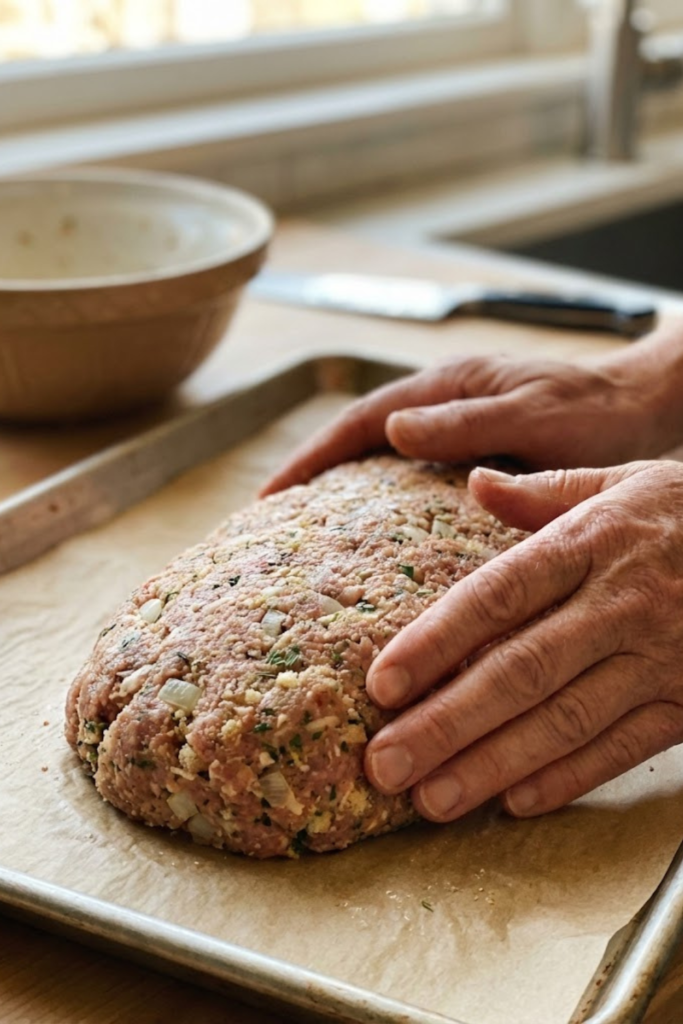
Use your hands to mix it. I used to use a wooden spoon because I didn’t want to touch raw meat, but the spoon mashes the meat too much. You want to act like you are tossing a salad, not kneading dough. Use a “claw” shape with your hand and gently turn the mixture over until it’s just combined.
If you overwork it, the meatloaf gets tough and chewy. We want tender, not bouncy.
2. Shaping the Loaf: Ditch the Loaf Pan
This is my biggest “aha!” moment. I stopped using a traditional loaf pan years ago.
When you cook turkey in a deep loaf pan, it tends to steam in its own juices. It comes out looking pale and kinda soggy on the sides. Instead, I use a regular baking sheet lined with parchment paper.
I dump the meat mixture onto the baking sheet and shape it into a loaf with my hands. It should be about 9 inches long and maybe 4-5 inches wide. This allows the heat to hit the entire outside of the loaf. You get that beautiful, caramelized crust all the way around, not just on top. Plus, the excess fat (if there is any) drains away instead of pooling around the meat.
It feels weird at first, like the meat is going to spread out, but if you used the right amount of binder, it will hold its shape perfectly.
3. Baking Temperature and Time
Preheat your oven to 375°F. I used to bake at 350°F, but I found the slightly higher heat gives a better crust without drying out the middle.
Pop it in the oven. Now, here is the tool that saved my cooking: a meat thermometer.
Please, do not guess. I used to poke it with a fork and look for clear juices, but that’s barely accurate. Turkey needs to hit an internal temperature of 165°F to be safe.+1
Usually, this takes about 45 to 55 minutes. But ovens are weird. Mine runs hot; yours might run cool. Check it around the 40-minute mark. If you overcook turkey even by 10 minutes, it goes dry instantly. The thermometer is the only way to get that moist meatloaf secret locked down every time.
While it bakes, you can yell at the kids to set the table. Or is that just me?
The Secret Glaze: Taking It to the Next Level
Let’s be real for a second. The meat is important, but the glaze? The glaze is why we are all here.
I remember serving a naked meatloaf once—no sauce, just meat—and my husband looked at it like I’d committed a crime. It was dry on top and looked incredibly boring. The sauce is what transforms a humble oven baked meatloaf into something you actually want to eat.
It adds that sticky, sweet-and-sour coating that makes you lick your fingers. And honestly, it covers up a lot of mistakes if you did accidentally overcook the bird a little bit.
The Magic Trio
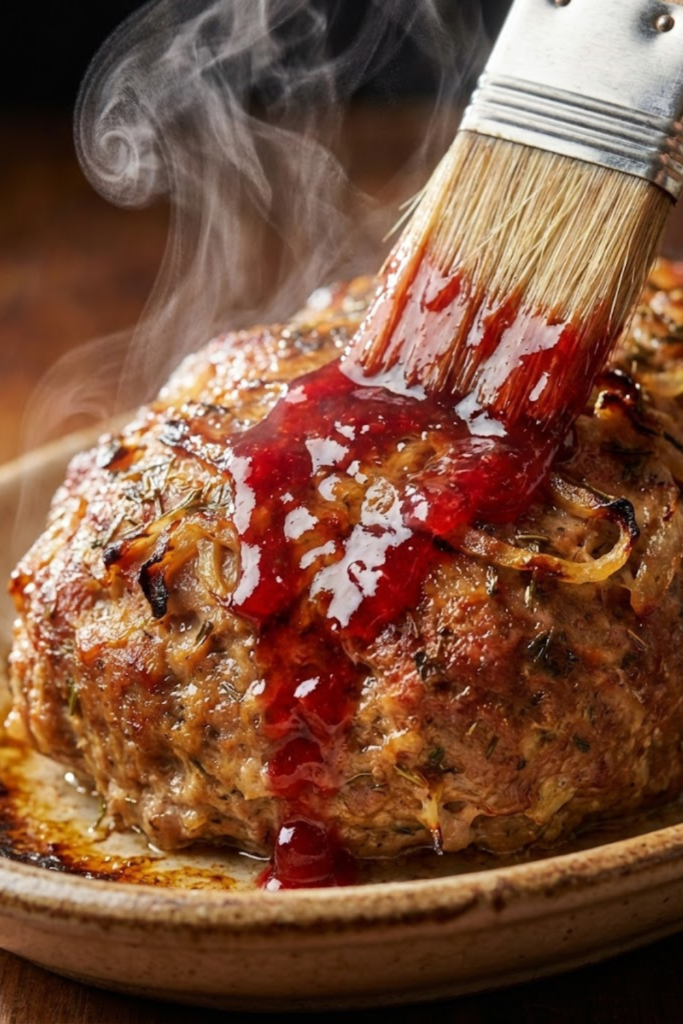
You don’t need a fancy degree for this. My go-to meatloaf glaze recipe has three ingredients: Ketchup, brown sugar, and apple cider vinegar. That’s it.
I used to just squirt plain ketchup on top, but it gets weirdly gummy in the oven. The brown sugar helps it caramelize into a sticky coating, while the vinegar cuts the sweetness so it’s not cloying. It’s that balance of acid and sugar that makes it addictive.
Mix it in a small bowl until the sugar dissolves. Give it a taste. If it makes your mouth water immediately, it’s ready to go.
Timing is Everything
Here is the trick I learned the hard way. Do not put all the glaze on at the beginning! If you glaze raw meat, the sugars will burn before the turkey is cooked through. Burnt sugar tastes bitter and nasty.
I bake the meatloaf naked for about 40 minutes. Then, I pull it out and brush half the meatloaf sauce over the top. It goes back in for the last 15 minutes.
This sets the glaze without scorching it. If you want it really sticky, add a second coat right when it comes out of the oven. It makes it look like those glossy pictures in a magazine.
Changing It Up
My youngest went through a phase where he refused anything red. Kids are fun, right? So, I started experimenting with other toppings.
If you aren’t a fan of the classic ketchup glaze, you can swap it for your favorite BBQ sauce. It gives it a smokier vibe. Just be careful with the sugar content in store-bought bottles; they burn fast.
For my friends watching their carbs, I’ve used sugar-free ketchup and a stevia brown sugar blend. It works surprisingly well. The brown sugar glaze effect is slightly less sticky, but the flavor is still there. Just don’t skip the sauce entirely; nobody wants a dry top.
Serving Suggestions: What Goes With Turkey Meatloaf?
I used to be the queen of the “one-pot wonder” because, honestly, timing side dishes stresses me out. I’d have the meatloaf ready to go, but the potatoes would still be hard as rocks, or the veggies would be turning into mush in the microwave. It was a disaster.
But over the years, I’ve learned that the side dishes for meatloaf are just as important as the bird itself. If you serve a dry side with a lean meatloaf, everyone needs a glass of water just to get through dinner. You need balance.
Here is what I usually throw together while the loaf is doing its thing in the oven.
The Potato Non-Negotiable
Let’s not kid ourselves. Is it even legal to serve meatloaf without potatoes? In my house, mashed potatoes and meatloaf are basically married.
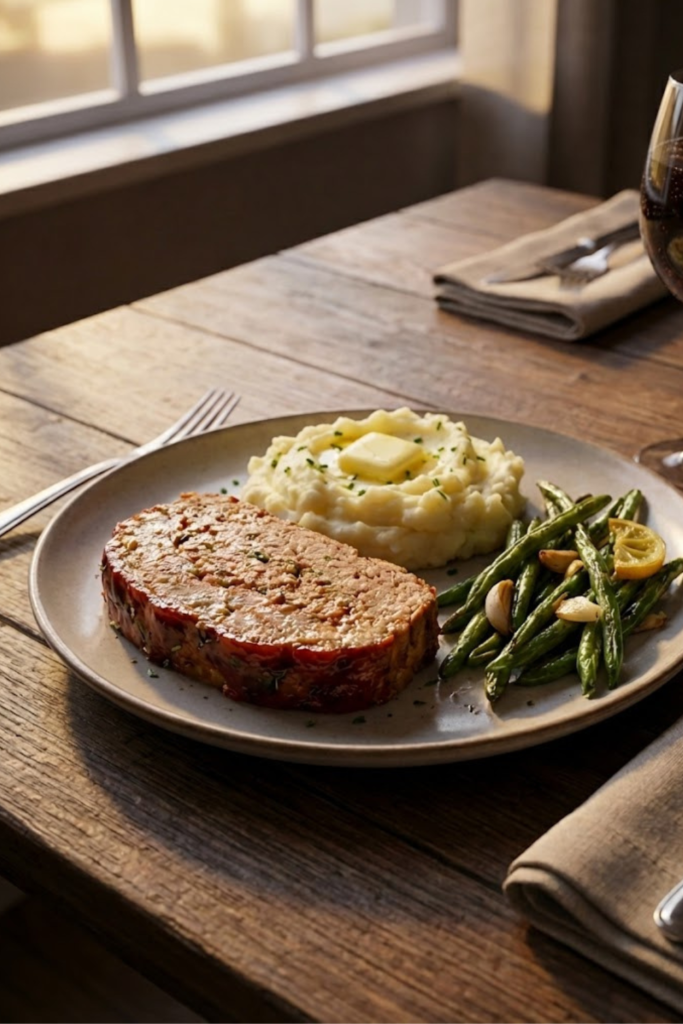
I prefer a creamy garlic mash. The smooth texture of the potatoes pairs perfectly with the tender meat. Plus, if you have extra glaze (or gravy, if you’re fancy), it acts like a volcano for the sauce. I used to try serving rice, but the kids revolted. It just doesn’t hit the same way.
If you are trying to be a bit healthier—which, hey, I try sometimes—you can do a cauliflower mash. I’ve snuck it past my husband a few times by using plenty of butter and pepper. He didn’t even notice.
Adding Some Green (So We Don’t Feel Guilty)
Since the main dish is rich and savory, you need something fresh to cut through that heaviness. My go-to is roasted vegetables.
Please, I beg you, stop boiling your brussels sprouts until they are gray. I did that for years and wondered why no one ate them. Now, I toss green beans or asparagus in a little olive oil and salt and throw them on a separate tray in the oven during the last 20 minutes of the meatloaf cook time.
It’s easy because the oven is already hot. The roasting brings out a sweetness in the veggies that boiling just washes away. Steamed broccoli works too if you are short on time, but roasted is always better.
Comfort Food Add-Ons
If it’s a weekend or I’m just having “one of those days” where I need a hug in food form, I’ll double down on the comfort food recipes.
Macaroni and cheese is a huge hit for family friendly dinners. It’s decadent, sure, but sometimes you just need it. Glazed carrots are another good option because they mimic the sweetness of the meatloaf glaze.
I try to keep the plate colorful. If everything on the plate is brown (meat, potatoes, bread roll), it looks kinda sad. Throwing some bright orange carrots or green beans on there makes it look like you really tried, even if you just tossed them on a pan.
Storage and Freezing Tips for Meal Prep
I live by a simple motto: Cook once, eat twice. Or three times, if I can get away with it.
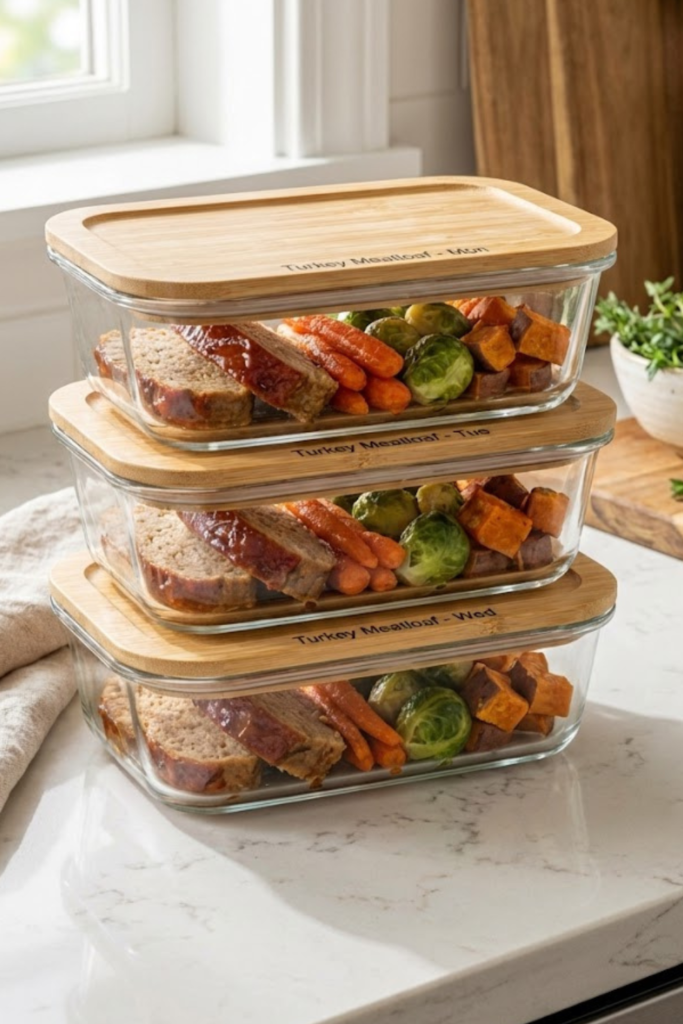
Honestly, cooking dinner every single night is exhausting. That is why I love this recipe. It is one of those rare meal prep ideas that actually tastes better the next day. The flavors in the meatloaf glaze recipe have time to sit and marinate with the meat, making it even more savory.
However, I have definitely ruined a perfectly good loaf by throwing it in the fridge uncovered. It turned into a crouton. Here is how to store your hard work so it stays moist and delicious.
The Fridge Rules
First off, let the meatloaf cool down completely before you put it away. I used to be impatient and shove hot food in Tupperware, but that creates condensation. Water drips back onto the meat and makes the crust soggy. Gross.
Once it is cool, slice it up. I find that storing it in slices makes it way easier to grab for a quick lunch. Put it in an airtight container. It will stay good for about 3 to 4 days. If you haven’t eaten it by day four, it’s probably time to toss it.
I highly recommend using glass containers. I learned the hard way that the tomato-based glaze will stain plastic containers forever. My “clear” Tupperware is still orange from a meatloaf I made in 2019.
Freezing: The Ultimate Time Saver
If you want to be a freezer meals pro, this turkey meatloaf is your best friend. But don’t just throw the whole log in the freezer!
I made that mistake once. I froze a whole cooked loaf, and when I wanted dinner, I had to wait 24 hours for the massive thing to thaw. It was a nightmare.
Instead, slice the loaf individually. Wrap each slice tightly in plastic wrap, and then put all those wrapped slices into a big freezer bag. This way, you can pull out just one or two slices for a meatloaf sandwich whenever you want. It prevents freezer burn, which is the enemy of flavor. These will last up to 3 months frozen.
Reheating Without Drying Out
This is the tricky part. Turkeys are lean, so the microwave can zap the moisture right out of them.
If you are using the microwave, here is my secret trick: Place a damp paper towel over the slice before you heat it. The steam from the paper towel keeps the meat juicy. It works like magic.
If you have more time (and patience), reheating it in the oven is better. Put the slices in a small baking dish, add a tiny splash of water or broth to the bottom, and cover it tightly with foil. Bake at 350°F for about 10-15 minutes. It tastes just like it came out of the oven for the first time.
And hey, if it does get a little dry? Just drown it in more glaze. No one will know!
There you have it—a turkey meatloaf recipe that finally banishes the dry, flavorless “health food” stereotype forever!
I used to dread making this dish. I’d stare at the oven, convinced I was about to serve my family a giant turkey crouton. But once I figured out the science behind the binders and that magical ketchup glaze, everything changed. It went from a meal of last resort to something we actually crave on a Tuesday night.
To recap, just remember the golden rules we talked about. Don’t go for the zero-fat meat; stick to the 93% lean mix so you have some flavor to work with. Don’t skip the milk and breadcrumbs (the panade) because that is your insurance policy against dryness. And please, use a meat thermometer! Guessing is how you end up with sad, overcooked dinners.
I really hope this recipe saves your dinner rotation like it did mine. It’s one of those easy weeknight meals that feels like a hug on a plate. If you make it, don’t be hard on yourself if it isn’t perfect the first time. Cooking is messy, and my kitchen usually looks like a tornado hit it by the time I’m done. But hey, as long as it tastes good, who cares?
Call to Action: Did you love this recipe? Pin it to your Dinner Ideas board on Pinterest so you never lose it!