Do you remember the sheer excitement of seeing that white and blue box come out of the freezer at birthday parties? I certainly do! There is nothing quite like digging your spoon into a slice of DQ cake and hitting that legendary layer of chocolate fudge and cookie crunch. But let’s be honest, buying one for every craving isn’t exactly budget-friendly. I used to think that “magic crunch” was impossible to replicate in a home kitchen—boy, was I wrong!
In this article, we are going to recreate that childhood magic with a copycat Dairy Queen ice cream cake that might just taste better than the original. We’re talking smooth vanilla and chocolate soft serve, that sticky, rich fudge sauce, and, of course, the piece de resistance: the chocolate crunchies. Get your springform pan ready, because we are about to make dessert history!
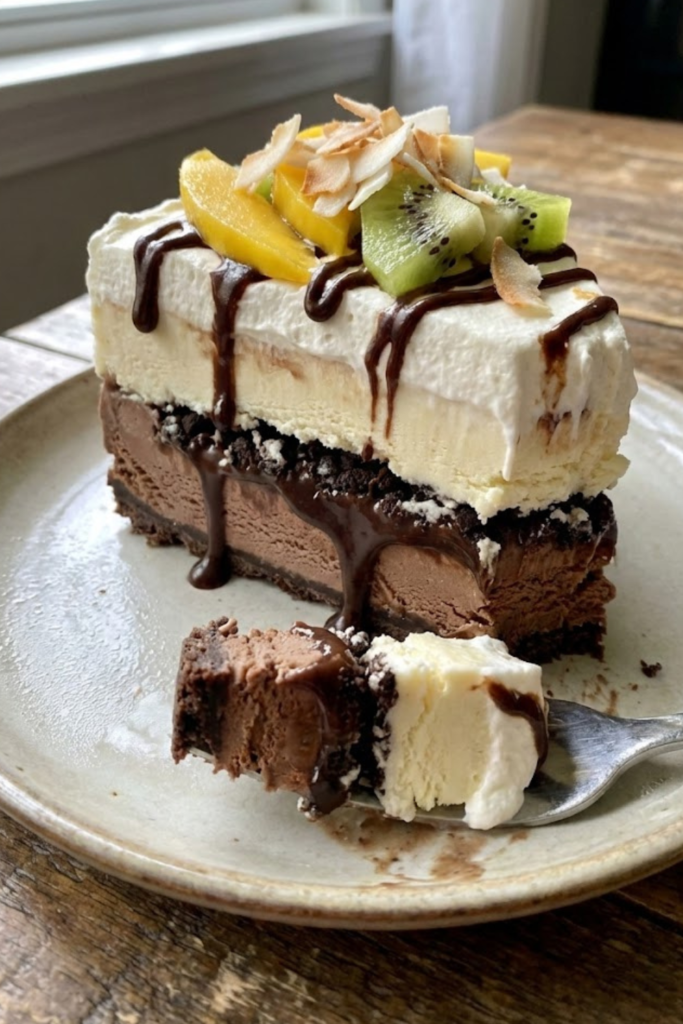
The Secret to the Famous Chocolate Crunch Layer
Let’s be real for a second. The vanilla and chocolate ice cream are great, but the chocolate crunchies are the main character of this story. I still remember the first time I tried to make a copycat Dairy Queen ice cream cake for my nephew’s birthday. I thought I was so smart. I just crushed up a whole bag of Oreos and dumped them in the middle layer.
Big mistake. Huge.
By the time we cut into the cake, those cookies had turned into a sad, soggy mush that absorbed all the moisture from the ice cream. It was embarrassing! I was so frustrated I almost threw the whole thing out. But I’m stubborn, and I refused to let a little soggy cookie beat me. After a lot of trial and error (and eating way too many test batches), I finally cracked the code.
Ingredients You Actually Need
It turns out, the secret isn’t just the cookie; it’s the coating. You can’t just throw raw crumbs in there. Here is what I’ve learned works best for that authentic DQ cake crunch layer:
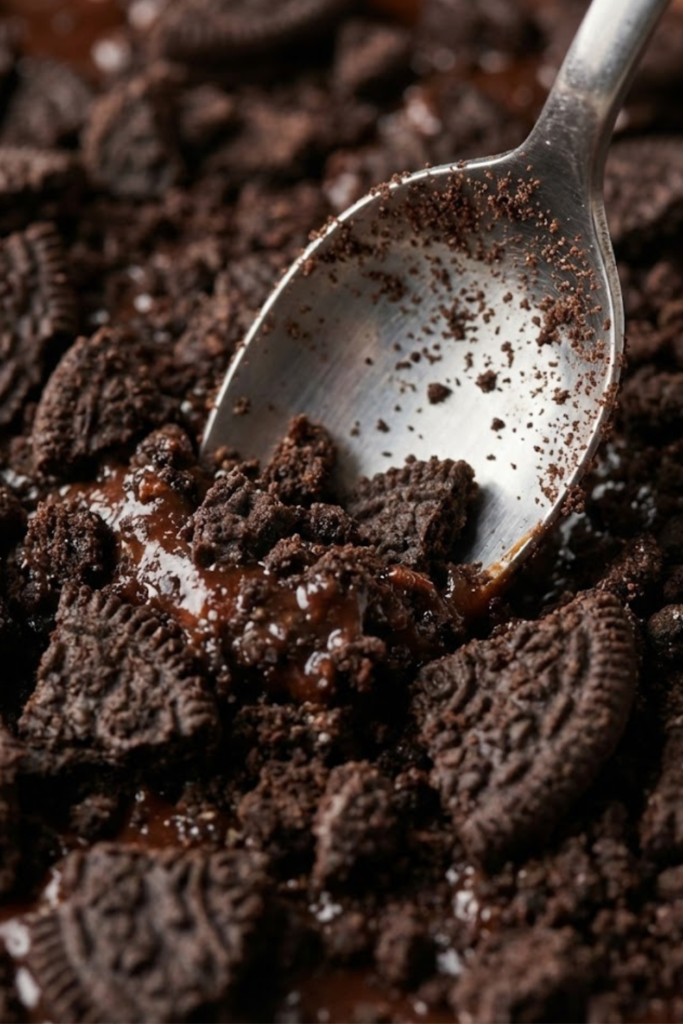
- Chocolate Sandwich Cookies: You can use Oreos, but scrap the cream filling out. Seriously, don’t be lazy here. The cream makes it too sweet and messes with the texture.
- Magic Shell or Melted Chocolate: This is the game changer. You need a fat-based chocolate sauce that hardens when it hits the cold ice cream.
- A pinch of salt: Trust me on this. It cuts through the sugar.
Texture Mastery: The “Magic Shell” Trick
So, why did my first cake fail? It didn’t have a raincoat. You have to coat the Oreo crumb topping in a fat that repels water. When you mix the crumbs with a “magic shell” type topping (chocolate chips melted with coconut oil work great too), it creates a barrier.
I usually mix about 3 cups of crumbs with 1 cup of the chocolate sauce. You want it to look like wet sand. If it looks dry, add more sauce. You really can’t mess this up too bad.
Once it’s mixed, spread it on a baking sheet. I like to let it sit for a minute. Then, I put it in the freezer for ten minutes before putting it in the cake. This pre-freeze step was a lesson learned the hard way—if you put warm crunch on ice cream, you get soup.
To Bake or Not to Bake?
I’ve seen some people say you need to bake the crumbs to get them extra crispy. Honestly? Who has time for that? I’ve tried both ways. Baking the crumbs for 5 minutes does make them slightly nuttier, but the difference is barely noticeable once it’s frozen.
Save your time. The chocolate crunchies recipe relies more on that chocolate coating than the crispiness of the cookie itself.
Finding the Perfect Ratio
There is a fine line between “generous” and “tooth-breaking.” You want a solid layer, but you don’t want it to be a brick. I aim for a layer that is about half an inch thick.
When you spread it over the bottom layer of ice cream, don’t press down too hard! I used to mash it down, thinking it would make the cake sturdy. Nope. It just made it impossible to cut later. Use a spoon to gently scatter the cookie fudge layer, then lightly pat it flat.
The triumph I felt when I finally sliced into a cake and heard that distinct snap of the crunch layer? Unmatched. It felt like I’d won a gold medal in the dessert olympics. Stick to these tips, and you’ll be the hero of the party.
Making the Rich Fudge Sauce from Scratch vs. Store Bought
Okay, we need to have a serious talk about the glue that holds this whole operation together: the fudge. When I first started trying to replicate this cake, I thought, “Hey, I’ll just grab that squeeze bottle of chocolate syrup from the grocery store.”
Do not do that. Please. I beg you.
I did it, and it was a disaster. The syrup just slid right off the frozen ice cream and pooled at the bottom of the pan. It was a sticky mess, and it didn’t have that thick, chewy texture that makes the fudge sauce recipe in a real DQ cake so iconic. You need something substantial. You need a fudge that can stand up for itself.
The Homemade Fudge Reality Check
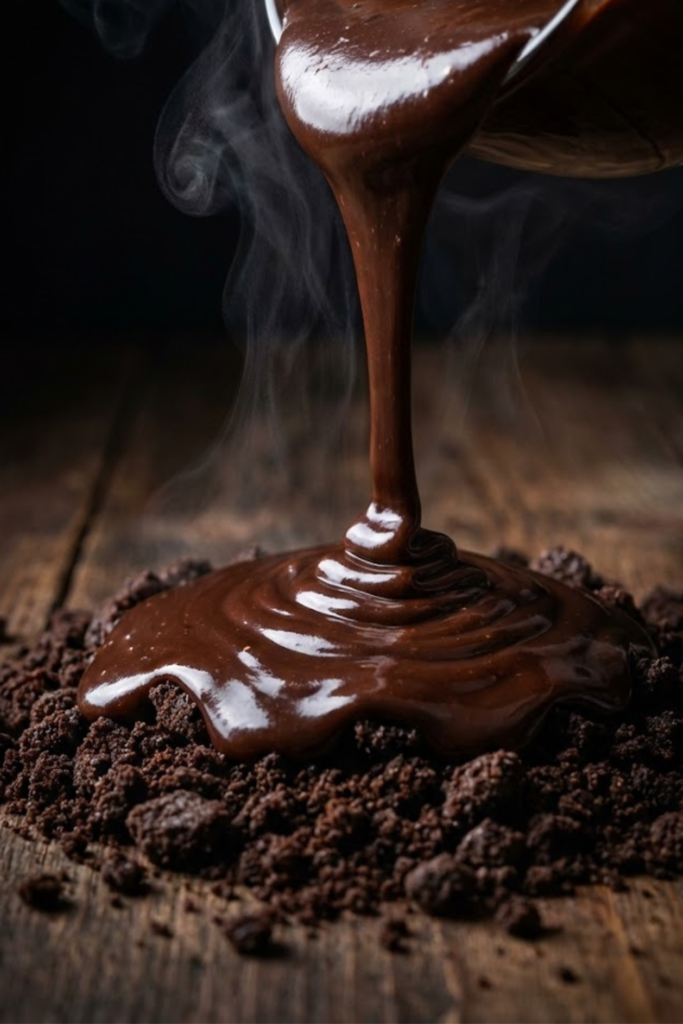
I know, I know. Making fudge from scratch sounds like a pain. I used to avoid it too. But making a chocolate ganache recipe specifically for an ice cream cake is actually way easier than you think. It’s basically just heavy cream, chocolate chips, and a little bit of corn syrup to keep it pliable when frozen.
My first attempt at homemade fudge turned into a rock. I used just melted chocolate, and when it froze, we practically needed a jackhammer to get through the layer. The secret I learned? Fat and sugar ratio. You need that heavy cream and corn syrup to keep it chewy even at sub-zero temperatures. It should be thick like peanut butter, not runny like soup.
Store-Bought Hacks for the Lazy Days
Look, I’m a teacher. I get it. sometimes you just do not have the energy to stand over a stove melting chocolate. If you are going to buy it, don’t buy the squeeze bottles. Buy the stuff in the glass jars that says “Hot Fudge Topping.”
But here is the trick: don’t use it straight out of the jar. It’s usually too stiff. I like to scoop it into a bowl and mix in a tiny splash of heavy cream or even milk. Just a teaspoon at a time. You want to loosen it up just enough so you can spread it, but not enough to make it watery. It’s a delicate dance, but you’ll get the feel for it.
Temperature is Everything
This is where I have cried real tears in the kitchen.
One time, I got impatient. I made my delicious, hot, gooey fudge and immediately poured it over my bottom layer of chocolate ice cream. Can you guess what happened?
Instant soup.
The heat from the fudge melted the ice cream layer instantly, creating a muddy, swirled mess. It tasted fine, but it looked terrible. You have to let your thick fudge sauce cool down to room temperature. It should still be pourable, but not hot to the touch. If you stick your finger in it and say “ouch,” step away from the cake.
The Spreading Technique
Getting that even layer is harder than it looks. Since the ice cream underneath is frozen solid, the fudge likes to seize up the second it touches it.
I found that working fast is key. Pour the fudge in the center of the cake, not around the edges. Then, use the back of a large spoon or an offset spatula to push it outward. Don’t pull it back and forth; just push. If you drag it back, you’ll pull up streaks of chocolate ice cream, and your layers won’t look clean when you cut it.
It takes a little practice to get that perfect ice cream cake layer, but when you see that distinct dark line of fudge in your slice, you’ll feel like a total pro. Just don’t rush the cooling process, seriously. That was a hard lesson to learn.
Assembling Your Ice Cream Cake Layers
If there is one part of this process that tests my patience, it is the assembly. I used to think I could just slap some ice cream into a regular cake pan and call it a day. Folks, that was a disaster. I ended up with a lopsided mess that refused to come out of the pan. I had to serve it in bowls like a soup. It was humbling, to say the least.
Building a copycat Dairy Queen ice cream cake is not hard, but it requires the right tools and a little bit of respect for the laws of physics.
The Mold Matters
You cannot skip the springform pan. I tried using a regular round cake pan once, thinking I could just dip the bottom in warm water to release it. Big mistake. The outside melted while the inside stayed stuck.
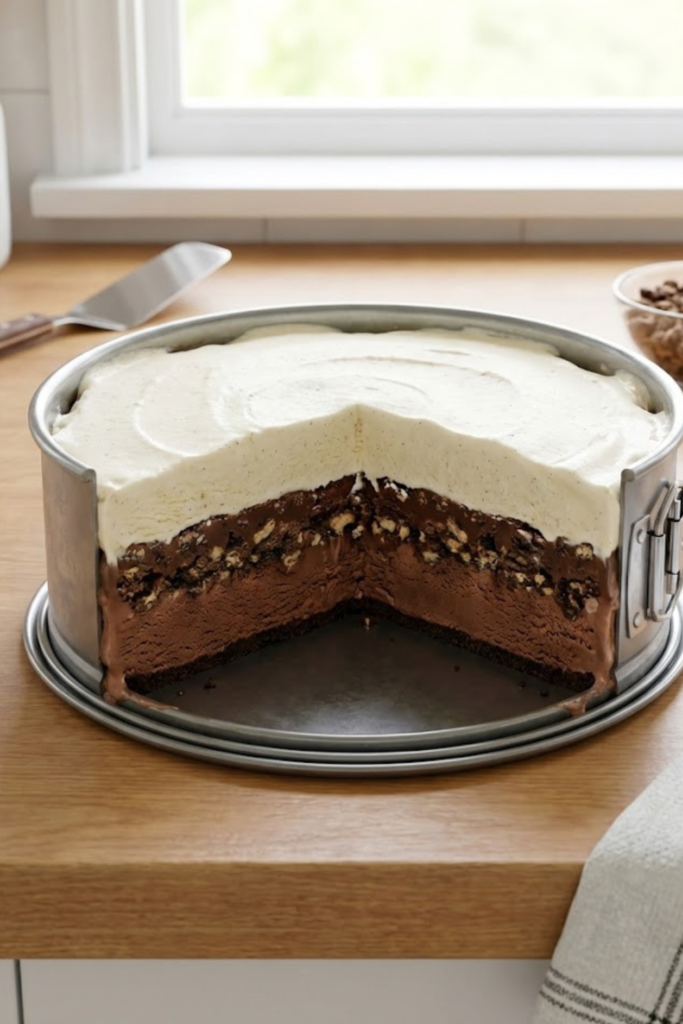
Get yourself a springform pan dessert mold. But here is the real trick I learned: line the sides. You can buy fancy acetate collars, or do what I do—plastic wrap. I line the inside ring with plastic wrap before I even start. It makes removing the ring so much cleaner later on. No sticky edges, just smooth, beautiful sides.
Softening the Ice Cream (Without Ruining It)
Here is where I have messed up more times than I care to admit. You need the ice cream to be spreadable, like soft serve. But you don’t want it melted.
I once got impatient and put the carton in the microwave for 30 seconds. Do not do this. It melts the outside into liquid while the middle stays a rock. The result is icy, crystallized ice cream when you refreeze it.
Instead, let the chocolate soft serve (or just chocolate ice cream) sit on the counter for about 15 to 20 minutes. Stir it up in a bowl until it has the texture of thick frosting. It should hold its shape but spread easily. If it’s runny, put it back in the freezer.
The Layering Strategy
Okay, let’s build this thing. Ice cream cake assembly is a game of temperature control.
- The Base: Spread your softened chocolate ice cream into the bottom of the pan. Smooth it out with the back of a spoon.
- The Crunch: Add your fudge and crunch layer (we talked about this!).
- The Wait: This is crucial. Put the pan in the freezer for at least 30 minutes.
If you try to spread the vanilla soft serve on top of the fudge before it sets, you are going to drag the black fudge into the white vanilla. I’ve done it. It looks like a marble cake gone wrong.
The Power of Flash Freezing
After you add that top layer of vanilla, you need to let the whole thing freeze solid. And I mean solid. I usually leave it overnight. Freezing ice cream cake takes longer than you think because it is so dense.
There was one birthday where I rushed it. I pulled the cake out after only three hours. When I popped the springform ring, the sides started bulging out like a tire. It was a race against time to get the frosting on before the whole thing collapsed. Now, I always make the base the day before. It saves me so much stress.
Building this cake is a labor of love, but when you peel back that plastic wrap and see those distinct layers? It feels like a major victory.
Frosting and Decorating Like a Pro
I have a confession to make. The first time I frosted an ice cream cake, I treated it like a regular birthday cake. I whipped up a big batch of my grandmother’s famous buttercream frosting, slathered it on, and stuck it in the freezer.
When we went to eat it, the frosting had frozen into a hard, waxy shell. It didn’t stick to the ice cream, and it cracked off in big chunks every time I tried to slice it. It was a texture nightmare. The smooth, creamy ice cream cake frosting you get at DQ is not buttercream. It is a stabilized whipped topping, and realizing that changed my life.
Whipped Topping vs. Buttercream
To get that authentic taste, you have to use a whipped frosting. You can buy the tubs of Cool Whip if you are in a rush (I have done it plenty of times, no judgment here!), but making a homemade stabilized whipped cream is surprisingly easy and tastes way better.
I usually whip heavy cream with a little powdered sugar and a teaspoon of gelatin dissolved in water. The gelatin is the secret weapon. It keeps the whipped cream from weeping or melting too fast when you bring the cake out for the party. If you skip the stabilizer, your beautiful piping might deflate before you even light the candles. I learned that the hard way when my beautiful rosettes turned into sad white puddles.
Smoothing the Sides
Getting those sides perfectly smooth is the hardest part of ice cream cake decorating. My cakes used to look like a topography map—lumpy and uneven.
Then I learned the hot water trick. I take my metal offset spatula and dip it into a tall glass of hot water. I wipe it dry quickly (you don’t want water on the cake) and then glide it over the frosting. The heat slightly melts the fat in the whipped cream, creating that glass-like finish.
It takes a little practice. I have definitely melted a hole in the side of a cake by getting the spatula too hot. Just go slow. If you mess up, cover it with sprinkles. Sprinkles hide a multitude of sins.
Piping Borders and Finishing Touches
You don’t need to be a professional pastry chef to make it look good. A simple shell border around the bottom and top edge makes the cake look finished. It also hides the messy line where the cake meets the plate.
I just use a star tip and pipe little dollops all the way around. It makes it look like one of those expensive celebration cakes you buy at the store.
Writing on Ice Cream
This is where things get slippery—literally. Writing “Happy Birthday” directly on frozen whipped cream is tricky because the icing hardens instantly.
I prefer using gel writing on cake tubes you can buy at the supermarket. The gel doesn’t freeze as hard as icing, so it stays shiny and legible. Just be careful not to press the tip too hard into the soft frosting, or you will drag it and ruin your smooth top. My handwriting is terrible on paper, so on a cake, it’s even worse. Sometimes I just buy those plastic “Happy Birthday” toppers and call it a day. It saves me the stress and looks just as festive for party dessert recipes.

Storing and Serving Your Masterpiece
You have spent hours (or maybe days) building this beautiful frozen beast. The last thing you want is to ruin it in the final seconds. I’ll never forget my nephew’s 10th birthday. Everyone was singing, the candles were lit, and I went to cut the cake. The knife literally bounced off. I stood there sawing at it while the kids stared at me. It was humiliating.
I learned that serving ice cream cake isn’t just about slicing; it’s about timing.
The Waiting Game (Thawing Time)
Here is the hard truth: you cannot serve this cake straight from the deep freeze. It is a solid block of dairy and fudge. You have to let it temper.
I usually pull the cake out about 15 to 20 minutes before I plan to serve it. I know, it feels scary to leave ice cream sitting on the counter. You worry it’s going to melt into a puddle. But trust me, it won’t. This short thaw softens the frozen cake storage layers just enough so you don’t need a chainsaw to get through it.
If you are having a summer party outdoors, maybe cut that time down to 10 minutes. But indoors? Give it time. It makes the texture so much creamier and enjoyable to eat.
The Hot Knife Trick
Even after thawing, cutting ice cream cake can be a workout. The fudge layer and the crunchies add resistance. My secret weapon is a tall pitcher of hot water.
Dip a long chef’s knife into the hot water, let it heat up for a few seconds, and then wipe it dry with a paper towel. The hot metal melts through the hard chocolate and ice cream like butter. It gives you those clean, sharp slices where you can see every distinct layer.
You have to wipe the knife between every single cut. It sounds tedious, I know. But if you don’t, you drag chocolate smears all over the vanilla, and it looks messy. Plus, a cold, sticky knife just tears the cake apart.
Dealing with Leftovers (If You Have Any)
In my house, leftovers are rare. But if you do manage to save a few slices, you need to protect them. Freezer burn is the enemy here.
Don’t just stick the cake box back in the fridge. The exposed ice cream will form those gross little ice crystals and start tasting like last month’s frozen peas. I take a piece of plastic wrap and press it directly against the cut surface of the cake. Then I wrap the whole thing in foil.
Freezing ice cream cake properly keeps it fresh for about two weeks. After that, the texture starts to get a little gummy, and the crunchies lose their snap. So, honestly? Your best bet is to just eat it all within the first few days. It’s a tough job, but someone has to do it.
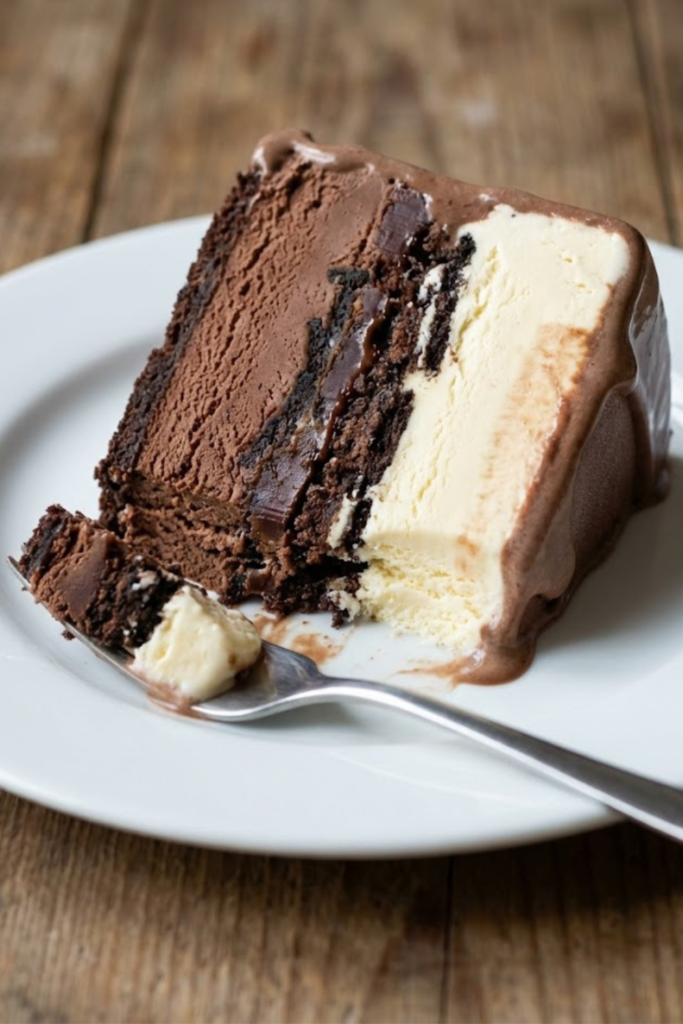
I’ll be honest with you—making your own copycat Dairy Queen ice cream cake is a bit of a project. It’s messy, it takes patience, and there is a solid chance you will get chocolate fudge on your shirt. But the moment you bring that cake out and see everyone’s eyes light up? It is worth every single sticky second.
We have covered a lot, from the tragedy of soggy cookies (RIP to my first attempt) to the triumph of that perfect homemade crunchies layer. You now know that the secret isn’t just the ingredients, but the timing—letting things freeze, tempering the fudge, and using that hot knife for the perfect slice. You are basically a frozen dessert engineer now.
This recipe has become a staple in my house, not just because it saves money, but because it brings back that specific nostalgia you just can’t buy in a box anymore. Whether you are making it for a kids birthday cake or just because you had a bad Tuesday, I hope this guide helps you nail it on the first try.
If you found this guide helpful (and want to save yourself from my early disasters), please pin this recipe to your “Summer Desserts” board on Pinterest! It helps me out huge, and it means you’ll never lose the secret to that magic crunch.

Thanks for this guide! Do you have recipe posted somewhere different?