I’ll be honest—there is absolutely nothing sadder than cutting into a beautiful, stark white cake only to find it tastes like sweetened cardboard! I remember my first attempt at a wedding cake; it looked like a dream but crumbled into dry dust the second the fork hit it. It was a disaster. But did you know that over 60% of baking failures with white cake come down to simply using the wrong type of flour?
It’s true! White cake is finicky. It requires precision. But when you get it right? It is pure magic. In this guide, I’m going to walk you through my absolute favorite 2 layer white cake recipe. It’s tender. It’s light. And most importantly, it is impossibly moist. Let’s get baking!
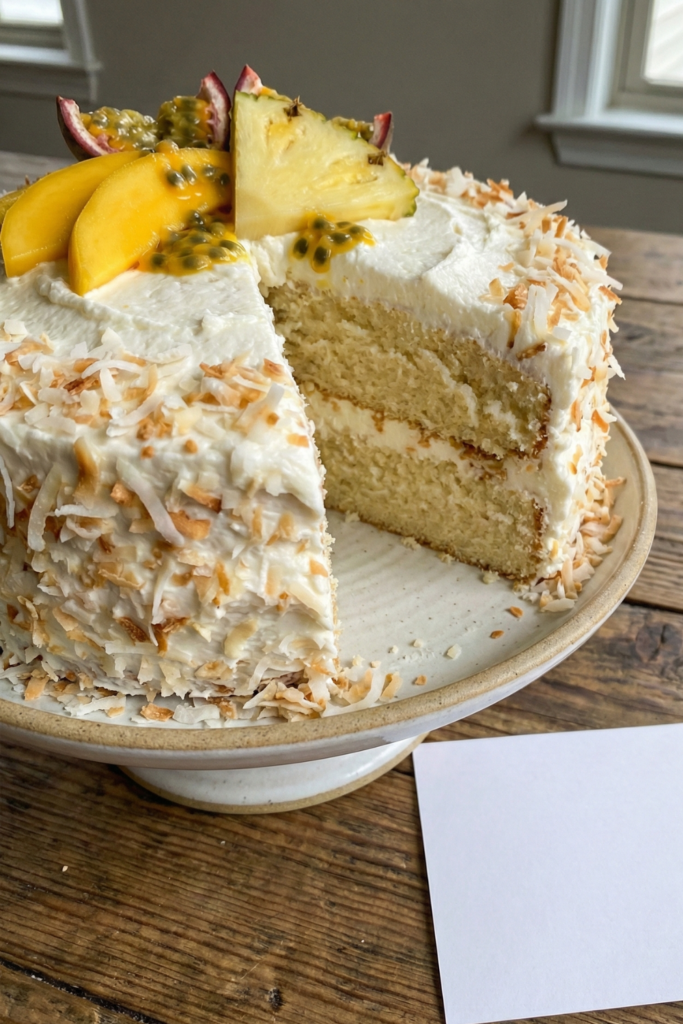
Essential Ingredients for a Velvety White Cake Texture
I have to confess something embarrassing. When I first started baking, I thought “flour is just flour.” I honestly didn’t get what the big deal was. So, for my niece’s birthday, I tried to make a fancy 2 layer white cake using the dusty bag of All-Purpose flour sitting in the back of my pantry.
Big mistake.
The cake came out tasting like a sweetened biscuit. It was tough, chewy, and honestly, a little yellow. I was so frustrated I actually cried in the kitchen! But mistakes were made, and I learned the hard way so you don’t have to. If you want that cloud-like texture, you can’t just throw whatever is in the cupboard into the bowl.
The Flour Situation
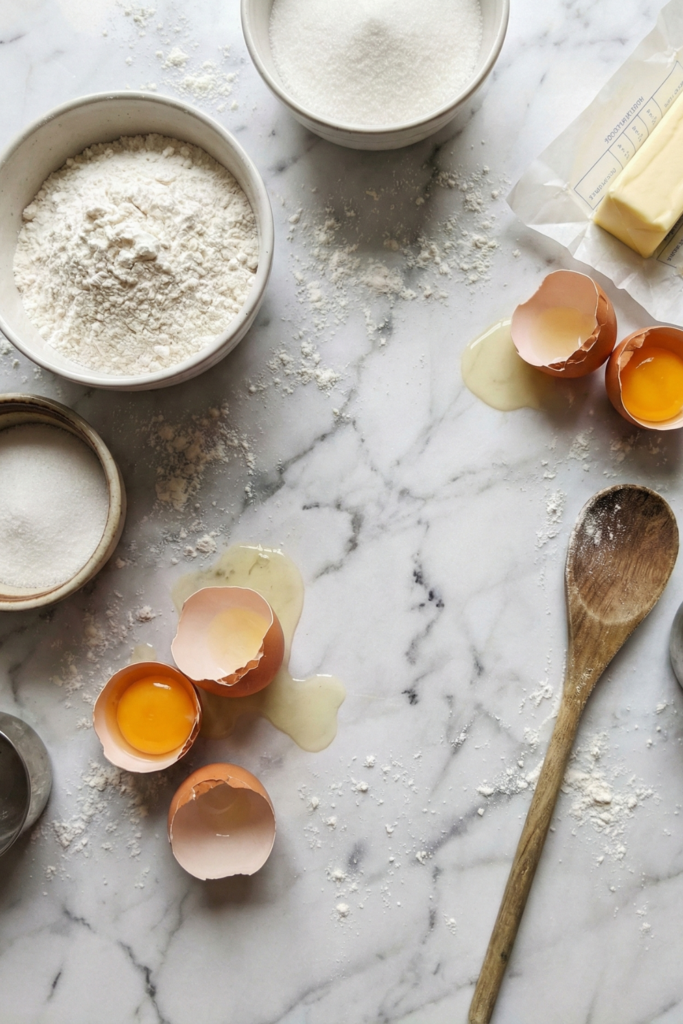
Here is the golden rule: you need cake flour. Not bread flour, and definitely not All-Purpose.
Cake flour has less protein (usually around 7-9%) compared to All-Purpose flour (10-12%). Why does that matter? Less protein means less gluten forms when you mix the batter. Less gluten gives you that tender, melt-in-your-mouth crumb we are looking for. If you try to swap this out, your cake will be heavy. Trust me on this one.
Egg Whites Only, Please
To keep a white cake actually white, we have to ditch the yolks. The yolks are what give yellow cake its color and richness, but they also weigh down the batter.
For this recipe, we stick to egg whites. They act as the structure for the cake. When I separate my eggs, I do it while they are cold because it’s easier, but then I let the whites sit until they hit room temperature before mixing. Room temperature ingredients mix better. It’s a science thing, but it works.
Fats: The Butter and Oil Combo
I used to be a “butter only” baker because flavor is king, right? Well, yes and no. Butter tastes amazing, but it contains water, which can dry out a cake over time.
To get the best of both worlds, I use a mix. I use high-quality unsalted butter for that rich taste, but I add a little bit of vegetable oil or sour cream. The oil keeps the crumb moist for days. A dry cake is the worst, and this little trick fixes that problem instantly.
Clear Vanilla for the Win
If you dump brown vanilla extract into your white batter, guess what happens? It turns beige.
To get that stark, snowy look, hunt down some clear vanilla extract. It gives you the flavor without messing up the color. It might seem picky, but we eat with our eyes first!
The Reverse Creaming Method: The Secret to Flat Layers
Okay, raise your hand if you’ve ever baked a cake that looked more like a volcano than a flat surface. I can’t tell you how many times I pulled a 2 layer white cake out of the oven, only to see a massive dome in the center. I used to just slice the top off and eat the scraps (cook’s treat!), but it was super annoying when I wanted professional-looking layers.
I eventually learned that the traditional way of mixing—creaming butter and sugar first—was actually part of my problem. It whips a ton of air into the batter. Great for cookies, bad for a flat, dense cake. Then I stumbled onto the reverse creaming method, and honestly, my mind was blown.
Why Your Cakes Have Huge Holes
When you beat butter and sugar together, you are creating air pockets. In the oven, those pockets expand. Sometimes they get too big, creating what bakers call “tunneling.” It’s basically big, ugly holes in your slice.
Plus, when you add flour to wet ingredients, gluten starts forming immediately. Gluten is tough. We want tender. The reverse creaming method fixes both of these headaches. It coats the flour particles in fat before any liquid touches them. This stops the gluten from going wild. The result? A velvety crumb that feels like something you bought at a high-end bakery.
How It Actually Works
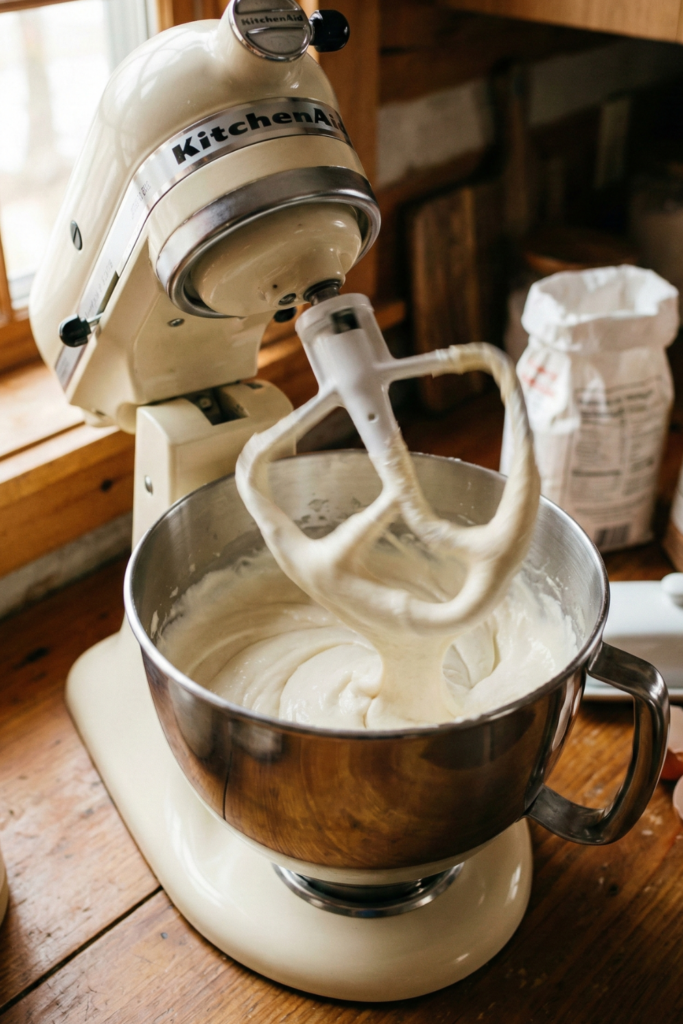
It feels weird the first time you do it. You put your dry ingredients (flour, sugar, baking powder) into the bowl of your stand mixer first. Then, you add room temperature butter one chunk at a time while the mixer is running on low.
You mix it until it looks like sandy crumbs. I remember staring at the bowl thinking, “I have absolutely ruined this.” But stick with it! Once it looks like wet sand, you slowly stream in your liquids (egg whites and milk).
This creates an emulsion rather than an aerated batter. The cake bakes up flat because there aren’t massive air bubbles pushing the center up. It makes stacking your 2 layer white cake so much easier because you don’t have to level it with a knife.
Watch That Mixer
Here is where I messed up the first few times. I got distracted.
If you mix the butter into the flour for too long, it turns into a paste. You don’t want paste; you want crumbs. And once you add the liquid, you only mix until it’s combined. If you overmix now, you’ll end up with a rubbery texture that’s hard to chew.
Also, scrape the bowl! The paddle attachment is notorious for leaving dry flour stuck at the very bottom. There is nothing worse than pouring your batter and seeing a clump of dry flour plop into the pan. Grab a spatula and dig deep to make sure everything is incorporated.
Baking Techniques for Evenly Baked White Cake Layers
I can’t even count how many times I’ve stood in front of my oven, praying to the baking gods. You put all this work into mixing the batter, and then you just shove it in the heat and hope for the best? That used to be my strategy. And let me tell you, I ruined a lot of perfectly good batter.
There was this one time I baked a 2 layer white cake for a friend’s baby shower. I greased the pans like crazy. But when I went to flip them out? Half the cake stayed in the pan. I was literally patching it together with frosting and crying. It was a mess.
Baking isn’t just about mixing; it’s about how you treat the batter once it hits the heat. If you want layers that are actually edible and look good, you gotta pay attention to the boring details.
The Parchment Paper Lifesaver
Listen to me closely: do not trust the non-stick spray alone. It lies.
For a delicate 2 layer white cake, you need insurance. I always, always use parchment paper rounds. You can buy them pre-cut, but I’m cheap, so I just trace the bottom of my pan on a sheet and cut it out.
Grease the pan, put the paper in, and then grease the paper. It might feel like overkill, but when that cake slides out perfectly smooth, you’ll thank me. It’s the only way to keep the bottoms from getting too dark or sticking.
Your Oven is Probably Lying to You
Here is a fun fact I learned the hard way: most ovens are not the temperature they say they are. Mine runs about 15 degrees hot. So when I set it to 350°F, it’s actually roasting my cakes at 365°F.
That’s why the edges of my cakes used to turn into crispy crackers while the middle was still raw soup. I finally bought an oven thermometer. It hangs right on the rack. It cost like five bucks, and it changed everything. If the thermometer says 350°F, I know I’m good. If you are baking a 2 layer white cake, precision matters. You don’t want burnt edges on a white cake; it looks gross.
The Patience of Cooling
Okay, this is where I usually mess up because I’m impatient. I smell the vanilla, and I just want to eat it. But if you try to take a white cake out of the pan while it’s blazing hot, it will fall apart. It’s too tender.
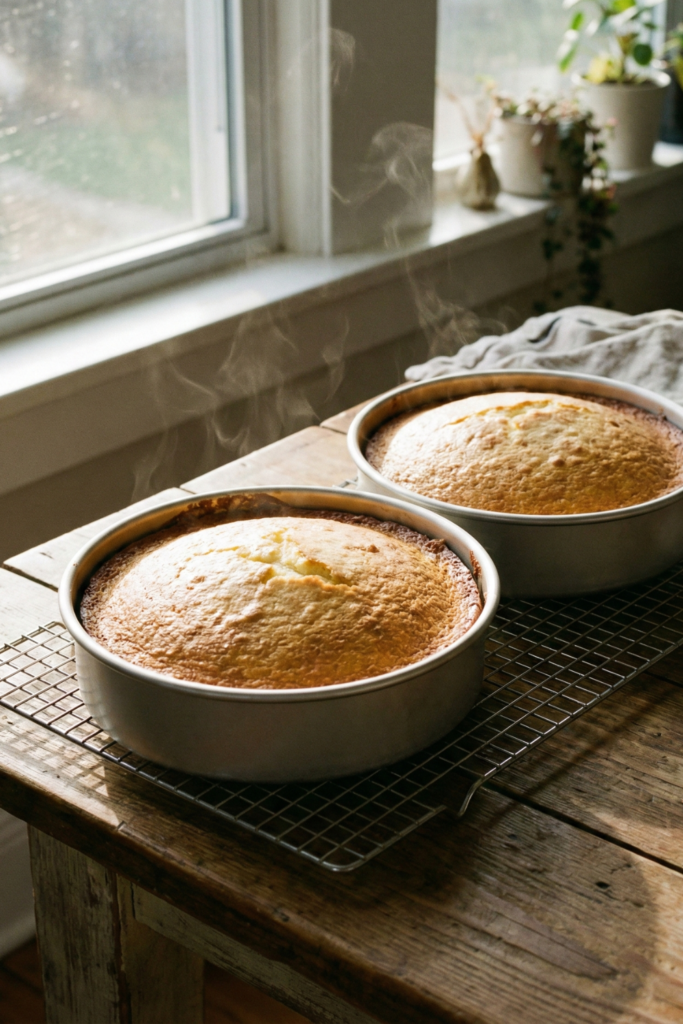
You have to let the layers sit in the pans on a cooling rack for about 10 to 15 minutes. This lets the structure set a bit. But don’t leave them in there forever! If they cool completely in the pan, the steam gets trapped and makes the crust soggy. It’s a delicate balance.
Once they are slightly cool, flip them onto the rack to finish cooling completely. And please, do not try to frost a warm cake. I did that once and the buttercream just melted right off the sides. It looked like a sad, melting candle. Wait until they are cool to the touch!
Frosting Pairings and Decorating Your Masterpiece
I have a love-hate relationship with decorating. I love how a finished cake looks, but getting there? It can be a sticky nightmare. I remember the first time I tried to frost a 2 layer white cake for a dinner party. I didn’t do a “crumb coat” (I didn’t even know what that was), and I just slapped the frosting on.
The result was… interesting. It looked like a dalmatian because so many chocolate crumbs from the brownie layer I was experimenting with got mixed into the white frosting. It tasted fine, but it looked like a toddler attacked it. Over the years, I realized that patience is actually the most important tool in your kitchen drawer.
Choosing Your Frosting Battle
For a classic white cake, you usually have two main choices.
First, there is American Buttercream. This is the stuff we all grew up on. It’s just butter, powdered sugar, and milk. It is super sweet and crusts over slightly. It’s easy to make, but sometimes I feel like my teeth hurt just looking at it.
If you want to feel fancy, try Swiss Meringue Buttercream. I was terrified of this for years because it involves heating egg whites and sugar. It sounds complicated. But once I tried it, I never went back. It is silky, not too sweet, and pipes like a dream. It makes your 2 layer white cake feel expensive, you know?
Don’t Forget the Filling
Since white cake is mild and sweet, I like to put something punchy in the middle.
If you just put more vanilla frosting between the layers, it can be a bit much. I love using a tart lemon curd or a thick raspberry jam. The acidity cuts through the sugar. Just make sure you pipe a little “dam” or ring of frosting around the edge of the bottom layer first. This holds the soft filling inside so it doesn’t squish out the sides when you stack the second layer on top. I learned that trick after creating a raspberry landslide in my fridge.
The Magic of the Crumb Coat
This is the step I skipped that one time, and I will never skip it again. A crumb coat is just a thin, ugly layer of frosting that traps all the loose crumbs.
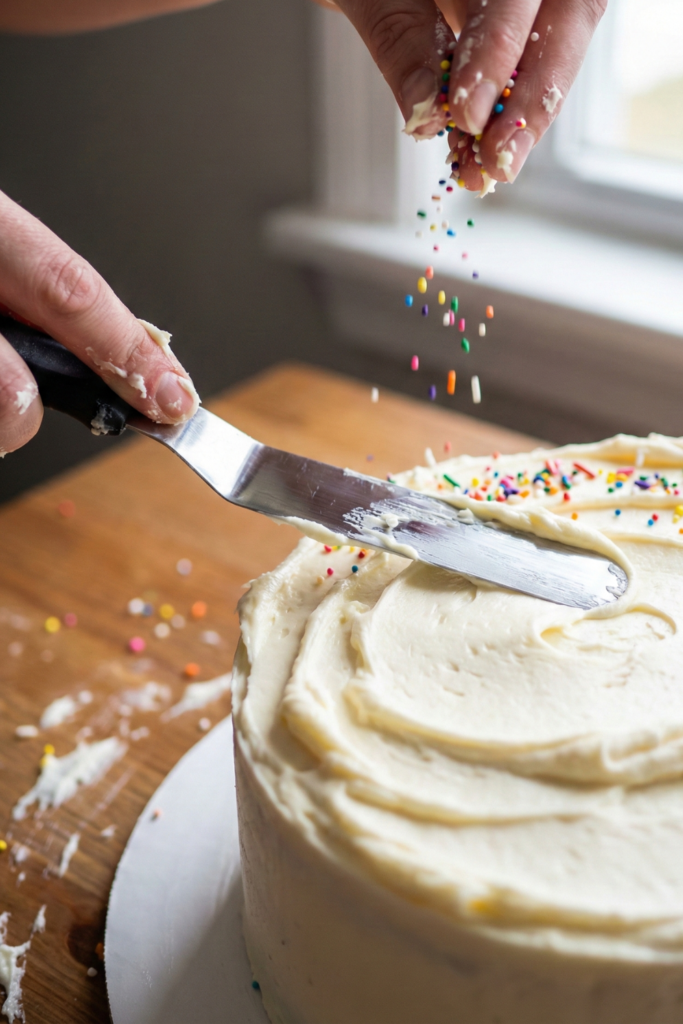
Spread a thin layer all over the cake, then—and this is key—put the cake in the fridge for 20 minutes. This hardens that layer. Once it’s cold and set, you can put your final thick layer of frosting on top, and it will glide on smooth without picking up any crumbs. It makes you look like a pro even if you’re just winging it.
Tools You Actually Need
You don’t need a fancy kitchen to decorate, but please, put down the butter knife.
Get yourself an offset spatula. It’s the bent metal knife thing. It keeps your knuckles out of the frosting while you smooth the top. Also, a turntable is helpful, but honestly? I used to just put my cake plate on a Lazy Susan I stole from my spice cabinet. It worked perfectly fine. Just have fun with it. If it’s not perfect, throw some sprinkles on the mistake. Sprinkles fix everything.
Baking isn’t magic; it’s just a bunch of chemistry experiments that (hopefully) taste good. I know tackling a 2 layer white cake can feel a little scary, especially if you’ve had disasters in the past. I’ve been there—staring at a sunken, yellow mess and wondering where I went wrong.
But now you know the tricks! It really comes down to using the right cake flour, having the patience to let your ingredients hit room temperature, and trusting the reverse creaming method. If you follow these steps, you aren’t just mixing batter; you are building a dessert that people will actually want to eat.
So, preheat that oven and give it a shot. Don’t stress if it’s not perfect the first time. Even a slightly imperfect cake tastes amazing covered in frosting. You’ve got this!