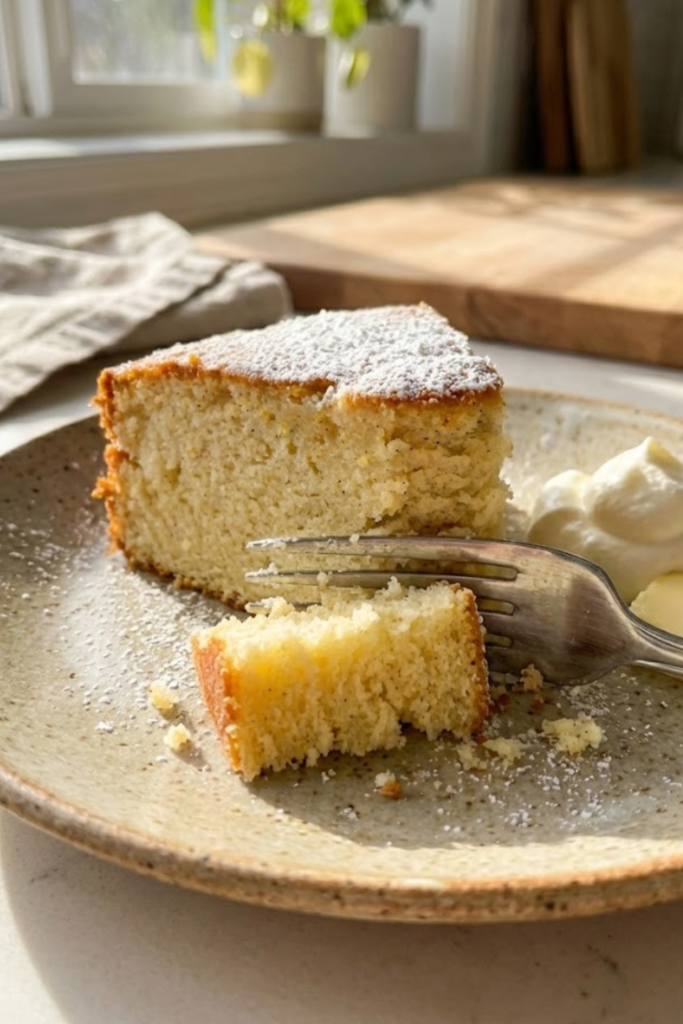
Honestly, I used to think vanilla meant “boring.” Can you believe that? I always went for chocolate or red velvet, thinking vanilla was just the absence of flavor. I was dead wrong!There is a statistic floating around that vanilla is still the world’s most popular flavor, yet so many home bakers struggle to get it right. They end up with dry, cornbread-like textures that need a gallon of milk to wash down. Not today! This isn’t just another recipe; this is a labor of love that results in the very best homemade vanilla cake you will ever eat. I’ve tested this dozens of times (my waistline can confirm!), and I’m sharing the secrets to that elusive, bakery-style crumb. Get your mixer ready, because we are about to bake some magic!
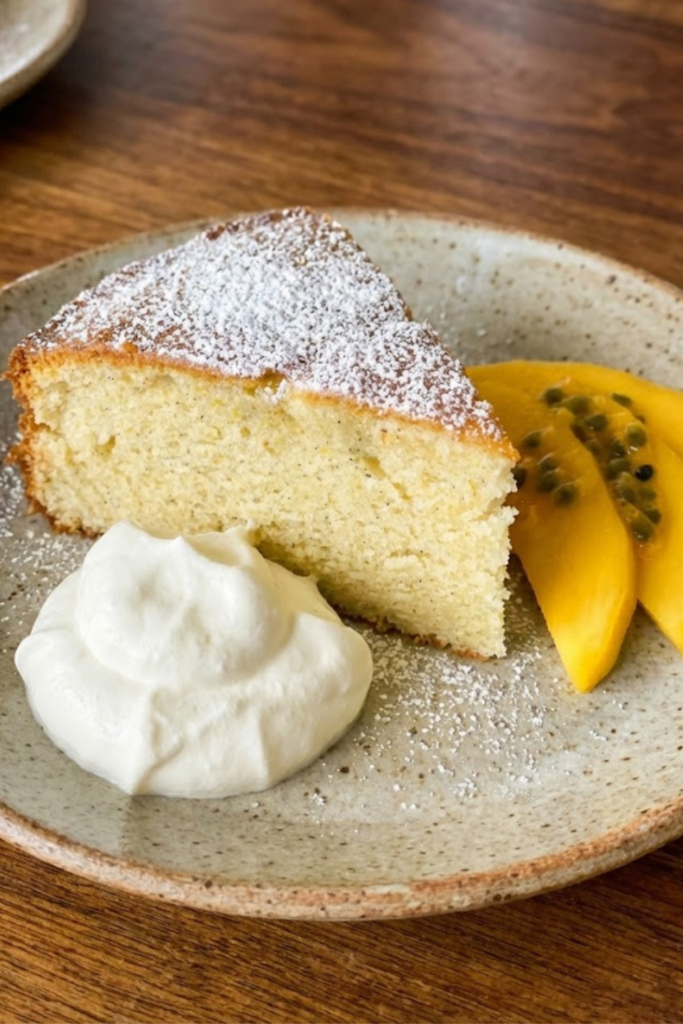
Why This Recipe Makes the Very Best Homemade Vanilla Cake
I’ve got to be real with you for a second. For years, I avoided making vanilla cake from scratch like it was the plague . Why? Because every single time I tried, it came out tasting like a sweet, vanilla-scented cornbread.
It was dry, it was crumbly, and it was honestly embarrassing. I remember one birthday where my poor uncle actually had to dunk his slice in coffee just to swallow it . That moment of culinary shame sent me back to the drawing board. I was determined to figure out why bakery cakes were soft clouds and mine were bricks.
After wasting more flour and butter than I care to admit, I finally cracked the code .
The Science of Moisture
The biggest mistake I was making—and you might be doing it too—was messing up the ratio of fat to liquid. A lot of old-school recipes rely heavily on just butter. While butter tastes amazing, it actually contains water that evaporates during baking.
This recipe uses a specific blend of butter and oil. The oil stays liquid at room temperature, which keeps the cake soft for days . This is the secret to that moist vanilla cake texture that we are all chasing. It’s not rocket science, but it feels like magic when you take that first bite.
That “Reverse Creaming” Thing
Okay, don’t let the fancy name scare you. Most recipes tell you to cream the butter and sugar first, right? Well, we aren’t doing that here.
We are using the reverse creaming method . This is where you mix the butter directly into the dry ingredients before adding the liquids. I know it sounds weird. But what happens is the fat coats the flour particles.
This slows down gluten formation. Less gluten means a more tender, velvety crumb rather than a chewy, bread-like texture. It’s a game-changer for getting that bakery style cake structure at home.
Quality Over Quantity
Here is a lesson I learned the hard way: cheap vanilla extract tastes like chemicals. Since this is a vanilla cake, the flavor has nowhere to hide.
I used to buy the generic imitation stuff to save a few bucks. Big mistake. It gave the cake a weird, metallic aftertaste. For the very best homemade vanilla cake, you have to use pure vanilla extract or vanilla bean paste . It adds those little black specks that just scream “fancy” and provides a depth of flavor that imitation stuff just can’t touch.
Trust me on this one. Your tastebuds will thank you, and nobody will be asking for a glass of water to wash down their dessert .
Essential Ingredients for Bakery-Style Texture
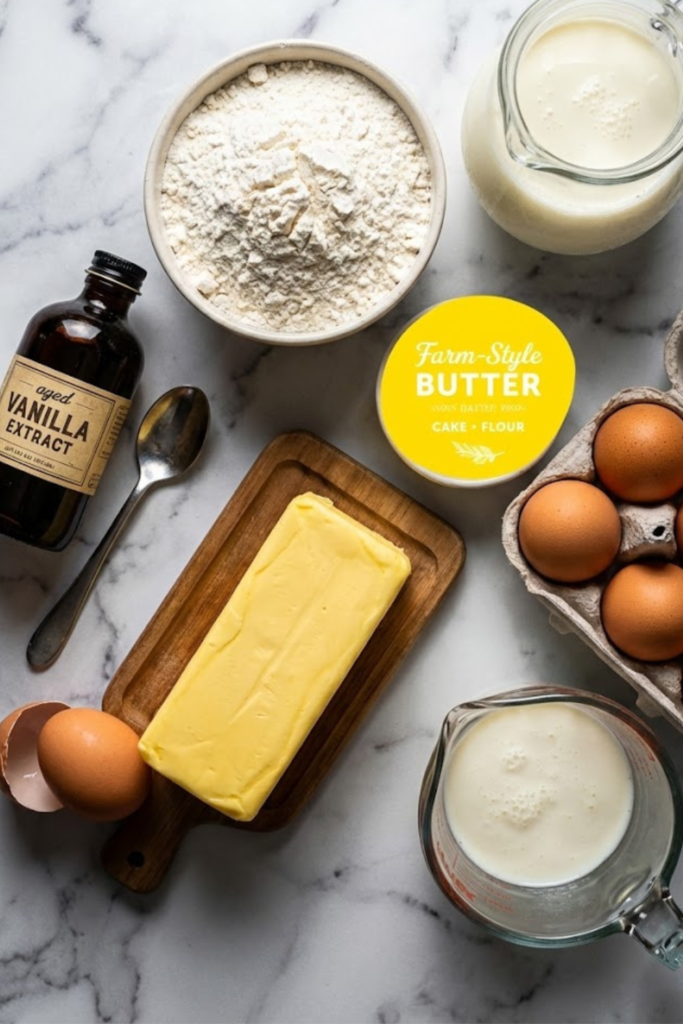
I used to be that baker who thought, “Flour is flour, right?” I would just grab whatever bag was open in the pantry—usually all-purpose or even bread flour—and dump it in.
The result? A cake that was tough enough to be a doorstop. It was heartbreaking to spend hours in the kitchen only to pull out something rubbery . Over time, I learned that ingredients aren’t just things you toss in a bowl; they are the building blocks of baking science. If you want that soft, melt-in-your-mouth bite, you can’t just wing it with substitutions.
You have to be specific .
Cake Flour vs. All-Purpose Flour
This is the hill I will die on. You need cake flour.
Here is the deal: All-purpose flour usually has a protein content of around 10-12%. That protein creates gluten, and gluten makes things chewy (great for bread, terrible for cake). Cake flour has a much lower protein content, usually around 7-9% .
Less protein means less gluten development, which gives you that super tender crumb.
If you are in a pinch and don’t want to run to the store, you can make a cake flour substitute. Measure out one cup of all-purpose flour, remove two tablespoons, and replace them with cornstarch. Sift it five times (yes, five!) to aerate it. It’s not perfect, but it works in a bind.
Buttermilk Magic
I used to just use regular milk because I didn’t want to buy a whole carton of buttermilk for one recipe. Big mistake.
Buttermilk is acidic. That acid does two incredible things: it tenderizes the gluten (making the cake softer) and it reacts with the baking soda to help the cake rise. Regular milk just doesn’t have that tang or chemical power. If you don’t have it, you can make a buttermilk substitute by adding a tablespoon of vinegar to a cup of milk, but real buttermilk is always better for the flavor profile.
The Butter and Oil Blend
Butter gives flavor. Oil gives moisture.
If you use all butter, the cake tastes great but dries out fast because butter is about 15-20% water, which evaporates. Oil is 100% fat. By using a mix, you get the rich taste of the unsalted butter and the lasting moisture from the oil . It’s the best of both worlds.
Room Temperature Eggs
Listen, I know it’s annoying. You want to bake now, and your eggs are in the fridge.
But cold eggs are the enemy of a smooth batter. When you add cold eggs to room-temperature butter, the butter seizes up and curdles. It looks gross, like curdled milk.
Room temperature ingredients emulsify, meaning they blend into a smooth, creamy mixture that traps air. That trapped air is what makes your cake fluffy. If you forgot to take them out (I do this all the time), just put the eggs in a bowl of warm water for 5 minutes. Problem solved.
Step-by-Step Instructions to Bake Perfection
I have a confession to make. The first time I tried to make a layer cake, I didn’t use parchment paper. I just sprayed the pan with some cooking spray and crossed my fingers.
When I flipped the pan over, half the cake came out, and the other half stayed stuck to the bottom. I literally cried . It was a disaster. I tried to glue it back together with frosting, but it looked like a landslide. Since then, I’ve learned that the process is just as important as the ingredients. You can have the best stand mixer recipes in the world, but if you skip the prep, you’re doomed.
Prepping the Pans
Do not skip this step. Seriously.
Grab your cake pan sizes (I use two 8-inch pans for this) and trace the bottom onto a piece of parchment paper. Cut out the circles. Grease the pan with butter or spray, place the paper inside, and then grease the paper too.
It seems like overkill, but this guarantees your layers slide out effortlessly. No tears, no panic attacks. It is the only way to get those clean, sharp edges for decorating later.
Mixing the Dry and Wet
When you are combining your ingredients, sifting flour is actually worth the time. It gets rid of lumps that can weigh down the batter.
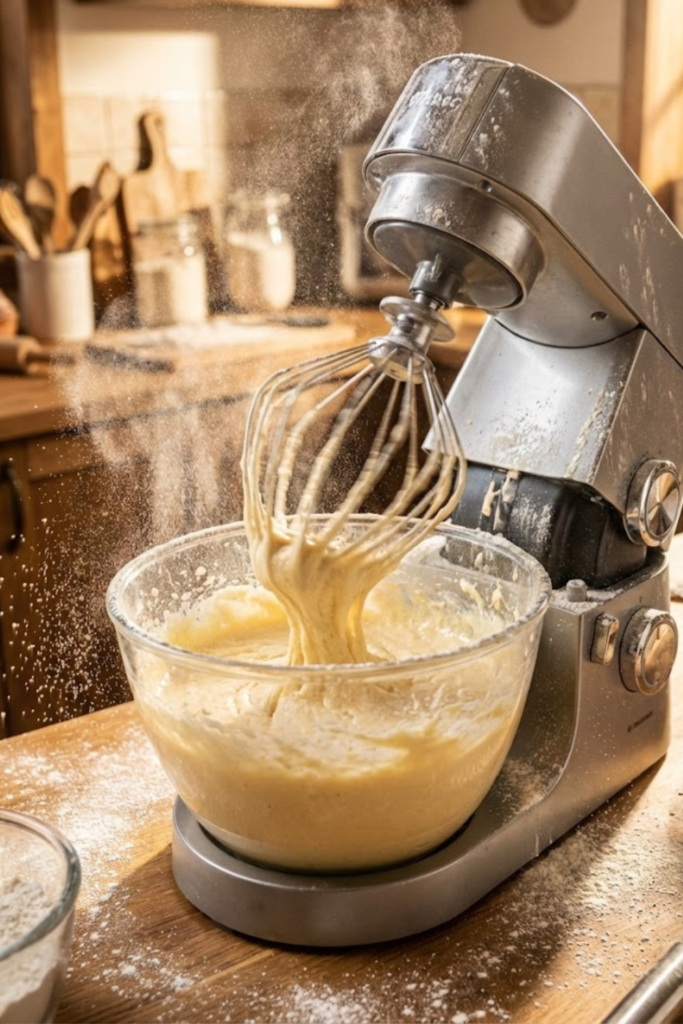
Once you start adding the liquid to the dry ingredients, turn your mixer to low. You want to mix just until the flour disappears. If you keep mixing, you activate the gluten.
I used to think mixing longer made it smoother, but it actually makes the cake tough and chewy . We want fluffy, not rubbery. So, stop the mixer early and finish by folding batter gently with a spatula to catch any flour at the bottom of the bowl.
The Visual Cues
Your batter should look silky and slightly thick, almost like mayonnaise. It shouldn’t be runny like water.
If it looks curdled or “broken,” your ingredients were probably too cold. Don’t freak out. You can sometimes save it by warming the bowl slightly (like wrapping a warm towel around it) and mixing gently. But ideally, if you used room temp stuff, it’ll be smooth sailing.
Baking Time and Temperature
Preheat your oven to 350°F (175°C) and buy an oven thermometer if you can. My oven lies to me all the time; it says 350 when it’s really 325 .
Once the cakes are in, set a timer for 30 minutes and walk away. Do not open the door! Every time you peek, you let out heat and drop the oven temperature, which can cause the cake to collapse in the middle.
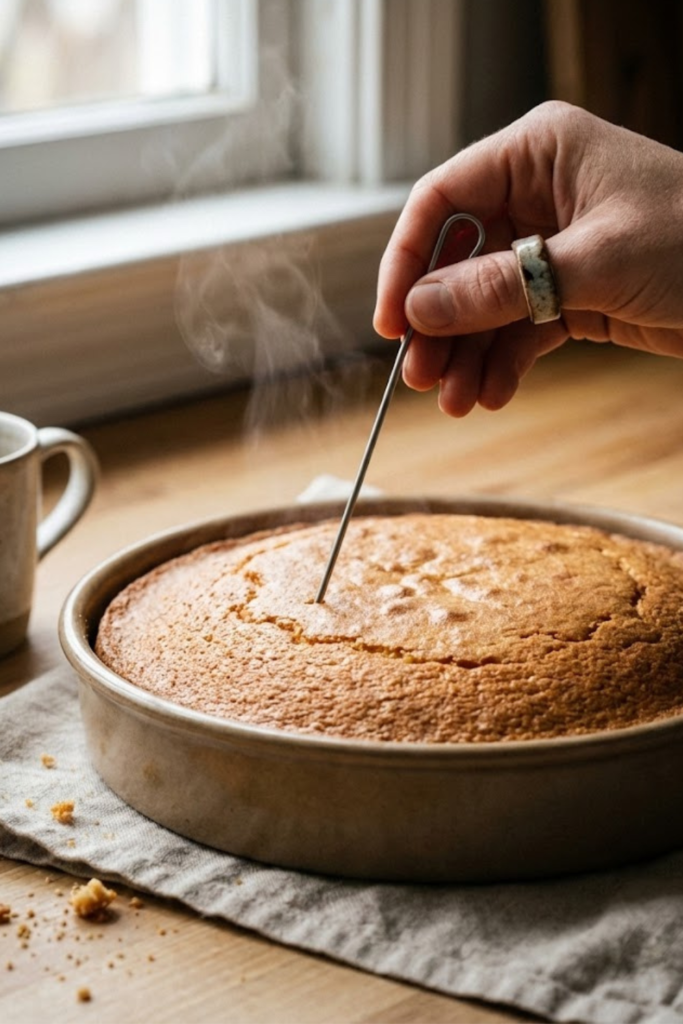
Check it around the 30-minute mark. You are looking for a golden brown crust. Use the toothpick test—stick it in the center. If it comes out with a few moist crumbs, it’s done. If it’s wet, give it another 2-3 minutes. Also, the cake should gently spring back when you poke it with your finger.
Troubleshooting Common Vanilla Cake Mistakes
I remember taking a cake out of the oven for my sister’s graduation a few years back. It looked perfect for about two minutes. Then, right before my eyes, the center collapsed like a deflated balloon .
I was so mad I almost threw the pan across the kitchen. It turns out, baking is finicky, and small mistakes ruin big dreams. If your homemade vanilla cake isn’t turning out right, don’t beat yourself up. I have made every mistake in the book so you don’t have to .
Why Did My Cake Sink?
Usually, this happens for two reasons. First, your leavening agents might be dead.
Baking powder vs baking soda matters, but so does their age. If your baking powder has been sitting in the cupboard since 2022, toss it. It loses its potency over time. To test it, put a teaspoon in hot water; if it doesn’t fizz aggressively, it’s trash.
Second, you probably opened the oven door too early. The rush of cold air interrupts the rising process. It kills the structure before it sets, leaving you with a sad, dense dip in the middle.
Dry and Crumbly Texture
This is almost always a flour issue. If you scoop your flour directly with the measuring cup, you are packing it down.
You end up with way too much flour, drying out the batter. I used to do this constantly and wonder why my cakes were choking hazards . The fix? Buy a cheap digital scale and try kitchen scale baking.
It’s the most accurate way to measure ingredients. If you can’t buy a scale, use the “spoon and level” method. Spoon flour into the cup gently and scrape it off with a knife.
The Dome Problem
You want flat cake layers for easy stacking, but cakes naturally rise more in the middle. The edges set faster than the center, creating a big dome.
To fix this without wasting cake by cutting the top off, I use cake strips . These are wet fabric strips you wrap around the outside of the pan. They insulate the edges, keeping them cool so the whole cake rises at the same speed.
It makes layer cake assembly so much easier. If you don’t have store-bought strips, you can make your own with wet paper towels wrapped in foil. It works like a charm.
Pairing Frostings: What Goes Best with Vanilla?
I have to tell you about the time I ruined a perfectly good cake. I had spent all afternoon baking this gorgeous, fluffy sponge. But then, I got lazy.
I grabbed a tub of cheap, store-bought frosting from the pantry and slapped it on. It tasted like plastic . It completely overpowered the delicate vanilla flavor profile of the cake. I learned then that the frosting is like the outfit your cake wears; you don’t want to dress a queen in rags. Since vanilla is such a versatile flavor, you have options, but you need to choose wisely based on your sweet tooth.
Classic American Buttercream
This is the frosting most of us grew up on. It is basically just butter, powdered sugar, and a splash of milk.
It is incredibly sweet—like, makes-your-teeth-hurt sweet. But it forms a nice crust, which makes it great for piping flowers or writing “Happy Birthday.” I love it for a celebration cake because it feels nostalgic.
However, if you are making this for adults who don’t want a sugar rush, it might be too much. My husband always scrapes half of it off because he says it hurts his fillings . If you use this, add a pinch of salt to cut the sweetness.
Swiss Meringue Buttercream
Okay, don’t scroll past this! I used to be terrified of Swiss Meringue Buttercream.
The idea of heating egg whites and sugar over a double boiler sounded like a science experiment I was destined to fail . But once I finally tried it, I felt like a professional pastry chef. It is silky, buttery, and much less sweet than the American version.
This is the secret to that sophisticated bakery style cake taste. It is perfect for layering because it doesn’t overpower the sponge. If you have a stand mixer, it’s actually pretty easy. Just don’t stop whipping until the bowl feels cool, or you’ll end up with soup.
Fruit Fillings
Since vanilla is a “plain” flavor (in the best way), it pairs amazingly with fruit.
I love putting a layer of strawberry jam or lemon curd between the cake layers. It adds a zesty punch that breaks up the richness of the butter. Just make sure you pipe a “dam” or ring of stiff buttercream around the edge of the layer first.
If you don’t, the fruit filling will leak out the sides and ruin your smooth finish . That happened to me at a baby shower once, and my cake looked like it was bleeding raspberry sauce. Not a good look .
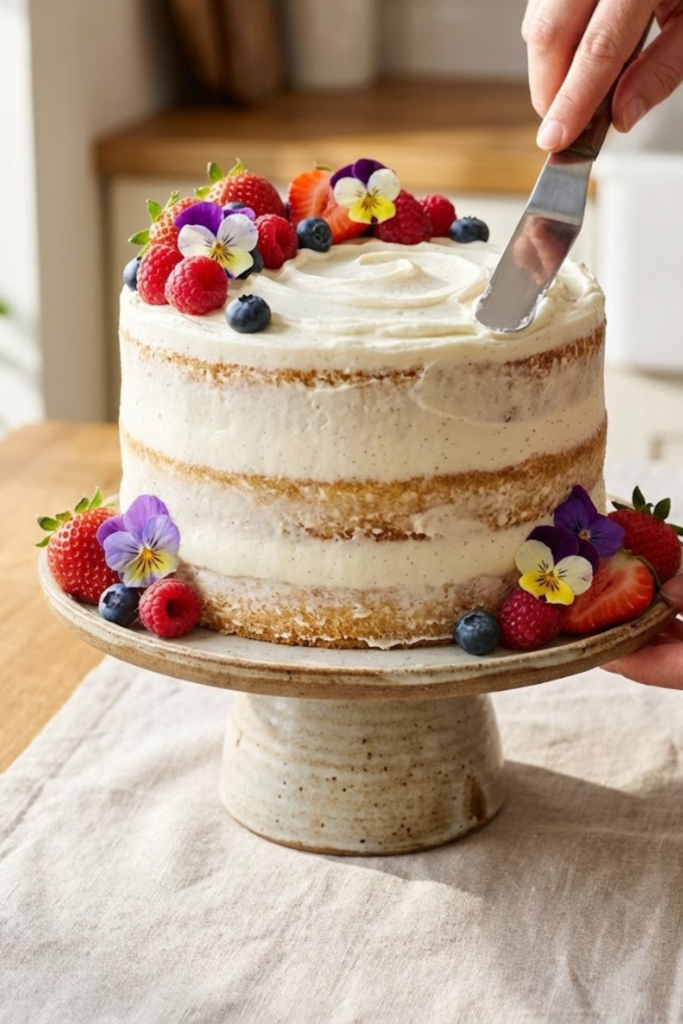
So, there you have it. The blueprint for the very best homemade vanilla cake is now in your hands. I know it seems like a lot of steps compared to dumping a box mix in a bowl . But trust me, the first time you taste that tender crumb, you’ll get it.
You don’t need to be a pro to pull this off. Just follow the baking tips 2026 I laid out, and take your time . It’s fluffy, it’s buttery, and it celebrates the pure joy of vanilla. Don’t let the fear of dry cake stop you; follow these steps, and you’ll be the star of the next birthday party!
If you loved this recipe, please pin it to your favorite dessert board on Pinterest so you can find it whenever the craving strikes ! Happy baking!