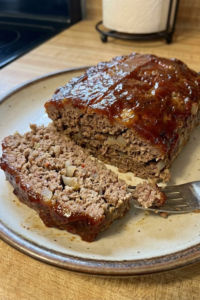
Let’s be real for a second: meatloaf has a bad reputation. For years, I thought it was just a dry, gray brick of sadness that people ate because they had to, not because they wanted to! But I refused to give up. I spent months testing ratios, binders, and baking times until I finally cracked the code. Seriously, this is the best meatloaf I’ve ever made, and I don’t say that lightly! It is incredibly tender, packed with savory flavor, and topped with a glaze that you’ll want to eat with a spoon. Did you know that 43% of home cooks cite “dryness” as their number one meatloaf failure? We are fixing that today. Get your loaf pans ready, because this recipe is going to change your dinner rotation forever!

Choosing the Perfect Meat Blend for Juiciness
I used to think all ground beef was created equal. I remember standing in the grocery aisle about ten years ago, staring at the wall of red foam trays. I grabbed the package with the “93% Lean” sticker because I thought I was being healthy.
That was a huge mistake.
That night, I served my family a dinner that was basically a chewing workout. The flavor was okay, but the texture was like a dry sponge. I felt terrible watching them drink water after every bite. It wasn’t until I chatted with an old-school butcher named AL that I realized where I went wrong. To make the best meatloaf ive ever made, you have to embrace the fat.
The 80/20 Rule
Here is the thing I learned the hard way: fat equals flavor and moisture. When you bake a loaf for an hour, a lot of liquid evaporates. If you start with lean ground beef, there is nothing left to keep the meat tender.
You really need to grab ground chuck.
Look for the package that says 80/20 (80% lean, 20% fat). It might seem like a lot of fat, but a good chunk of it renders out during cooking. It leaves behind little pockets of juice that keep the slice moist. If you use anything leaner than 85/15, you are setting yourself up for a dry dinner.
Why I Mix in Pork
For the longest time, I was a “beef only” purist. But have you ever noticed how meatballs at a good Italian restaurant are softer than the ones you make at home? It’s usually because of pork.
Beef gives you that hearty flavor we all love. However, beef can get tough if you work it too much.
I started mixing mild ground pork with my beef about five years ago, and it was a total game changer. Pork has a higher fat content and a softer texture. It breaks up the density of the beef.
My go-to ratio is:
- 2 pounds of 80/20 ground chuck
- 1 pound of ground pork
If you can’t eat pork, veal is a fancy alternative, but honestly, even just sticking to the high-fat beef helps. Just don’t use turkey unless you really know what you are doing with binders!
Fresh vs. The Tube
We have all seen those plastic tubes of ground beef that look a bit like a log. They are cheap, and I used to buy them all the time to save a few bucks.
But the texture is weirdly paste-like.
When the meat is ground and smashed into that tube without oxygen, it gets compressed. For a burger, maybe it’s fine. But for a meatloaf that you want to be fluffy and tender, you want the meat that looks like little squiggles in the tray.
The loose grind allows the heat to circulate better. It also holds onto the glaze and the juices better than the compressed stuff. Spending the extra dollar for the fresh tray is the best advice I can give you for the best meatloaf ive ever made. Trust me, your jaw will thank you later.
Quick Tips from My Kitchen Failures
- Cold Meat: Keep your meat in the fridge until the very last second. If the fat gets warm and melty before it hits the oven, the structure falls apart.
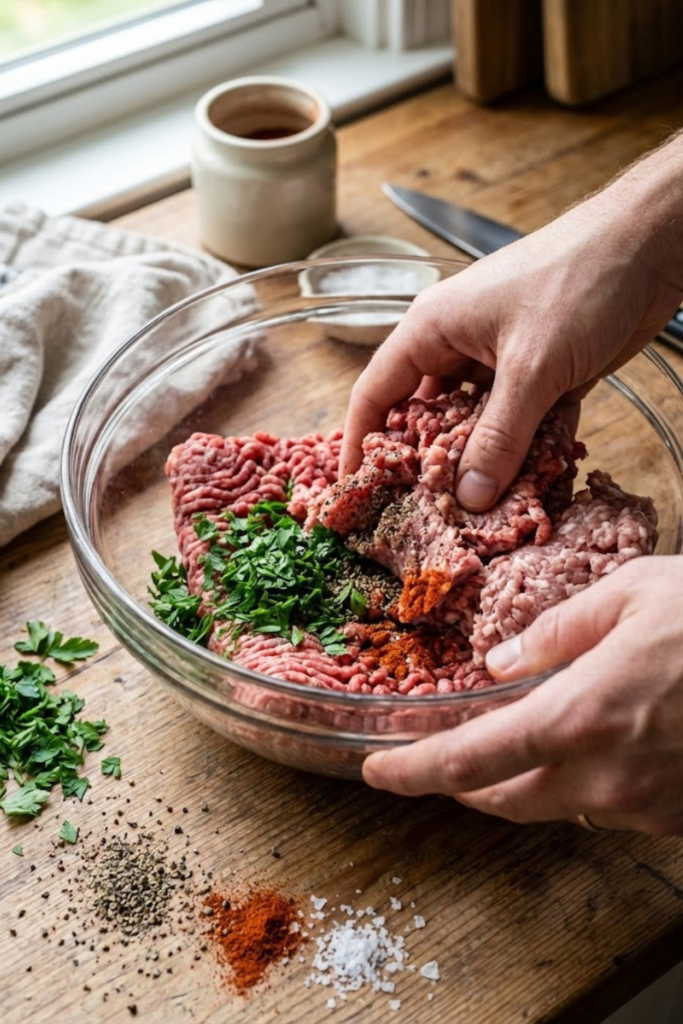
- Don’t Overmix: I used to mash the ingredients together like I was kneading dough. Bad idea. Mix until just combined.
- Check the Label: Sometimes “Ground Round” is sold as hamburger meat, but it’s super lean. Always look for “Chuck.”
The Secret Weapon: How to Make a Panade
I have a confession to make. For years, I treated the breadcrumbs in my meatloaf like an afterthought. I would just dump dry panko or—heaven forbid—raw oatmeal straight into the bowl with the meat and eggs. I thought I was just adding a binder to hold it all together.
I was wrong.
Every time I did that, I ended up with a loaf that was dense and crumbly. It wasn’t until I watched a cooking show at 2 AM (don’t judge my insomnia habits) that I heard the term “panade.” It sounded super fancy, like something you’d need a degree to make. But honestly? It’s just mushy bread and milk. And it is the single most important step for the best meatloaf ive ever made.
What in the World is a Panade?
A panade is simply a paste made from a starch and a liquid. In the case of meatloaf, it is usually bread and milk.
When you mix dry crumbs into meat, they act like little sponges. They suck up the moisture from the beef while it cooks. This leaves you with that dry texture we are all trying to avoid.
But when you make a panade, you are pre-hydrating the starch.
The wet bread coats the protein molecules in the meat. This prevents them from tightening up too much when the heat hits them. It basically keeps the meat relaxed. A relaxed meatloaf is a moist meatloaf.
Choosing Your Starch
I have experimented with pretty much everything in my pantry. Here is what I found out through a lot of trial and error:
- Dry Breadcrumbs: These are okay in a pinch, but they tend to result in a tighter texture.
- Saltine Crackers: My grandma used these. They add a nice salty kick, but sometimes the texture gets a bit gummy.
- White Bread: This is the gold standard.
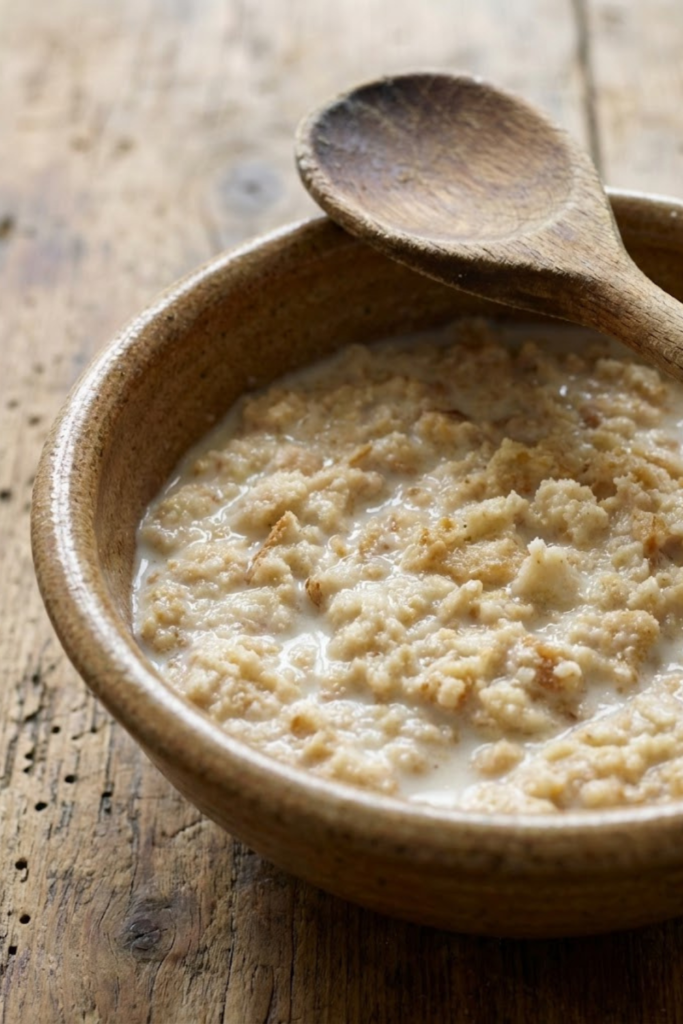
I usually grab about three slices of regular white sandwich bread. I tear them into tiny little pieces. I’m talking small, ragged chunks. Then, I toss them in a bowl.
The Milk Ratio
You don’t need fancy buttermilk or heavy cream, though those are delicious. Regular whole milk works perfectly.
Pour enough milk over the torn bread just to cover it.
Let it sit. seriously, walk away for ten minutes. Go have a coffee. When you come back, it should look like a gross, soggy mess. Mash it with a fork until it becomes a paste.
If it looks too dry, add a splash more milk. If it’s swimming in liquid, pour a little bit out. You want it to be thick and pasty, not soupy.
Why This Step Matters
I know it adds an extra bowl to wash, and I hate doing dishes as much as anyone. But skipping this step is why most people hate meatloaf.
When I started using a panade, the difference was instant. My family actually stopped reaching for the ketchup bottle to drown the slices. The meat was tender, light, and held together perfectly without being a brick.
So, please, for the love of dinner, do not skip the mushy bread step. It is the secret backbone of this recipe.
Seasonings and Mix-Ins That Pack a Punch
I have to be honest with you: my first few attempts at meatloaf tasted like… well, nothing. It was just hot, gray beef. I remember serving it to my husband, and he politely asked for the salt shaker before he even took a bite. That stung a little!
But it taught me a valuable lesson. Ground beef is a blank canvas. If you don’t hit it hard with flavor, it’s going to be boring. To make the best meatloaf ive ever made, you have to stop being shy with the seasoning cabinet.
The “Crunchy Onion” Mistake
We need to talk about onions. I used to chop a raw yellow onion into big, chunky dice and throw it right in the bowl.
Big mistake.
Meatloaf only cooks for about an hour. That is not enough time for a big chunk of onion to soften inside a dense loaf of meat. So, we ended up biting into soft meat and then—crunch—a piece of raw, spicy onion. It ruined the whole texture.
Now, I do one of two things:
- Sauté them first: If I have time, I cook the onions in butter until they are soft and sweet.
- Grate them: This is my lazy hack. I use a cheese grater to shred the onion directly into the bowl.
When you grate the onion, it basically melts into the meat. plus, you get all that onion juice which adds even more moisture. Just be prepared to cry a little while grating!
The Umami Bomb
“Umami” is just a fancy word for savory deliciousness. Beef needs help to taste “beefier.”
I used to just use salt and pepper. That was fine, but it lacked depth. Then I discovered the power of Worcestershire sauce. I still can’t pronounce it correctly half the time, but I never skip it.
It adds a salty, tangy richness that wakes up the meat. I usually dump in about two tablespoons.
If I’m feeling wild, I also add a squirt of tomato paste or even a splash of soy sauce. It sounds weird to put soy sauce in a classic American dinner, but it works. It makes the beef taste richer without making it taste like Asian food.
Herbs: Fresh vs. Dry?
I love my little herb garden, but for the inside of a meatloaf, I actually prefer dried herbs.
Fresh herbs can sometimes turn black or get a weird texture inside the loaf. Dried herbs, like thyme and oregano, rehydrate while they bake. They release their flavor slowly throughout the whole cook time.
My go-to seasoning mix usually looks like this:
- 1 teaspoon dried thyme
- 1 teaspoon dried parsley
- 1/2 teaspoon garlic powder (yes, even if I used fresh garlic!)
- Plenty of kosher salt and black pepper
One time I forgot the salt entirely. I pulled this beautiful loaf out of the oven, glazed it perfectly, and it tasted like cardboard. Don’t be like me. You can’t season the meat once it’s cooked!
If you aren’t sure if you have enough salt, here is a gross but helpful tip: pinch off a tiny piece of the raw meat mixture and fry it in a pan for a minute. Taste that little cooked bite. If it tastes good, your whole loaf will be perfect. If it’s bland, add more salt now.

Mastering the Sweet and Tangy Glaze
I have vivid memories of the meatloaf my cafeteria served in middle school. It had this sad, cracked layer of baked ketchup on top that looked like a dry desert landscape. It was sour and weirdly chewy.
Because of that trauma, I avoided putting anything on top of my meatloaf for years. I served it naked.
My family hated it.
They told me it looked “unfinished.” And they were right. A naked meatloaf looks a bit like a giant burger that got lost. To truly make the best meatloaf ive ever made, you need a glaze that balances the savory richness of the beef. It shouldn’t just be a condiment; it should be a sticky, caramelized layer of heaven.
The Holy Trinity of Ingredients
Please, put the bottle of ketchup down. You cannot just squirt plain ketchup on top and call it a day. It is too acidic and one-note.
I discovered the magic formula by accident when I was trying to make homemade barbecue sauce. You need three things:
- Ketchup: This is your base.
- Brown Sugar: This adds sweetness and helps the glaze thicken up in the oven.
- Apple Cider Vinegar: This cuts the sugar and adds a tangy kick.
I usually mix about 1/2 cup of ketchup with two tablespoons of brown sugar and a teaspoon of vinegar. Sometimes I add a dash of onion powder if I’m feeling fancy.
When you whisk this together, it tastes like a sophisticated BBQ sauce, but better. It’s the perfect tangy meatloaf sauce that makes people ask for seconds.
The Two-Step Application Mistake
Here is where I messed up for a long time. I used to dump all the sauce on the raw meat before putting it in the oven.
By the time the meat was cooked an hour later, the sauce was either burnt to a crisp or had slid off into the grease trap at the bottom of the pan. It was a disaster.
Now, I use a two-step method.
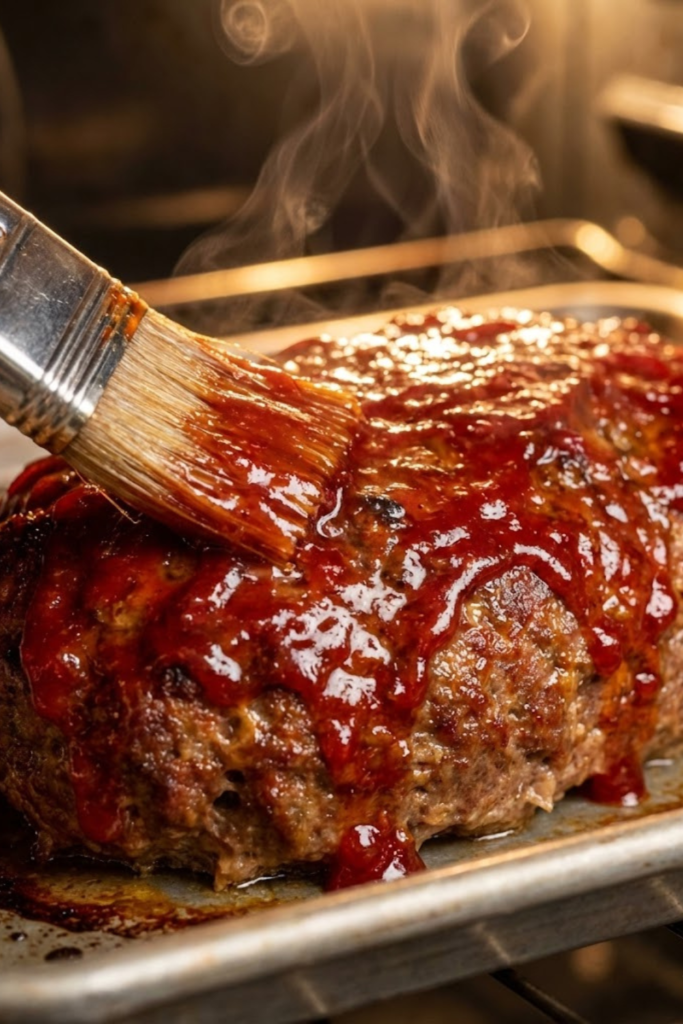
I brush about half of the glaze onto the raw loaf. This bakes into the top crust and flavors the meat. Then, I bake the meatloaf for about 45 minutes.
Here is the trick: pull the meatloaf out of the oven about 15 minutes before it is done. Brush the rest of the glaze on top. This fresh layer stays sticky and bright red. It doesn’t get ruined by the long cook time.
The Broiler Finish
If you really want to impress your in-laws, use the broiler.
Once the meatloaf is fully cooked, turn your oven to “Broil.” Put the pan on the top rack for literally one or two minutes.
Do not walk away.
I walked away once to check my phone, and I set off the smoke alarm. But if you watch it closely, the sugars in the glaze start to bubble and caramelize. You get those sticky, slightly charred edges that taste amazing. It turns a boring dinner into a classic meatloaf masterpiece.
Baking, Resting, and Serving Tips
For a long time, putting a meatloaf in the oven felt like gambling. I would set the timer for an hour, cross my fingers, and pray it didn’t come out raw in the middle or burnt on the bottom.
One time, I was so worried about it being undercooked that I left it in for an extra twenty minutes. It was a disaster. The bottom was a hard black crust that I had to saw off with a serrated knife. To make the best meatloaf ive ever made, I had to stop guessing and start using some real tools.
The Thermometer is Your Best Friend
If you take nothing else away from this, please buy a digital meat thermometer.
I resisted this for years because I thought, “Grandma didn’t need one!” Well, Grandma also overcooked the pork chops until they were like shoe leather.
You are looking for an internal temp of 160°F (71°C).
I start checking the temp around the 45-minute mark. Stick the probe right into the center of the loaf. If it says 150°F, I know I have about ten minutes left.
This removes all the anxiety. You will never have to slice into a raw loaf and panic again. It guarantees a safe, perfectly cooked dinner every time.
The Hardest Step: Walking Away
This is where I struggle the most. You pull that beautiful, glazed meatloaf out of the oven. It smells amazing. You are starving.
You want to cut it immediately.
Don’t do it.
If you cut into hot meatloaf right away, all those delicious juices run out onto the cutting board. You will be left with a dry slice and a puddle of wasted flavor. It’s a tragedy I have experienced too many times.
You need to let it rest for at least 10 to 15 minutes.
I usually tent it loosely with foil to keep it warm. During this meatloaf resting time, the juices redistribute inside the meat. It firms up, making it easier to slice without crumbling.
Serving the Perfect Plate
Now that you have mastered the main event, you need the right sides.
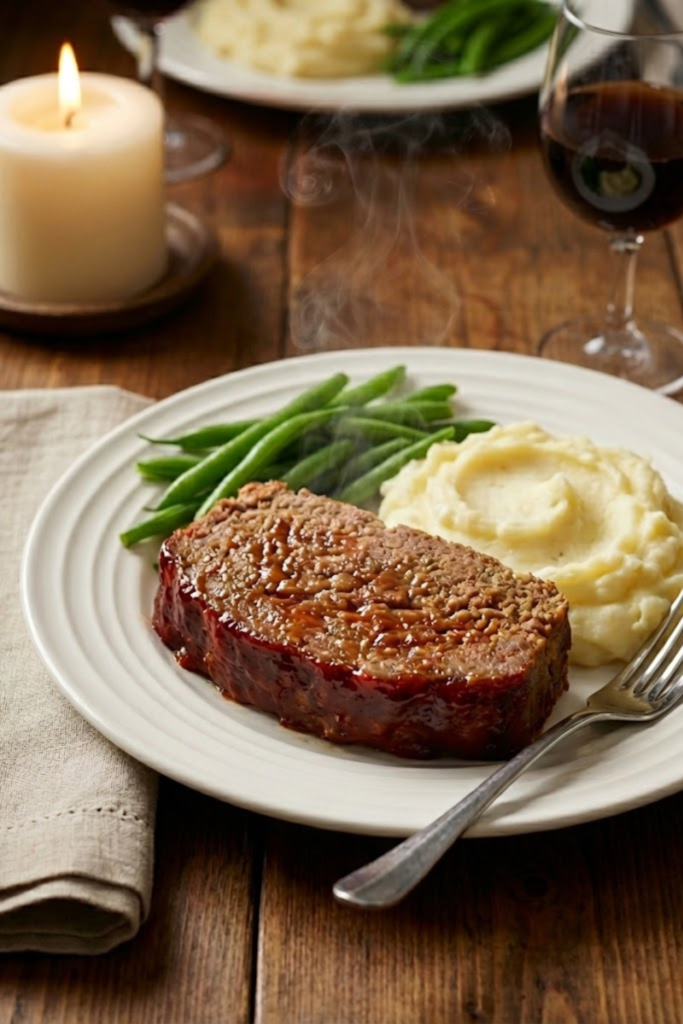
In my house, it is illegal to serve meatloaf without mashed potatoes. The creamy potatoes mixed with the savory meat and tangy glaze is just pure comfort.
If I am trying to be a bit healthier, I might roast some green beans or asparagus on the side. But honestly? Meatloaf is a “treat yourself” meal.
Don’t forget the leftovers! A cold meatloaf sandwich on white bread with a little mayo the next day is arguably better than the hot dinner. It’s the gift that keeps on giving.
No More Dry Dinners
Making the best meatloaf ive ever made didn’t happen overnight. It honestly took a lot of dry, sad dinners and a few complaints from the peanut gallery to get here. I used to think meatloaf was just a throwaway meal you made when you ran out of ideas.
But now? It is the star of the show.
It turns out that cooking isn’t about being a fancy chef with expensive equipment. It is just about understanding how ingredients work together. Once I figured out that bread and milk (the panade) were the key to moisture, everything changed.
The Family Verdict
The first time I nailed this recipe, the table was silent. Usually, dinner time is chaos with kids talking over each other. But that night, everyone was just eating.
My youngest, who usually “hates” everything that isn’t a nugget, actually asked for seconds. That was the moment I knew this recipe was a keeper.
It is forgiving, too. Even if you leave it in the oven a minute too long or forget to sauté the onions, it still tastes like pure comfort food dinner. It brings people together, and that is what matters most.
Save This for Later
I really hope this guide helps you fix your meatloaf woes. If you found these tips helpful, or if you finally made a loaf that didn’t crumble into dust, I would love for you to share it!
Please pin this recipe on Pinterest.
It helps other home cooks find it and saves them from the tragedy of dry beef. Plus, it helps me keep the lights on around here so I can keep making messes in the kitchen. Now, go preheat that oven and enjoy the compliments!