Do you remember that specific smell of Saturday mornings? For me, it wasn’t pancakes—it was the scent of fresh yeast and citrus zest wafting from my grandmother’s kitchen. It was intoxicating! If you are looking for the best glazed orange sweet rolls to recreate that magic, you have landed in the right place.
Forget store-bought pastries that taste like cardboard. We are talking about pillowy soft dough, a filling bursting with fresh orange zest, and a glaze that literally melts into every crevice. Did you know that the smell of citrus is proven to boost energy and mood? It’s true! So, this isn’t just breakfast; it’s a little bit of therapy. I’ve spent years tweaking this recipe (and eating way too many “test” rolls), and I’m finally ready to share the secrets to the fluffiest, zestiest rolls you will ever bake. Let’s get our hands floury!
Why These Orange Rolls Beat Cinnamon Buns
Look, I’m gonna say something that might get me kicked out of the baking club. Sometimes, cinnamon rolls are just too much. I know, I know!
I remember one Easter brunch where I spent four hours making my famous sticky buns. They were huge, heavy, and loaded with spice. You know what happened?
Everyone ate half of one and tapped out.
I was so frustrated seeing all that hard work go to waste on the counter. It felt like a total flop. That’s when I realized we needed a cinnamon roll alternative that didn’t feel like a brick in the stomach.
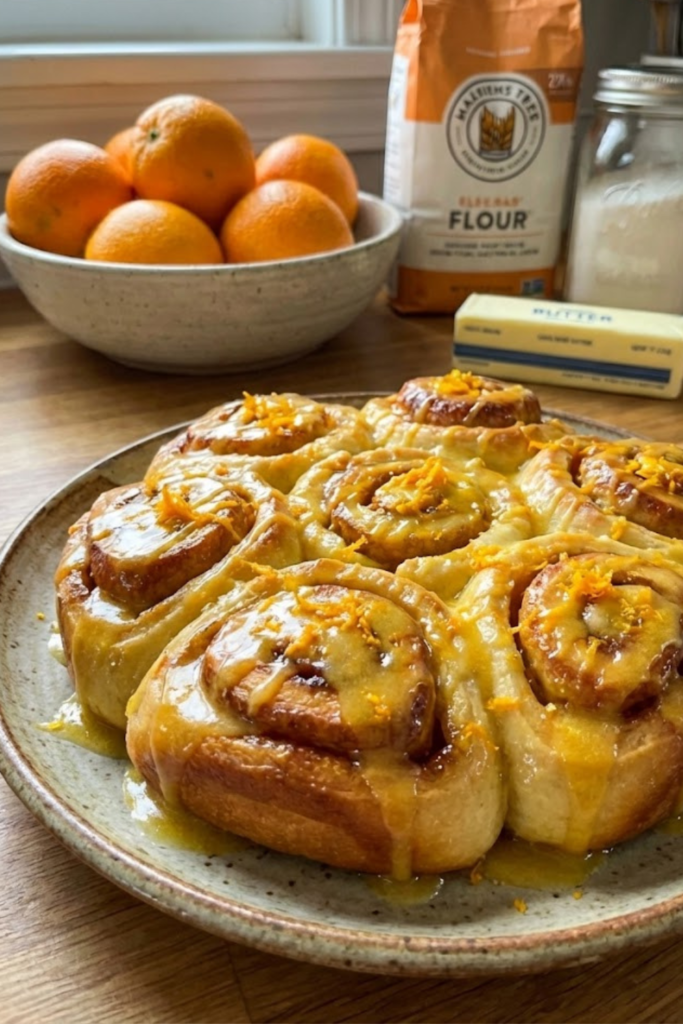
Enter these glazed orange sweet rolls.
The Freshness Factor
The main reason these win is simple: acid. The zest and juice cut right through the richness of the butter and sugar.
With a traditional bun, you just get sweet on sweet on spice. It can be kinda exhausting for your tastebuds after the second bite. These rolls offer a pop of brightness that actually wakes you up.
It’s like sunshine in a dough form.
Also, let’s be real about the glaze. A heavy cream cheese frosting is great, but a sticky citrus glaze that seeps into the cracks? It’s addictive in a completely different way.
A Year-Round Crowd Pleaser
Cinnamon usually screams “cozy winter morning” to me. It’s hard to crave that heavy spice when it is 80 degrees outside in July.
But these orange beauties? They work 365 days a year.
I’ve served them at Christmas, and they bring a nice lightness to the heavy holiday food. I’ve served them at a summer pool party, and they fit the tropical vibe perfectly. They are versatile little things.
One time, I brought a batch to a potluck thinking nobody would touch them because there were donuts right next to them. My pan was empty in twenty minutes.
Lessons from the Kitchen
Here is a mistake I made early on: thinking I could swap the filling but keep the same heavy dough I use for cinnabons. Nope.
If you want the best glazed orange sweet rolls, you have to let the dough be a bit lighter.
I also used to dump tons of cinnamon in with the orange zest because I was scared it wouldn’t be “flavorful” enough. Don’t do that. The cinnamon completely bullies the delicate citrus notes.
Let the orange be the star of the show!
When you bite into these, you aren’t overwhelmed. You are refreshed. And honestly, that means you can probably eat two of them without needing a nap immediately after.
The Visual Appeal
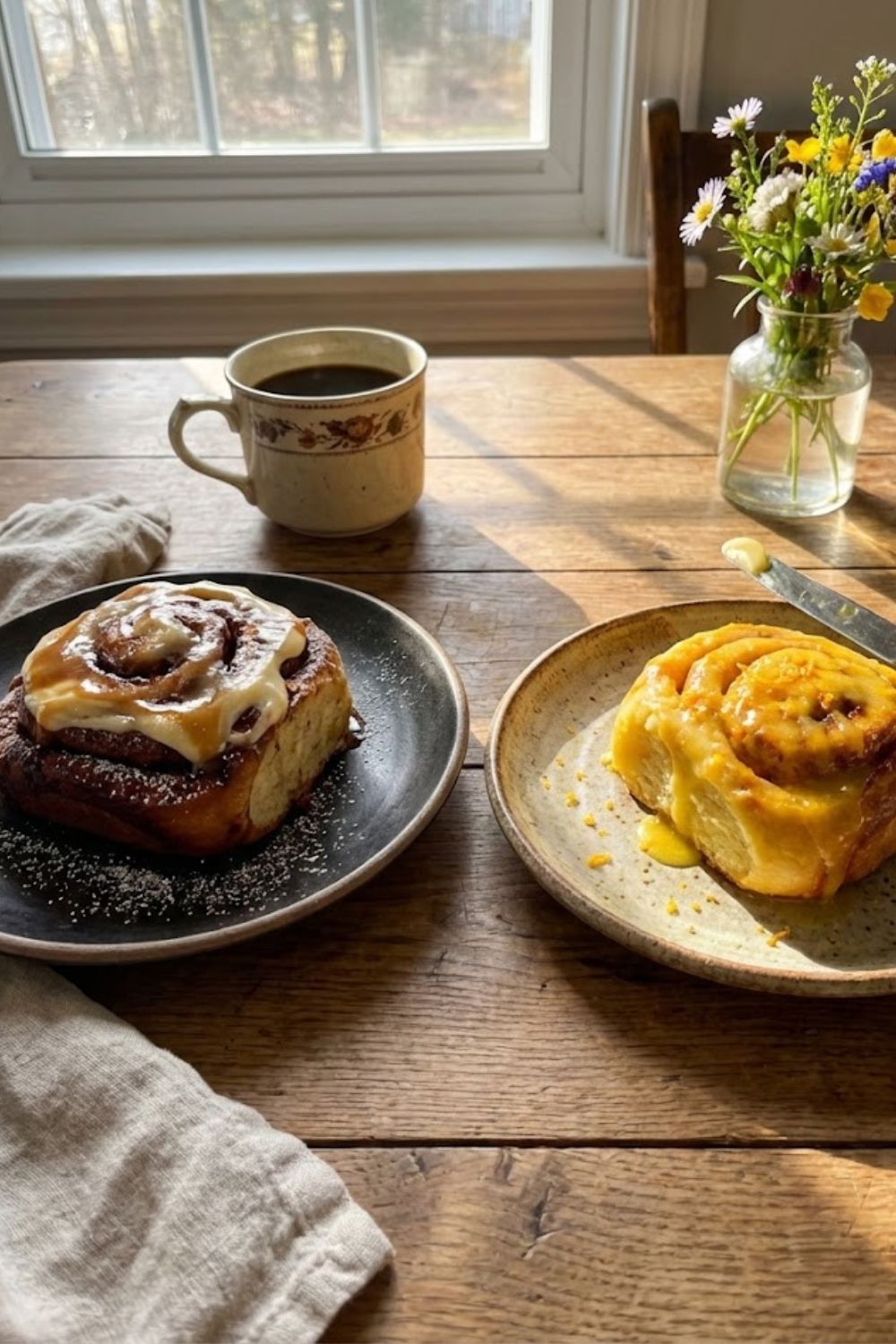
We eat with our eyes first, right? There is something about the bright, golden-orange color of these breakfast pastries that just looks happier.
Brown cinnamon filling can look a bit… well, muddy. But specks of bright orange zest spiraled through the dough? It looks like you bought them at a fancy bakery.
I promise, once you make the switch, it’s really hard to go back to the heavy stuff.
Essential Ingredients for Soft Sweet Dough
Okay, confession time. The first time I tried to make a sweet dough recipe, I ended up with what my husband affectionately called “hockey pucks.”
They were hard, dry, and could probably break a window. I was so mad I almost threw the whole pan in the trash!
I used to think baking was just luck. Like, maybe the yeast gods just didn’t like me that day? But after years of experimenting (and plenty more failures), I realized it really comes down to the ingredients. You can’t just swap stuff out and hope for the best.
Here is what I’ve learned about getting that pillowy, soft texture we all dream about.
The Flour Dilemma
I used to grab whatever white powder was in the pantry. Big mistake.
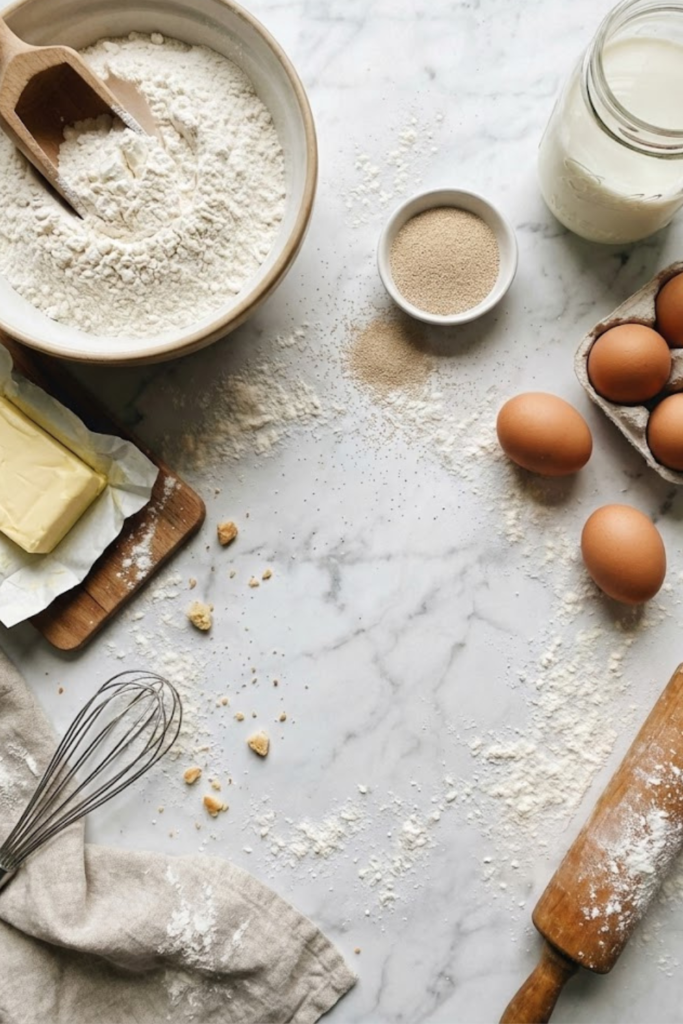
For these orange rolls, you really want to pay attention here. I generally prefer bread flour over all-purpose. Why? Because bread flour has a higher protein content. This helps build the gluten structure that allows the rolls to rise high and hold their shape.
If you use cake flour, they turn into mush. If you use whole wheat without adjusting moisture, you get a brick. Stick to bread flour if you can, but all-purpose works if that is all you have. Just know the texture will be slightly less chewy.
Respect the Yeast
I have murdered so much yeast in my life. It’s actually tragic.
There are two main types you’ll see: active dry yeast and instant yeast. I personally love instant yeast because you don’t have to proof it in water first. You just toss it in with the flour. It saves a step and I’m all about being lazy where I can.
If you use active dry, you must let it bubble in the warm milk first. If it doesn’t bubble after 5 minutes, throw it out. Seriously. Do not try to save it. Your dough will not rise, and you will be sad.
Fat is Flavor (and Softness)
Here is a hill I will die on: do not use water for this dough.
You need warm milk. Whole milk is best. The fat in the milk enriches the dough and makes the crumb tender. Skim milk is basically white water, so skip it if you want bakery-quality results.
Also, we need to talk about butter. Use unsalted butter so you can control the salt level. And please, for the love of pastry, do not use margarine. Margarine contains water and oils that mess with the texture. Real butter gives you that rich, melt-in-your-mouth feel.
The Temperature Trap
This is the number one thing people mess up.
I used to be impatient and pull eggs straight from the fridge. When you dump cold eggs into warm butter and milk, the butter seizes up and gets chunky. It looks gross, and it stops the dough from mixing properly.
Your room temperature eggs and butter need to be soft.
If you forget to take them out (I do this all the time), just put the eggs in a bowl of warm water for 10 minutes. It works like a charm. Getting the temperature right is the difference between a smooth, elastic dough and a lumpy mess.
Trust me, your patience pays off when you pull that golden pan out of the oven.
Step-by-Step: Making the Zesty Orange Filling
This is the fun part. The dough is important, sure, but the filling? That is the soul of the recipe.
I remember one time I was in a rush—classic me—and I decided to use bottled orange juice concentrate instead of fresh zest because I couldn’t find my zester. Huge mistake.
The rolls came out tasting like a cheap candle. It was a total disaster and I ended up eating cereal for breakfast instead.
So, lesson learned: shortcuts here are a hard pass. If you want that explosive citrus flavor, you have to put in a little elbow grease.
The Zest is Best
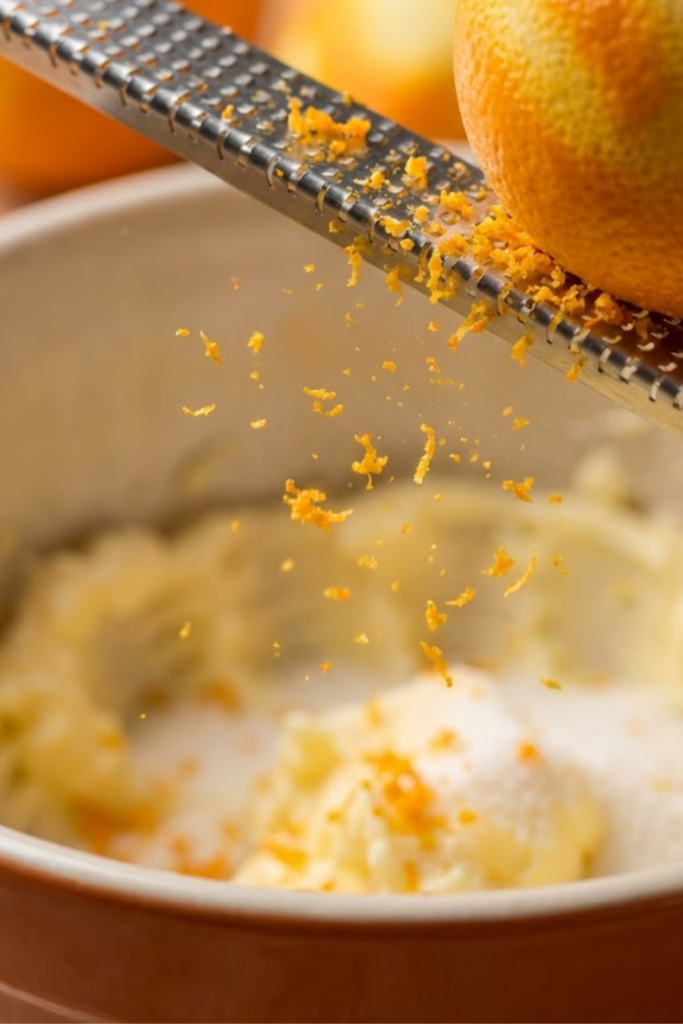
First things first, get yourself a good zester tool. You need fresh orange zest, and lots of it.
Here is a little pro tip I learned from a baking class I took years ago: don’t just dump the zest into the bowl.
Put your sugar in the bowl first, then zest the orange directly onto it. Then—and this is the game changer—use your fingers to rub the zest into the sugar.
It feels kind of like wet sand.
Doing this releases the essential oils from the orange skin into the sugar. The smell will literally punch you in the face (in a good way). If you skip this, you are leaving half the flavor on the table.
The Sugar Ratio
For the orange filling, I don’t like using just plain white sugar. It gets too crunchy.
I like to use a mix of granulated sugar and packed brown sugar. The brown sugar filling adds this deep, caramel-like molasses flavor that pairs so well with the bright citrus. It makes the inside gooey and sticky, which is exactly what we want.
I used to just use white sugar because I was lazy, but the filling would always dry out. The moisture in the brown sugar keeps everything soft.
Butter Consistency Matters
Okay, pay attention because I have messed this up more times than I care to admit.
Your butter needs to be soft. Not melted. Not cold.
If you use melted butter, it will run right out of the rolls as soon as you start rolling them up. You’ll end up with a puddle of butter in the bottom of your pan and dry rolls. I’ve done it, and it’s heartbreaking.
If the butter is too cold, you will tear your beautiful, soft dough trying to spread it.
I usually leave my unsalted butter out on the counter the night before. You want to be able to smear it on like lotion.
Spreading the Love
When you spread that butter and sugar mixture, don’t go all the way to the edge.
Leave a tiny strip of bare dough at the very top. This helps seal the roll when you wind it up. If you fill it to the brim, the filling leaks out during the bake, and you get burnt sugar on the bottom of your oven.
Nobody likes scrubbing an oven.
Take your time here. Make sure every inch (except that sealing strip) is covered in that zesty, sugary goodness. It’s worth the extra minute to get it perfect.
Proofing and Baking for Fluffy Results
I have a confession to make: I am incredibly impatient.
When I first started baking, I treated the rising time as a suggestion, not a rule. I’d think, “Eh, it’s been 30 minutes, that looks close enough.”
Spoiler alert: It was not close enough.
I pulled those rolls out of the oven, and they were dense, heavy, and disappointing. I honestly thought I had killed the yeast. But nope, I just didn’t let them nap long enough. If you want that bakery-style fluffiness, you cannot rush this part. You just can’t.
The Waiting Game (Bulk Fermentation)
After you knead your dough, you have to let it do its thing. We call this bulk fermentation.
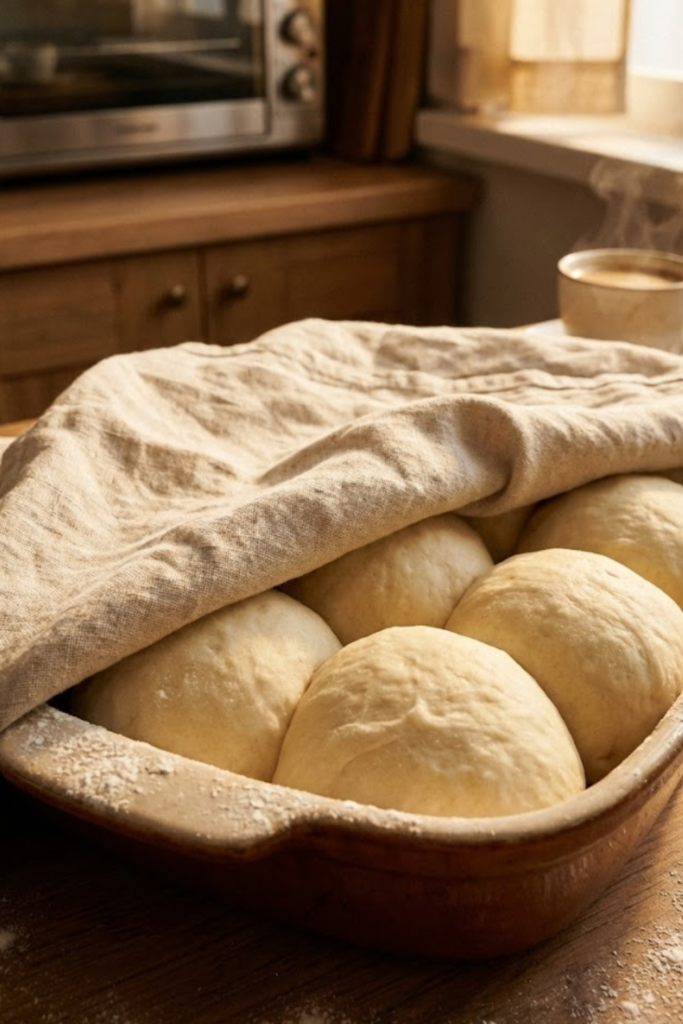
I usually put my dough in a greased bowl, cover it with a warm, damp towel, and shove it in the warmest spot in my kitchen. For me, that’s on top of the fridge.
You are looking for the rising dough to double in size. Not “get a little bigger.” Double.
This creates those air pockets that make the final roll soft. If you cut this short, your rolls will be tough. It usually takes an hour, but if your house is cold like mine in January, it might take two. Grab a coffee and relax.
The Poke Test
How do you know if it’s actually ready? I use the poke test.
It sounds silly, but it works. Gently poke the dough with your index finger. If the indent stays there and slowly fills back in, it’s ready.
If the dough springs back immediately like a trampoline, it needs more time. It’s tight and needs to relax.
If it collapses? You let it go too long (over-proofed). I’ve done that too. You can still bake it, but it might taste a little yeasty and fall flat in the oven.
Room to Grow
Once you’ve rolled them up and cut them—I use dental floss for a clean cut, by the way—place them in your baking dish.
Here is a mistake I used to make: cramming them all in there tight because I wanted them to look cozy.
Don’t do that!
Leave a little space between them. During the second rise, they need room to expand. If they are too squished, the centers won’t cook through, and you’ll be left with raw dough in the middle while the edges are burnt.
The Oven Sweet Spot
Finally, it’s time to bake.
I always place my rack right in the middle of the oven. If it’s too high, the sugar burns. Too low, the bottoms get hard.
You want a beautiful golden brown crust on top.
Keep an eye on them during the last 5 minutes. My oven runs hot, so I sometimes have to tent a piece of foil over the top if they are browning too fast.
When you pull them out, they should be touching each other and smell like heaven. Resisting the urge to eat one immediately is the hardest part of this entire process, I swear.
The Secret to the Perfect Orange Glaze
I used to think the glaze was just an afterthought. You know, just mix some powdered sugar and milk and call it a day.
Boy, was I wrong.
The first time I served these to my in-laws, I made the glaze way too thin. It literally vanished. It soaked right into the bun and disappeared, leaving the rolls looking soggy and sad. I was mortified.
The glaze isn’t just a topping; it’s the first thing you taste. It needs to be perfect. After many sticky disasters, I finally cracked the code on how to get that bright, zesty finish that actually stays put.
Juice Over Milk
If there is one rule you follow here, let it be this one: put the milk carton away.
For a true orange juice glaze, you need to use the actual juice from the oranges you zested earlier. Using milk makes it creamy, sure, but it dilutes that citrus punch we are looking for.
I squeeze fresh juice right into the powdered sugar.
It creates this vibrant, tangy flavor that makes your mouth water instantly. Plus, the acidity cuts through the sugar so it’s not sickly sweet. It’s a balance thing.
Getting the Texture Right
This is where things get tricky.
You are looking for a consistency that is pourable but thick. Think of it like glue or thick honey.
If it’s too runny, it will pool at the bottom of the pan. If it’s too thick, you won’t be able to drizzle it.
I usually start with a cup of powdered sugar and add the juice one tablespoon at a time. I whisk it like crazy with a fork. If I accidentally add too much liquid (which I do constantly because I have heavy hands), I just add more sugar to thicken it back up.
It’s a forgiving process, thankfully.
The Temperature Debate
There is a huge debate in the baking world about when to glaze.
Some people say wait until they are cool. I say, glaze them while they are warm!
Not piping hot, or the glaze will melt completely. But warm enough that the icing drizzle softens slightly and hugs the curves of the roll.
I usually wait about 10 to 15 minutes after they come out of the oven.
This way, some of it soaks into the top layers, making them gooey, but enough stays on top to give you that beautiful white cap.
The Final Touch
If you want to look fancy, sprinkle a little extra zest on top right after you glaze.
Or, if you are feeling really ambitious, add some candied orange peel. It adds a nice little crunch.
Honestly, though? Most of the time I just slather it on and eat one straight from the pan. Life is too short to wait for the perfect garnish.
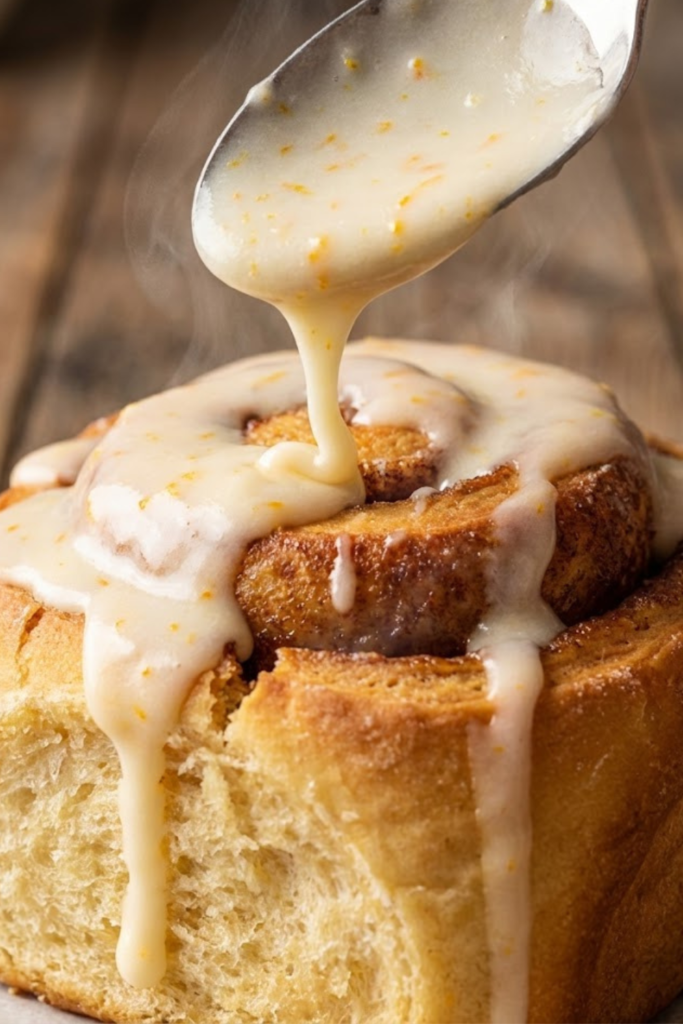
Making the best glazed orange sweet rolls is about more than just following a recipe; it’s about that moment when you pull the pan out of the oven and the whole house smells like a citrus grove. We’ve navigated the sticky dough, the zesty filling, and that glorious, dripping glaze together.+1
I hope you give this recipe a try this weekend. It might be a little messy, and you might get flour on your shirt (I always do), but that first warm, gooey bite is absolutely worth it. It’s a little taste of the tropics right in your own kitchen.
If you bake these, I’d love to see them! Pin this recipe on Pinterest and tag me so I can see your beautiful creations. Happy baking!