I used to think “gluten-free” was just a fancy way of saying “crumbly hockey puck.” Seriously! But did you know that over 30% of people are now choosing gluten-free options for better digestive health? After years of flour-covered failures in my own kitchen, I finally cracked the code to getting that incredible, pull-apart rise without any wheat. It’s all about the cold butter and a specific folding technique that I’m dying to show you today!
I remember this one time I tried to make biscuits for a neighborhood potluck and they were so hard I actually saw someone use one as a coaster. It was totally gut-wrenching, but it pushed me to experiment until I found the “letter fold” secret that changed everything for my baking. Nowadays, I don’t even miss the wheat because these flaky layers are just so much better than the “real” thing. You’ve gotta trust me on the temperature—if that butter isn’t ice cold, you’re basically just making flat bread. It’s these little wins in the kitchen that make the whole “teacher” gig so rewarding for me!
The Secret Science of Gluten-Free Lamination
Man, let me tell you, I’ve had my fair share of “biscuit bricks” over the years. I remember this one Sunday morning—I was so determined to impress my mother-in-law with a “healthy” brunch—and I ended up serving something that could’ve doubled as a paperweight. It was embarrassing, honestly! I realized later that I was treating my gluten-free dough like regular bread dough, which is a huge no-no.
The Magic of Cold Fat
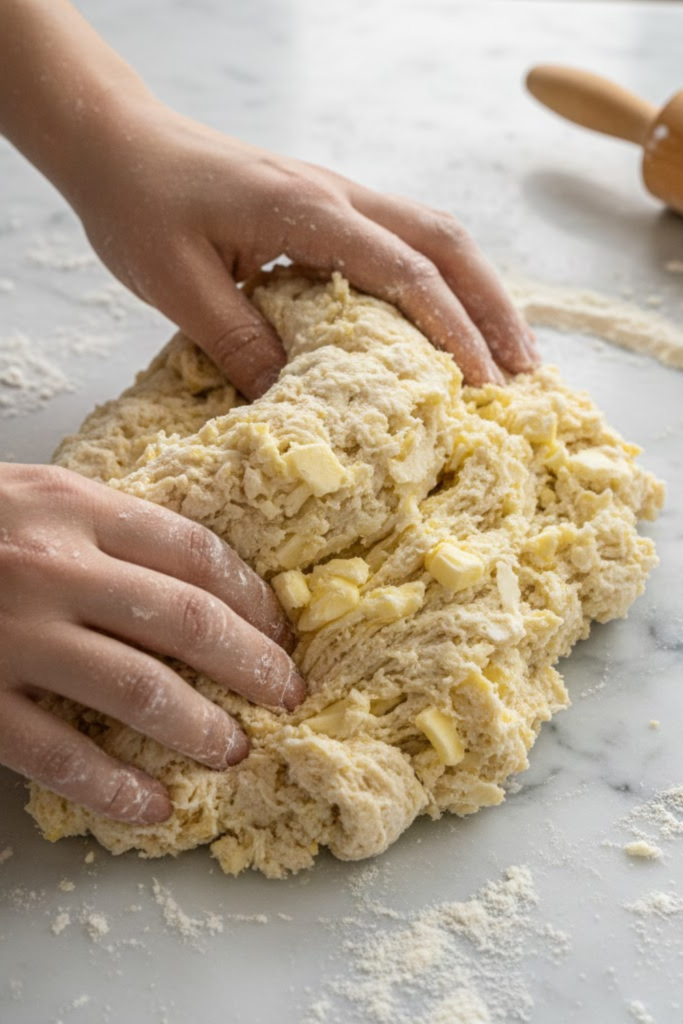
One thing I’ve learned from teaching home cooks for over a decade is that temperature is everything. You want your butter to be so cold it’s almost painful to touch. When those little pea-sized chunks of butter hit the hot oven, they melt and create steam. That steam is what pushes the dough up, creating those gorgeous, flaky layers we all crave. If your butter is soft, it just mixes into the flour, and you get a flat, greasy mess instead of the best flaky gluten free biscuits.
Master the Fold
I used to think lamination was only for fancy French pastry chefs, but it’s actually super simple. After you mix your dough, pat it into a rectangle and do what I call the “Letter Fold.” You literally just fold it in thirds like you’re putting a letter in an envelope. Do this about three or four times. Each fold creates a physical layer of butter and dough. I once skipped this because I was in a rush, and boy, did I regret it—the biscuits tasted okay, but they had zero lift!
Why Xanthan Gum Matters
Now, don’t get me started on binders. Without gluten, there’s nothing to hold the “structure” together. That’s where xanthan gum comes in; it acts like the glue. Just a teaspoon makes a world of difference. I’ve tried making these without it before, and the biscuits just crumbled into a pile of sand the second I took a bite. It was a total disaster, but hey, that’s how we learn, right?
Keep your hands off the dough as much as possible so your body heat doesn’t melt the fat. I sometimes even chill my metal bowl in the freezer for ten minutes before I start. It might sound a bit extra, but trust me, it’s a total game-changer for getting that height!
Choosing the Right Flour Blend for 2026
I’ll be the first to admit that I’ve spent way too much money on “fancy” flour blends that ended up tasting like cardboard. It’s frustrating when you follow a recipe perfectly and it still flops because the flour wasn’t right! After a decade of teaching, I’ve learned that not all gluten-free flours are created equal, especially when you’re chasing those sky-high layers.
The 1-to-1 Holy Grail
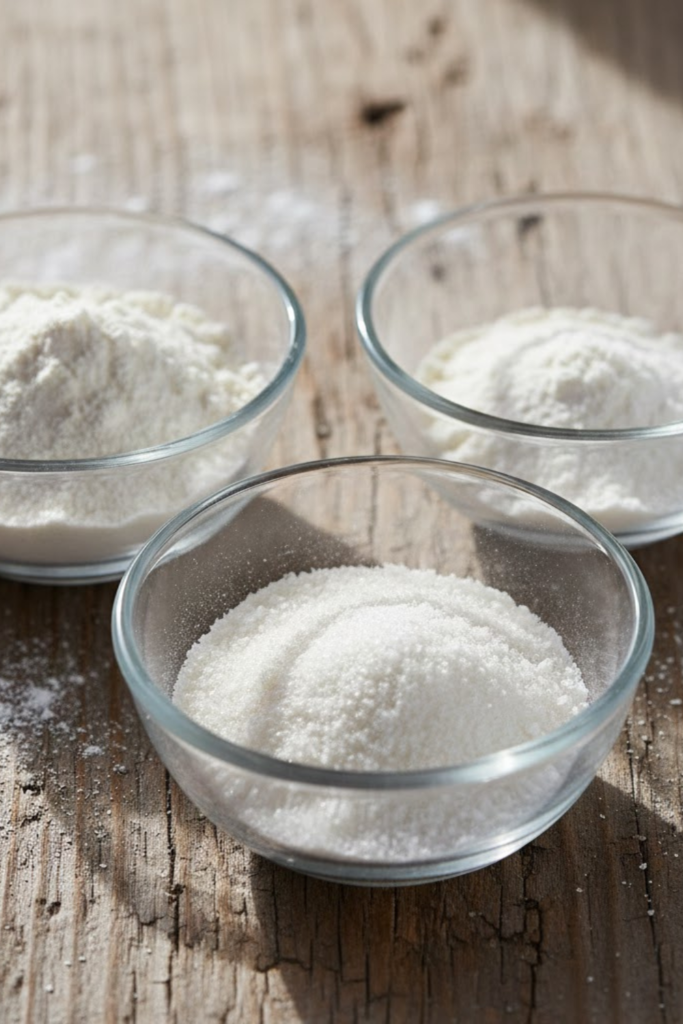
For the best flaky gluten free biscuits in 2026, you really want a high-quality 1-to-1 all-purpose GF blend. I used to try and mix my own individual starches—talk about a headache! Now, I stick to blends that lead with rice flour but have a good hit of potato or tapioca starch for that “bounce.” If your blend doesn’t have a binder already, you’ll need to add your own, or you’re just making delicious-tasting crumbs.
Hydration is Key
One mistake I made for years was rolling the dough out immediately. Gluten-free flour is a bit like a thirsty sponge; it needs a minute to soak up the buttermilk. I usually let my dough rest on the counter for about ten minutes before I even think about touching it. This little “nap” for the dough makes it much less gritty and way easier to handle.
My Secret “Pro-Tip”
If you want a lighter, more delicate crumb, try swapping out two tablespoons of your flour blend for cornstarch. I stumbled onto this trick by accident when I ran out of flour one morning, and my biscuits came out fluffier than ever! It’s funny how the best lessons come from being totally unprepared in the kitchen.
Common Mistakes to Avoid (I’ve Made Them All!)
Listen, if you’ve ever pulled a tray of flat, sad-looking biscuits out of the oven, don’t beat yourself up. I’ve been there more times than I’d like to admit, usually with flour in my hair and a tear in my eye!. Over the years, I’ve realized that the difference between a biscuit brick and the best flaky gluten free biscuits often comes down to a few silly habits we all have. It is easy to feel defeated when your kitchen looks like a flour bomb went off and the results are barely edible, but that is how we learn.
Stop Over-Mixing Your Life Away
The biggest blunder I see—and one I did for years—is trying to make the dough look smooth. In the world of gluten-free baking, “smooth” is actually the enemy. You want a “shaggy” dough that looks like a hot mess before you start your folds. If you mix it until it’s pretty, you’ve probably melted all those tiny butter pockets that create the flakes. I remember one Thanksgiving where I mixed the dough so long it looked like pancake batter; those biscuits were so tough we could have used them as hockey pucks!.
The Heat is Not Your Friend
I once tried to bake these on a scorching July morning with no AC, and let me tell you, it was a disaster. My butter turned into a puddle before the biscuits even hit the pan. If your kitchen is warm, or if you feel the dough getting “tacky,” just stop. Put the whole bowl in the freezer for five minutes to firm things back up. It’s not a race, and a cold dough is a happy dough!. I’ve even started chilling my rolling pin in the fridge because my hands run so warm—it sounds a bit extra, but it works wonders.
The “Twist” That Kills the Rise
This one is a total heartbreaker because it’s so easy to do. When you’re using your biscuit cutter, press straight down and pull straight up. Whatever you do, do not twist the cutter!. Twisting actually “seals” the edges of the dough, which acts like a lock that prevents the biscuit from rising. I used to twist every single time because I thought it helped the dough release, but all I was doing was sabotaging my own hard work.
A Quick Troubleshooting Guide
- Biscuits are crumbly? You probably skimped on the xanthan gum or didn’t let the dough hydrate long enough.
- Tops aren’t brown? Brush them with a little extra buttermilk or melted butter before baking to get that golden glow.
- Bottoms are burnt? Try using a double baking sheet to insulate the heat and protect the delicate base.
- Dough is too sticky? Dust your hands with a bit more rice flour, but don’t go overboard or they’ll get dry.
- No “layers” visible? You might have skipped the folding step or used butter that was already too soft.
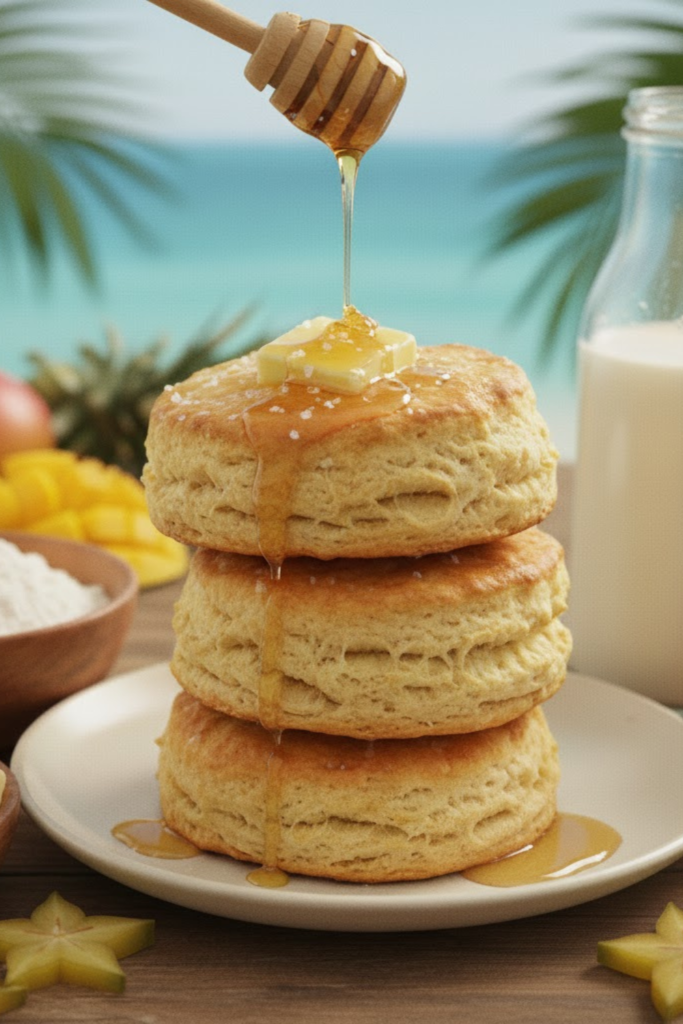
Just remember, even a “failed” biscuit usually tastes pretty good with enough honey butter on it. Don’t be afraid to mess up a few times while you’re learning the ropes!. I still have mornings where things don’t go perfectly, and that is just part of the craft.

Well, there you have it! We’ve trekked through the science of cold butter, explored the 2026 world of flour blends, and hopefully, you’ve learned from my many, many kitchen mishaps. Making the best flaky gluten free biscuits isn’t about being a perfect chef; it’s about having the right strategy and a little bit of patience. I really hope these tips give you the confidence to get back in the kitchen and create something your whole family will love.
I remember the first time I finally got that perfect, three-inch rise—I practically did a victory dance right there on my tile floor! It felt so good to finally win against a dough that had defeated me for so long. Sometimes I still mess up if I’m rushing to get breakfast on the table, and that’s okay too. Baking is a journey, not a destination, and even the “ugly” biscuits taste amazing with a bit of honey. Now, it’s your turn to experience that triumph and smell that buttery aroma filling your home.
Did this guide help you master the flake? If so, please share this post on Pinterest so other gluten-free bakers can join the fun and ditch the hockey pucks for good!