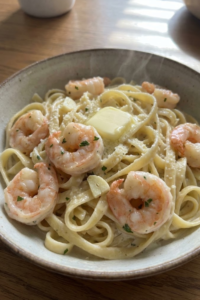
Did you know that shrimp is currently the most consumed seafood in the United States? It’s true! But despite its popularity, so many home cooks are terrified of turning these delicious crustaceans into rubbery little tires. I used to be one of them. Honestly, my first attempt at scampi was a disaster—overcooked and swimming in grease! But don’t worry. I’ve refined this method over years of tasting and testing.
In this guide, we are going to dive deep into the world of garlic butter goodness. We aren’t just making dinner; we are creating an experience. Whether you want to serve it over linguine or keep it low-carb with zucchini noodles, this 2026 guide covers it all. Let’s get cooking!

Choosing the Perfect Shrimp for Your Scampi
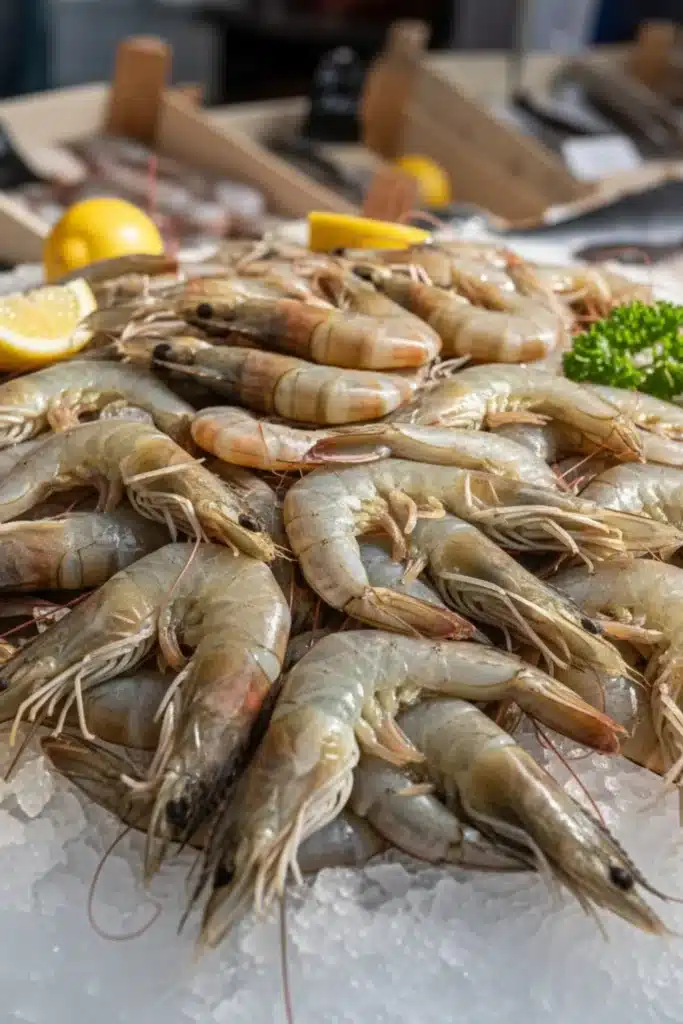
Honest truth time? I used to stand at the seafood counter staring at the glass case like a deer in headlights. I had no clue what I was looking at. I’d usually just point at the pinkest ones and hope for the best.
Big mistake.
I learned the hard way that picking the right protein is literally half the battle with this dish. If you grab the wrong bag, you end up with rubbery, tasteless nuggets that no amount of garlic butter can save. Trust me, I’ve served some pretty sad plates in my day.
The “Fresh” vs. Frozen Myth
Here is a secret that blew my mind when a fishmonger finally told me: the “fresh” shrimp in the display case were likely frozen yesterday.
Yep, most shrimp are flash-frozen right on the boat to preserve them. When you buy them “fresh” at the counter, you are often paying extra for someone else to thaw them out for you. And you don’t know how long they have been sitting there defains!
My advice? Head straight to the freezer aisle. Look for bags marked IQF (Individually Quick Frozen). You have total control over when you thaw them, which means they are actually fresher when they hit your pan. Plus, keeping a bag of frozen shrimp in the freezer means dinner is always an option.
Understanding the Numbers Game
Have you ever seen those numbers on the bag like 16/20 or 31/40 and felt confused? I used to ignore them completely.
Those numbers tell you how many shrimp make up a pound.
- 31/40: These are small. You get 31 to 40 per pound.
- 16/20: These are the big boys (Extra Jumbo).
For a shrimp scampi recipe, size matters. I mistakenly bought tiny 50/60 count shrimp once because they were cheaper. Bad move. They overcooked in seconds and got lost in the pasta. It was like eating garlic butter soup with occasional chewy bits.
Stick to Large (21/25) or Extra Large (26/30). They stay juicy and give you that satisfying bite you want.
Shells, Tails, and the dirty work
Okay, nobody likes deveining shrimp. It’s gross. I get it. But if you want the best flavor, buy them with the shell on if you have time.
Why? Because you can simmer those shells in a little wine or stock to make a quick broth that makes your sauce taste incredible.
However, I’m a realist. On a Tuesday night after work, I am not peeling 30 shrimp. I usually grab the “EZ Peel” or fully cleaned bags with just the tail on. Keeping the tail on looks fancy for presentation, but taking it off makes it easier to shovel into your mouth. Your call.
A Note on Sourcing
I try to buy wild-caught shrimp whenever my budget allows. The flavor is sweeter and just… shrimpier? Is that a word? Farm-raised is fine if that’s what is available, but check the label.
Avoid anything that has been treated with sodium tripolyphosphate (STP). It’s a chemical used to bulk up the weight, but it makes the shrimp release a ton of water when you cook them. If your shrimp scampi turns into a watery mess, STP is usually the culprit.
The Holy Trinity of Scampi Ingredients
I’m going to be real with you for a second. The shrimp is important, sure, but we all know why we are really here. It’s the sauce. That glorious, dunk-able, lick-the-plate-clean gold.
When I first started cooking, I thought “scampi” just meant melting a stick of butter and throwing stuff in. I was so wrong. My sauce would either separate into a greasy oil slick or the butter would burn before the shrimp were even cooked. It was frustrating!
Over time, I learned that balancing your fats and aromatics is actually a science. But don’t worry, it’s not rocket science. It’s just about respecting the ingredients.
Butter and Olive Oil: The Power Couple
Here is a mistake I made constantly: using only butter.
Butter tastes amazing, obviously. But it has a low smoke point. If you crank the heat up to sear your shrimp, pure butter will burn and turn bitter fast. I learned this the hard way when my “romantic dinner” set off the smoke alarm.
The fix? Olive oil.
By mixing butter and olive oil, you get the best of both worlds. The oil raises the smoke point so you don’t burn the house down, and the butter gives you that creamy, velvety mouthfeel. I usually start with the oil to sauté the shrimp, then swirl in cold butter at the end to create an emulsion. That’s how restaurants get that glossy look!
The Great Garlic Debate
Okay, I might get some hate for this, but please, put down the jar of pre-minced garlic.
I used to use it all the time because I hated peeling cloves. My fingers would smell for days. But jarred garlic sits in citric acid to preserve it, and it gives the dish a weird, metallic sourness that just doesn’t belong in garlic butter sauce.
For a dish with so few ingredients, there is nowhere for bad flavors to hide. Grab a fresh head of garlic. Smash it, peel it, and mince it yourself. If you want a milder flavor, slice it thin. If you want a punch in the face (which I do), mince it fine or use a press. It makes a massive difference.
Acid and Herbs: Waking Up the Palate
You have all this rich fat from the butter and oil. If you don’t add acid, it’s just heavy. It sits in your stomach like a brick.
Fresh lemon juice is the game changer. It cuts right through the richness and wakes everything up. But here is a tip I picked up: zest the lemon before you juice it. Adding a pinch of zest at the end adds a perfume that juice alone can’t provide.
And finally, let’s talk about flat-leaf parsley.
For years, I treated parsley like a garnish—something you sprinkle on top to make it look pretty. I was missing out. Parsley actually adds a fresh, grassy note that balances the heavy garlic. Stir a handful into the sauce right before serving, don’t just sprinkle it on top. The heat releases the oils in the herb, and it smells like heaven.
It’s tempting to use dried parsley when you are in a rush. I’ve done it. It tastes like dust. Stick to the fresh stuff found in the produce aisle. Your tastebuds will thank you.
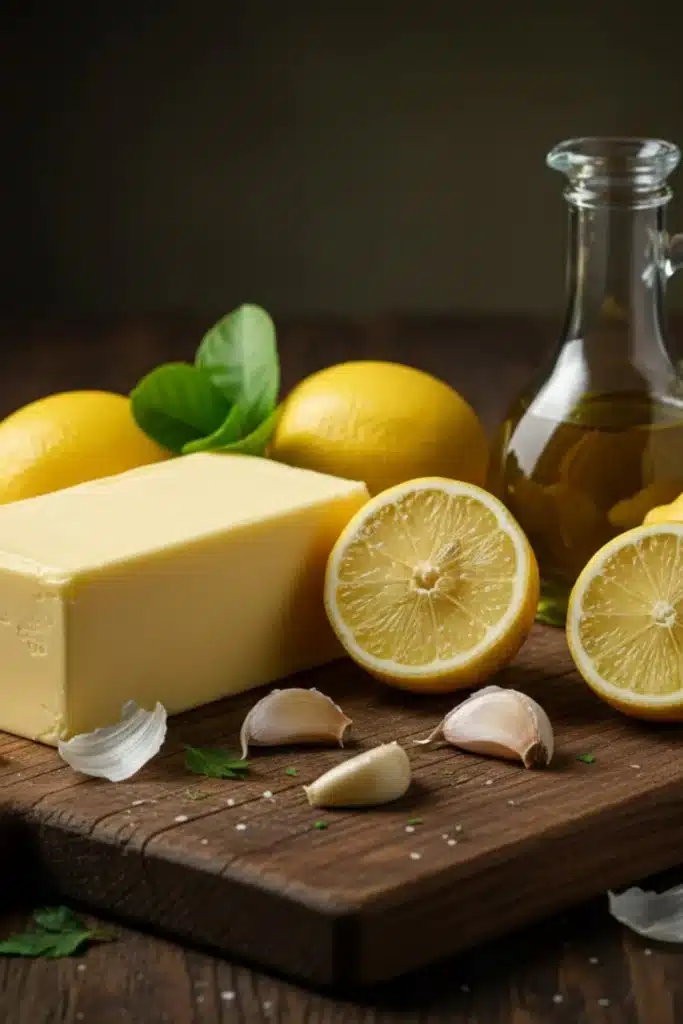
Master the Sauce: White Wine and Substitutes
I still remember standing in the wine aisle for twenty minutes during my early cooking days, totally lost. I wasn’t a wine drinker, so I just grabbed the cheapest bottle of “cooking wine” I could find. You know, the stuff near the vinegar that has salt added to it?
That was a huge error. My beautiful shrimp tasted like salty, metallic cough syrup. I was so mad I almost threw the pan in the trash.
If there is one lesson I have learned, it’s this: never cook with something you wouldn’t drink from a glass. You don’t need a $50 bottle, but you need something decent.
Picking the Right Bottle
For a shrimp scampi recipe, you want a dry, crisp white wine.
I usually go for a Pinot Grigio or a Sauvignon Blanc. These wines have a high acidity that cuts through the butter, which is exactly what we need. Avoid sweet wines like Riesling or Moscato unless you want dessert shrimp (gross).
Also, stay away from oaky Chardonnays. I tried this once, thinking it would add “depth.” Instead, the oak flavor concentrated when the sauce reduced and ended up tasting bitter and burnt. Stick to the crisp, clear stuff. It’s a game changer.
The Magic of Deglazing
This is where the chef magic happens. After you sauté the garlic and red pepper flakes, you’ll see little brown bits stuck to the bottom of the skillet.
That isn’t dirt. That is flavor gold. It’s called fond.
When you pour in that dry white wine, it sizzles loud—I love that sound! Use a wooden spoon to scrape up those brown bits. This process, called deglazing the pan, incorporates those caramelized garlic flavors into the liquid. If you skip this, you’re leaving the best flavor behind.
No Wine? No Problem
I get it. Sometimes you don’t have wine, or maybe you just don’t cook with alcohol. I have a friend who is sober, so I had to learn to adapt this recipe for her.
You can’t just leave the liquid out, or you’ll have greasy shrimp. You need a substitute.
My go-to swap is chicken broth or a good seafood stock. It gives you the volume and savory notes you need. However, broth lacks the acidity of wine. To fix this, I just add a little extra lemon juice at the end. It’s not exactly the same, but it’s still delicious.
reducing for the win
Here is where patience comes in. Once the liquid is in the pan, you need to let it bubble.
I used to rush this step because I was hungry. I’d throw the butter in immediately, and the sauce would be thin and watery. You have to let the wine reduce by about half. It concentrates the flavor and creates a syrup-like consistency that clings to the pasta.
Watching the sauce thicken is the most satisfying part. It goes from a loose puddle to a rich, glossy glaze. When it coats the back of your spoon, you know you nailed it.
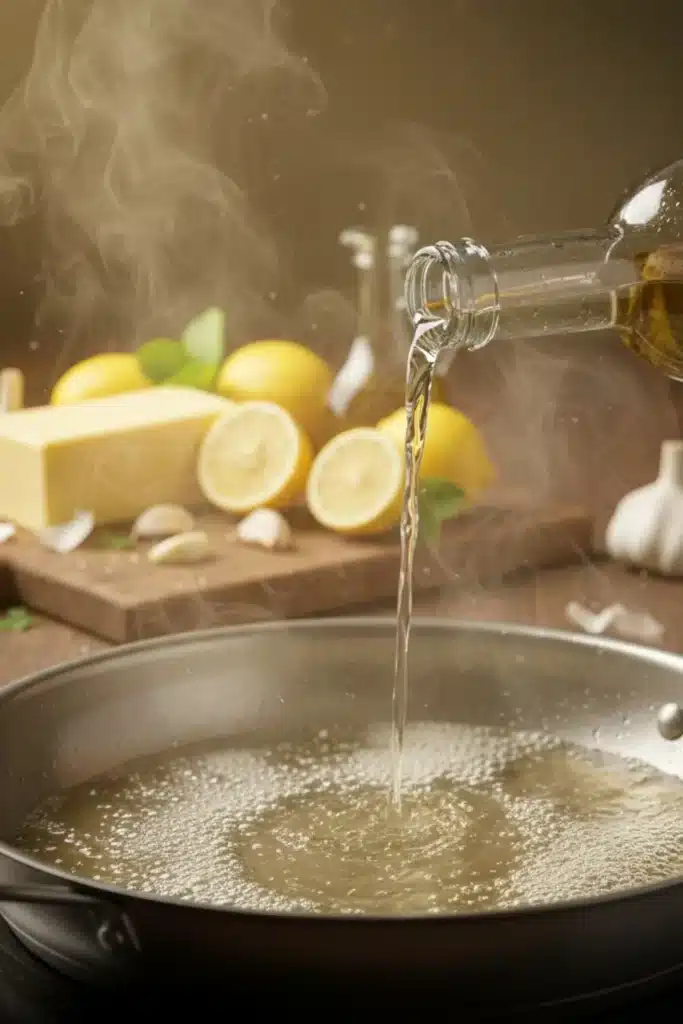
Step-by-Step Instructions for Flawless Cooking
I need to warn you before you turn on the stove. This shrimp scampi recipe moves fast. Like, really fast.
The first time I made this, I thought I could chop the parsley while the garlic was browning. Big mistake. By the time I turned around, my garlic was black, and the kitchen smelled like burnt toast. I had to scrap the whole thing and start over. It was a total dinner fail.
So, here is the golden rule: have everything chopped, measured, and ready to go before you light the burner. Chefs call this mise en place. I just call it “saving my sanity.”
Searing Without steaming
Grab your largest skillet. You want plenty of surface area so the shrimp don’t pile on top of each other.
If you crowd the pan, the shrimp will steam instead of sear. You’ll miss out on that beautiful golden color and end up with a soggy mess. I usually cook my shrimp in two batches just to be safe. It takes an extra two minutes, but the texture difference is huge.
Heat your oil and butter mix until it shimmers. Toss in the sautéed shrimp and let them be. Don’t touch them! Let them get some color. Flip them once, and pull them out the second they turn pink.
Here is a trick I learned:
- “C” Shape = Cooked: If the shrimp curls into a loose “C,” it’s perfect.
- “O” Shape = Overcooked: If it curls into a tight “O,” you’ve gone too far. It’s going to be rubbery.
Emulsifying Like a Pro
Once the shrimp are out, you make the sauce in the same pan. Pour in your wine and scrape up the tasty bits. Let it bubble down.
Now, here is the secret to a creamy sauce without using cream.
Turn the heat down to low. Grab your cold cubes of butter. Whisk them in one by one. Do not just dump them in! By whisking cold butter into the warm liquid, you create an emulsion. The sauce becomes glossy and thick. If you add melted butter or get the pan too hot, the sauce breaks and looks greasy. I’ve broken plenty of sauces in my day, and it’s heartbreaking.
The Pasta Finish
If you are serving this with carbs, timing is everything.
I try to time it so the pasta is finishing up right as the sauce is ready. And please, for the love of food, do not rinse your pasta! You want that starch.
Actually, I usually transfer the noodles directly from the boiling water into the skillet using tongs. A little splash of that cloudy, salty pasta water gets in the mix, and that is a good thing. It helps the garlic butter sauce stick to the noodles.
Toss everything together until the pasta is coated. Throw the shrimp back in just to warm them through. Hit it with fresh lemon juice and parsley immediately. Serve it hot. If it sits, the sauce soaks into the pasta and disappears.

Serving Suggestions and Pairings
I used to think the hard part was over once the cooking stopped. But honestly? Plating is where you can turn a Tuesday night dinner into something that looks like it cost $30 at a restaurant.
When I first started making this, I’d just dump the shrimp into a bowl and call it a day. It was delicious, but it felt incomplete. Over the years, I’ve realized that what you serve under and next to the shrimp is just as important as the protein itself.
The Pasta Debate
If we are being traditional, linguine scampi is the gold standard.
There is a reason for this. Linguine is flat enough to hold onto the sauce but thick enough to have a good chew. I went through a phase where I was obsessed with angel hair pasta. I thought it was elegant.
The reality? It turned into a mushy ball of starch the second it hit the sauce. It was a disaster. Unless you are eating it within thirty seconds of plating, stick to linguine or spaghetti. The noodle needs to stand up to that heavy garlic butter sauce.
Keeping it Light
I have friends who are strictly low-carb, so I had to get creative.
I was skeptical about zucchini noodles (zoodles) at first. I thought they would taste like wet grass. But if you sauté them quickly in a separate pan with a little olive oil—just for two minutes—they actually work perfectly. They soak up the scampi sauce without adding the carb coma.
Spaghetti squash is another solid option, though it’s a bit sweeter. Just don’t boil your veggie noodles, or you’ll end up with soup.
The Bread Factor
This is non-negotiable in my house. You need bread.
There is always a pool of delicious, garlicky liquid left at the bottom of the bowl. It is a crime to let that go down the drain. I usually grab a loaf of crusty sourdough or a French baguette.
If I’m feeling extra ambitious, I’ll make garlic bread to go with it. Is it garlic overload? Maybe. Do I care? Absolutely not. Toast the bread so it has some crunch to contrast the soft shrimp.
What to Drink
Here is a simple rule I teach everyone: drink what you cooked with.
If you used a crisp Pinot Grigio to deglaze the pan, pour yourself a glass of that same Pinot Grigio. It bridges the flavors perfectly. The acidity in the wine cuts through the butter on your tongue, cleansing your palate for the next bite.
I once served a heavy red wine with this because it was all I had. It clashed so hard it made the shrimp taste fishy. Stick to white wine or a light sparkling water with lemon if you’re skipping the alcohol.

Well, we made it to the end. I hope you are feeling a little less intimidated by the seafood counter now. We covered a lot today, from decoding those confusing numbers on the shrimp bag to mastering that emulsion trick with the cold butter. It really is the little details that turn a “meh” dinner into something special.
Remember, the biggest secret to this shrimp scampi recipe is speed. Have your garlic chopped and your wine ready before you turn on the heat. And if you mess up the first time? It happens. I’ve eaten my fair share of rubbery shrimp. Just keep cooking.
If you found this guide helpful (and I hope you did!), do me a huge favor. Pin this recipe to your “Weeknight Dinners” board on Pinterest. It helps other home cooks find these tips, and it helps me keep the lights on. Now, go pour yourself a glass of that Pinot Grigio and dig in!